7
Test
Barfender: my idiotic friend drank all the beers
A co-op bar that collapses while you serve. 98 per cent positive, and one of the rare times chaos is the actual subject.
Alexandrosse
7 min
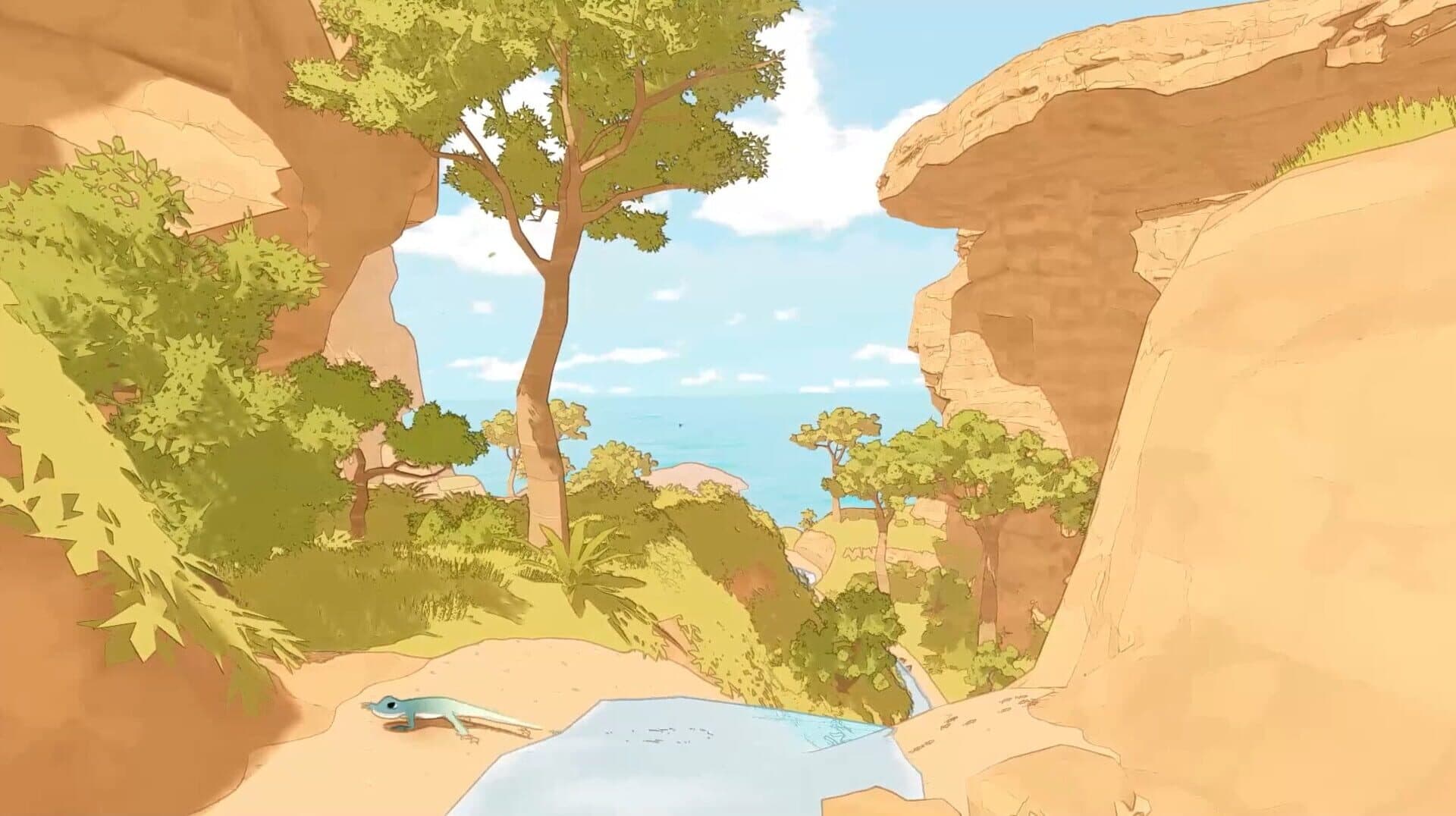
Gecko Gods sticks you to walls, ceilings, and the ruins of a forgotten civilisation. And somewhere between the third temple and the tenth fall into the void, you realise you haven't put the controller down in two hours.
Alexandrosse
InsertCoins.press Score
7/10
Verdict
Recommended
We all have that friend who says "platformers are always the same". Send them Gecko Gods. Not to change their mind. Just to see their face when they start walking on the ceiling through thousand-year-old temples.
Gecko Gods is an indie game developed by Luke Traynor, released on PC, built on a premise as simple as it is well executed: you're a sacred gecko, you can climb anything, and ahead of you stretches a world of ruins to explore. That's it. And it's more than enough.
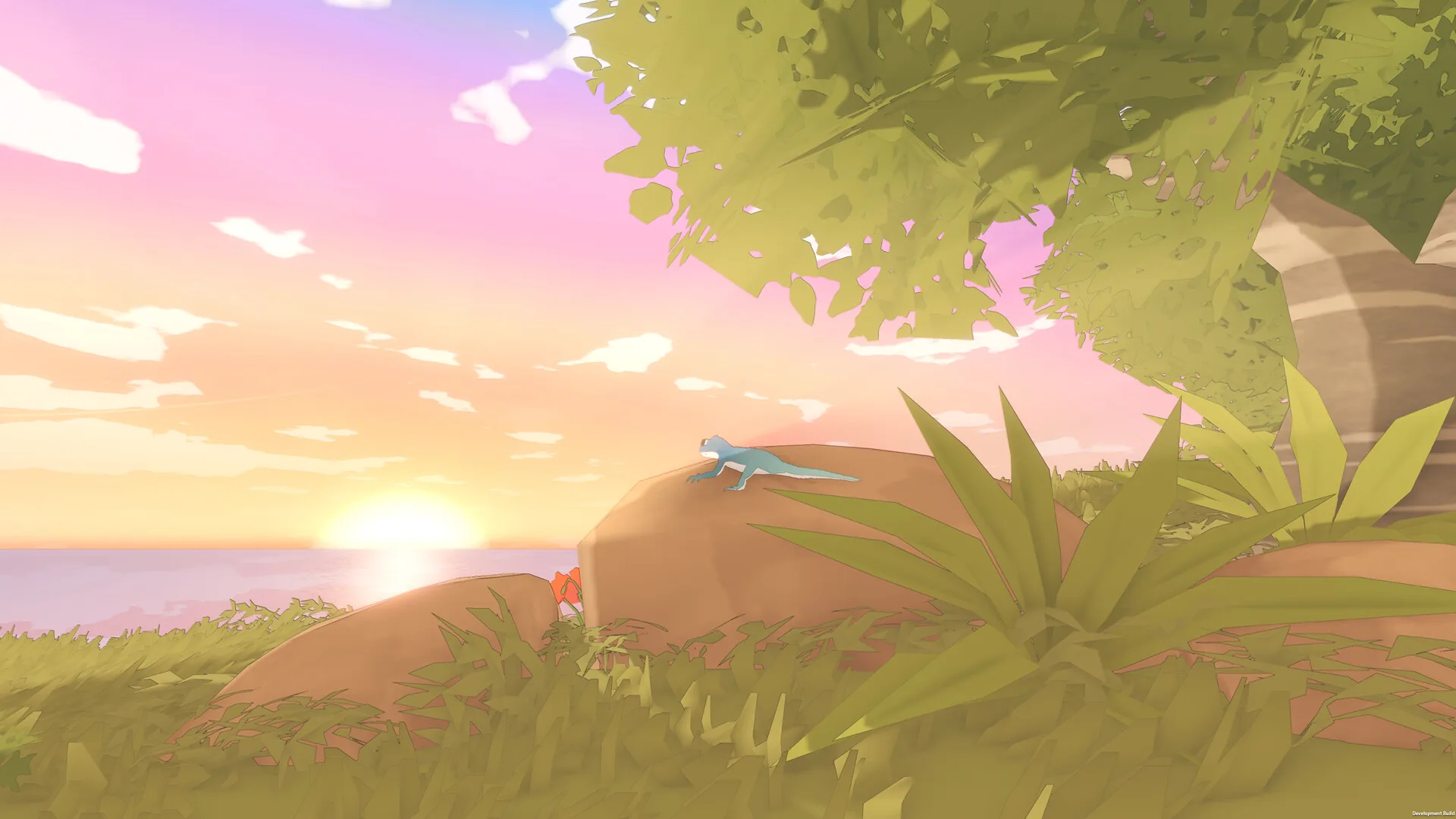
The danger with this kind of game is that the concept is more interesting than the game itself. "You play a gecko that climbs everything" sounds great in a Steam announcement. Does it hold up for six hours of play?
The honest answer is yes. Almost always.
What makes Gecko Gods work is that the gecko's mobility isn't a gimmick. It's the heart of everything. Sticking to the ceiling to pass over a trap. Climbing along a column to reach a platform invisible from below. Crossing a room by staying on the walls because the floor is riddled with obstacles. Every space is designed to make you think in three dimensions. And the moment you start seeing levels like a gecko : instinctively looking for the wall that hides a passage, the ceiling that offers a shortcut : that's when the game truly clicks.
When that click happens, it's a genuine satisfaction.
Gecko Gods is not a game that guides you. No markers. No arrows. No mini-map telling you where to go.
What the game gives you instead is an environment that tells its own story. The ruins have an internal logic. The rooms connect in a way that, once understood, lets you navigate without outside help. A bas-relief on a wall pointing in a direction. An opening in the ceiling spotted from the floor that makes you want to climb and see what's up there. Architecture that is never there by accident.
This is a game that demands to be looked at, not just run through. And in a genre where the habit is usually to charge forward, slowing down to observe feels almost counter-cultural.
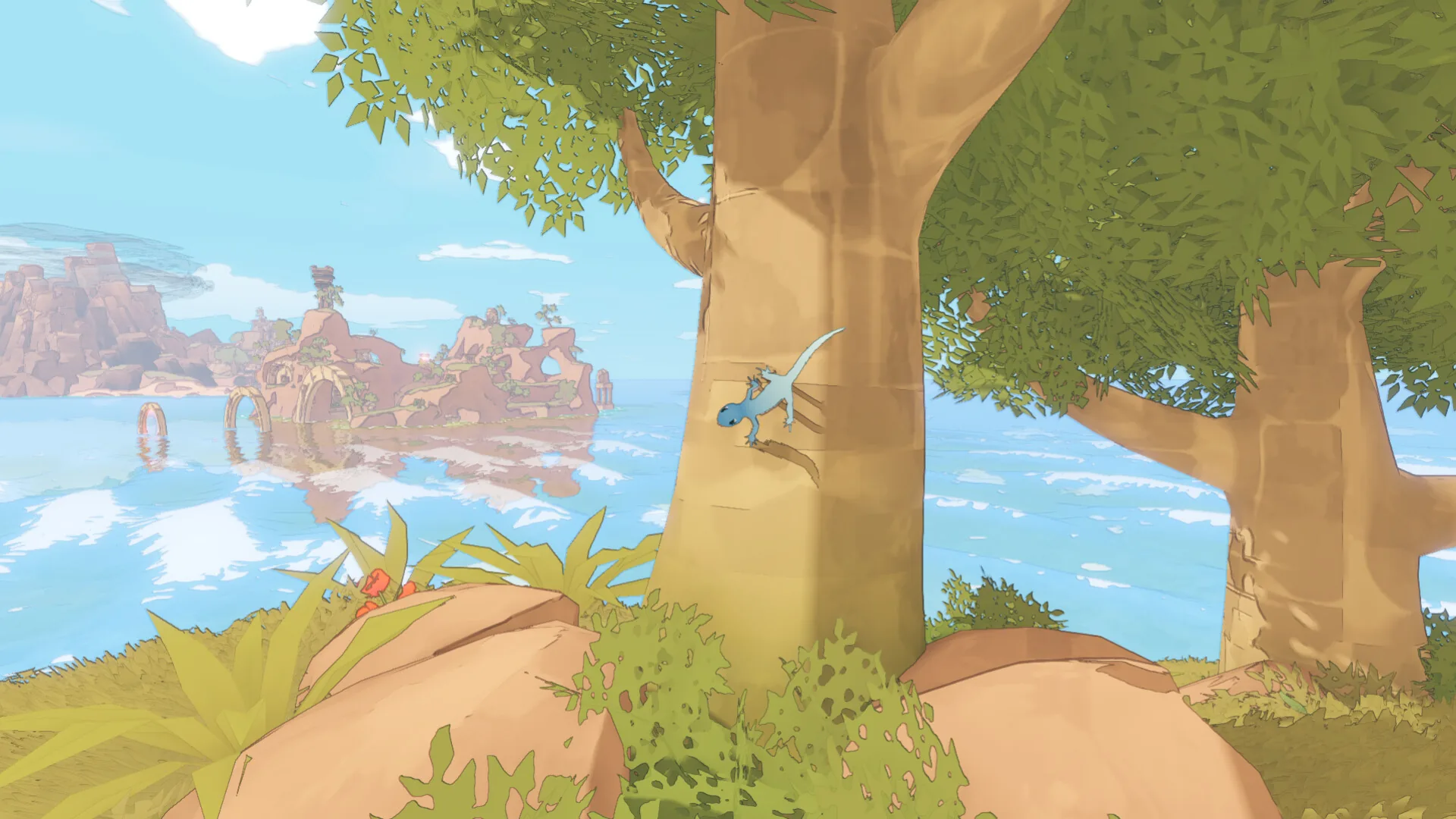
Gecko Gods doesn't try to blow you away visually. And that's the right call.
The aesthetic is stripped back, the textures evoke stone and packed earth, the environments are bathed in natural light that shifts depending on your position in the ruins. It's beautiful without being showy. The visual style serves the atmosphere before serving the spectacle, which is exactly the right choice for a game of this nature.
The gecko itself is delightful. The wall-running animations have something slightly strange about them, anatomically odd, that makes you feel like you're genuinely controlling a lizard rather than a reskinned human character. When it stops, it turns its head. When it falls, it doesn't fall like a person. These are details, but they're exactly the kind of details that make you believe in the character.
Honesty requires acknowledging the limits.
Gecko Gods is a short game. Depending on whether you explore every corner or push straight ahead, you'll see the end in five to eight hours. That's intentional, it's consistent with the project's ambition, but if you're looking for something to keep you busy for a month, look elsewhere.
Some sections also suffer from a lack of clarity in reading the space. Not often, but regularly enough to be worth mentioning: you find yourself stuck not because the puzzle is hard, but because you missed a climbable surface that blends into the scenery. This isn't a level design flaw. It's a visual readability flaw, and it breaks the rhythm at frustrating moments.
The narrative thread is also very thin. There's a story in the background, suggested through inscriptions and bas-reliefs, but it never really unfolds. If you play Gecko Gods hoping for a narrative adventure, you'll leave unsatisfied.
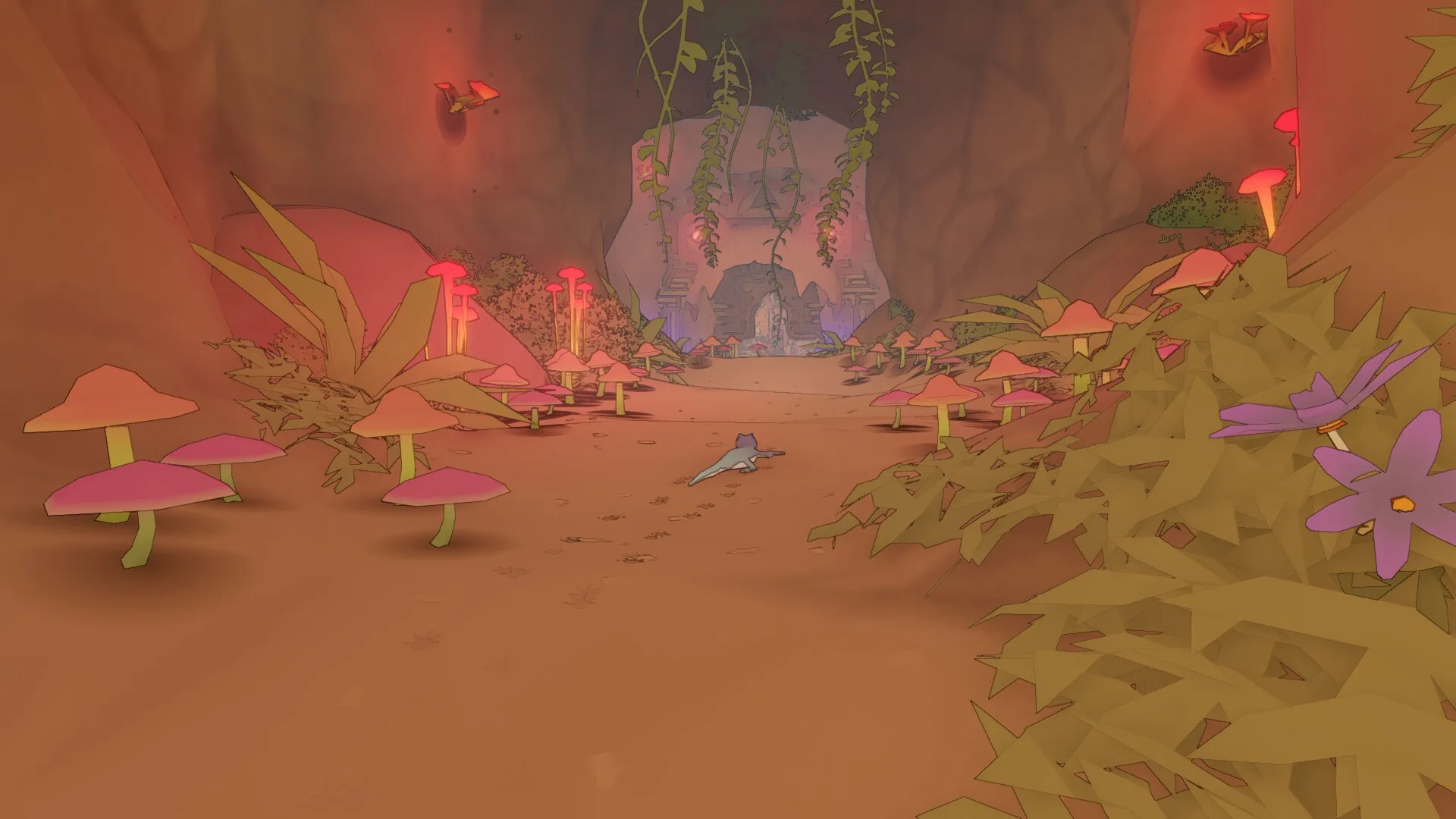
Gecko Gods is made for players who enjoy quiet exploration, who find satisfaction in understanding a space, progressively mastering an unusual movement system, and wandering through a world that doesn't hold their hand.
It's not a game for everyone. Too contemplative for players looking for action. Too short for those who want longevity. Too understated in its storytelling for those who play primarily for narrative.
But for what it is, and for the audience it targets, it does exactly what it needs to do. And doing that well, in a genre as crowded as indie platformers, is not nothing.
Strengths:
Weaknesses:
Gecko Gods won't change your life. But for five to eight hours, it will make you look at ceilings differently. And for a solo indie dev, that's already a promise well kept.
Tested on PC, full version
Played it too? Tell us how it went on the InsertCoins Discord.
Community
Your rating
Advertisement
Loading comments...
You might also like
A co-op bar that collapses while you serve. 98 per cent positive, and one of the rare times chaos is the actual subject.
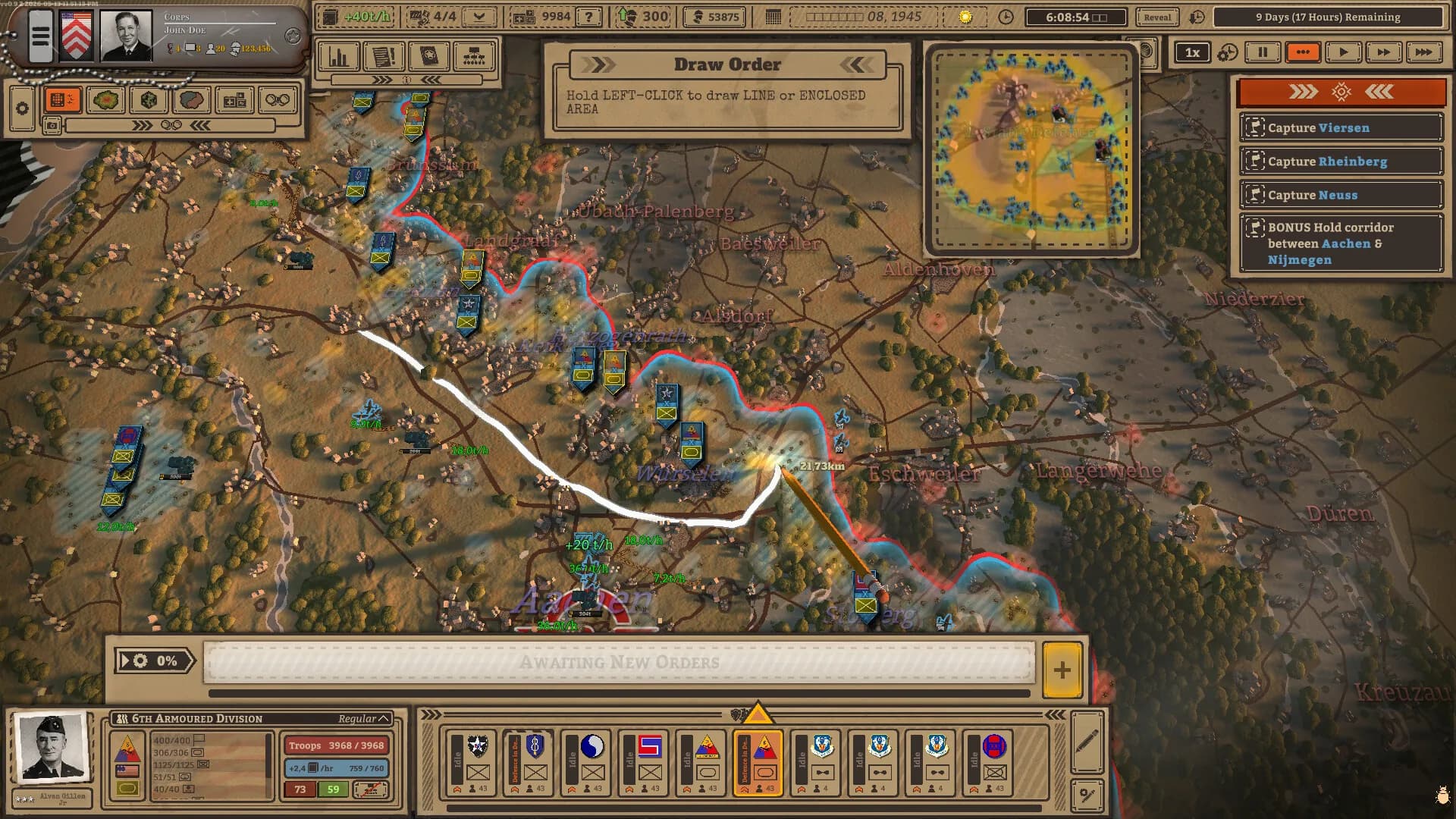
You draw a plan on the map and officers execute it alone. Except the game crashes every other planning phase.
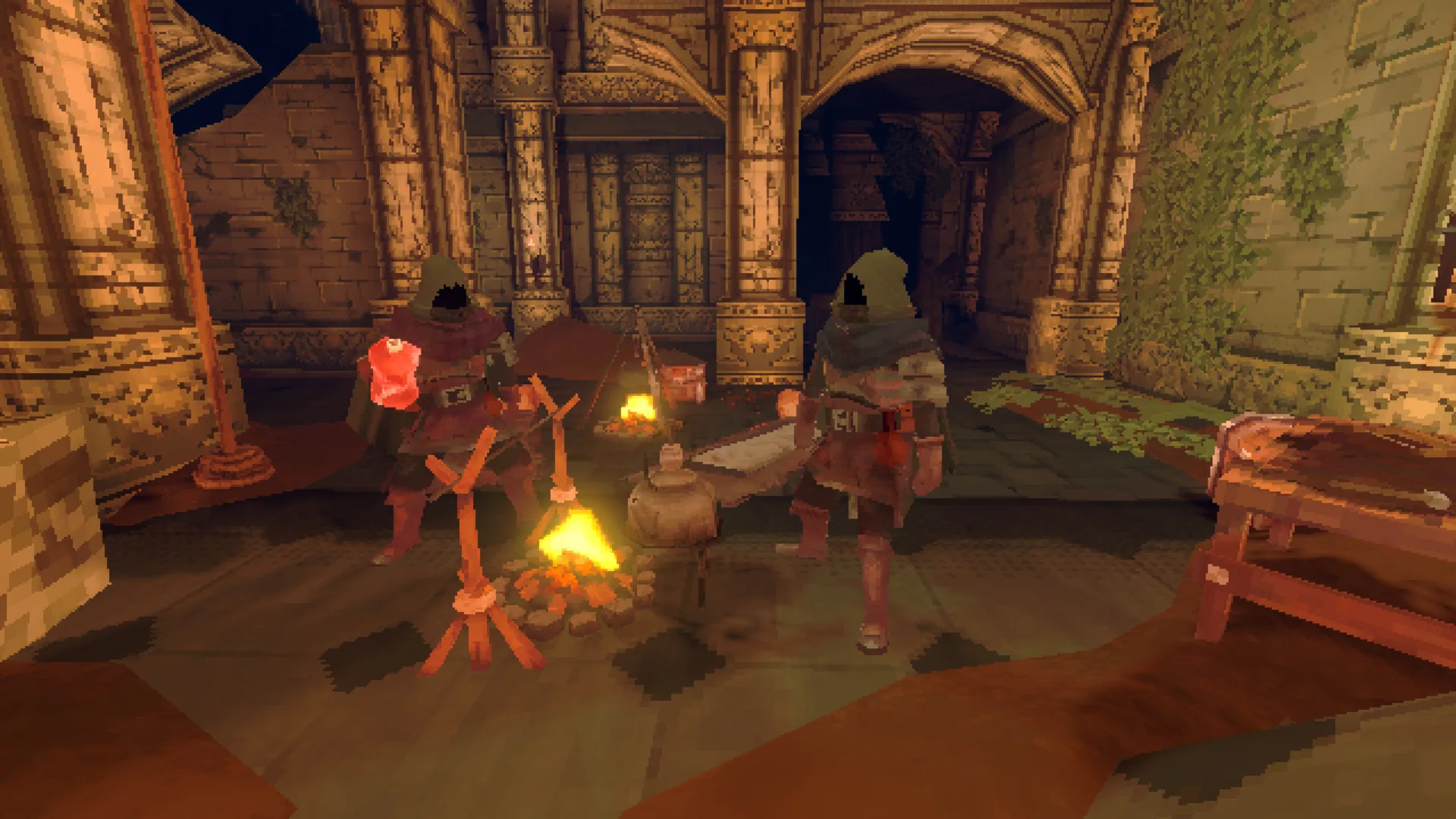
The Knights of Pen & Paper team return with a dungeon where you come back to camp, cook, and unlock recipes that change your stats.