7
Test
Dungeon Inn: running an inn while keeping two rival guilds from meeting
You struck a deal with a dragon. All that is left is serving both sides without either finding out. The 1.0 lands on 23 October.
Alexandrosse
7 min
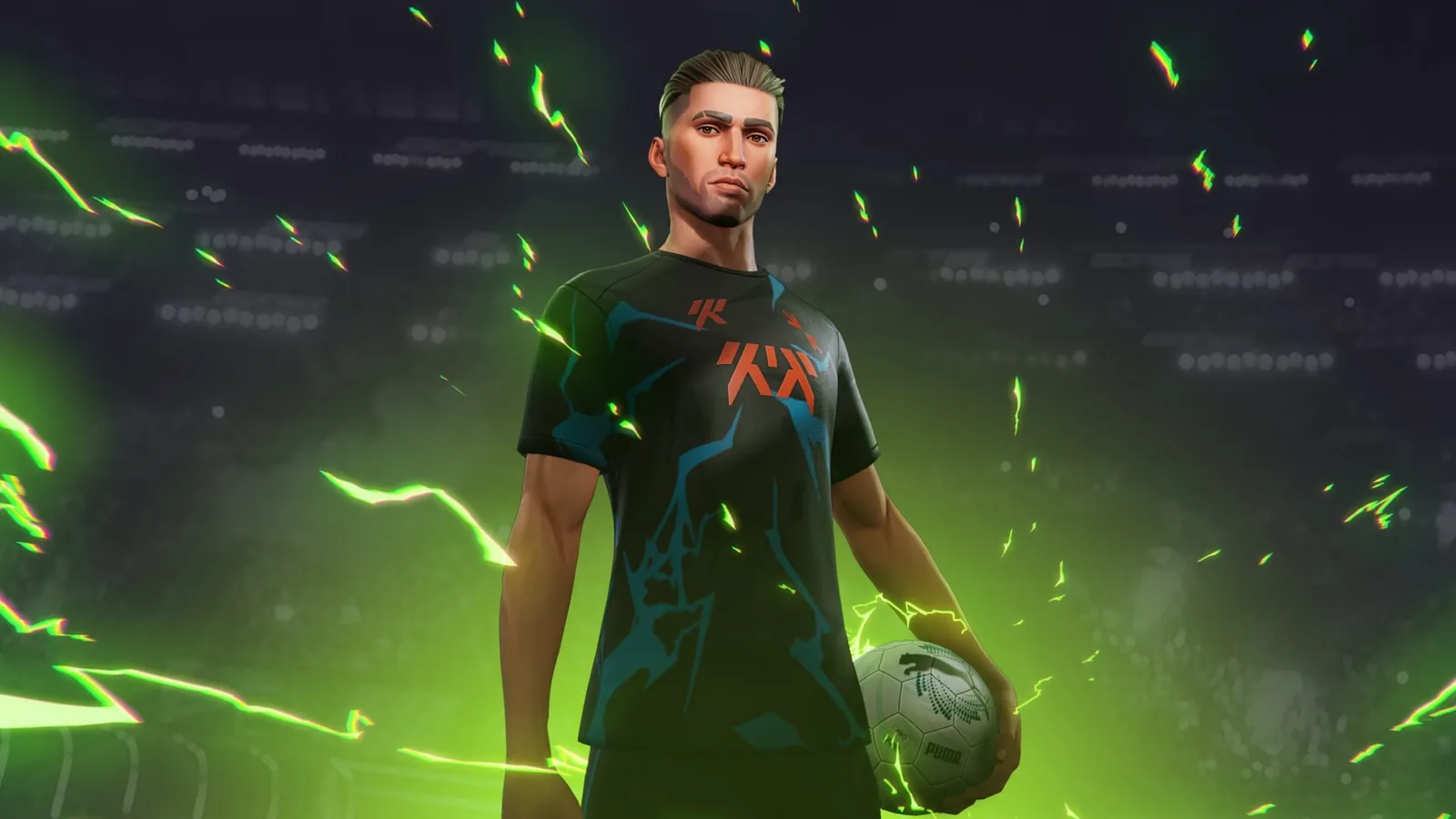
Zero input delay, zero scripting, zero licenses: GOALS bets everything on pure gameplay against EA FC. The skill bet pays off, the content much less so.
Alexandrosse
InsertCoins.press Score
7/10
Verdict
Recommended
For years we have been waiting for someone to say out loud what everyone thinks controller in hand: what if a football game just responded well ? No 200-million licenses, no cutscenes, no scripting deciding for you. Just you, the opponent, and the ball. GOALS is that game. And for a few matches, we fully bought in. The trouble is everything around the ball.
GOALS is developed and published by GOALS AB, an independent Swedish studio based in Stockholm and founded by Andreas Thorstensson, a former professional Counter-Strike player. That matters, because it explains all the rest: this game is designed by esports people, for esports. Released on June 4, 2026 on PC, PS5, Xbox Series and macOS, fully free-to-play and cross-play across all platforms, it lands exactly one week before the kickoff of the 2026 World Cup. The timing is anything but innocent.
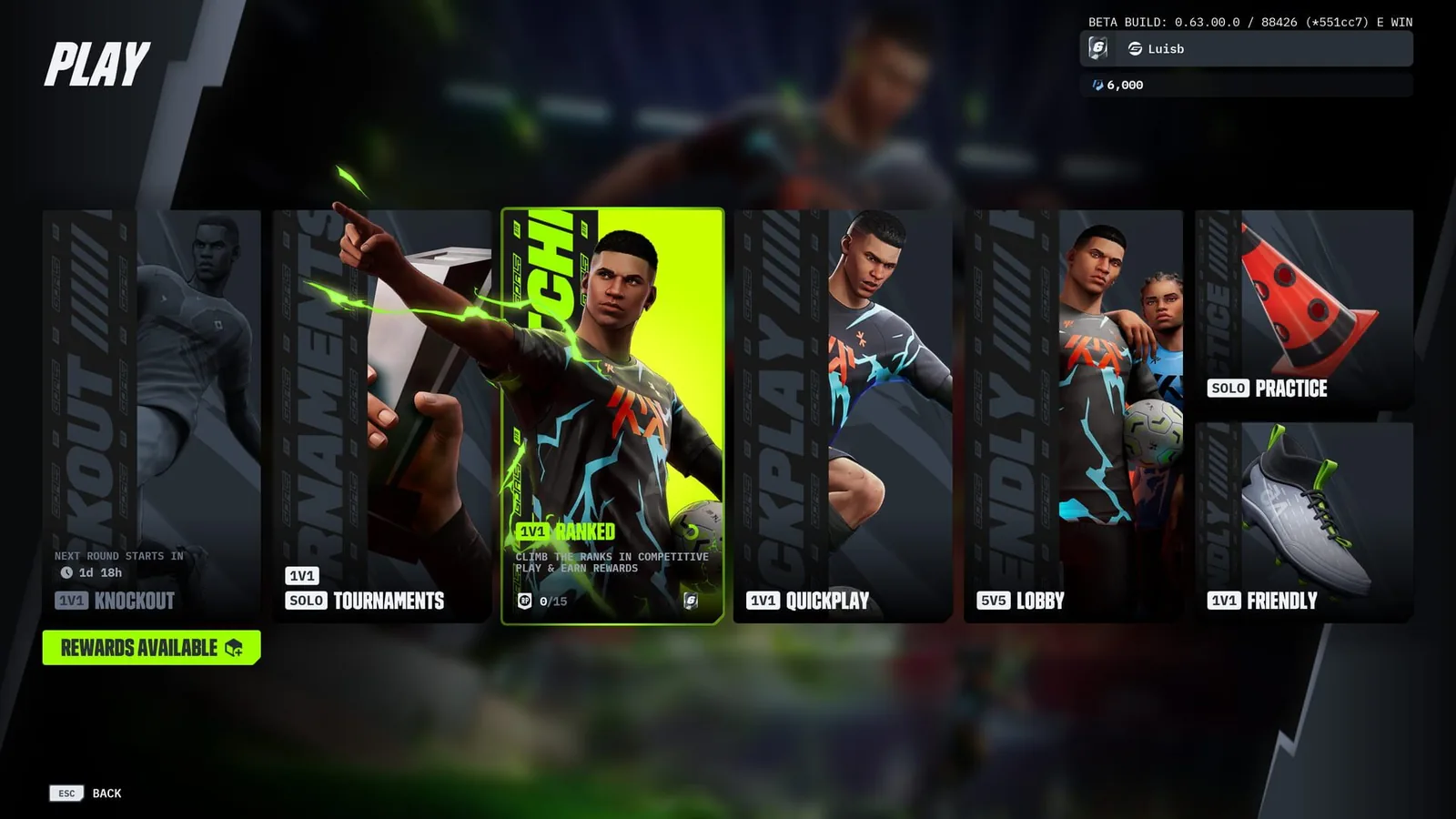
The philosophy fits in one word: responsiveness over realism. GOALS runs on Unreal Engine 5 and ships with its own in-house netcode, dubbed SENTEC, whose single mission is to kill input delay. No licensed players either: the entire roster is procedurally generated, every footballer is unique and belongs to a single club, which makes your squad a genuinely personal thing. At launch, only 1v1 is available, with 2v2 and 5v5 promised for later, and a training mode named The Arena serving as a sandbox.
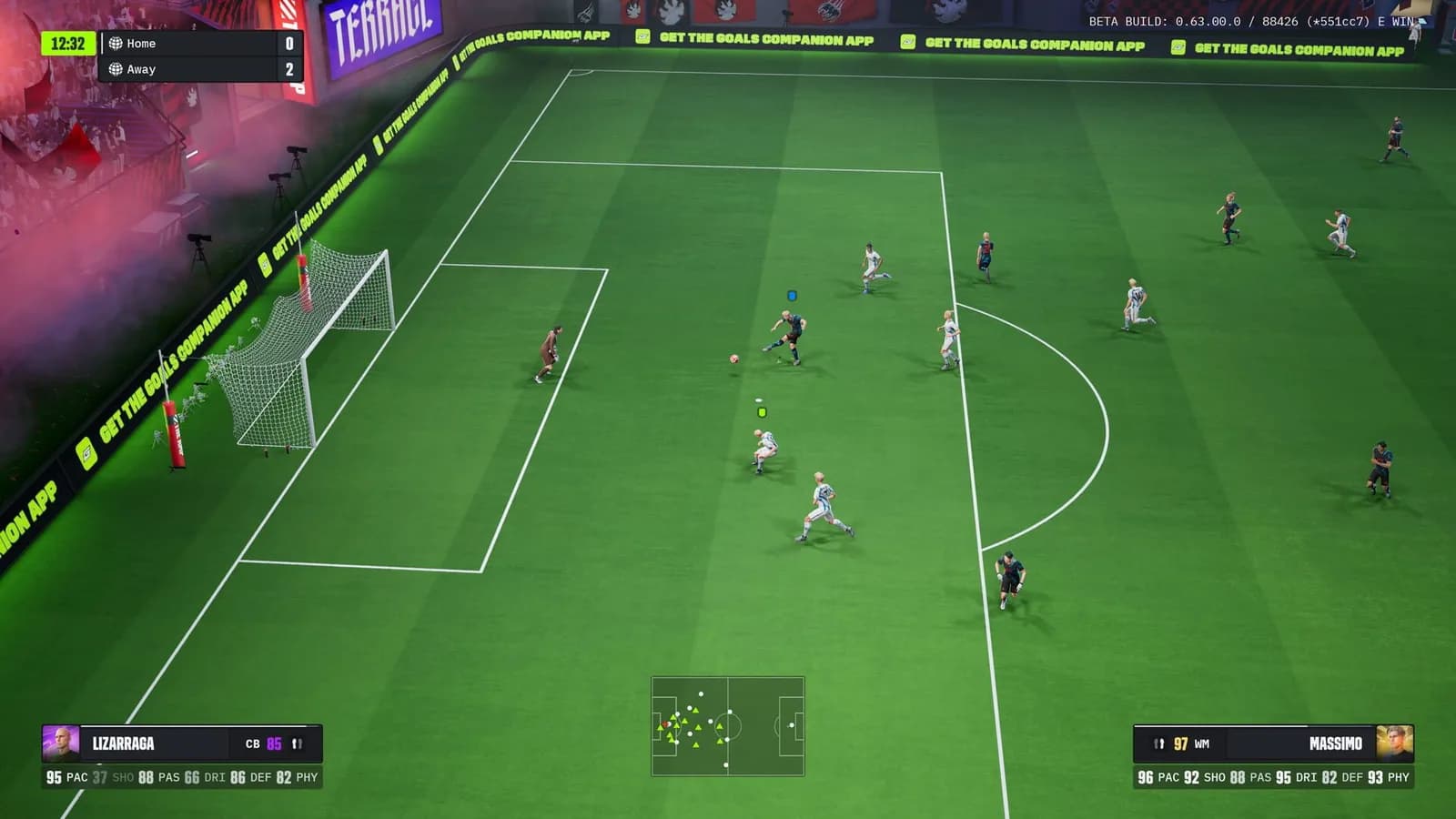
This is where GOALS wins its bet, and it has to be said plainly: the feel of play is a breath of fresh air. Everything you input happens on screen, immediately, without that half-beat of latency that rots the experience over at the competition. We spent whole matches rediscovering something we thought was lost: the feeling of actually being in control, in attack as in defense. Switching to EA FC right after, the contrast is brutal, you suddenly measure just how mushy and indirect the behemoth is. On this precise ground, GOALS humiliates its model.
The game feels like an old PES or a pre-menu-race FIFA: fast, sharp, readable, based on skill and nothing else. The developers swear there is no scripting, and after several hours, we believe them. Nobody nerfs your players because you are ahead, no force field pushes the opposing striker. You lose because the other player played better. In the current landscape, that is almost revolutionary.
But the enthusiasm quickly runs into execution that is still green. The first problem is the overall balance, tilted too far toward attack. Shooting is absurdly accurate: the slightest half-chance near the box ends up in the net, and everyone scores five goals a match because nobody can really defend. The behavior of the computer-controlled players, precisely, is the big black mark. Your teammates do not position themselves to offer options when you have the ball, and defend like traffic cones when you do not. More than once, a defender stayed planted next to the ball carrier without intervening. That is exactly the kind of detail that turns a great idea into frustration.
Passing, next, is too binary. Either you have a perfectly clear lane and the ball arrives right at the feet, or you try a pass into space and the game decides on its own, often badly, who to send it to. It badly lacks a gray area, that margin of error that gives weight to every decision. With players rated around 70, you already feel like you are fielding TOTY cards, everything is too clean, too assisted. Add to that repeated woodwork, still-rough header animations and a generally absent defense, and you get an excellent base that still needs several tuning patches.
GOALS has no story, and it does not need one. Instead, it offers a loop that strongly resembles a career mode where you build your club from nothing. It is its prettiest idea. Because players are generated and exist only once, you grow attached to these unknowns like regens in Football Manager. The aging and retirement system, where each player develops over several real weeks and peaks in their late twenties, gives a genuine dimension of management over time. Even a weak card stays useful, tradable for currency or thrown into a pack. Nothing gathers dust, everything has value. The absence of licenses, far from being a lack, ends up reinforcing this intimate, unique club identity.
The launch's real Achilles heel is the thinness of the offering. A single competitive mode at the start, 1v1, while the 2v2 and 5v5 that would truly bring an esports community to life remain promises. GOALS bets on the long term and on a clever idea to exist culturally: streamers, influencers and legends will be able to join as Originals, sidestepping the absence of licenses through the door of pop culture. On paper, it is smart. In practice, at launch, the content is too short to keep everyone around, and a live-service game starting this bare is taking a big risk: it has to deliver, and fast, or watch its servers empty before autumn.
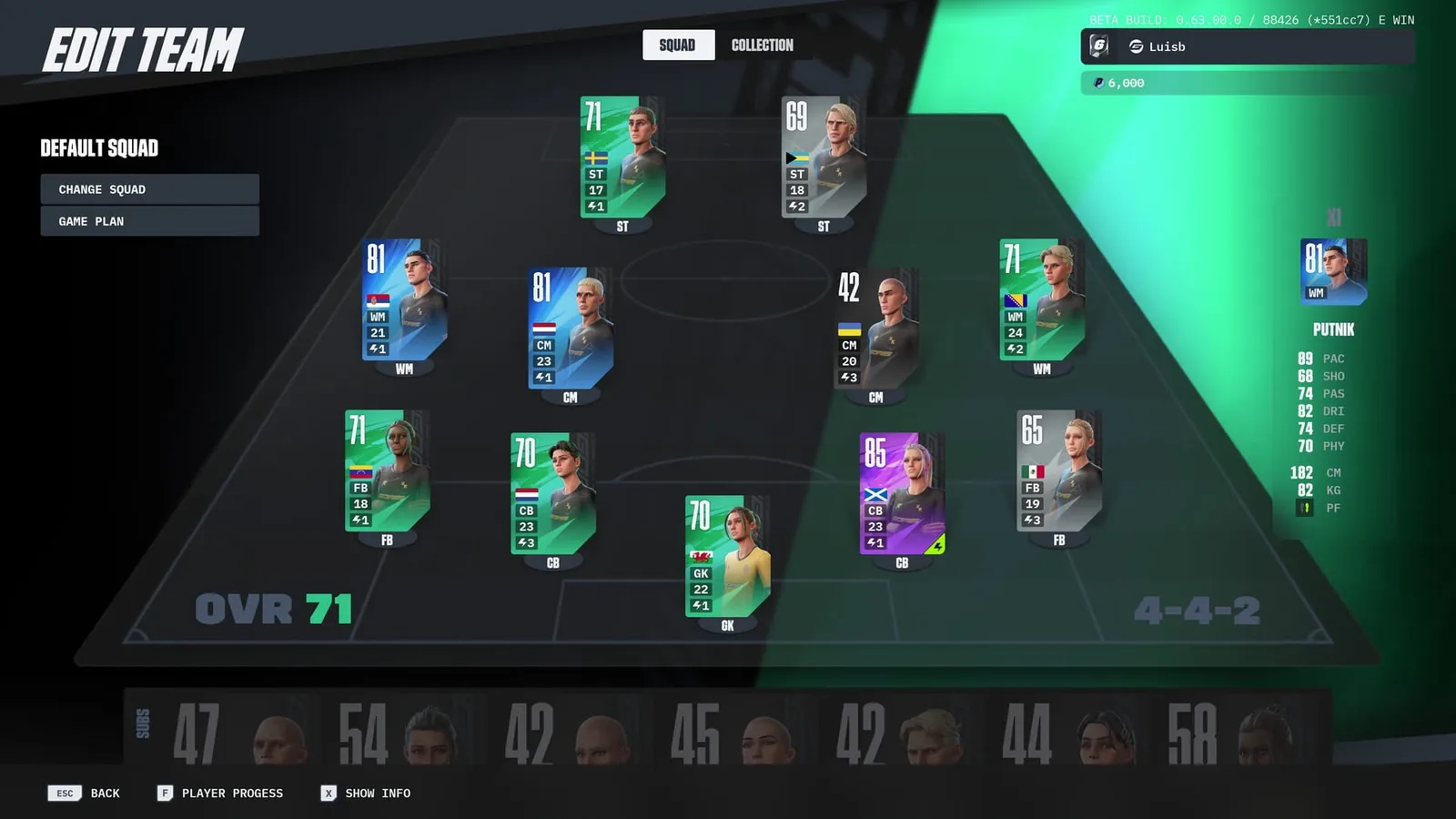
The question the whole community is asking remains, and it is the right one: is GOALS pay-to-win ? For now, the honest answer is no, or not yet. You can open all the packs you want, you still have to play a lot to bank the experience that levels players up. The current monetization mixes cosmetics and players for coins, and the balance roughly holds. But we have already run into opponents fielding a juiced-up striker at 90 pace: one long ball, and it is over. The danger is there, lurking, and it has a name: publisher greed. Releasing right before the World Cup smells of a commercial move, and the whole stake of the coming months will be seeing whether the studio keeps its promise not to turn this fine project into a pack dispenser. For now, we want to believe.
On the technical front, GOALS fully owns what it is. The game weighs barely 2 GB, runs at 120 fps on console, and its interface is almost insolently smooth: changing a setting, navigating menus, everything responds instantly. After years spent waiting for a football game's menus to deign to react, it is a physical relief. Cross-play works, and even with a high ping from the other side of the world, the experience stays playable. SENTEC, on this point, is not a hollow marketing claim.
The flip side is presentation. Visually, GOALS is generic, sometimes outright sterile. The stadiums lack personality, the player models are soulless compared to the competition, and the audio struggles to recreate the thrill of a real match. Those coming for authenticity, real clubs, chants, familiar faces, will leave disappointed: GOALS does not play on that ground at all, and owns it. On the finish side, you can still feel a young game: shaky header animations, and even, in our matches, a goal briefly credited to the wrong team. Nothing unfixable, but the 45% positive Steam reviews at launch tell the story of this split reception, between players won over by the feel and players cooled by the lack of content.
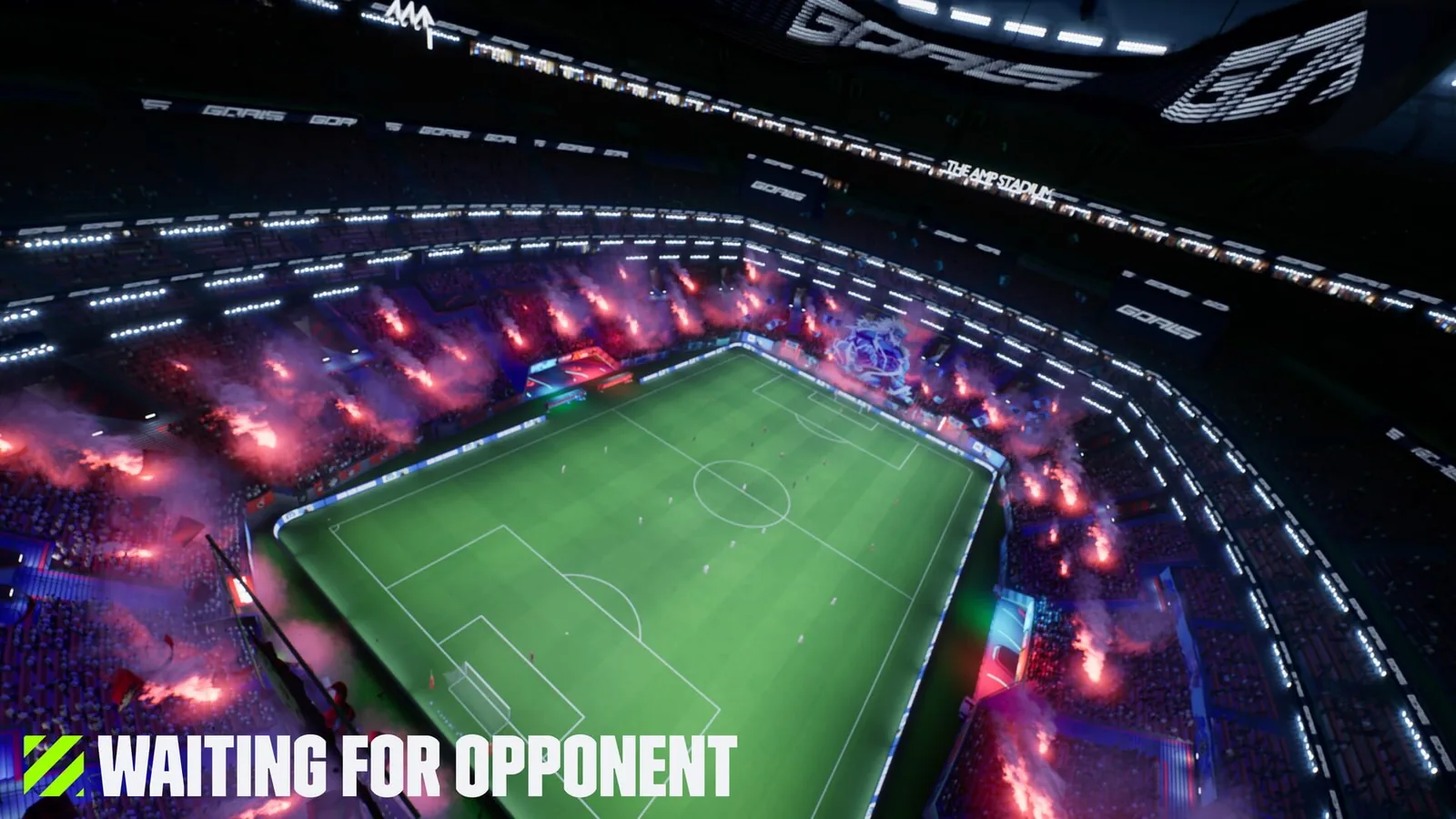
GOALS is the best news a football game fan could have hoped for in 2026, and at the same time the most frustrating of unfinished things. On pure feel, on responsiveness, on the honesty of skill without scripting, it spanks EA FC and reminds you what the simple joy of playing used to be. But it arrives lean: a single mode at launch, clueless teammates, over-assisted passing, flavorless presentation and a pay-to-win sword of Damocles overhead. It is a brilliant base that still needs months of work and, above all, commercial restraint. The potential is immense, the vigilance mandatory. We endorse the hope, and we are watching the rest closely.
A real breath of hope against FIFA, provided GOALS resists the temptation to sell everything.
We debrief every release on our Discord. The door is open, and so is the argument.
Community
Your rating
Advertisement
Loading comments...
You might also like
You struck a deal with a dragon. All that is left is serving both sides without either finding out. The 1.0 lands on 23 October.
A co-op horror fishing game at nine euros. You must sacrifice fish every day, and the beast is not the worst thing out there.
Scrapheap robots sent to exterminate a planetary fungus. The 1.0 lands tomorrow, and the upgrade grid is the genre's best idea.