In most co-op extraction games, dying puts you on the bench. You watch your friends finish the run while commenting over voice chat, and you wait. That is the structural flaw of the genre, the one that turns a good evening into an evening at two speeds.
Grain Rot solves that problem with one idea, a single one, and it feeds everything else.
The idea: you are not the body
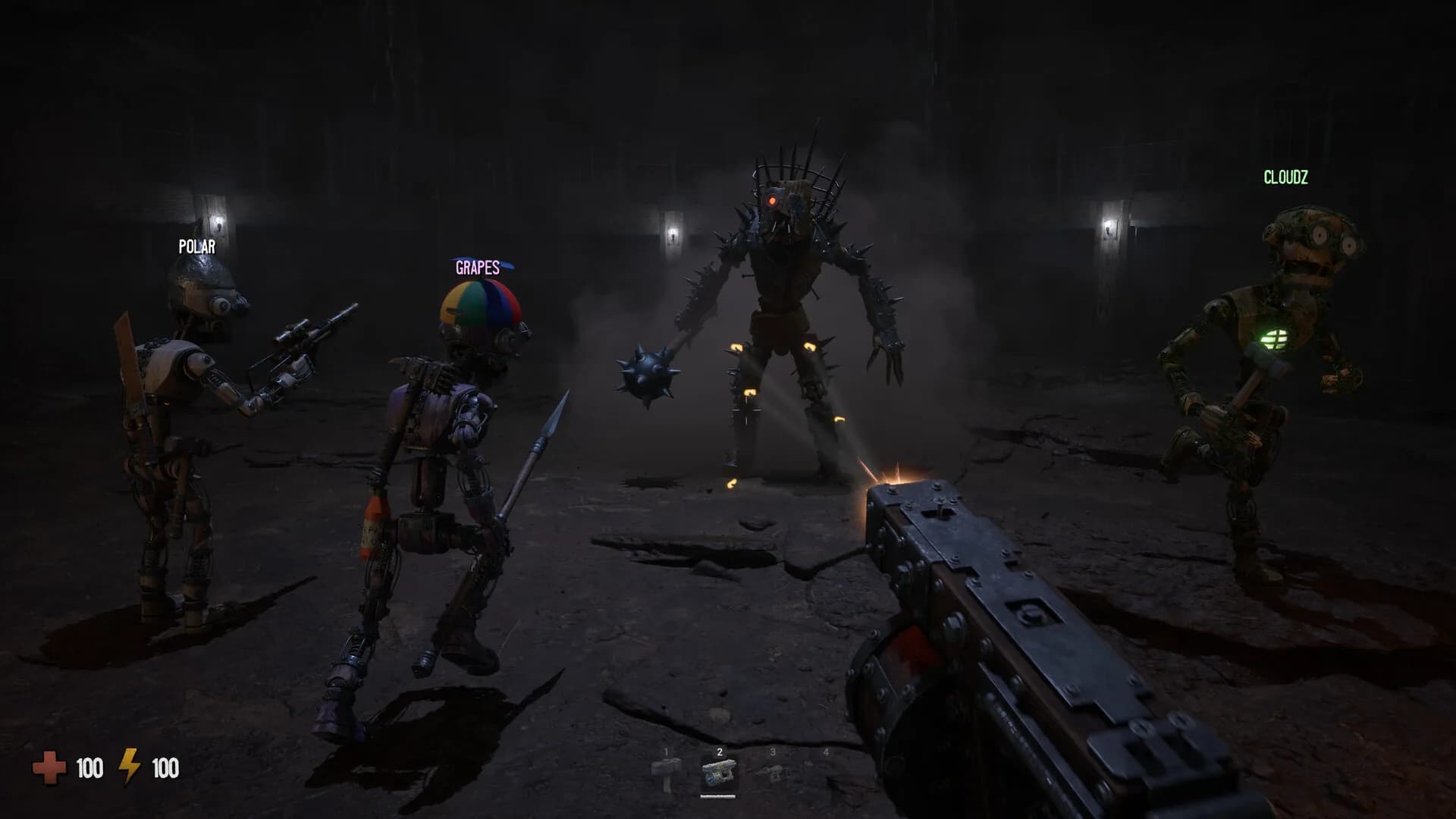
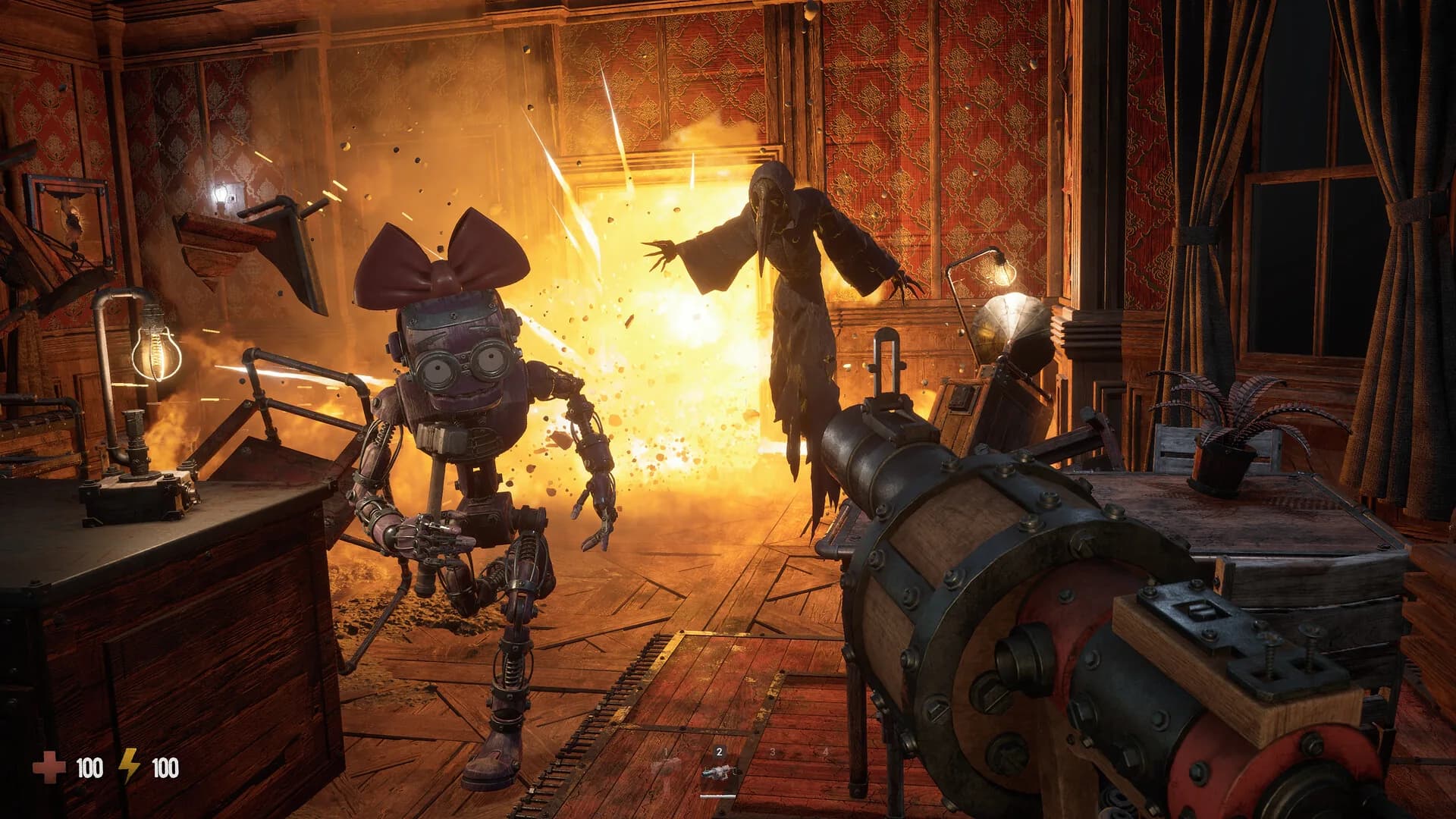
You are a Living Spark. The body you inhabit is only a wooden vessel, fragile, that splinters, collapses and catches fire. When it breaks you do not die: the Spark escapes and stays in the run. You then guide your team through the dark while hunting for a new host, with a different set of abilities, that you have to force your way back into before you fade out for good.
Look at everything that one mechanic unlocks. The dead player stays useful and active instead of enduring. Death becomes a change of scenery rather than the end of a round. And since each body offers different abilities, losing yours can even make you more interesting to the team. It is an elegant answer to a problem the genre has been dragging around for years.
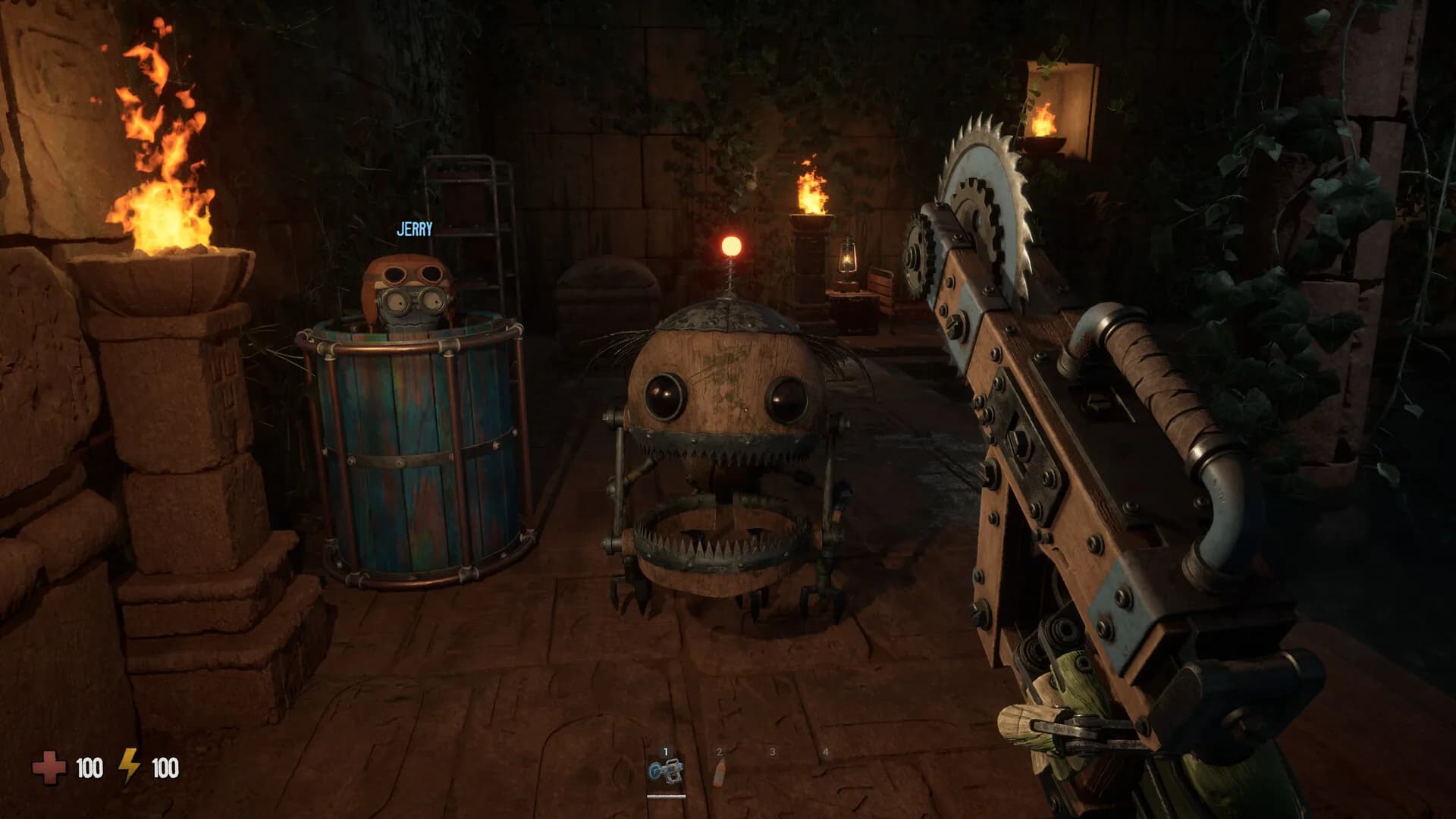
The loop is extraction, and it is well held. You ride a cursed elevator down into shifting underground ruins with your crew. Once there, you smash furniture for resources, or feed it into the Grinder to convert it into gold. If everyone breaks, the run's loot is lost, which installs the necessary tension.
What you haul back rebuilds your Outpost: interactive furniture, stat upgrades, rescued survivors, and stranger ways to survive the next descent. The stronger the Outpost, the deeper you can afford to go. Persistent progression is the carrot, and it is well hooked.
Depth is the variable that changes everything. The further down you go, the worse the Rot gets: bodies warp, voices distort, and the Corrupted of the deep layers react to sound, movement and each other in unpredictable ways. The game builds its horror on gradual degradation rather than jump scares, which works far better in a group.
Because the game allows treachery and owns it. You can dropkick an enemy, or "accidentally" launch an ally's Spark out of their vessel. You can block them in a monster-infested corridor, or catch them in the crossfire. The studio presents this as a feature, not an exploit, and that is the right call: in a co-op game, chaos created by players always beats scripted chaos.
The other reason is the physics. Smashing furniture to survive, in environments that react, produces that dumb, effective tactile pleasure that has you dismantling an entire room while the monster closes in. And the fact that death does not cut off the conversation keeps the group's mood up even when the descent goes wrong.
The genre is saturated. Co-op horror extraction has become a traffic jam, and Grain Rot will have to prove its possession gimmick holds over thirty hours and not just three. Plenty of games in this format shine for one evening before collapsing back into the same repeated descent.
The other point of caution is group dependency. The game offers solo, but everything, from the chaos between allies to the Spark mechanic that guides the others, is written to be played with people. Alone, it loses its better half. And at this stage there is no perspective at all on the balance of the deep layers.
That said, the founding idea is too good to ignore. Dying without leaving the run is the kind of find that other games in the genre should copy without waiting.
The discussion carries on over on our Discord, where we relitigate scores for far longer than is reasonable.