7.5
Test
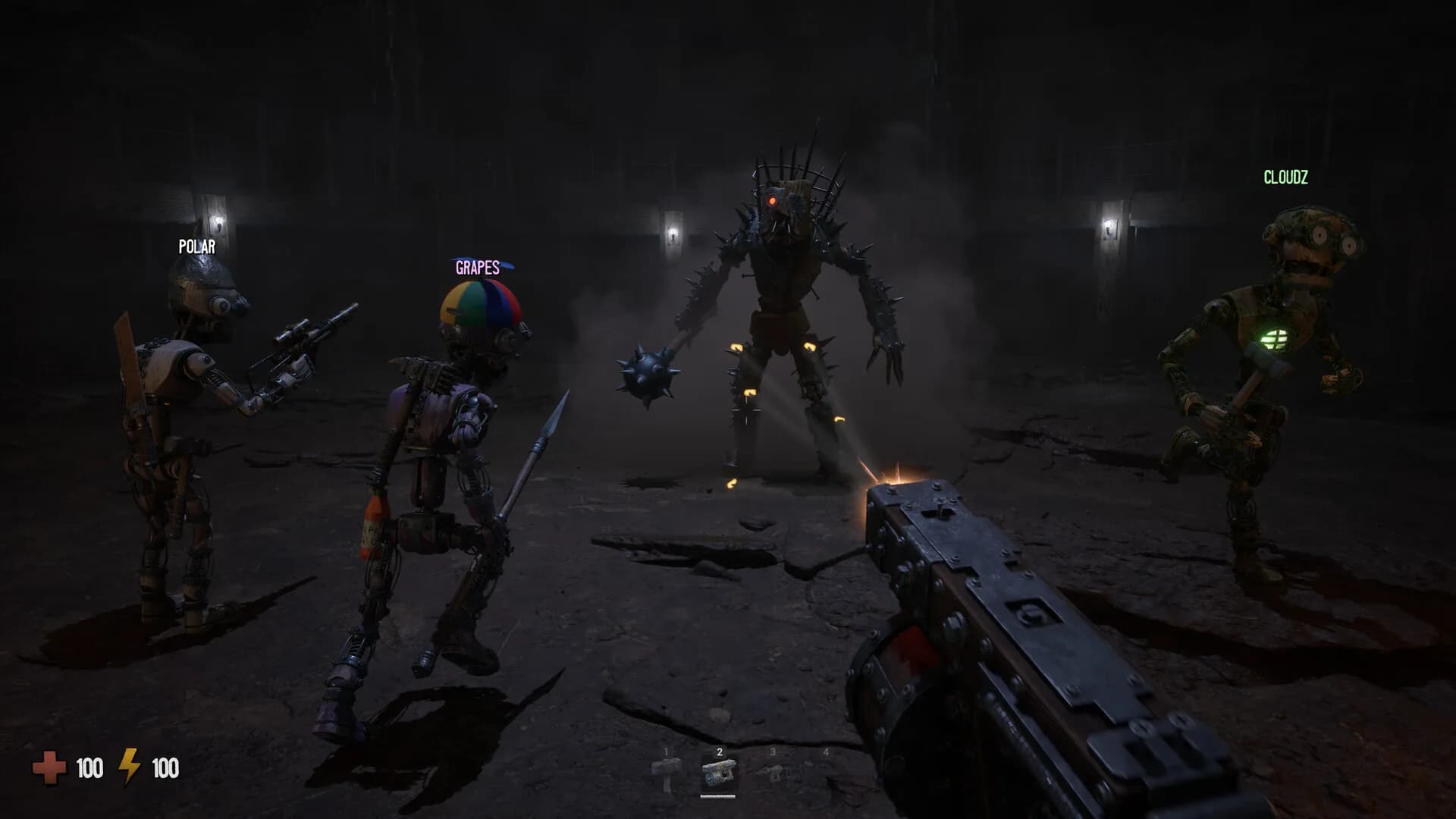
Grain Rot: dying does not take you out of the run, and that single idea is what makes this co-op so funny
You play a Spark possessing wooden vessels. When yours breaks, you stay in the run and hunt for a new host. Clever.
Alexandrosse
6 min
The GRAIN ROT survival guide: understanding the extraction loop, exploiting the spark and vessel mechanic, managing fire and upgrading your outpost.
Alexandrosse
In GRAIN ROT, death is not the end, but that is no reason to go looking for it. Descending into burning ruins, scavenging loot and getting back up before the Corrupted catch you demands method, especially when your body can break or catch fire at any moment. This guide gives you the right reflexes to survive extraction, fully exploit the spark mechanic and make your outpost thrive. Straight to the point.
Above all, you need to understand the cycle. You descend with your friends into procedurally generated shifting ruins, you rip out furniture and scavenge for loot, then you have to get back up alive before the Corrupted close in on you. Every expedition is a gamble between greed and caution: the more you loot, the more you enrich yourself, but the more you expose yourself. The beginner's rule is simple: a successful extraction with a modest haul always beats an ambitious descent that ends in flames.
What sets GRAIN ROT apart is that the loop does not stop at the exit. The loot you bring back is used to rebuild and upgrade your outpost, which increases your chances on the next run. So you have to think long-term: extracting regularly, even a little, to fund your meta progression is more profitable than risking everything in one go. Treat every descent as an investment in your outpost as much as an immediate raid.
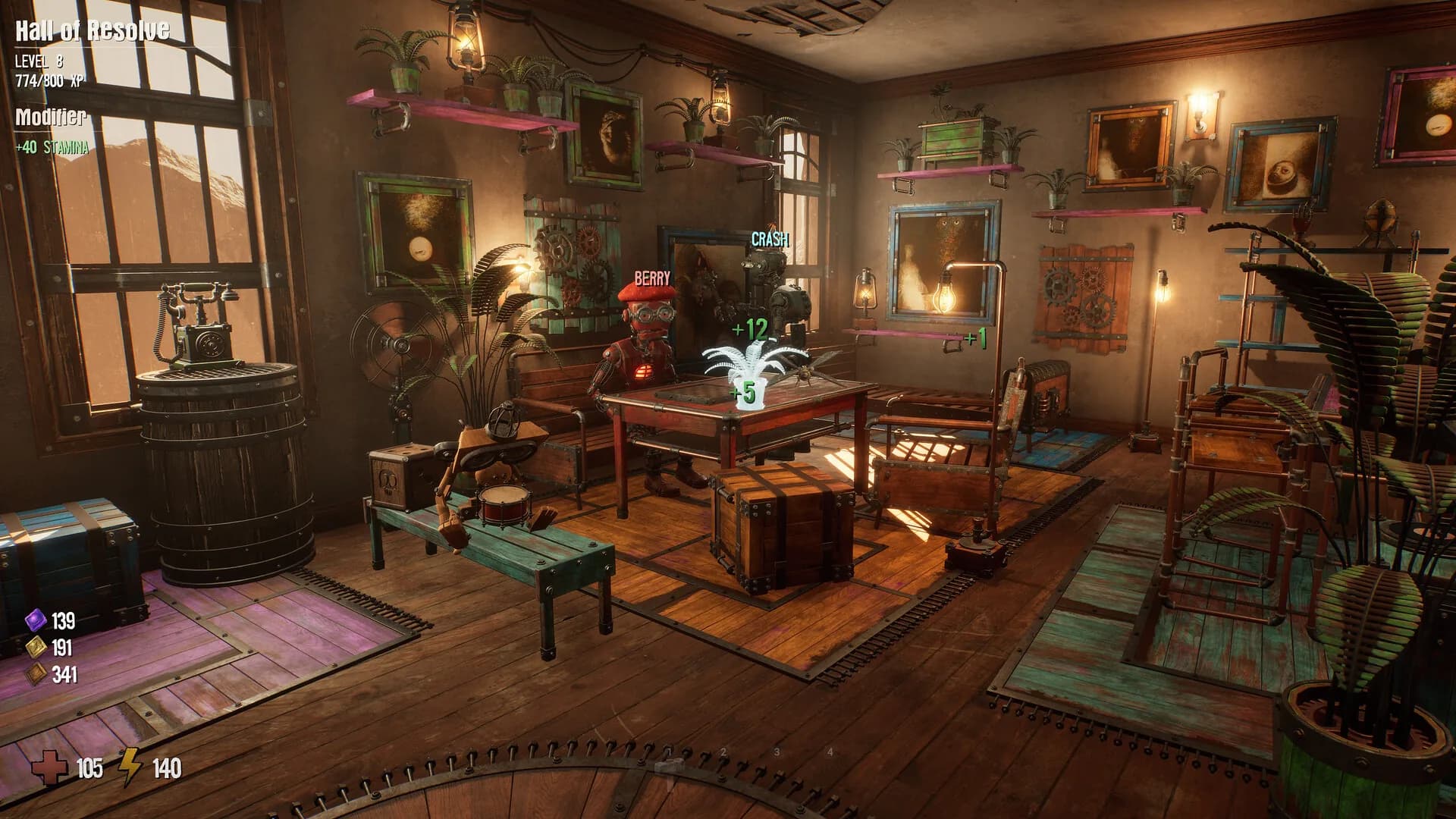
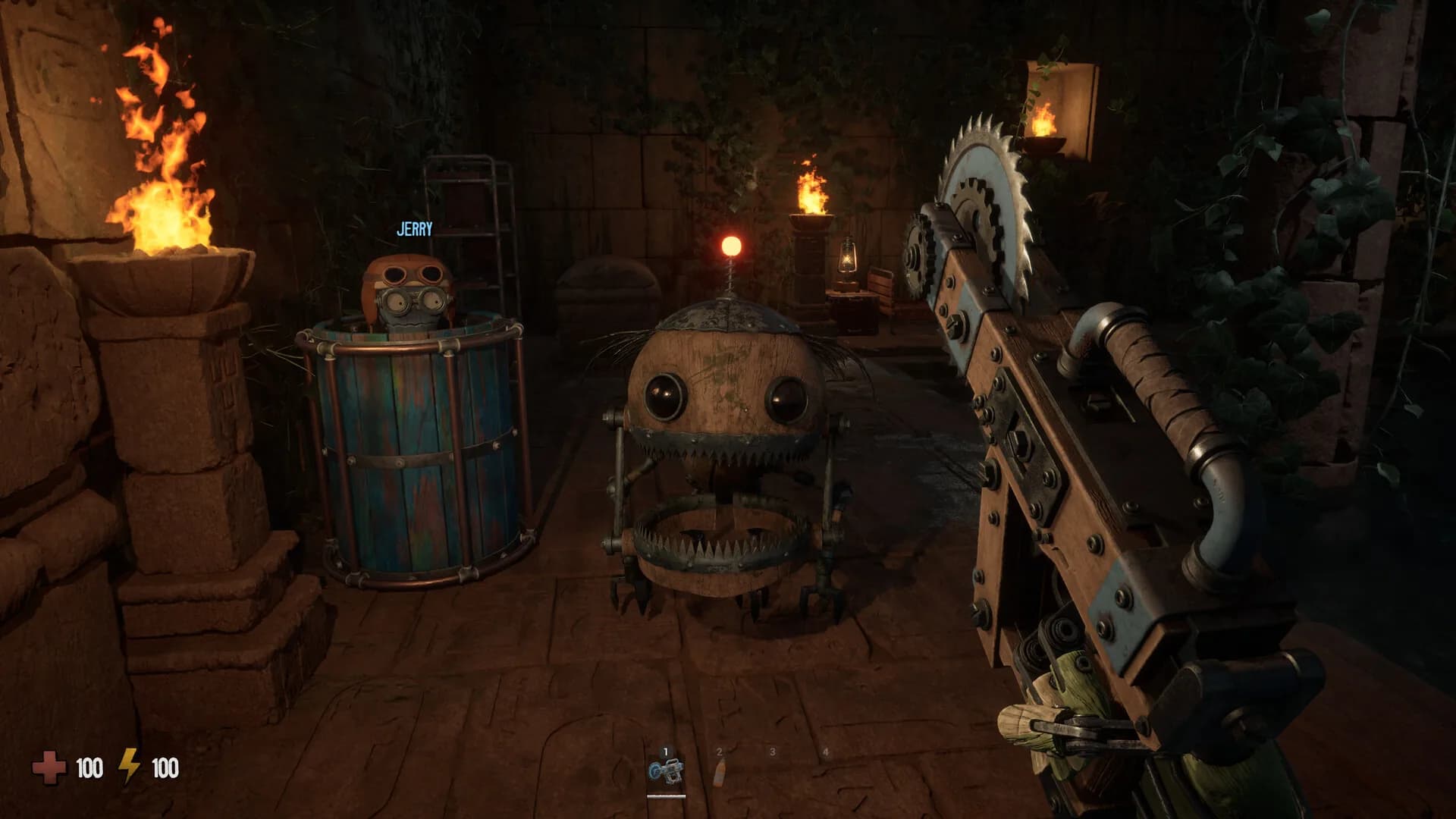
This is the heart of the game, and its greatest originality. You are a living spark that possesses fragile wooden bodies, the vessels. When a vessel breaks, collapses or catches fire, not all is lost: your spark escapes and can search the darkness for a new body to possess. This mechanic changes everything, because the death of your shell becomes a second chance rather than a dry ending. The skill to master is keeping a cool head when your body gives out: instead of panicking, immediately look for a new vessel.
But be careful not to treat this second chance as an unlimited safety net. Wandering bodiless in the dark is dangerous, and finding a new vessel is never guaranteed. So anticipate: spot the available bodies around you before yours gives out, so you do not end up a lost spark in an emergency. The right mindset is to treat every vessel as precious but replaceable, always keeping an exit in mind.
Advertisement
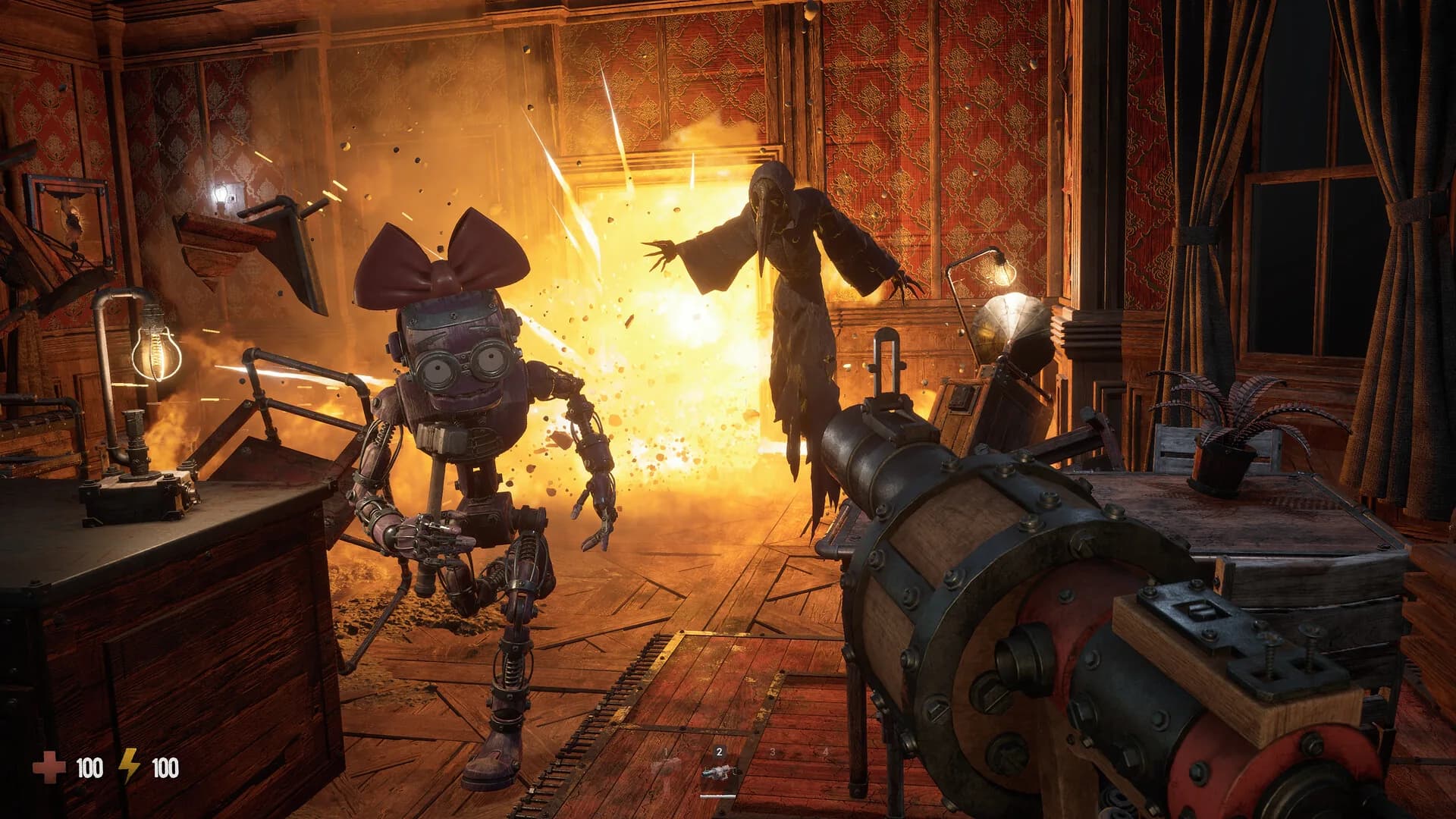
In a scorched land where everything burns, fire is your worst enemy. Your vessels are made of wood, so flammable and fragile: they can splinter under blows and ignite on contact with flames. Caution means avoiding fire sources as much as possible, not charging headlong into burning zones, and watching your body's condition like you watch a health bar. A damaged vessel is a vessel that can give out at the worst moment.
The game's physics-based interactions are double-edged. Ripping out furniture gives you loot and resources, but everything is material, and the setting can turn against you, notably when fire spreads. Learn to read the environment: a corridor starting to burn can cut off your retreat, and an already weakened body will not survive a risky passage. Managing the fragility of your vessels and the spread of fire is as important as the looting itself.
The outpost is your long-term progression. Between expeditions, reinvest your loot to upgrade it, which strengthens your chances on the next run. Prioritise the upgrades that address your recurring difficulties rather than spending at random, and think of your outpost as a project built descent after descent. It is that rebuilding loop that gives meaning to every extraction, even a modest one.
On the cooperation side, GRAIN ROT is played by up to four, and coordination makes all the difference. Assign roles, some loot while others watch the Corrupted and the outbreaks of fire, and communicate constantly about the state of your bodies and the available vessels. A team that helps each other find a body for a teammate who has become a spark will survive where a scattered group loses its members one by one. Solidarity, including when a friend has lost their shell, is your best collective weapon.
What is the goal of the game?
Descending into burning ruins, ripping out furniture and scavenging loot, getting back up alive before the Corrupted, then rebuilding your outpost to improve your chances on the next run. It is cooperative extraction horror for up to four players.
What happens when my body is destroyed?
You do not necessarily die: you are a living spark, and your wooden body is just a vessel. When it breaks or burns, your spark escapes and can search the darkness for a new body to possess.
How do you survive losing your vessel?
Keep a cool head and spot the available bodies around you in advance, so you do not wander as a lost spark. It is not an unlimited safety net: finding a new vessel is never guaranteed.
How do you manage fire?
Your vessels are made of wood, so flammable. Avoid fire sources, do not charge into burning zones, watch the spread that can cut off your retreat, and keep an eye on your body's condition.
What is the outpost for?
It is your long-term progression. Reinvest your loot between runs to upgrade it and increase your chances of surviving the following expeditions.
Guide written from the demo and official information, before the 7 August 2026 release.
We help each other out on the InsertCoins Discord, so do come and ask.
Community
Your rating
Advertisement
No comments yet. Be the first.
You might also like
You play a Spark possessing wooden vessels. When yours breaks, you stay in the run and hunt for a new host. Clever.
350,000 demos played and a fresh mechanic: playing a spark that possesses wooden bodies. GRAIN ROT launches on 7 August and finally stands out.
How to set prices, what to order, why your customers leave, and the discipline you need in front of a booster box.
Where to start, how to think about a reusable routine, why your robot stops, and how to automate heat before anything else.
What to bring, where to find Bloodgold, how to open the dungeons, and the item-stand warning you should not ignore.