7
Test
Dungeon Inn: running an inn while keeping two rival guilds from meeting
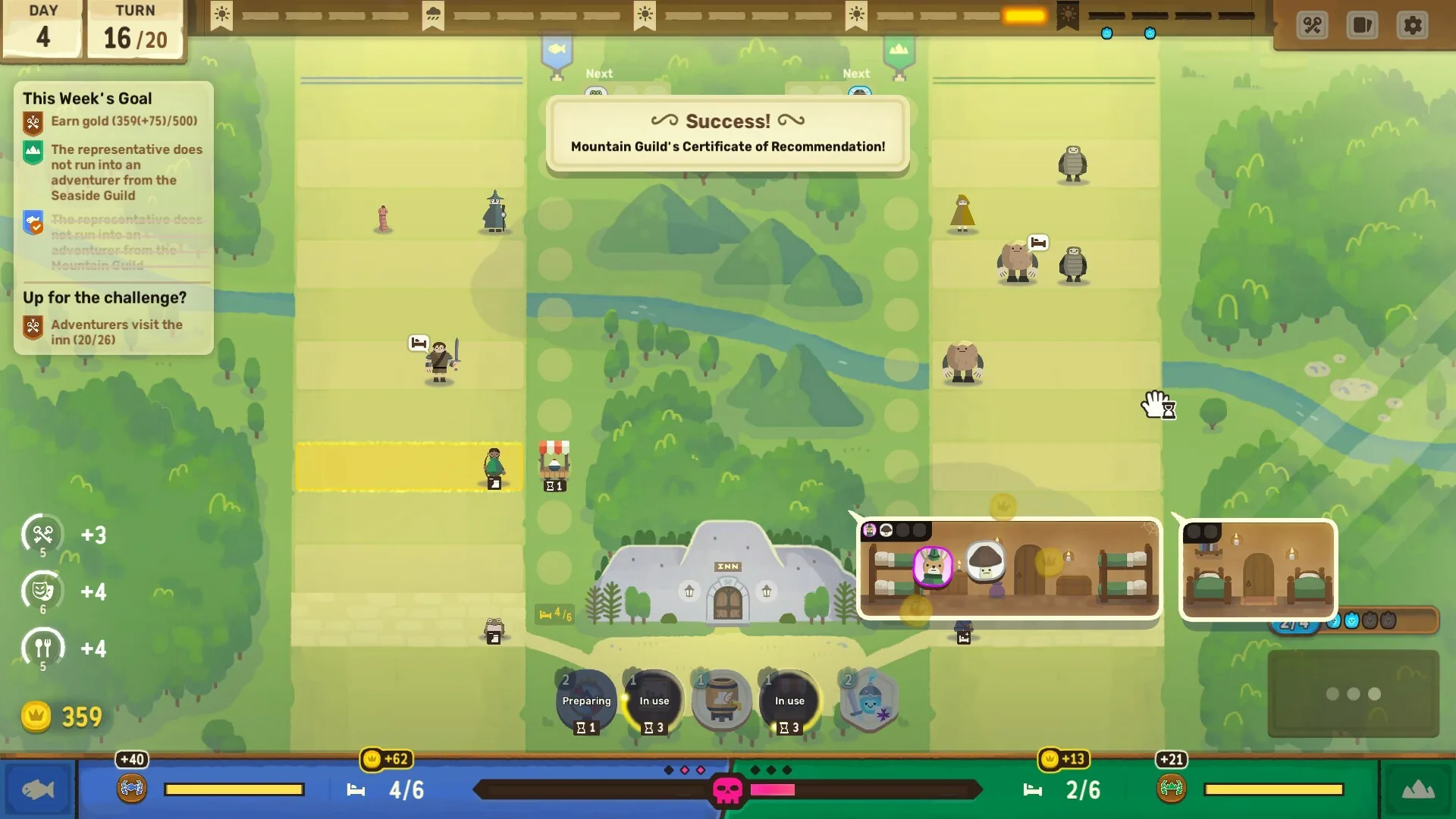
You struck a deal with a dragon. All that is left is serving both sides without either finding out. The 1.0 lands on 23 October.
Alexandrosse
7 min
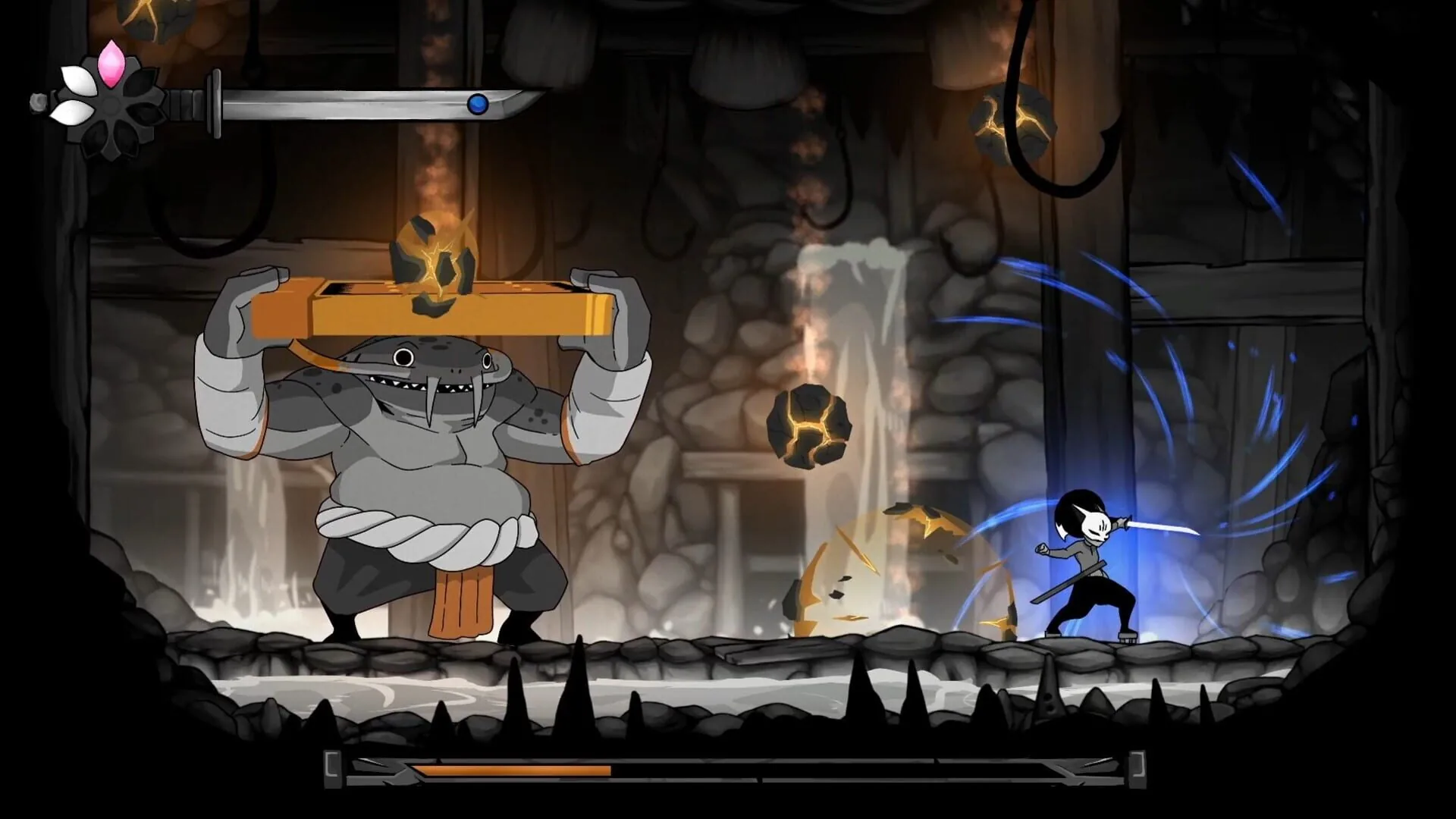
A merciless boss rush with a hand-drawn style inspired by samurai cinema. Gurei is gorgeous and cruel, with a dynamic difficulty that changes every playthrough.
Alexandrosse
InsertCoins.press Score
8/10
Verdict
Recommended
Some games intimidate you before you even touch them. You look at Gurei, you see that hand-drawn style of mad elegance, those fluid animations straight out of an old samurai film, and you fall in love. Then you read the word difficulty, declined across every review in the forms merciless, brutal, demanding, and you swallow hard. Gurei is that permanent split between contemplation and punishment, a game so beautiful you want to play it and so hard it makes you pay. And that's precisely what makes it unforgettable.
Gurei is a boss rush action game developed by Lobo Sagaz Studio, available on PC since 23 July 2026, drawing heavily from classic Japanese samurai cinema. You play Rei, a human spirit tasked with defeating powerful nature entities called Kami. The game claims to be incredibly difficult and unforgiving, and takes pride in its apparent simplicity doubled with complex strategy and considerable demand. Its most immediate asset is its splendid hand-drawn style with fluid animations, which gives it a rare visual identity. The promise is clear: breathtaking beauty, at the price of a difficulty that gives no gifts.
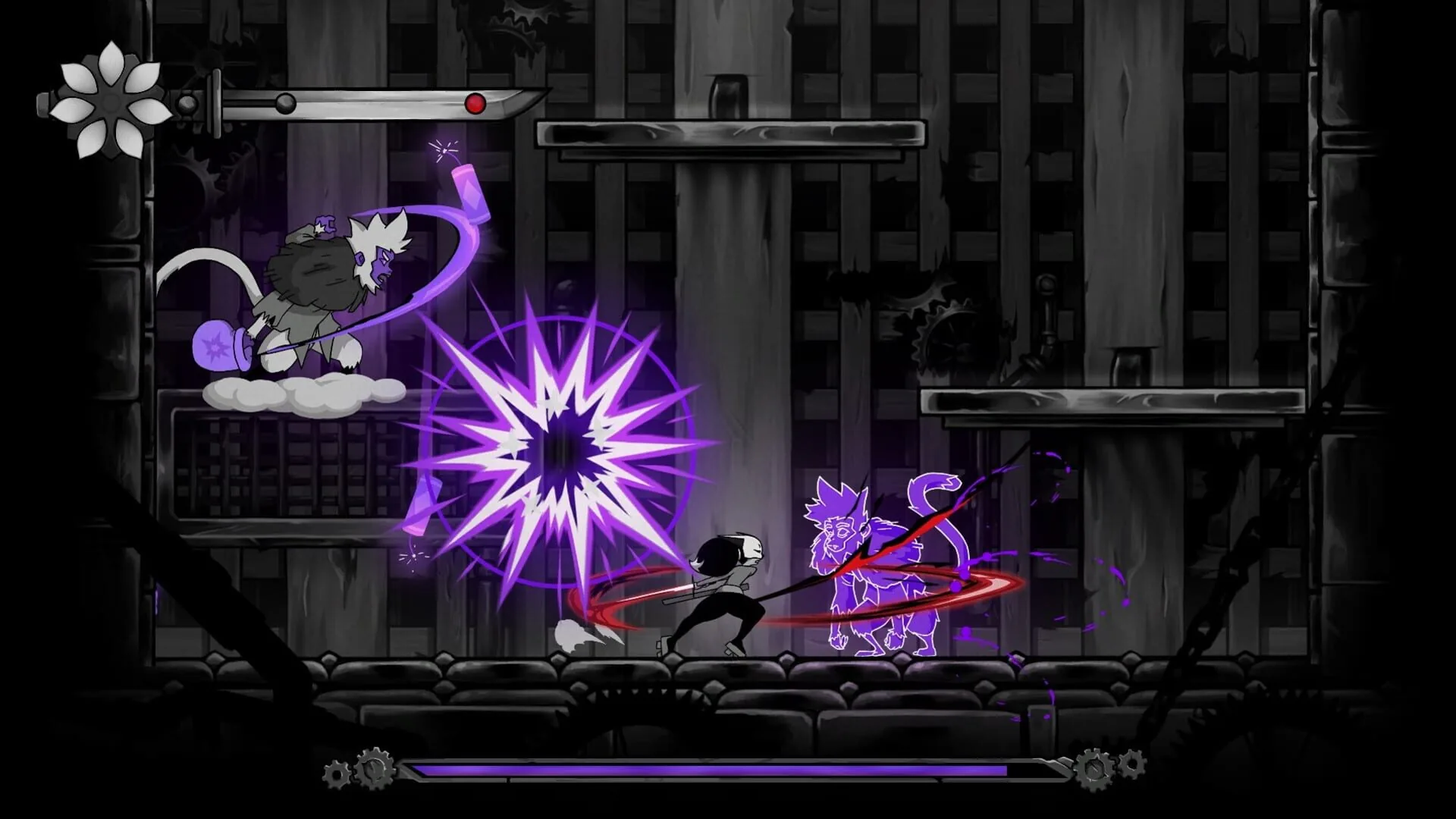
The heart of Gurei is a combat system that goes well beyond simple swordplay. You dodge, you strike, but you also chain aerial attacks and jumping head stomps on enemies, in a repertoire that rewards mastered aggression and positioning. The game claims a surface simplicity, but each fight hides a deep strategy: understanding the Kami's patterns, choosing the right moment to dodge, alternating ground and air to keep the pressure without exposing yourself. It's combat that must be earned, where mastery is obtained only through failure and learning, and where each wrenched victory brings a rare satisfaction.
The real find is its dynamic difficulty. Enemy strength changes based on the player's chosen path, so a boss encountered early in one run can become the final challenge in another. That mechanic turns the boss rush structure into a progression puzzle: finding your route, building a loadout that supports your run, arbitrating between safety and ambition. Every life counts, every death has weight, and the game imposes careful consideration of your path through difficult fights. It's that permanent tension, between the beauty that invites and the brutality that punishes, that gives Gurei its unique character and its so particular flavor.
Let's be perfectly clear: Gurei gives no gifts, and its difficulty is a wall that will discourage a portion of players. It's not a flaw, it's an owned stance, but you have to know what you're getting into. Whoever seeks an accessible, relaxed or narrative experience will walk on, put off by a game that demands patience, reflexes and acceptance of repeated failure. Victory there is earned but never guaranteed, and it takes a particular temperament to embrace this philosophy of difficulty rather than endure it. Its beauty attracts broadly, its demand filters severely, and that gap will leave players on the floor.
The other reservation rejoins the intrinsic limits of the boss rush. Like any game of the genre, Gurei rests entirely on its fights, with no exploration or breathing room to vary the rhythm, and its richness depends on the variety of its Kami bestiary and the depth of its flexible progression. The format is niche, the repetition inherent, and the pleasure reserved for whoever loves bashing again and again against the same wall before crossing it. It's a tight, sharp proposition, superb but austere in its structure, to approach for mastery and challenge far more than for diversity or comfort.
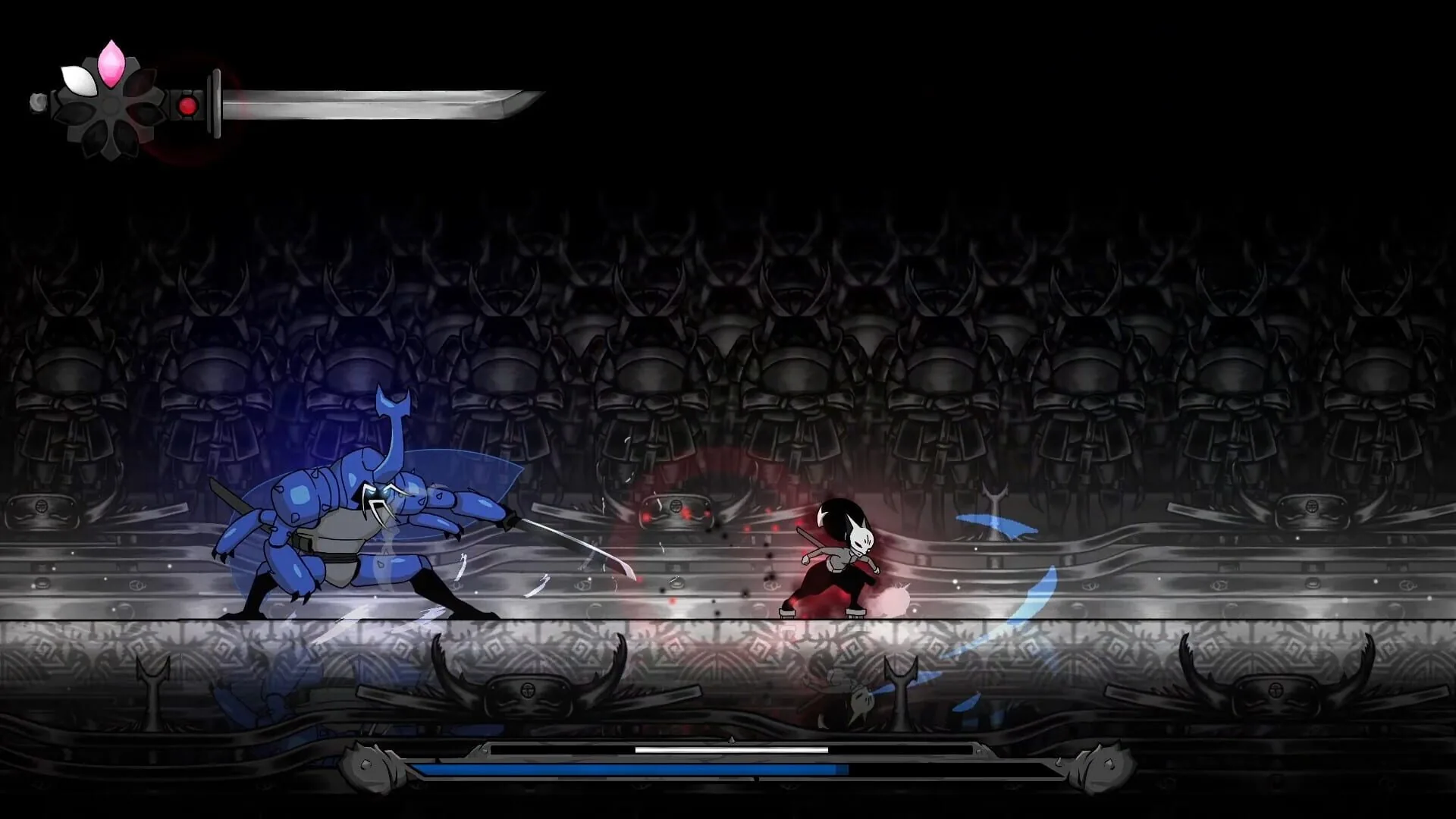
Gurei is a success that seduces through its beauty and holds through its demand. Its hand-drawn style, its fluid animations and its inspiration drawn from samurai cinema make it one of the finest boss rushes around, and its combat system, blending dodges, aerial attacks and stomps in a deceptive simplicity, offers a depth that rewards mastery. Its dynamic difficulty, which varies the fights by chosen path, adds a clever strategic layer and real replayability. For the fan of razor-cut challenge, it's a striking and rewarding experience.
You just have to approach it with eyes open. Gurei is merciless, and its difficulty erected as a founding principle will make it a wall for a portion of players, reserving the experience for whoever accepts repeated failure as a path to victory. Its boss rush format, with no exploration or breathing room, makes it a niche proposition, superb but austere. But for whoever embraces this philosophy, where every life counts and every triumph is earned to the millimeter, Gurei holds an adventure as beautiful as it is cruel. Awfully hard, yes, but so beautiful you go back again, controller gripped and pride on the line.
A hand-drawn boss rush of rare beauty, merciless and demanding, with a dynamic difficulty that changes every playthrough: gorgeous and cruel, reserved for whoever embraces the challenge.
Strengths:
Weaknesses:
Tested on PC.
Disagree with the score? Come and tell us on the InsertCoins Discord, where we defend our verdicts live.
Community
Your rating
Advertisement
Loading comments...
You might also like
You struck a deal with a dragon. All that is left is serving both sides without either finding out. The 1.0 lands on 23 October.
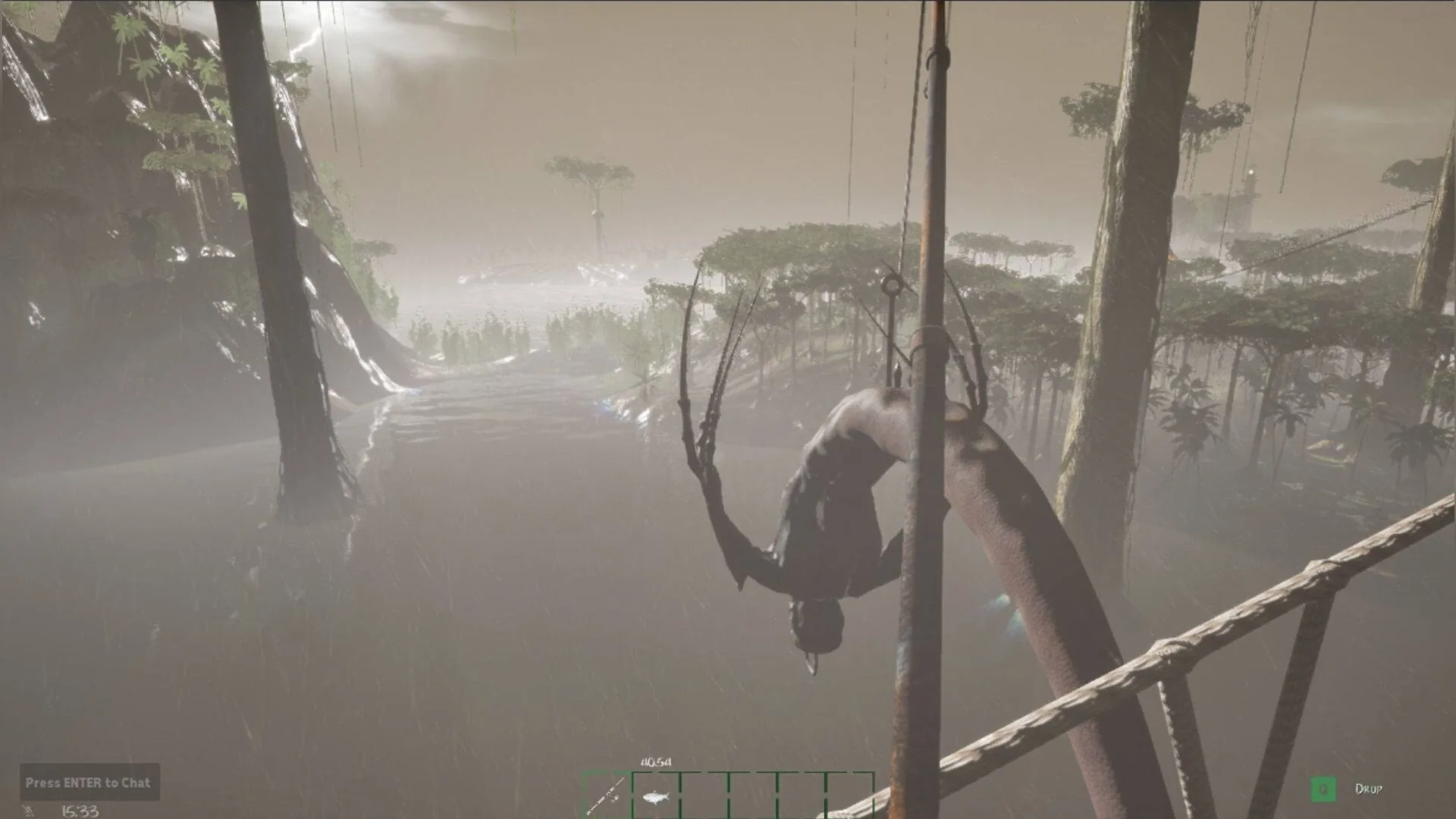
A co-op horror fishing game at nine euros. You must sacrifice fish every day, and the beast is not the worst thing out there.
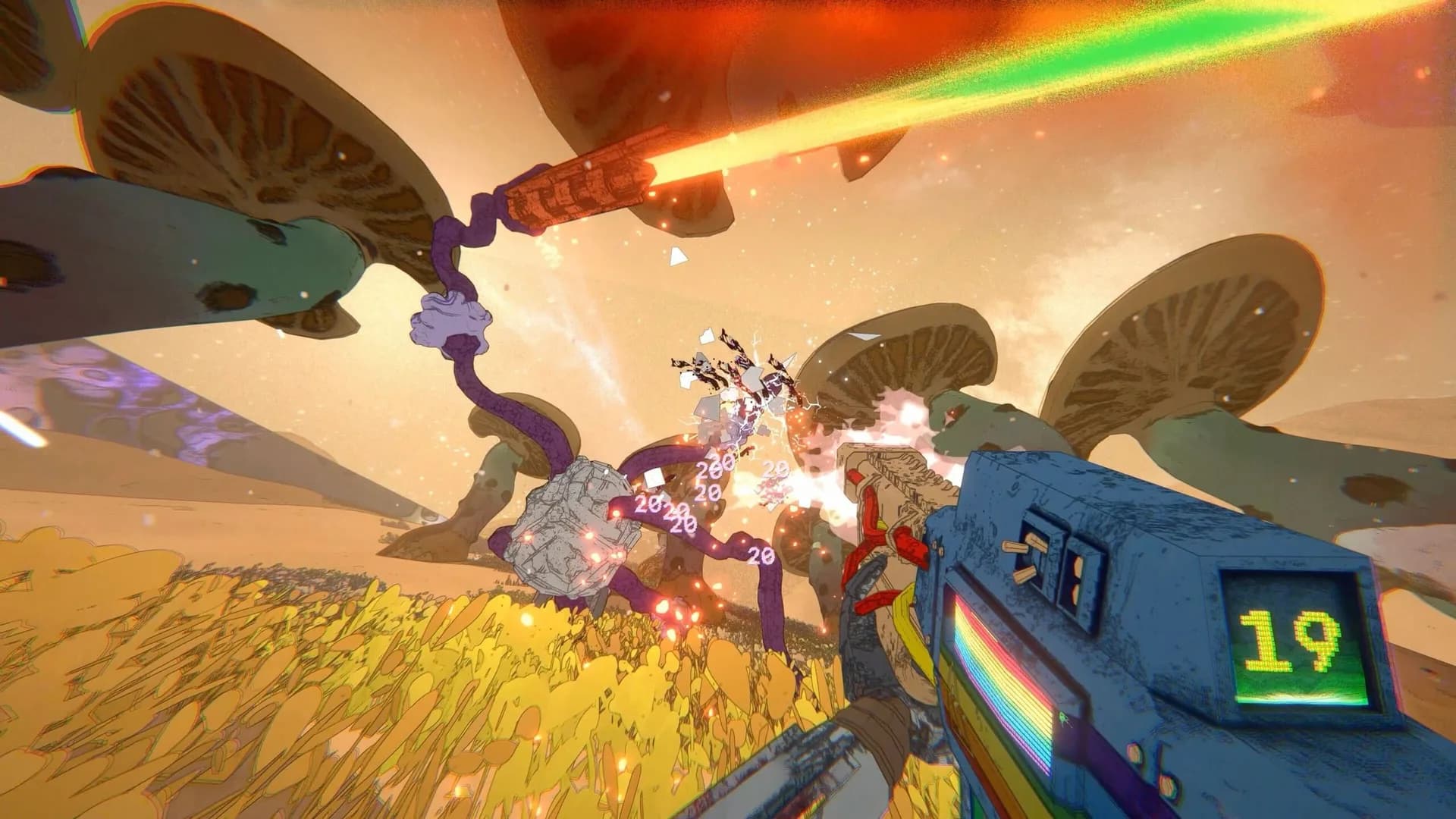
Scrapheap robots sent to exterminate a planetary fungus. The 1.0 lands tomorrow, and the upgrade grid is the genre's best idea.