Preview
Hubert: a tale of friendship, bravery, and barking at sheep
You are a shepherd dog in the northern wilderness. You see the world through movement, scent and instinct, and you gather a flock.
Alexandrosse
6 min
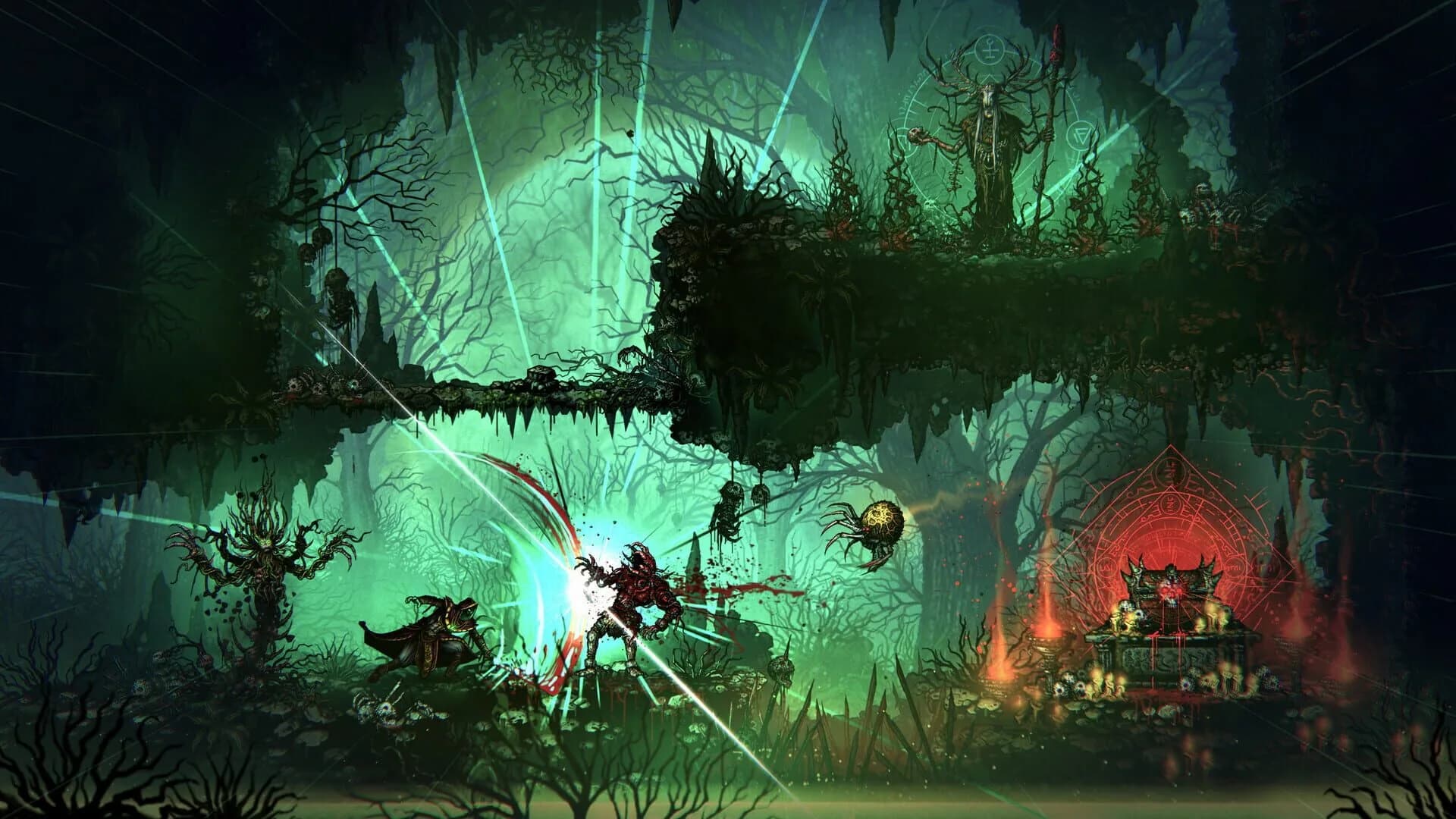
Awesome Games Studio doesn't make generic games. Their next 2D hand-drawn roguelite places a fallen angel between Heaven and Hell, with an adjacency relic system and an art direction that made Reddit fall instantly in love.
Alexandrosse
Some games emerge from Steam's constant noise with an announcement trailer, a meme ("Dead Cells had a baby with Salt & Sanctuary and it's absolutely beautiful"), and a community reaction strong enough that IGN grabbed the global trailer exclusive in the aftermath. HELLREAPER is that game. Not released yet, no confirmed date, and already in the heads of everyone who's seen the screenshots.
Awesome Games Studio isn't a random studio. The Polish team behind HELLREAPER made Fury Unleashed and Yet Another Zombie Survivors, two games with "Very Positive" on Steam, two games that found their audience precisely because the studio had a clear vision and the discipline to execute it. When this studio breaks its silence to announce a hand-drawn 2D roguelite at this visual level, it's the kind of signal not to miss.
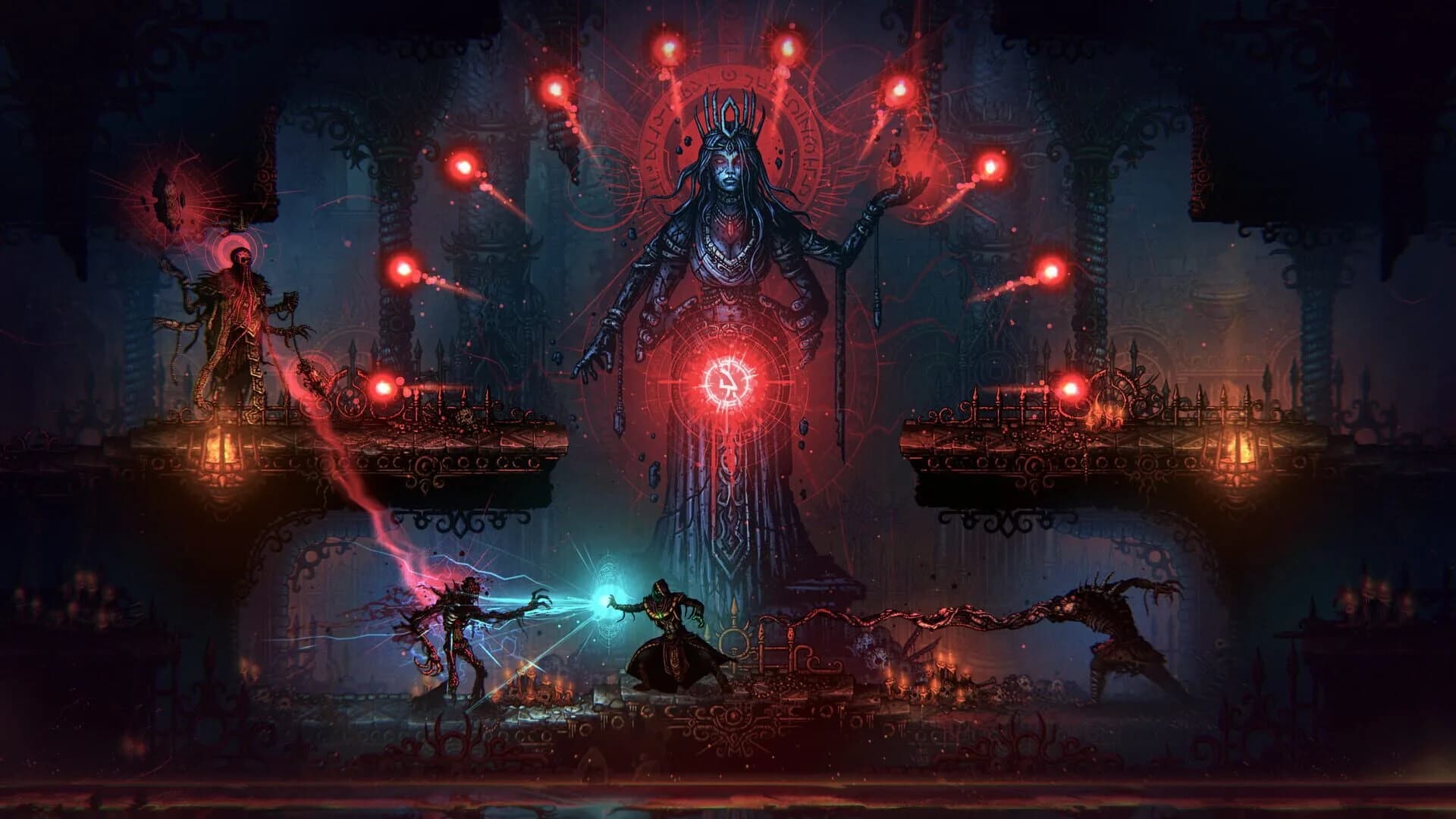
You are a High Angel sacrificed by Heaven. Not corrupted, not fallen through weakness: deliberately sacrificed, to be reawakened as the HELLREAPER, Heaven's ultimate weapon against Hell's horrors. The distinction matters: you're not a hero who fell morally. You're something Heaven itself can no longer control, sent into the abyss to do what ordinary angels cannot.
Three mysterious Sisters guide you through Hell. The starting lore is dense but readable, and it avoids the usual dark fantasy trap: the universe isn't dark to be dark. The tension between a Heaven that uses you as a tool and a Hell you traverse as a warrior creates a narrative context with a direction. That's more than can be said for most roguelites in the genre.
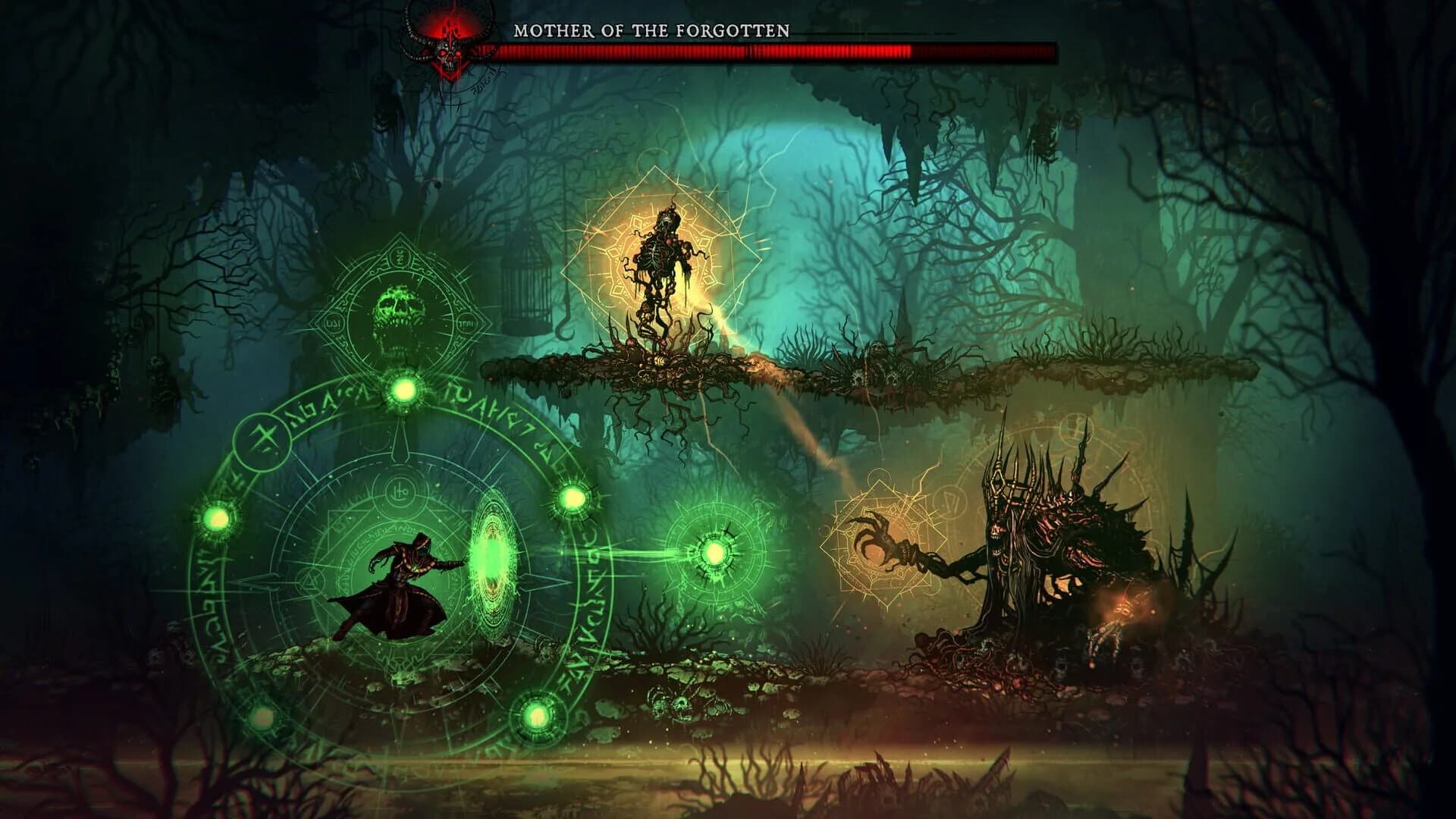
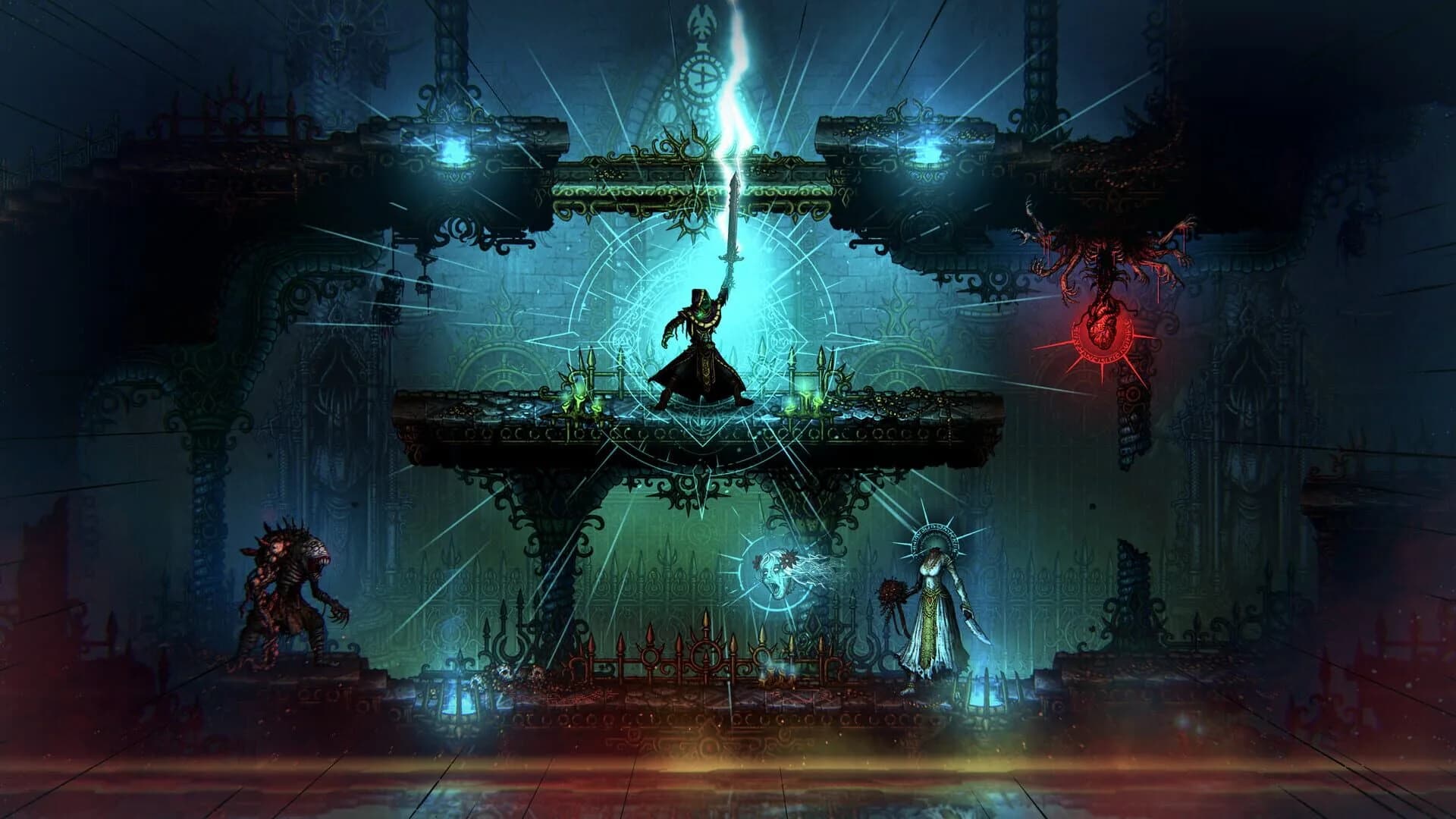
That's where the system gets interesting. HELLREAPER borrows Dead Cells' combat fluidity, Hades' visual readability, but its build system relies on something closer to what we've seen in adjacency-based games: relics activate based on what's placed next to them in your inventory. What you equip matters not only for its individual properties, but for what's adjacent to it.
A fire relic placed next to a curse relic might trigger a combustion that exists in neither one separately. Change the arrangement, change the build. The same equipment can produce radically different combinations depending on the order you arrange it. For a roguelite promising "millions of possible builds", that's the difference between a marketing claim and a system that genuinely justifies that assertion.
Weapons are forged, cursed magic accumulates, relics are discovered. Permanent progression between runs exists via a per-character skill tree, with around ten characters planned for the Early Access launch.
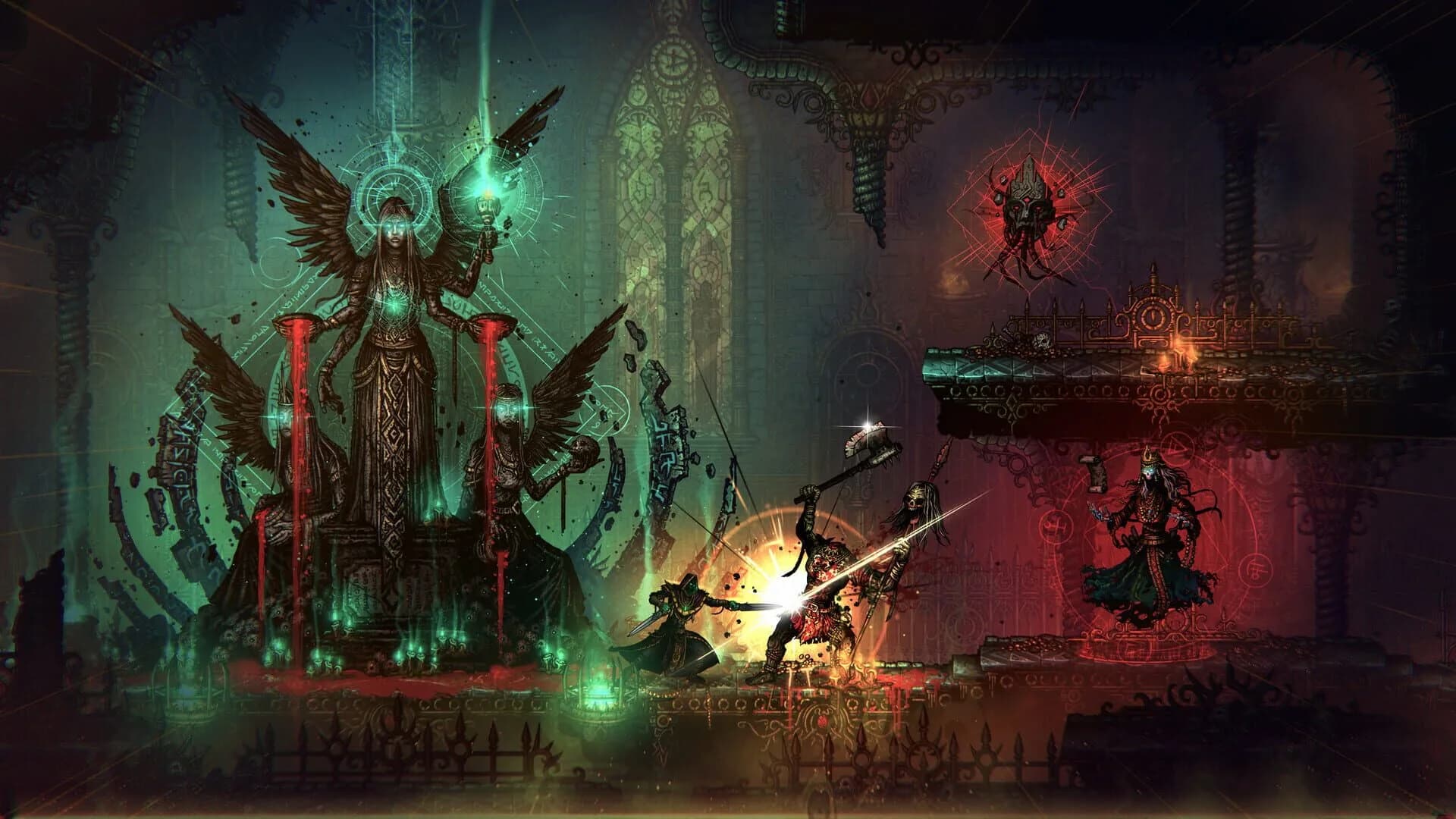
That's why the announcement had the impact it had. HELLREAPER's animations are hand-drawn, frame by frame, with a fluidity several players compared to the work of French animation studios. On GamingOnLinux, the first notable comment was: "Dead Cells had a baby with Salt & Sanctuary. Absolutely beautiful." The reference isn't an accident: both cited games have strong, identifiable art direction that looks like nothing else. HELLREAPER is aiming for the same category.
The visual register blends Darkest Dungeon for the palette and gothic atmosphere, Tails of Iron for character rendering, and something more dynamic in the combat effects that pulls toward Hades. The result is coherent, not generic, and recognizable within five seconds of trailer.
For a studio of Awesome Games' size, that's a colossal investment in production time. They did it without generative AI, which they explicitly confirmed on X after community questions: "We don't use it in our indie games. This devlog breaks down our animation process." That's not an easy position to hold when budget constraints exist. It's a values decision.
Awesome Games Studio has a precise community reputation: they listen. Fury Unleashed was developed with continuous community feedback, with documented updates showing design iterations in real time. Yet Another Zombie Survivors followed the same path, with a transparent Early Access model where development priorities were discussed publicly.
This track record produces a particular trust. This isn't an unknown studio releasing an ambitious announcement trailer that might never deliver. It's a studio that delivered twice, maintained "Very Positive" ratings on both games, and clearly took the time to build something worthy of the expectation their own announcements create.
A detail that says a lot about their culture: in HELLREAPER's official announcement, one line reads "There will also be cats. Probably... with cats, you can never be sure." A studio that slips this kind of humor into a dark fantasy press release knows exactly what it's doing.
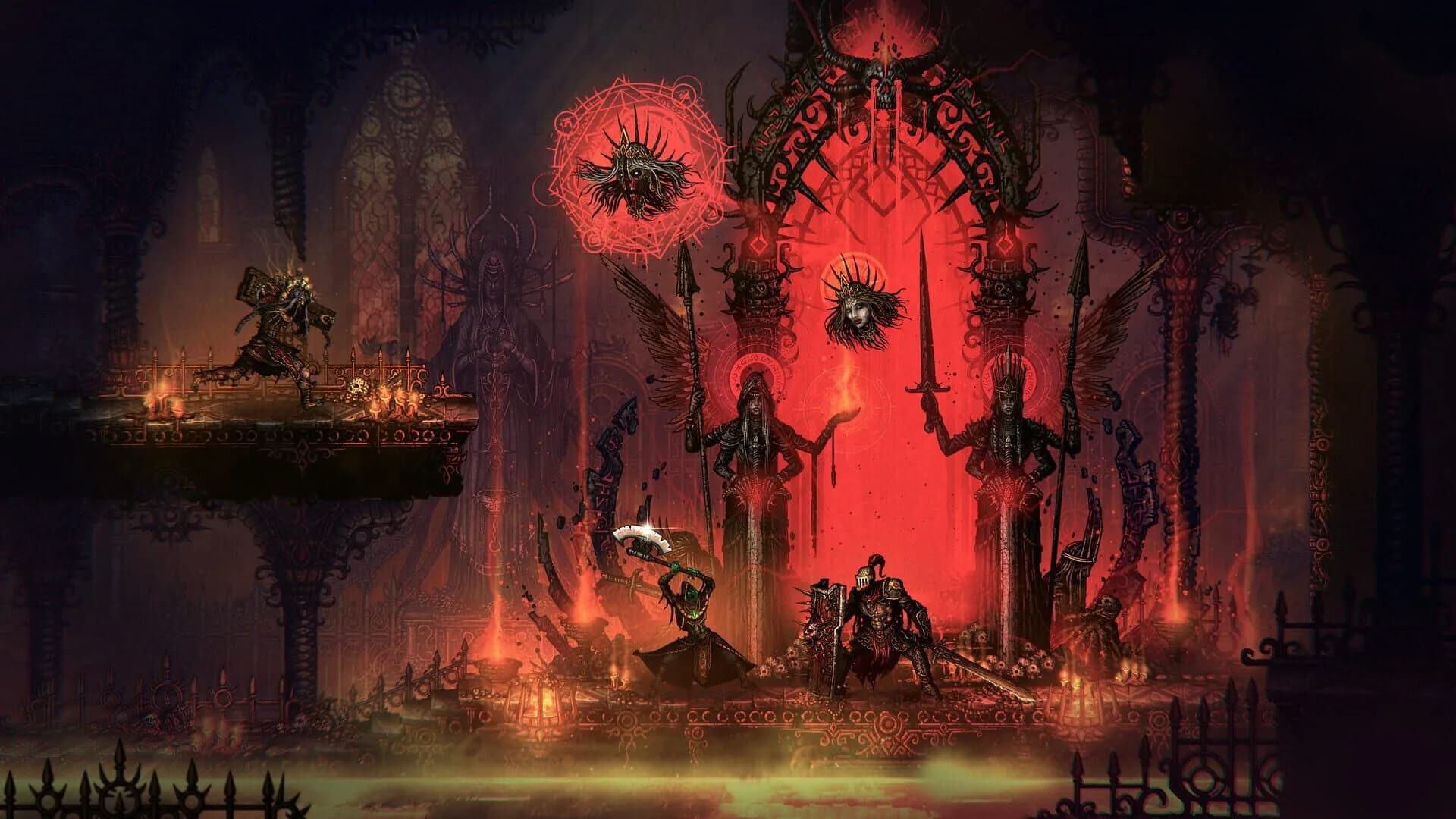
HELLREAPER has no confirmed release date. Early Access is expected for 2026, but no precise window has been communicated. What we can't verify without playing: whether the combat is as fluid in action as it is in trailers, whether the difficulty curve is well calibrated, whether the 100+ weapons and 200+ relics actually produce the build variety announced.
What we know: the studio delivered twice on what it announced. HELLREAPER's announcement generated immediate Steam wishlist traction, mainstream press attention and a community reaction that far exceeds that of an anonymous game in a saturated genre. The art direction is in a separate category for an indie 2D roguelite. And the adjacency relic system has the potential to be exactly the mechanical differentiator the genre was waiting for.
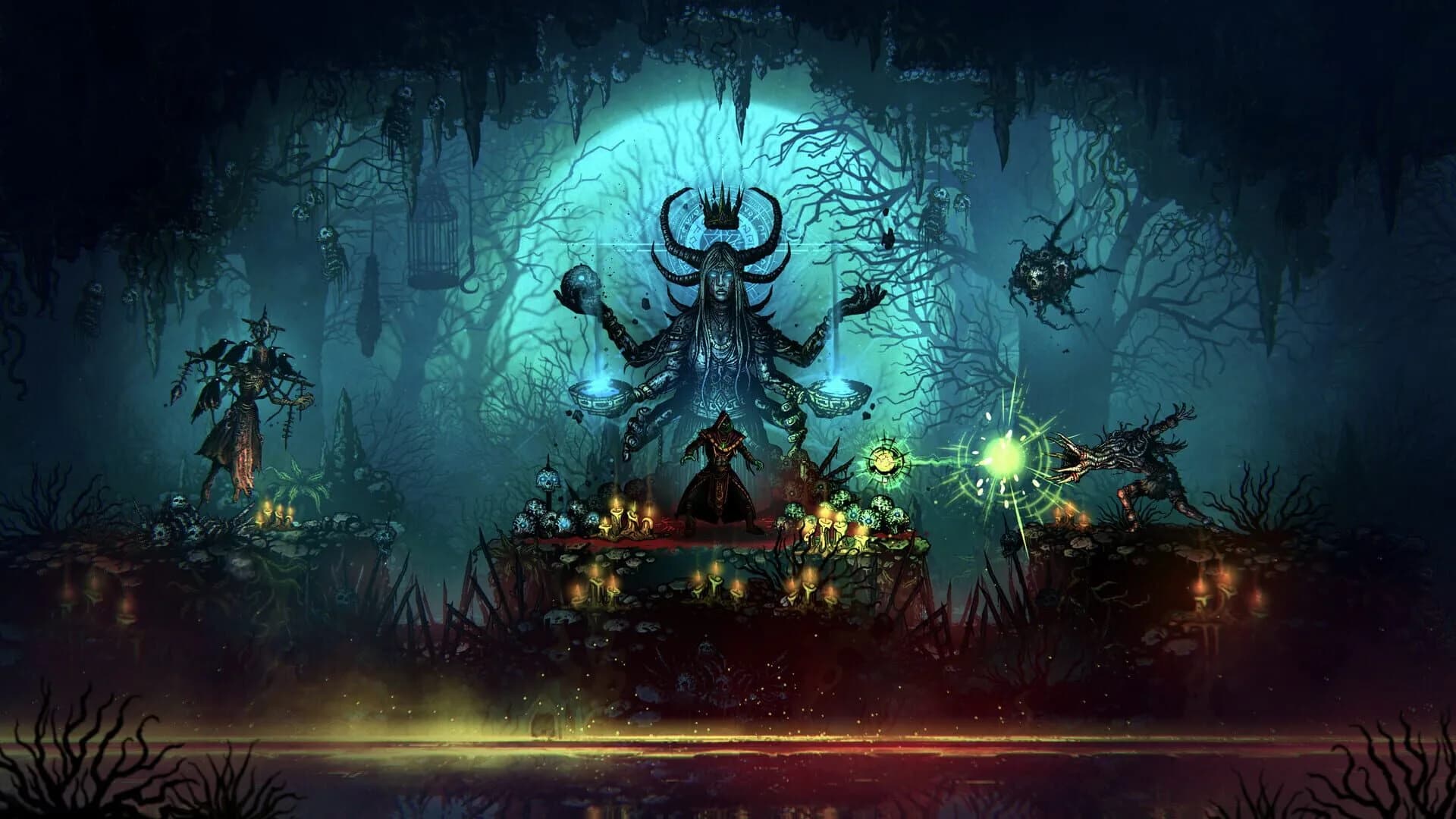
Awesome Games Studio isn't preparing a release, they're building an argument. The argument, for now, is convincing. The answer to "does the full game deliver on these promises" comes when they announce a date. In the meantime, the wishlist is mandatory.
We watch the release calendar together on our Discord, come and watch with us.
Community
Your rating
Loading comments...
You might also like
You are a shepherd dog in the northern wilderness. You see the world through movement, scent and instinct, and you gather a flock.
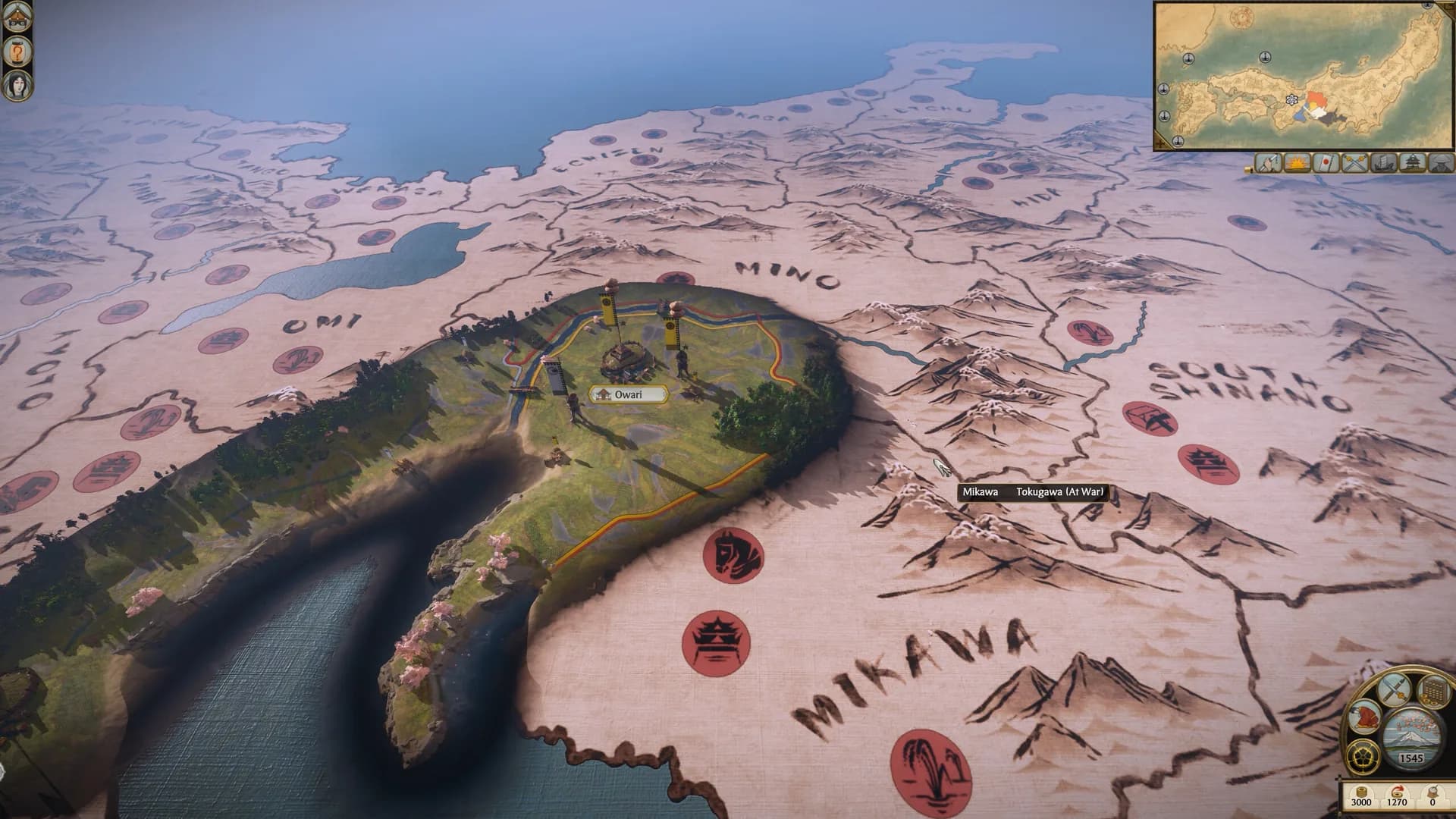
A 64-bit upgrade, built-in mod support, full Japanese voice acting, and over fifty minor factions made playable.
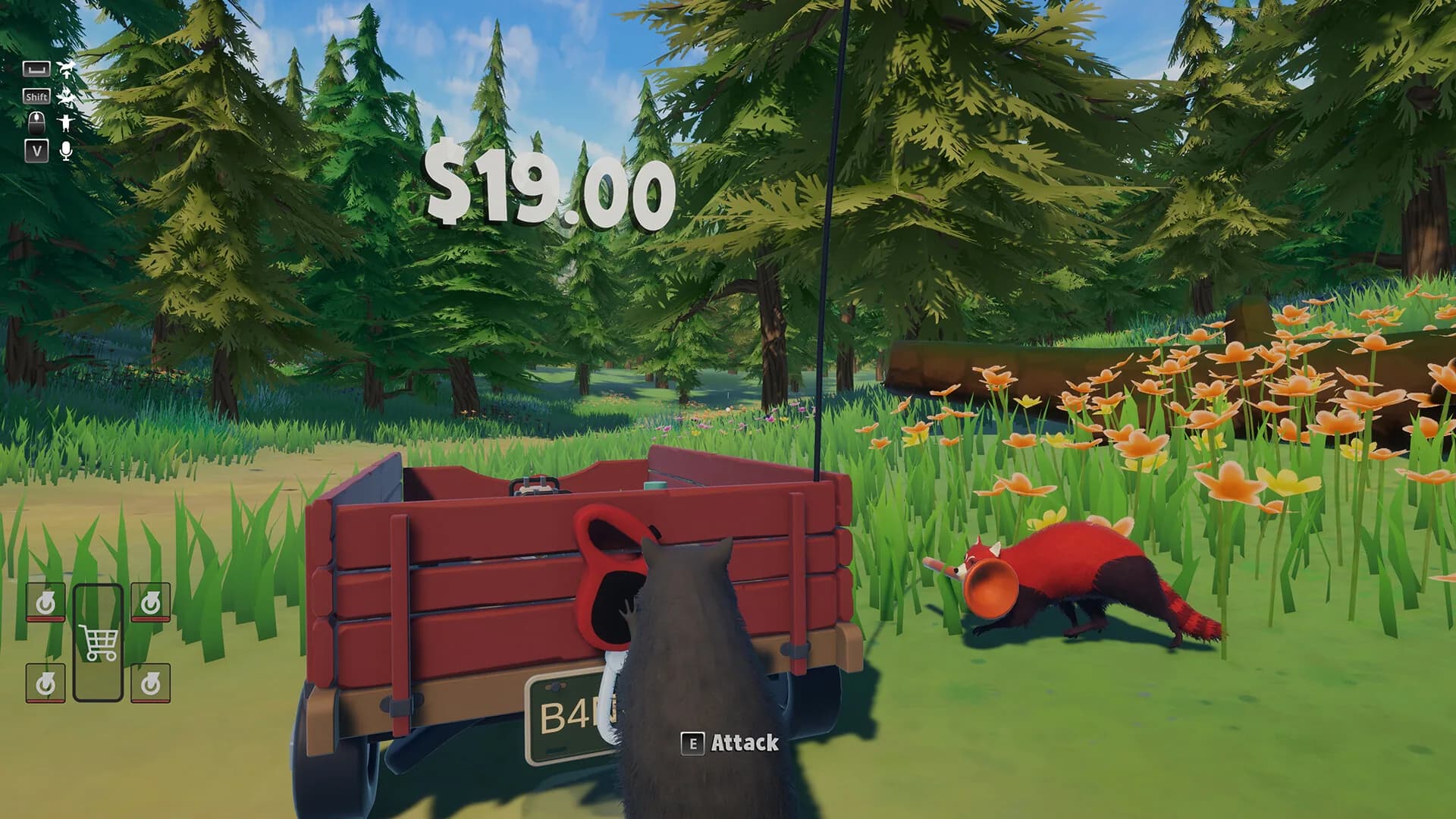
You can technically play solo, says the studio, but the wagon is a lot for one raccoon.