7
Test
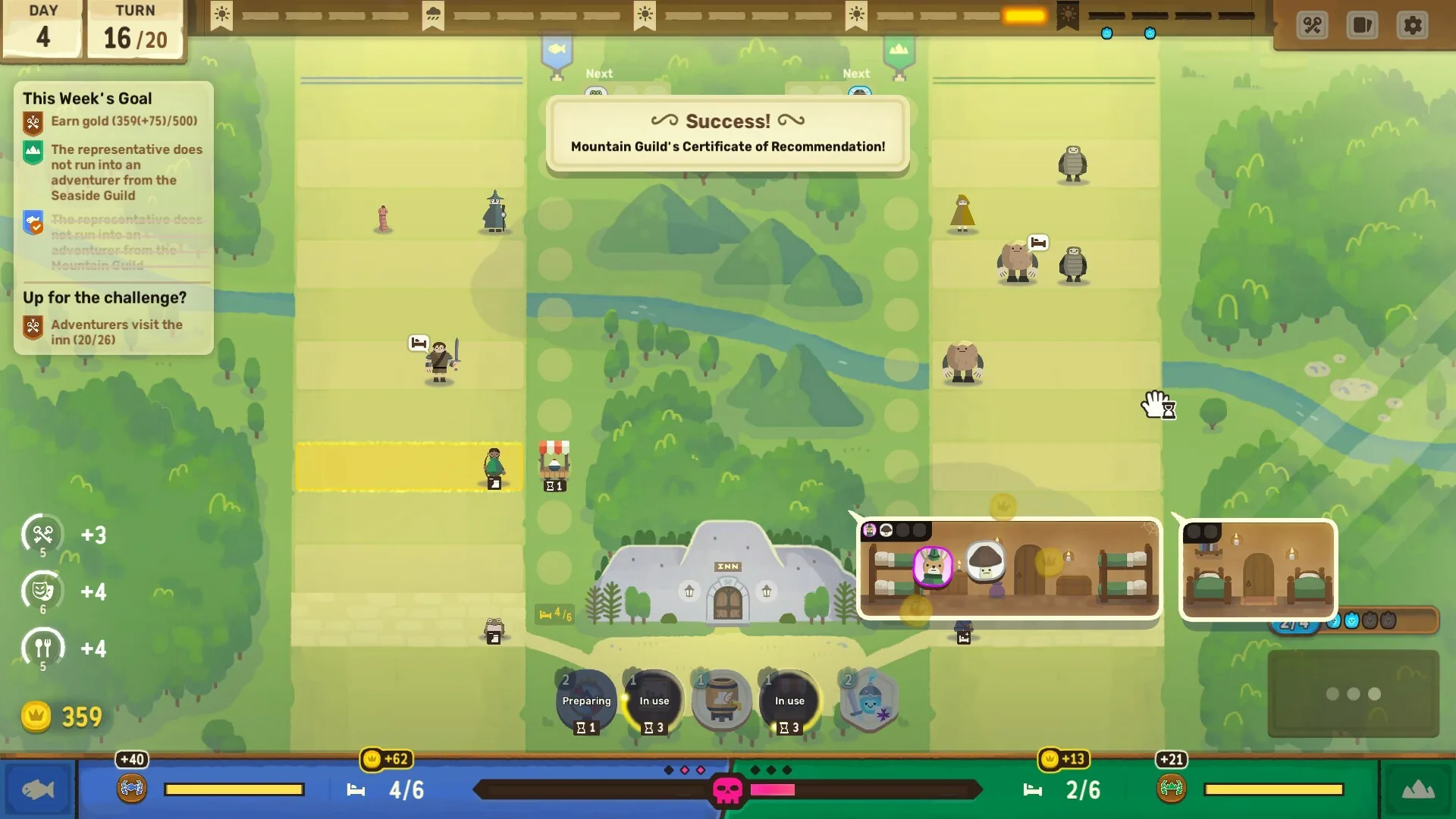
Dungeon Inn: running an inn while keeping two rival guilds from meeting
You struck a deal with a dragon. All that is left is serving both sides without either finding out. The 1.0 lands on 23 October.
Alexandrosse
7 min
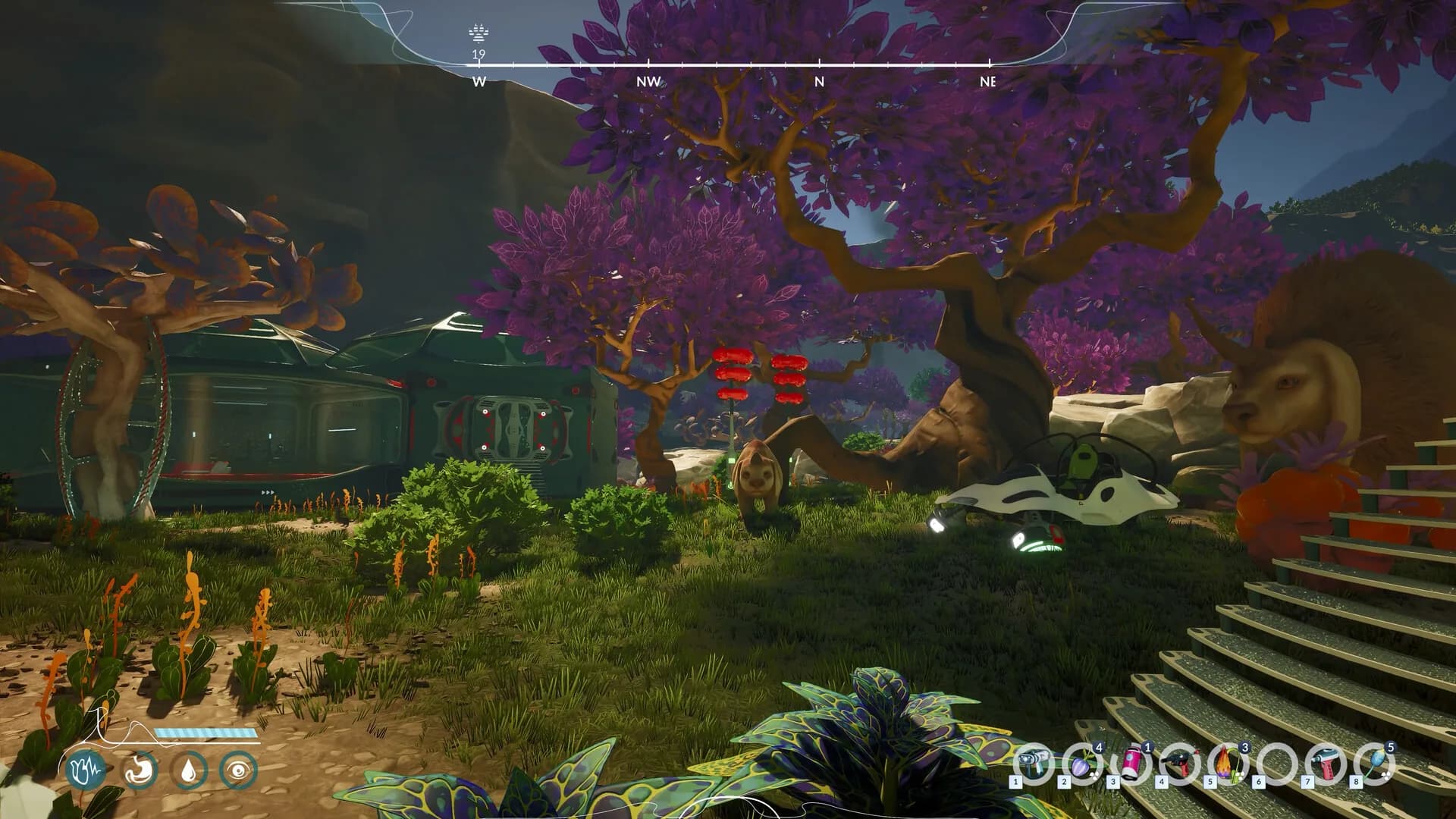
A bioengineer on an alien world, synthesising plants and altering animal DNA. Curiosity is a tool, and a risk.
Alexandrosse
InsertCoins.press Score
7/10
Verdict
Recommended
Most survival games ask a simple question: how do you stay alive. Honeycomb asks a more interesting one: how close can you get to something you do not yet understand.
You are Hennessy, a bioengineer sent by EON Corp to Sota7, with a mission that fits in one word: knowledge.
Sota7 is beautiful and not remotely harmless.
Some creatures tolerate your presence. Others do not. And the game phrases its golden rule in a way I find elegant: sometimes the smartest experiment you can perform is running.
Your main tool, then, is not a weapon, it is observation. You study the world, understand how its ecosystems work, and uncover the properties of the species you meet. Curiosity is your greatest strength, and getting too close has consequences.
That is a rare reversal of posture for the genre. Danger is not there to be defeated, it is there to be understood, and nothing stops you being wrong.
This is what separates Honeycomb from an ordinary survival game.
You do not merely gather. You synthesise plant properties and manipulate animal DNA to trigger physical changes. You experiment with combinations, analyse the results, and reuse what you learned to push further.
In other words, progression does not run through a skill tree but through a lab notebook. What you unlock is knowledge, and it applies to living things rather than to your inventory.
The rest is more expected, and that is fine.
You gather resources, build a base to live, work, craft and run experiments in, then expand it as your research grows. The base becomes the departure point for longer and longer expeditions.
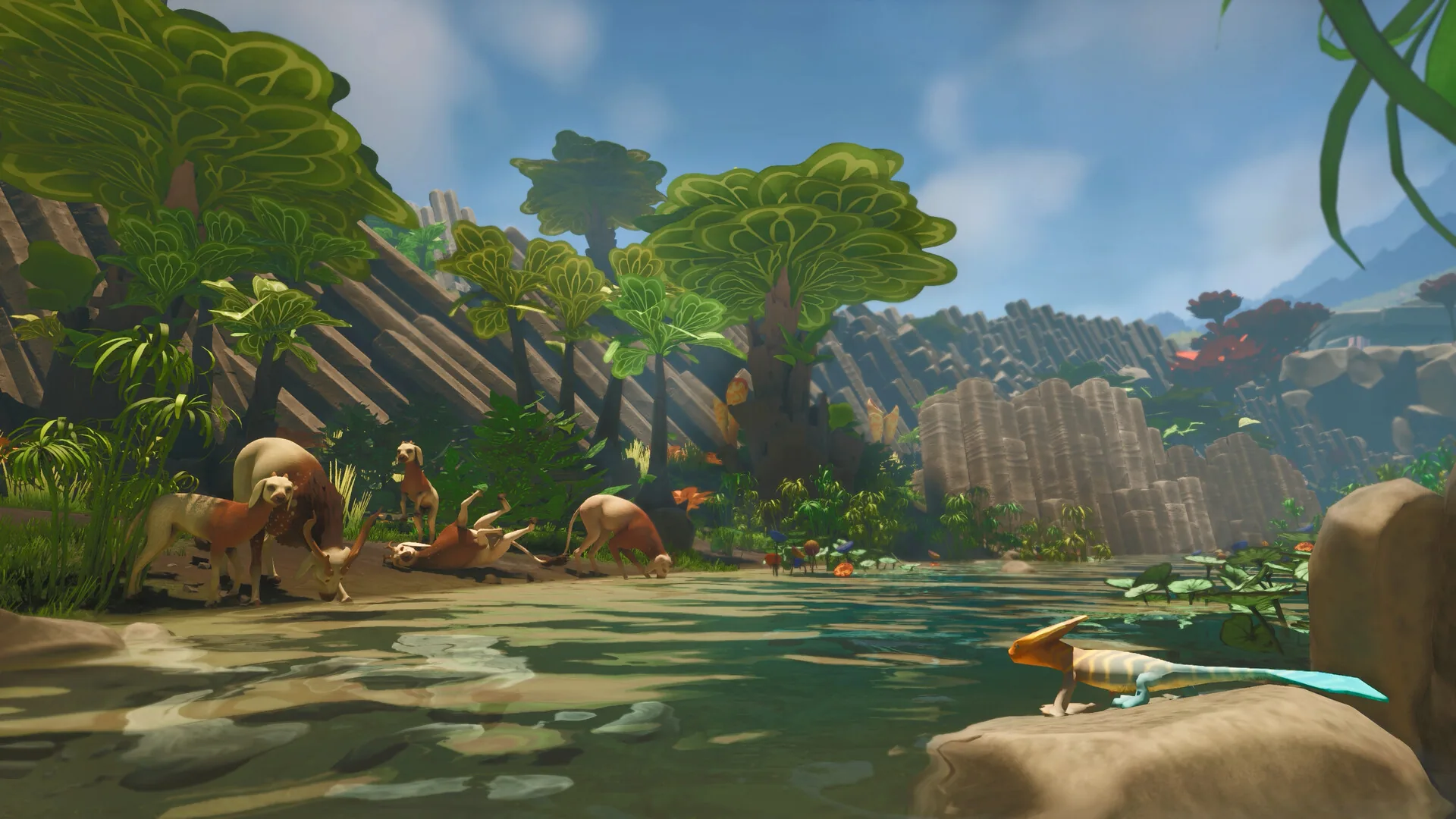
The world alternates wide open landscapes with underground caverns, across distinct biomes with their own plants and creatures. The further you go, the more you need to have understood the planet before setting off.
The game launches today, developed by Frozen Way and published by Snail Games USA, and has no reviews yet. So I cannot tell you how it holds up over twenty hours, and I am not going to pretend otherwise.
What I can say is that the promise is coherent and the art direction stands up: Sota7 has colours and shapes that do not look like the generic alien planet scenery usually served up.
On hardware, expect a Ryzen 5 3600, eight gigabytes of memory and a GTX 1660. It plays fully on a controller, which bodes well for an exploration game.
One reservation, and it applies across the genre: a survival game lives on its mid-term loop, not on its first three hours. Those are promising. The rest remains to be seen.
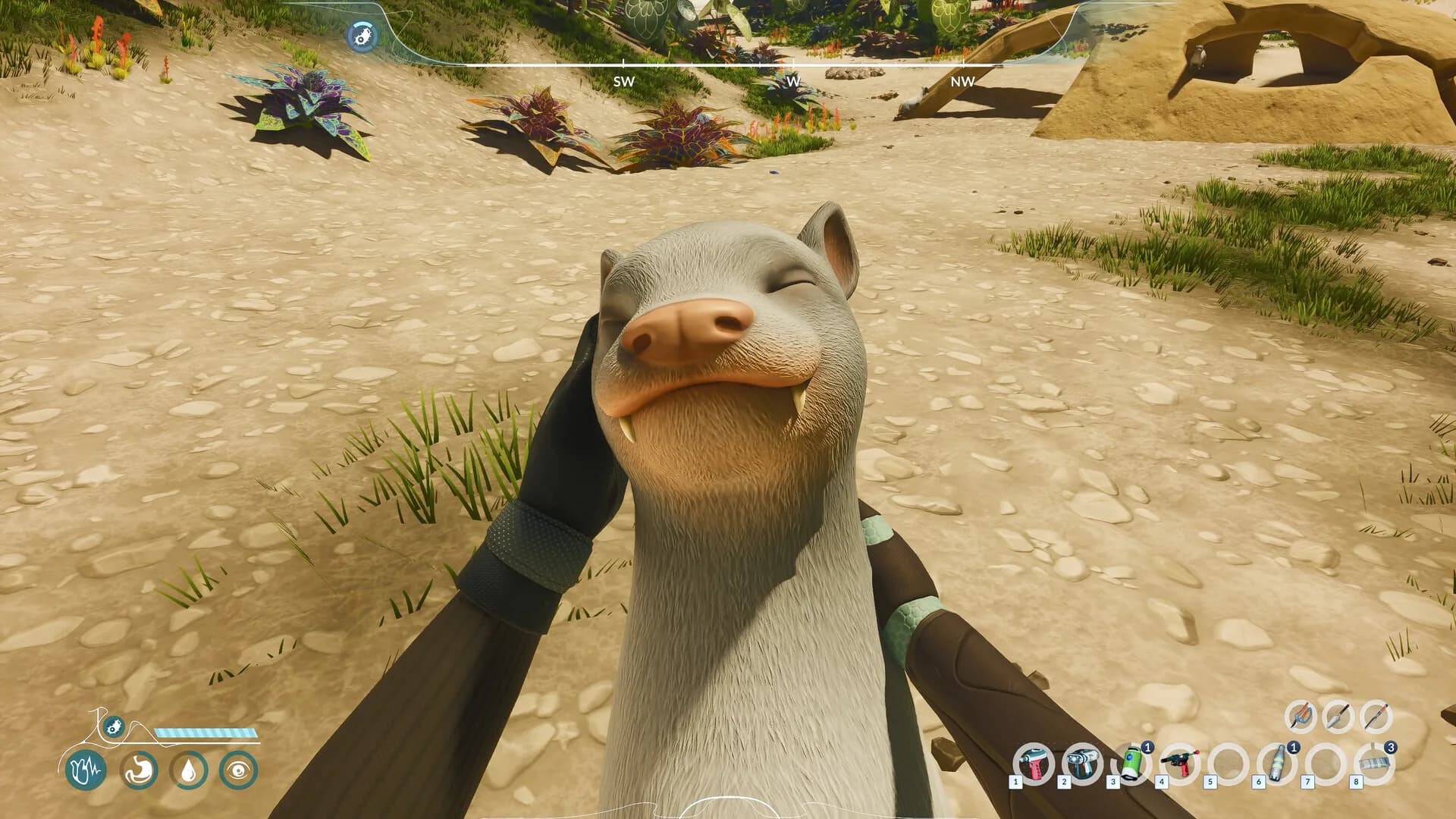
What exactly did you get too close to? Tales of failed experiments are welcome on the InsertCoins Discord.
Community
Your rating
Advertisement
Loading comments...
You might also like
You struck a deal with a dragon. All that is left is serving both sides without either finding out. The 1.0 lands on 23 October.
A co-op horror fishing game at nine euros. You must sacrifice fish every day, and the beast is not the worst thing out there.
Scrapheap robots sent to exterminate a planetary fungus. The 1.0 lands tomorrow, and the upgrade grid is the genre's best idea.