7
Test
Barfender: my idiotic friend drank all the beers
A co-op bar that collapses while you serve. 98 per cent positive, and one of the rare times chaos is the actual subject.
Alexandrosse
7 min
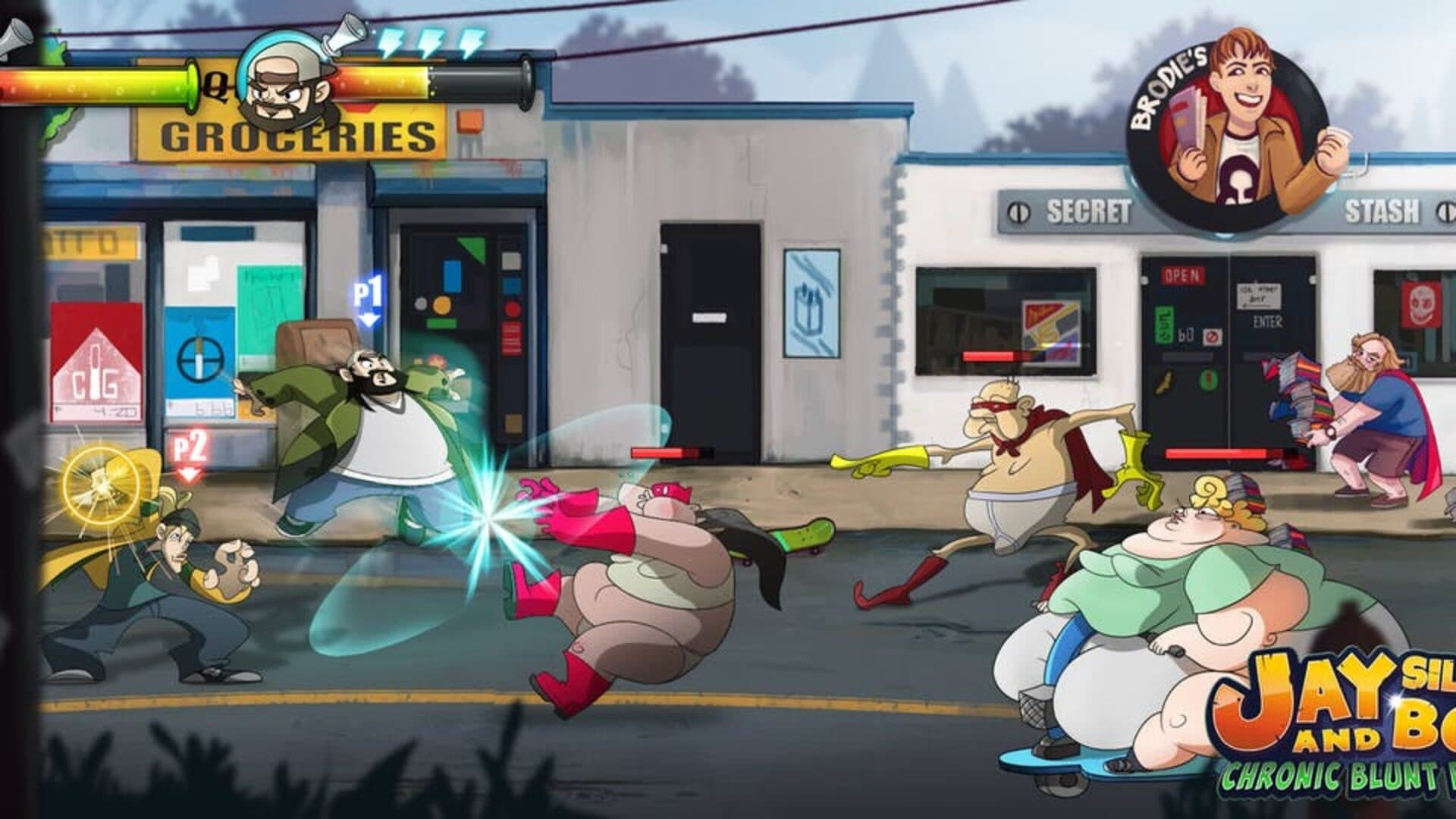
The art direction is stunning, the View Askewniverse references are impeccable, and it takes us straight back to Double Dragon on Game Boy. Too bad the beat 'em up underneath is this sluggish.
Alexandrosse
InsertCoins.press Score
5/10
Verdict
Mixed
Some games get to you before you've thrown a single punch. Jay and Silent Bob: Chronic Blunt Punch is one of them.
The first time you see the art direction in motion, the hand-drawn animations, the portraits of Jay and Silent Bob that look like animated comic book panels, something happens. A flash. Double Dragon on Game Boy. Streets of Rage on Mega Drive. Those side-scrolling beat 'em ups we played in co-op on a couch with a friend, each on their own side of the screen, each with their own attack button. That era when a 2D brawler was enough to fill an entire afternoon.
Chronic Blunt Punch brings that back immediately. Which is precisely why what follows is painful to write.
Let's start here, because it deserves to be said without reservation.
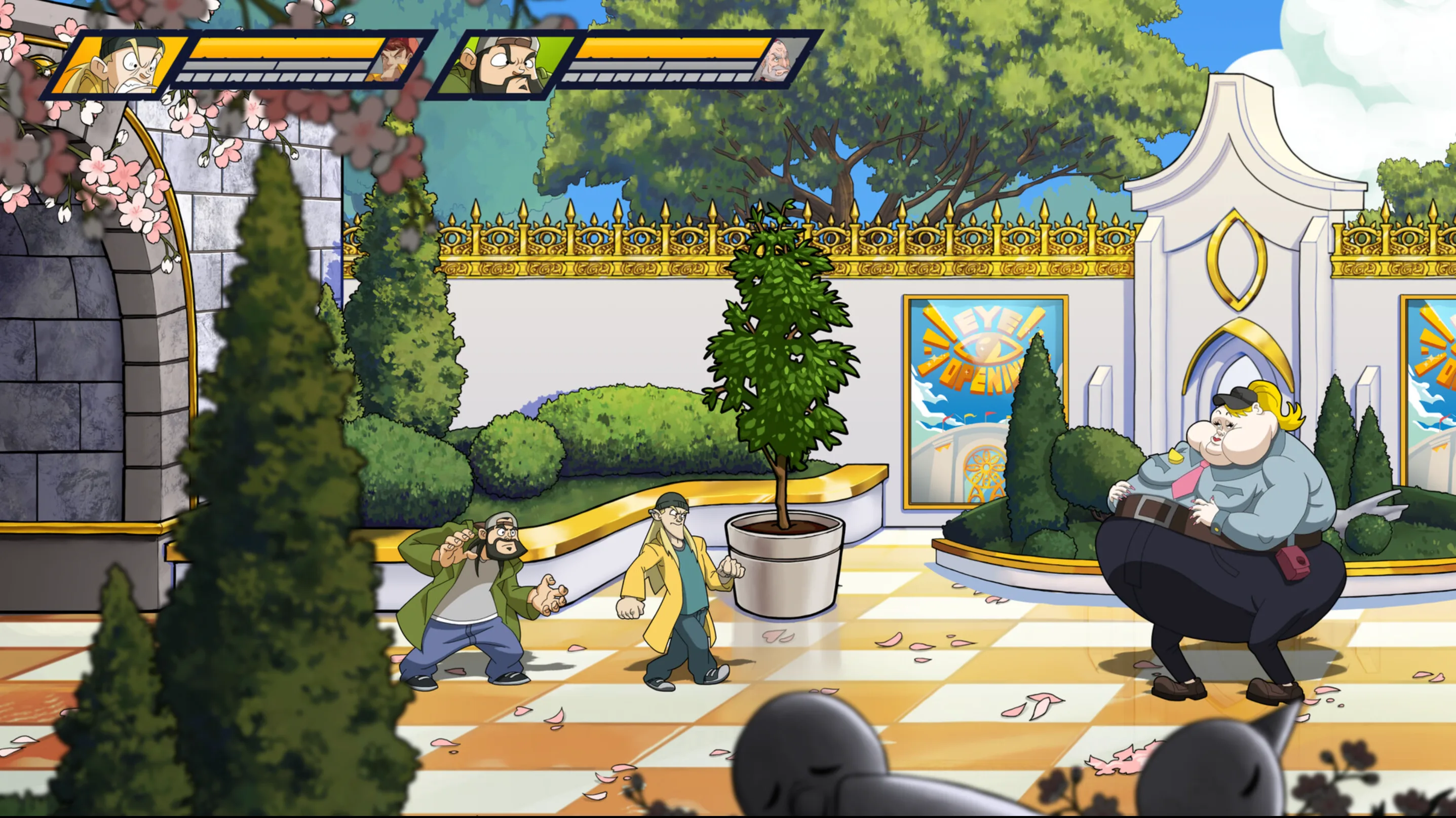
The art direction is exceptional. Interabang Entertainment and Digital Eclipse have produced something visually coherent, personal and faithful to Kevin Smith's universe. Every character is hand-drawn, every animation has character, every environment breathes the View Askewniverse. The Quick Stop from Clerks, references to Dogma, Chasing Amy, the Bluntman and Chronic mythology that powers the heroes' transformation. For a fan of Kevin Smith's filmography, it's a buffet.
Kevin Smith and Jason Mewes are involved. You can hear it, see it in the writing. The dialogue is genuine, the characters sound right, the humour is the films' humour. This isn't a license exploited by a studio with no soul. It's a work made by people who love what they're adapting.
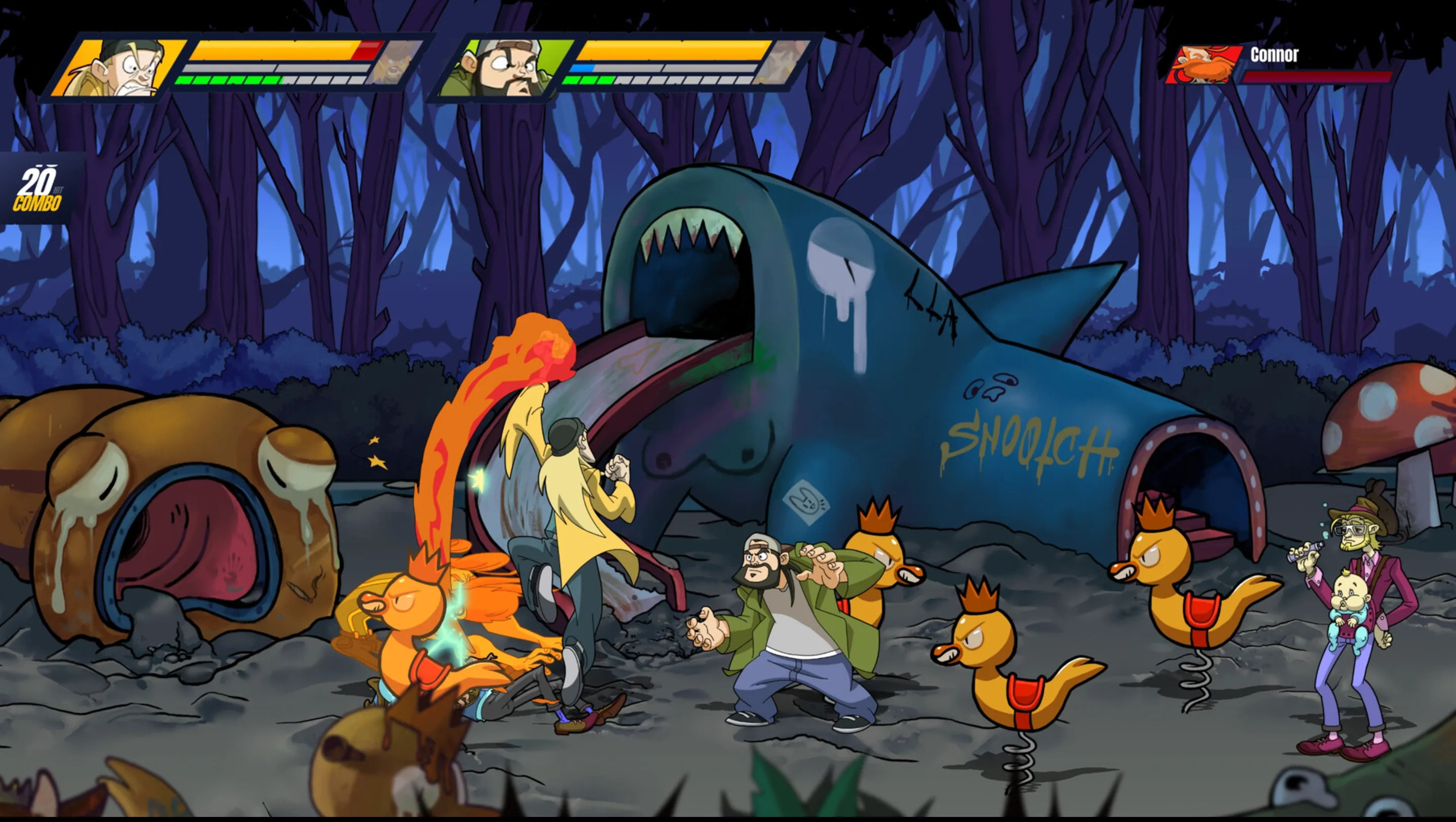
The game system on paper is solid: Jay and Silent Bob as a tag-team with character swapping, collecting "nugs" to power specials, an assist meter to call in View Askewniverse characters for backup, and the Bluntman and Chronic transformation that freezes time to unleash devastating attacks. It's well conceived.
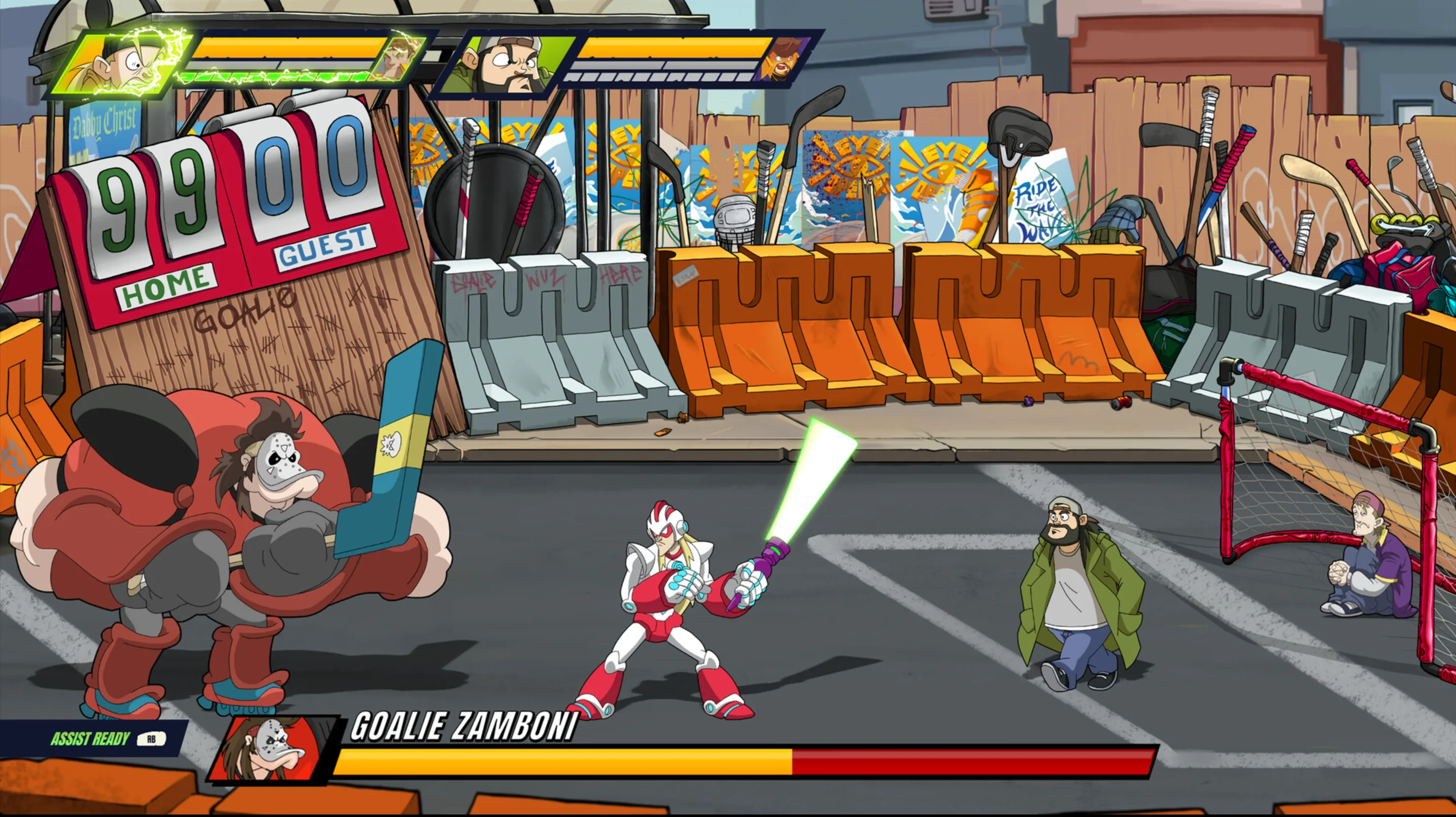
The problem is that all of this exists inside a beat 'em up that doesn't know how to fight.
The input delay is real and constant. Between the moment you press attack and the moment the hit lands, something happens. Not much, but enough to break the rhythm systematically. In a genre where immediate feedback is the foundation of everything, where Streets of Rage or Double Dragon work precisely because every hit lands with certainty, that fraction of a second changes everything.
The characters move with a heaviness that doesn't feel like weight but like imprecision. Jay isn't slow because he's heavy, he's slow because the controls don't respond the way they should. The distinction matters: a slow character can be satisfying to play. A character who seems to ignore your inputs for half a second is not.
Controller support was broken at launch. Not partially dysfunctional: broken. For a game of this kind, designed to be played in co-op on a couch, that's a fundamental problem.
Beyond the technical issues, the combat design itself stays very classical, perhaps too much so. Waves of enemies arriving from the right, the same archetypes cycling back with different colour palettes, limited patterns repeating from level to level. The beat 'em up genre has moved on since Double Dragon: games like Streets of Rage 4 proved you can respect the 90s codes while bringing modern combat depth, parry systems, juggles, genuine situational reading. Chronic Blunt Punch doesn't go that far. It stops at the surface of the genre without trying to reinvent it or even transcend it. The tag-team and assists are interesting ideas but not exploited deeply enough to compensate for the repetitiveness of the whole.
And the co-op, sold as the heart of the experience, suffers from bugs during zone transitions. Bugs that break immersion, interrupt the rhythm, and remind you that you're playing something not quite finished.
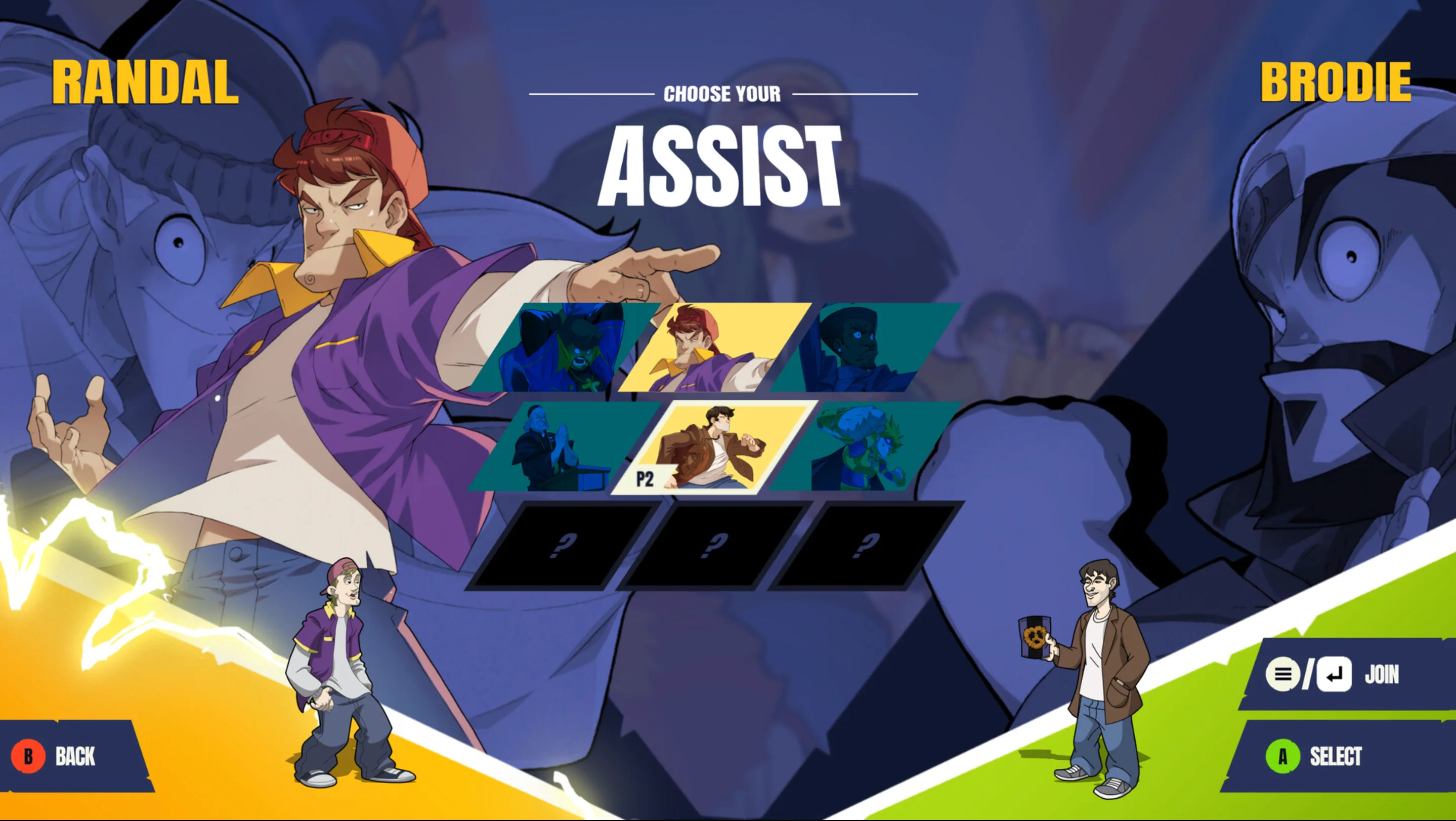
Chronic Blunt Punch launches at €19.99. That's not the price of an AAA. It's the price of an ambitious indie project that doesn't hide its budget limits but hides them behind an art direction that delivers visually.
If you're a View Askewniverse fan, if Jay and Silent Bob mean something to you, if simply seeing these characters hand-animated in a beat 'em up gives you the feeling it gave us, there's something here. It's not a bad game. It's a game that deeply loves what it draws from and didn't have the means or time to bring its combat mechanics up to the level of its art direction.
The Double Dragon nostalgia is there. The Double Dragon feeling never quite materialises.
Strengths:
Weaknesses:
Tested on PC, launch day version. Co-op tested locally.
Your verdict differs from ours? The Discord is the place to make your case.
Community
Your rating
Advertisement
Loading comments...
You might also like
A co-op bar that collapses while you serve. 98 per cent positive, and one of the rare times chaos is the actual subject.
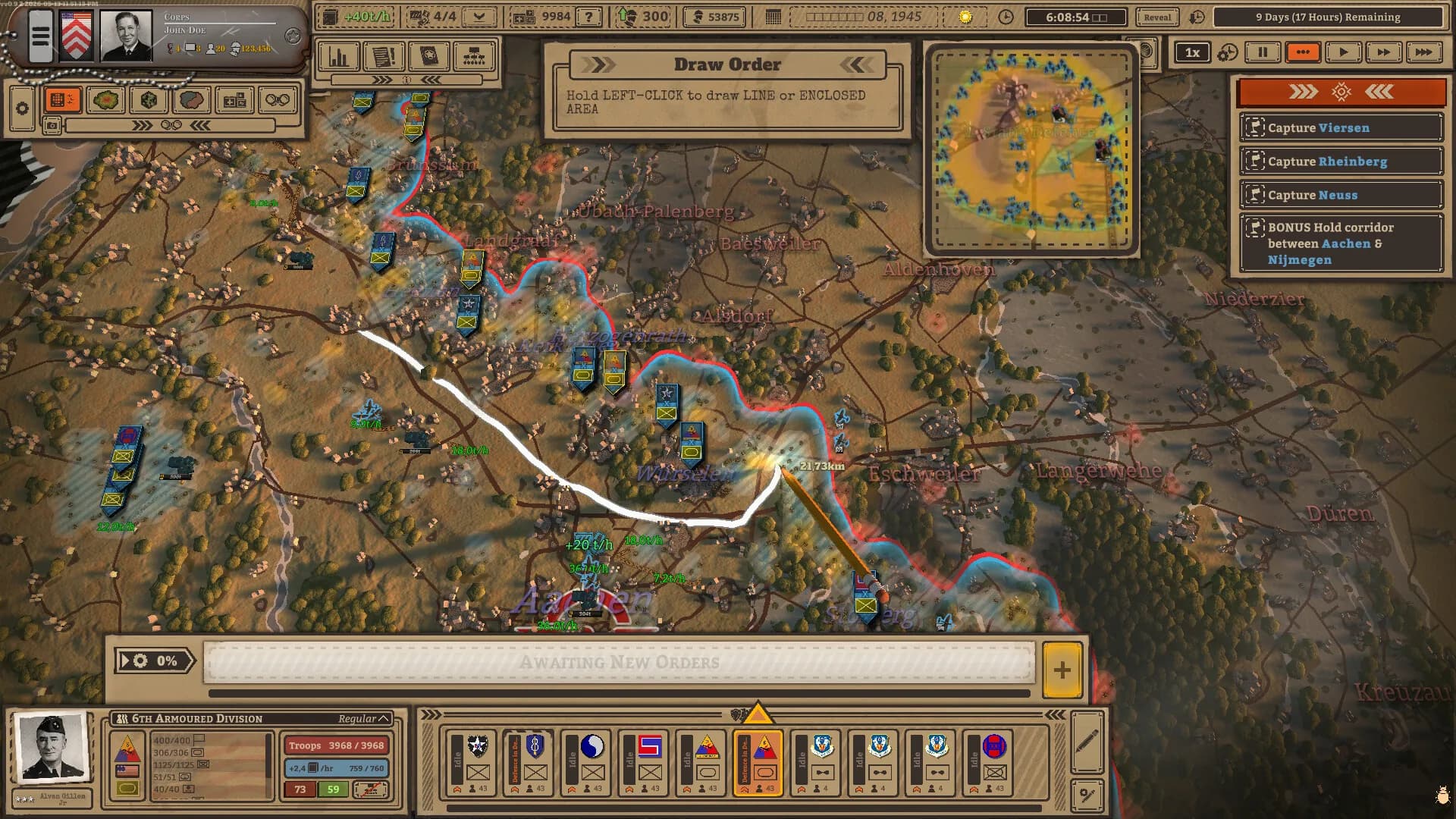
You draw a plan on the map and officers execute it alone. Except the game crashes every other planning phase.
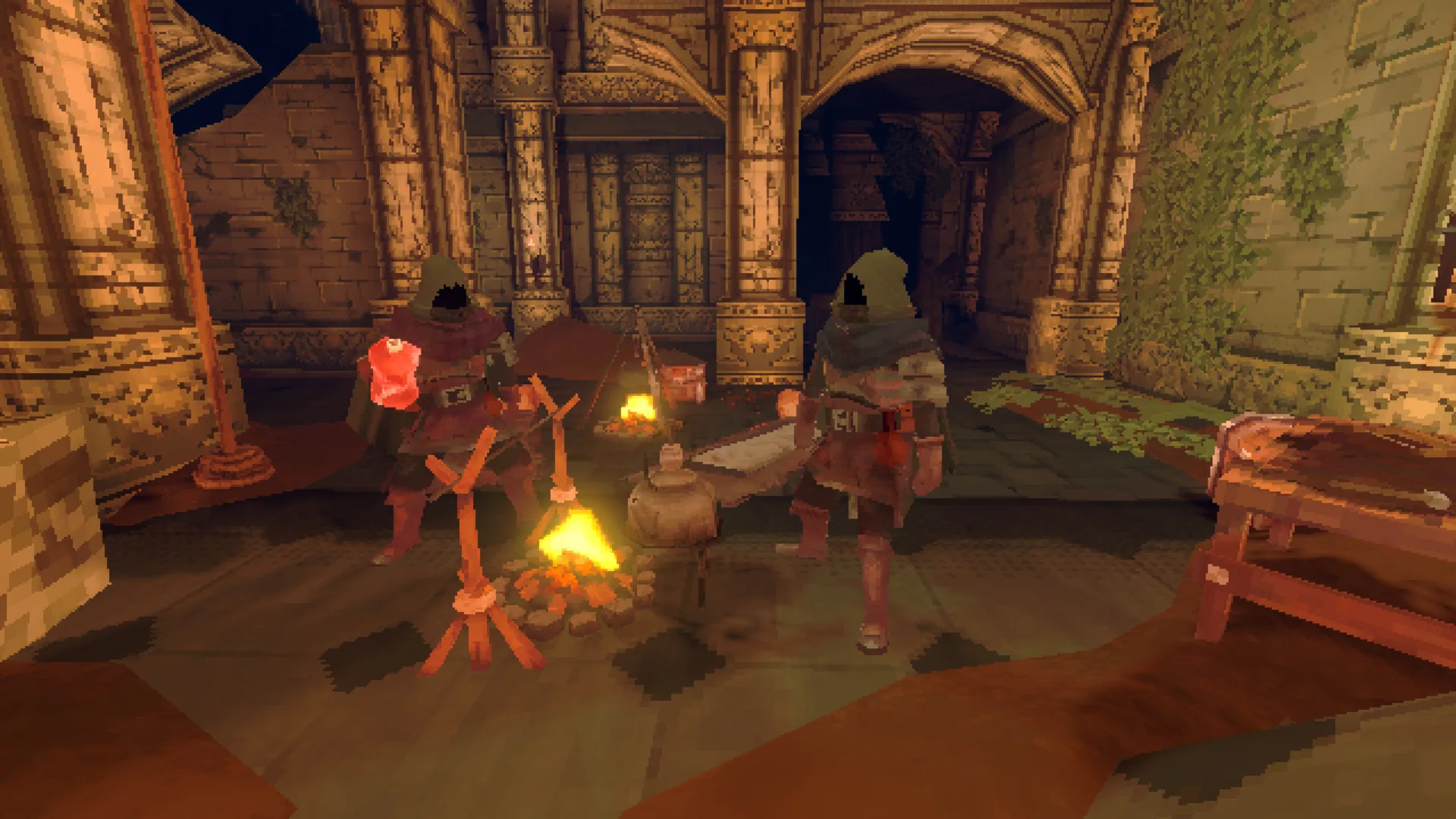
The Knights of Pen & Paper team return with a dungeon where you come back to camp, cook, and unlock recipes that change your stats.