7
Test
Barfender: my idiotic friend drank all the beers
A co-op bar that collapses while you serve. 98 per cent positive, and one of the rare times chaos is the actual subject.
Alexandrosse
7 min
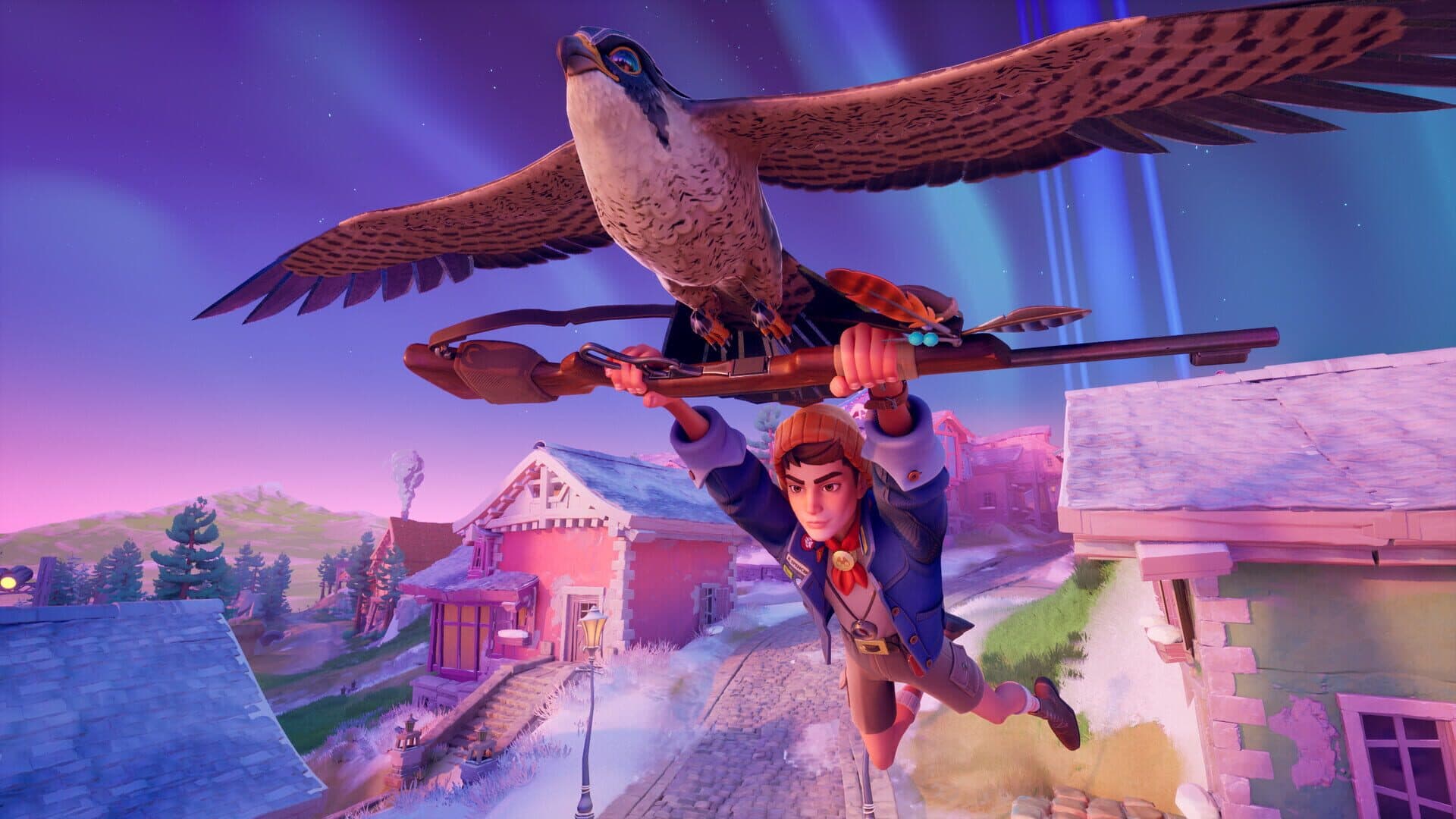
One mode, one idea, one execution. Last Flag bets everything on pure capture the flag, no compromises. And against all expectations, that's enough.
Alexandrosse
InsertCoins.press Score
7.5/10
Verdict
Recommended
Some games want to do everything. They pile on modes, variants, and content, as if quantity could make up for a lack of direction. And then there are those that make a choice and stick to it.
With Last Flag, the bet is simple: one mode, one idea, one execution. Capture the flag. Nothing more. And against all expectations, that's enough. Sometimes more than enough.
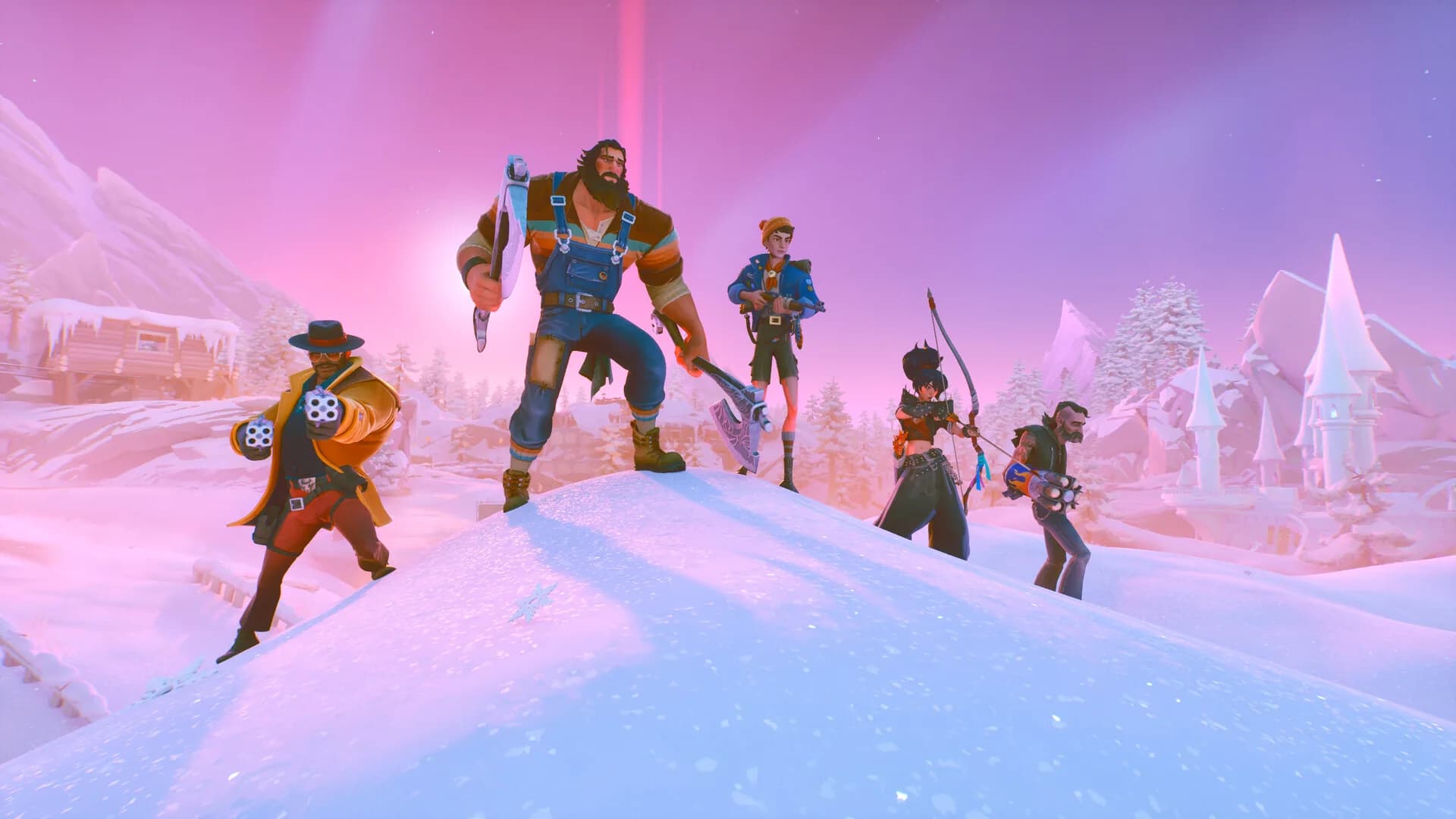
No side modes. No pointless variants. No battle royale tacked on to tick a box. Everything here revolves around the flag. Attack, defend, intercept, escort: the maps, the pacing, the mechanics were designed for that and nothing else.
The game never spreads itself thin. It focuses. And that's precisely what makes it strong. In a genre where the temptation to do everything for everyone is practically universal, Last Flag chooses discipline. That choice sharply limits its audience, which we'll come back to, but it also gives the game a rare coherence.
Last Flag is not a relaxed FPS. Every second counts. Every mistake has a cost. When the flag disappears, something immediately shifts in the air. Pressure rises, players scatter, paranoia sets in. Where is it? Who has it? Which way are they going? Even without direct combat, the tension stays constant, suspended, ready to explode.
It's this quality, this ability to maintain psychological pressure beyond the firefights themselves, that sets Last Flag apart from the competition. Many FPS games create tension in combat. Few create as much outside of it.
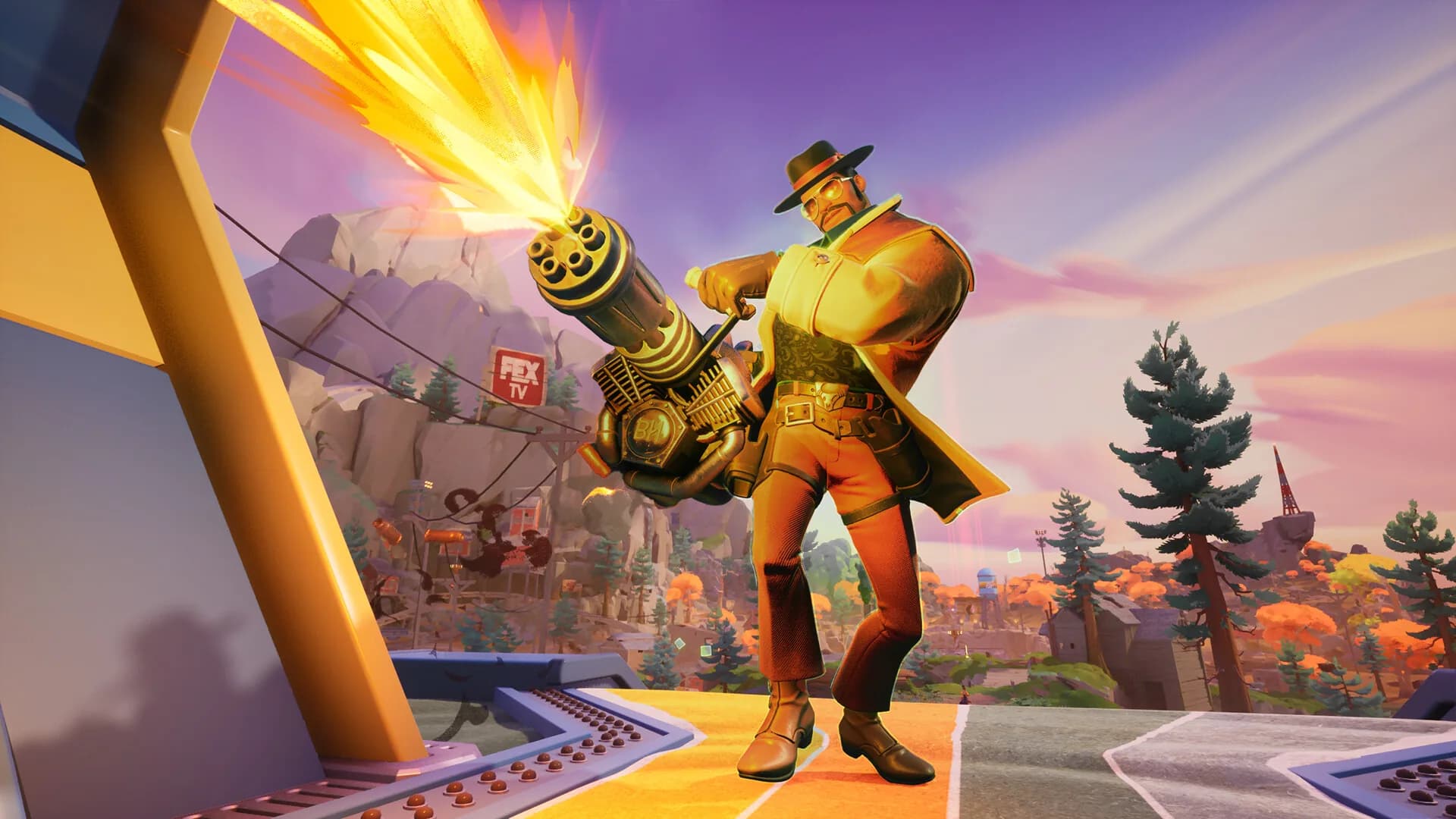
Beneath its apparent simplicity, the game demands far more than good reflexes. Game reading, anticipation, team coordination. Knowing when to push, when to hold back, when to defend at all costs. Organised teams clearly dominate those that improvise, and that gap is felt from the very first matches.
This is not a casual FPS. It's a game that demands commitment, communication, and a genuine willingness to play as a unit. For those who are looking for exactly that, it's a serious proposition. For the rest, the wall is immediate.
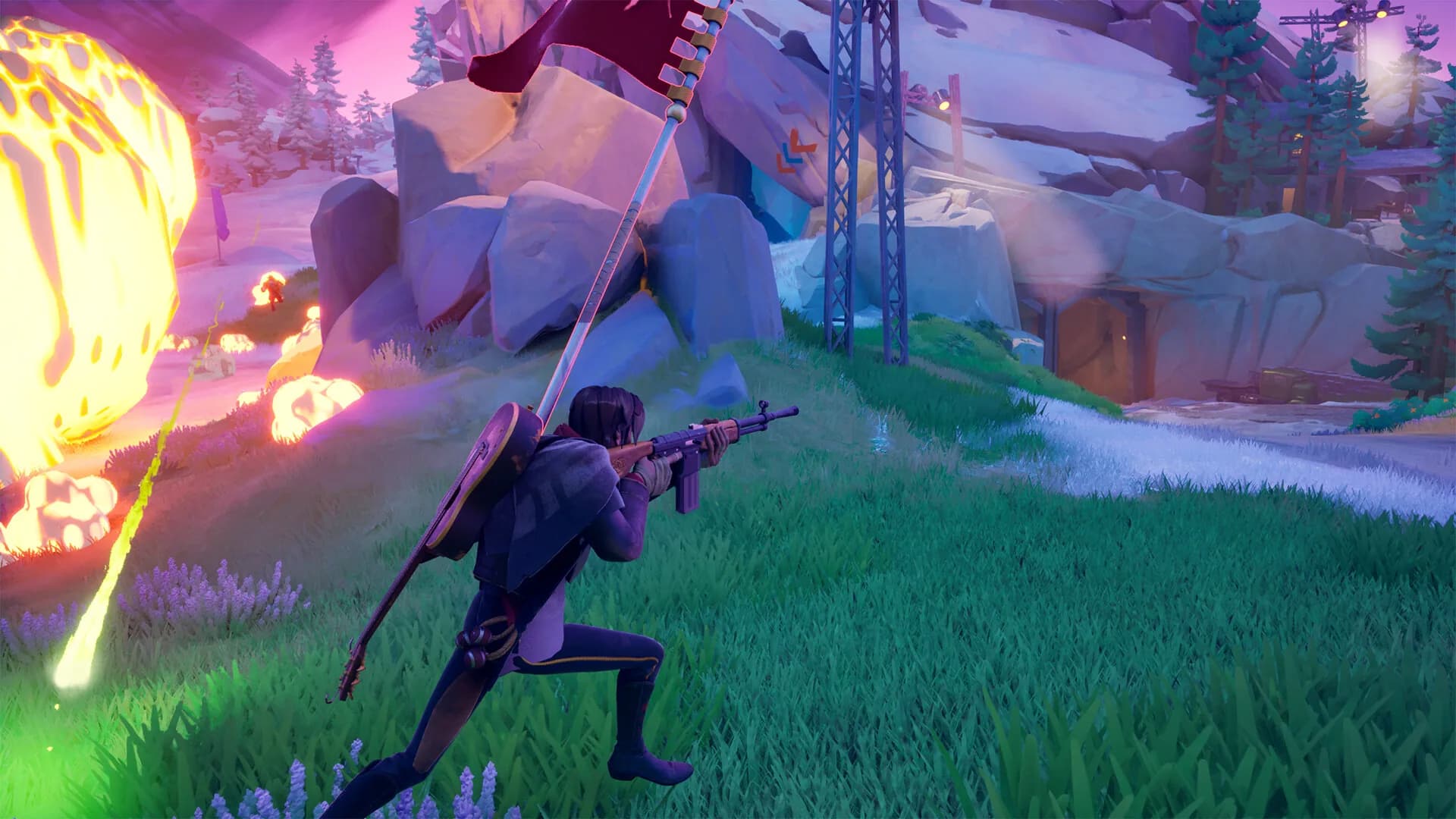
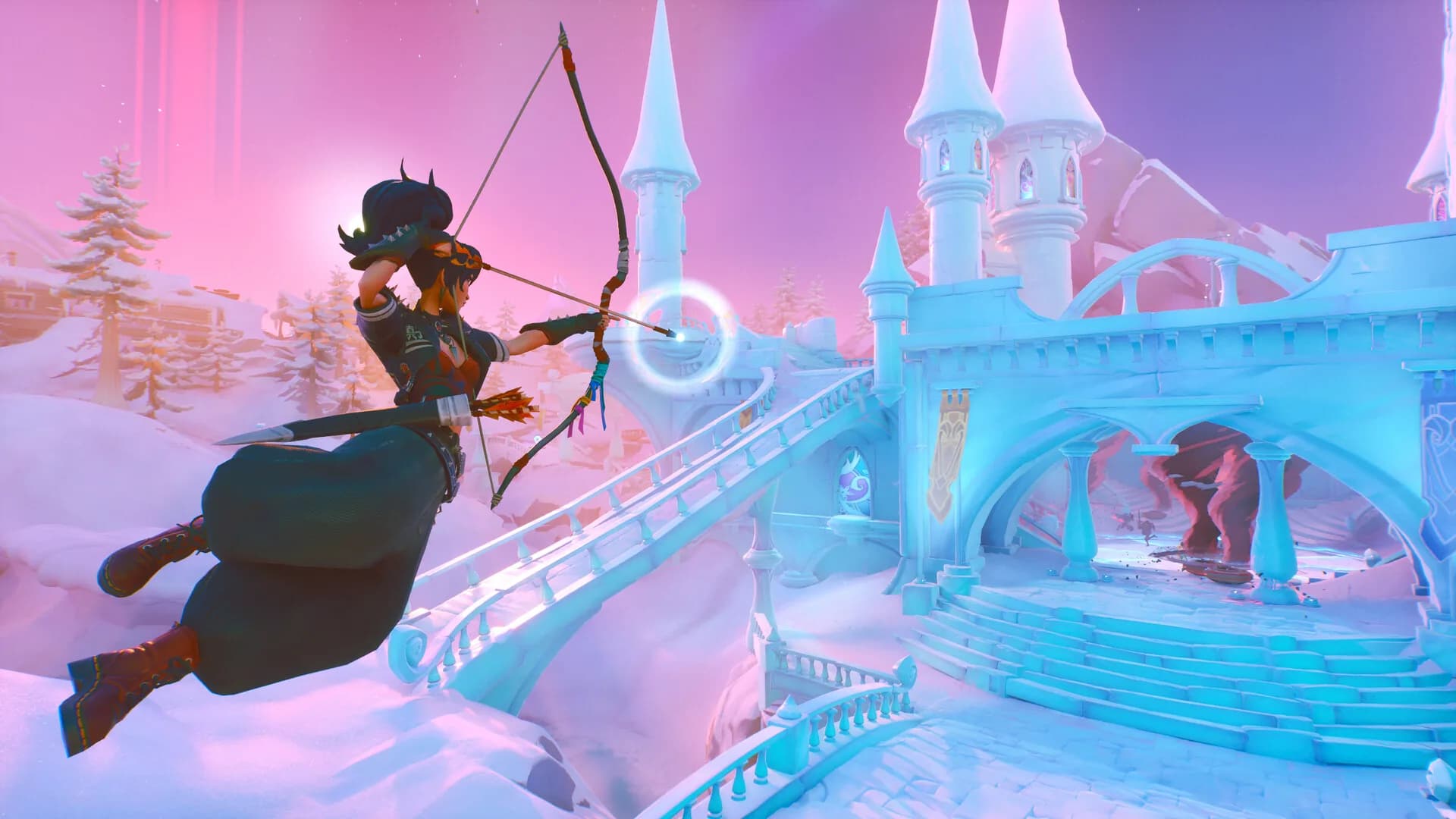
The game adopts a retro art direction that's highly readable: bold colours, minimalist design, maximum clarity. No visual noise, no confusion, everything is immediately legible. You always know what's happening, where the flag is, who's friend or foe.
It's not spectacular. It's not the kind of game where you save screenshots to show friends. But it's perfectly suited to what Last Flag is trying to be. The style serves readability, and readability serves gameplay. It's a coherence worth appreciating.
The real surprise comes from the audio. Last Flag delivers an energetic, deeply distinctive soundtrack with an unabashedly Imagine Dragons vibe that makes no attempt to go unnoticed. It accompanies the tension perfectly, the critical moments, the frantic chases across the maps.
It's not subtle. Nobody is pretending it's subtle. But it's effective, and in a game that bets everything on tension and adrenaline, music that pushes you forward rather than putting you to sleep is exactly what's needed.
This is probably the most important thing to understand before buying. Last Flag is a niche game, and it makes no effort to be anything else.
One mode, high demands, total dependence on team play: if you're in, you're going to love it. If you're not into it, if you play alone without communication, if you're looking for variety or a solo progression, you'll drop off fast. The game makes no effort to pull you back. It's a deliberate choice, and you can respect it, but it's a choice that structurally limits the audience it reaches.
A console version is planned. And let's be honest: that's rarely a good idea for this type of game.
Last Flag is built on speed, precision, reflexes measured in milliseconds. The keyboard-and-mouse combo is hard to replace in an experience like this. You can already anticipate a loss of precision, a less fluid rhythm, a generally degraded experience. It's not a certainty, some games have made that transition better than expected, but it's a legitimate concern the game will need to address.
Strengths:
Weaknesses:
Last Flag is a game that does few things, but does them very well. It sets its own pace, sets its own rules, and holds to them without flinching. For those looking for exactly that, it's a serious and satisfying proposition.
For everyone else: move on, and don't take it personally. This is not a game that's trying to convince you.
A tense, intelligent FPS, and clearly a niche title that could well lose part of its identity once it leaves the keyboard and mouse behind.
Tested on PC, full version provided by the publisher
Played it too? Tell us how it went on the InsertCoins Discord.
Community
Your rating
Advertisement
Loading comments...
You might also like
A co-op bar that collapses while you serve. 98 per cent positive, and one of the rare times chaos is the actual subject.
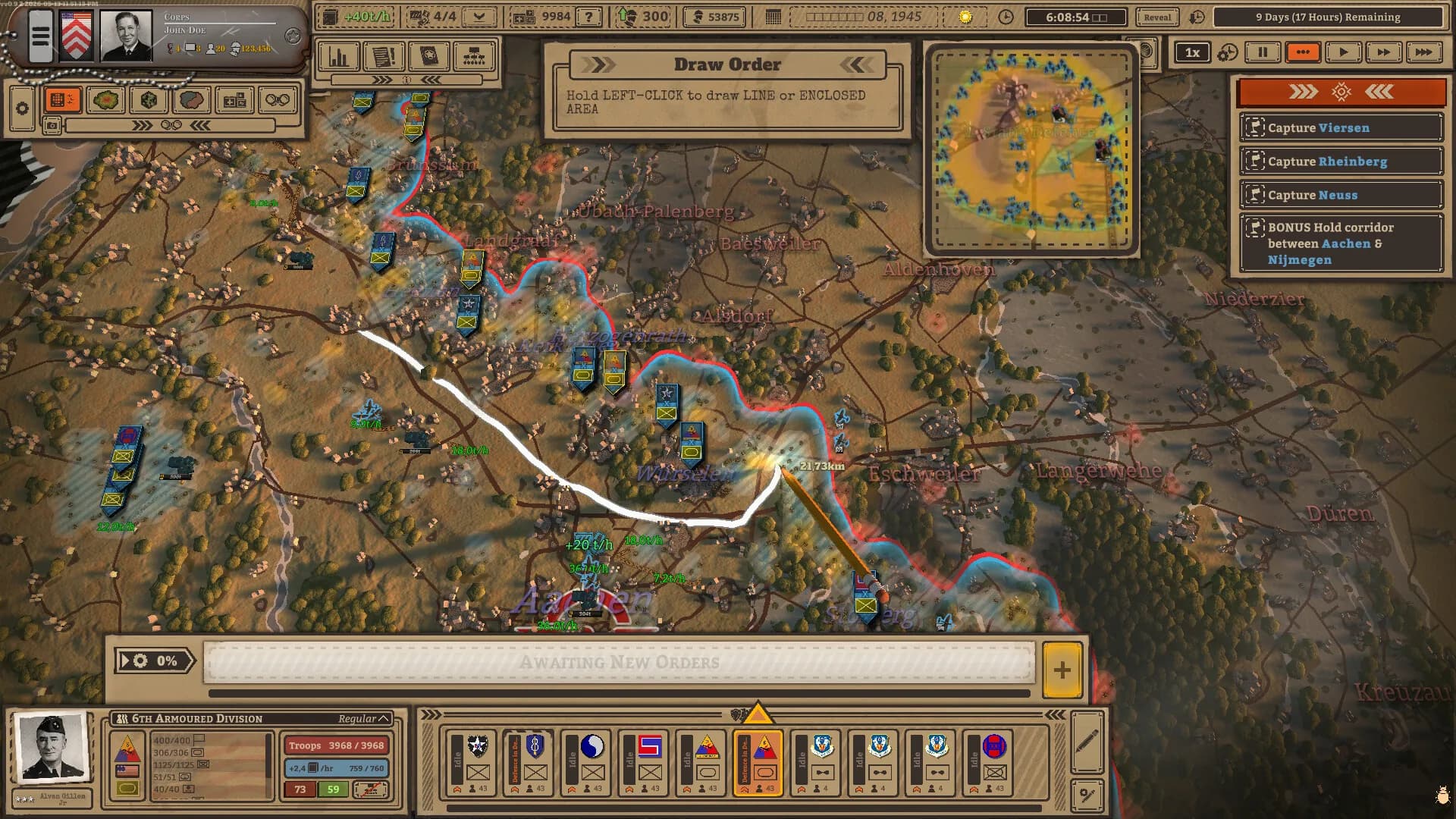
You draw a plan on the map and officers execute it alone. Except the game crashes every other planning phase.
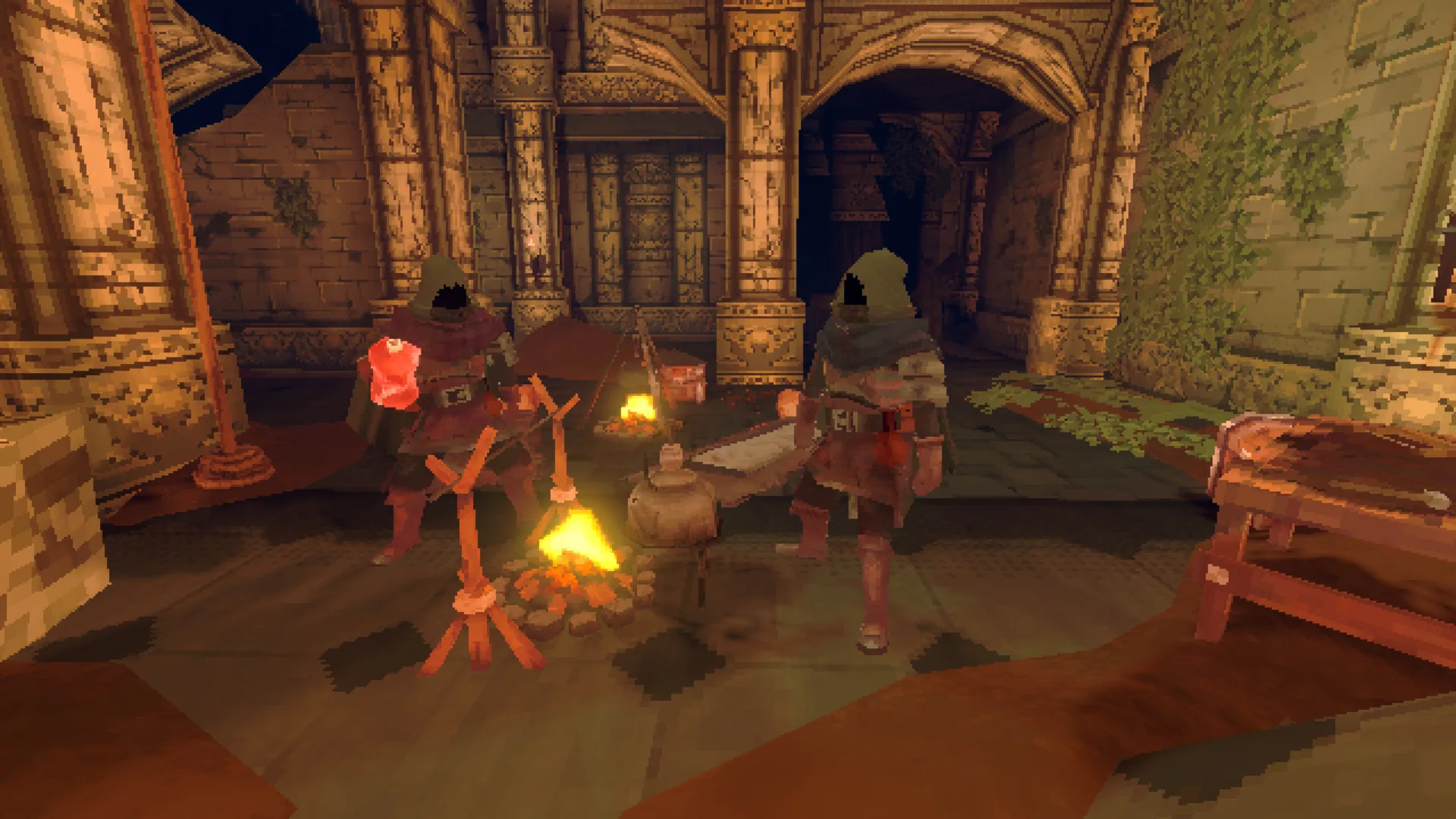
The Knights of Pen & Paper team return with a dungeon where you come back to camp, cook, and unlock recipes that change your stats.