7
Test
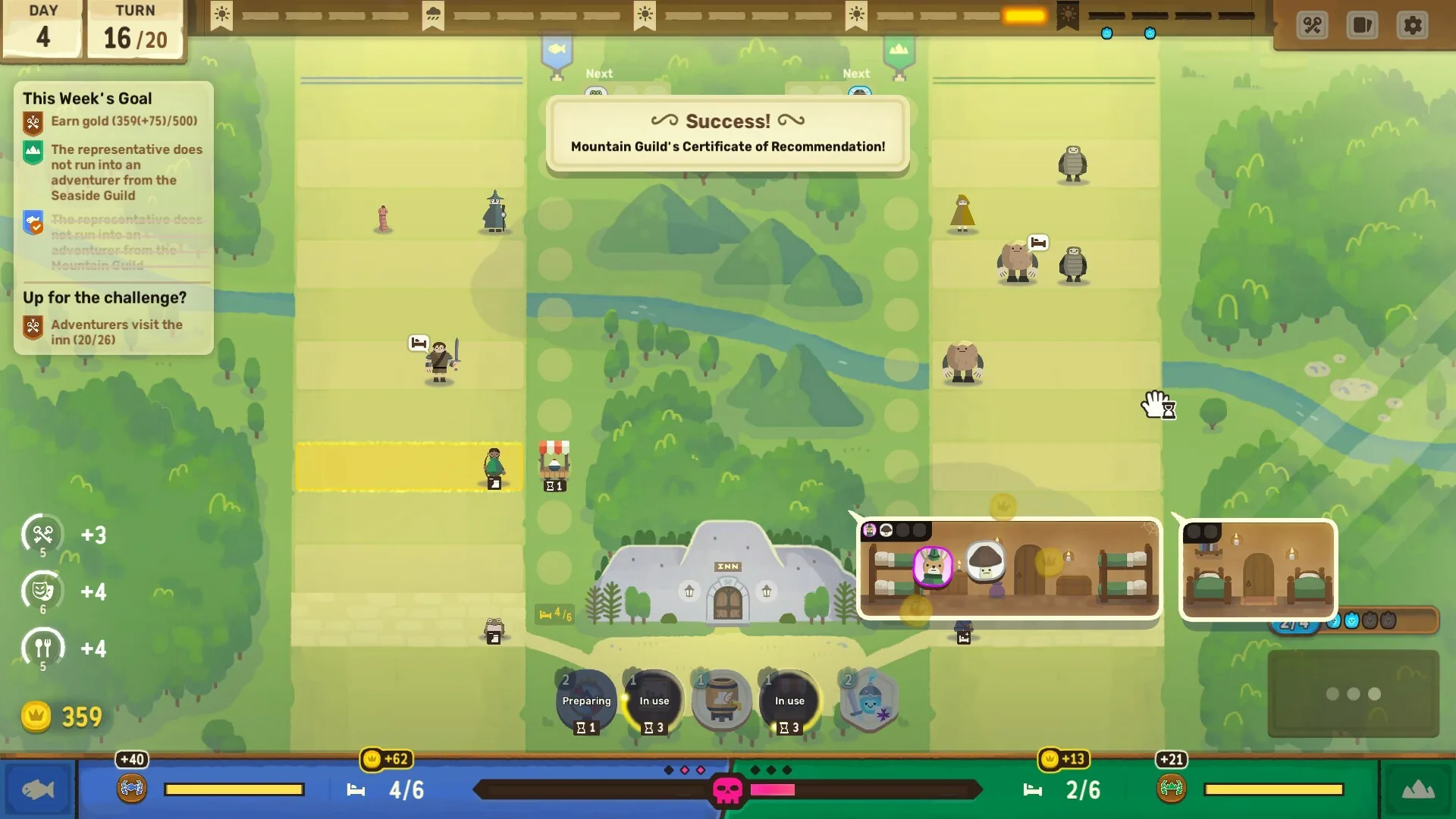
Dungeon Inn: running an inn while keeping two rival guilds from meeting
You struck a deal with a dragon. All that is left is serving both sides without either finding out. The 1.0 lands on 23 October.
Alexandrosse
7 min
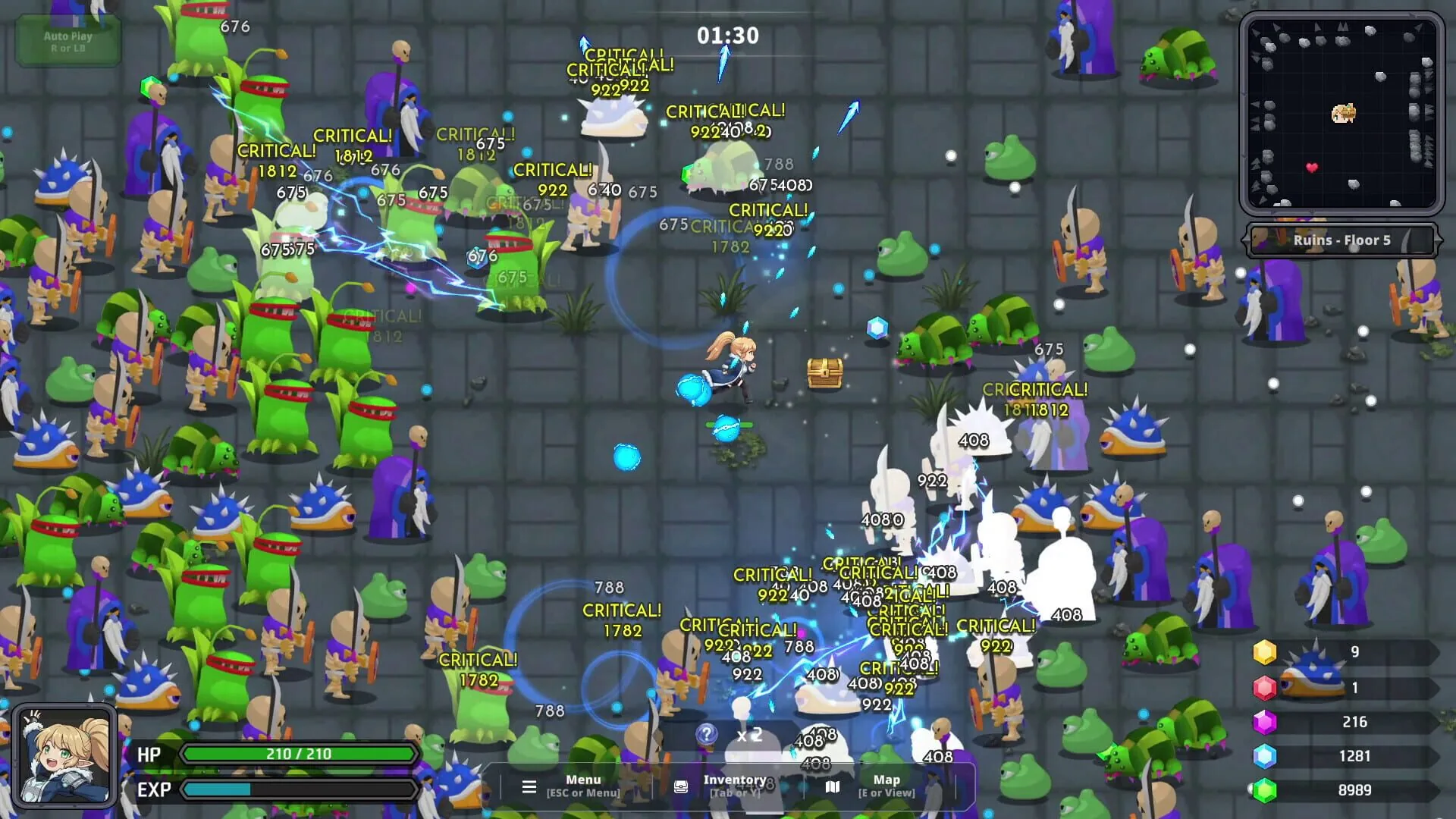
A survivor that grafts the endless progression of incremental games onto the Vampire Survivors formula. Limitless Survivor isn't just a clone, it's a clever hybrid.
Alexandrosse
InsertCoins.press Score
7/10
Verdict
Recommended
Faced with yet another game bearing the word Survivor in its title, wariness is in order: how many pale Vampire Survivors copies have we watched parade by, content to recopy the formula without adding anything? So we asked Limitless Survivor the only question that matters: lazy clone or game with something to say? And the answer, rather reassuring, lies in its particular DNA: that of a survivor grafted onto the endless progression mechanics of incremental games. It's not a mere rehash, it's a hybrid, and that hybridization gives it just enough freshness to exist.
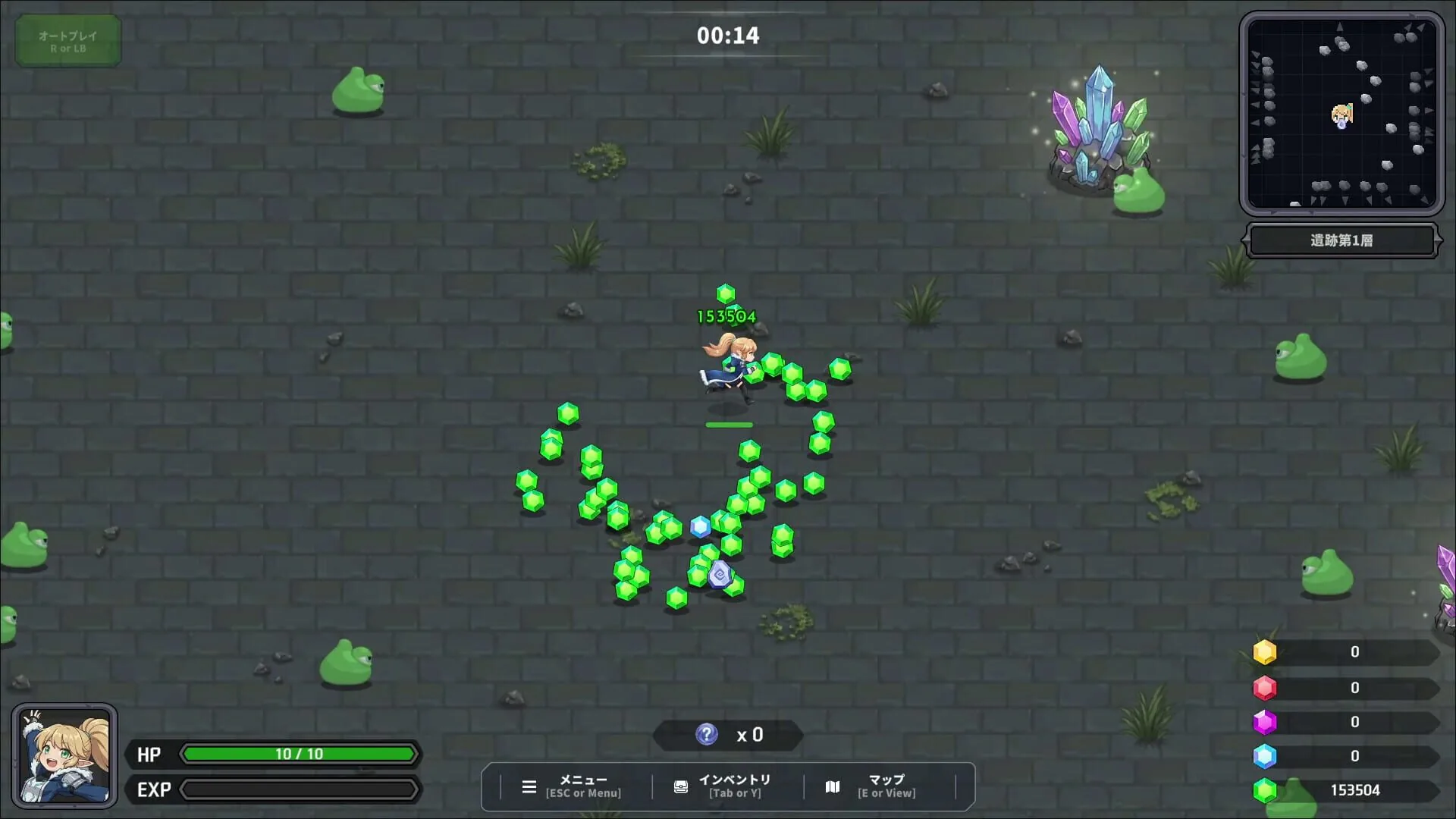
Limitless Survivor is an action roguelite developed by studio Tam Lab, available on PC since 24 July 2026. It blends Vampire Survivors-style roguelite action, the endless ramp-up of incremental games and the thrill of treasure hunting. You start weak, with short runs, but each foray into the dungeon lets you bring back Crystals to permanently upgrade your stats, extend your survival time and constantly push back the limits of your progression. Ultra-rare Artifacts can also drop, permanently boosting stats and skills, and auto-play can handle the grind anytime, even while you're away. The demo convinced at 95% positive reviews.
The heart of Limitless Survivor is its permanent progression loop, and that's where it stands out from the mass of clones. The formula of survival against hordes is indeed Vampire Survivors', but it's backed by an incremental logic that changes the deal: you start weak, with runs that last little, then you bring back Crystals that permanently upgrade your stats and extend survival. Each foray feeds the next, in that ascending spiral specific to incremental games where power grows with no apparent ceiling. You don't just survive a run, you build a long-haul progression, and that meta dimension gives a depth and objective the pure survivor doesn't always have.
That graft comes with a well-thought-out treasure-hunt layer. Ultra-rare Artifacts can drop over the runs, permanently boosting stats and skills, and digging up duplicates raises their bonus level, adding a dimension of collection and optimization that prolongs the engagement. Auto-play, which handles the grind even when you're not playing, fully owns the game's incremental and idle heritage, for better and for the questionable. The whole composes a loop cut out for addiction, where you always push the limits of your power a bit further, and that fusion between survivor and incremental, hailed at 95% in the demo, is indeed what makes Limitless Survivor fresher than a mere copy.
You have to stay lucid: hybrid or not, Limitless Survivor rests on two formulas, the survivor and the incremental, which are both niche pleasures, repetitive by nature. Whoever takes to neither survival against hordes nor the obsessive optimization of climbing numbers won't get their money's worth, because the game adds the codes of two genres demanding a particular sensibility. It's not an action, story or challenge game in the classic sense, it's a progression machine, and you have to love watching gauges fill and power grow endlessly to dive in. Its relative freshness doesn't erase that fundamentally repetitive nature, owned as a choice.
The other reservation is auto-play and the idle logic it introduces. Letting the game grind for you, even while you're away, is a convenience for some, but raises questions about the real engagement it demands: automate too much, and a game risks playing for you and draining the action of its spice. It's the flip side of the incremental heritage, that tension between satisfying progression and dwindling involvement, and everything will depend on each person's sensibility to this type of mechanic. Some will see a welcome comfort, others a slope that dilutes the pleasure of playing. It's a stance to know, one that defines the type of player Limitless Survivor is really for.
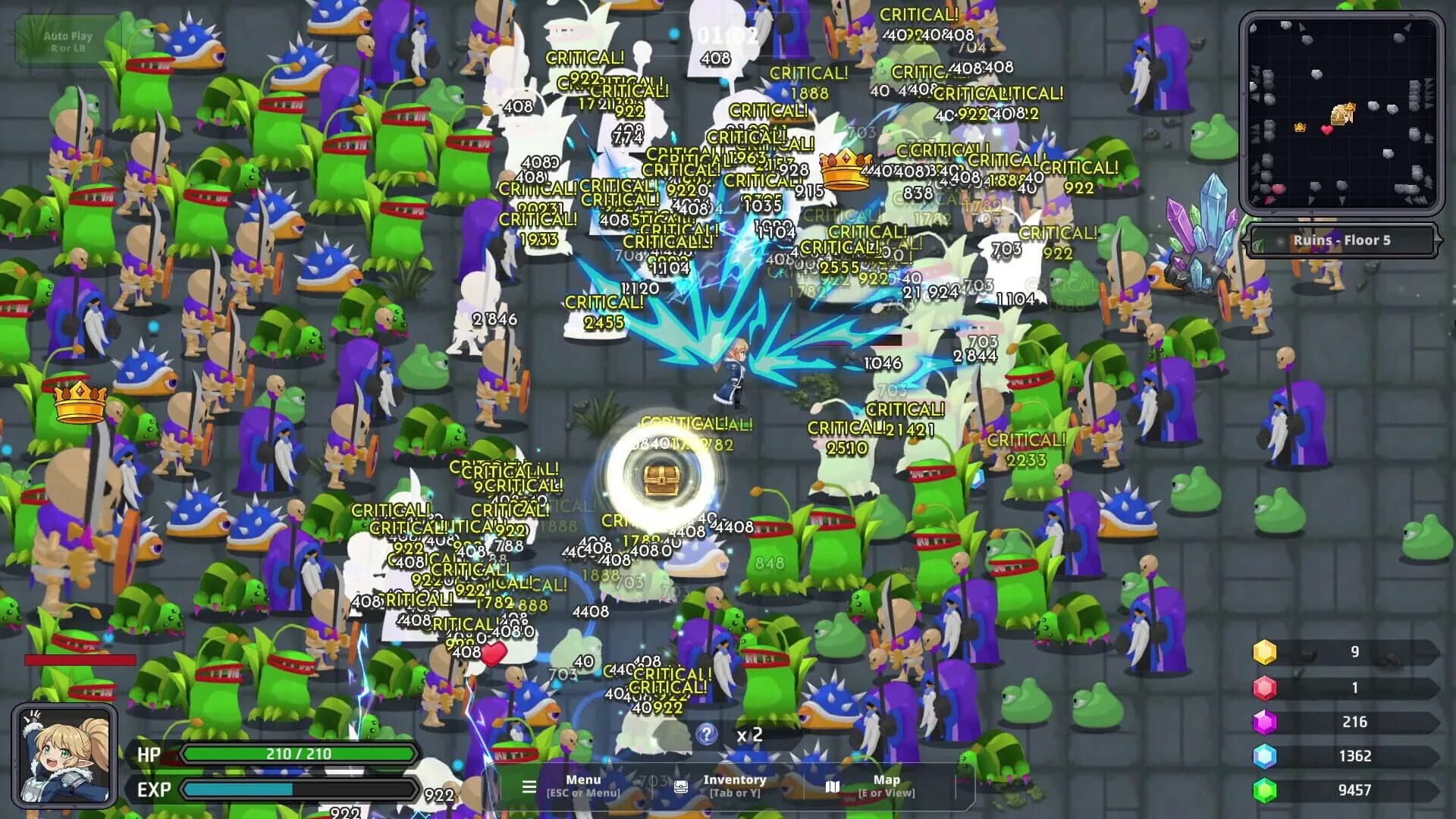
Limitless Survivor answers the question we asked it: no, it's not a pale Vampire Survivors copy, but a clever hybrid grafting the endless progression of incremental games onto the survivor formula. That fusion, with its Crystals that permanently upgrade stats, its ultra-rare Artifacts to collect and its ascending spiral of power, gives it a meta depth and a long-haul objective that set it apart from the mass of clones. Hailed at 95% in the demo, that proposition holds real freshness for whoever loves marrying horde action and incremental optimization. It's not a revolution, but it's far more than a rehash.
You just have to love the two genres it adds, and accept their limits. Survivor and incremental are two niche pleasures, repetitive by nature, and Limitless Survivor stacks their codes without erasing the drawbacks: whoever loves neither survival against hordes nor the optimization of climbing numbers will walk on. And its auto-play, grinding for you, raises questions about the real engagement it demands, between comfort and dilution of pleasure. But for the fan of that double sensibility, the one who wants to see their power grow endlessly run after run, Limitless Survivor offers a successful, addictive graft. A clone, really? More like a hybrid that understood how to stand out.
A survivor grafting the endless progression of incrementals onto the Vampire Survivors formula: not a pale copy but a clever, addictive hybrid, to reserve for fans of that double sensibility.
Strengths:
Weaknesses:
Tested on PC.
Your verdict differs from ours? The Discord is the place to make your case.
Community
Your rating
Advertisement
Loading comments...
You might also like
You struck a deal with a dragon. All that is left is serving both sides without either finding out. The 1.0 lands on 23 October.
A co-op horror fishing game at nine euros. You must sacrifice fish every day, and the beast is not the worst thing out there.
Scrapheap robots sent to exterminate a planetary fungus. The 1.0 lands tomorrow, and the upgrade grid is the genre's best idea.