7
Test
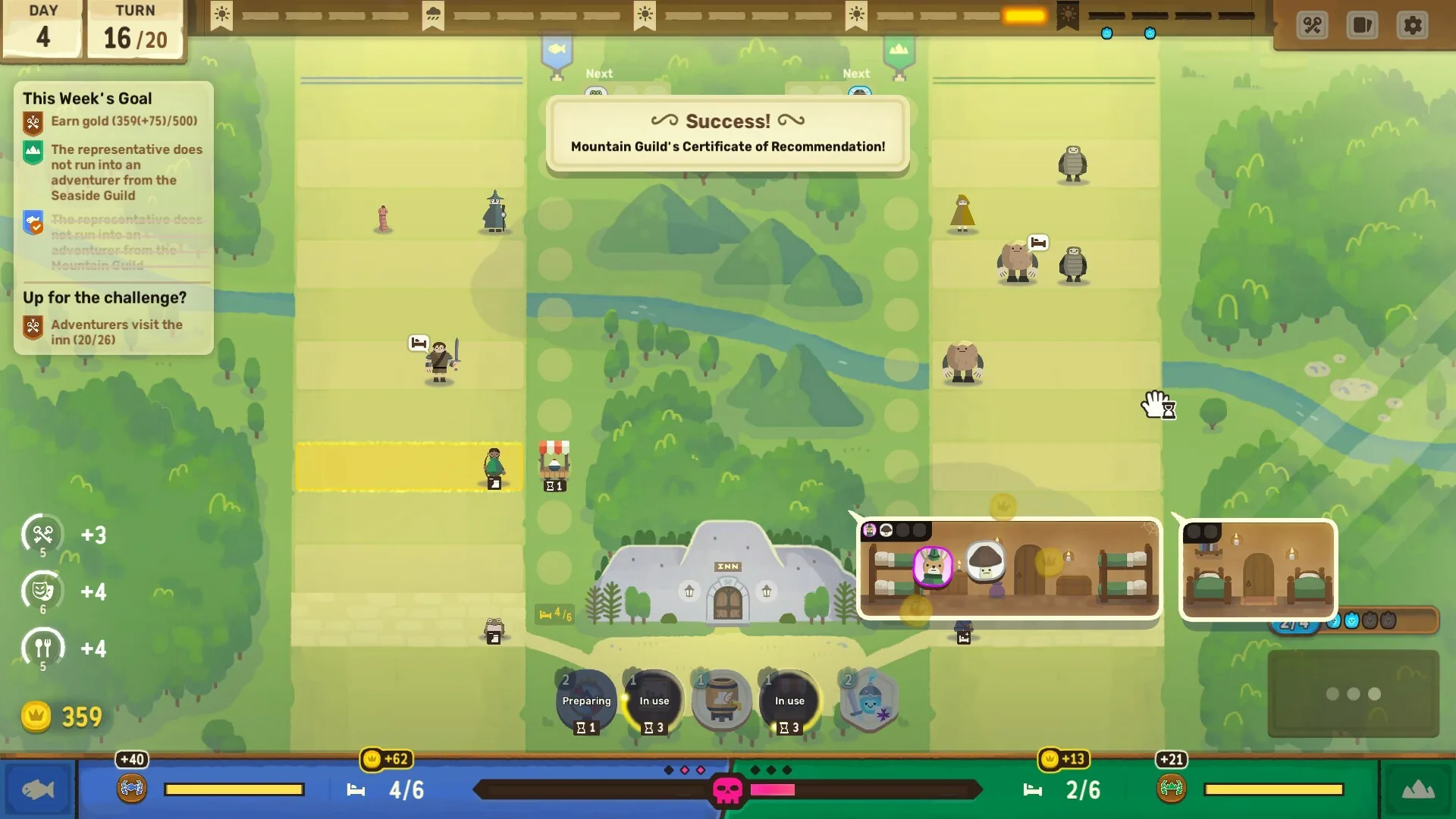
Dungeon Inn: running an inn while keeping two rival guilds from meeting
You struck a deal with a dragon. All that is left is serving both sides without either finding out. The 1.0 lands on 23 October.
Alexandrosse
7 min
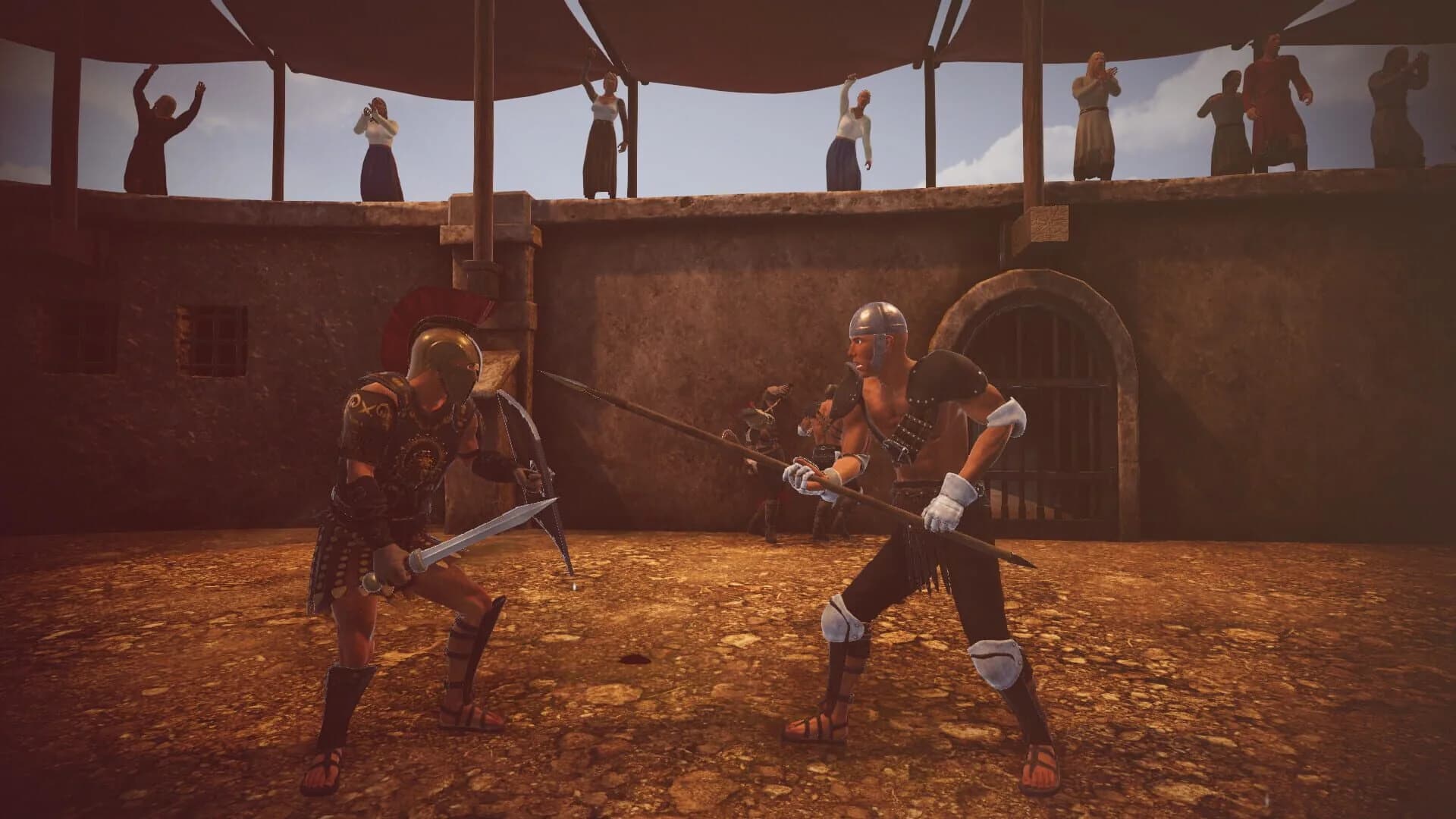
Recruit gladiators, equip them and climb the divisions in an alternate Rome. Ludus Magnatus holds a golden concept, but its execution stays that of a diligent little indie.
Alexandrosse
InsertCoins.press Score
6/10
Verdict
Mixed
The pitch alone is enough to make our mouths water: what if Football Manager, instead of managing footballers, managed gladiators in the arena? Ludus Magnatus starts from exactly that idea, and for anyone who loves both sports management games and the imagery of Ancient Rome, it's an irresistible promise. So we recruited our first fighters with unfeigned enthusiasm. Still, as so often, the brilliant idea runs up against the hard reality of its execution.
Ludus Magnatus: Gladiator Manager Simulator is a management game developed by a small independent team, available since 21 July 2026 on PC. It transposes the classic sports-manager formula into an alternate Ancient Rome: you start in Division VII at the head of one of sixteen stables, recruit fighters, equip them on the market and climb the divisions by the strength of their blades. The structure is immediately familiar to anyone who's touched a Football Manager, but the ancient, thematic dressing gives it a fresh flavor that, on paper, makes all the difference.
What Ludus Magnatus does well is faithfully reproduce the addictive loop of the management game. You scan the market for the rare gem, you negotiate, you equip your gladiators, you compose your stable and launch it into the arena to climb the ranking. That dynamic of expedition and progression over several seasons, where you patiently build a championship stable from nothing, provides the genre's characteristic pleasure. The context of gladiator fights lends itself surprisingly well to that mechanic, each fighter becoming an investment you follow with a coach's attention, and the climb through the divisions gives a clear heading to the obsession.
The thematic dressing is the game's real asset, the one that sets it apart from the mass of managers. Managing gladiators rather than footballers changes the whole imagery, with its life-and-death stakes, its arena equipment and its decadent Rome atmosphere. The equipment and market system works, the structure of sixteen stables and successive divisions offers a legible progression, and for the management fan seeking an original setting, there's enough here to spend good moments optimizing your stable fight after fight. The concept keeps its basic promises.
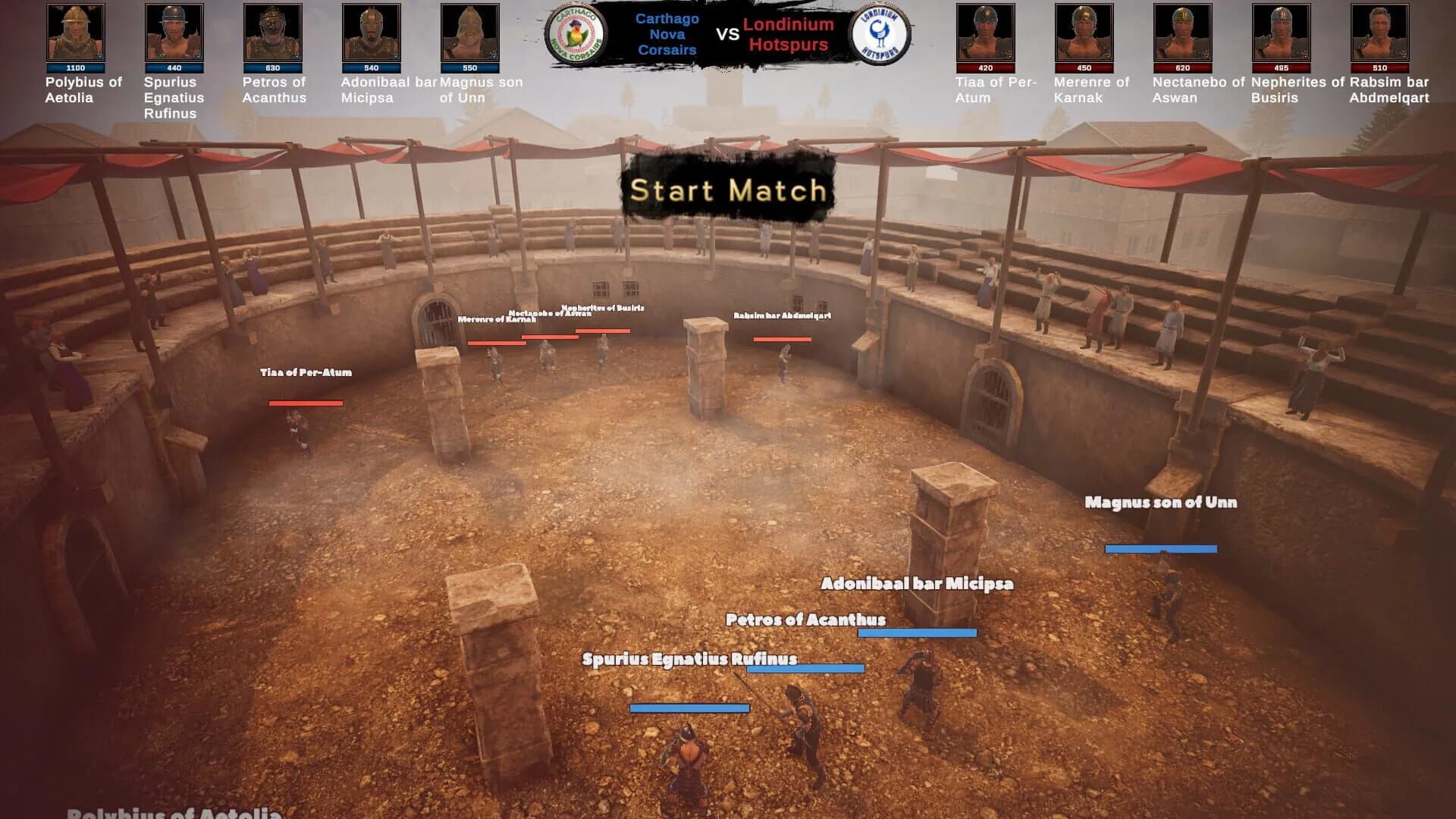
You should nonetheless be critical and honest, because the concept's ambition exceeds the means of its realization. Ludus Magnatus is a modest production, and you feel it. The presentation is functional more than seductive, the interface sometimes lacks finish and comfort, and the depth of the systems, while real, stays below what the genre's references offer after years of refinement. You sense a game built with diligence but with limited resources, where the brilliant idea isn't always served by an execution to match. The skeleton is good, the flesh still lacks thickness.
The other limit is repetitiveness, inherent to the genre but accentuated here by tighter content. Past the enchantment of the concept, the loop of recruiting, equipping and fighting can run a bit short, for lack of enough variety and side systems to feed it over time. It's a game that will satisfy the patient fan, ready to deal with the rough edges of a small production to live their arena-manager fantasy, but that will quickly show its limits to anyone seeking the sprawling richness of the genre's greats. You have to approach it for what it is, a conceptual gem awaiting means.
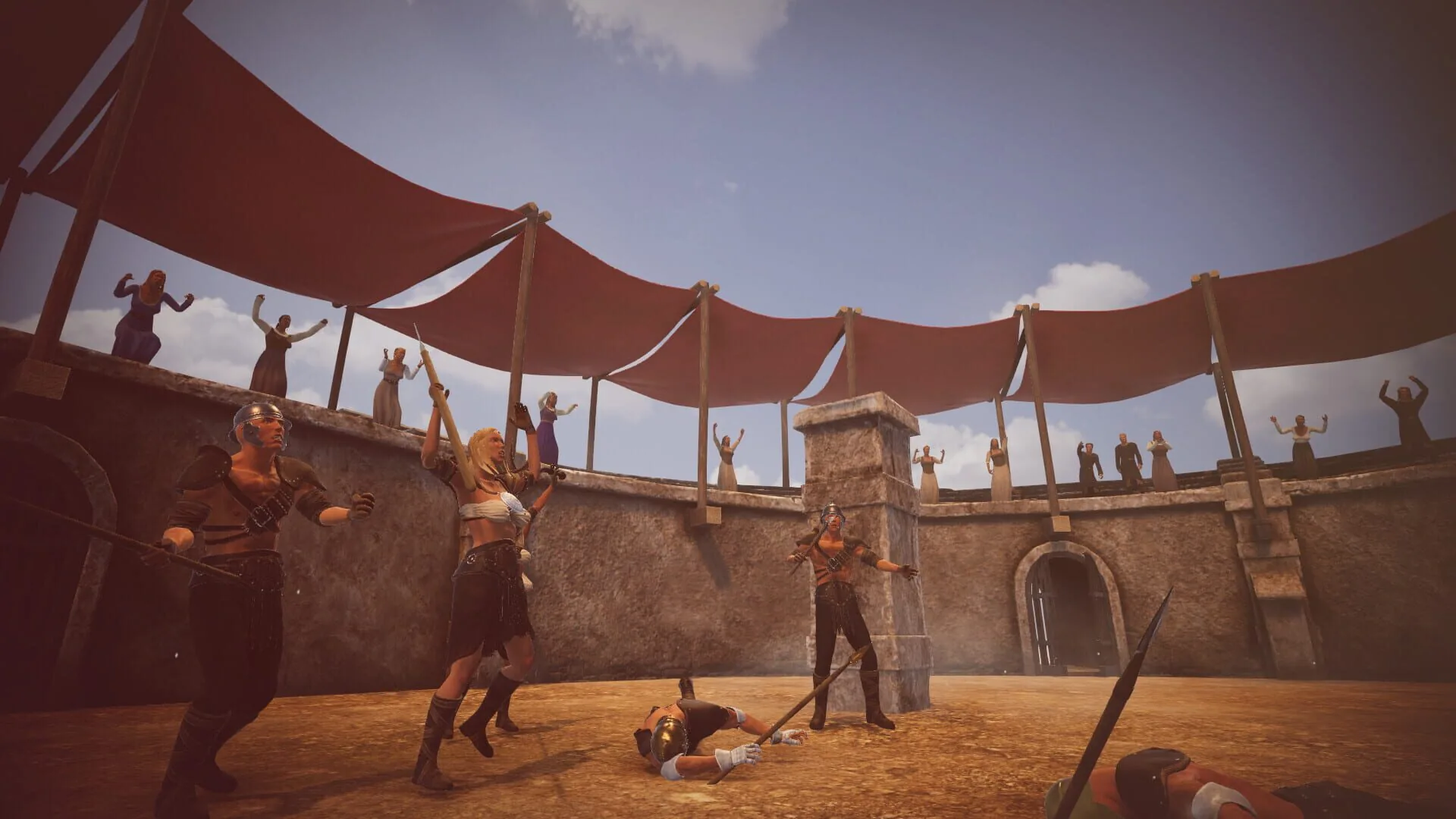
Ludus Magnatus holds one of those concepts you're surprised not to have seen earlier: the Football Manager of gladiators, an obvious and tasty transposition of the sports-manager formula into the Roman arena. On that front, it's a success: the addictive loop is there, the ancient dressing works beautifully, and the management fan will find real pleasure in building their stable and leading it to the top of the divisions. The idea alone deserves your attention.
But you can't ignore that the execution doesn't quite match the ambition. It's a diligent little production, with functional presentation and measured depth, that quickly shows its limits against the genre's mastodons. Ludus Magnatus is a conceptual gem that would have deserved more means and finish, a game we recommend to the curious and forgiving fan, hoping it fleshes out. You're holding the sketch of a great management game; it's still missing the budget to become the full painting.
A Football Manager of gladiators with an irresistible concept, but a modest execution: a diligent conceptual gem that quickly shows the limits of its small budget.
Strengths:
Weaknesses:
Tested on PC.
Disagree with the score? Come and tell us on the InsertCoins Discord, where we defend our verdicts live.
Community
Your rating
Advertisement
Loading comments...
You might also like
You struck a deal with a dragon. All that is left is serving both sides without either finding out. The 1.0 lands on 23 October.
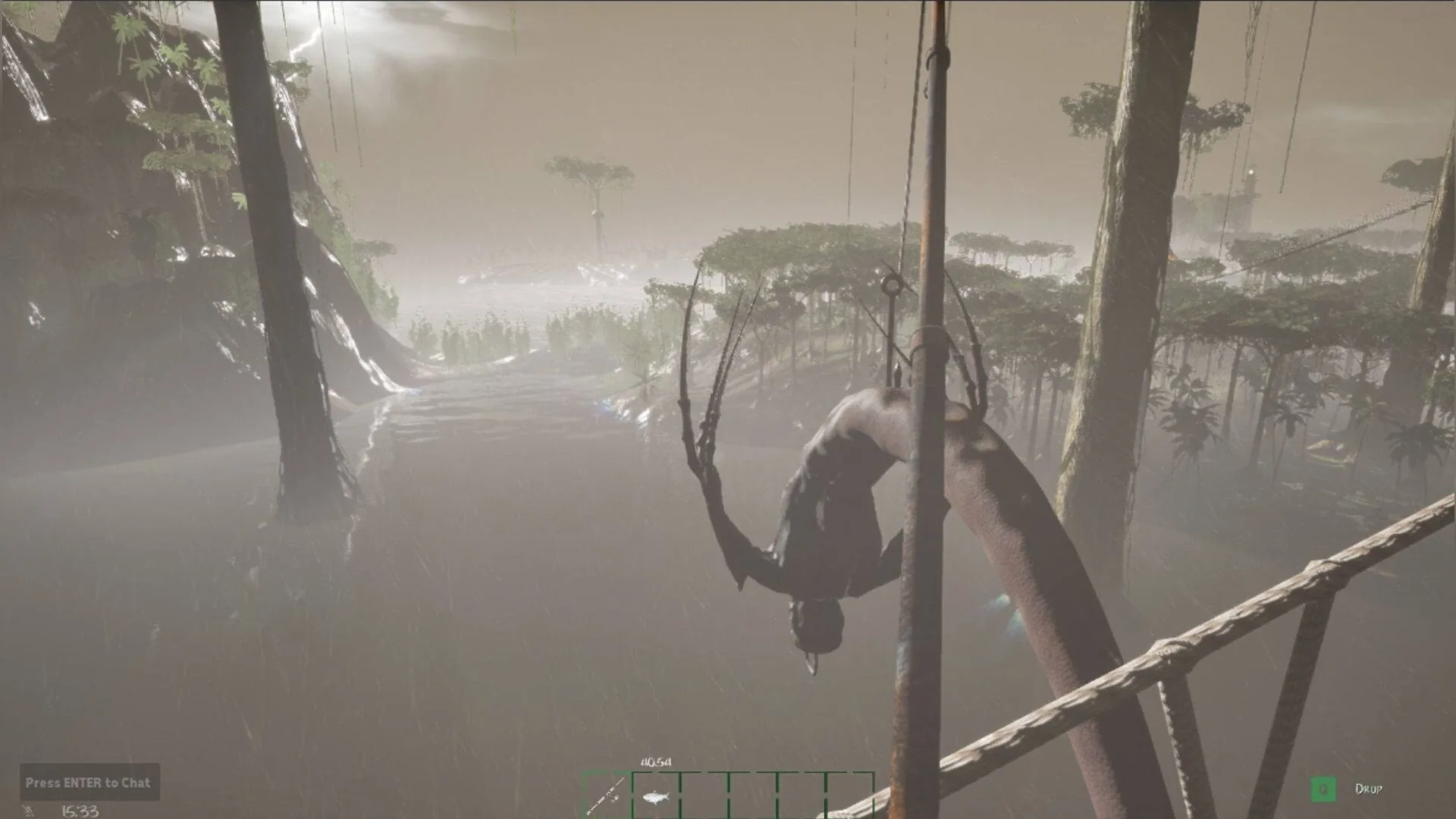
A co-op horror fishing game at nine euros. You must sacrifice fish every day, and the beast is not the worst thing out there.
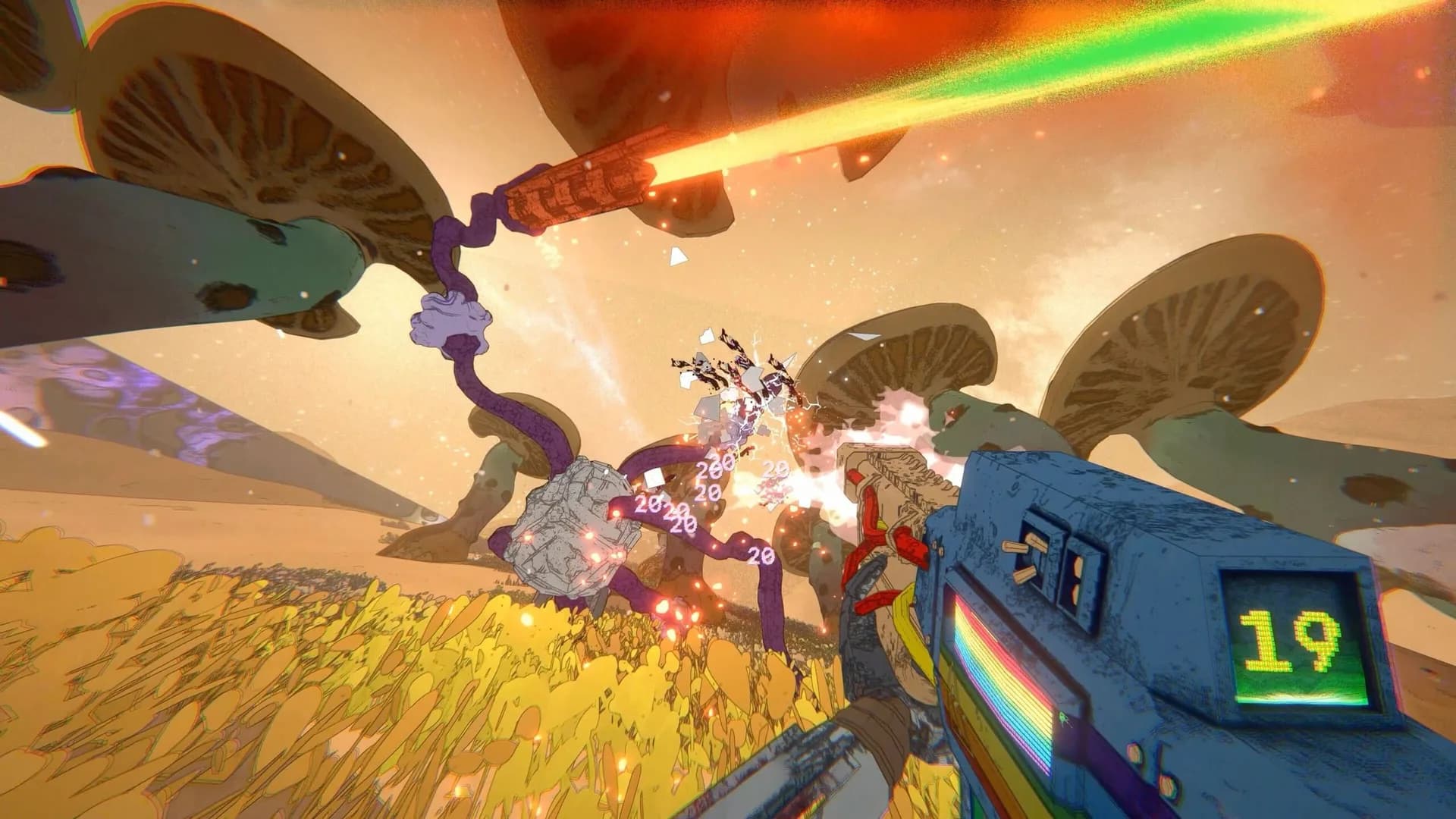
Scrapheap robots sent to exterminate a planetary fungus. The 1.0 lands tomorrow, and the upgrade grid is the genre's best idea.