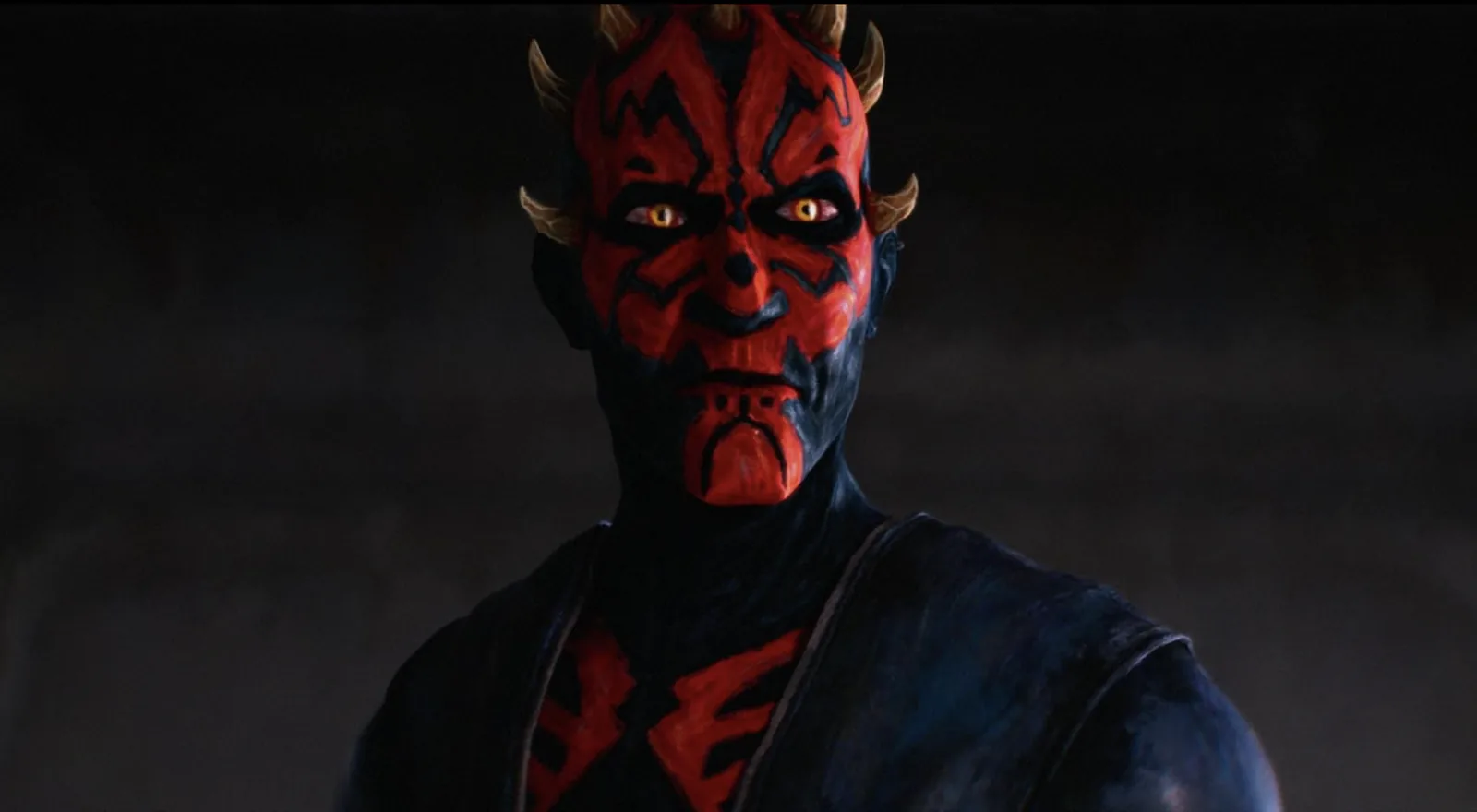
Star Wars has trained us to expect animated shows that almost apologize for existing. Maul: Shadow Lord apologizes for nothing. In the very first episode, Maul cuts a man clean in half, and you understand right away that for once, nobody softened anything. Ten episodes later, you are holding one of the most beautiful things the galaxy has produced since Andor, and easily the most brutal.
The series picks up right after Maul and Ahsoka part ways, aboard the Republic cruiser where Order 66 is about to be given, if it has not already. Which means we arrive at the galaxy's worst possible moment, right at the tipping point, when the Empire stops being an abstract threat and becomes an administration moving in. Streaming on Disney+ at two episodes a week, Shadow Lord follows Maul reinvented as a crime lord, surrounded by a small crew of crooks you warm to immediately, loose on a planet the Empire has not fully locked down yet.
You do not need to have revised the entire animated saga to keep up. If you know who Maul is and how he survived, you are set. The rest, the series tells you through action rather than dialogue, which is already a good sign.
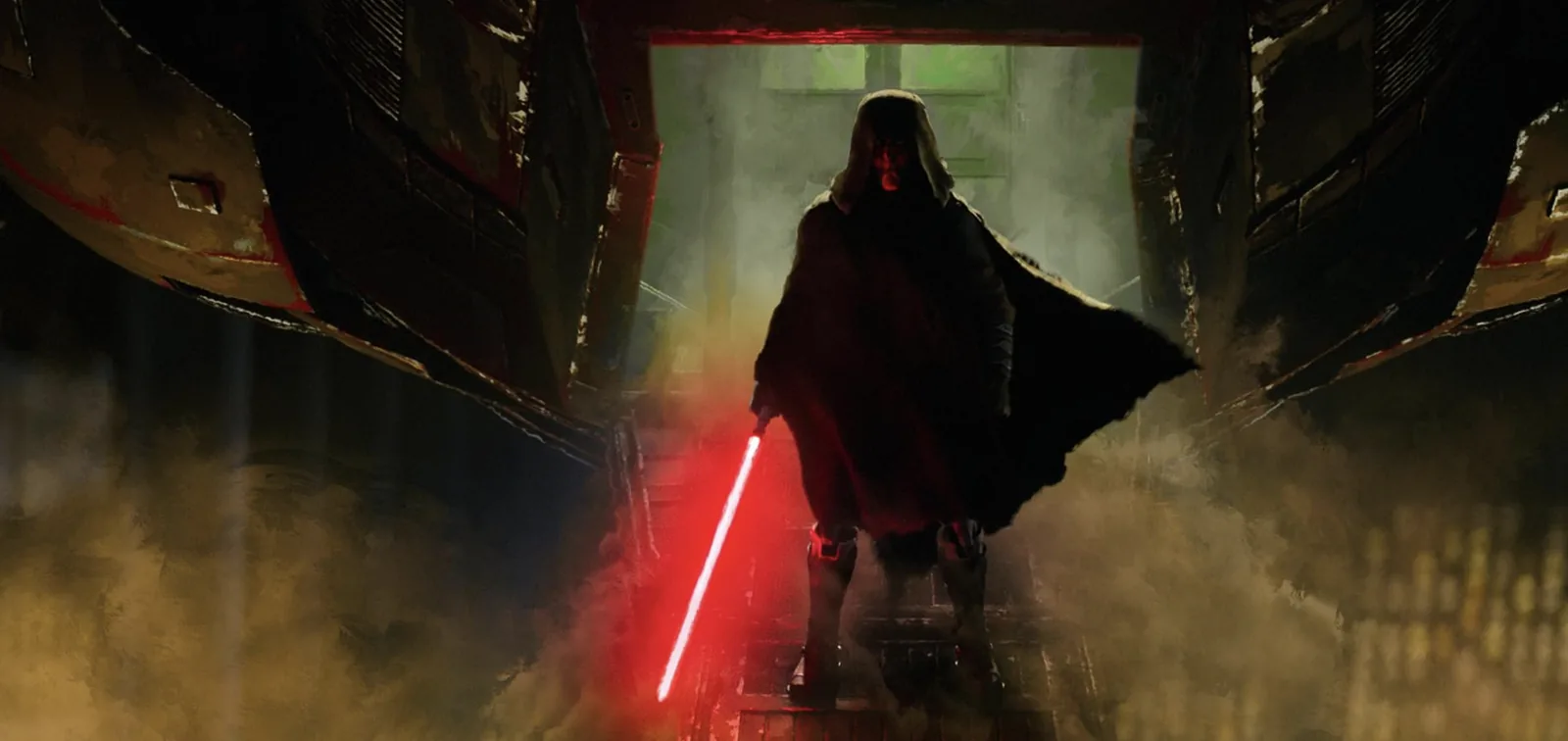
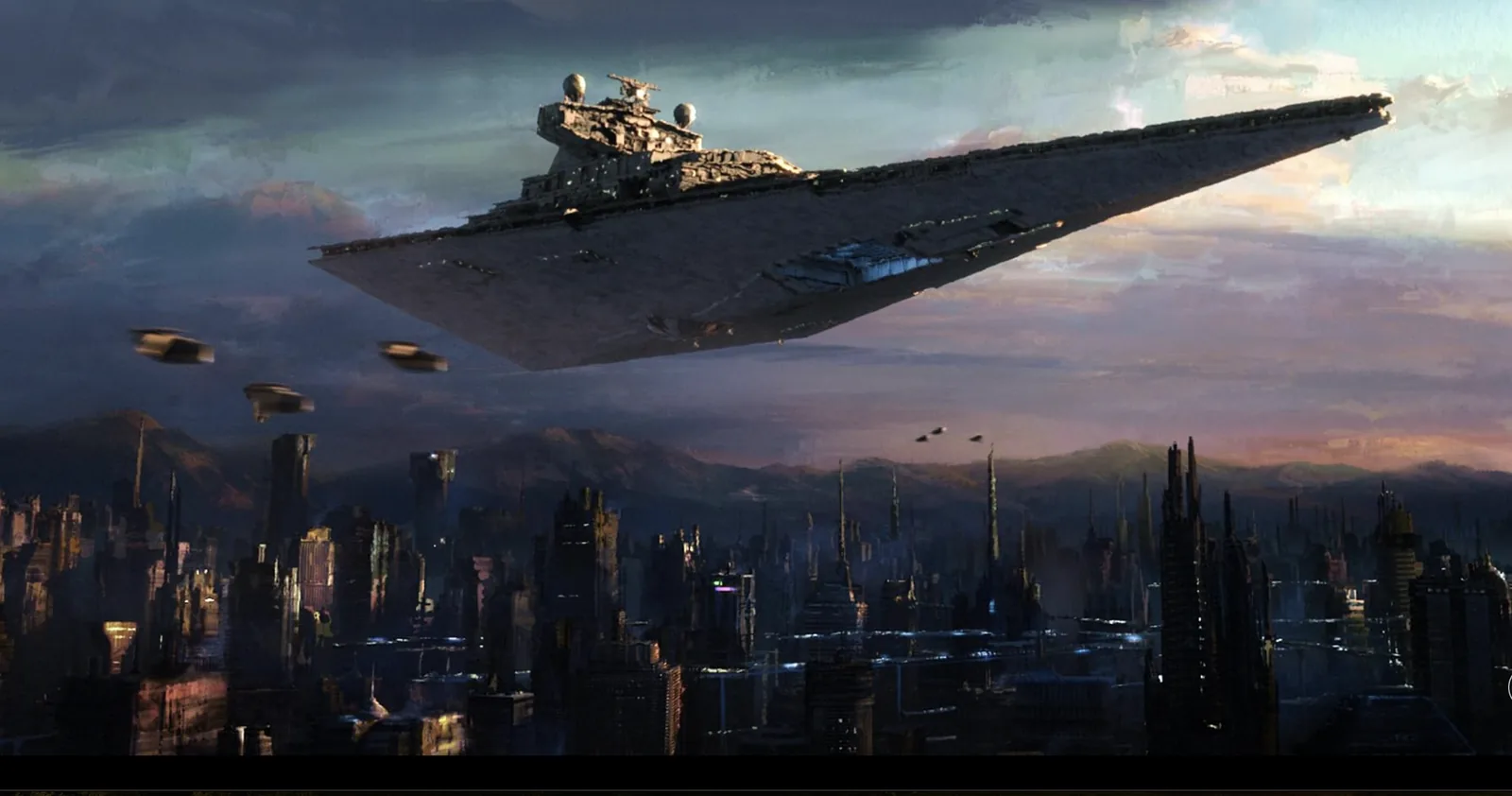
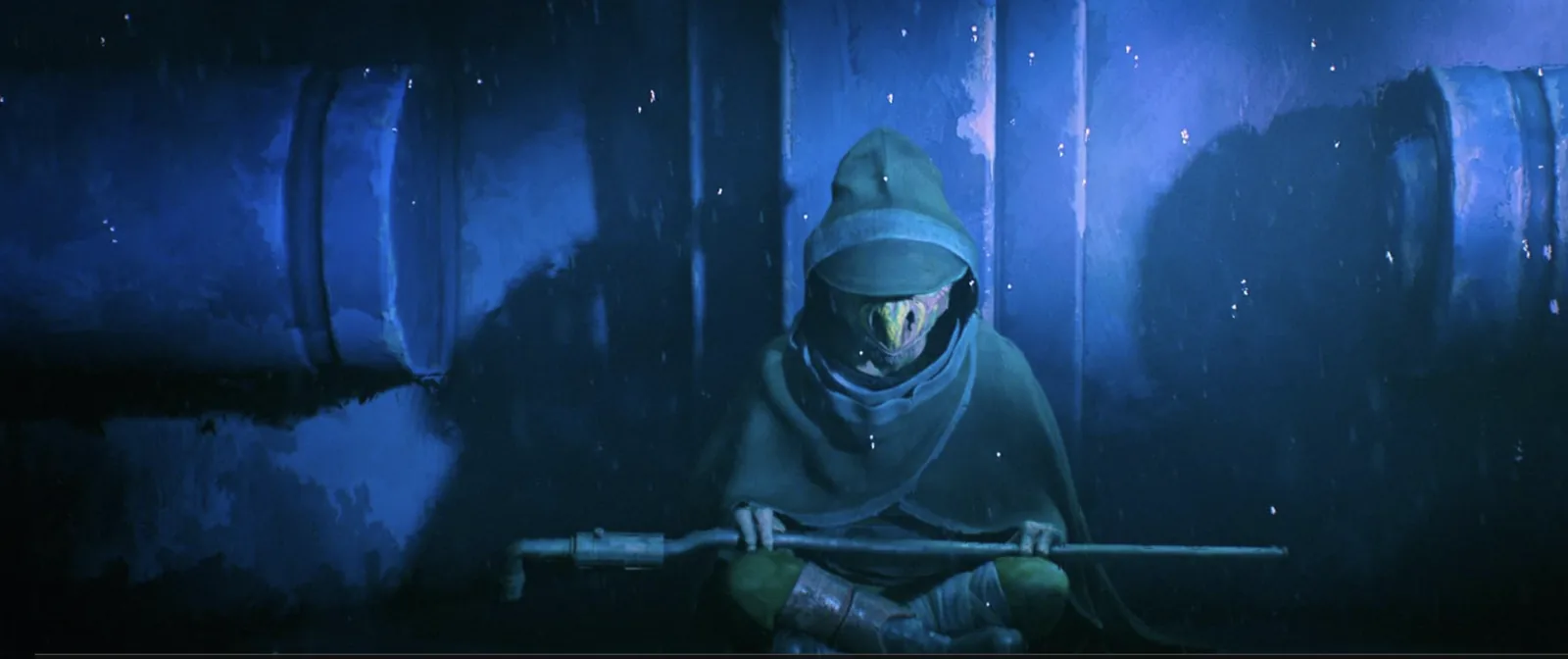
It is the first thing that hits you, and the hardest to forget. Shadow Lord has an absolutely gorgeous hand-painted look. The backgrounds resemble static oil paintings, the sets carry that canvas texture, and the light never falls the way it does in a standard production. You find exactly what made the magic of the original trilogy, the real one, where an Imperial cruiser over a city or hundreds of distant stormtroopers could be painted by hand, frame by frame, for a result no clean 3D render has ever managed to imitate.
The shot of the cruiser slicing through a megacity sky could be framed and hung on a wall. This is not free nostalgia, it is a directorial choice: by committing to paint, the series gives every shot a depth that photorealism usually flattens. We spent more than one episode pausing just to stare at a background.
Let us address the sore spot, because we are not going to pretend. Maul's apprentice is named Devon. Devon. In a galaxy populated by Sifo-Dyas, Sheev Palpatine and Quinlan Vos, they hand us a name that feels infinitely un-Star-Wars and evokes an Arkansas farm girl more than a future figure of the dark side. It is a detail, but it is the kind of detail that pulls you out of the scene every time a character says it out loud.
The problem runs deeper than the name. We still do not understand Maul's compulsive need to find himself an apprentice. It is the case here, it will be the case again in Rebels years later, and at no point does the series truly explain what this paranoid, broken, trust-allergic man is looking for in mentorship. We understand the writing mechanics, you need a character to grow. We do not understand the character's logic. Maul does not train an apprentice because it makes sense for him, he trains one because the franchise loves its master-and-disciple duos. A shame, because everything else about his writing is remarkably coherent.
That said, Devon works on screen. The theories making her the future Darth Talon are already spinning, and the little we glimpse makes you want a season 2 built around her. It is just the name. And the concept. But visually, it lands.
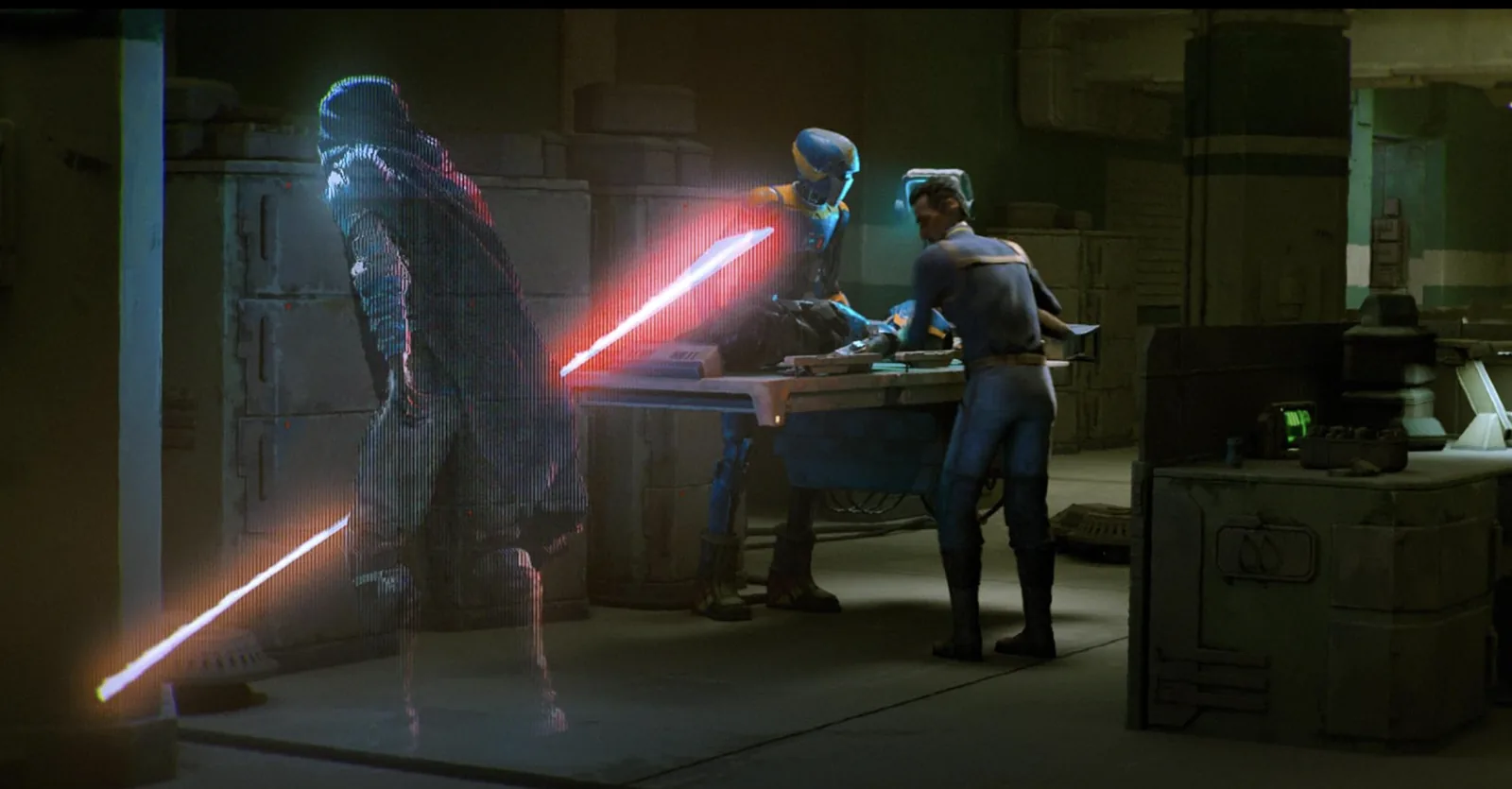
It had been a long time since the Inquisition had this much charisma. Disney had trained us to expect Inquisitors as combat puppets, dispatched the moment a halfway serious hero walked by. Here, the Inquisitor has presence, a gait, a faint Dark Souls quality in the way he stalks slowly before striking without warning, and we do not mind that, quite the opposite. When the Inquisitors finally show up to fight, they do not waste three shots building tension: they sprint and they hit. The result is that you finally believe they are dangerous.
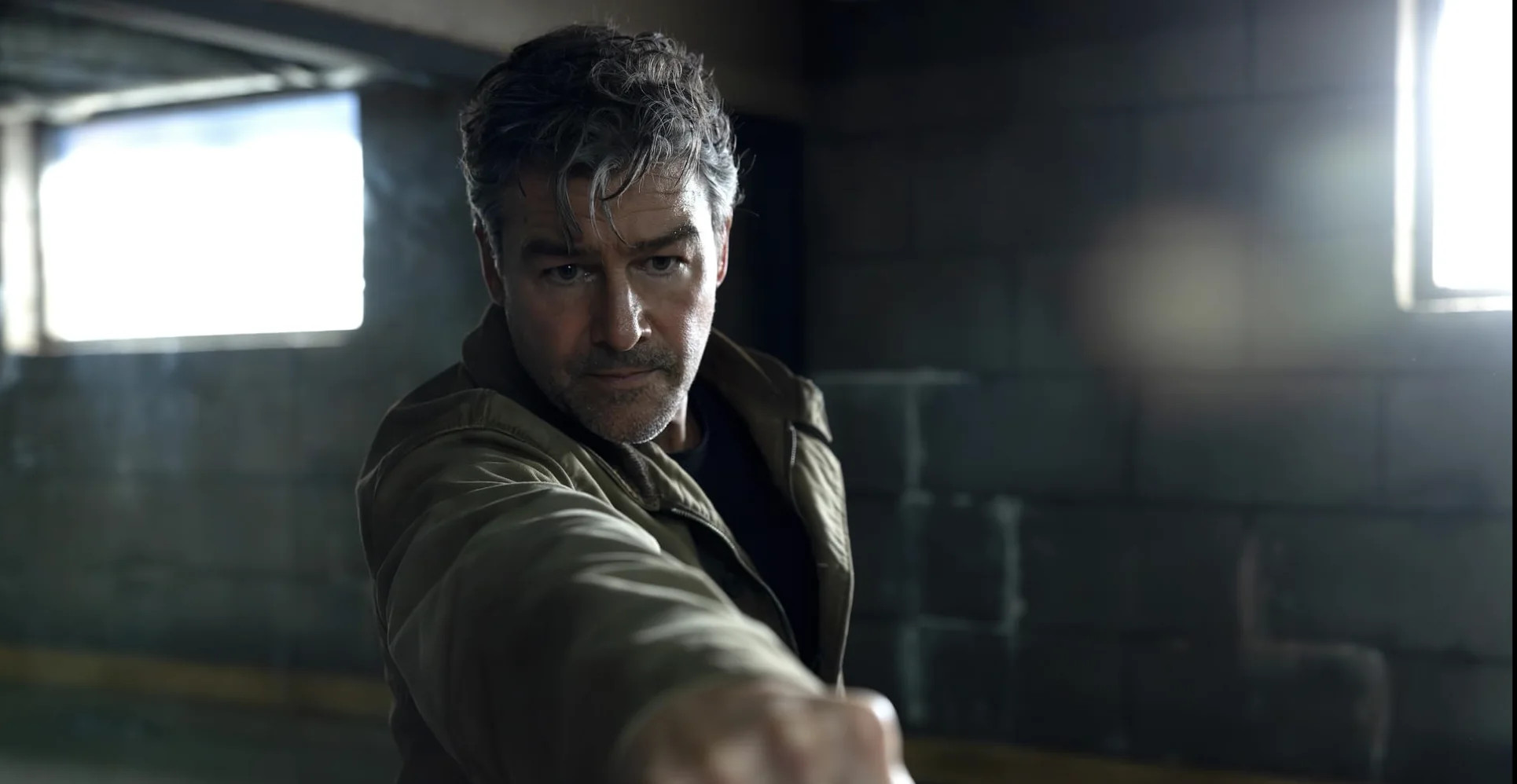
And then there is inspector Brandon Lawson. Mustached detectives are clearly having a moment: Spider-Noir yesterday, Brandon today, two investigators good in a brawl whom we take obvious pleasure in following. The man drops fragments of his past in passing lines, and every time you think he almost deserves his own show. It is rare, a supporting character who makes you crave a spin-off purely through what he does not say.
This planet half under Imperial control, these loudspeaker announcements hardening episode by episode (we go from a curfew to a flat "death penalty" delivered like paperwork), this climate of ordinary people crushed by an administration settling in: all of it reeks of Andor, and that is an excellent callback. You cross paths with the underworld we like, the Pykes and company, and the series takes the time to treat crime as a real milieu, with its hierarchies and betrayals, not as a backdrop.
Where Shadow Lord is a bit shakier is on plot itself. Between two set pieces, the season strings together quite a few chase sequences, and we would have liked it to let us further into Maul's plans and machinations. The "shadow lord" of the title spends a good chunk of his time running. It is not a dealbreaker, but it is what separates a very good show from a masterpiece.
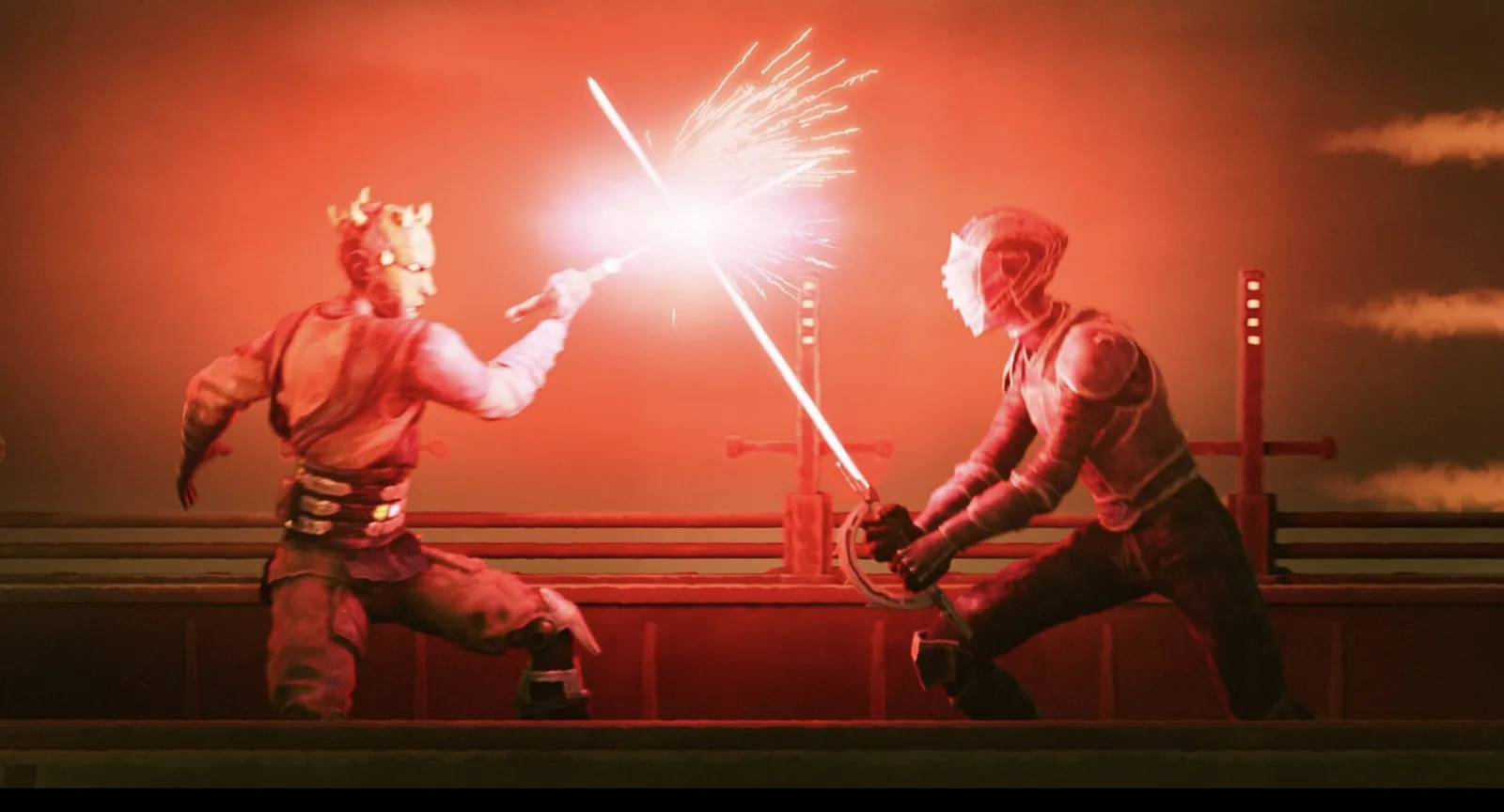
When the sabers ignite, Shadow Lord stops talking and delivers. The final two episodes contain some of the most beautiful clashes in the entire saga, all viewpoints considered. The toxic lake sequence is a feast: sabers, blasters, showers of sparks against a red sky, all choreographed to the millimeter and readable from start to finish, which is anything but a given in a five-fighter scene.
Body language does half the work. You see the rage rise, you see a character adopt a more aggressive stance and land a hit, you see said opponent adapt in a fraction of a second and close the exchange. These are details you can miss if you blink, and that is precisely why they are precious.
And we did not see it coming for a single second. The whole season conditions you to an escalation of Inquisitors, each one bigger and meaner than the last, so you logically expect the final boss to be just the most massive of the bunch. Instead, the home stretch drops the antagonist nobody anticipated, and the reveal literally made us sit up on the couch. What an idea. Pulling out that figure, precisely at that point in the timeline, is the kind of writing gamble that could have reeked of lazy fan service and instead turns out to be the best move of the entire season.
We have to talk about it without saying too much. The home stretch brings in a presence that is nothing like another Inquisitor, and the series has the good taste to make it nearly silent. No monologue, no posing: just an overwhelming force that literally walks through a wall like Michael Myers and starts hunting. Where Maul and his people roughly held their own against the Inquisitors, the arrival of this juggernaut turns the fight into pure survival, and not everyone survives.
The killer detail is Maul's vulnerability. His cybernetic prosthetics make him a target: you watch him take hit after hit to the leg, slow down, accumulate damage, where Vader absorbs blows without a second thought. The series leans hard on that damaged leg, and it is hard not to read it as the announcement of a future reckoning. It is also, suddenly, the best explanation we have ever gotten for the sheer panic Maul will show facing Vader in Rebels. He understood, that night, that he is not a match, even with backup.
And listen closely during that duel: the score lets a quick nod to Duel of the Fates resurface, Maul's theme since The Phantom Menace. Just enough to reawaken the 1999 chills, without ever tipping into heavy-handed quotation. Closing Maul's musical loop precisely against the man who outmatches him is cruel, and it is perfect.
Maul: Shadow Lord is proof that a Star Wars series can be dark, adult and stunning without betraying a single thing that makes the franchise. The hand-painted art direction is a peak, the Inquisitor and inspector Lawson own the screen, and the home stretch is simply the most beautiful animated brawl in the galaxy in a very long time. The plot could use more meat, and we still do not understand why Maul cares so much about training anyone. But we spent ten episodes pausing to admire shots, and that does not lie.
The most beautiful Star Wars since Andor, and the only one that dares to scare you.
We want to hear your take: the InsertCoins Discord is waiting.