The Mandalorian & Grogu releases May 22, 2026. It's the first Star Wars film in cinemas since The Rise of Skywalker in 2019. Rotten Tomatoes at 60%, Metacritic at 54 on day one. Those numbers don't tell the story of a bad film. They tell the story of a film that couldn't decide what it wanted to be.
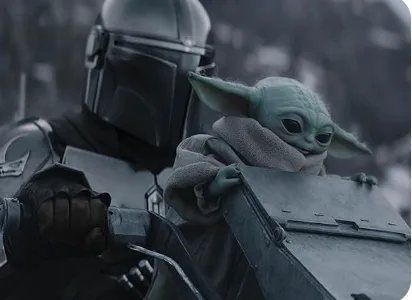
Season 3 of The Mandalorian ended with the reconquest of Mandalore. A significant narrative arc, a people reclaiming their home world, real political stakes. The kind of development that promised an ambitious sequel. The film ignores all of it. Mandalore isn't mentioned. The reconstruction of an entire world, what that implies for Din Djarin and his tribe, the political weight of that reconquest: cleared away.
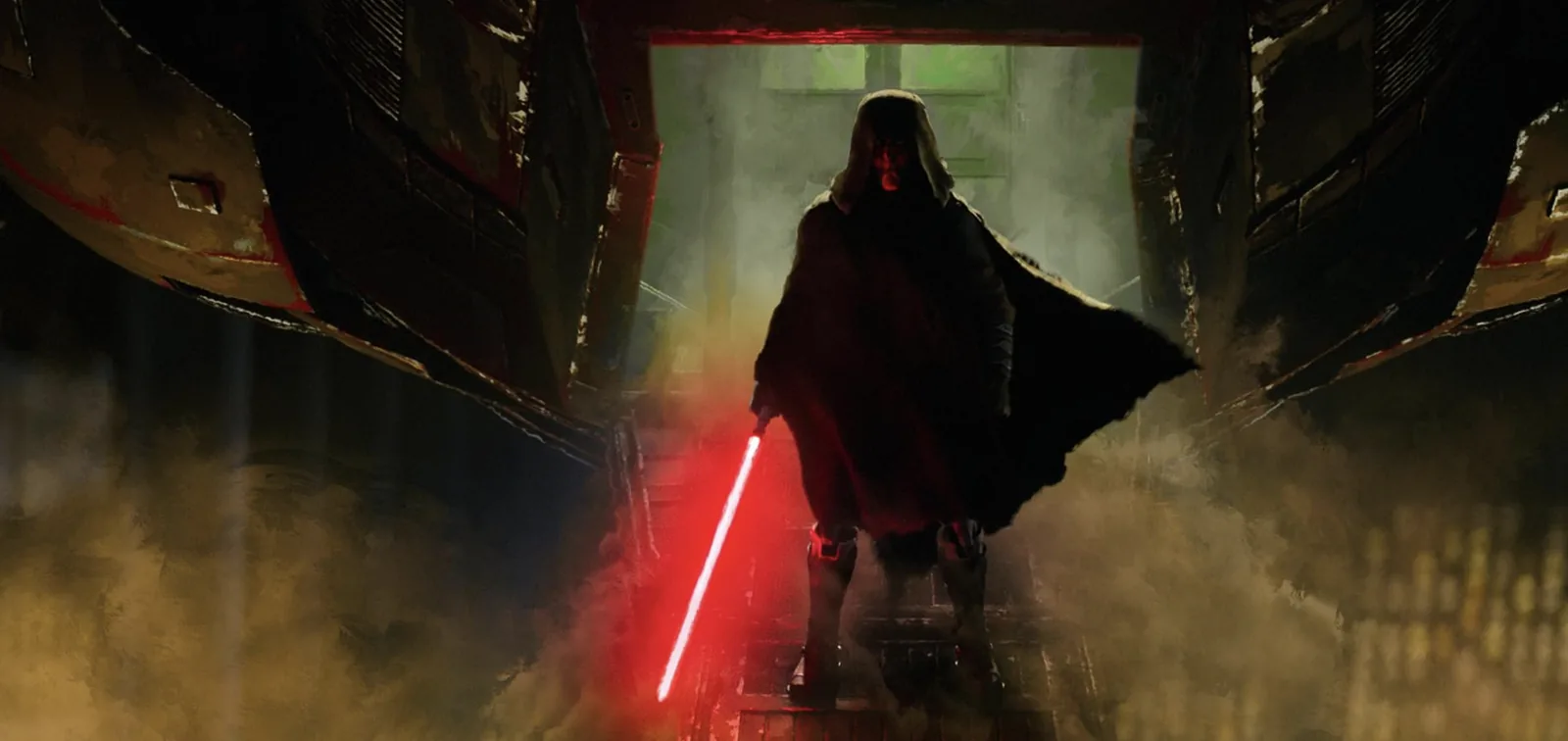
Din Djarin says at the end he wants to hunt down surviving Imperial warlords. That's supposed to set the next step. The problem is the film we just watched didn't convince us the team knows what to do with that step.
There are two. That's where the film reveals its limitations most clearly.
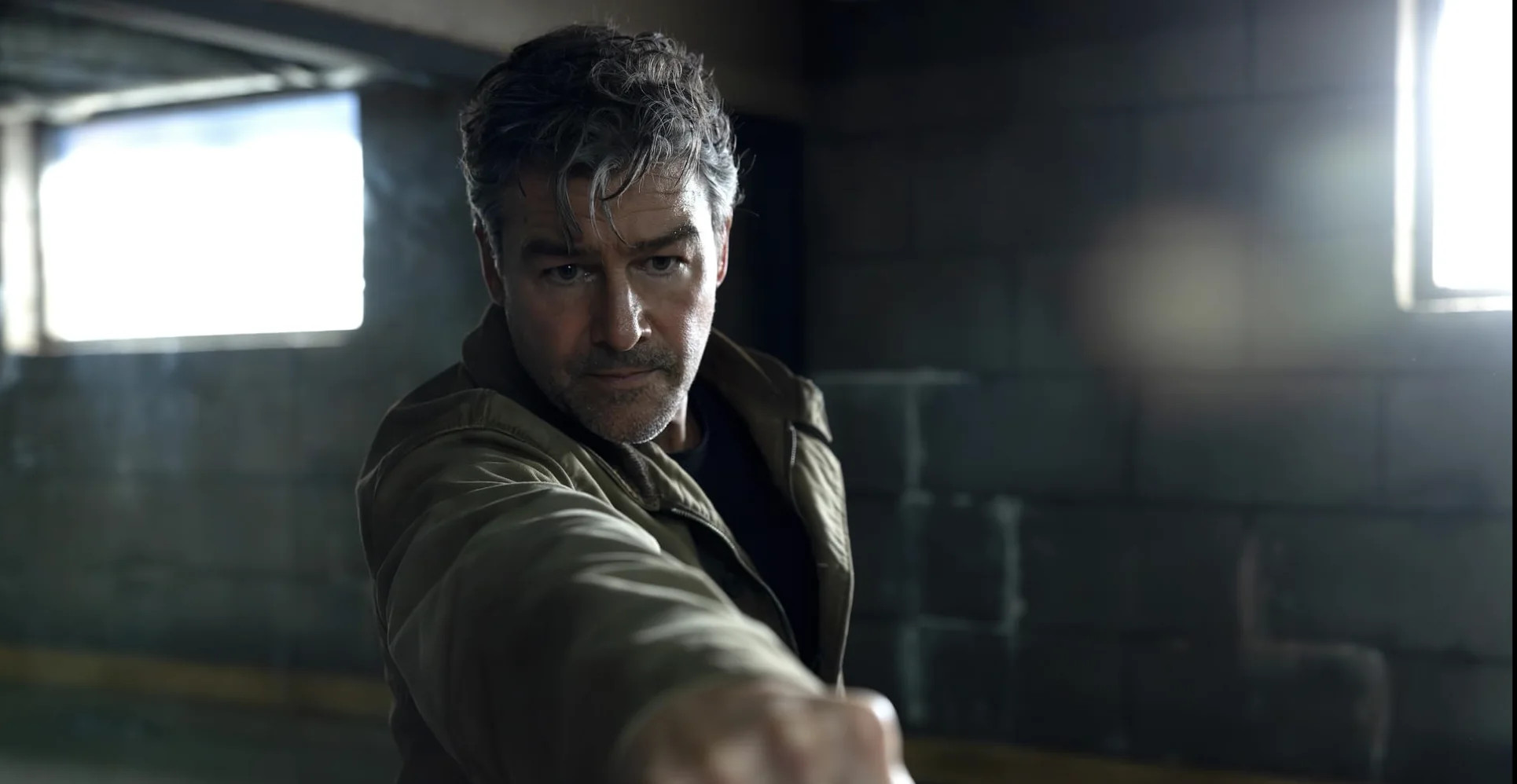
The first has the merit of presence. He's threatening on paper. But he's not particularly intelligent or cunning. For an Imperial warlord who survived years after the Empire's fall, that's a disappointment. Surviving the collapse of a militarized galactic regime isn't an achievement for lightweights.
The second runs a criminal empire from a fortress guarded by stormtroopers. On paper, an interesting antagonist. In practice: Din Djarin appears in his office. No infiltration sequence, no explanation, no moment where we understand how he got into a fortified fortress. The writing simply decides he's there. I felt like I was at a tabletop RPG session where the game master says "don't worry, it's magic". For an action film whose credibility rests on its protagonist as an elite bounty hunter, that's a narrative laziness that undermines the character as much as the story.
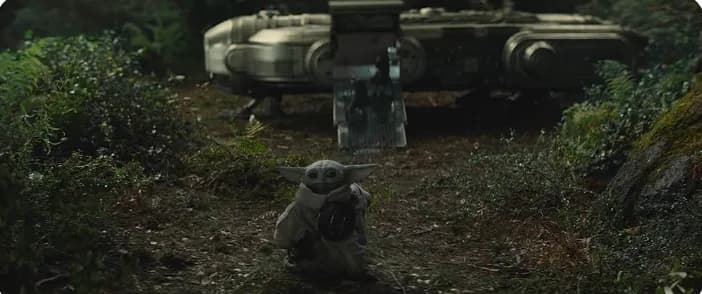
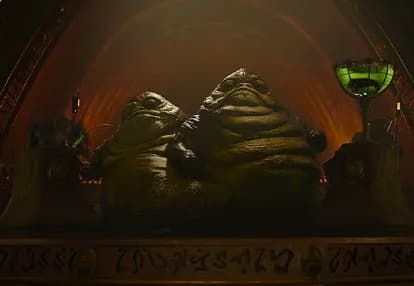
Rotta the Hutt, Jabba's son (voiced by Jeremy Allen White), is one of the film's good points. The character was endearing in The Clone Wars, he is here too. A secondary antagonist with more texture than the two main villains is a paradox the script should have resolved.
But the use of the Hutts in the plot raises a question the film doesn't answer. The New Republic decides to take on Hutt leadership. The act is presented as legitimate, morally coherent. It isn't.
The Hutts have controlled the Outer Rim for generations. They don't occupy it: they organize it. Their network, their alliances, their negotiations with governing powers constitute the real infrastructure of a region that neither the Republic nor the Empire could directly administer. The Empire knew this. That's why Jabba operated in near-impunity: because he was useful. Eliminating this structure without having the means to replace it creates a vacuum in which Imperial warlords thrive exactly. That's the inverse thesis of what the film tries to tell.
Politics in Star Wars isn't decorative detail. The Death Star exists because the Senate was dissolved. The Empire falls because its command structure is too centralized. The New Republic is fragile because it reproduced the old one's mistakes. Every major decision in this universe has political consequences. The film decides the destruction of Hutt leadership has none. That's a failure.
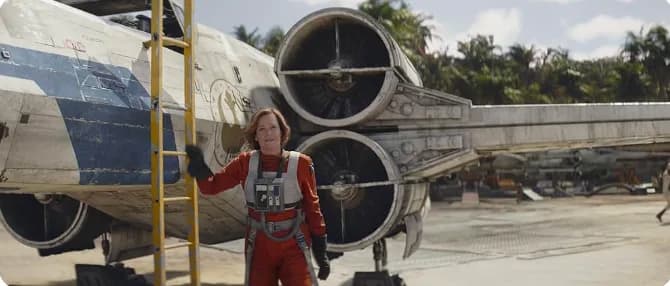
Sigourney Weaver plays the captain who gives that order. She's good, the character is credible, limited screen time. The order itself doesn't hold up to analysis.
The visual effects are consistently excellent. The planets have distinct visual identities. The photography is clean. That's the minimum expected value, and it's there.
Martin Scorsese is one of the most alive things in the film in a character role. Ludwig Goransson's original score remains one of the franchise's best assets.
The physical confrontations remain effective when the script gives them opportunity.
There's a sequence where Grogu interacts with small alien mechanics. The intention is to produce a light comedy moment. The result looks like a Minikums segment. That's not a compliment.
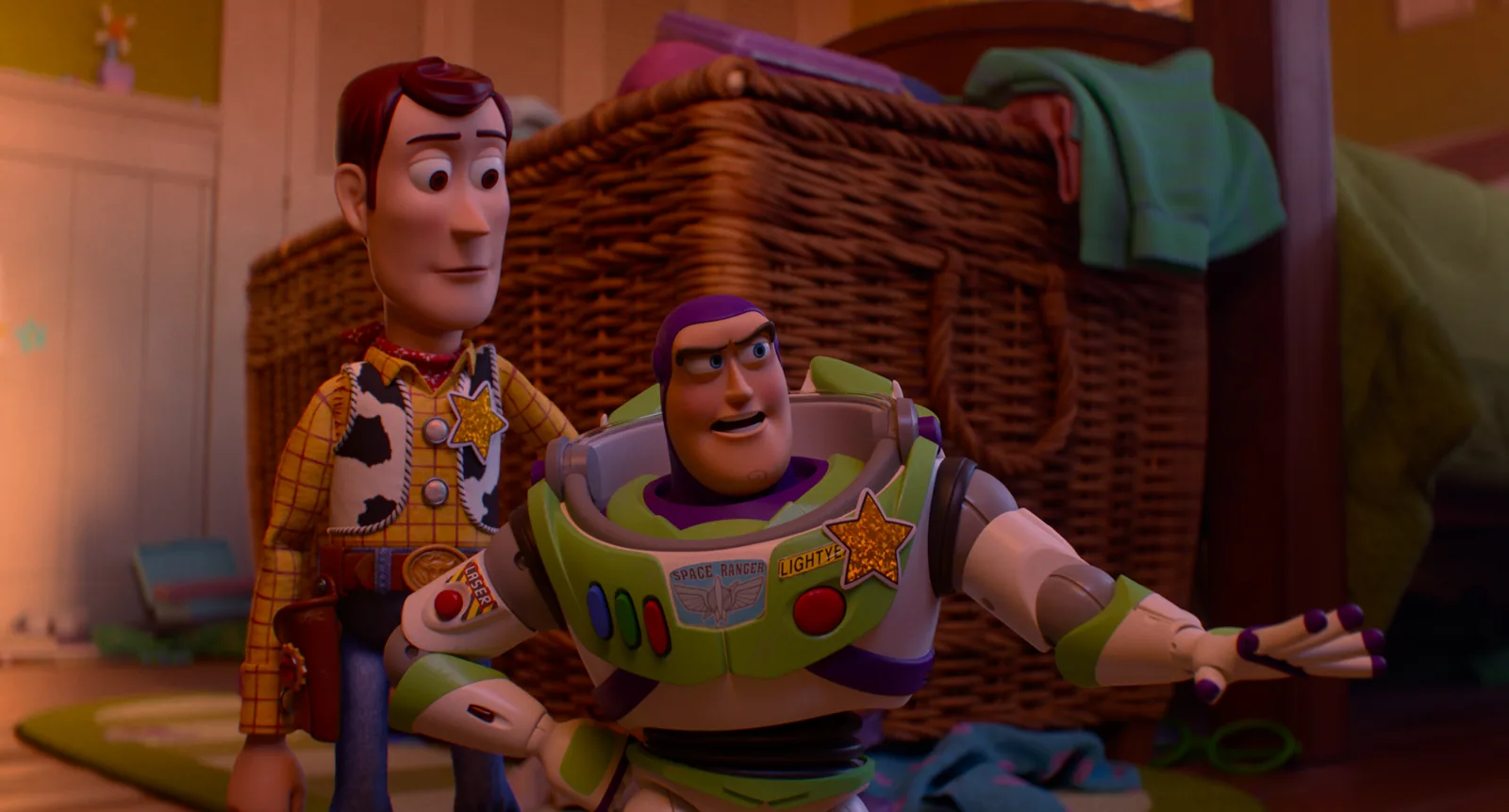
Grogu works because he gives emotional context to Din Djarin. That relationship is the soul of the series since season 1. Alone, without it to give him weight, he operates as a mascot. The film knows this and hasn't found how to resolve it.
This film is several episodes of The Mandalorian assembled and projected in IMAX. The episodic structure, the pacing, the scale of the stakes are those of a premium streaming series. That's not necessarily a flaw in the absolute. The problem is that cinema demands something else.
An episode of The Mandalorian can afford to move slowly, visit a planet for one scene, pose a question without resolving it. On a living room screen with the option to pause, that's acceptable. On a cinema screen with the price of a ticket and the implicit contract that the format will be used for something, it's insufficient.
Rotten Tomatoes at 60%, Metacritic at 54: those aren't disaster scores. They're the scores of a film that didn't know why it was a film.
The Mandalorian & Grogu offers two hours of clean visuals, a well-written Rotta the Hutt, Sigourney Weaver doing her job, and Goransson's music. It ignores Mandalore, wastes two main villains, dodges a central political question, and proposes a fortress infiltration by narrative telekinesis.
The Mandalorian season 1 was a good series because it knew what it was. This film doesn't know what it is. It will remain the franchise's least consequential entry, not because it's bad, but because it didn't decide to be great.
Come and carry the conversation on over on our Discord.