7
Test
Echoes of Calir: chess where you build the board yourself
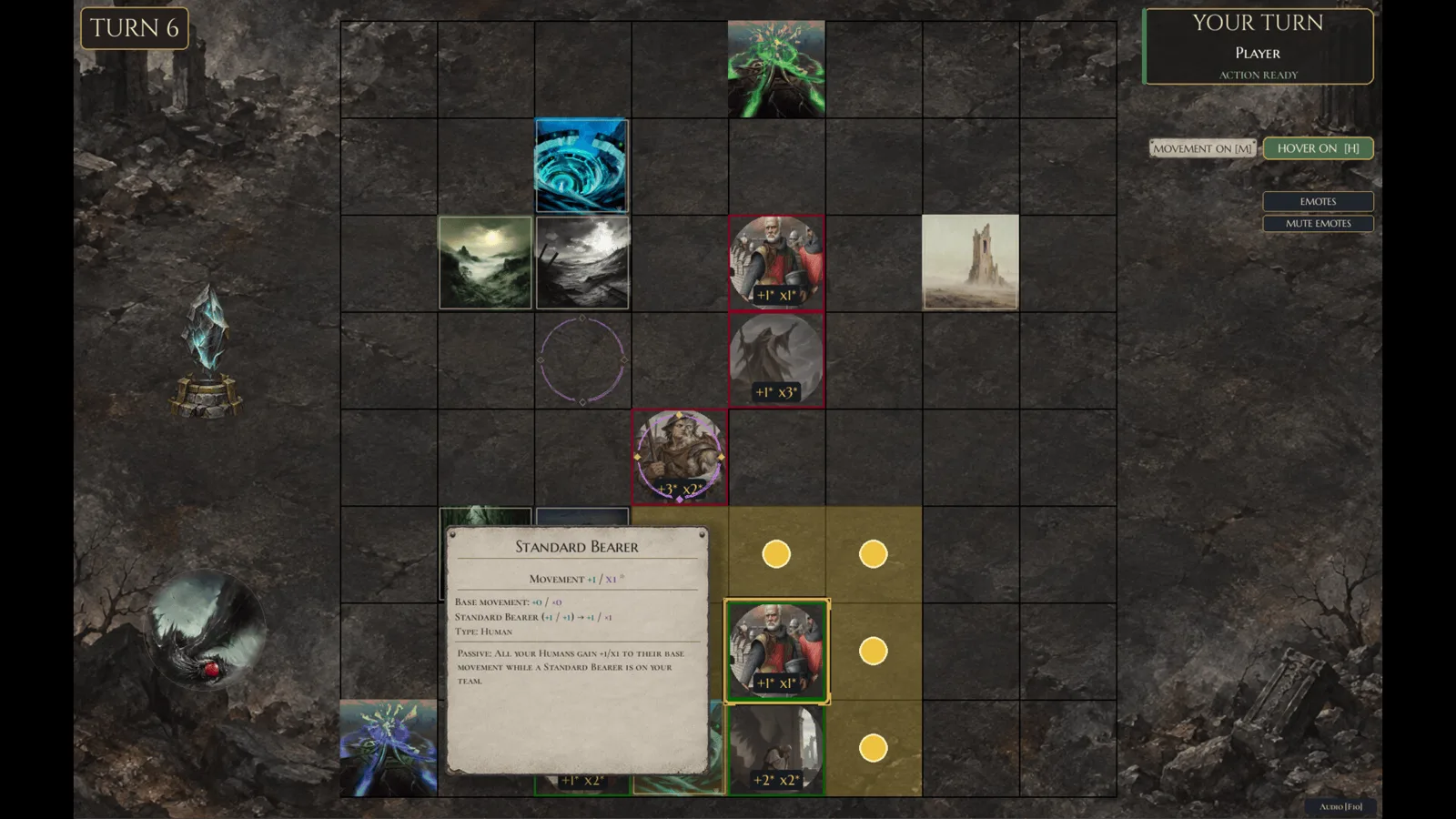
Five units, five terrains, an 8 by 8 board and zero luck. A free game, with no real-money purchases, made by a single developer.
Alexandrosse
5 min
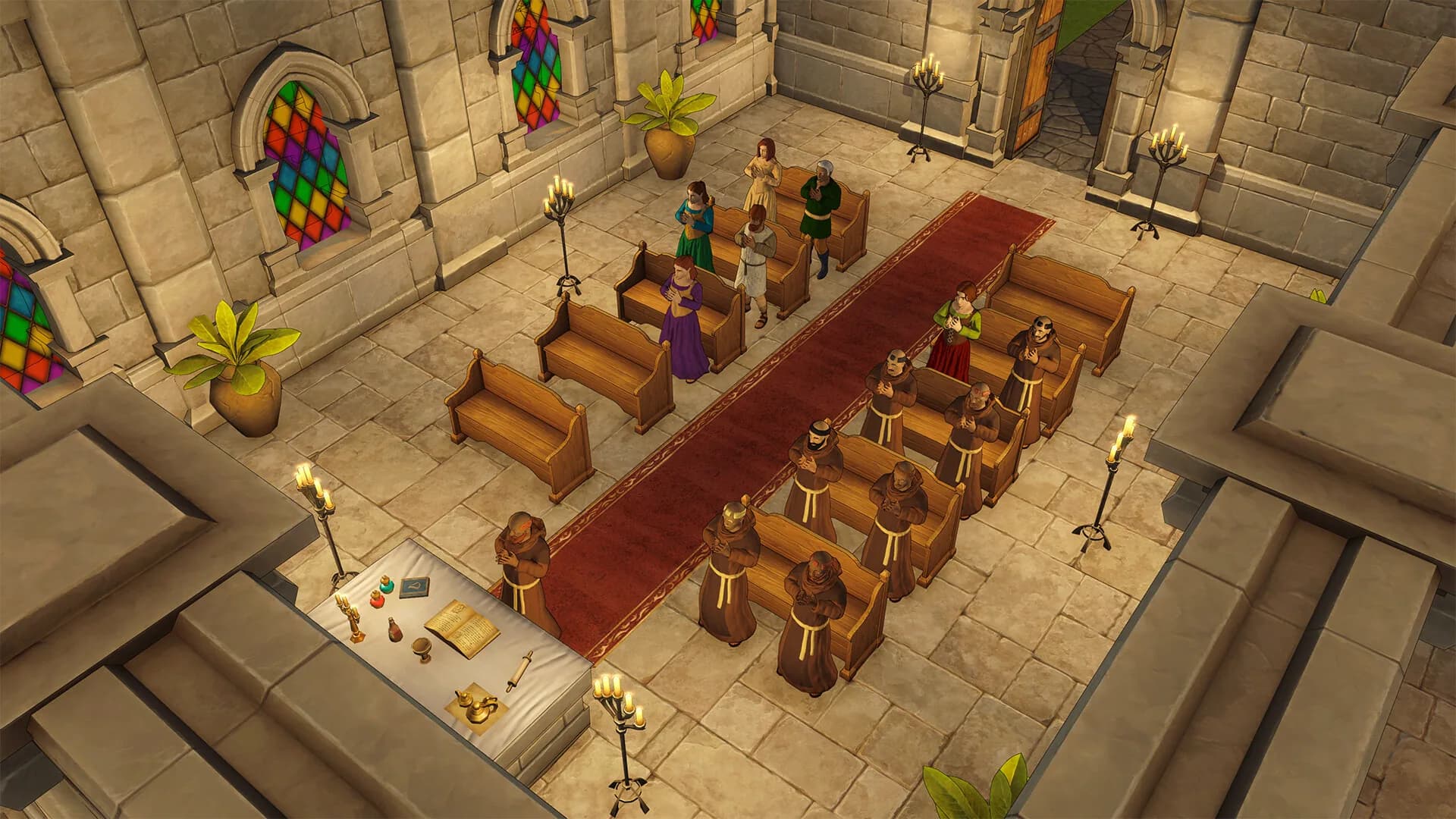
Brew the ale, illuminate the manuscripts, keep the offices. A medieval management game where praying genuinely shapes what happens.
Alexandrosse
InsertCoins.press Score
7/10
Verdict
Recommended
There is a Benedictine motto that fits in three words and gives this game its title: pray and work.
It is also, and this is what interests me, a game mechanic.
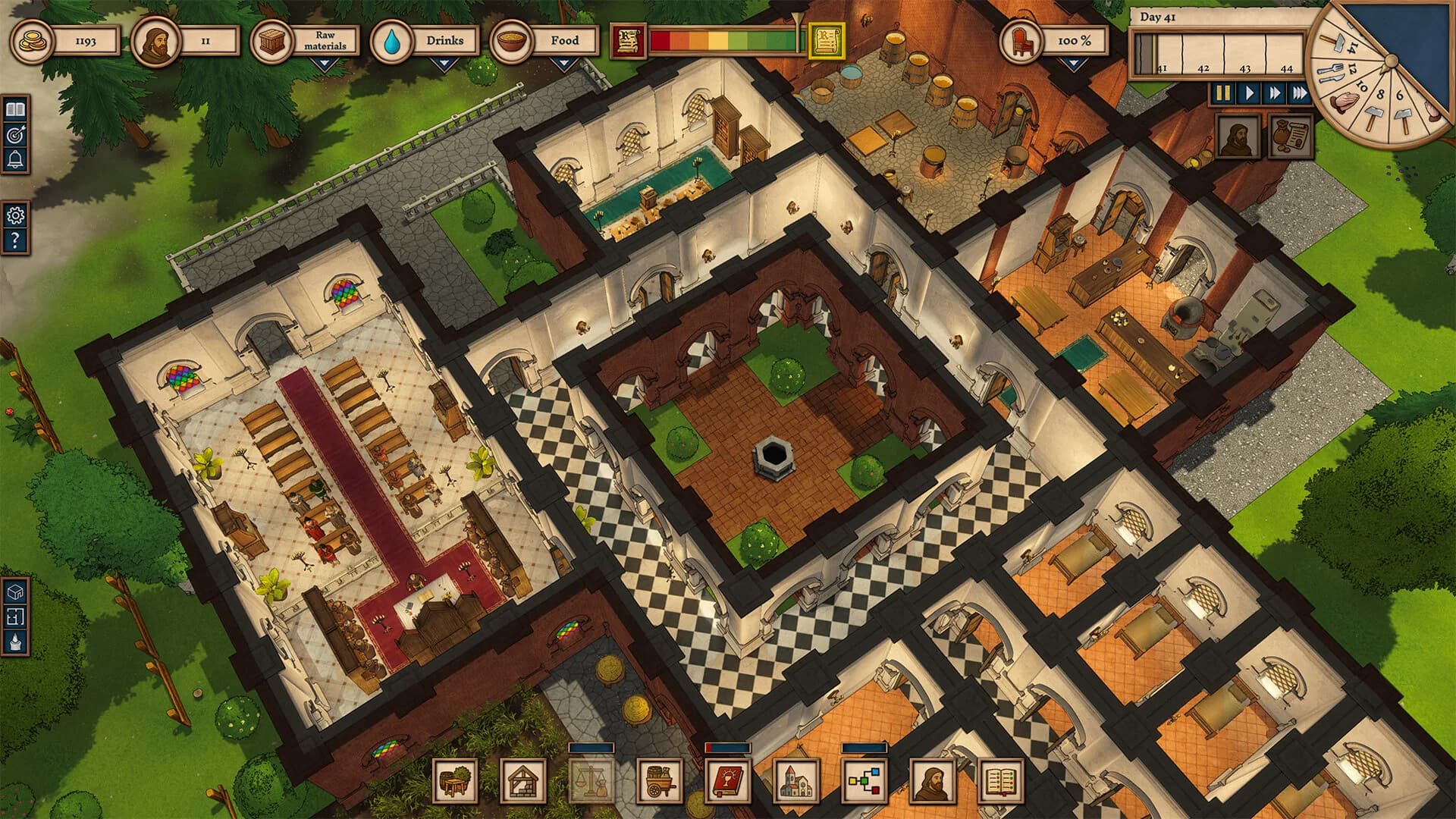
You are the newly appointed abbot of a peaceful medieval monastery, and you guide your monks through the sacred rule.
They perform the divine offices, brew the finest ales, and illuminate intricate manuscripts, while you carefully manage the monastery's resources.
You oversee food, water, herbs and tools, balancing production against consumption so the community thrives, all while adhering to monastic values of simplicity and self-sufficiency.
You assign monks to tasks according to their skills, farming, crafting, brewing. And you expand the monastery by constructing new rooms and adding decorative elements, each addition serving function as much as the beauty of the place.
This is what separates the game from one more medieval village simulator.
You lead your monks in prayer to influence life in the monastery and the world around it. The studio is explicit: devoted prayers can prevent bad events, bring good fortune and create a positive atmosphere.
In other words, prayer is not a disguised morale gauge, it is an investment of working hours against a reduction in risk.
And it is a fairly faithful transposition of what a monastery actually was: an economic organisation devoting a considerable share of its hours to something producing nothing material, and which nonetheless structured the entire day.
Whether it works as a mechanic will depend on balancing, but the intent is well judged.
The game announces the hardships of medieval life: from harsh weather to the looming threat of war, with critical decisions to take to safeguard the community's future.
That is what stops the whole thing being a contemplative stroll, and it is necessary: a management game without threat lasts ten hours.
The game launches today in early access, developed and published by Dragonkin Studios, with no price displayed and no reviews as I write. It is single-player.
My reservation belongs to the genre. The medieval village management game is a crowded aisle, and what separates the good ones is almost never the number of resources: it is the personality of the place and the legibility of the systems.
A monastery is an excellent choice of setting, precisely because it is rare and imposes its own rules. Brewing ale and illuminating manuscripts are not interchangeable with chopping wood, they have a history.
What remains to be seen is whether early access gives the prayer system enough consequence to genuinely weigh on your decisions, or whether it ends up as a button you press out of habit.
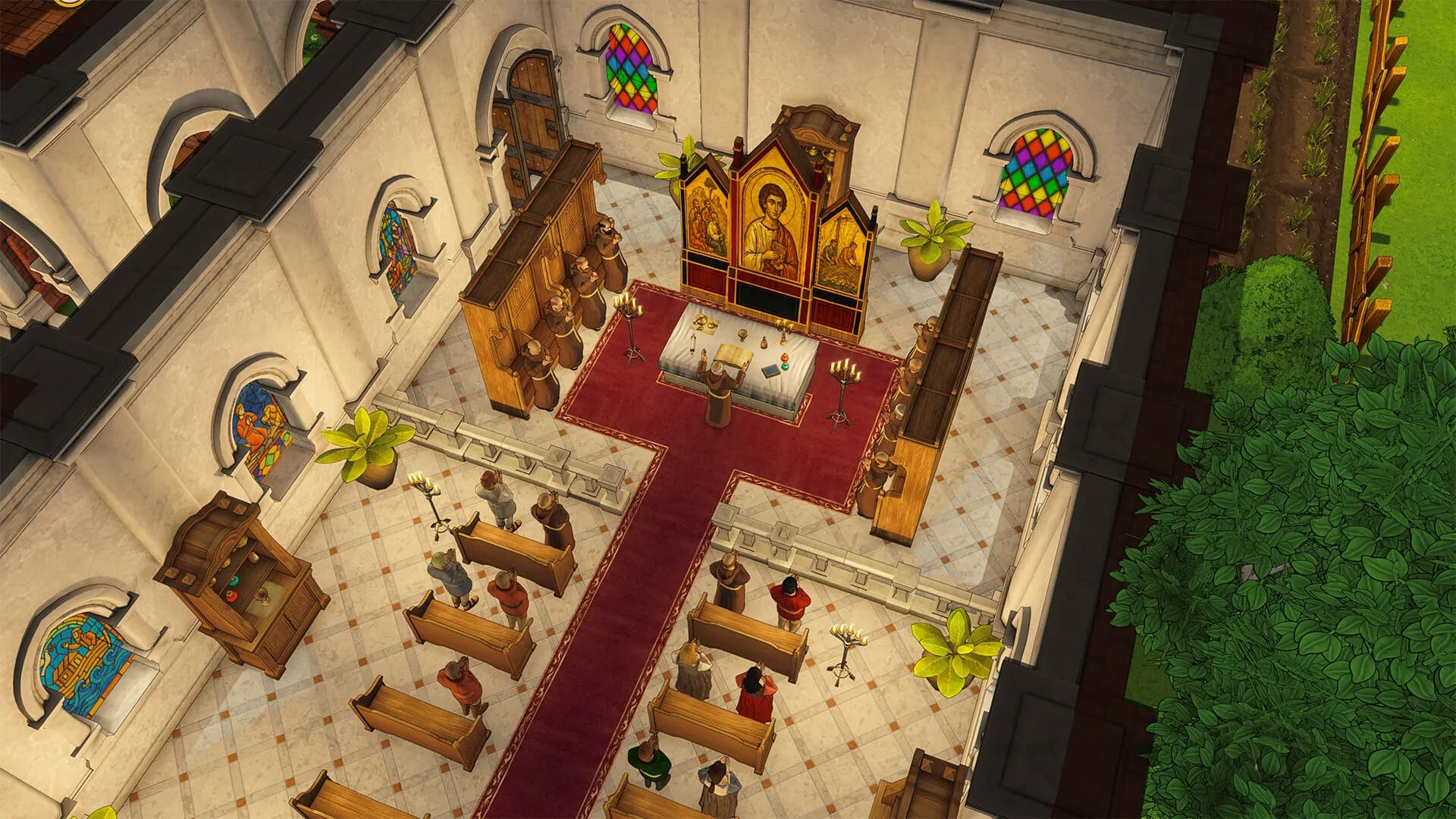
Praying or brewing? We settle the debate on the InsertCoins Discord.
Community
Your rating
Advertisement
Loading comments...
You might also like
Five units, five terrains, an 8 by 8 board and zero luck. A free game, with no real-money purchases, made by a single developer.

Command a fleet on the map, then dive on the Shokaku yourself. A great idea, five campaign missions, and a tiny studio.
A time machine, historical figures to gear up, and fights that play out without you. The best part is playing with two friends.