7
Test
Barfender: my idiotic friend drank all the beers
A co-op bar that collapses while you serve. 98 per cent positive, and one of the rare times chaos is the actual subject.
Alexandrosse
7 min
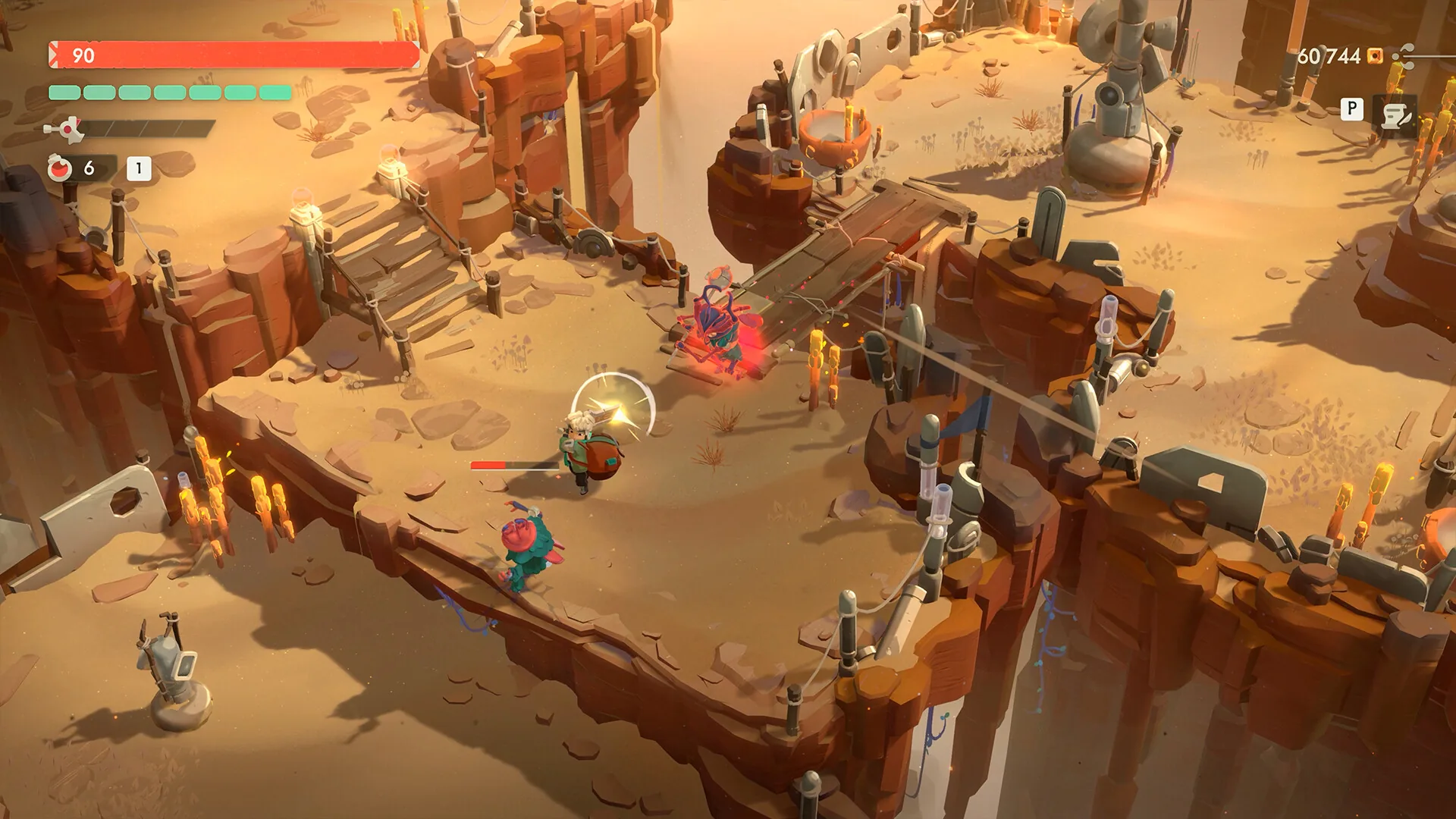
Version 1.0 lands today on PC after ten months of early access. The merchant-adventurer loop is intact and expanded. The visual identity has changed.
Alexandrosse
InsertCoins.press Score
8/10
Verdict
Recommended
One clarification that changes how you read anything else you find: on PC, Moonlighter 2 is not new. It launched into early access on 19 November 2025, spent almost a year being built in front of players, and leaves it today with version 1.0.
So this is not a discovery review. It is an end-of-road review, and the player verdict is already in: 3,133 reviews, 85 per cent positive.
The principle has not changed and there was no reason to touch it.
At night you descend into interdimensional dungeons with a backpack. You collect relics. By day you open the shop, arrange your finds in the display cases, and set your prices.
That alternation is the best idea this series ever had, and it works for a simple reason: the two halves pay for each other. What you bring back determines what you sell, what you sell determines your equipment, your equipment determines how deep you can go.
The particular pleasure survives too. Coming out of a dungeon covered in blood, setting down your bag, and stepping behind a counter to sell a trinket to a cheerful customer is a change of pace few games manage.
Here is the mechanic worth detailing, because it separates this series from every other loot game.
Your bag is limited, and more importantly how you arrange items inside it matters. The studio is explicit: carefully organising your loot unlocks synergies between items, and managing the backpack is the key to financial success.
In other words, this is not an inventory, it is a grid to solve. Every descent ends in a judgement call: this item is valuable but it occupies a space that would break a synergy, this one is worthless but it completes a combination. You end up leaving treasure on the floor because it does not fit the plan.
That is where the game is cleverest, because it turns greed into a geometry problem.
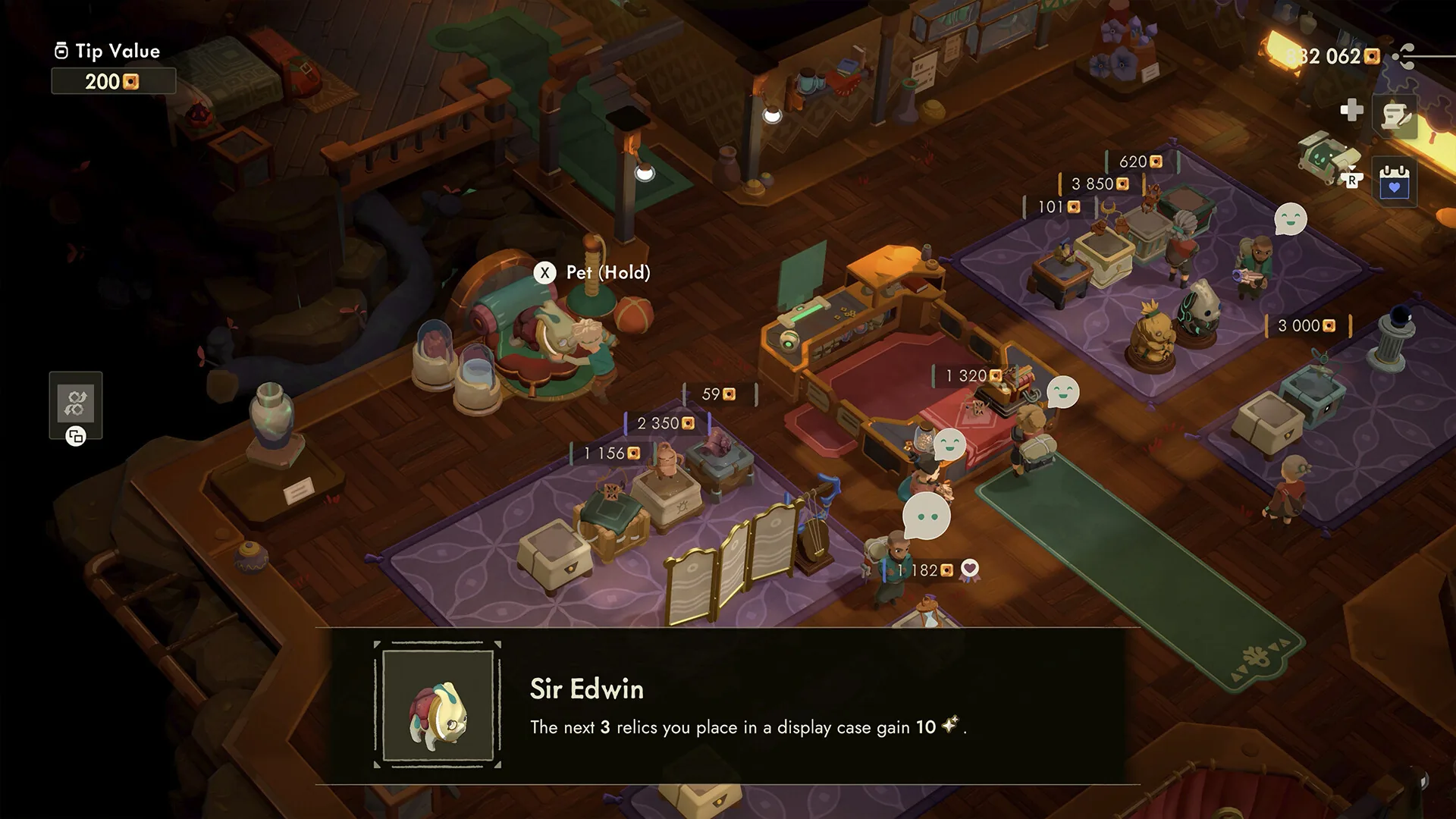
Back in Tresna, the village where you start over, the shop demands a different skill.
You customise your store, optimise your displays, set your prices, and above all read your customers. Every buyer reacts visibly to the price on show, from open anger to enthusiasm, by way of the grimace of somebody who thinks it is a bit steep but will pay anyway.
That immediate feedback is what makes trading playable rather than administrative. You are not consulting a value table, you are watching a face.
Add sales perks to unlock and special events to exploit. The studio's phrasing catches the spirit well: from battered scrap to priceless relic, every item's value is yours to decide.
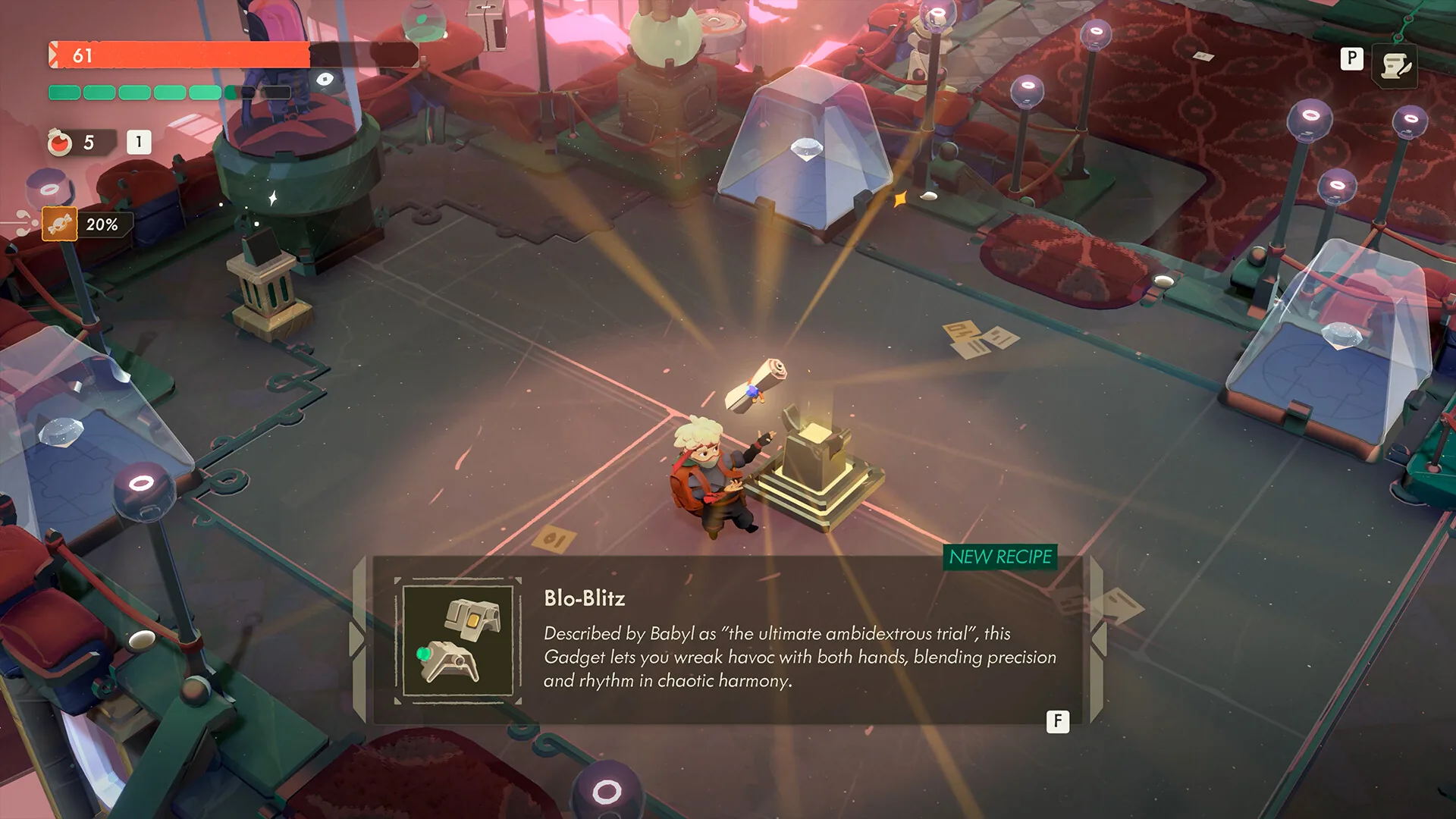
That is the game's through-line, and it supplies the subtitle.
It is a mysterious ancient artefact that pushes your skills to their limit. You overcome its ever-growing challenges to upgrade the town and earn increasingly valuable rewards.
And the narrative stake hangs off it: reclaiming your homeland from Moloch, an interdimensional collector who has taken your village for himself.
That is good structure, because it gives a destination to a loop that could otherwise turn forever. You are not farming to farm, you are farming to fill something.
This is the information only PC players have, and it is worth giving.
Across the past ten months the studio shipped four new weapons, two gadgets, one armour set, and an update nicknamed Blob-Life that brought Bloblet companions, weapons, perks and a Boss Rush mode.
The fix list is instructive because it shows what was repaired: a crash in Boss Rush, keybinds that could not be reconfigured, frame rate drops when mixing controller with mouse and keyboard, and a performance problem specific to DirectX 11, with the studio explicitly recommending moving to version 12.
That last point is worth remembering if you run an older setup.
Let us talk about the 3D, because it is the one point players actually fight over.
The first Moonlighter was pixel art, and that was not a detail. The style was beautifully animated, gave every expedition its own visual identity, and made the shop glow with a personality few games achieved.
The second abandons all that for three-dimensional rendering.
The cinematic animation gains enormously from it, and that is not up for debate: there is a scale, a sense of staging and a fluidity of movement that pixels did not allow. Fights read more clearly, gestures have more sweep, and the whole thing carries a polish that stands comparison with far bigger productions.
But part of the audience believes the series traded what made it unique for something prettier and less recognisable. The complaint recurs in reviews and in player feedback, and it is not absurd: the first Moonlighter was identifiable instantly from a single screenshot. This one is beautiful, but it looks more like other beautiful games.
My view is nuanced and I will own it. The 3D is objectively better executed. It is also objectively less singular. You can regret one while acknowledging the other, and that is probably the most honest argument available about this game.
This is the area where the sequel wins without argument.
You have several weapon classes, armour sets and perks, and the studio talks about dynamic combat. In practice, fights are faster and more legible than in the first game, and recent player feedback confirms it readily.
Each weapon has its own identity and special attack, which pushes you to try them all before settling on a favourite. And the shift to three dimensions serves the game directly here: you read distances, dodges and attack windows better.
Boss fights are the high point, and the Boss Rush mode added during early access lets you return to them without redoing the whole journey.
It is single-player only. No co-op, which will surprise anyone hoping to run a shop as a pair.
You have to accept repetition. This is a roguelite, so you redo the same dungeons, and rooms within a world eventually resemble each other. Farming is not optional, it is the structure.
And one note on timing. A player with seventy hours logged, broadly enthusiastic, writes that the game will probably need a little time after full release to reach its best. That is the usual wisdom: a 1.0 is a milestone, not a finish line.
A free demo has been available since August for anyone wanting to try first.
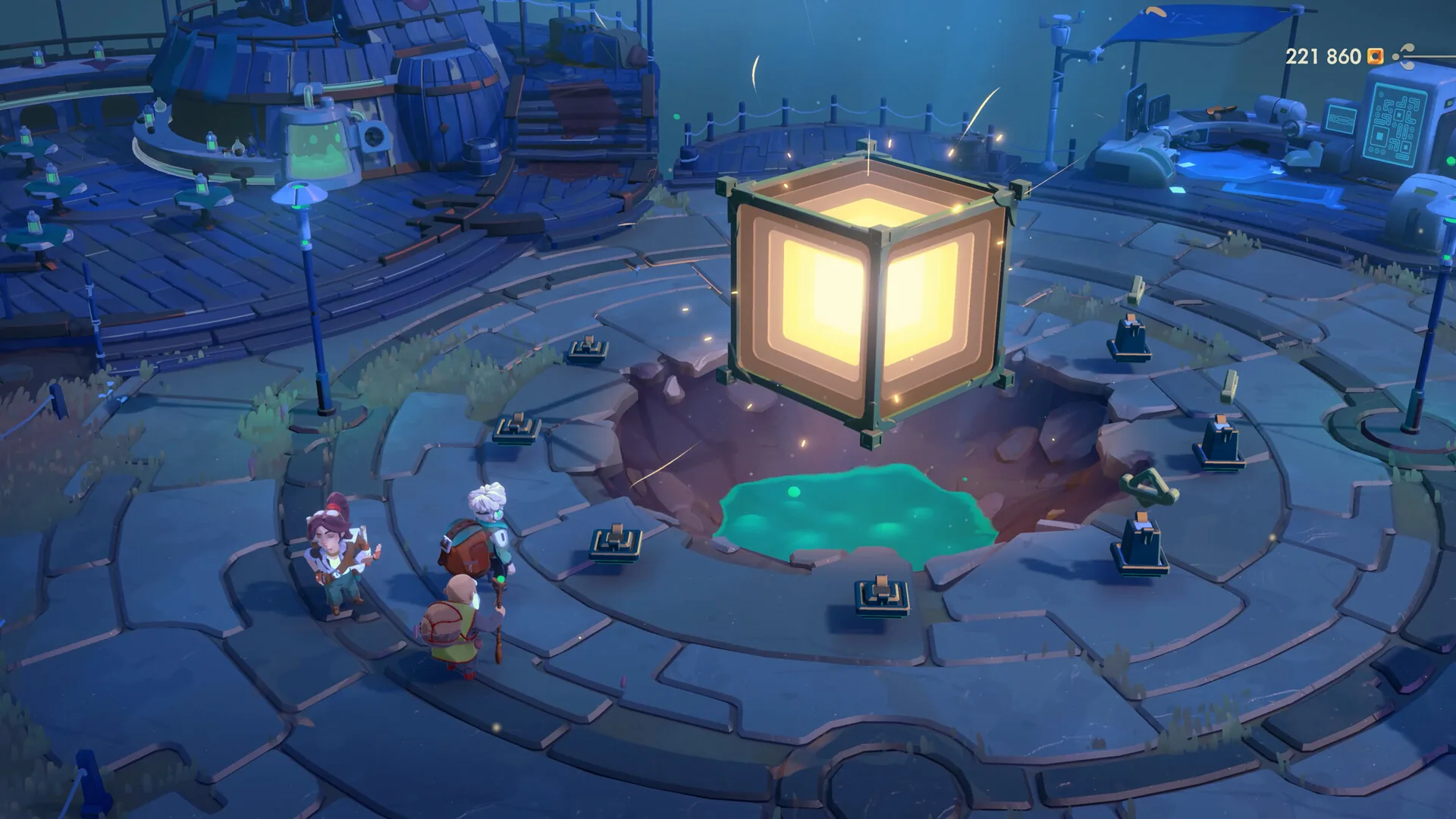
Digital Sun had a simple and fearsome brief: do not break what made the first one an unexpected hit.
They did not break it. The day-night loop still works, the backpack remains the best puzzle in the genre, reading customers keeps trading alive, and the Endless Vault finally gives it all a direction. The combat is frankly superior.
What they traded away is a visual signature. The game is prettier and less recognisable, and depending who you ask, that is either a necessary evolution or a straight loss.
After ten months of early access spent listening to players, with four weapons, a Boss Rush mode and a pile of fixes added along the way, what ships today comfortably deserves the 85 per cent it carries.
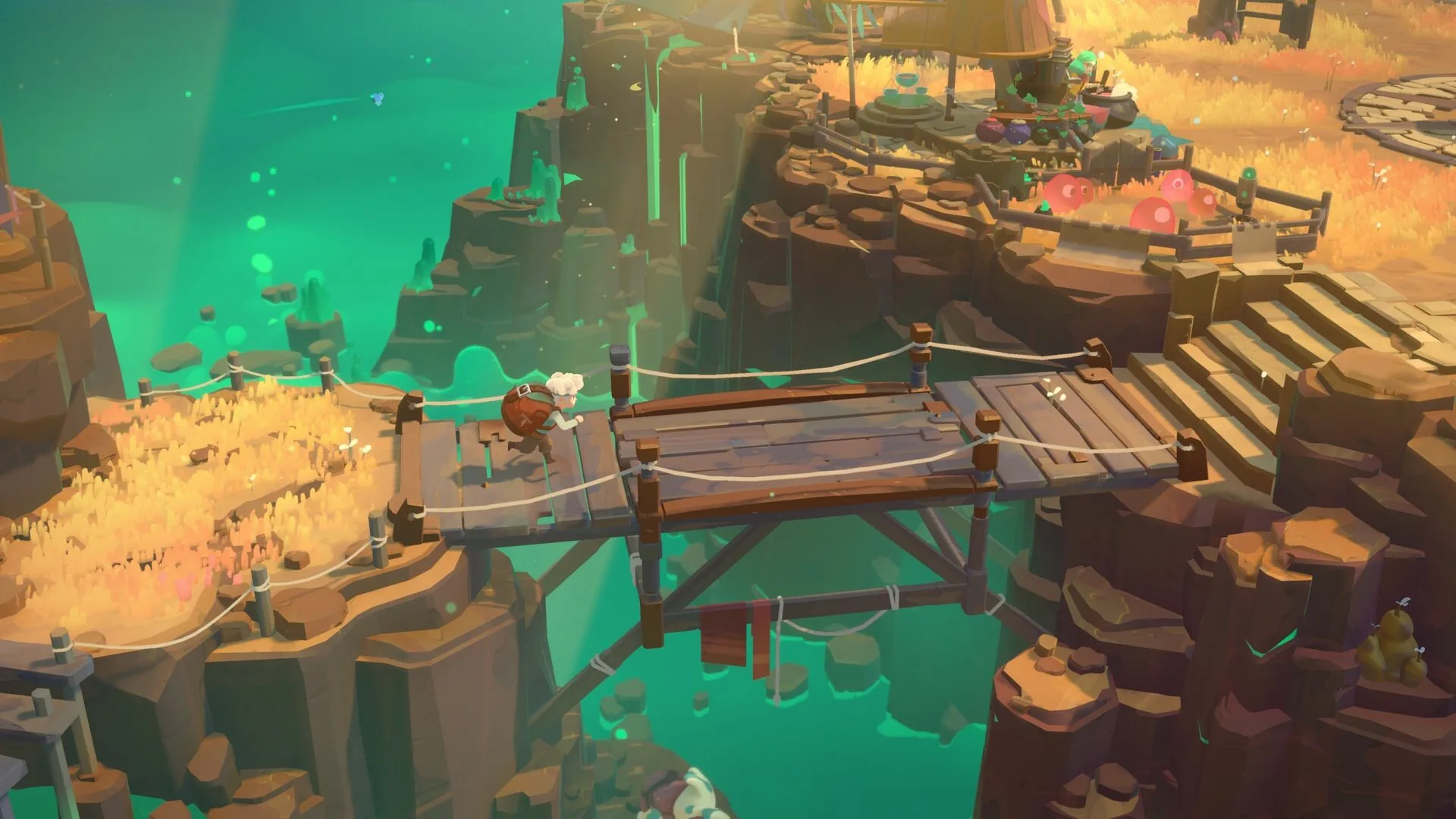
Do you mourn the pixel art or applaud the 3D? The argument is open on the InsertCoins Discord, and both camps are well attended.
Affiliate link: a purchase earns us a commission, at no extra cost to you.
Community
Your rating
Advertisement
Loading comments...
You might also like
A co-op bar that collapses while you serve. 98 per cent positive, and one of the rare times chaos is the actual subject.
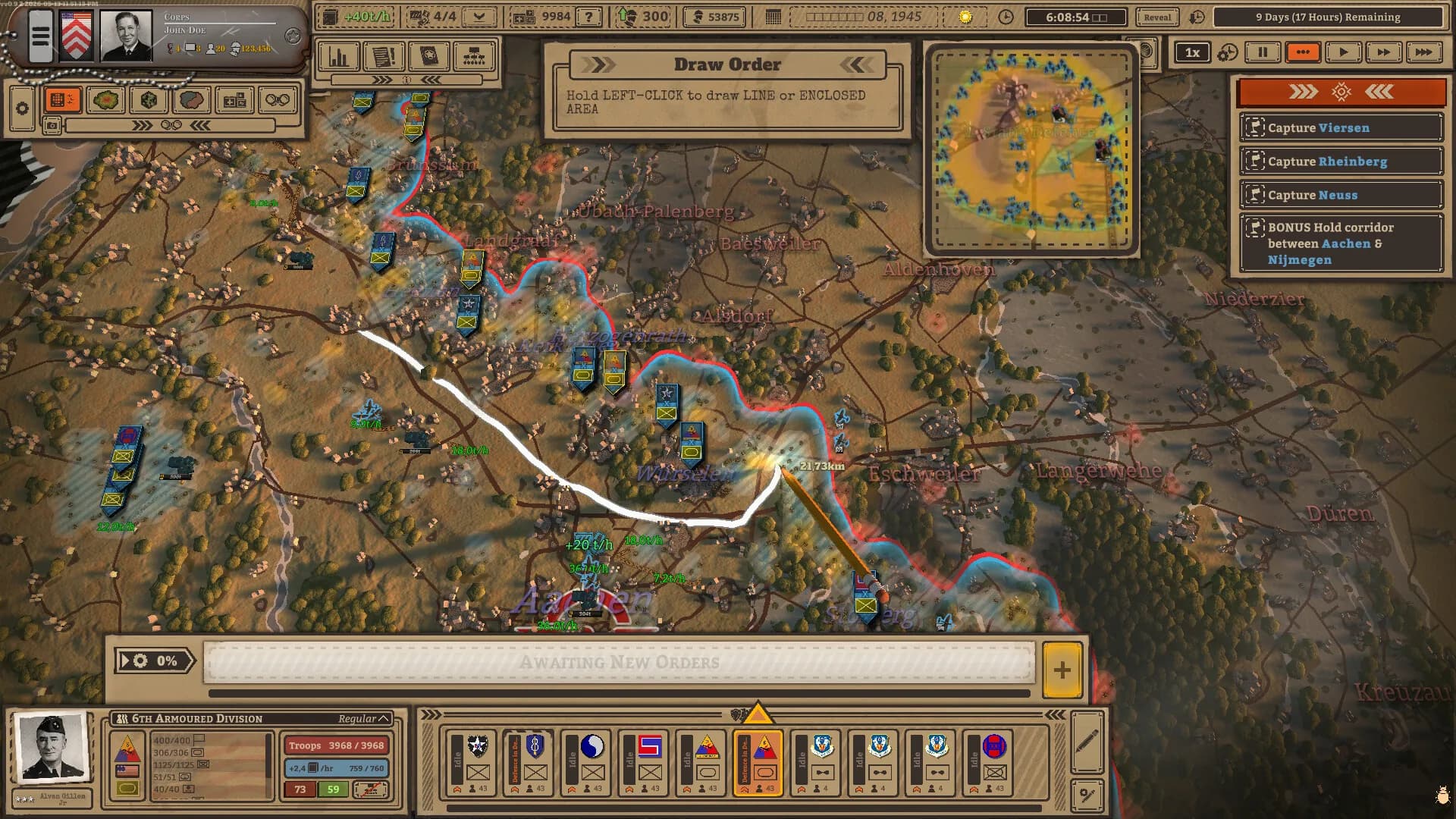
You draw a plan on the map and officers execute it alone. Except the game crashes every other planning phase.
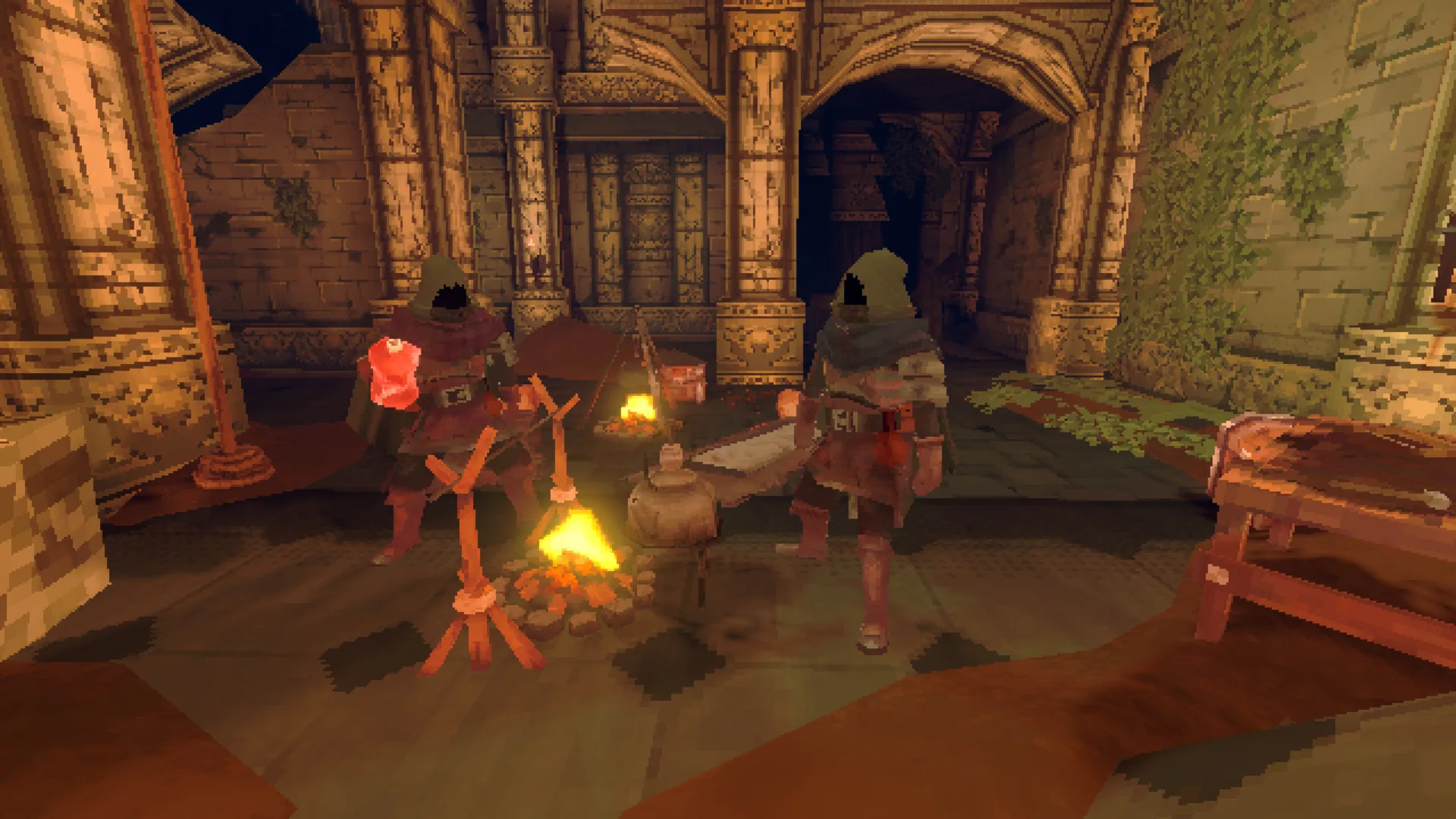
The Knights of Pen & Paper team return with a dungeon where you come back to camp, cook, and unlock recipes that change your stats.