Preview
Hubert: a tale of friendship, bravery, and barking at sheep
You are a shepherd dog in the northern wilderness. You see the world through movement, scent and instinct, and you gather a flock.
Alexandrosse
6 min
Christian Miller, a Hawaiian activist known as Silver Spook, just released Neofeud 2 after nine years of solo development. 140,000 words of fully voiced dialogue, hand-painted art of rare quality, and political satire written by someone who has something to say.
Alexandrosse
Nine years. That's how long it took one person to write, paint, compose, code, and voice-direct Neofeud 2. Christian Miller, a Hawaiian developer working under the name Silver Spook Games, released the game in April 2026 on itch.io. No team, no publisher, no institutional funding. Nine years of personal work on a sequel to an already cult first entry, with a narrative and visual ambition that outpaces what most mid-sized studios deliver.
This isn't a technical achievement. It's a human one.
Neofeud 2 takes place in a galactic space governed by the Eutropian Empire, a power structure built around CEO-Kings who enrich their ruling class while the masses, explicitly compared to Hugo's Les Misérables, survive in precarity. Sentient machines are exploited, refugee hacktivists organize resistance, and something ancient watches from the margins of the galaxy.
The first Neofeud, released in 2017, was ranked in IndieDB's Top 100 Indie Games and GamersDecide's Top 25 Cyberpunk Games. Its satire of surveillance capitalism, police brutality, and elite transhumanism found a specific audience: players who wanted a cyberpunk with substance, not just aesthetics. Neofeud 2 takes that foundation and scales it to cosmic proportions.
You play alternately across three characters whose arcs intersect and complete each other.
An ex-robotic marine turned dancer: the rupture between his past military function and his present existence structures a tension around what machines have the right to be and to want. A goth alien hacktivist refugee, whose journey anchors the game in the politics of displaced bodies and rejected identities. And a billion-year-old mentor, whose presence places the game's stakes within a timeframe that transcends immediate politics.
The three don't simply represent archetypes. The combination of these three perspectives produces a narrative where one character's blind spots are filled by another's lived experience.
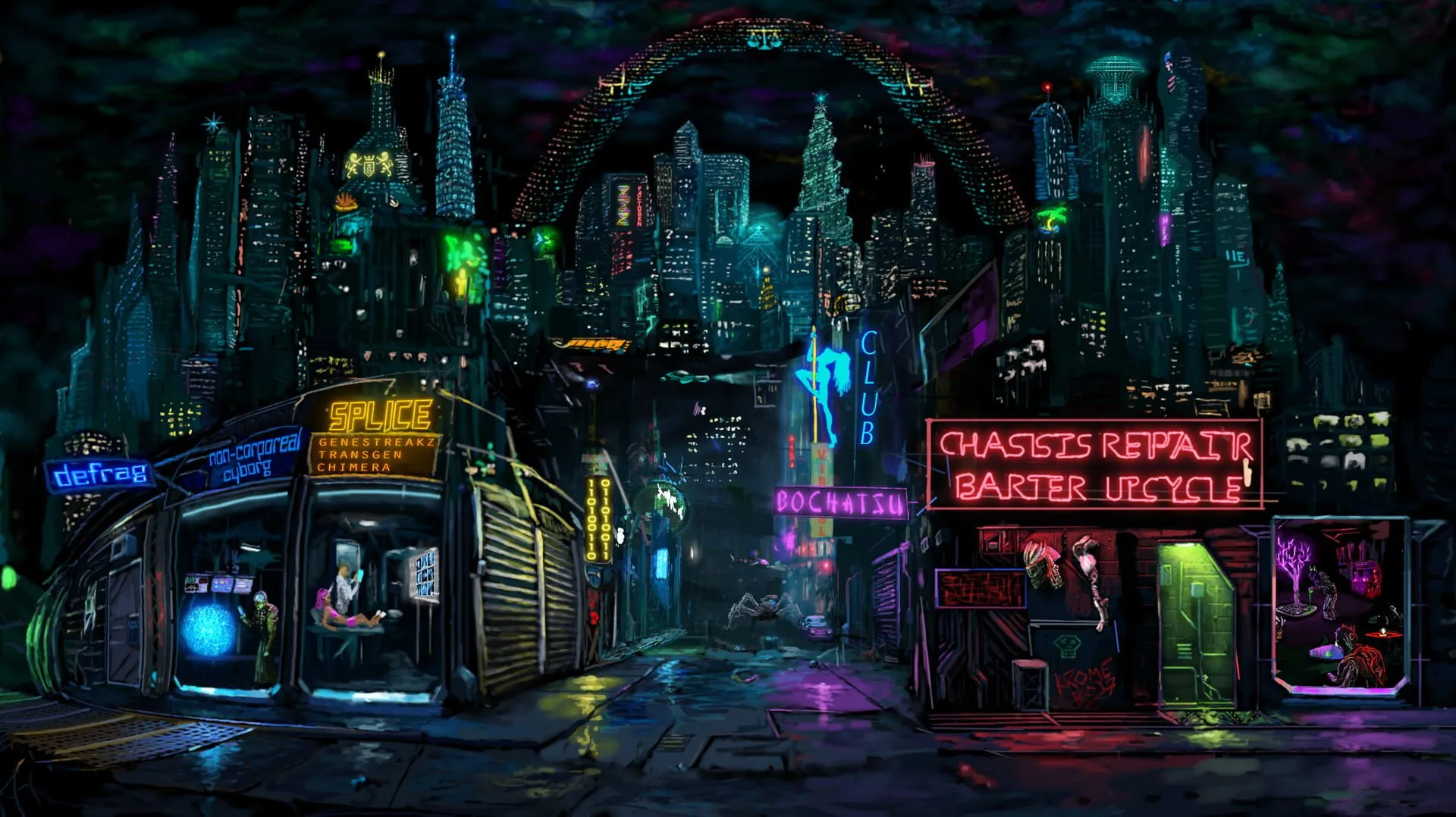
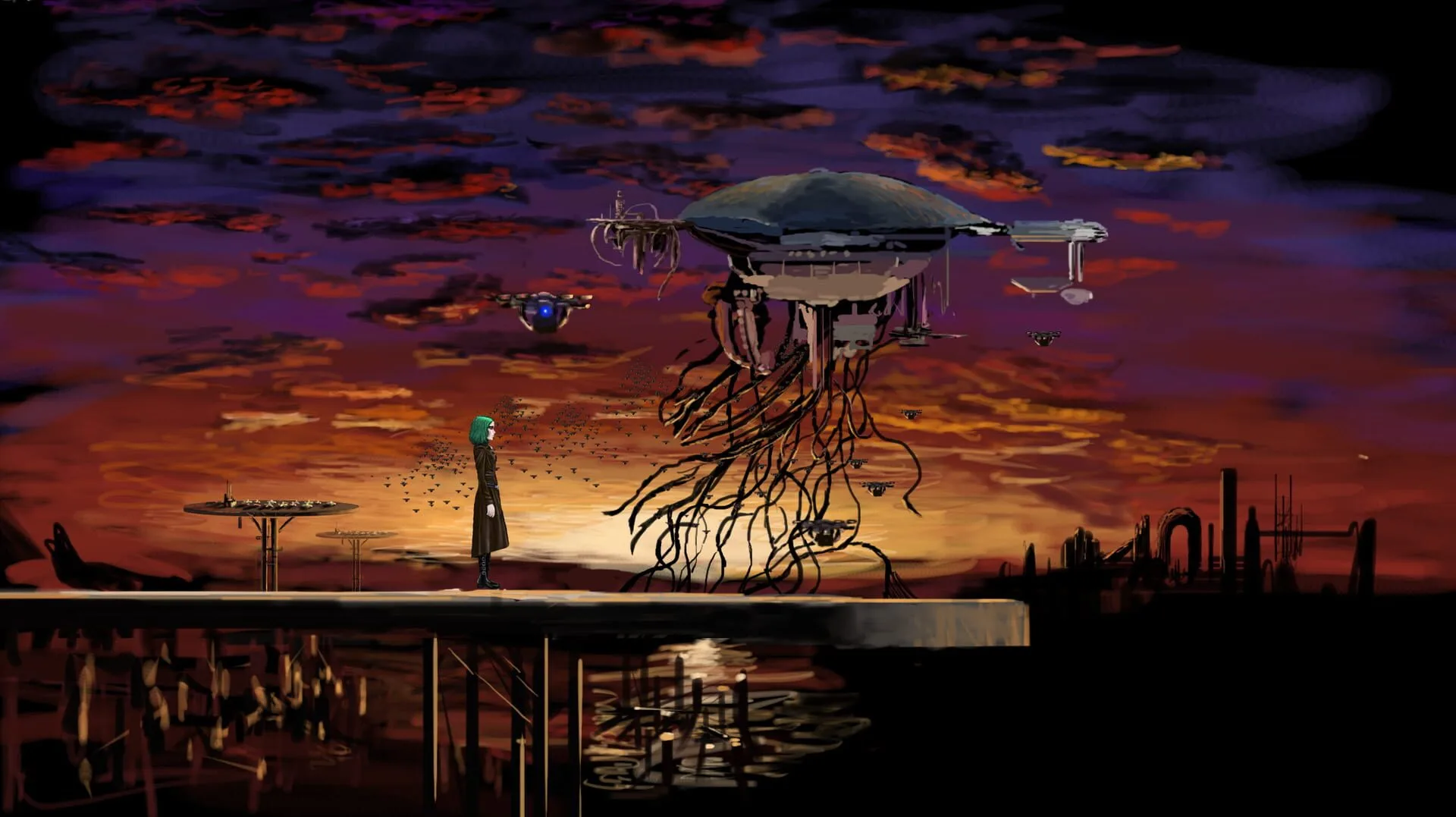
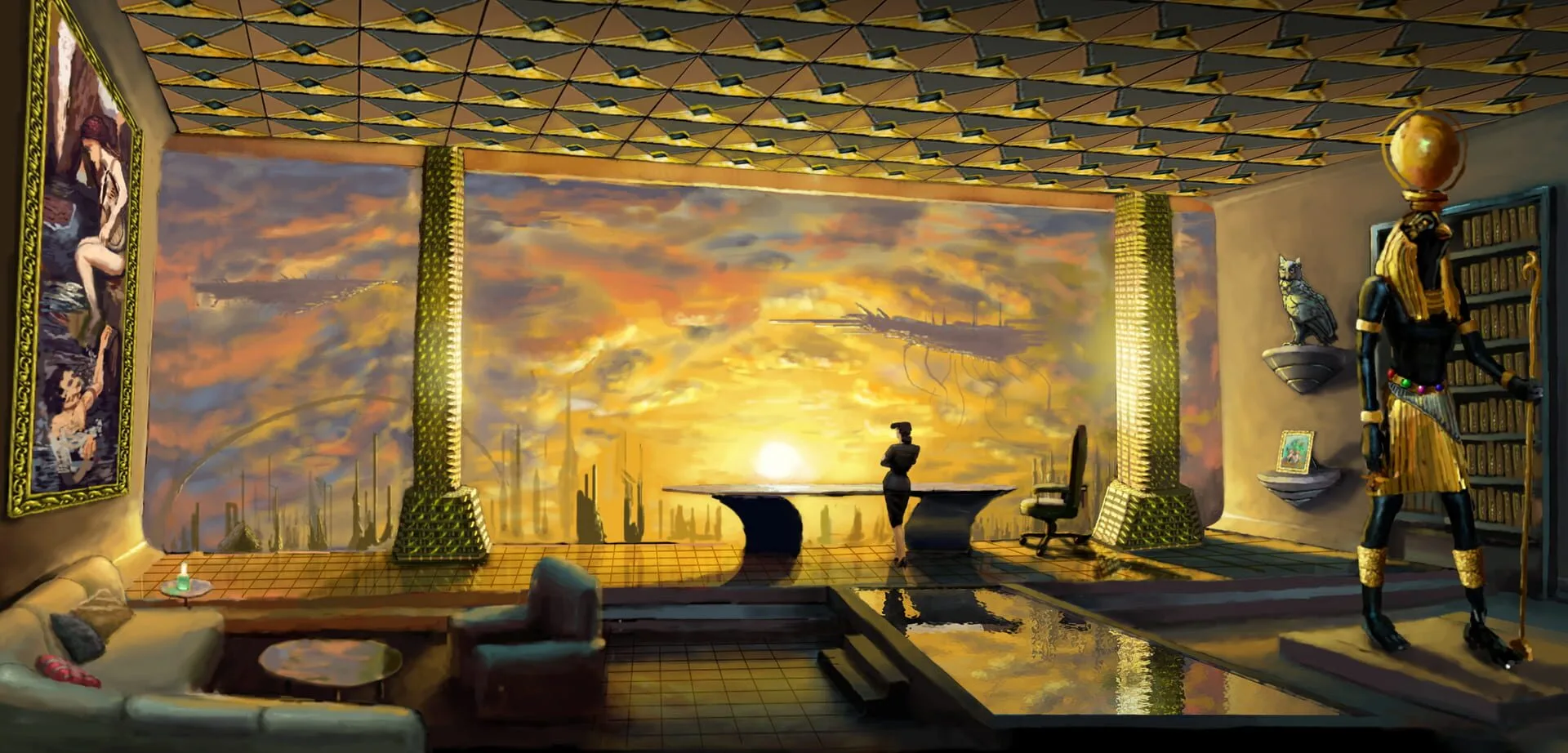
The screenshots speak for themselves. Neofeud 2 is entirely hand-painted, and it shows in every background, every character, every environment. A green-haired hacktivist standing before a massive mechanical jellyfish in a violet and burnt-orange sky. A neon-saturated cyberpunk street at night, "Chassis Repair Barter Upcycle" in scarlet on the facade of a smoky club. An opulent golden-column interior, a silhouette before a panoramic view of a desert city, an Egyptian android standing watch on the right. A devastated street under a scarlet sky, a mechanical spider in the foreground amid gutted buildings.
Each scene has the quality of a high-end graphic novel illustration. There's no forced style consistency between environments. There's a consistency of intent: every tableau expresses a political or narrative tension, every color is there for a reason. This level of visual craft, usually produced by studios of twenty people, was made by one hand, one software, nine years.
140,000 words of fully voiced dialogue. Over 20 hours of gameplay. All written, recorded, integrated, and debugged by the same person who painted the backgrounds and composed the original score. For context: 140,000 words is roughly twice the length of an average novel. It's a volume of text that, in a traditional studio, would mobilize an entire team of narrative designers, writers, and voice directors.
The game combines point-and-click detective work with action sequences. That's the structure that made the original Neofeud accessible to a broader audience than pure point-and-click fans: the alternating rhythms prevent the experience from settling into pure contemplation.
Chris Kealoha Miller grew up as a Native Hawaiian in Honolulu. He works as an activist, journalist, and educator, and that biography is not separate from his creative work. The neofeudalism satire in Neofeud isn't an aesthetic posture borrowed from Blade Runner. It comes from a man who lives somewhere whose land was colonized, whose culture was commercialized, and who has watched platform capitalism reproduce the same extraction structures in digital space.
The fact that the first Neofeud addressed police brutality, exploitation of sentient machines, and CEO-Kings isn't distant science fiction. It's a reading of what exists, projected onto a stellar backdrop so that the form makes it legible.
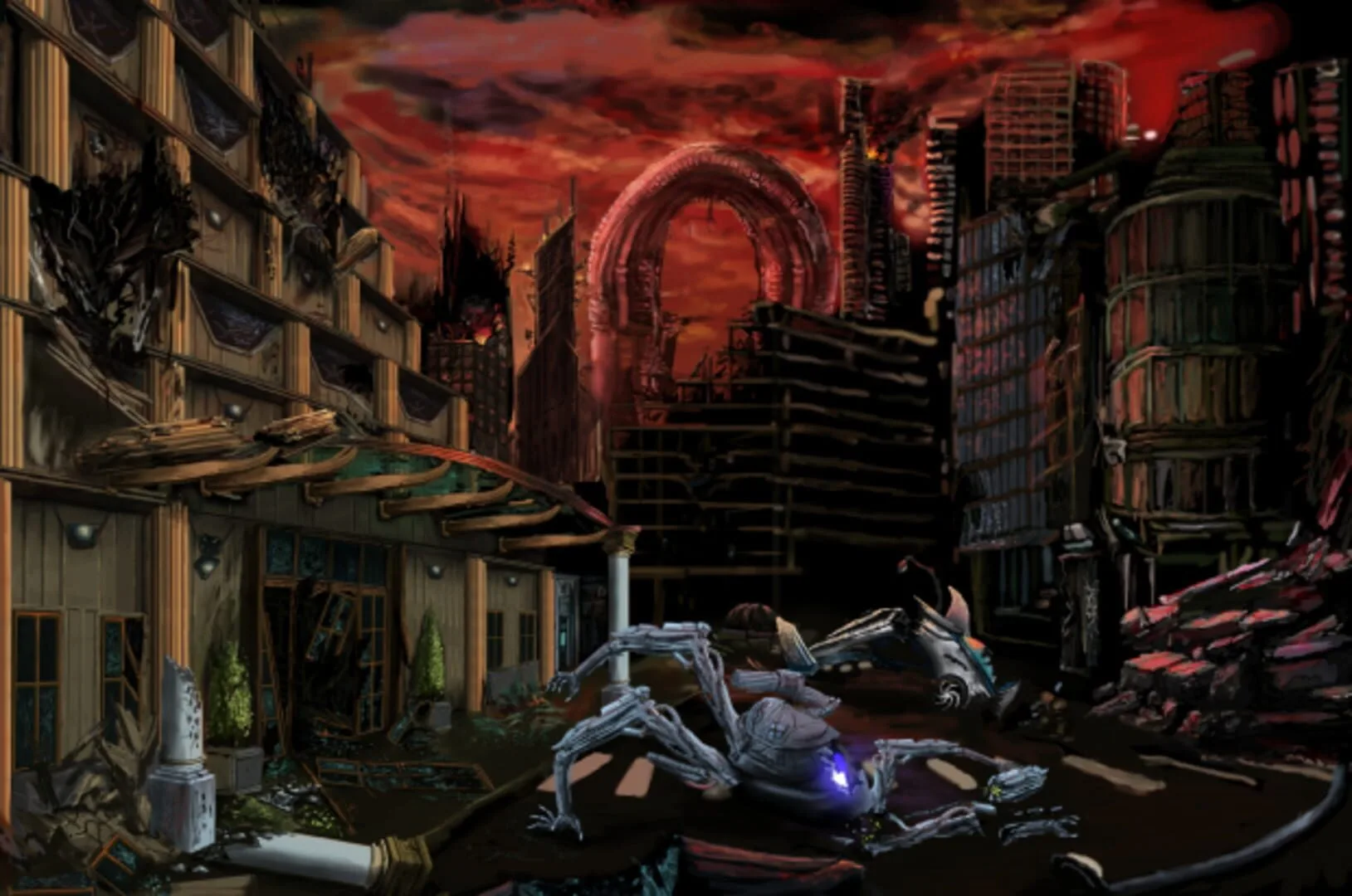
Neofeud 2 is available now on itch.io. The Steam version is listed but not yet available for purchase on the platform at the time of this article. Christian Miller maintains a Ko-fi and a Patreon to support the ongoing development of Silver Spook Games, which is already working on new projects in the Neofeud universe.
For a game of this narrative and artistic scope, the absence of mainstream distribution at launch is the only real friction point. The audience for cyberpunk with genuine political depth and art direction that matches its ambitions exists. Neofeud 2 is exactly that game. You just have to know it's there.
Impatient, sceptical, or both? The InsertCoins Discord exists for exactly that.
Community
Your rating
Loading comments...
You might also like
You are a shepherd dog in the northern wilderness. You see the world through movement, scent and instinct, and you gather a flock.
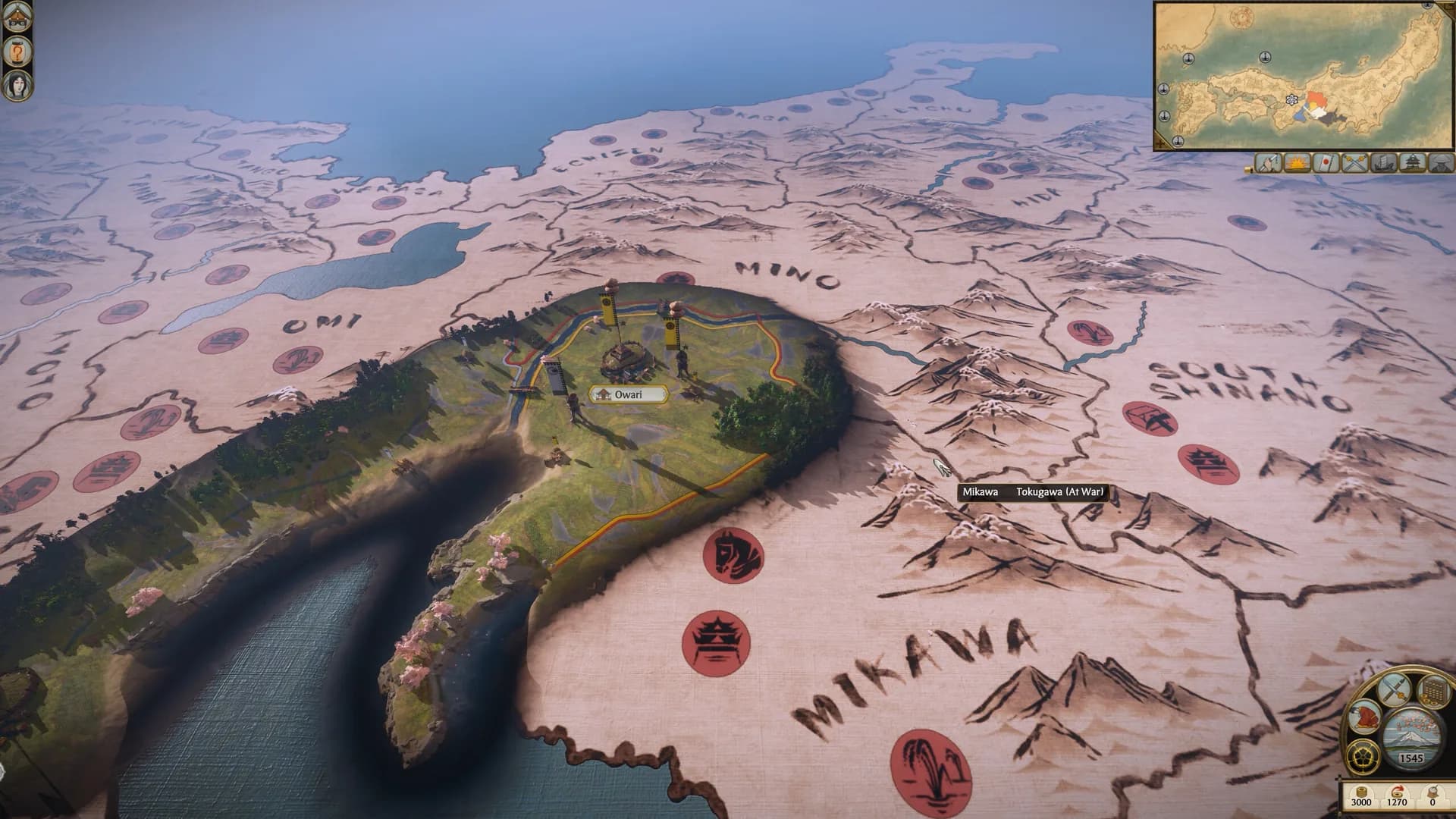
A 64-bit upgrade, built-in mod support, full Japanese voice acting, and over fifty minor factions made playable.
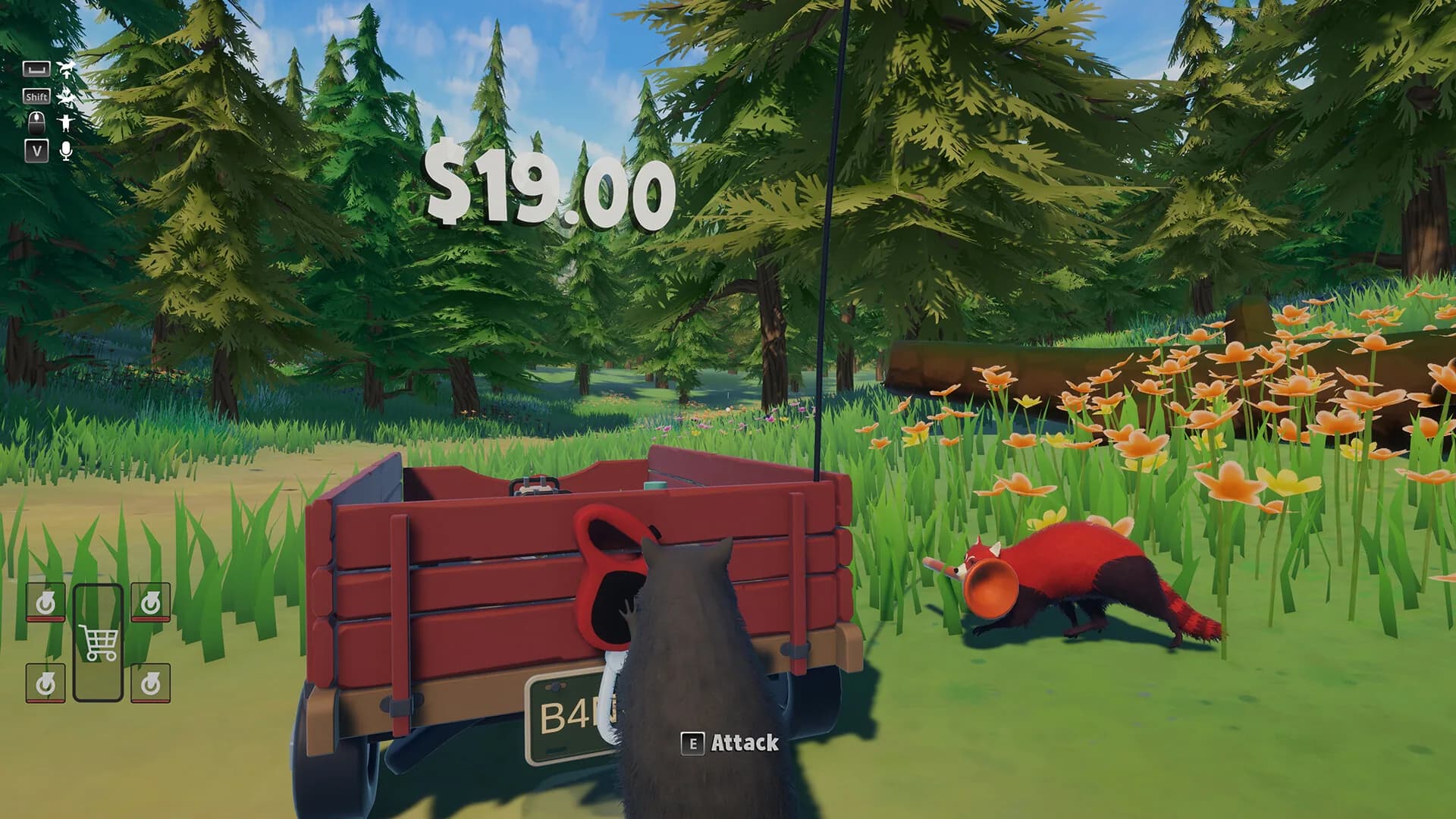
You can technically play solo, says the studio, but the wagon is a lot for one raccoon.