7
Test
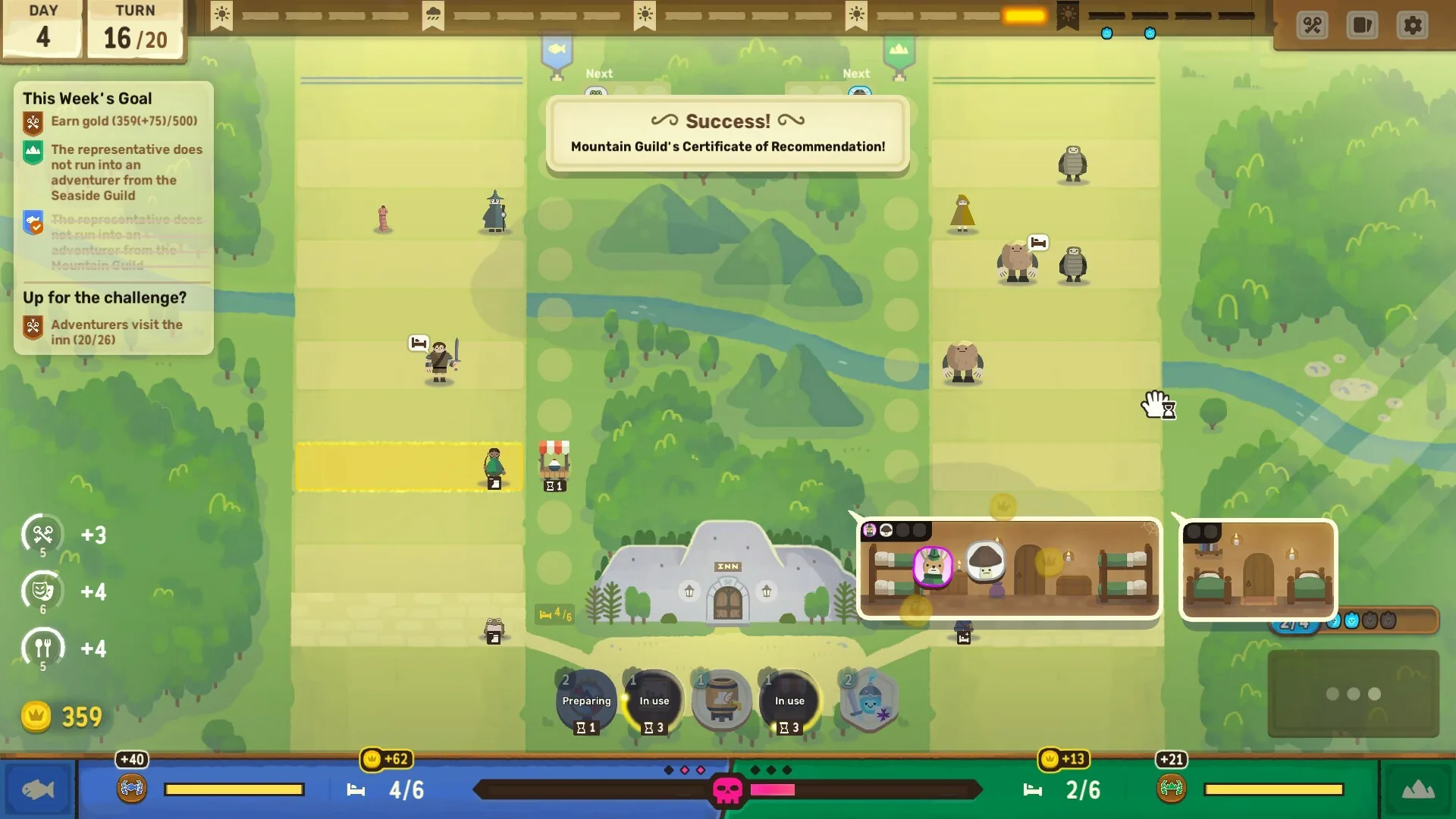
Dungeon Inn: running an inn while keeping two rival guilds from meeting
You struck a deal with a dragon. All that is left is serving both sides without either finding out. The 1.0 lands on 23 October.
Alexandrosse
7 min
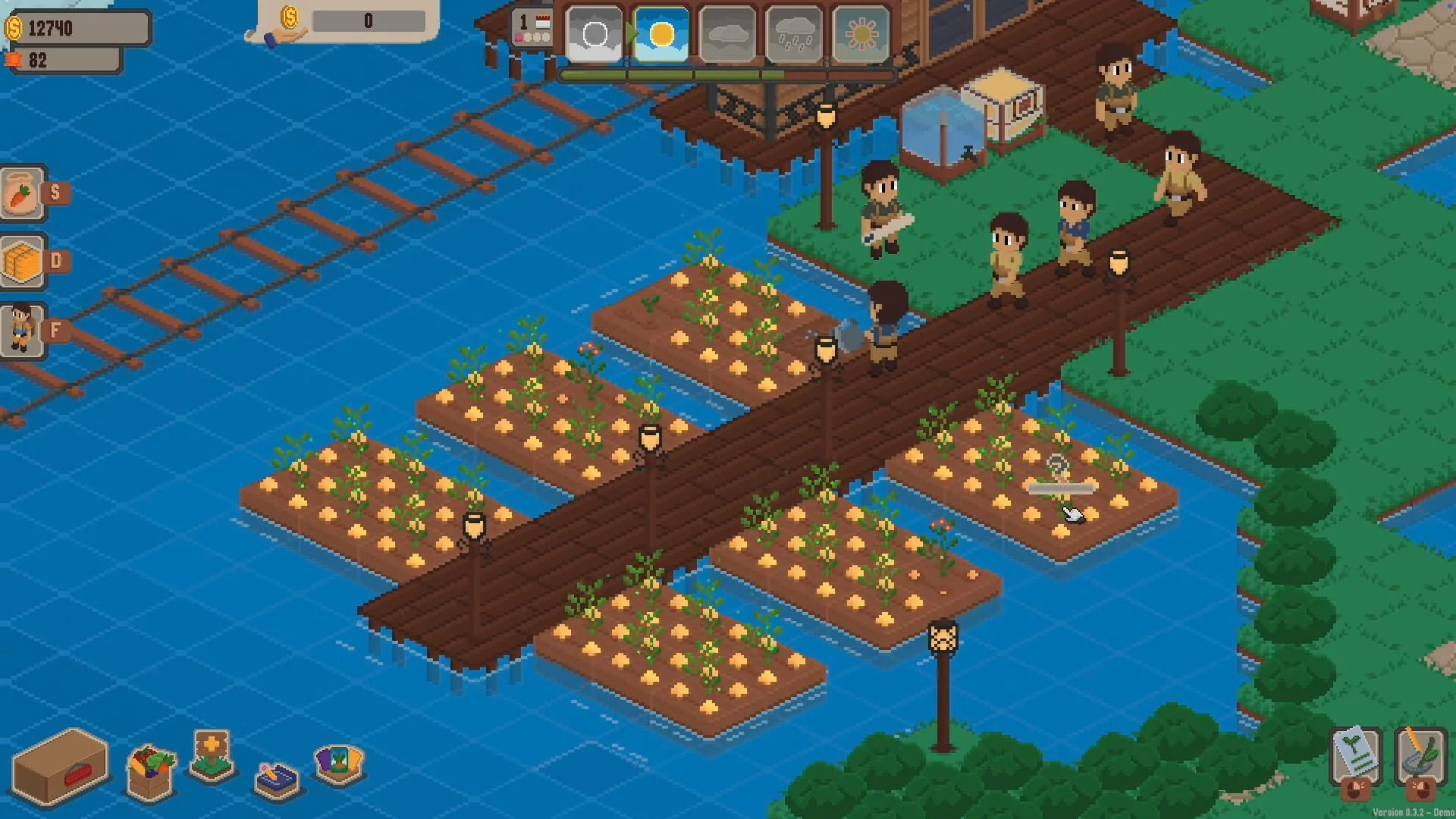
Farming a floating island in pixel art, combining crops, animals and helpers before the landlord claims his rent. Oceanic Rails is an adorable, time-devouring farming roguelike.
Alexandrosse
InsertCoins.press Score
8/10
Verdict
Recommended
There's a category of games we're defenseless against: farm-management ones, those adorable time thieves that make you say just one more day and keep you until dawn. Stardew Valley did that to us, and we'll never forget it. Oceanic Rails woke exactly that demon: launched for a quick session, it nearly ate our whole day, with that pixelated gentleness and that hypnotic loop that take us straight back to the good old times. Under its misleading train-game name actually hides an island farming roguelike, and it's fearsomely endearing.
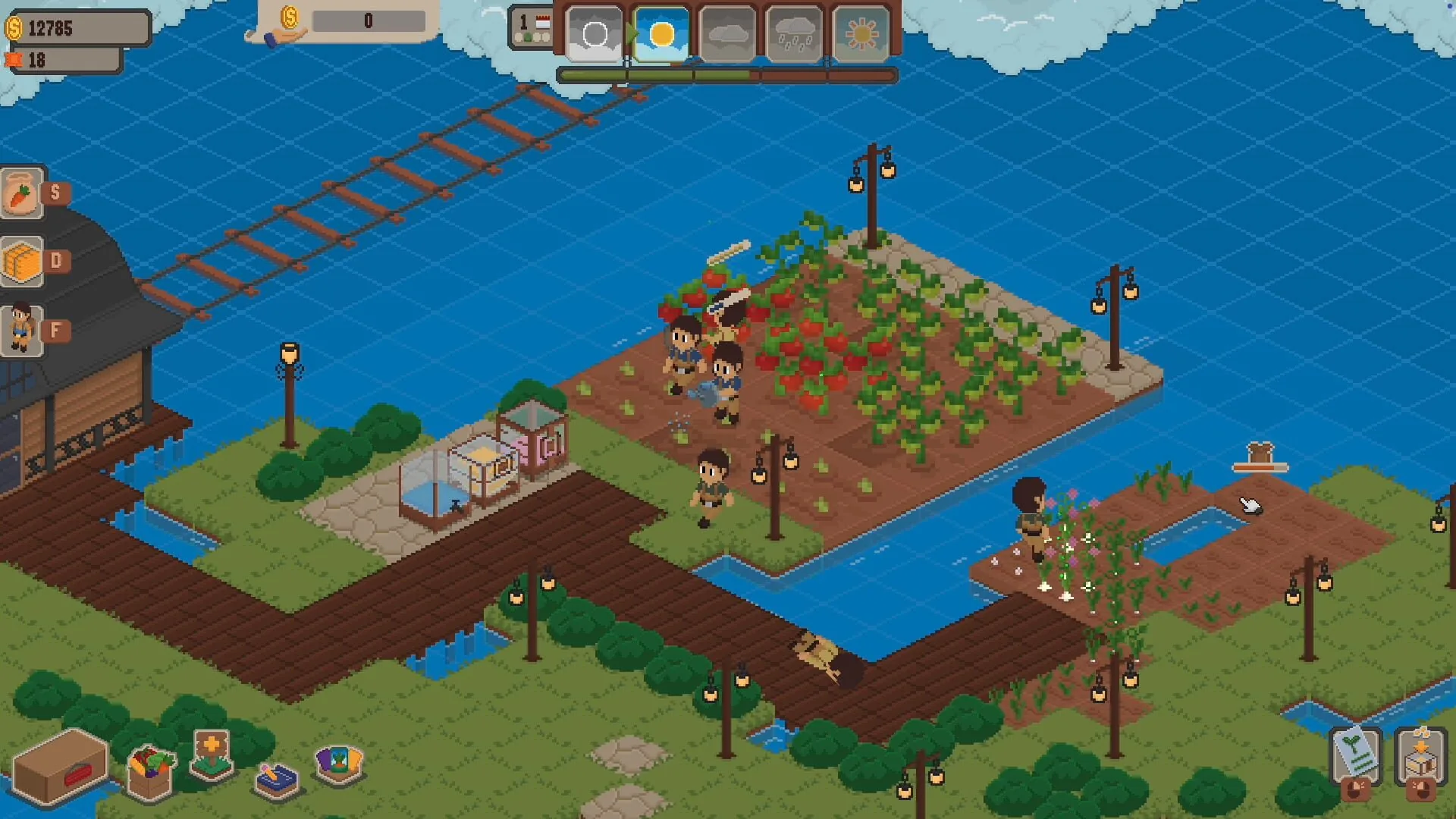
Oceanic Rails is a pixel-art farming roguelike, available on PC. Despite its name, it's not a train game but an island-management one: you farm and develop a floating island in the middle of the ocean, combining crops, animals and helpers endowed with unique modifiers and upgrades. Each run offers different possibilities, with capricious weather and a weekly rent that keeps climbing, unless you choose to build your island pressure-free to create a lovely pixel world at your own pace. The goal is to manage your team to grow the island before the landlord comes to claim his due, in a gentle tension that spices the relaxation.
The heart of Oceanic Rails is its farm-management loop backed by a roguelike structure. You plant, harvest, raise, develop your island, but each run reshuffles the cards: the modifiers and upgrades affecting crops, animals and helpers change from one match to the next, offering renewed combinatorics that push toward experimentation. That meeting between the familiar comfort of farming and the unpredictability of the roguelike is what gives the game its particular grain, that of a farm never quite identical, where you seek each time the ideal synergy between your crops and your helpers. It's that combinatorics that grabs you, that pleasure of building an optimized agricultural machine that runs a bit better each run.
It's also what sets Oceanic Rails apart from a pure Stardew Valley. Where the genre's master bets on long-haul relaxation and attachment to a place, Oceanic Rails adds a tension: the weekly rent that climbs, the capricious weather, the landlord watching you. That gentle pressure, inherited from management roguelikes, gives an objective and a rhythm where classic farming can dilute, turning peaceful cultivation into an optimization challenge against the clock. For whoever loves tinkering and turning a profit, that constraint is an engine rather than a brake, and it coexists with a freer, pressure-free mode to build your island serenely. The game leaves the choice between challenge and relaxation, and that's a fine idea.
You have to be honest about the nature of the proposition. Oceanic Rails isn't the Stardew Valley its cozy atmosphere might lead you to hope for: its roguelike structure, with its runs, its climbing rent and its time pressure, makes it an optimization game as much as a relaxation one, closer to management roguelikes than to the contemplative farm simulator. Whoever seeks the peaceful attachment to a single place, the lasting settling and the constraint-free rhythm of the genre's master may be thrown by that dimension of race and restart. The free mode softens this point, but the game's core stays turned toward challenge and combinatorics, and you should know that before diving in hoping for a pure cocoon.
The other reservation is the limits of the management roguelike. The genre lives on the richness of its combinations and the variety of its modifiers, and everything will depend on Oceanic Rails' generosity on that ground to keep the loop from running out of steam. The real risk is exhausting the possible synergies between crops, animals and helpers faster than hoped, and seeing repetition creep in once the best combinations are identified. Its pixelated charm and its gentleness won't suffice forever if the combinatorial depth proves thin, and it's by that measure, replayability and variety, that it'll need to be judged over time. The first impression is excellent, it remains to confirm it holds.
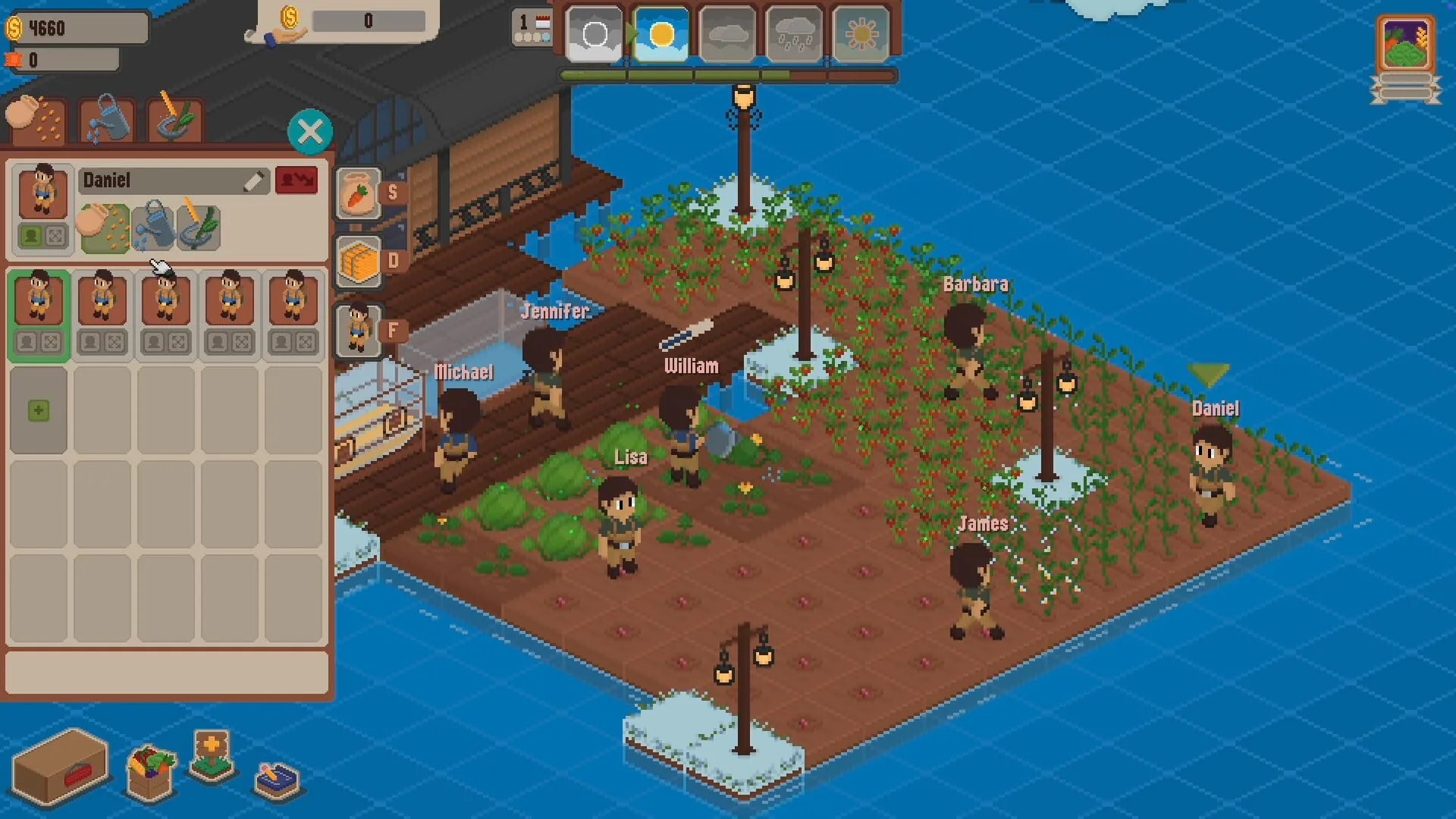
Oceanic Rails is an adorable time thief, exactly the kind of farming game that wakes in us the demon of just one more day. Its farm-management loop, backed by a roguelike structure that reshuffles the cards each run, offers renewed combinatorics between crops, animals and helpers that grab the optimization enthusiast. Its pixelated charm, its gentle tension made of climbing rent and capricious weather, and its choice between challenge and relaxation make it an endearing and well-thought-out proposition, one that took us straight back to the hours lost on the genre's masters. Just a quick session, you said? Better set aside your day.
You just have to get the expectations right. Despite its cozy atmosphere, Oceanic Rails isn't a contemplative Stardew Valley but a management roguelike, with its time pressure and its run structure, more turned toward optimization than toward peaceful attachment to a place. And its longevity will depend on the richness of its combinatorics, with the risk of exhausting it once the best synergies are found. But for whoever loves refining a farm never quite identical, between challenge and pixelated gentleness, it holds a time-devouring, charming gem. We may not remember it like Stardew, but it woke the same flame, and that's already a lot.
An island farming roguelike in pixel art, adorable and time-devouring, marrying the comfort of farm management with the tension of a climbing rent: a charming time thief, more turned toward optimization than pure relaxation.
Strengths:
Weaknesses:
Tested on PC.
Played it too? Tell us how it went on the InsertCoins Discord.
Community
Your rating
Advertisement
Loading comments...
You might also like
You struck a deal with a dragon. All that is left is serving both sides without either finding out. The 1.0 lands on 23 October.
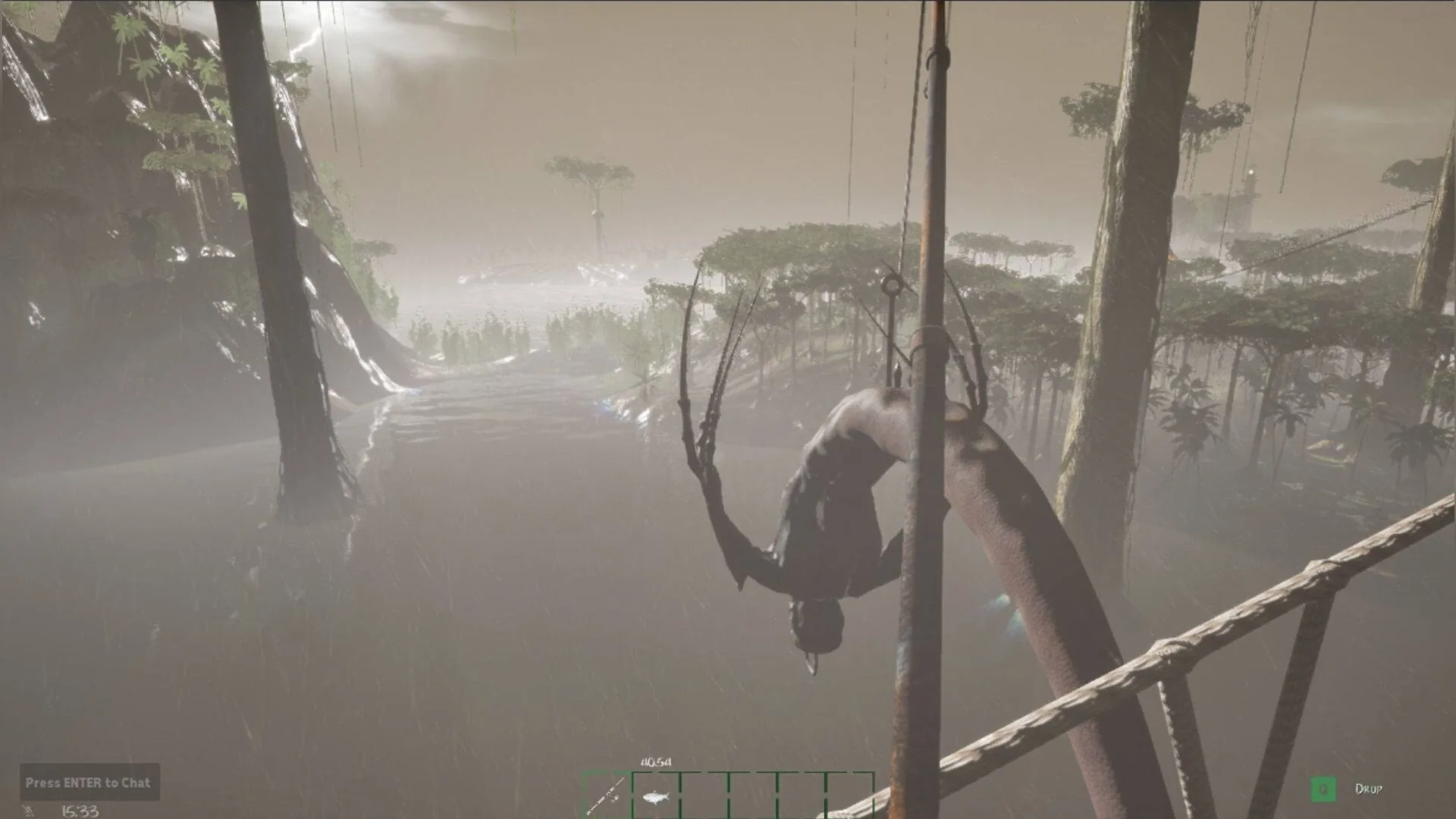
A co-op horror fishing game at nine euros. You must sacrifice fish every day, and the beast is not the worst thing out there.

Scrapheap robots sent to exterminate a planetary fungus. The 1.0 lands tomorrow, and the upgrade grid is the genre's best idea.