7
Test
Dungeon Inn: running an inn while keeping two rival guilds from meeting
You struck a deal with a dragon. All that is left is serving both sides without either finding out. The 1.0 lands on 23 October.
Alexandrosse
7 min
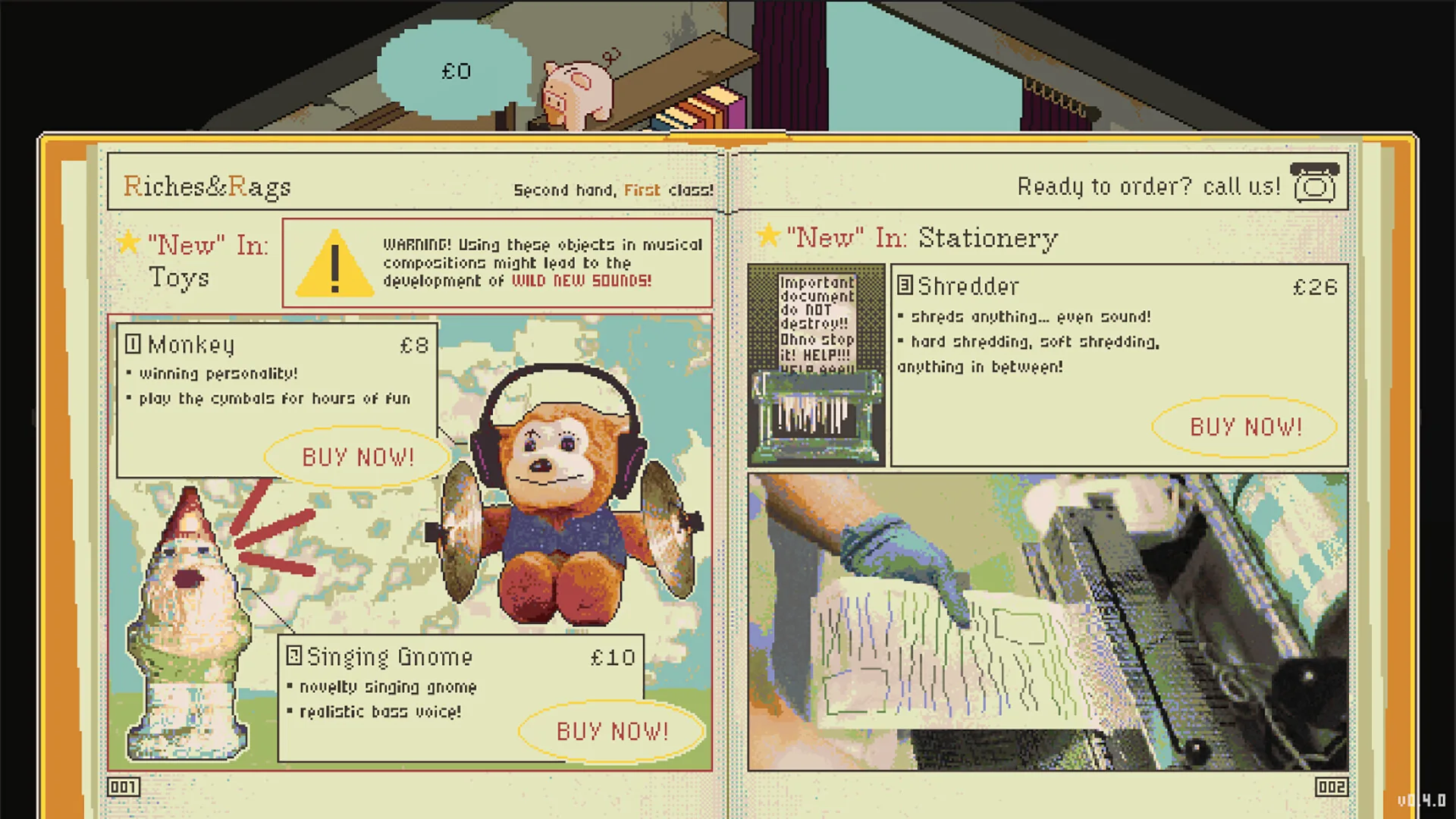
Compose with a singing garden gnome and a paper shredder, then export the track as a real audio file. OFFBEAT is a zany tycoon that's secretly a serious music tool.
Alexandrosse
InsertCoins.press Score
7/10
Verdict
Recommended
We're used to music management games that simulate a studio's career through menus and progress bars, without ever producing a single real note. OFFBEAT takes that genre and plays a delicious trick on it: under its zany tycoon looks, it's actually a genuine audio production tool. The music you tinker with using singing garden gnomes and paper shredders isn't fake game music, it's real, exportable and shareable. And that changes absolutely everything.
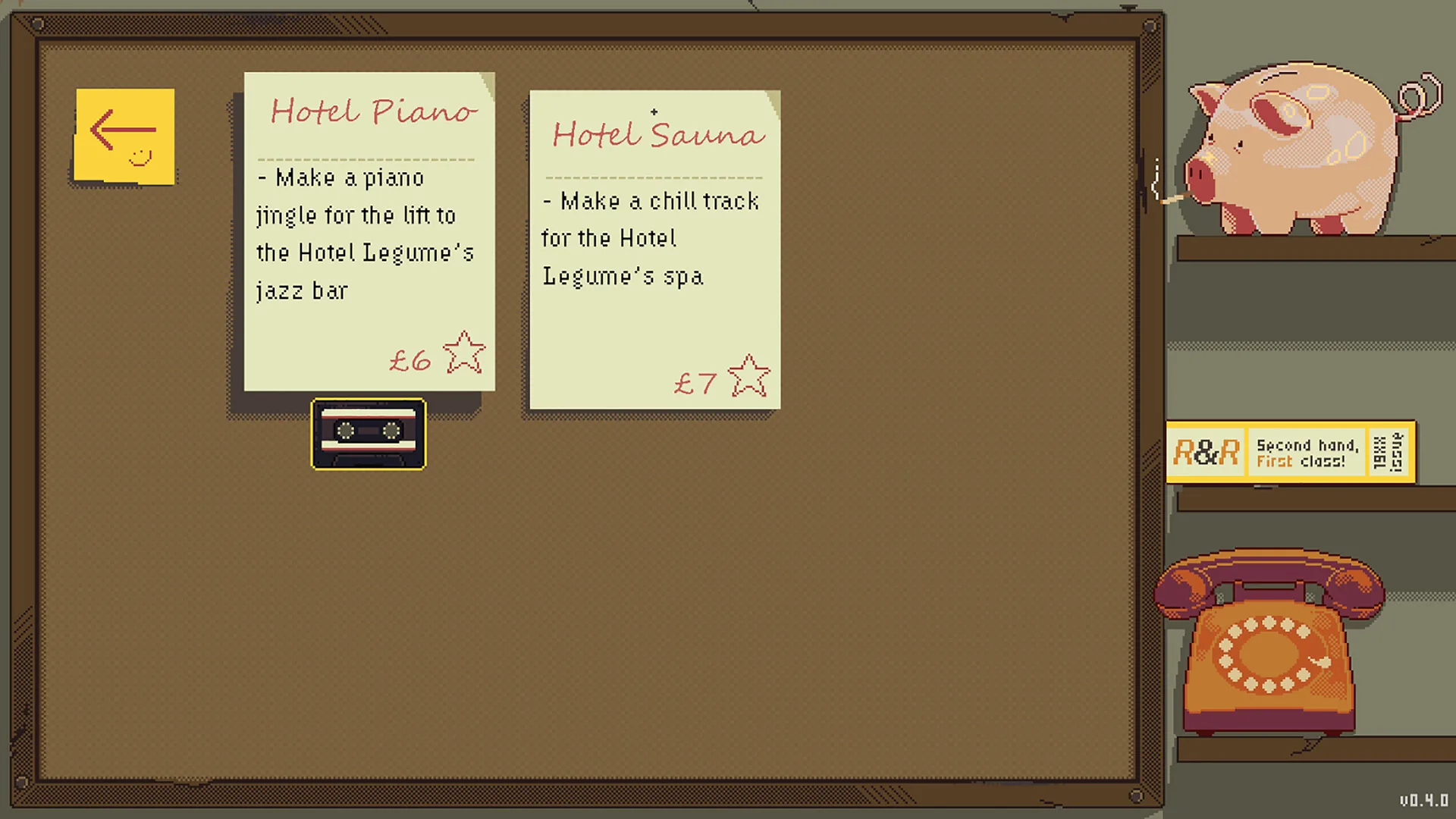
OFFBEAT is a music tycoon game developed by Pantaloon, available in early access on PC since 22 July 2026. The stated principle is that of a management game: build the recording studio of your dreams, collect and upgrade increasingly strange musical objects, fulfill contracts for clients and earn money. You become a jobbing composer, except all your equipment is an assortment of improbable objects, from the singing garden gnome to the paper shredder. Clients send briefs describing the track they want, and you have to get as close as possible. On paper, it's one more funny tycoon. In practice, it's far cleverer than that.
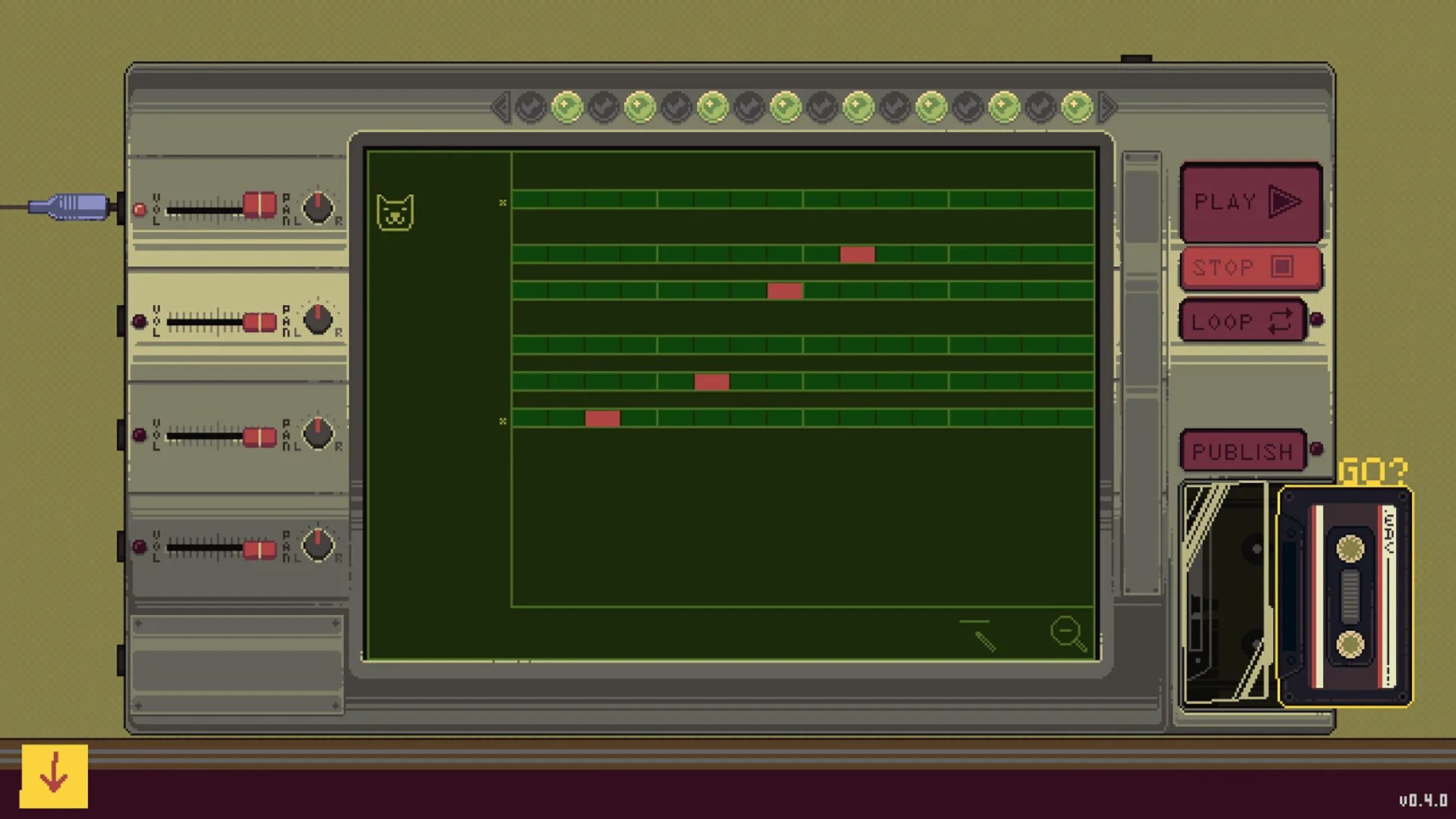
What radically sets OFFBEAT apart is that its music engine isn't decoration. Each instrument is fully simulated, and the tracks you arrange in its sequencer are real music, not pre-recorded loops. You genuinely compose, you arrange tracks, you play with sounds, and the game behaves like an unusual but functional audio production software. The most striking proof of that hidden seriousness is that you can export your creations as .WAV files, which means the song tinkered with using a plush tiger can then be shared on Spotify or reused in your own projects. The studio even pushed the demonstration to releasing a single composed entirely within the game.
It's that dual nature that makes all of OFFBEAT's richness, and its originality in the landscape. On one side, the tycoon loop provides the structure, the motivation and the humor: you progress, you unlock ever more absurd objects, you fulfill contracts, in a joyful, offbeat dressing that makes learning painless. On the other, the real music-production engine offers a depth and concrete usefulness no music management game had offered. That meeting of game and tool, of silly fun and real creation, is a brilliant idea that turns a simple tycoon into an accessible, playful music workshop. You play at running a studio, and you come away with real songs.
You should nonetheless stay lucid about its status and its balance. OFFBEAT launches in early access, and the studio itself announces several months of development to fine-tune the dosage between the silly-and-fun side and the serious-tool side. It's precisely there that the game's challenge lies, and its main risk: lean too far toward the game and the production tool loses depth; lean too far toward the tool and the fun evaporates, leaving an austere software in disguise. Finding the middle ground is a delicate exercise, and we'll have to see whether the updates manage to preserve that fragile balance that makes all the appeal of the proposition.
You also have to accept the hybrid nature of its target audience. OFFBEAT is neither the deepest tycoon nor the most complete production software: it occupies an in-between that makes its charm but precisely defines who it's for. The pure manager might find the music layer intimidating, the serious musician will prefer real dedicated tools, and it's the curious, the one who wants to have fun creating music without taking it seriously, who will benefit most. It's a niche proposition, original and endearing, to approach for that fresh marriage of game and creation rather than for excellence in either discipline.
OFFBEAT is a good surprise that brilliantly escapes the trap of the hollow music tycoon, precisely because it hides a real production software under its wacky exterior. The full simulation of its instruments, its sequencer that produces real music and the ability to export your creations as shareable audio files make it far more than a management game, an accessible and joyful composition workshop. The idea of making the tycoon's funny loop and the depth of a real creation tool coexist is as clever as it is fresh, and for the curious who always wanted to tinker with music without a barrier, it's a delightful and genuinely recommendable doorway.
You just have to understand its hybrid nature and its early-access status. The whole stake of the game lies in the balance between silly fun and serious tool, and that balance still needs refining over the updates. It's neither the densest tycoon nor the sharpest software, but an original in-between that's worth mostly for its unique concept and its pleasure of creation. Taken for what it is, a game that teaches you to compose while making you laugh with garden gnomes, OFFBEAT holds a rare and endearing proposition. You play it to have fun, and you come away with a song of your very own. Hard to be more likeable than that.
A zany music tycoon that hides a real audio production software, where you compose real exportable music: a fresh marriage of game and creation, with a balance still to refine.
Strengths:
Weaknesses:
Tested on PC, in early access.
Disagree with the score? Come and tell us on the InsertCoins Discord, where we defend our verdicts live.
Community
Your rating
Advertisement
Loading comments...
You might also like
You struck a deal with a dragon. All that is left is serving both sides without either finding out. The 1.0 lands on 23 October.
A co-op horror fishing game at nine euros. You must sacrifice fish every day, and the beast is not the worst thing out there.
Scrapheap robots sent to exterminate a planetary fungus. The 1.0 lands tomorrow, and the upgrade grid is the genre's best idea.