7
Test
Dungeon Inn: running an inn while keeping two rival guilds from meeting
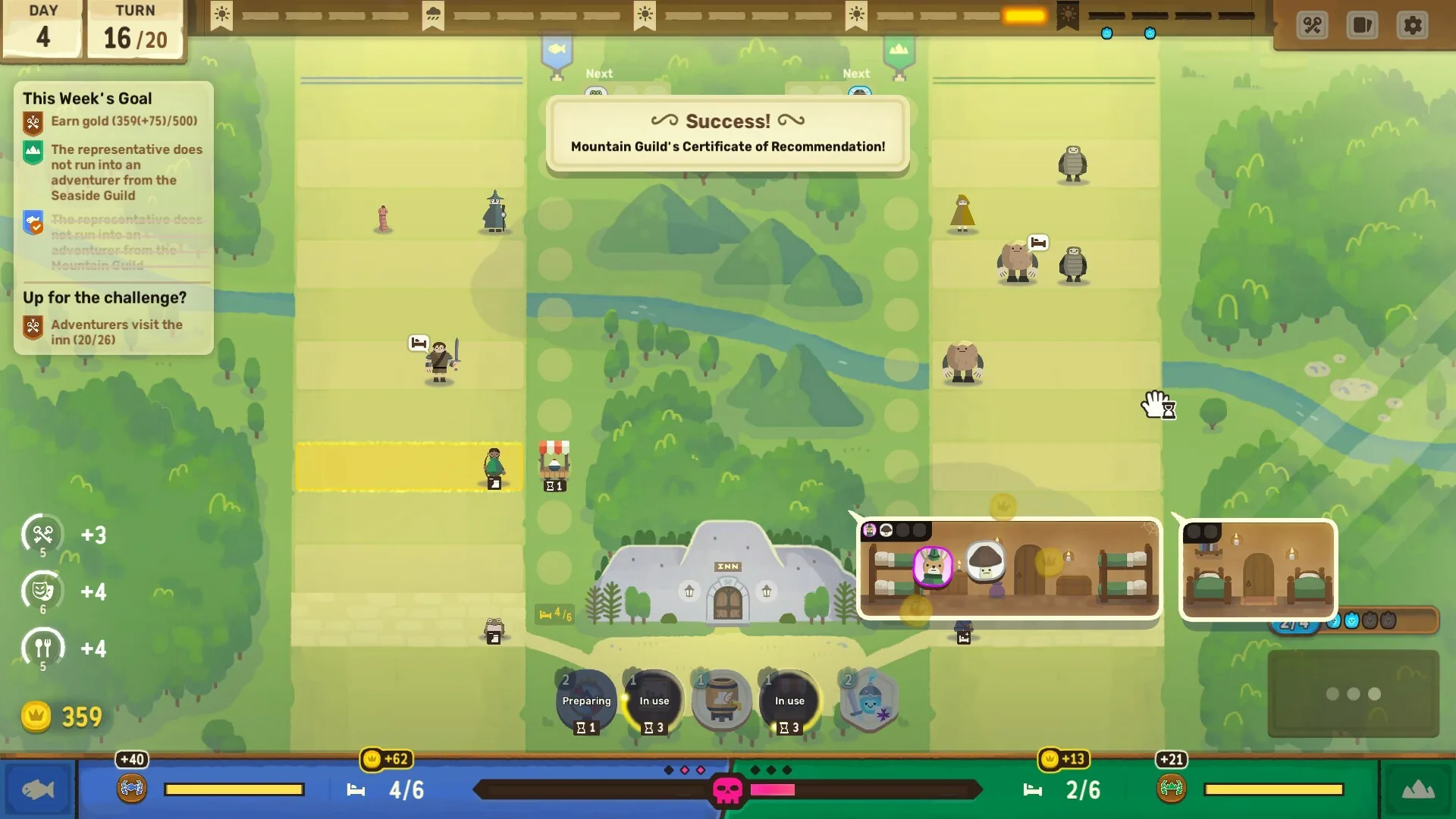
You struck a deal with a dragon. All that is left is serving both sides without either finding out. The 1.0 lands on 23 October.
Alexandrosse
7 min
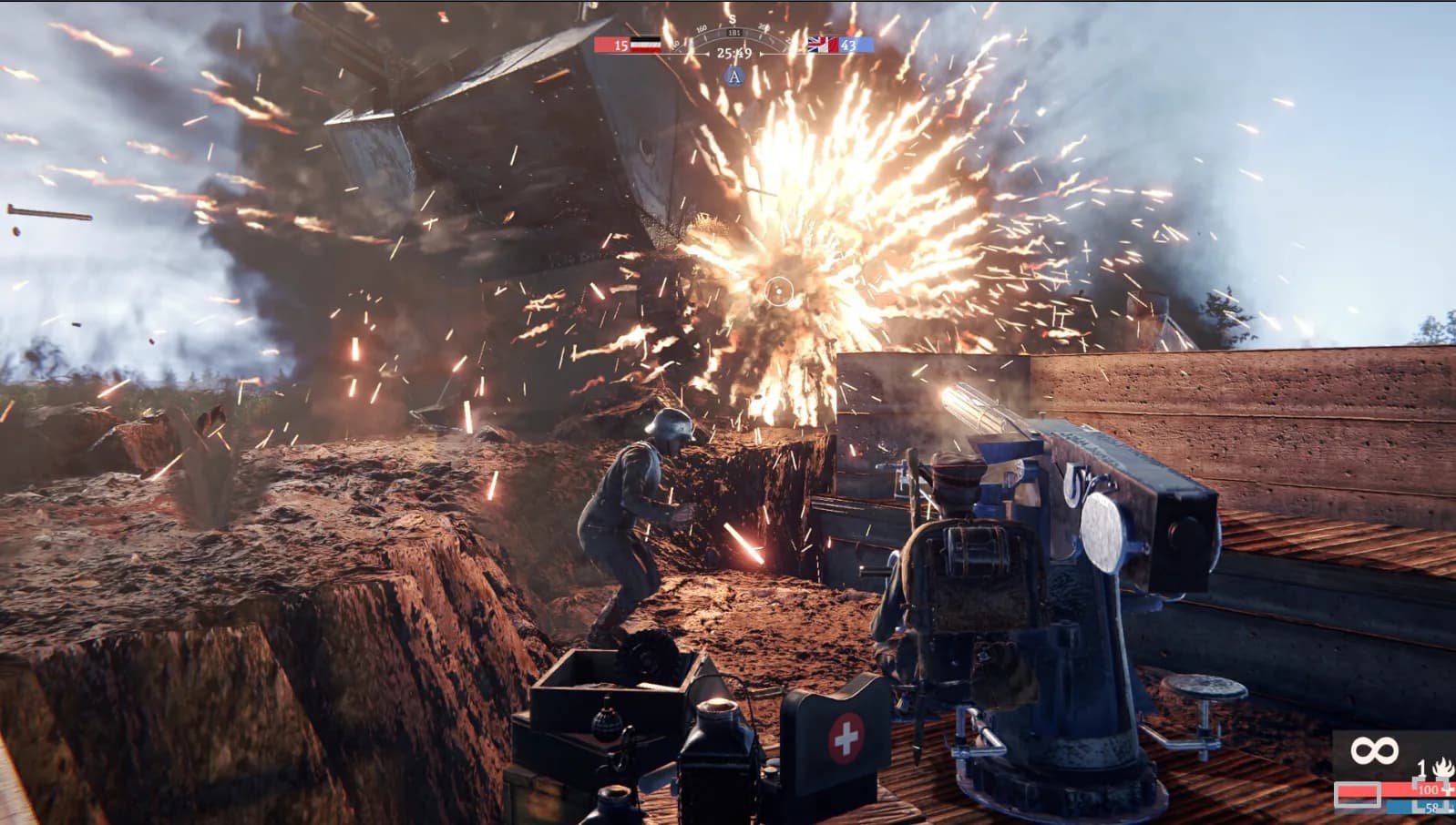
A tiny team, 200 simultaneous players, and a WWI immersion that brings back memories of Battlefield 1. Over the Top had no right to be this well made.
Alexandrosse
InsertCoins.press Score
8.5/10
Verdict
Recommended
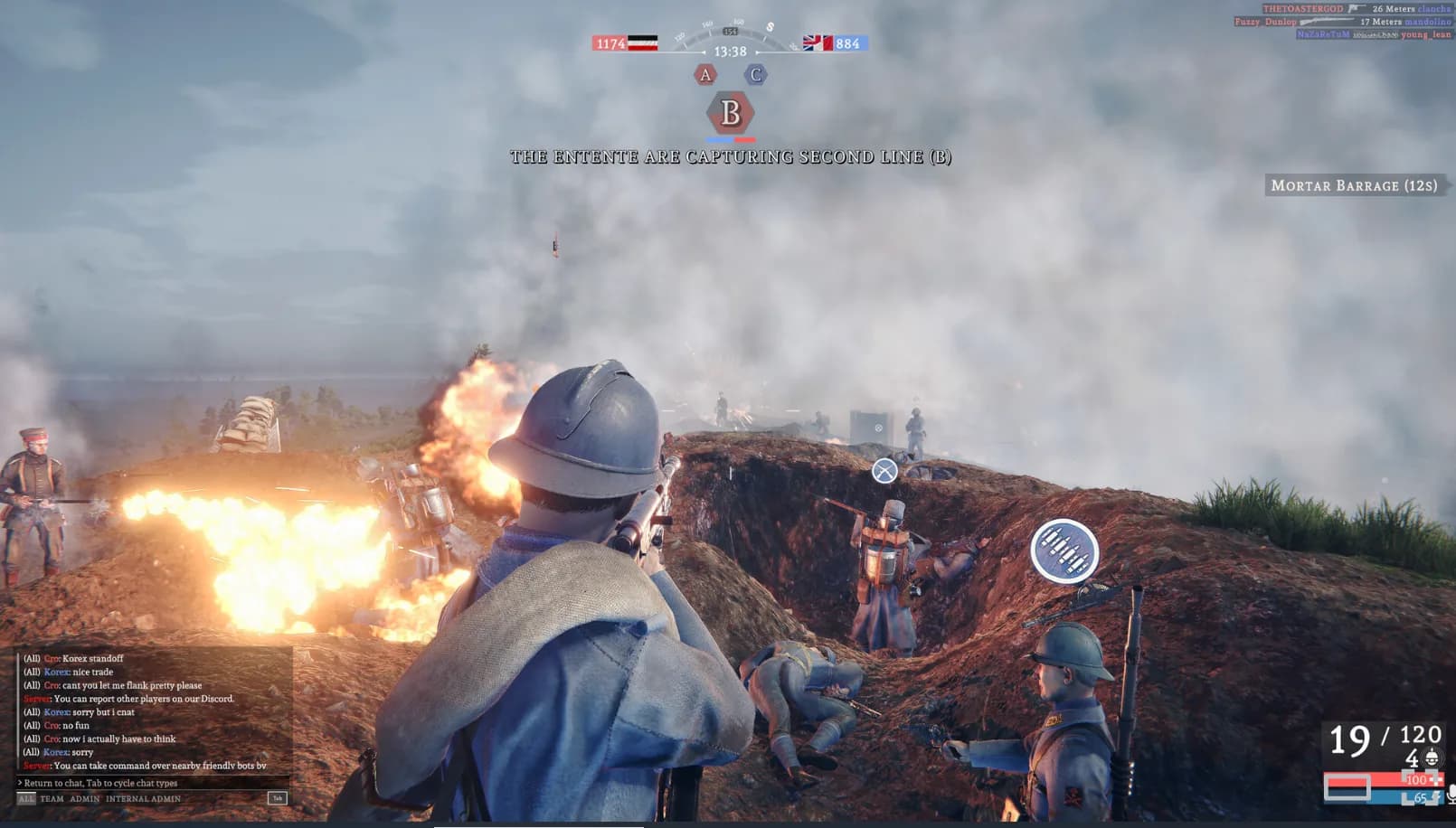
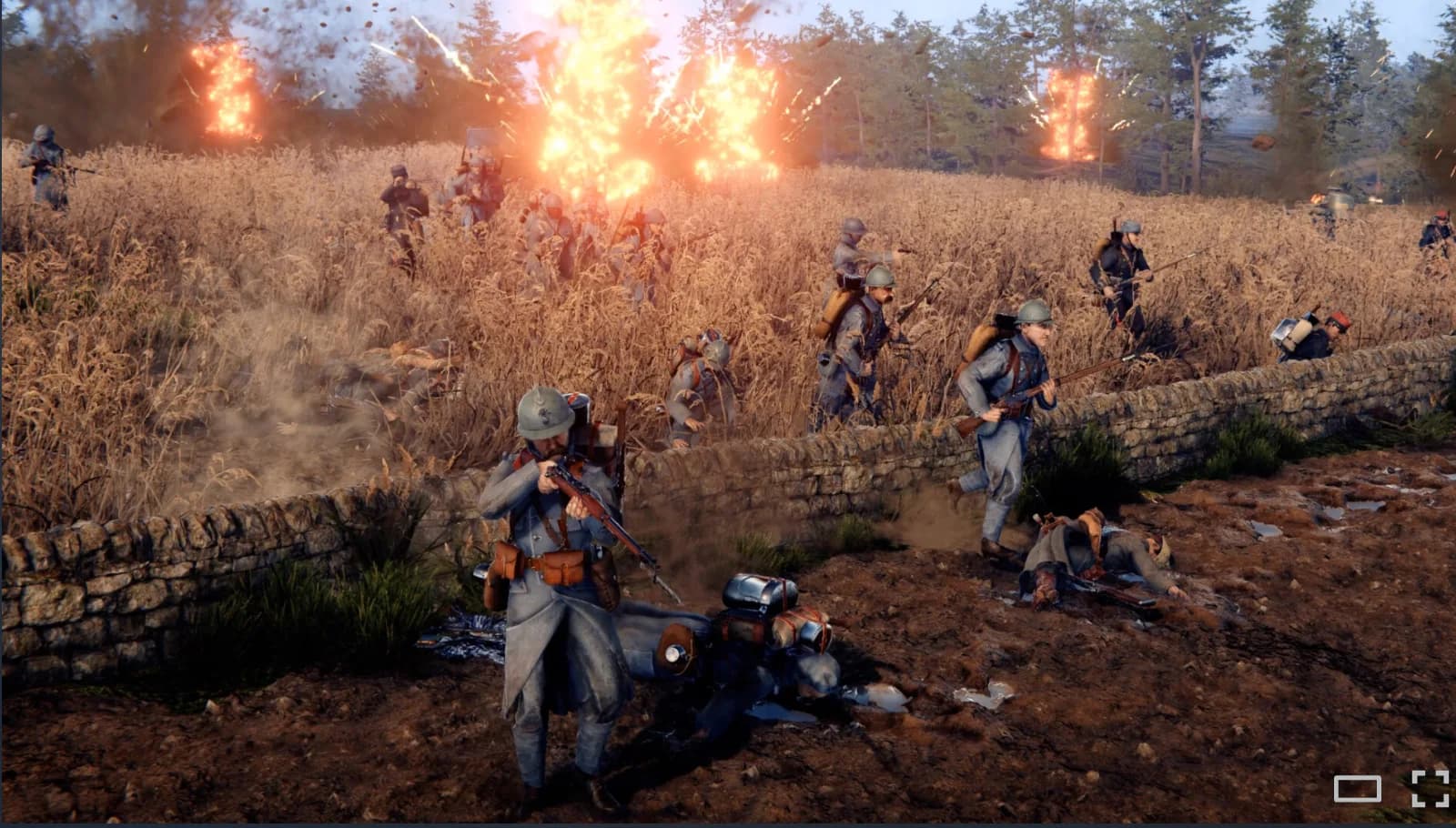
There's a moment, in the first few minutes of Over the Top: World War 1, where someone in the proximity channel lets out a yell while charging an enemy trench. Not a typed message. An actual vocal cry, instinctive, half tactical half theatrical. And around him, strangers respond, follow, start running in the same direction without coordinating.
That's when we knew we were going to spend a lot of time with this game.
Over the Top comes out of nowhere, developed by a tiny team, and does something studios with ten times the resources don't always manage: it creates an atmosphere. Dense, immersive, loud, dirty. The First World War in all its glorious absurdity.
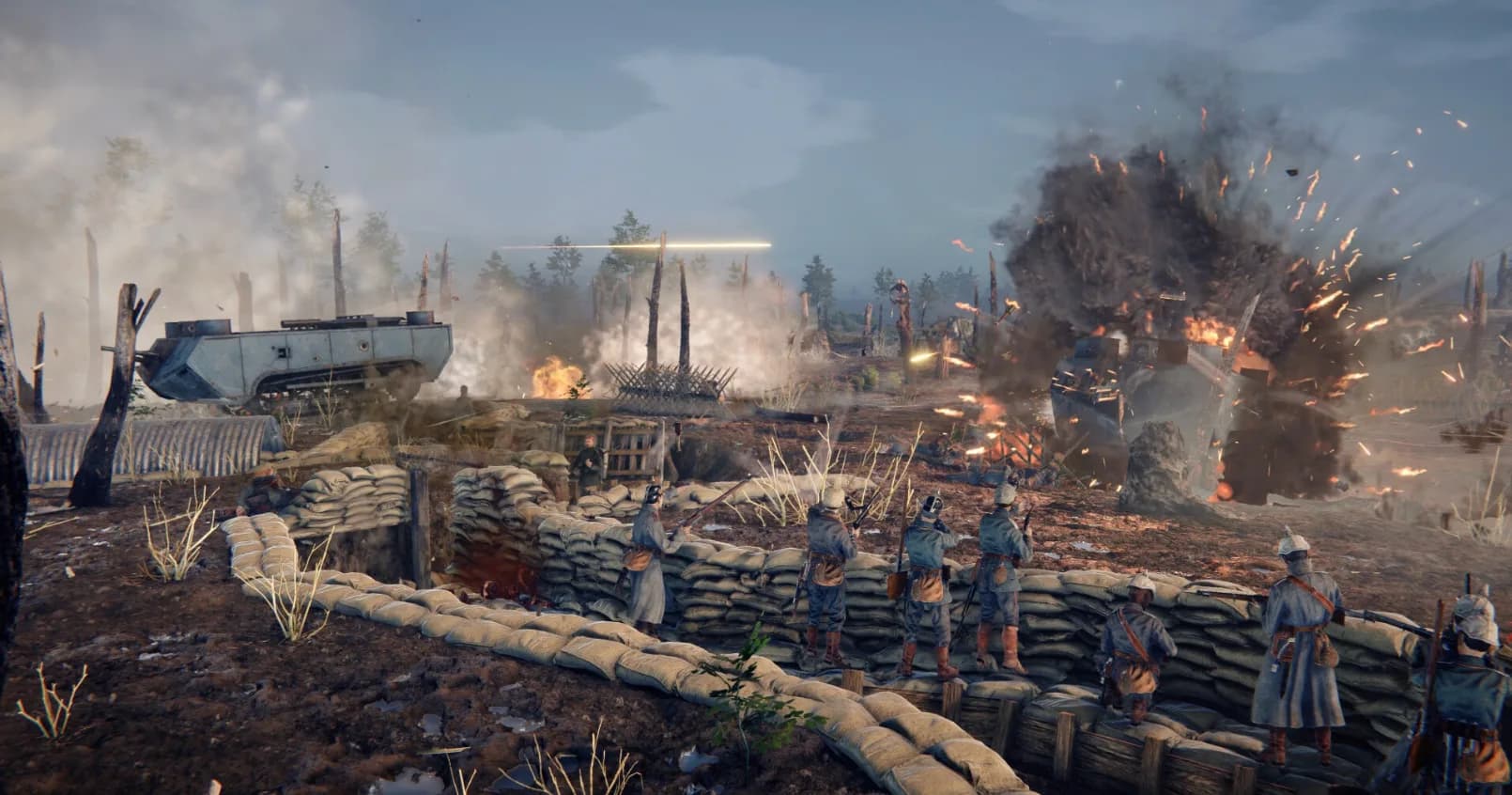
The comparison is unavoidable. Battlefield 1 did something rare in 2016: it gave the Great War back its weight, its scale, its tragedy. Muddy trenches, tanks emerging from smoke, soldiers screaming under shellfire. It left an impression that very few war games have matched since.
Over the Top isn't trying to do the same thing with the same budget. But it conjures the same sensation. That heaviness of close combat, the feeling that every metre of ground means something, the dull and constant violence of 1914-1918 battles. The weapons have kick, the detonations shake the screen, and the 200 simultaneous players fighting over the same lines create a game density you don't find often.
It's not Battlefield 1. But it wakes up the same parts.
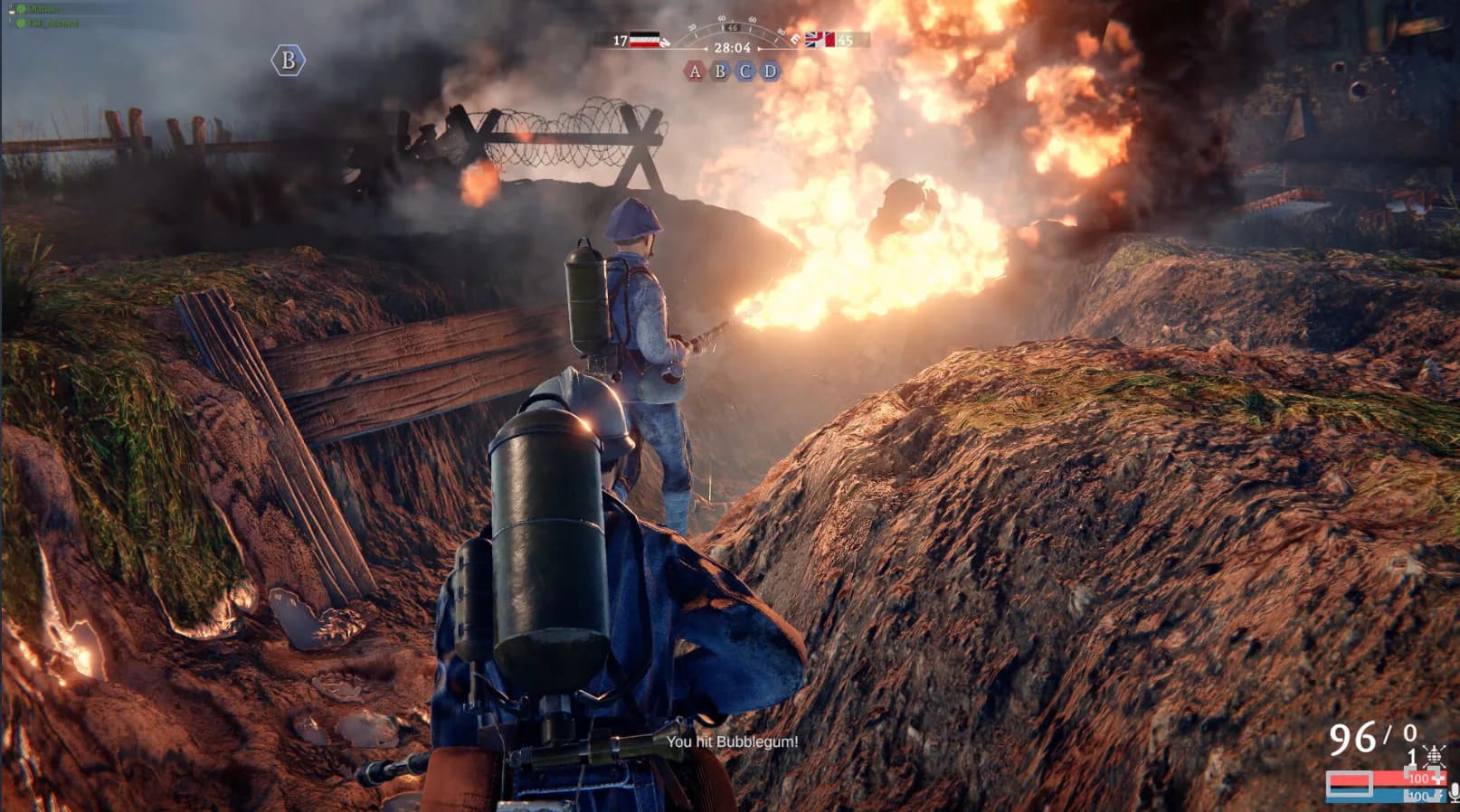
The technical side first, because that's what surprises you most coming from such a small team: Over the Top runs cleanly. No lag. On 200 simultaneous players, the servers hold, the netcode is honest, the hitboxes are reliable. It's a foundation that sounds obvious but is often the first point of failure in independent MMO-shooters. Here, it's solid.
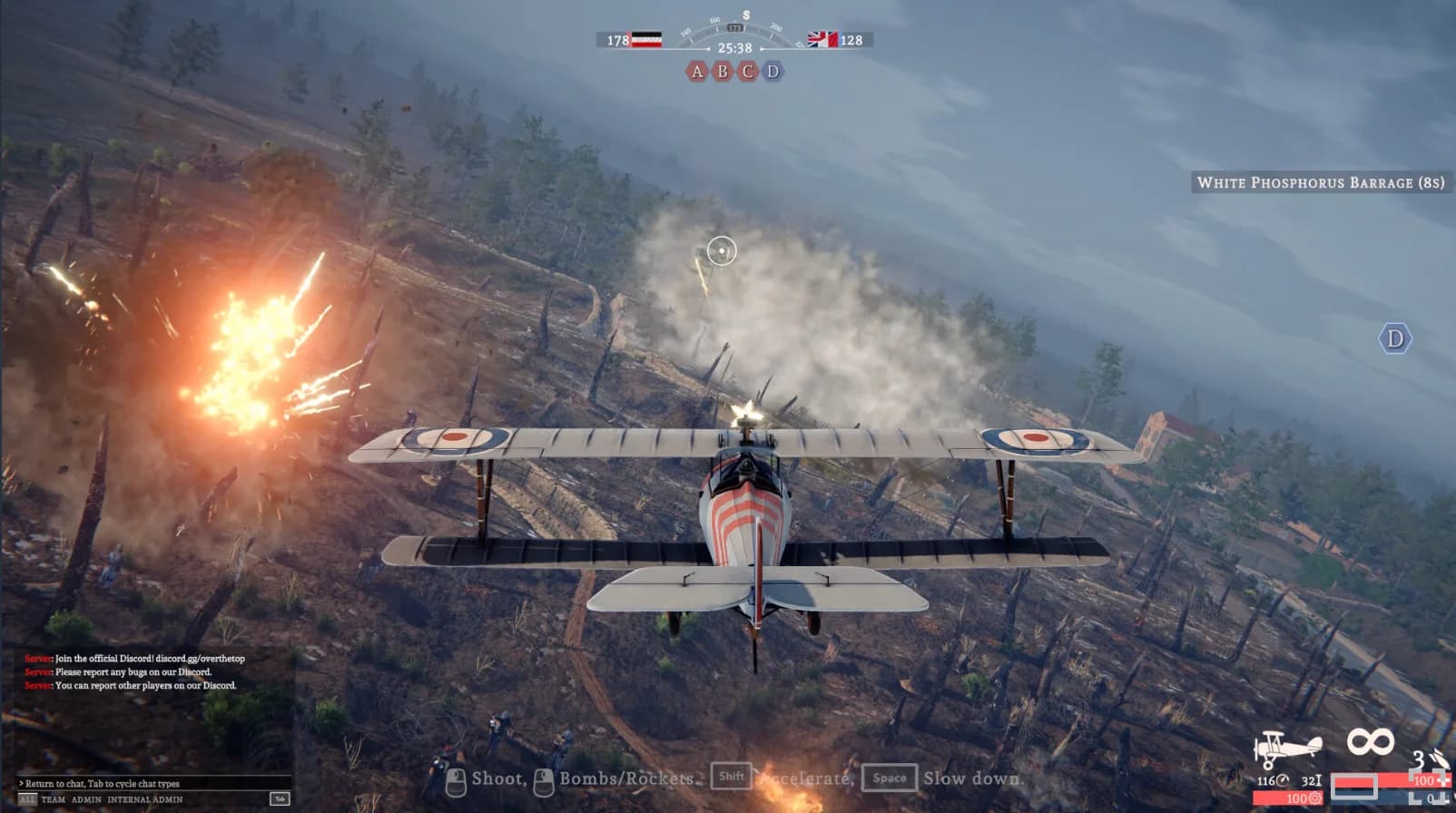
The vehicles next. Heavy and slow tanks, supply trucks, towable artillery: the mechanical arsenal of the Great War is there, faithful to the period, with its constraints and its brutality. A tank pushing into an enemy trench changes the course of an assault. Watching it get surrounded and destroyed with grenades by a handful of infantry creates stories.
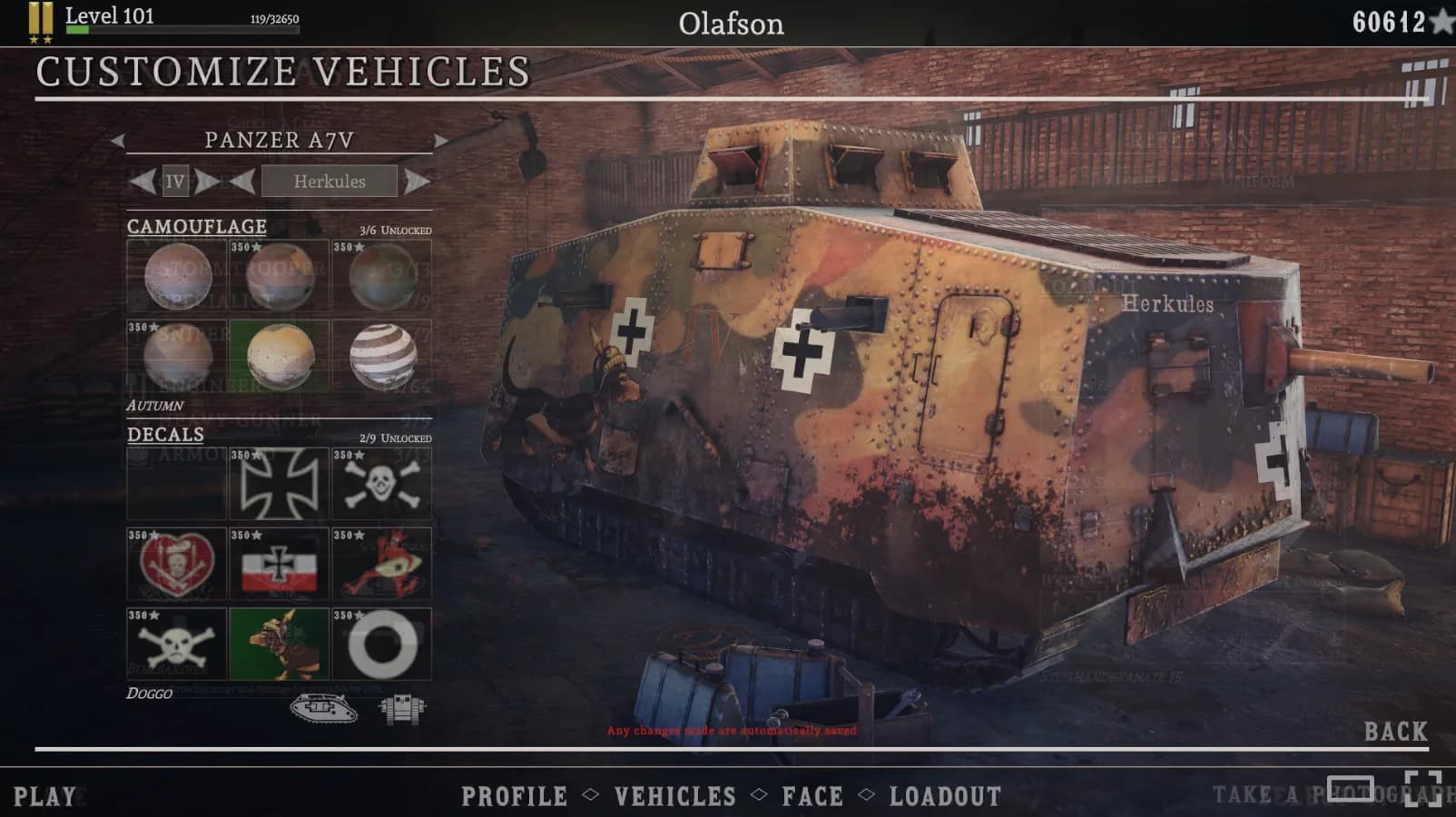
The uniforms deserve a specific mention. Each faction is immediately recognisable, the outfits are detailed and historically credible. That's not a minor detail in a tactical role-playing game: the uniform is your identity on the battlefield. And when the uniforms are well made, the roleplay that builds around them is too.
What really makes the difference in Over the Top is the proximity channel. Other players' voices, filtered by distance, rising and falling as they approach or move away. Orders shouted in haste. Insults. Laughter. Absurd encouragements in the middle of an assault going up in smoke.
We heard players staying in character, speaking as their characters, organising bayonet charges by shouting fictional orders. That kind of spontaneous roleplay can't be decreed. It emerges when the environment genuinely invites it. Over the Top genuinely invites it.
It's the most honest indicator that a multiplayer game works: when players start inventing stories inside it.
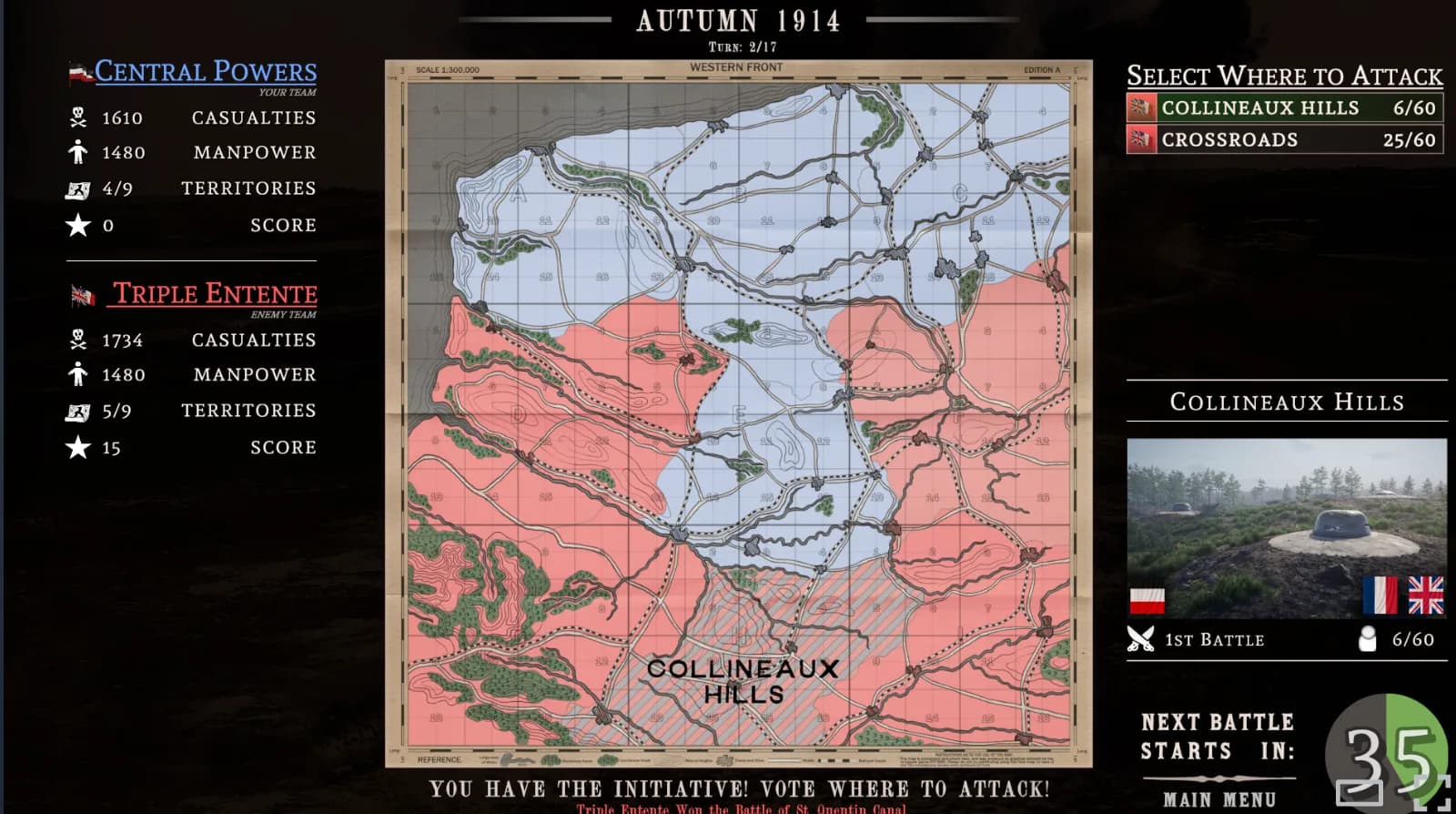
Over the Top isn't a finished game. The team is small, content is still limited in places, and some maps lack variety in their tactical structure. You can occasionally tell that certain map zones were designed faster than others, with combat corridors that end up repeating themselves.
Faction balancing is still being worked out. Some configurations clearly favour a defensive line over an assault, which can create frustrating stalemates in longer sessions. These are fixable problems, and a team that managed to ship something this technically clean will probably know how to address them over time.
What we hope above all is that the community holds. Because Over the Top is one of those games whose quality depends directly on its players. Without the human mass to fuel the battles, without the voices in the proximity channel, without the strangers yelling while charging, it's a good historical FPS. With all of that, it's something else entirely.
Over the Top: World War 1 had objectively no right to be this good. A tiny team, a difficult genre, a demanding subject. And yet the game is here: clean, immersive, inhabited by a community that genuinely invests in it.
It wakes something up that Battlefield 1 planted ten years ago: that fascination with the Great War as a play space, not despite its horror but through it. The slow heavy weapons, the impregnable trenches, the tanks that shake the ground, the uniforms that give each faction a recognisable silhouette. All of it together creates an experience that exceeds the sum of its parts.
We're going to spend time here. A lot of time. And somewhere, we hope the developers remember that what they've built is worth pushing even further.
Strengths:
Weaknesses:
Tested on PC.
Your verdict differs from ours? The Discord is the place to make your case.
Community
Your rating
Advertisement
Loading comments...
You might also like
You struck a deal with a dragon. All that is left is serving both sides without either finding out. The 1.0 lands on 23 October.
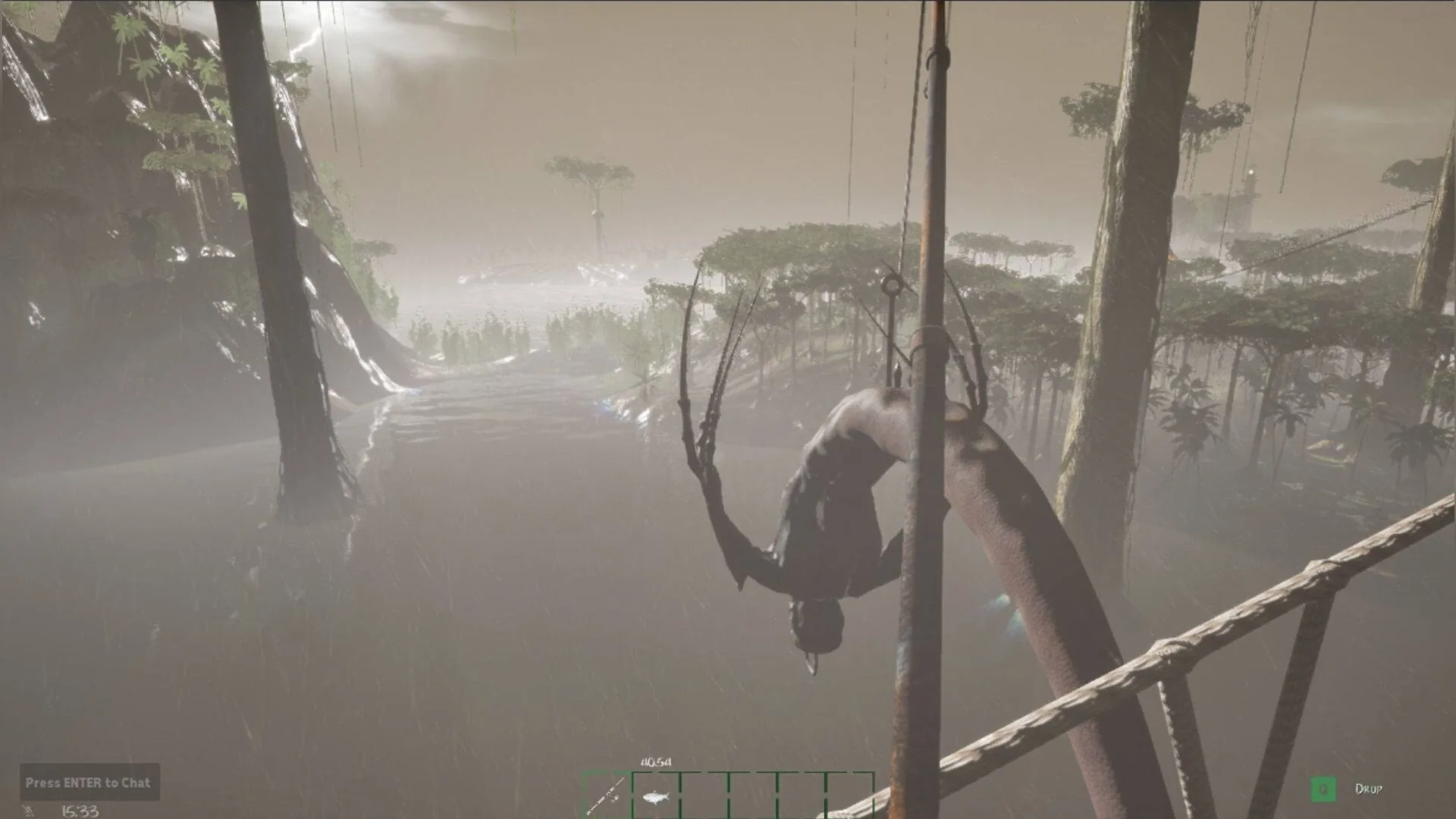
A co-op horror fishing game at nine euros. You must sacrifice fish every day, and the beast is not the worst thing out there.
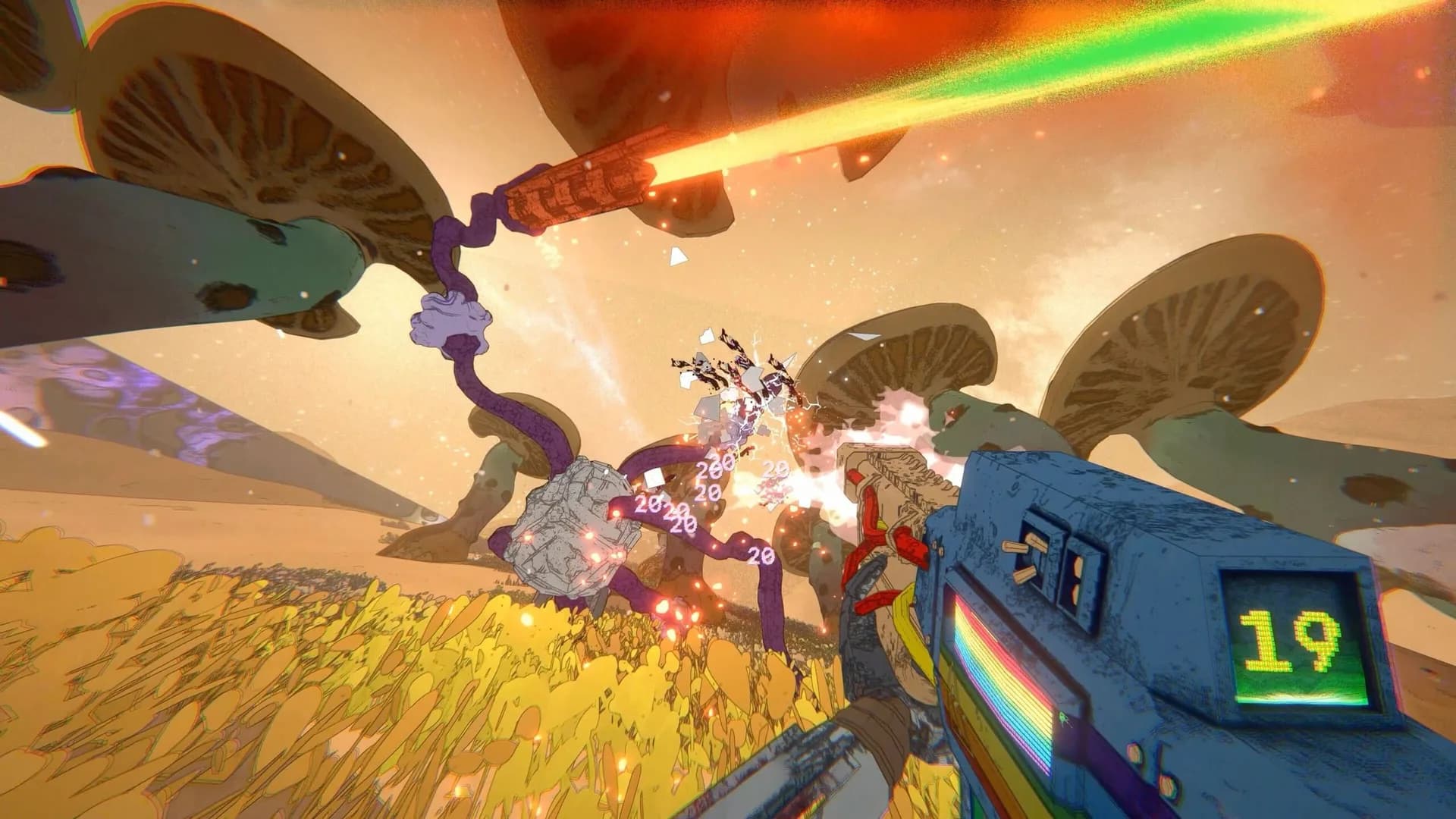
Scrapheap robots sent to exterminate a planetary fungus. The 1.0 lands tomorrow, and the upgrade grid is the genre's best idea.