7
Test
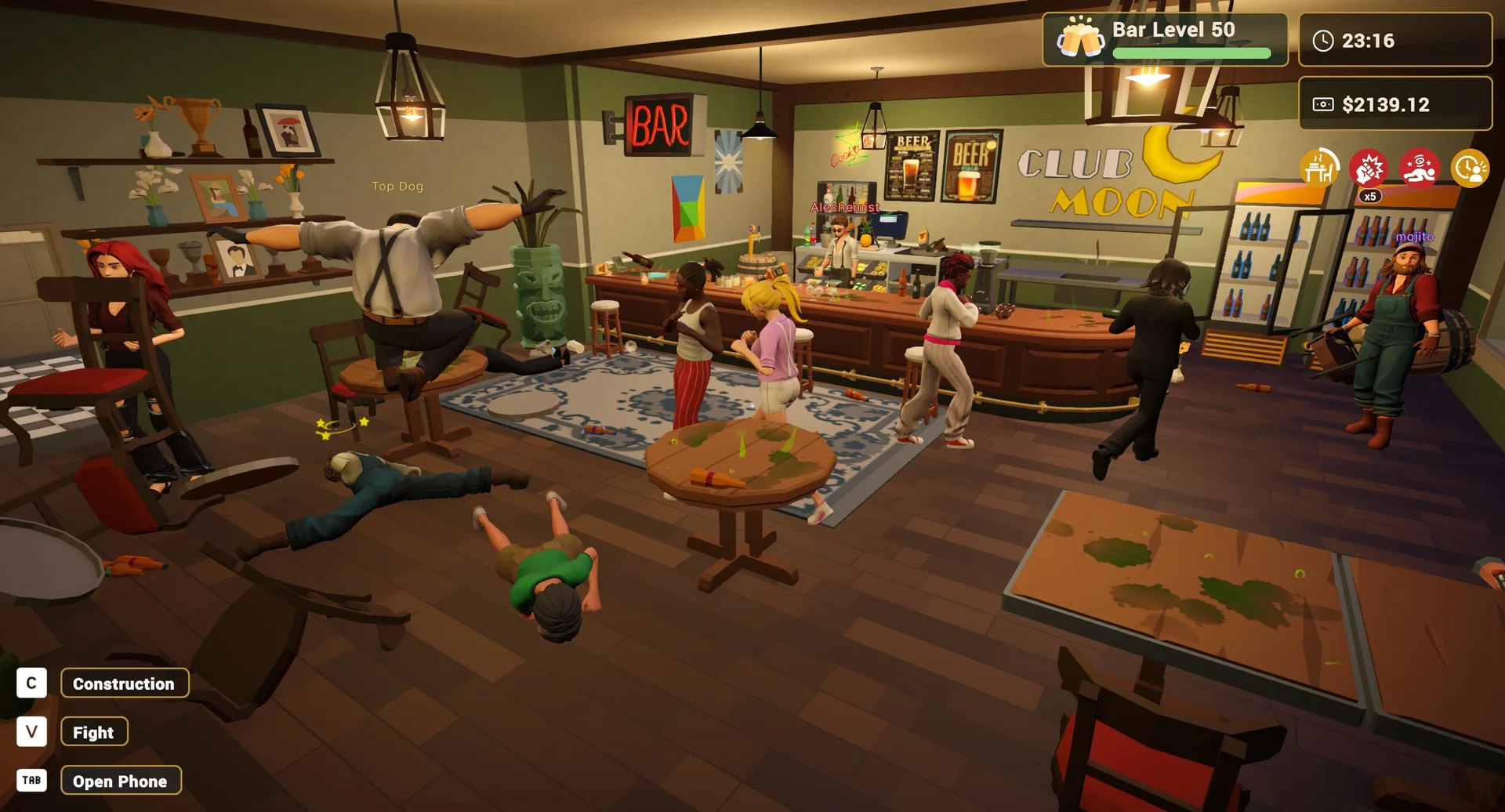
Barfender: my idiotic friend drank all the beers
A co-op bar that collapses while you serve. 98 per cent positive, and one of the rare times chaos is the actual subject.
Alexandrosse
7 min
There's a promise behind Pokopia: a relaxing experience set in the Pokémon universe. On paper, it's a dream. In practice, it's a grind game that lost its identity.
Alexandrosse
InsertCoins.press Score
6/10
Verdict
Mixed
There's a promise behind Pokopia. A simple, almost obvious promise, and a seductive enough one to draw in players well beyond the usual Pokémon circle: offer a relaxing experience, in the lineage of an Animal Crossing, but set in the universe that defined entire generations of players.
On paper, it's a dream.
In practice, it's something else. And let's be direct about it: Pokopia is not the cozy game it claims to be. It's something different, not necessarily without qualities, but profoundly unlike what its marketing suggested. And that gap is precisely where everything unravels.
At least we're not playing the dreadful Pokémon Z-A.
Pokopia abandons the classic franchise formula with an audacity you have to respect. No battles, no league, no traditional progression. Instead: construction, resource gathering, development of an environment the player shapes themselves. Pokémon arrive or leave based on your choices, what you build, the ecosystem you create.
The idea is solid. Genuinely. There was something potentially beautiful in it, a way to reinvent the relationship with these creatures without combat, to put attachment back at the centre rather than performance.
But this idea quickly conceals a very different reality. Because from the first few hours, something shifts in the air. The promised relaxation frays at the edges. What was supposed to feel like a stroll starts to feel like work.
Very quickly, the game reveals its true structure. Harvest, produce, optimise, repeat. Over and over, with an almost industrial regularity. What was supposed to be a relaxed experience becomes a sustained production loop, driven by objectives that chain endlessly without ever really leaving room to breathe.
The verdict is unambiguous: Pokopia plays like a farming MMO. Constant accumulation, repetition-based progression, a sense of obligation rather than discovery. You don't explore. You work. You're not wandering through a living world, you're managing a logistics chain with cute sprites.
That's not what was advertised.
Let's be clear about this, because it matters: grind is not a problem in itself. Some games make it a genuine strength, a mechanic that creates satisfaction, a sense of progression that justifies every hour invested. Monster Hunter, Diablo, Path of Exile: games built around the grind that rank among the most beloved of their generation.
But in those games, the grind is the pitch. Nobody sells you a zen moment and hands you a factory to run.
Here, there's an obvious gap between what the game sells itself as and what it actually is. And that's where the frustration is born. Not because the game is bad at what it does, but because the player isn't prepared for what they find. They came looking for a break and stumbled into an optimisation system. They wanted to rest, and the game asked them to manage.
This disconnect between the stated intention and the real experience is probably the most damaging flaw of the title.
The other painful point is the role Pokémon play in all of this. Yes, they're present. Yes, they participate in the ecosystem you build. But very quickly, they become resources. Bonuses. Efficiency levers to position strategically to maximise production.
They lose their emotional role. That particular bond the franchise has always maintained with its creatures, that way of making you grow attached to a Pikachu or an Eevee as if they were companions, disappears into the mechanics. Only the function remains. And in a game bearing the Pokémon name, that's a considerable loss.
A Snorlax optimising your berry production is sad. It's also symptomatic of what Pokopia does to its own universe.
You can't avoid comparing Pokopia to Animal Crossing: New Horizons, because that's precisely the comparison the game itself invites through its communication and positioning.
And that comparison is brutal.
Animal Crossing values the time that passes, lets you breathe, builds gradual attachment, rewards patience and presence rather than optimisation. There's a philosophy behind it, a way of respecting the player by saying that what they're experiencing right now, even if it's small, even if it's quiet, has value.
Pokopia pushes you to produce, to optimise, to progress. Where Animal Crossing is a pause in the day, Pokopia is one more task to check off.
Today, Nintendo remains comfortably above the competition on this terrain. And it's not a question of budget or technology. It's a question of design philosophy.
The paradox of Pokopia is that it works despite everything. You come back to it, you chain actions, you want to progress, to see what unlocks next. The loop is mechanically effective, and it would be dishonest to deny that it hooks you.
But this hook rests on repetition, artificial progression, constant and calculated reward. Not on pure enjoyment. Not on that sense of wellbeing a real cozy game installs. You play because the game asks you to, not because you want to.
And there's an enormous difference between the two.
Strengths:
Weaknesses:
Pokopia is not a bad game. It's a mispositioned game that never decided what it wanted to be, and pays the price for it.
The problem with Pokopia isn't what it is. It's what it claims to be. It's not a Pokémon version of Animal Crossing. It's not a cozy experience. It's a grind game, an optimisation game, a production game. And for some players, that will be enough, perhaps even exactly what they were looking for.
But for the others, those who came looking for a break, a quiet moment, a genuine bond with their Pokémon, the disappointment is real. And earned.
Pokopia should have chosen: relax players or make them grind. It tried both, and failed at the first.
Tested on Nintendo Switch, full version provided by the publisher
Disagree with the score? Come and tell us on the InsertCoins Discord, where we defend our verdicts live.
Community
Your rating
Advertisement
Loading comments...
You might also like
A co-op bar that collapses while you serve. 98 per cent positive, and one of the rare times chaos is the actual subject.
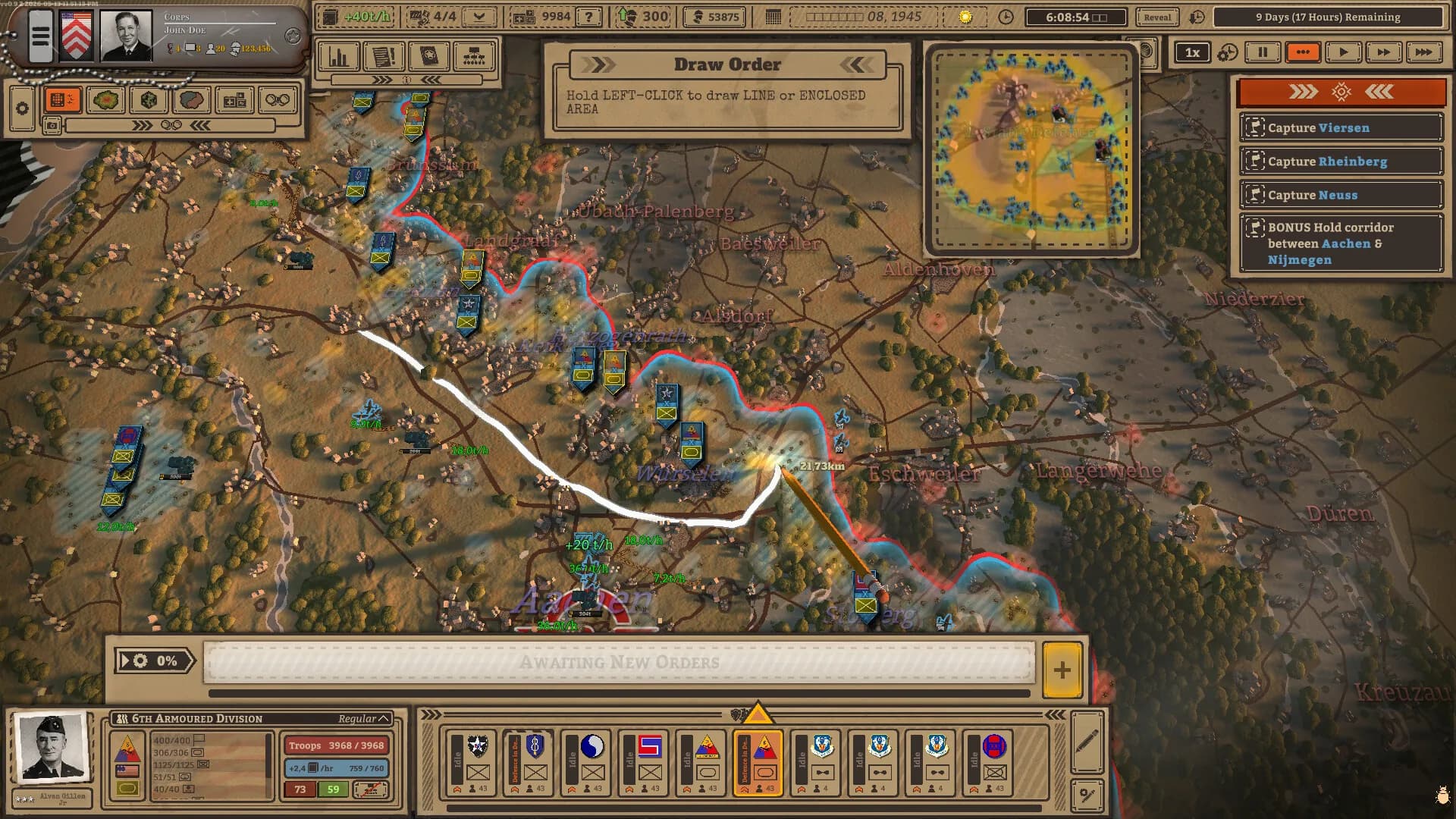
You draw a plan on the map and officers execute it alone. Except the game crashes every other planning phase.
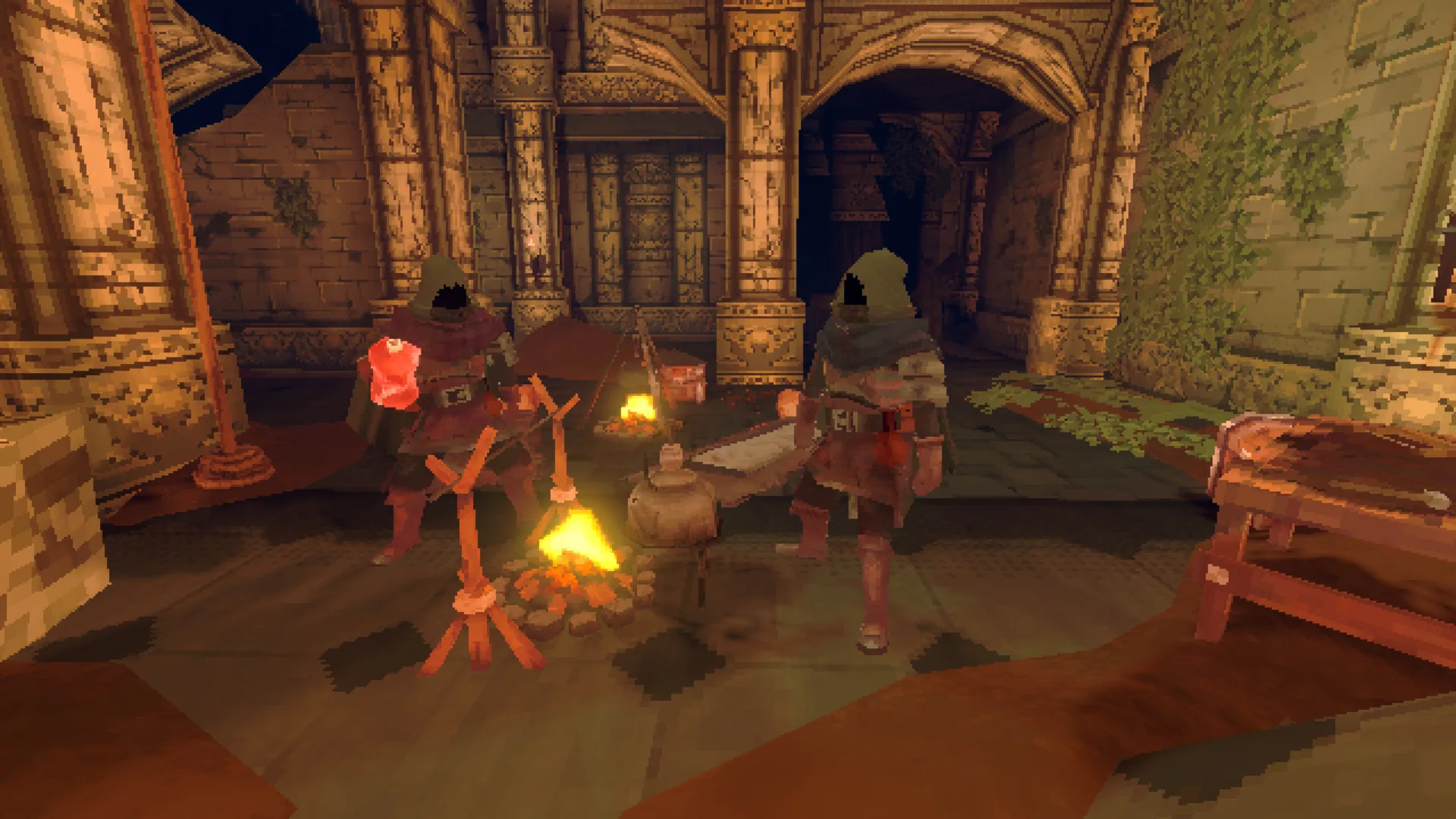
The Knights of Pen & Paper team return with a dungeon where you come back to camp, cook, and unlock recipes that change your stats.