A series is allowed to change. It more rarely has the nerve to discard the two things that made it recognisable at a glance.
A Plague Tale was two images. The tide of rats, a technical feat turned into a marketing line, and the child who cannot fight and has to protect someone smaller. Resonance removes both.
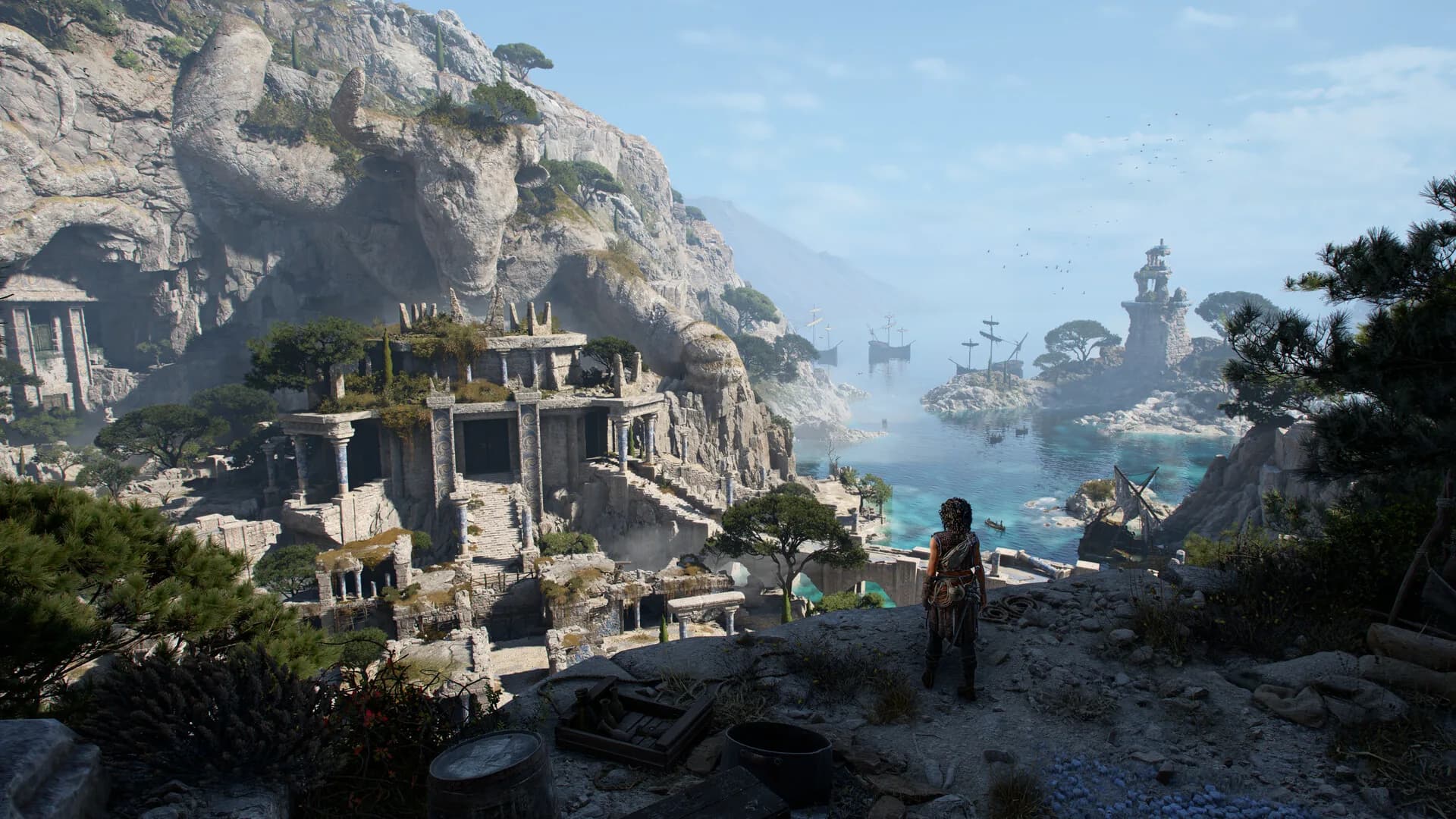
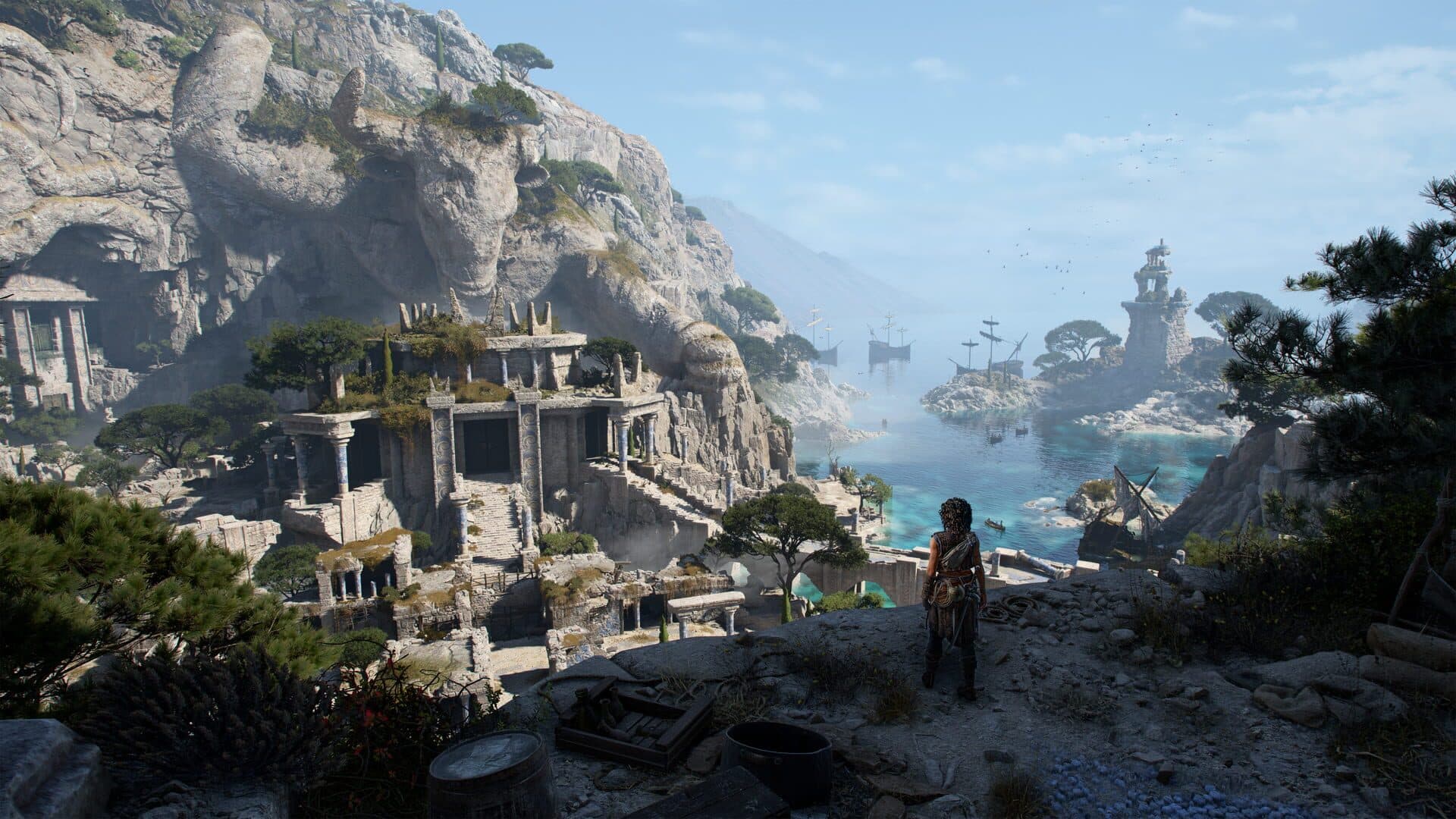
The story takes place fifteen years before Requiem, and you play Sophia, the plunderer players of the second game already know. On the run, determined to understand her own past.
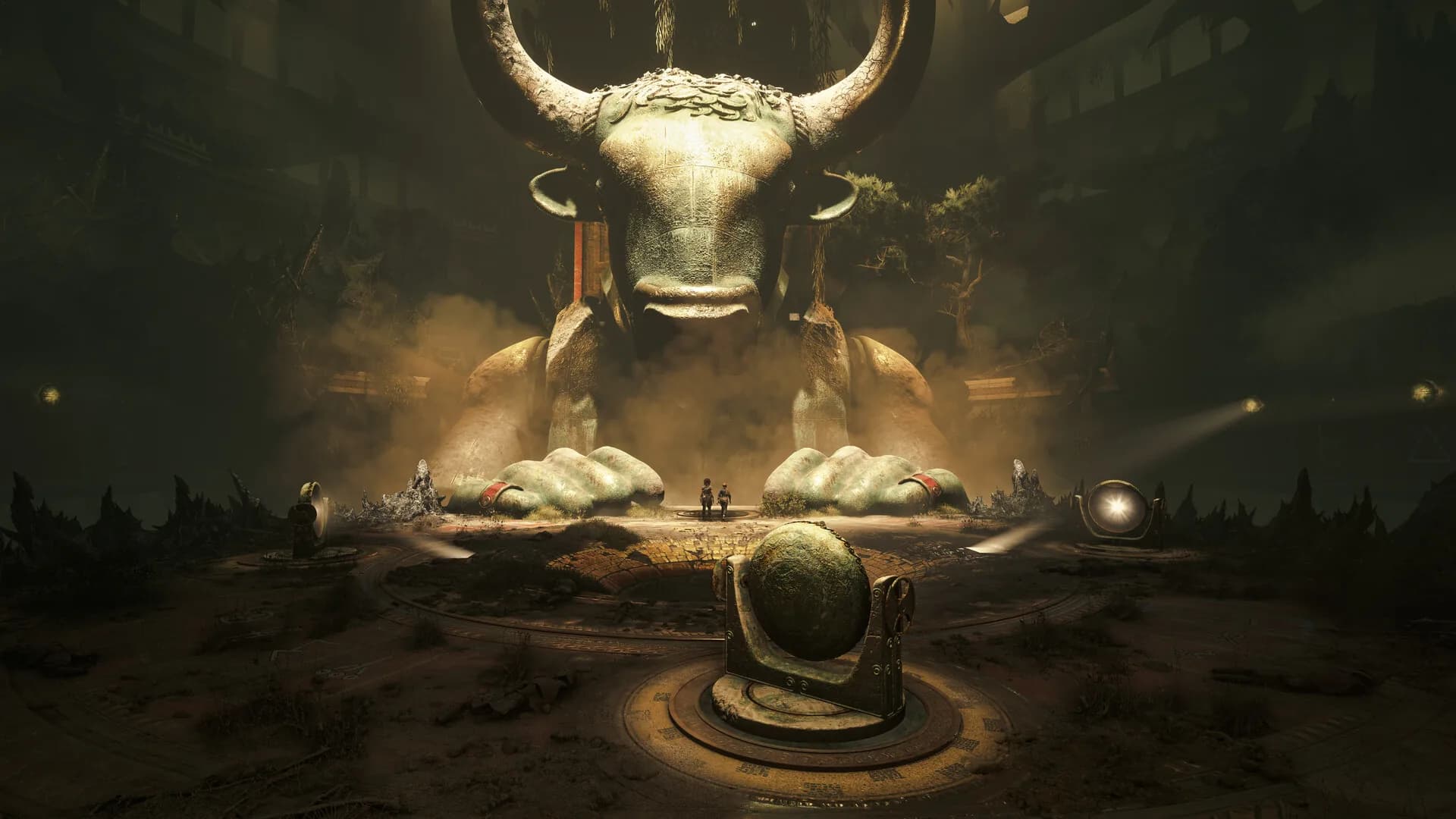
Her road leads to Minotaur Island, where an army pursues her and others converge to seize a treasure. The narrative shuttles between Sophia's Middle Ages and Minoan times, two heroes separated by centuries and joined by fate and the legacy of the Macula.
That is the only thread genuinely tying this game to its predecessors: the blood affliction that gave Hugo his power over rats becomes the key to a Greek myth. The connection sounds far-fetched on paper and holds up in play, which is already an achievement.
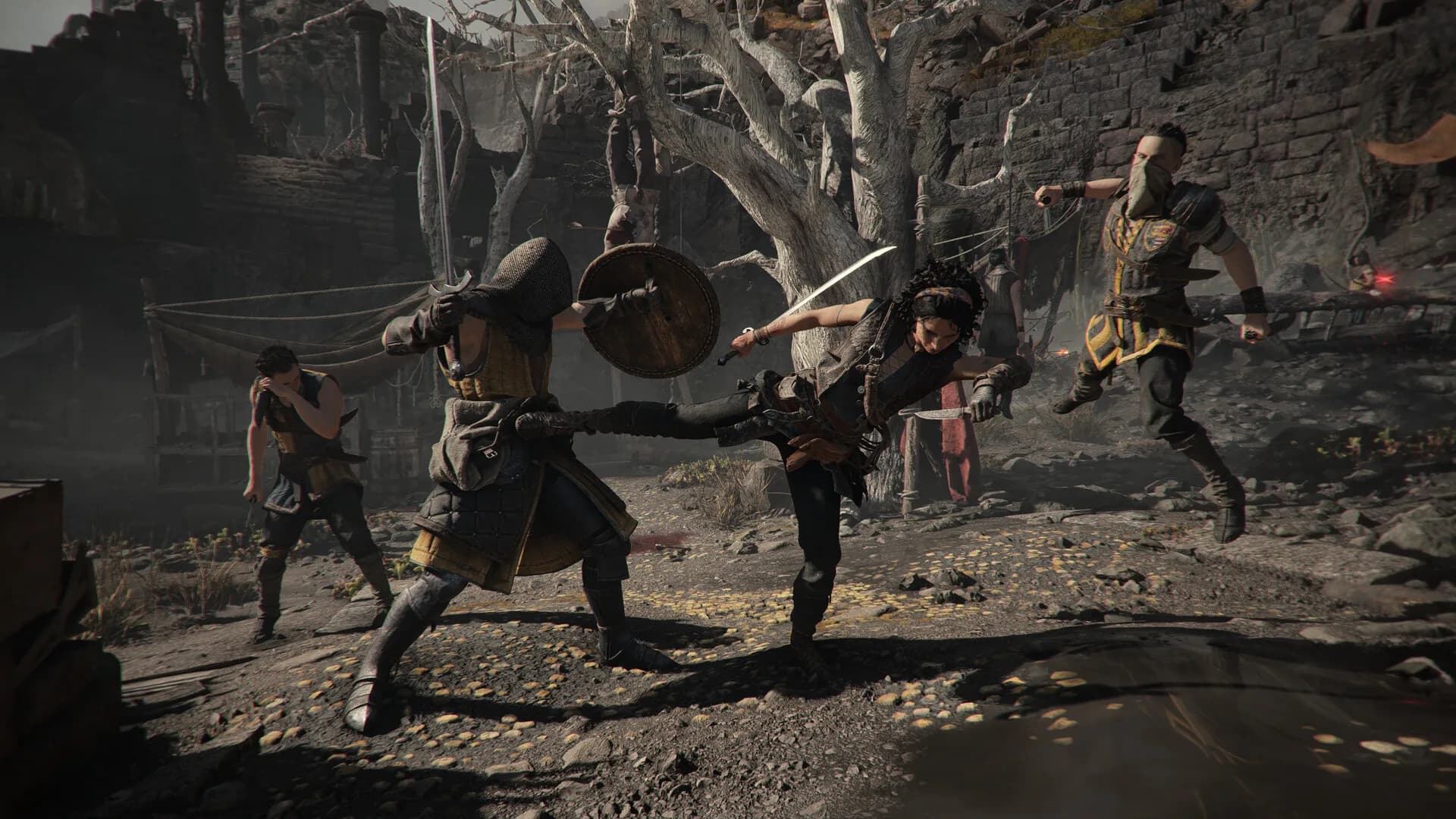
That is the most violent change. Sophia is not a child hiding, she is a fighter who speaks with her fists and a blade.
The system rests on parry and dodge, with colour signalling: some attacks can be parried, others demand that you move. Nothing revolutionary, but the read is clean and the controller response is immediate.
What makes it interesting is the skill tree, which does not settle for adding percentages. You unlock a grappling hook that drags an enemy towards you, wide-area strikes, deflection effects. The upgrades genuinely change what Sophia can do, which is not that common.
The flip side is known and several colleagues have flagged it: this is not a combat game written by combat specialists. Blows carry a slight float, attack direction wants a controller, and there is no ranged option. Asobo makes an adventure game containing fights, not the reverse.
Even so, the wager works better than I feared. The series had exhausted its grammar of flight: after two games spent running ahead of a wave of rodents, finally letting the character turn round and hit something is a relief.
Second reversal, and this one is elegant.
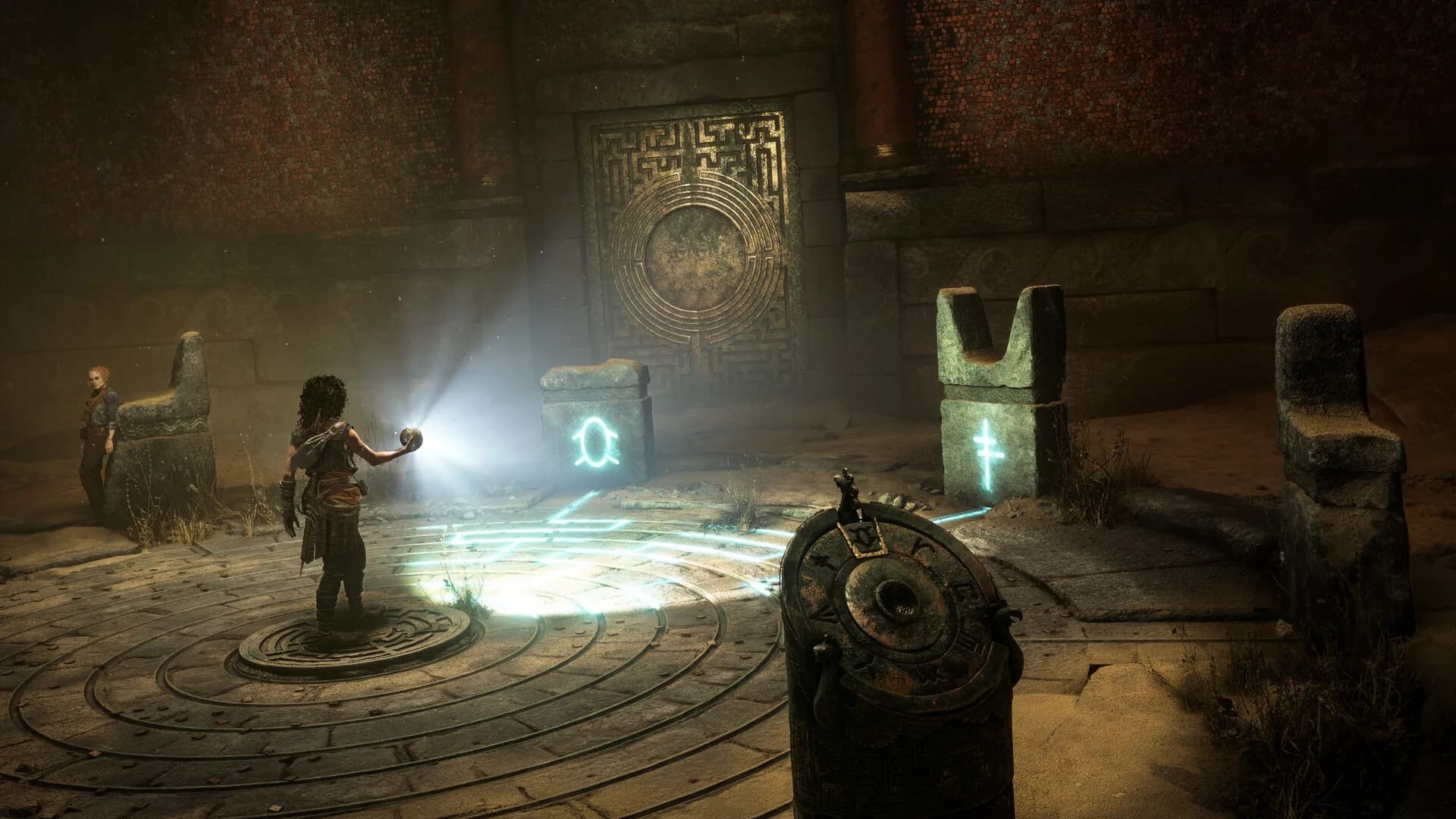
In the previous games, light was survival: you held up a torch, you lit a brazier, and the rats fell back. It was a defensive mechanic.
Here light becomes an instrument. Sophia gets hold of a Minoan sphere that manipulates beams, and most puzzles consist of aligning coloured rays to open a way through. The game attributes that force to Daedalus, woven into the island's very heart, which is a nice way of making the labyrinth's architect a level designer.
Add symbol puzzles and, above all, consulting Sophia's father's journal. That is the detail I prefer: progression depends on recovering what a man wrote down on this island before you. You are not only solving mechanisms, you are rereading a dead man's findings.
Should you expect vertigo? No. Most puzzles resolve without needing to stop and think, and you advance largely by pattern recognition. They punctuate the rhythm rather than obstruct it.
Something had to, and Asobo chose the opposite of quantity.
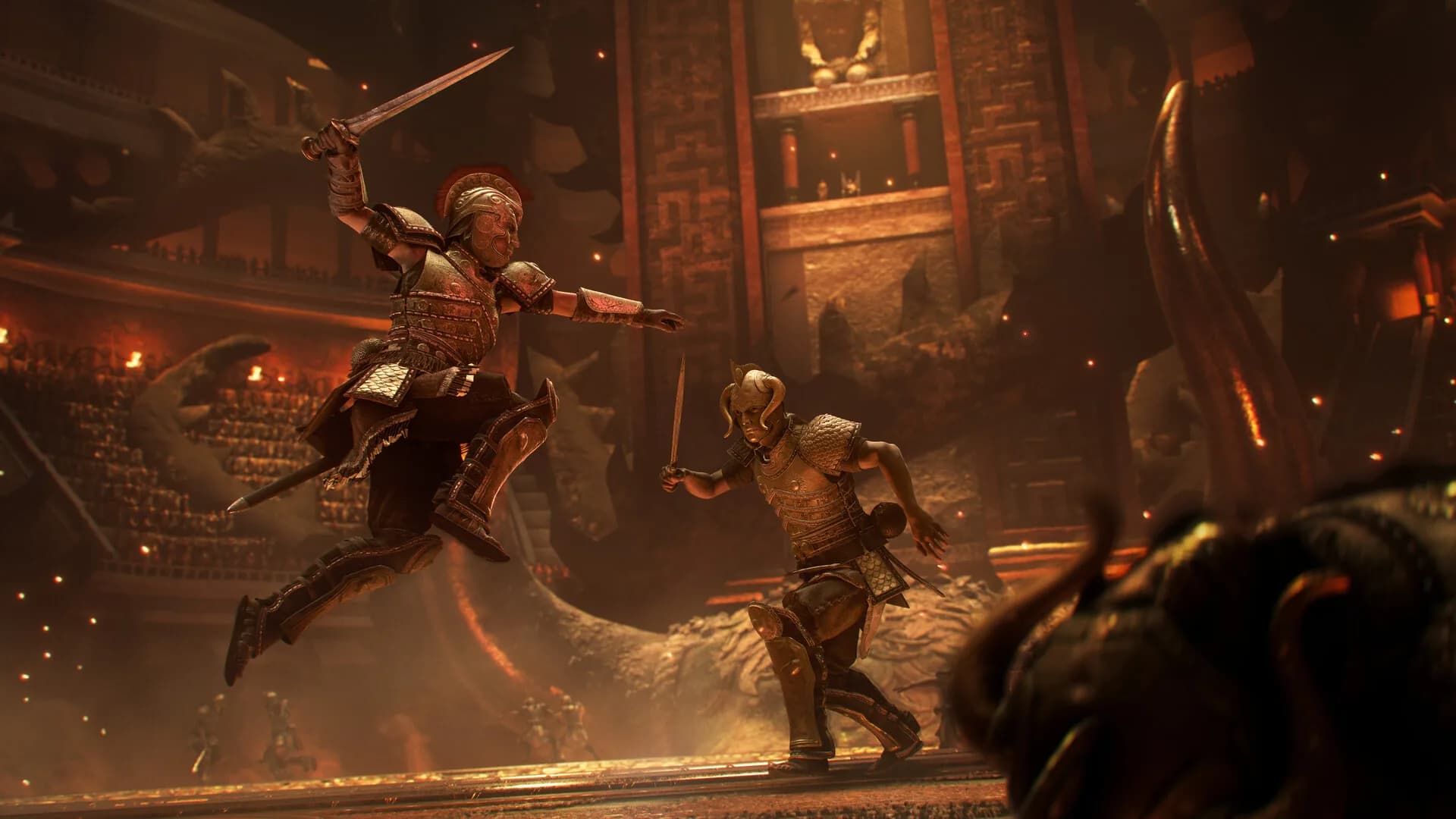
In place of the swarming tide, a single presence that prowls the depths, follows you, and seems to know your movements before you make them. You do not fight it, you hide, you outwit, you push on.
That is a smart writing choice, because it inverts exactly what the series used to do. The rat was terrifying through mass; here the terror comes from singularity, from a thing that appears to hold a personal grudge. The Minotaur myth has been built on that for three thousand years, and the game uses it well.
Two things, and they should be said plainly.
The music. Olivier Deriviere returns after the first two games, and he has written for Resonance a body of work mixing instrumental pieces and original songs for which he also wrote the lyrics, recorded with Cypriot and Greek musicians. The soundtrack came out ten days before the game and stands up on its own, which is not granted to every game score.
The performance. Sophia exists. The motion capture, the voice work and the attention to micro-expressions produce a character whose tiredness and irritation you read without being told. That is one of the few areas where Asobo has never faltered.
One writing reservation, though, and it grated at times: Sophia comments on what she is doing far too much. Lines along the lines of "I need to get out of here" or "come on, focus" arrive precisely when silence would hit harder. You can feel the fear that the player might get lost, and the price paid is a character thinking out loud for no reason.
Two serious reservations.
The opening drags. The first chapters take their time, and you genuinely have to hold on before the game finds its stride. That complaint is unanimous across the reviews published today, and I share it. A fifteen-hour adventure can afford a warm-up, not a warm-up that lasts.
And console performance is a real problem. On PlayStation 5 Pro, quality mode, pinned at 30 frames per second, suffers marked drops across the whole campaign. Performance mode reaches 60 but at the cost of a noticeably softer image, with interiors turning fuzzy. For a series whose argument has always been technical demonstration, that is an odd place to end up.
You need to arrive with the right expectation.
This is not the third A Plague Tale. It is a cinematic adventure game set in the same universe, with climbing, swordfights, light puzzles and a story worth following. If you come hoping for the vice grip of the first two, the absence of rats will nag at you for three hours before you grieve it properly.
If you accept the shift, there is a well-held adventure here, magnificently scored, carried by a character the series had left at the margins and who deserved her place.
The real risk is elsewhere, and it is calendrical. Releasing a fifty-euro, fifteen-hour adventure game the week before an avalanche of major launches is a way of guaranteeing you go unnoticed. That would be a shame, because under the Greek costume there is a studio that had the nerve to throw away its own recipes.
And the question this game genuinely poses: how many series would have dared delete the effect that made them famous?
Are you team rats or team Minotaur? Come and settle it on the InsertCoins Discord.