7
Test
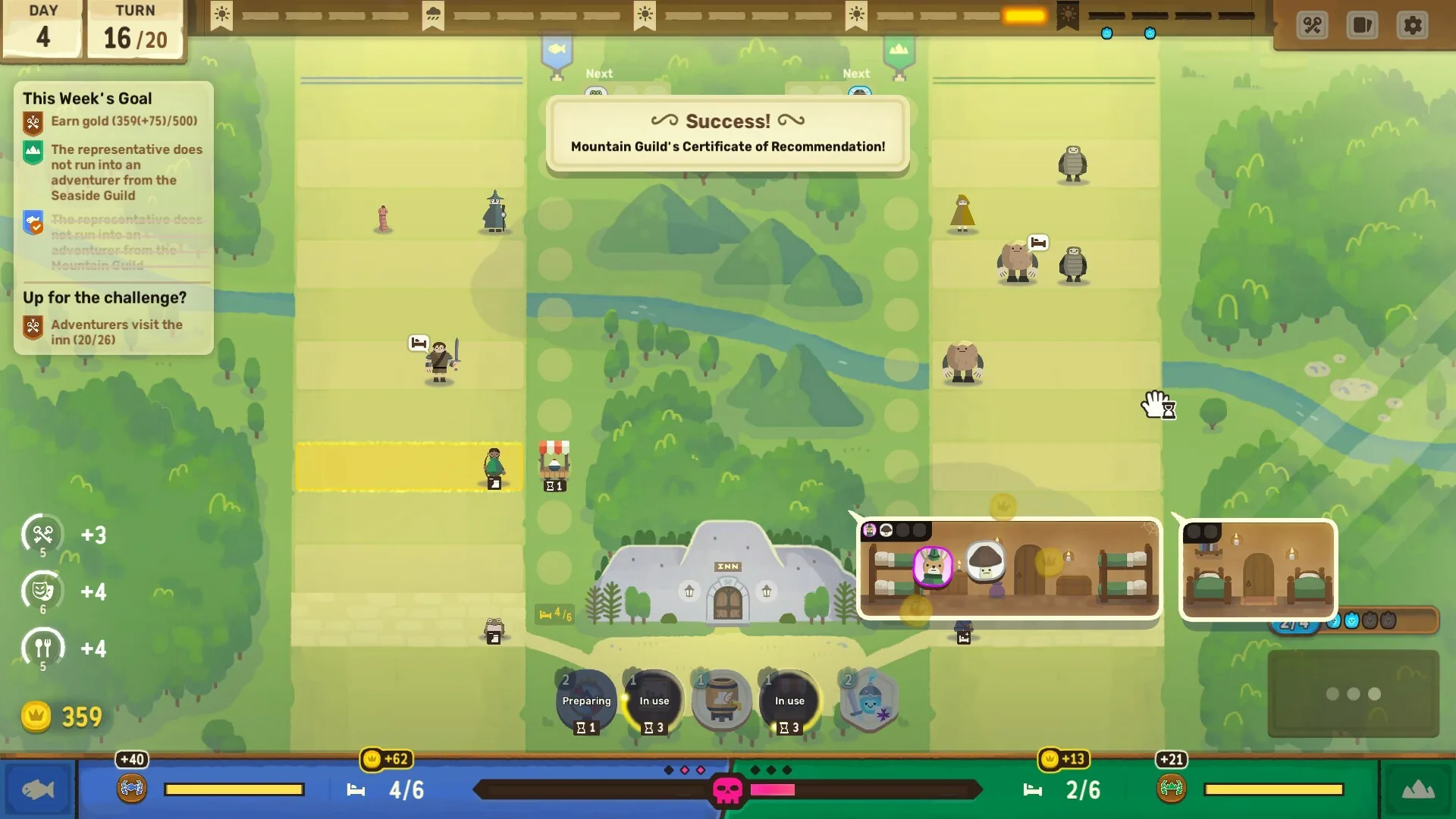
Dungeon Inn: running an inn while keeping two rival guilds from meeting
You struck a deal with a dragon. All that is left is serving both sides without either finding out. The 1.0 lands on 23 October.
Alexandrosse
7 min
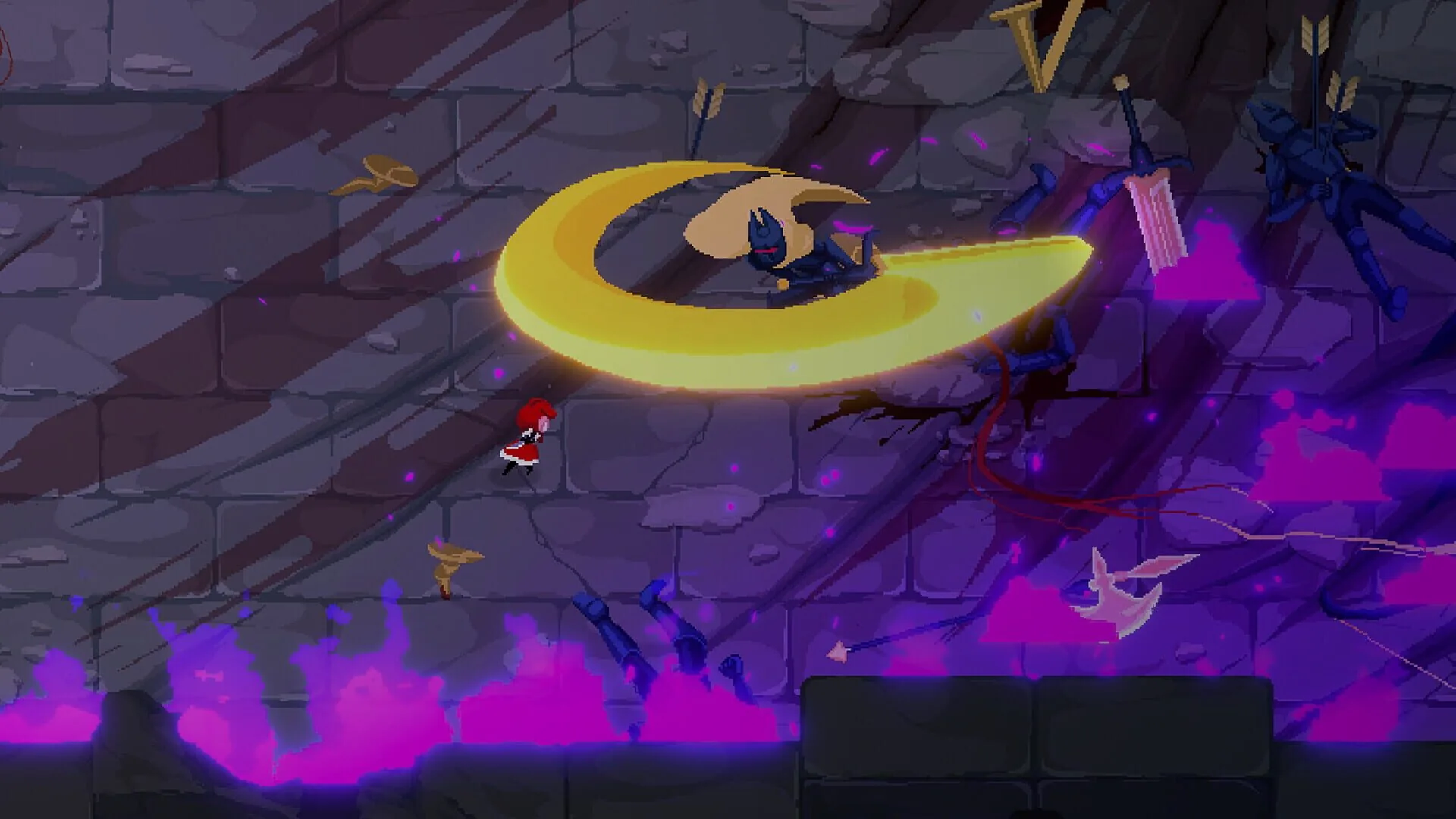
A princess on a revenge quest, a Focus mechanic that targets weaknesses, and razor-cut bosses. Rubinite has the makings of an indie gem.
Alexandrosse
InsertCoins.press Score
8/10
Verdict
Recommended
The boss rush is a demanding genre, with no fat or downtime: no levels to cross, no trash mobs to catch your breath, just you and a succession of walls to bring down. It's a format that doesn't forgive mediocrity, because it has only its fights to convince. Rubinite understood that well, and it arrives with a secret weapon: a Focus mechanic that turns every duel into an exercise in surgical precision. After a demo hailed at 96% positive reviews, it had a reputation to uphold. It upholds it.
Rubinite is a dark-fantasy boss rush action game developed by Cup Dog Games, available on PC since 23 July 2026. You follow Ruby, a princess who fled the Scarlet Kingdom and sets out on a revenge quest to reclaim her throne. The game revolves around a mechanic called Focus, which lets you pinpoint enemies' weaknesses and execute targeted thrust attacks. The demo had already thrilled its crowd, with 96% positive reviews across more than 1,300 responses, and the flattering comparisons flew: if the final game keeps expanding the tight, intricate balance of its systems, we may have a gem on the level of Hotline Miami, Dead Cells or Nine Sols. References, in other words.
The heart of Rubinite is its Focus gauge, and it's a genuine find. By holding a button and aiming at an enemy, Ruby builds that gauge up to level 3, and at each tier she can unleash a piercing critical blow, all the more devastating the higher the level. That mechanic imposes a particular rhythm, made of observation and timing: you don't mash, you target, you charge your Focus at the right moment, you read the boss's patterns to place your blow where it hurts. Each fight becomes a precision duel where reading prevails over pure speed, and that demand gives the fights an immediately satisfying depth.
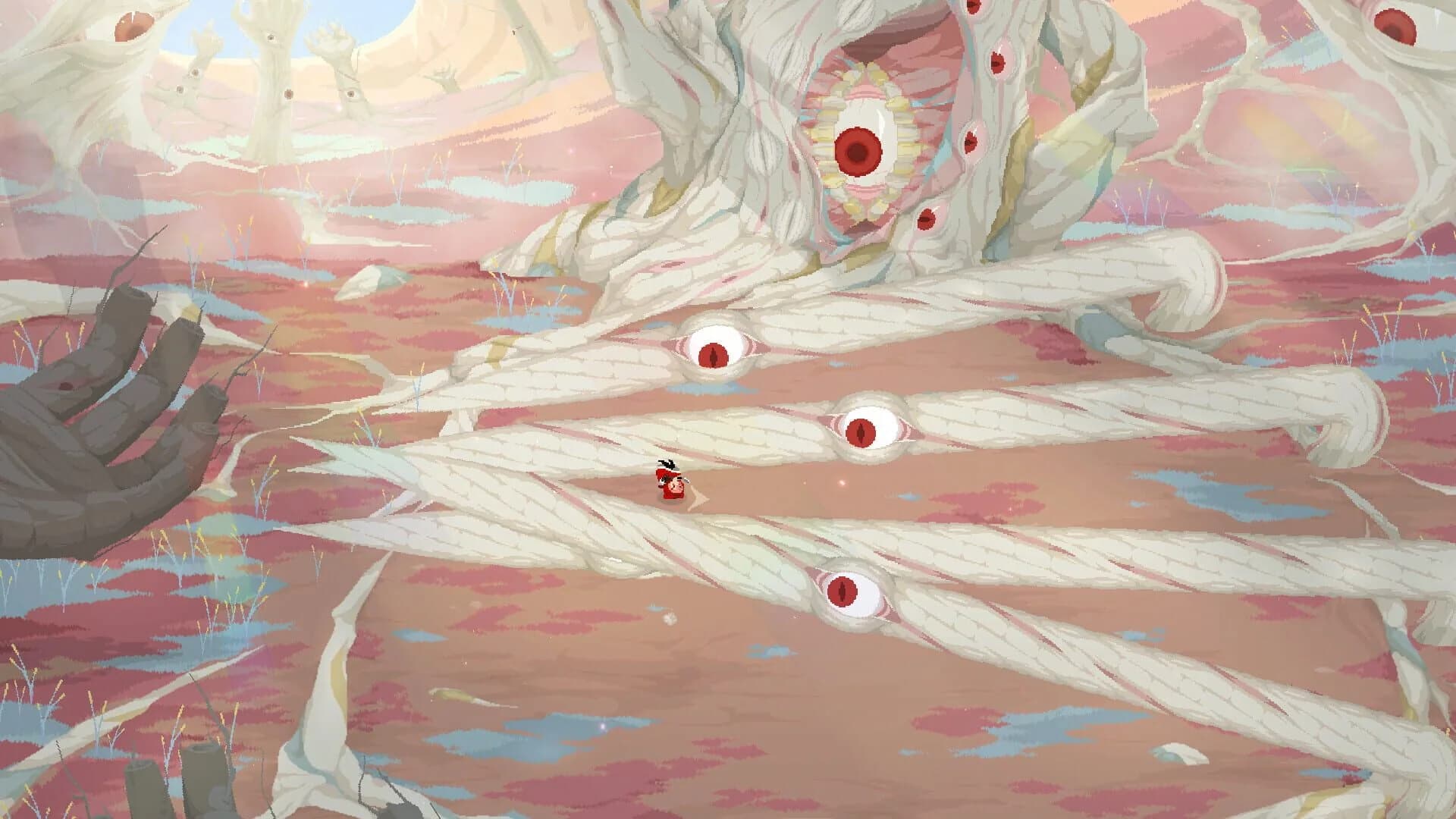
The richness comes from customization. The game lets you unlock Talismans that let you adjust your combat style, offering what you need to adapt your approach to each boss and to your own sensibility. That tight, intricate balance between systems is precisely what the demo hinted at as promising, and the final game seems to keep the promise of a mechanic that deepens as you progress. The bosses, of varied and crafted styles, each exploit this Focus-and-Talismans dynamic to offer distinct combat puzzles, where finding the right window and the right build makes all the difference. It's nervous, precise and rewarding.
You have to stay lucid about what the format implies. The boss rush is a niche genre, with no exploration or breathing room, and Rubinite does nothing to widen that proposition: whoever doesn't love the idea of chaining fights with no other binder than a revenge thread risks staying on the threshold. It's a game of pure fights, demanding and repetitive by nature, where the pleasure comes from progressive mastery rather than variety of situations. You have to love bashing your head against the same boss ten times before felling it to get your money's worth, and that loop of frantic learning won't suit every temperament.
The other reservation is length and scale. A boss rush lives on the richness of its bestiary and the depth of its systems, and everything will depend on Rubinite's ability to sustain variety and balance across its whole roster, beyond the few bosses that charmed in the demo. The risk, with such a tight format, is exhausting it faster than a fuller game, and seeing the Focus mechanic, however clever, show its limits over the long haul. It's a potential gem that will have to confirm its scale as much as its quality, and that's where we await it.
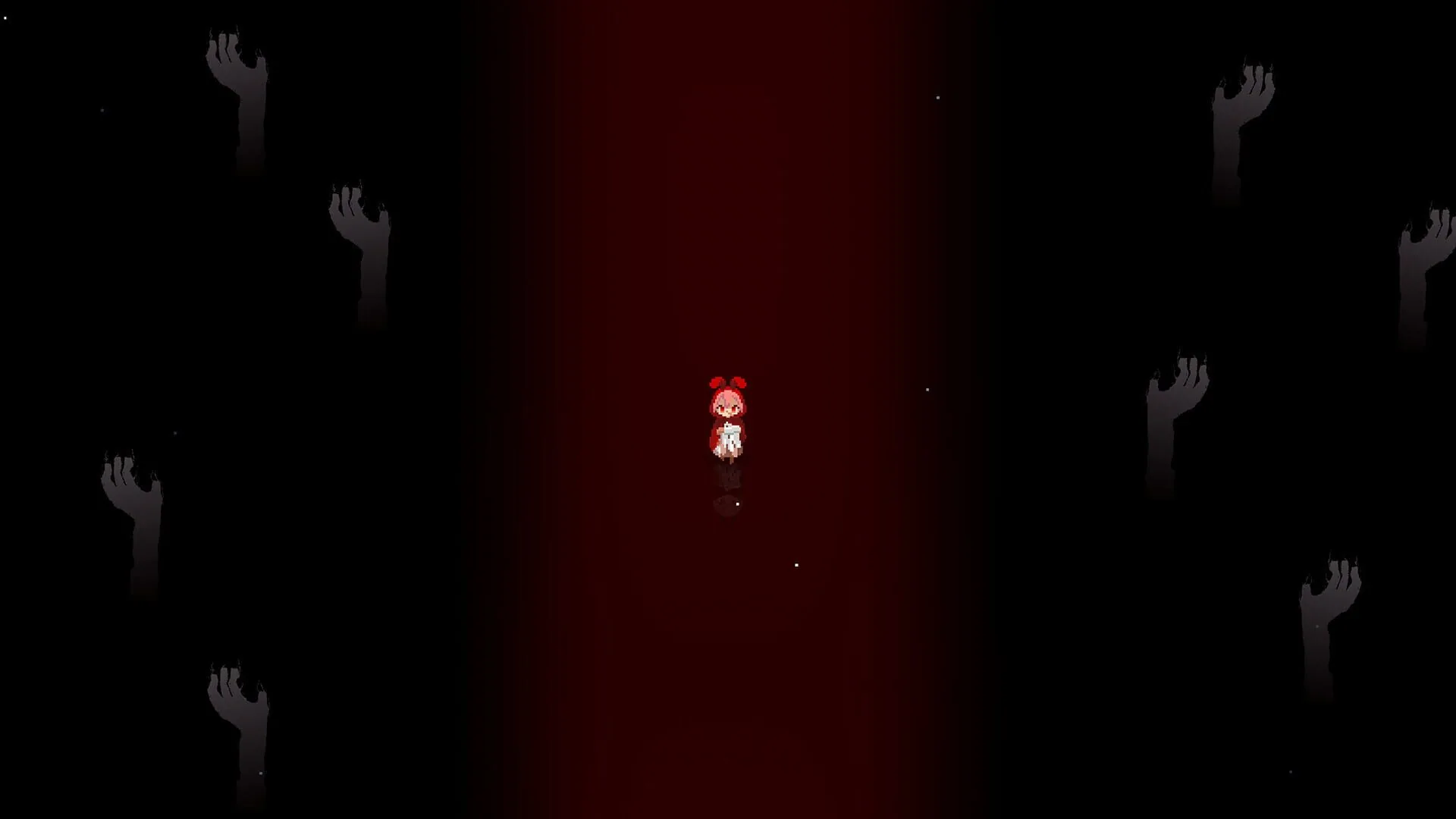
Rubinite confirms the hopes born of its demo and stands out as a fine dark-fantasy boss rush. Its Focus mechanic, which turns each fight into a precision duel where you target weaknesses to land piercing blows, is a find that gives a strong identity to already nervous, demanding combat. Carried by a Talisman system that enriches customization and by varied, crafted bosses, the proposition holds up to the flattering comparison with the genre's references. For the fan of pure fights and sweat-earned mastery, it's a real treat.
You just have to love the format and accept its limits. The boss rush is a demanding niche, with no exploration or breathing room, reserved for whoever finds joy in mastered repetition and the frantic learning of patterns. And its length as well as its scale remain to confirm across the whole roster, beyond the demo that convinced. But on the essential, the quality and intelligence of its mechanic, Rubinite delivers exactly what it promised: an indie gem cut out for those who love every victory earned to the millimeter.
A nervous, precise dark-fantasy boss rush, where the Focus mechanic turns each fight into a targeting duel: a demanding indie gem, whose scale remains to confirm.
Strengths:
Weaknesses:
Tested on PC.
We debrief every release on our Discord. The door is open, and so is the argument.
Community
Your rating
Advertisement
Loading comments...
You might also like
You struck a deal with a dragon. All that is left is serving both sides without either finding out. The 1.0 lands on 23 October.
A co-op horror fishing game at nine euros. You must sacrifice fish every day, and the beast is not the worst thing out there.
Scrapheap robots sent to exterminate a planetary fungus. The 1.0 lands tomorrow, and the upgrade grid is the genre's best idea.