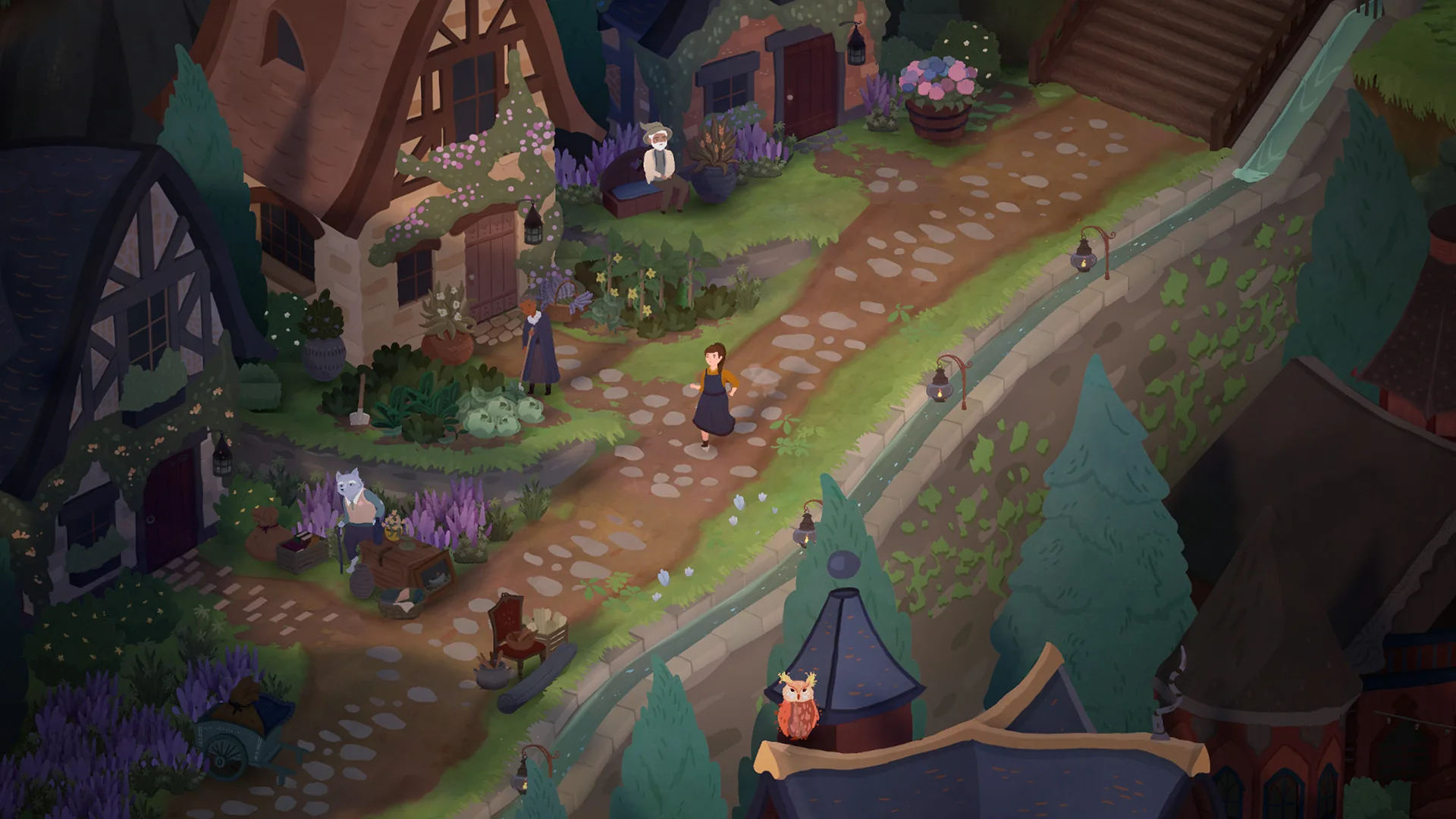
Guide
Songs of Glimmerwick: a first-term guide, or how not to waste your first year
The clock freezes and waits for you at class, your flute score strengthens your spells, and the garden pays for your potions.
Alexandrosse
10 min
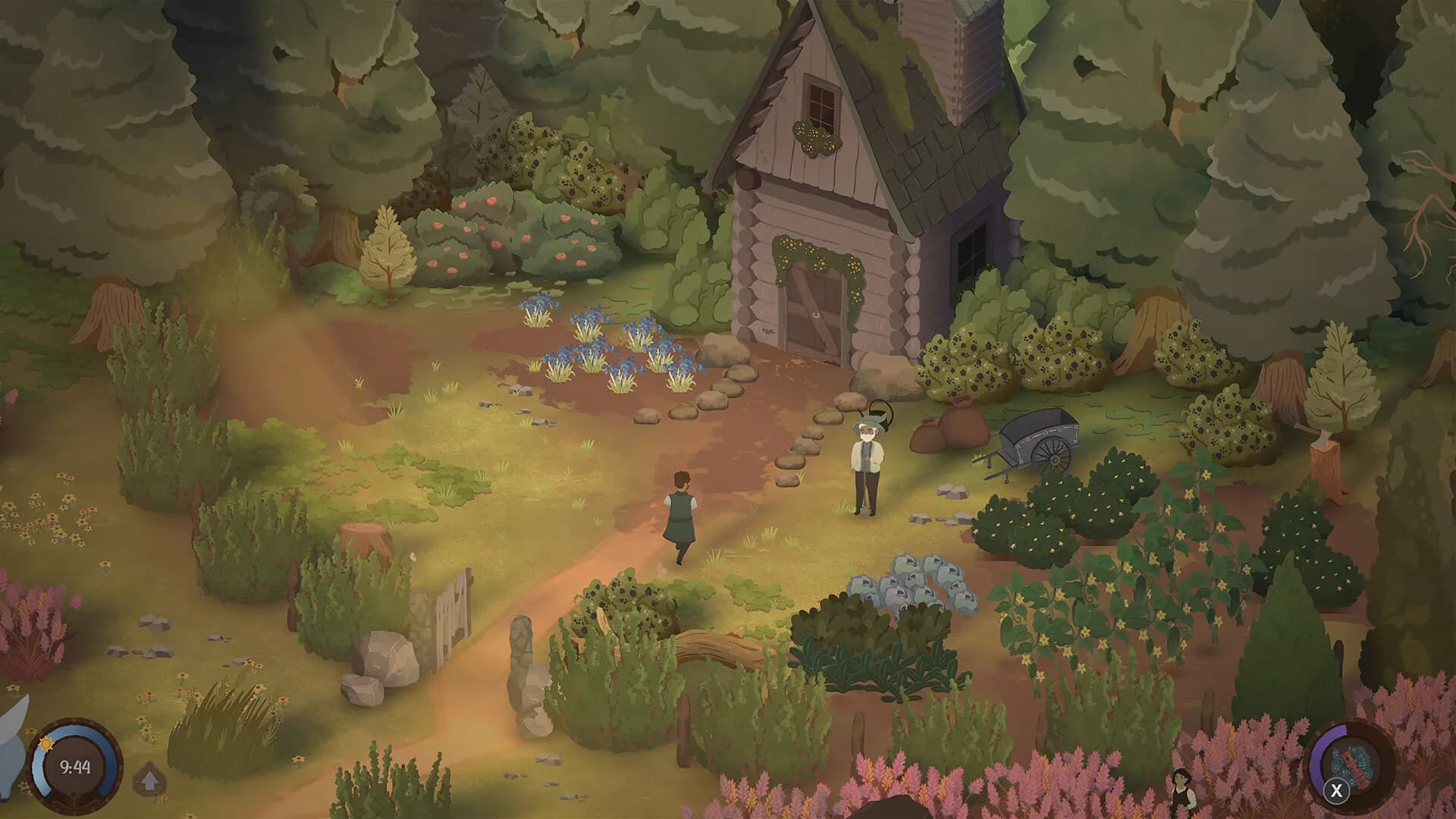
A flute, a songbook, a university garden. The Eastshade team delivers the tenderest game of the autumn.
Alexandrosse
InsertCoins.press Score
8/10
Verdict
Recommended
Let me put one thing to rest immediately, because it is the reason a lot of people were about to skip this.
You do not need to be able to play the flute. Learning a spell means playing a short rhythm chart and clearing a minimum score, which is very reachable. After that, the better you play, the stronger the spell's effect. In other words: missing does not block you, playing well rewards you. That is the exact opposite of a punishing dexterity test.
Right. Now we can talk about the game.
Eastshade Studios. The same small Seattle outfit that put out Leaving Lyndow and then Eastshade, an open-world game where you played a painter, where there was no combat, and where the only way to progress was to look at a landscape and paint it.
That was a rare, slightly mad proposition, and it found its audience precisely because it refused to behave like everyone else.
Glimmerwick was announced for 2023. It arrives in late 2026. Three years late on a project this size means a studio that took its time, and you can feel it within minutes.
The land of Glimmerwick is known for its university of magic, and you are already enrolled. Convenient.
In this woodland world, playing music is the secret to casting spells. Ancient songs make garden work easy, and they are what open the corners of the island you could not reach.
With your flute and your songbook you attend classes, join after-school clubs, make friends among the students and the townsfolk, and live through a full year of seasons, festivals, curses and witchy nonsense.
It is a peaceful, story-driven RPG, and the word peaceful should be taken seriously: there is no clock punishing you.
Three things, and they all come from one decision: songs are tools, not buttons.
The garden. You plant the mundane and grow the arcane. You summon clouds to bring the rain. This is not a plot where you water tile by tile, it is a plot where you change the weather.
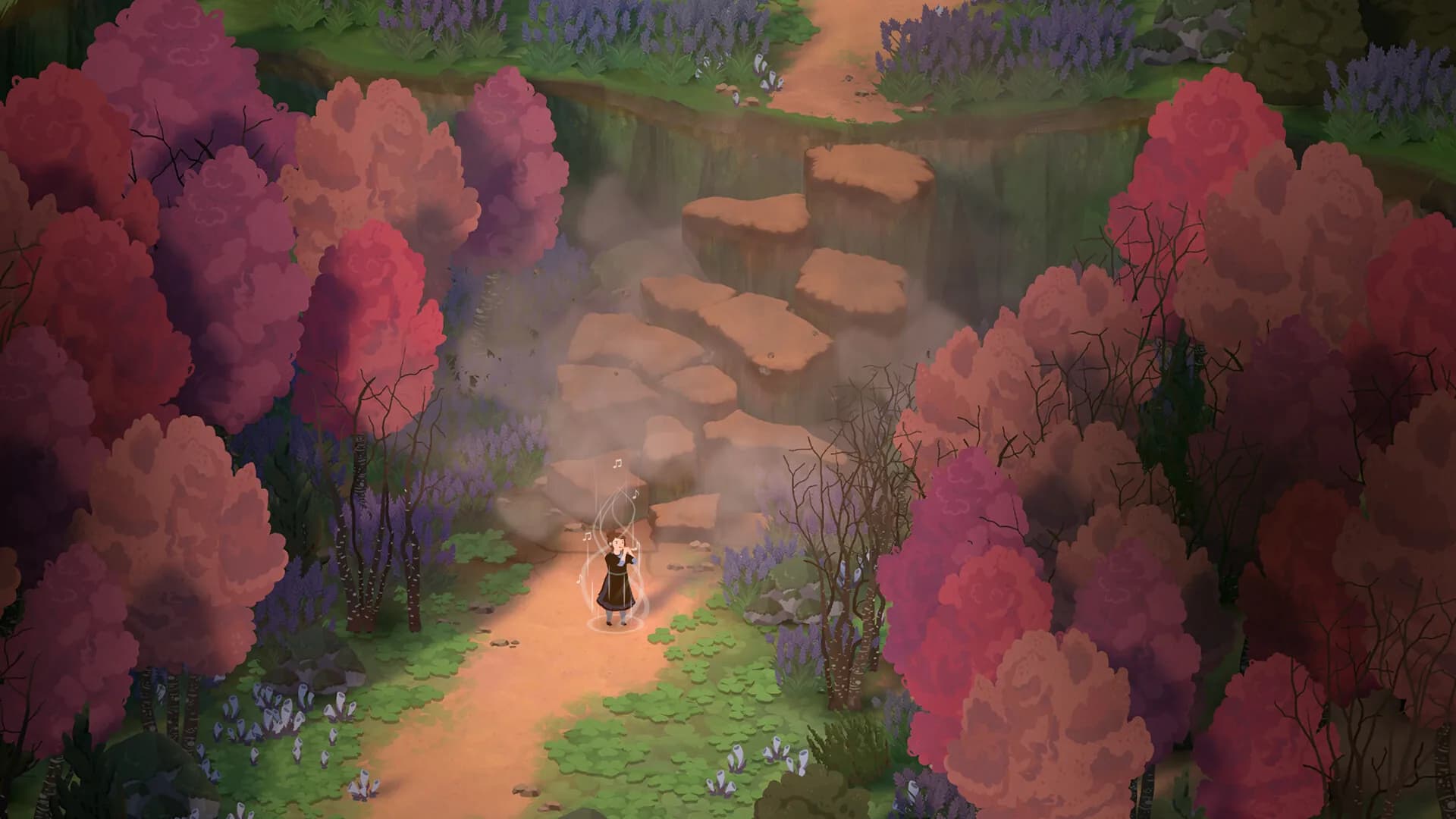
Exploration. Some songs speak to the trees, others raise the earth to get over a natural impasse. So learning a song does not hand you extra damage, it hands you a place. That is the most satisfying progression mechanic in the game, and it is borrowed from the great adventure games rather than from farming sims.
Enchanted tools. You can set them to work by themselves. In a genre that often monetises your patience, seeing a game hand you automation as a narrative reward feels good.
This is where the Eastshade inheritance shows most.
Dialogue is fully voiced, for every character, including the minor ones, and the performances are good. In a game this size that is an expensive production choice, and it is the one that changes everything: the students, staff, townsfolk and sprightly creatures are not quest dispensers, they are people with lives that move along without you.
The quests follow the same logic. They are stories, not collection lists. You are rarely asked to bring back ten mushrooms, you are more often asked to work out why somebody will not leave their house any more.
And there is a rumour going round, a small local drama, a village festival, and you turning up late to class without anybody raising their voice.
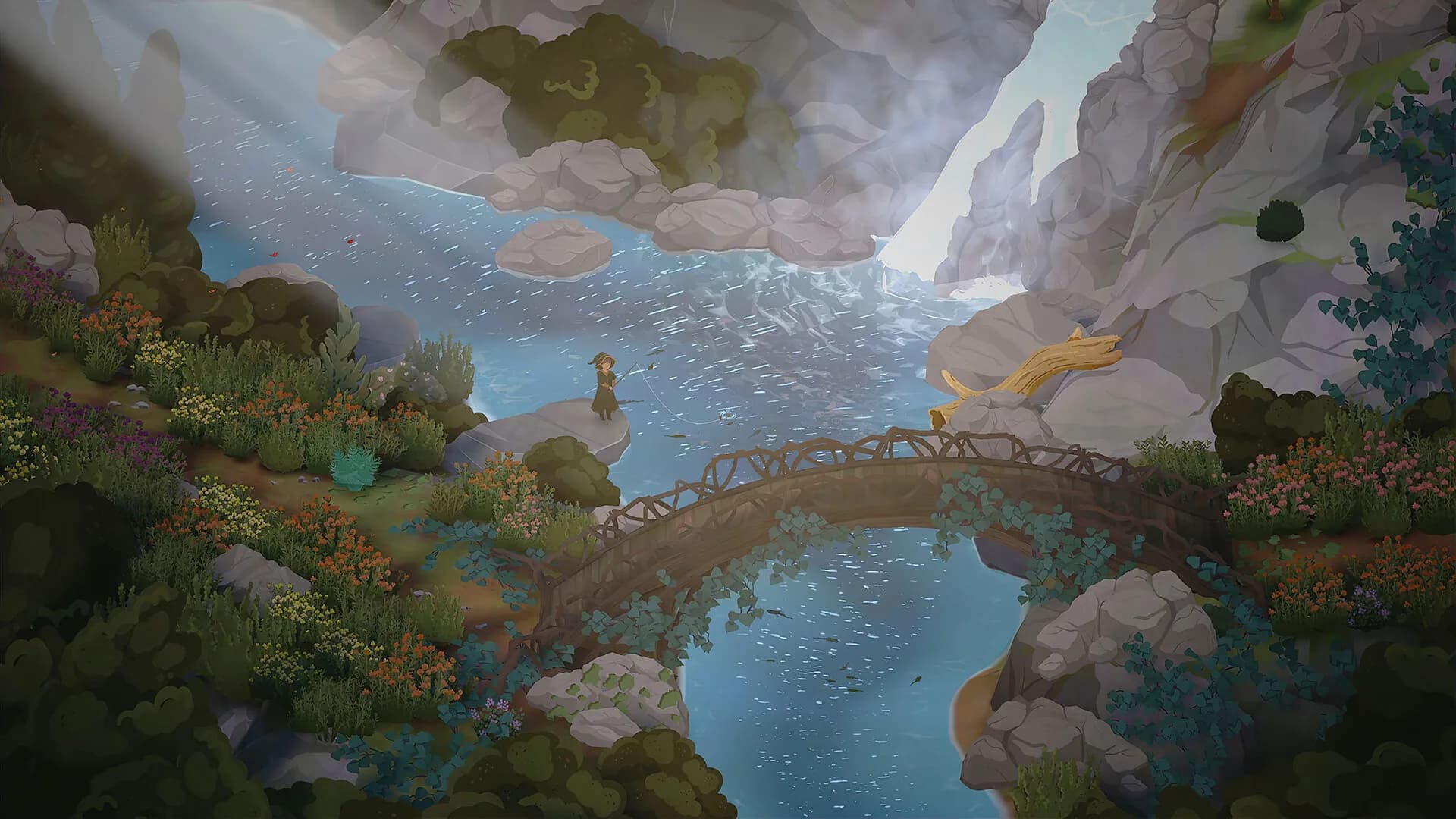
You earn experience and choose skills that help you garden, trade, or grant special abilities.
My favourite, and I am putting it here because it sums the game up: speaking to frogs.
That is not a store page joke, it is a skill you unlock and it works. A game that spends a branch of its skill tree on frogs is a game that knows what it is.
Your appearance is customisable, which counts for something when you spend a whole school year in somebody's shoes.
There are few, and none are serious.
The loop is slow. Deliberately, but slow. If you need a game to hand you an objective every four minutes, this one will feel unmoored for the first two hours.
And the musical magic, precisely because it is so generous, loses a little of its ceremony over time. The score bonus exists, but it rewards you quietly enough that you soon stop aiming for perfection, and a charming mechanic becomes an animation.
That is the price of accessibility, and honestly I will pay it.
So far, seventy-one positive reviews out of seventy-three. A near-unanimous reception, on a sample that is still small, for a game that took three years longer than planned and visibly cut nothing on the way.
There have been a lot of cosy games this year, and a lot that confused cosy with empty. Glimmerwick has things to say, people who were given a voice, and an idea about magic that belongs to nobody else. That is the difference.
Unlocked the frog skill yet? Tell us what they say, we are waiting on the InsertCoins Discord.
Community
Your rating
Advertisement
Loading comments...
You might also like
The clock freezes and waits for you at class, your flute score strengthens your spells, and the garden pays for your potions.
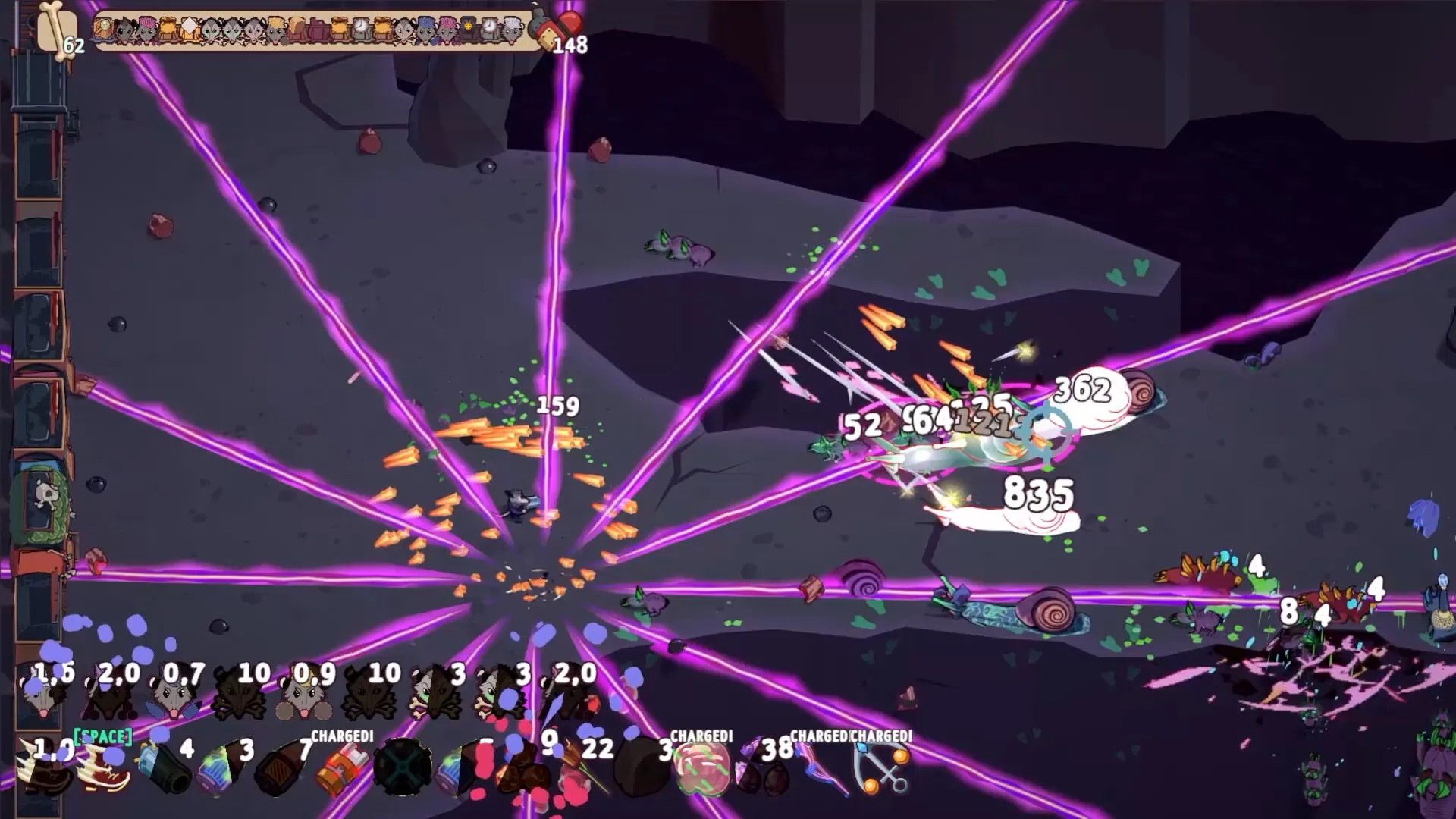
Your railcars are your health and your skills at the same time. Assuming the game gets past the loading screen.
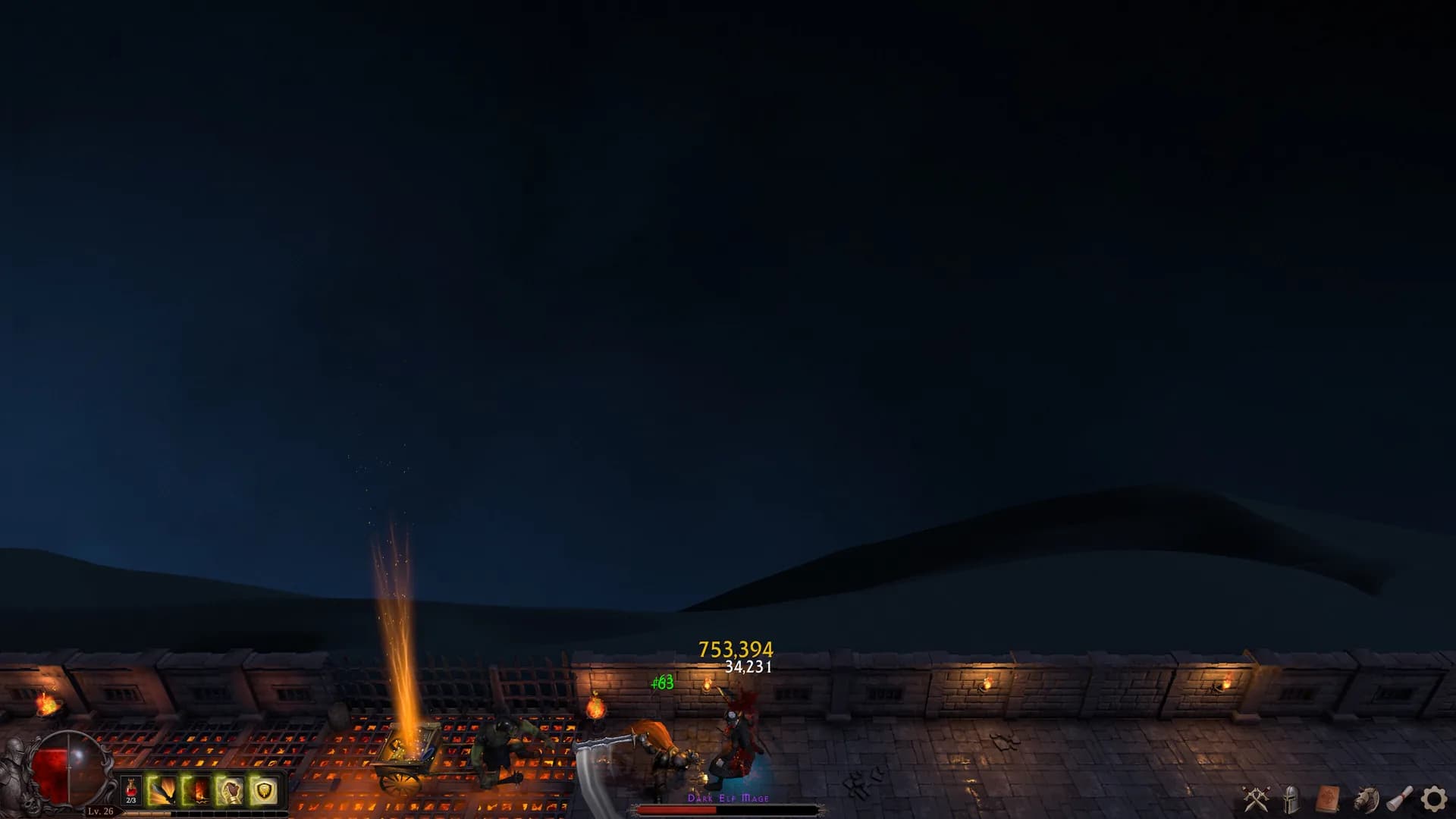
Five euros, a strip of ARPG along the bottom of your desktop, and a Steam market where you resell your minions. The success is real, so is the wall.
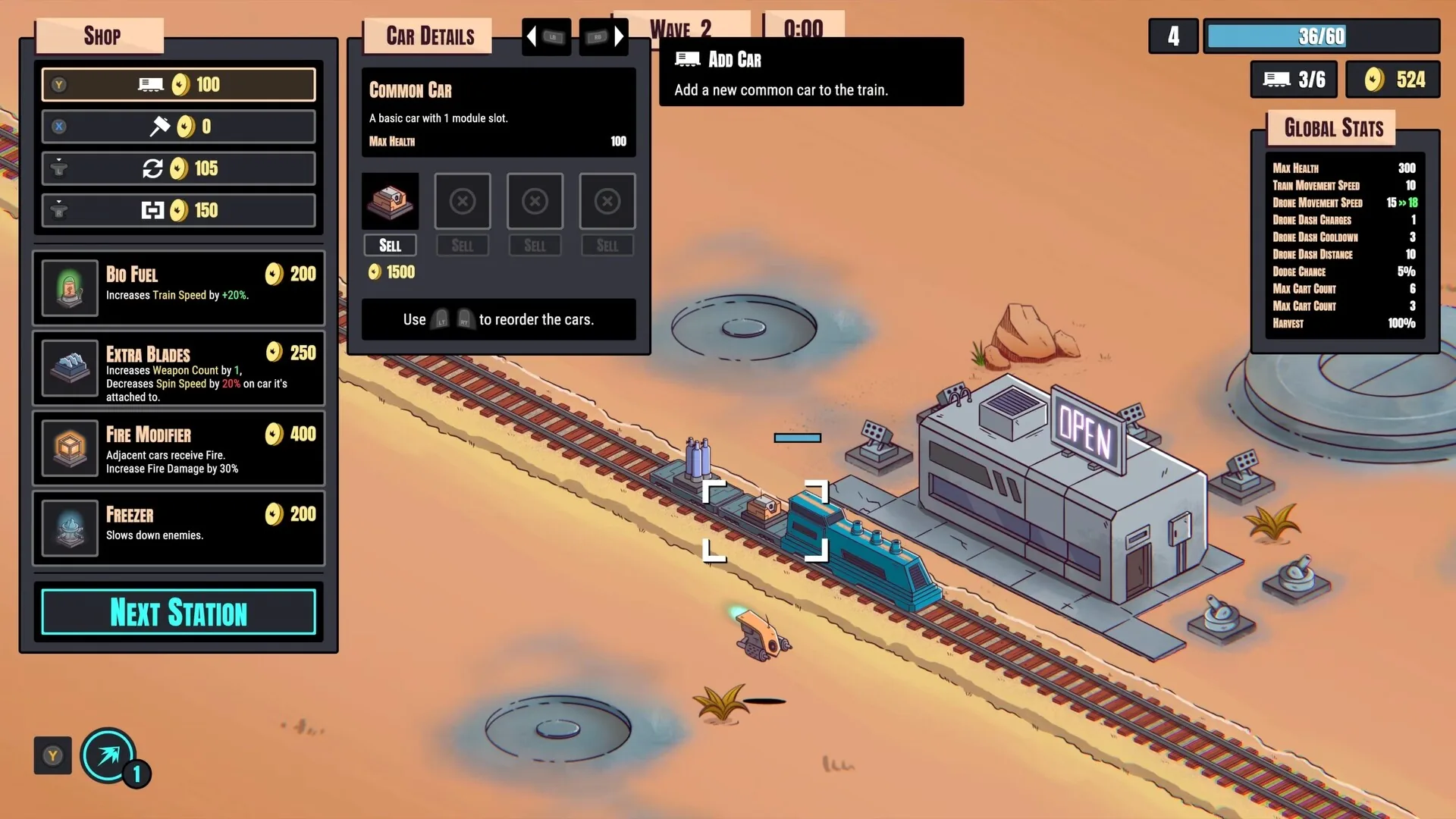
The train on the mouse, the drones on the keyboard, thirty-second rides. A small game that knows exactly how long it lasts.