8
Test
Songs of Glimmerwick: the magic school where nobody shouts at you for skipping class
A flute, a songbook, a university garden. The Eastshade team delivers the tenderest game of the autumn.
Alexandrosse
9 min
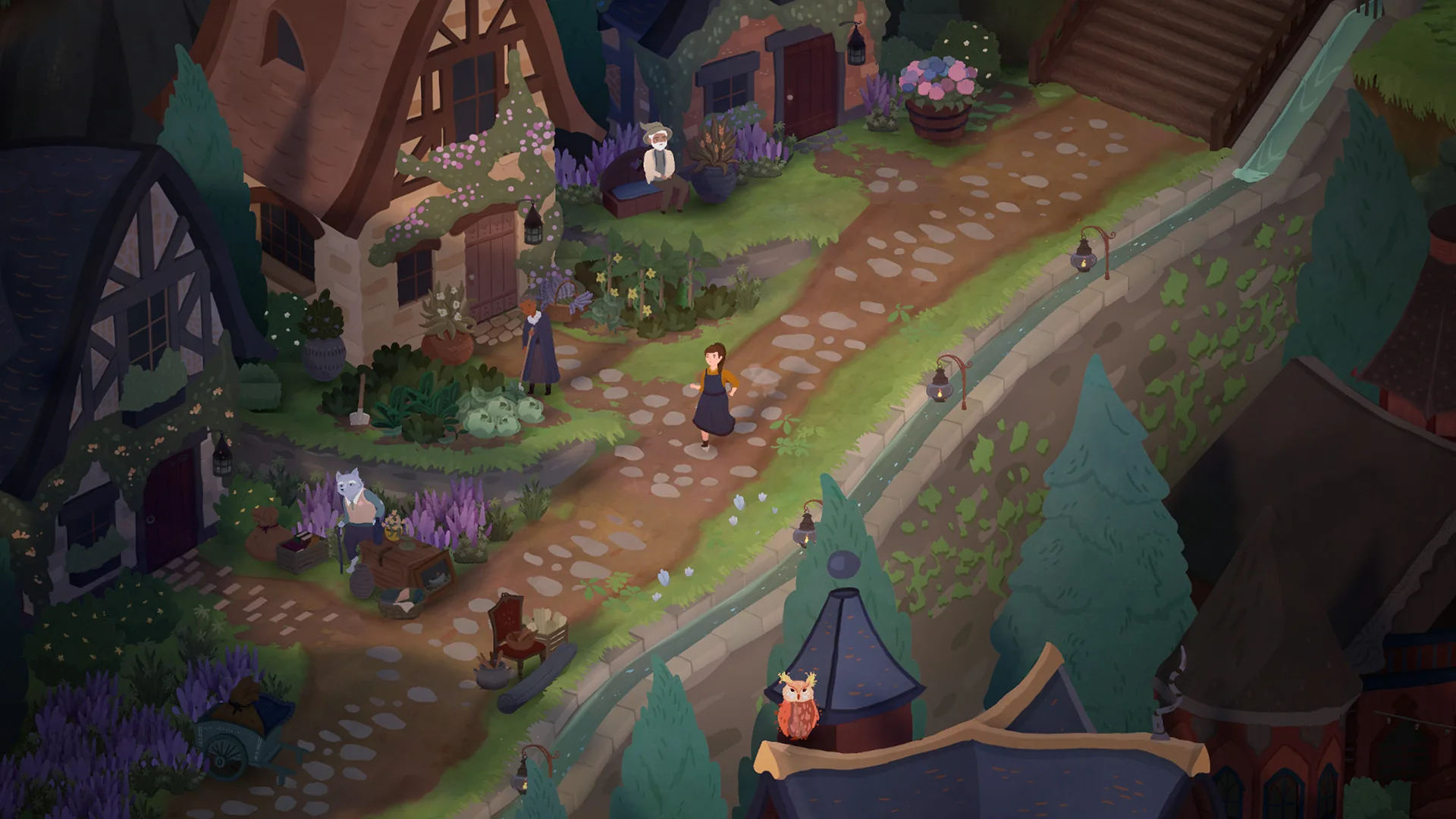
The clock freezes and waits for you at class, your flute score strengthens your spells, and the garden pays for your potions.
Alexandrosse
Songs of Glimmerwick almost never punishes you, and that is precisely why a lot of people play it badly. With no pressure, you do not bother understanding the systems, and you miss half of what they offer.
Here is what to know before your habits set in.
Start here, because it is completely liberating.
The clock freezes and waits for you to get to class. You cannot miss a lecture. Ever.
That sounds minor. It is not remotely minor, because in every game of this kind the great anxiety is the calendar: be in this place at this hour, and every minute spent elsewhere is a minute lost.
Here, no. Classes do not happen every day, and you are warned by a letter telling you when to show up. Until you go, time waits.
What that means in practice: explore first, attend class afterwards. You lose nothing. It is the exact opposite of the discipline you arrive with, and it changes your entire rhythm.
The second misunderstanding, the one that scares people off before they even buy.
Learning a spell means playing a short rhythm chart, with a minimum score to clear. That threshold is low. If your fingers and ears work approximately, you will get it.
But the score matters afterwards. The better you play, the greater the spell's impact, and it is rerolled every time you use it.
So the right method is not to rush everything: it is to rush when it does not matter and take care when it does.
Take care on the spells you use daily: the ones that work the garden, the ones that clear brush. A percentage of efficiency on a gesture repeated a hundred times eventually weighs.
Rush the one-off spells you will cast two or three times all year. The time you spend chasing a perfect score will never pay itself back.
Advertisement
The game lets you enchant the hoe, the pick and the axe so they do the work themselves, notably clearing brush.
Do it as soon as you can. It is by a long way the most profitable quality of life upgrade in the early game. Clearing ground by hand is the main chore, and you can delete it very early.
A lot of players wait until they "need" it. You need it on day one, you just do not know it yet.
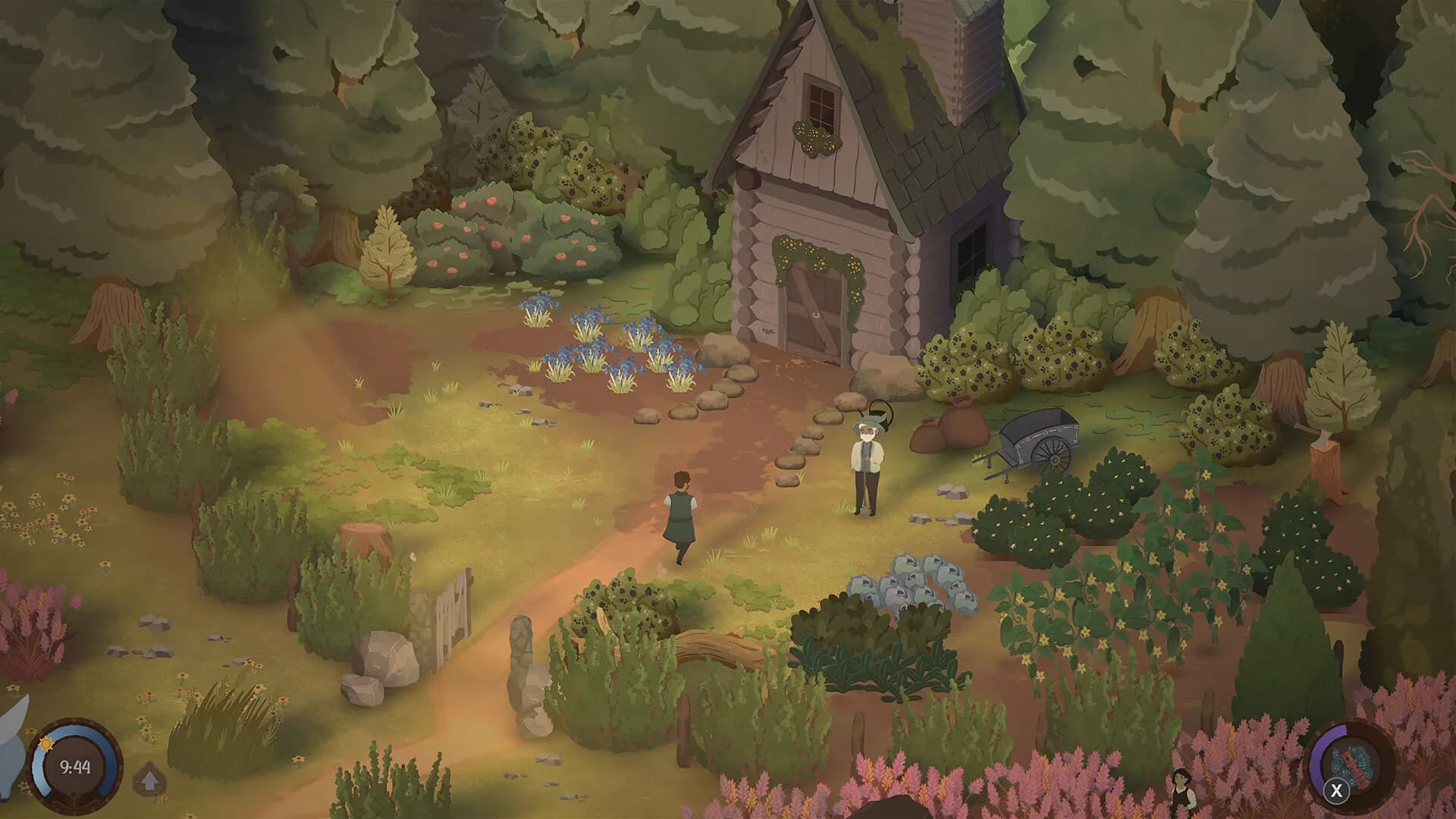
The university garden produces your living, and it is the game's economic engine.
You grow herbs like basil and marjoram, several kinds of flowers, and cranberries in the pond.
And every harvest has two outlets: sell it, or use it as a potion ingredient.
That is the central trade-off in your economy, and here is how I settle it.
Early on, sell. You need cash to unlock things, and your potions are not worth much yet because your skill is low.
After that, hold. As soon as your potion-making level rises, the value added between the raw ingredient and the finished potion comfortably exceeds the direct sale price. Selling a harvest at that stage is giving it away.
And do not forget the weather spells: summoning rain is part of your gardening kit, not scenery.
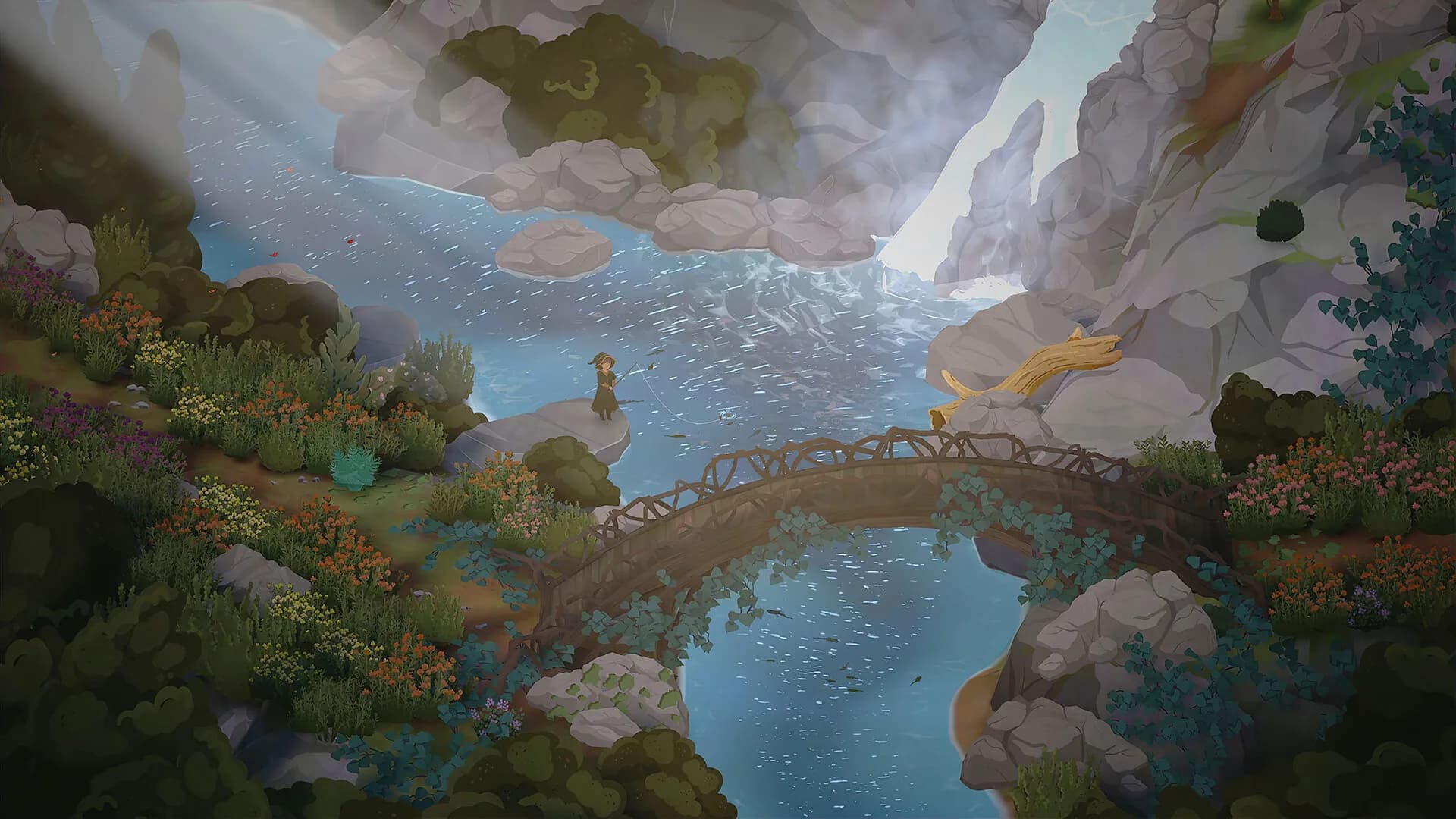
Fishing is rhythm-based, and each fish seemingly has its own melody. That is not disguised randomness: if you learn to recognise a species' melody, you land it more reliably. A difficult fish has a difficult melody.
Potion-making is an ingredient-sorting game, and the quality of the result scales with your performance. So the same recipe with the same ingredients does not produce the same product depending on your attention. If you are brewing to sell, that is where your margin lives.
You earn experience by playing, and you choose skills oriented towards gardening, trade, or special abilities.
My recommendation is simple and slightly boring: gardening and trade first.
The reason is mathematical. Those two branches improve a loop you will repeat hundreds of times over a game year. The special abilities, charming as they are, are one-off unlocks.
That said, take speaking to frogs as soon as you can. I know I just said the opposite. You will thank me.
This is the most important progression mechanic, and the game does not flag it as such.
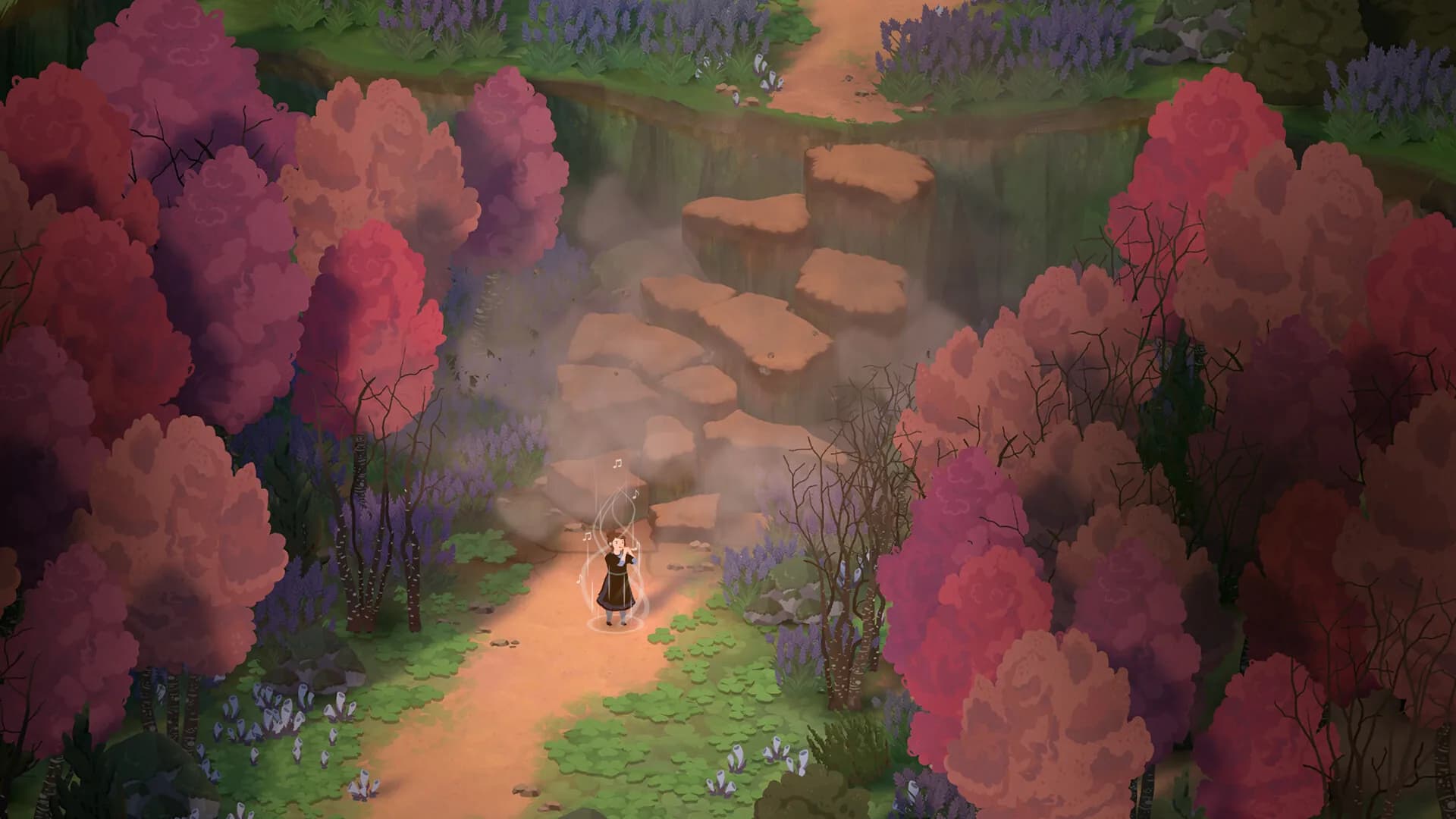
Some songs speak to the trees, others raise the earth to get past a natural impasse. These are not combat abilities, they are keys.
Practical consequence: when you hit an unreachable spot, do not look for an item, look for a spell. And note the location. As in the great adventure games, you will come back later with the right song, and the detour will be worth it.
There are clearly magical landmarks around campus that stay shut for a long time. They are not decorative.
The after-school clubs and the townsfolk are not filler, that is where the narrative quests live.
Talk to everyone, often, and come back. Characters' stories unfold over time: somebody with nothing to say last week may have a problem this week. A village you walk through without stopping is a village that will feel empty to you, and you will wrongly conclude the game lacks content.
Unlocked a place nobody else can find? Give the hint, not the solution, on the InsertCoins Discord.
Community
Your rating
Advertisement
Loading comments...
You might also like
A flute, a songbook, a university garden. The Eastshade team delivers the tenderest game of the autumn.
100 echo shards maximum, 10,000 emeralds maximum, enchantment books reusable forever. All of it hidden.

Centre of mass, density, angle of incidence and ballasts. How to build a ship that floats level, takes hits, and survives the first salvo.

Montclair, Zeiza, Parkside: who hosts what, how Archetypes and Amps work, and where to spend your time.