7
Test
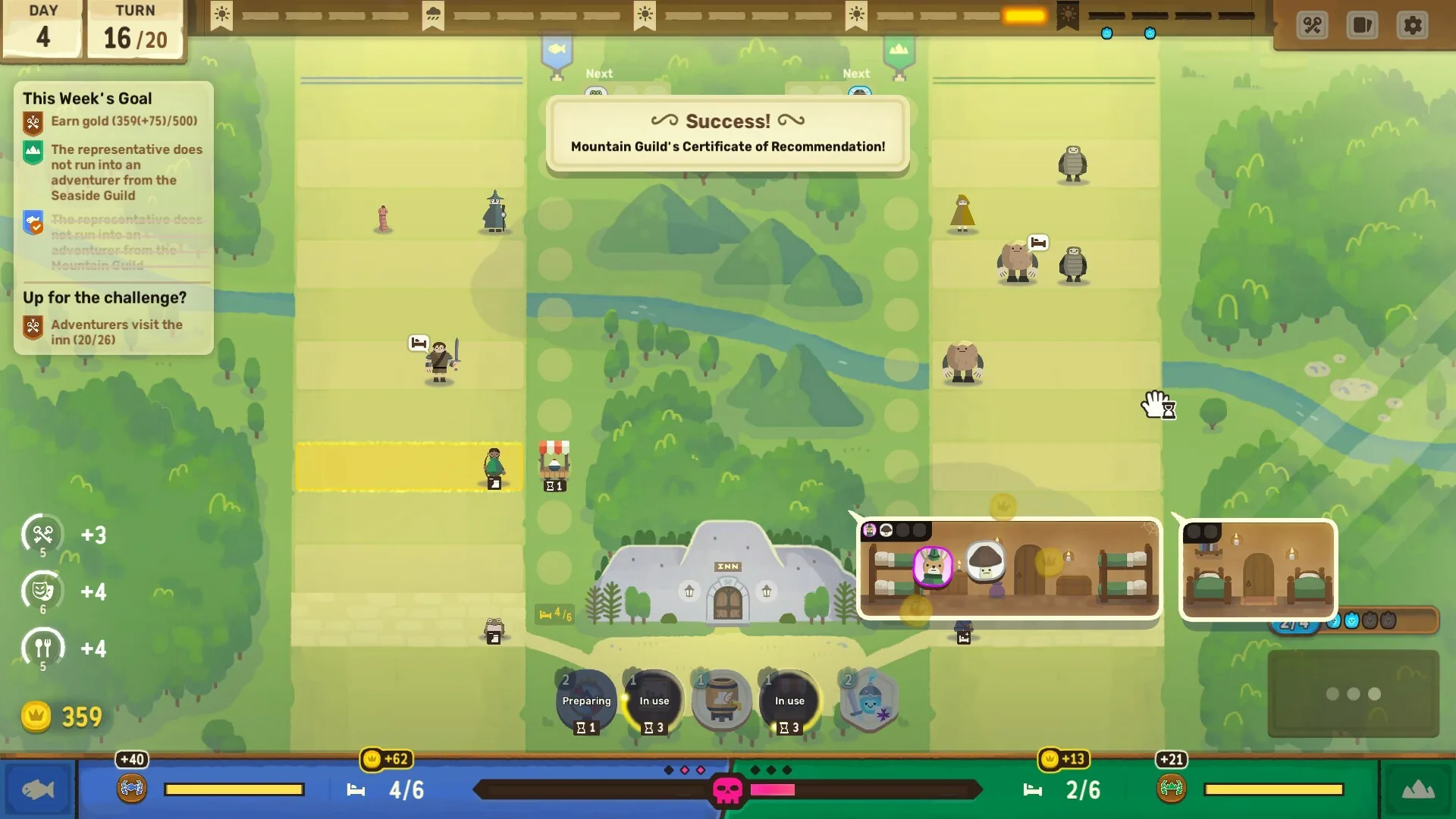
Dungeon Inn: running an inn while keeping two rival guilds from meeting
You struck a deal with a dragon. All that is left is serving both sides without either finding out. The 1.0 lands on 23 October.
Alexandrosse
7 min
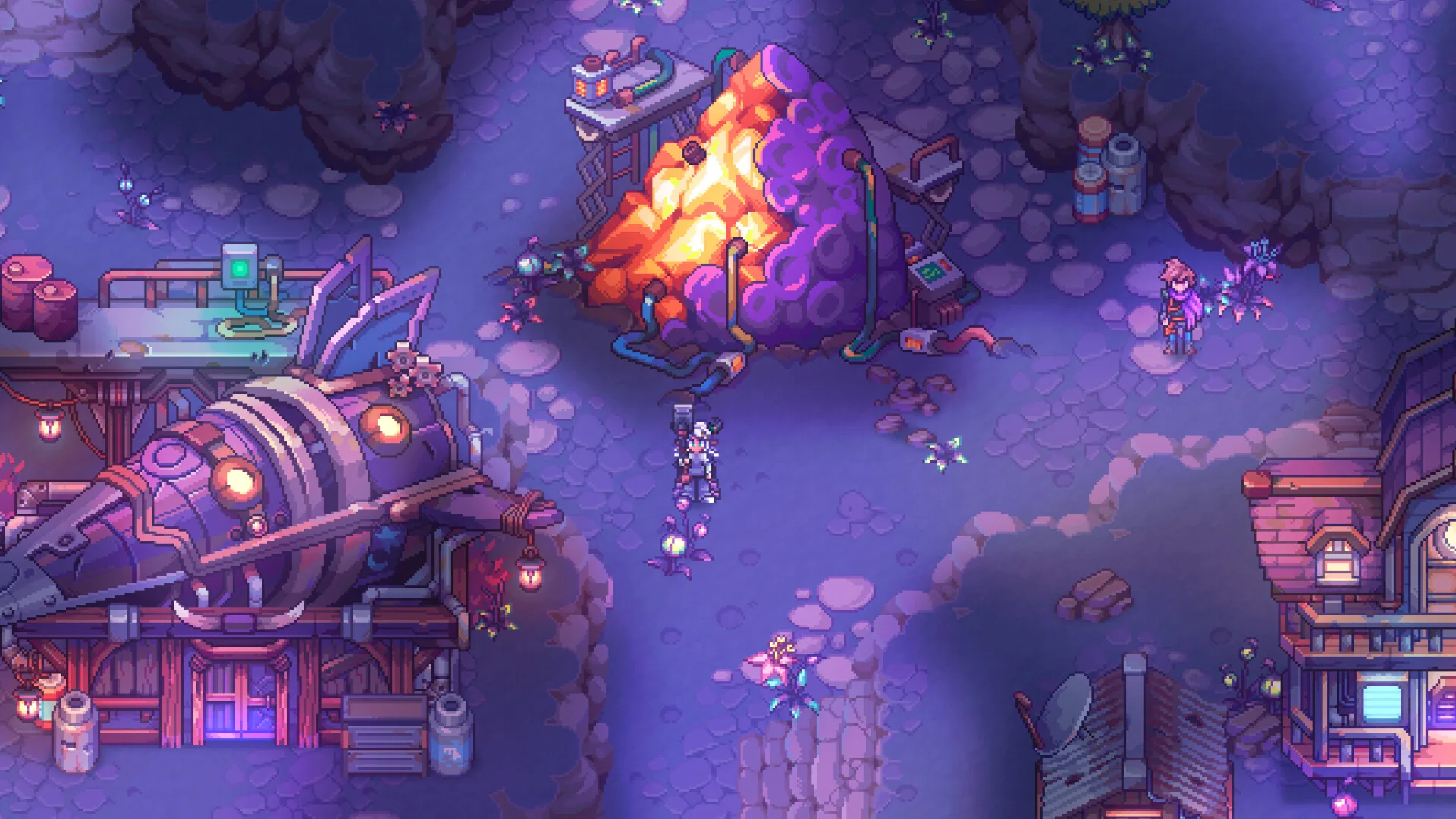
Pixel art, a 100% player-driven economy, loot dungeons in co-op: Soulbound smells of 2000s MMOs. But between the bullet-heaven and a true Ragnarok heir, there's a world.
Alexandrosse
InsertCoins.press Score
5/10
Verdict
Mixed
Updated 14 August 2026. Our original review presented Soulbound's million players as an already-active community, and made it one of the arguments behind the score. A reader wrote in to say the game in fact gathers only a handful of concurrent players on Steam. On verification, he is right on the substance. The million figure exists and it is sourced, but it counts cumulative sign-ups on browser and Discord over several years, not players present on Steam today. We turned an announcement figure into a promise of a populated world without ever checking it against the servers. The article has been corrected, the real numbers added, and the score revised accordingly.
One glance at Soulbound: Online is enough for the Proustian madeleine to kick in. That pixel art, that populated overworld, that economy entirely run by players, everything immediately evokes the MMOs of the early 2000s on which a whole generation left its youth. Ragnarok Online, MapleStory, RuneScape: the ghosts are there, and hope with them. But hope, precisely, is a trap, and you have to ask honestly whether Soulbound truly rekindles that flame, or simply plays the nostalgic string.
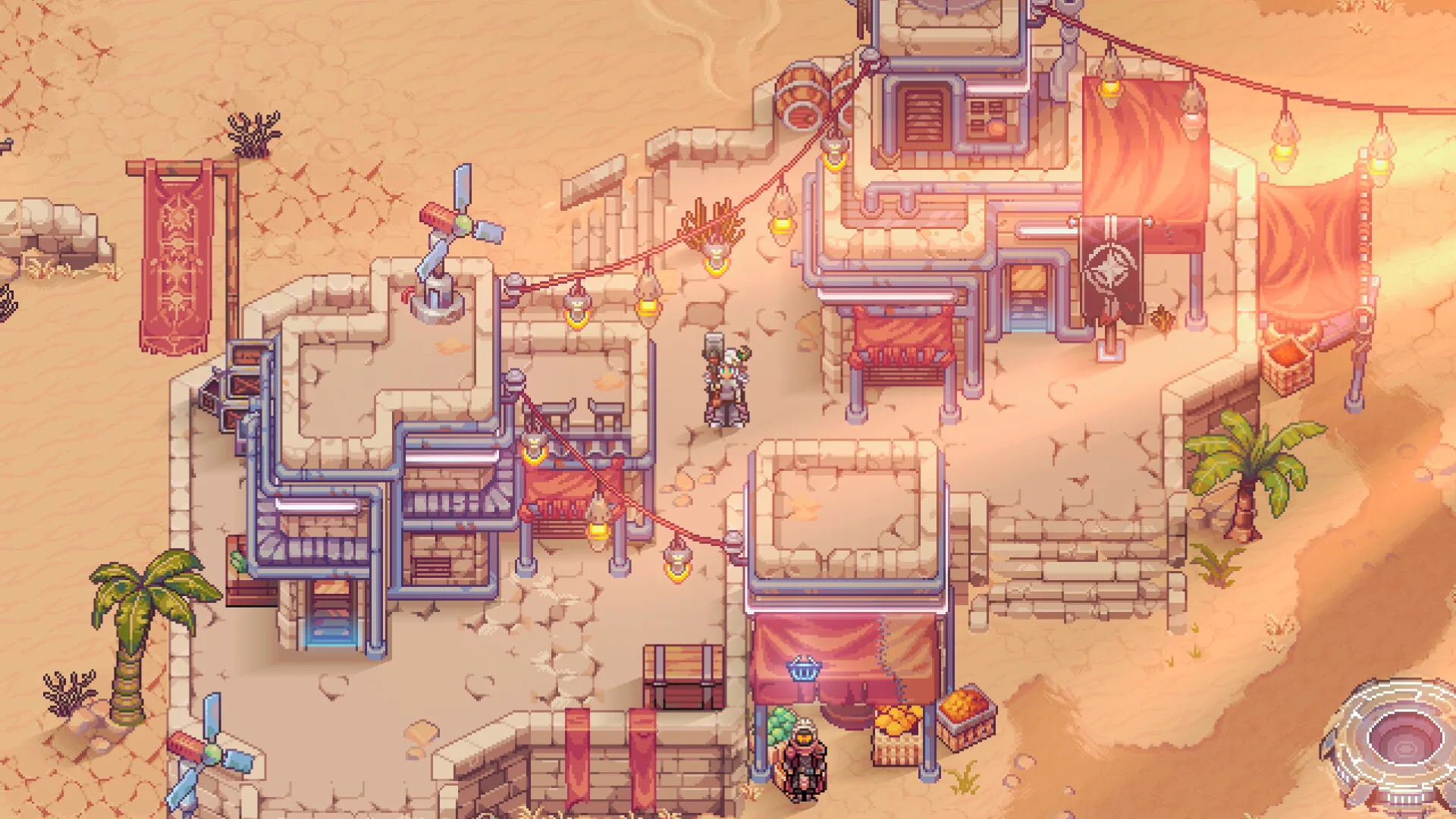
Soulbound: Online is a pixel-art action MMO developed by independent studio Spiderware, available in early access on Steam since 21 July 2026 for around fifteen euros. The game is no unknown: it's been running for years on browser and Discord, where the studio claims more than a million players, a figure relayed by the entire press when the Steam version was announced. It has to be read for what it is, and this is where we got it wrong: it is a cumulative sign-up total spread over several years, not a measure of attendance. It blends an MMORPG overworld with bullet-heaven roguelite dungeons, playable solo or in three-player co-op, with boss raids, gear crafting, base building and a 100% player-driven economy. The kinship with the genre's great elders is owned, right down to the aesthetic.
What Soulbound does best is rekindle the addictive loop of the loot MMO. You chain runs of snappy, bullet-heaven-style dungeons, dodging swarms of projectiles to snatch gear, which you then bring back to craft, upgrade and theorycraft your builds. That dynamic of farming and optimizing, hypnotic and rewarding, captures a real part of what made Ragnarok so gripping. You climb seasonal ladders, you refine your character, you look for the perfect synergy, and the pleasure of min-maxing is well present for anyone who likes to get lost in it.
But the real success, the one that anchors the game in the heritage of MMOs of old, is its entirely player-run economy. You hold your forge, you open your shop, you trade, and all the game's wealth circulates in the hands of its community rather than being handed out by the system. It's exactly the spirit of the great social MMOs of yesteryear, where the market was a game within the game, and Soulbound restores it sincerely as a piece of design.
Except a player economy needs one raw material the studio cannot manufacture: players. That is the whole problem, and it deserves a section of its own.
Let us take that figure apart calmly, because it is everywhere and it deserves unpacking.
The million is real in the sense that SpiderWare announced it and the press relayed it: it is the total of players who passed through the browser and Discord version since launch, several years of accumulation, in a free format where you sign up in one click without necessarily ever coming back. The studio also communicated a Discord community of 29,000 members, which gives a far more telling order of magnitude.
On Steam, reality is of another kind. Querying Steam's official API while writing these lines, the game shows 86 concurrent players. Not 86,000. Eighty-six. The review counter tells the same story: 496 ratings, 280 positive and 216 negative, so 56% and a reception rated Mixed.
A million browser sign-ups and a few dozen concurrent players on Steam are not contradictory, they are two different measurements, and conflating them is precisely the mistake we made. The first number says a game has been tried. The second says whether it is alive.
For an ordinary MMO this would be a bad mark. For this one it is structural: the two qualities we just praised, the player market and three-player co-op, only work with people on the other side. An economy without traders is not an economy, it is a menu.
Let's be honest, because it's the expectation you voiced: is Soulbound even better than Ragnarok Online? And here, the answer is no, or rather, the question is badly framed, because it's not the same game. Ragnarok was a social turn-based tactical MMO, with slow progression and legendary class depth, a world you lived in as much as you played. Soulbound, meanwhile, is a far more arcade action-roguelite hybrid, centered on dungeon runs and snappy farming. It shares the aesthetic DNA and the community spirit, but its core is fundamentally different, faster, more solitary in its action phases, less tactical. Whoever seeks the true successor to Ragnarok risks being thrown.
You also have to recall its early-access status and the modesty of its means. It's an independent studio game, with real ambition but limited resources, and its browser-game past is felt in certain rough edges. The depth of its economy and its builds is promising on paper, but it is still waiting for the population that would give it meaning, and nothing says the browser audience will make the trip to a paid game. Soulbound isn't the Ragnarok 2 some hoped for, it's something else: a nostalgic, addictive MMO-roguelite, to be judged for what it is rather than for the ghost it summons.
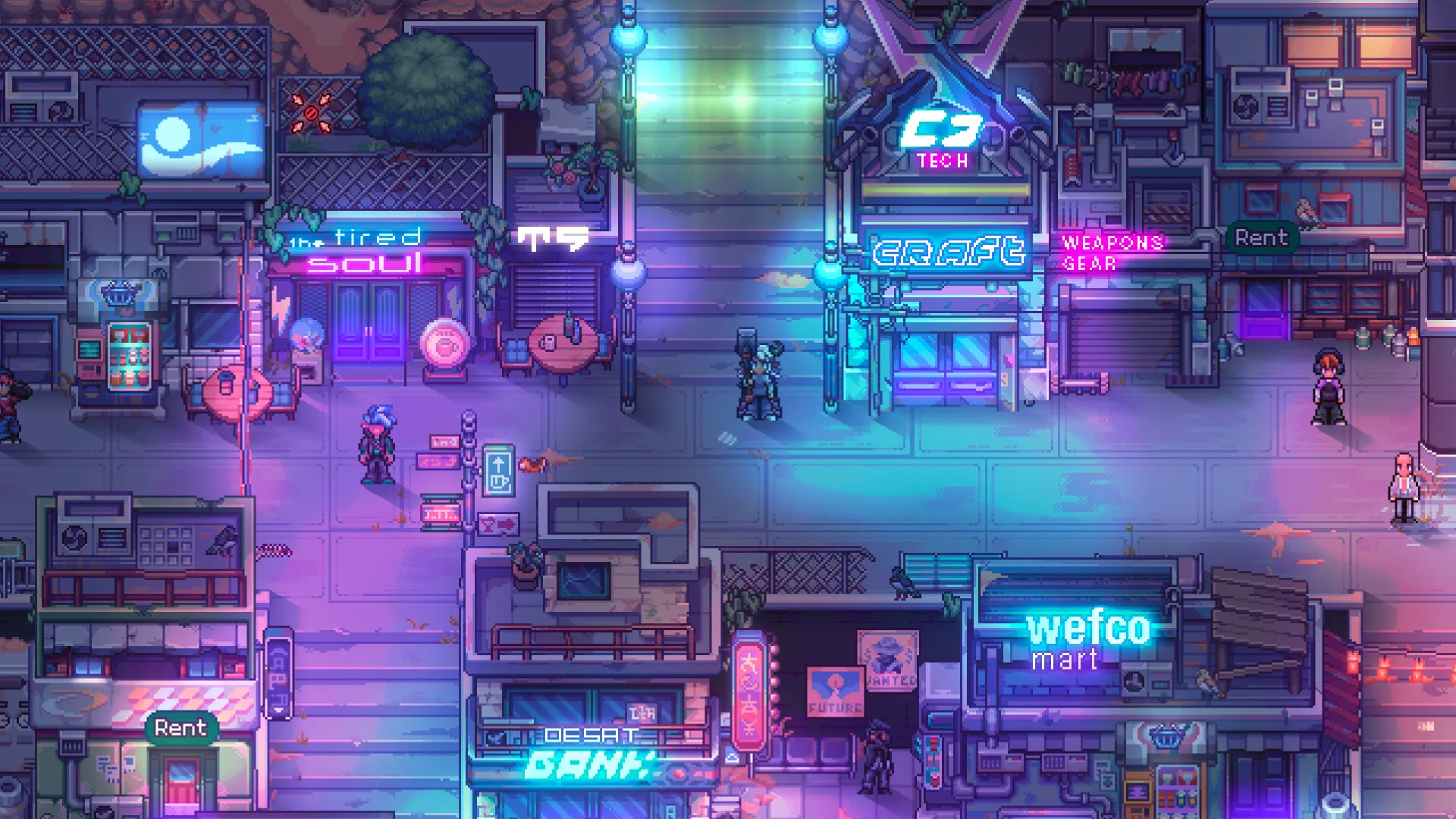
Soulbound: Online is an endearing game that awakens real and beautiful memories. Its pixel art, its farming-and-loot loop, and above all its entirely player-run economy capture an authentic part of what made 2000s MMOs so gripping. Its modest price makes it a sincere proposition, and the nostalgia it summons isn't stolen.
But the social world it promises is not something it can deliver on its own, and for now the Steam servers are not supplying it. This is a game built for a crowd, played by a small gathering.
But you mustn't be wrong about its nature. Soulbound isn't a better Ragnarok, it's not even really a Ragnarok: it's a more arcade action-roguelite hybrid, borrowing the master's aesthetic and spirit without taking up its tactical core and contemplative rhythm. For anyone who accepts that difference, it's a nostalgic, addictive gem, still in early access and improvable, but full of charm. For anyone who literally dreamed of Ragnarok's return, better to set that specific hope aside and discover Soulbound for what it truly is.
A pixel-art MMO-roguelite that sincerely rekindles Ragnarok Online nostalgia, without being its successor. Its best ideas, the player market and co-op, are waiting for a population that its million browser sign-ups have not brought to Steam.
Strengths:
Weaknesses:
Tested on PC, in early access.
The discussion carries on over on our Discord, where we relitigate scores for far longer than is reasonable.
Community
Your rating
Advertisement
Loading comments...
You might also like
You struck a deal with a dragon. All that is left is serving both sides without either finding out. The 1.0 lands on 23 October.
A co-op horror fishing game at nine euros. You must sacrifice fish every day, and the beast is not the worst thing out there.
Scrapheap robots sent to exterminate a planetary fungus. The 1.0 lands tomorrow, and the upgrade grid is the genre's best idea.