7
Test
Dungeon Inn: running an inn while keeping two rival guilds from meeting
You struck a deal with a dragon. All that is left is serving both sides without either finding out. The 1.0 lands on 23 October.
Alexandrosse
7 min
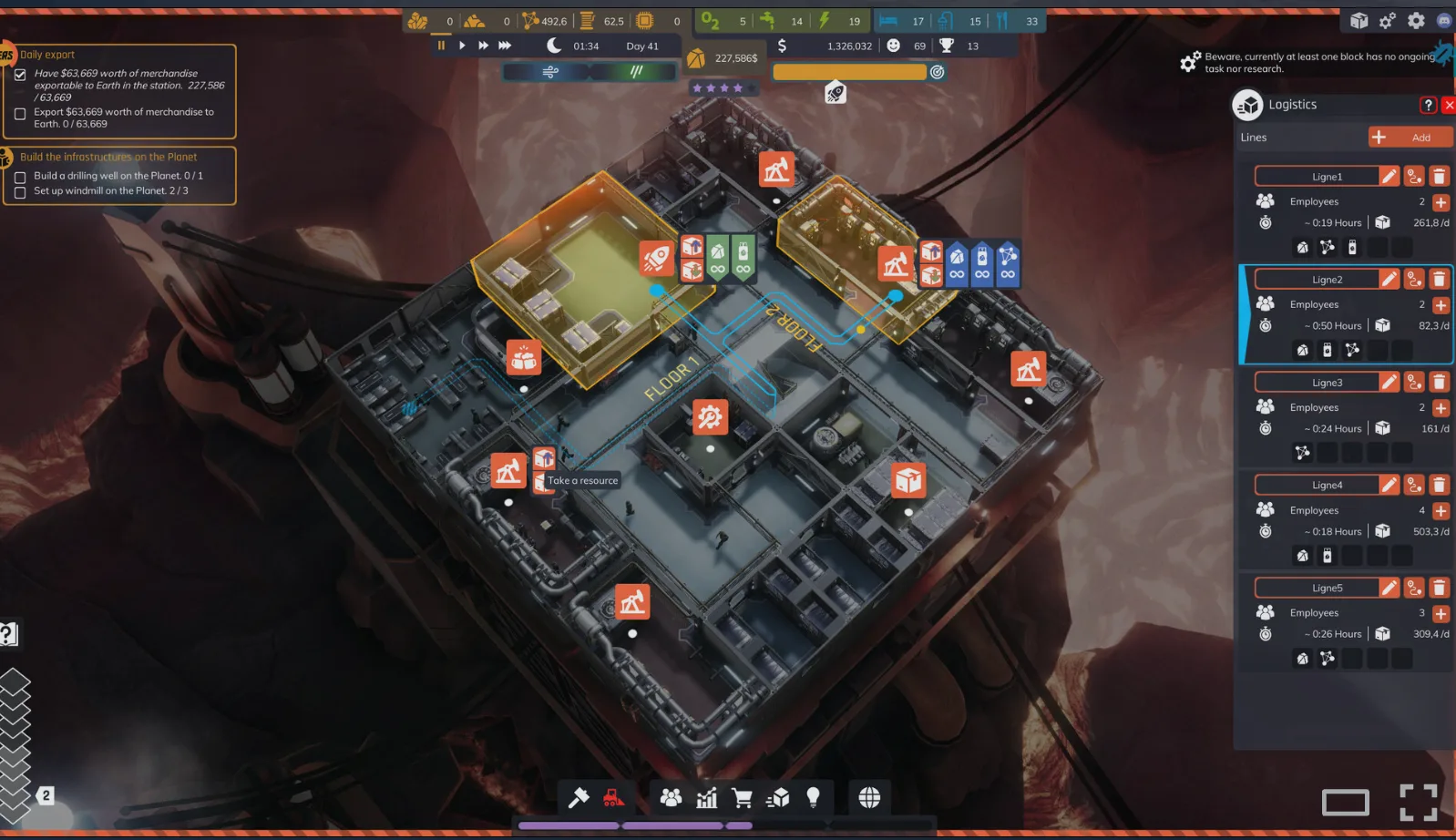
Space Drilling Station doesn't aim to redefine a genre. It has the more modest and more difficult ambition of offering a gameplay loop worth staying in. It almost pulls it off.
Alexandrosse
InsertCoins.press Score
7/10
Verdict
Recommended
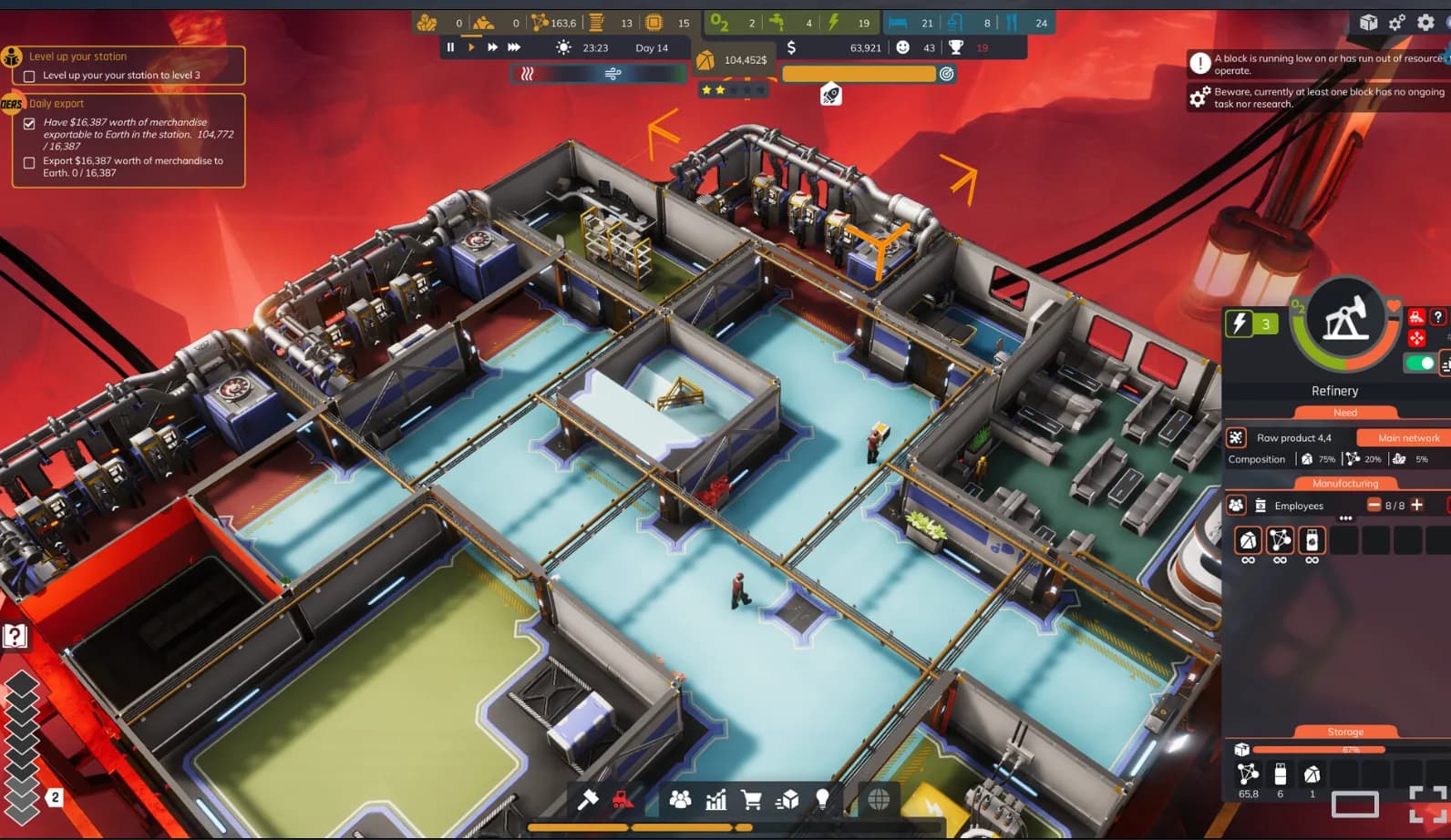
On paper, Space Drilling Station has nothing revolutionary going for it. You manage a space drilling station, extract resources, upgrade your equipment, push a little deeper each session. The kind of pitch you've read a hundred times in Steam's catalogue over the last five years. And yet, past the first hour, something catches. That quiet satisfaction of watching numbers rise, tunnels extend, unknown depths give way a little more with each descent.
It's not a great game. But it's an honest one. In this category, honesty counts.
Everything rests on a simple, well-calibrated cycle. Descend, drill, return. Between runs, sell recovered ore, invest in better equipment, unlock new modules for the station. The next session you go a level deeper, with a little more power, against a little more resistance.
What separates Space Drilling Station from a simple idle game is the presence of active management during descents. You're not just watching a progress bar fill. You're making real-time decisions: which ore vein to prioritise, how to manage drill heat, where to install energy relays to maintain the link with the surface. These decisions aren't complex, but they're present, and they give each session a sense of engagement a simple clicker wouldn't have.
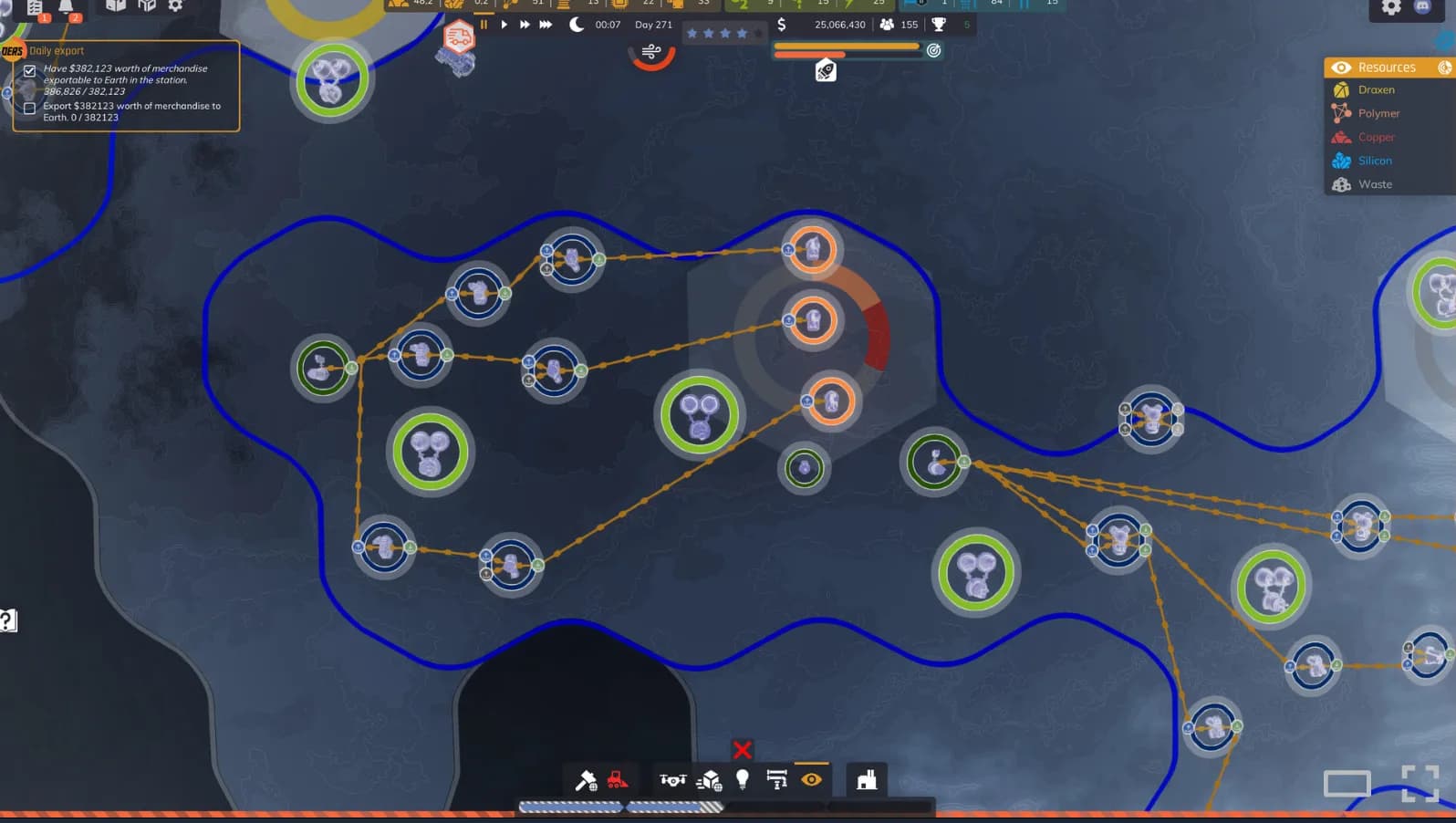
The vertical progression is the game's absolute strongest point. Each geological layer has its own rules, its own ores, its own hazards. The first hours pass through relatively docile rock. Then come unstable caverns, gas pockets, crystalline formations that damage drills if you don't slow down. And deeper still, materials you didn't expect that redefine what you can build.
This progression through strata is communicated visually with care. The game's aesthetic, restrained but coherent, shifts imperceptibly as you descend. The cold metallic tones of the early levels give way to something more organic, more mineral, more strange. You never quite know what's waiting in the next layer. That's enough to keep going.
The station module system is also well thought through. You don't just unlock stat upgrades, you unlock new functions: a ground analyser that anticipates dangerous formations, a thermal recycler that captures drill heat to power secondary systems, a rare ore laboratory that opens a more advanced crafting branch. Each module slightly changes how you play, and the progression reads as a succession of small revolutions in the station's daily routine.
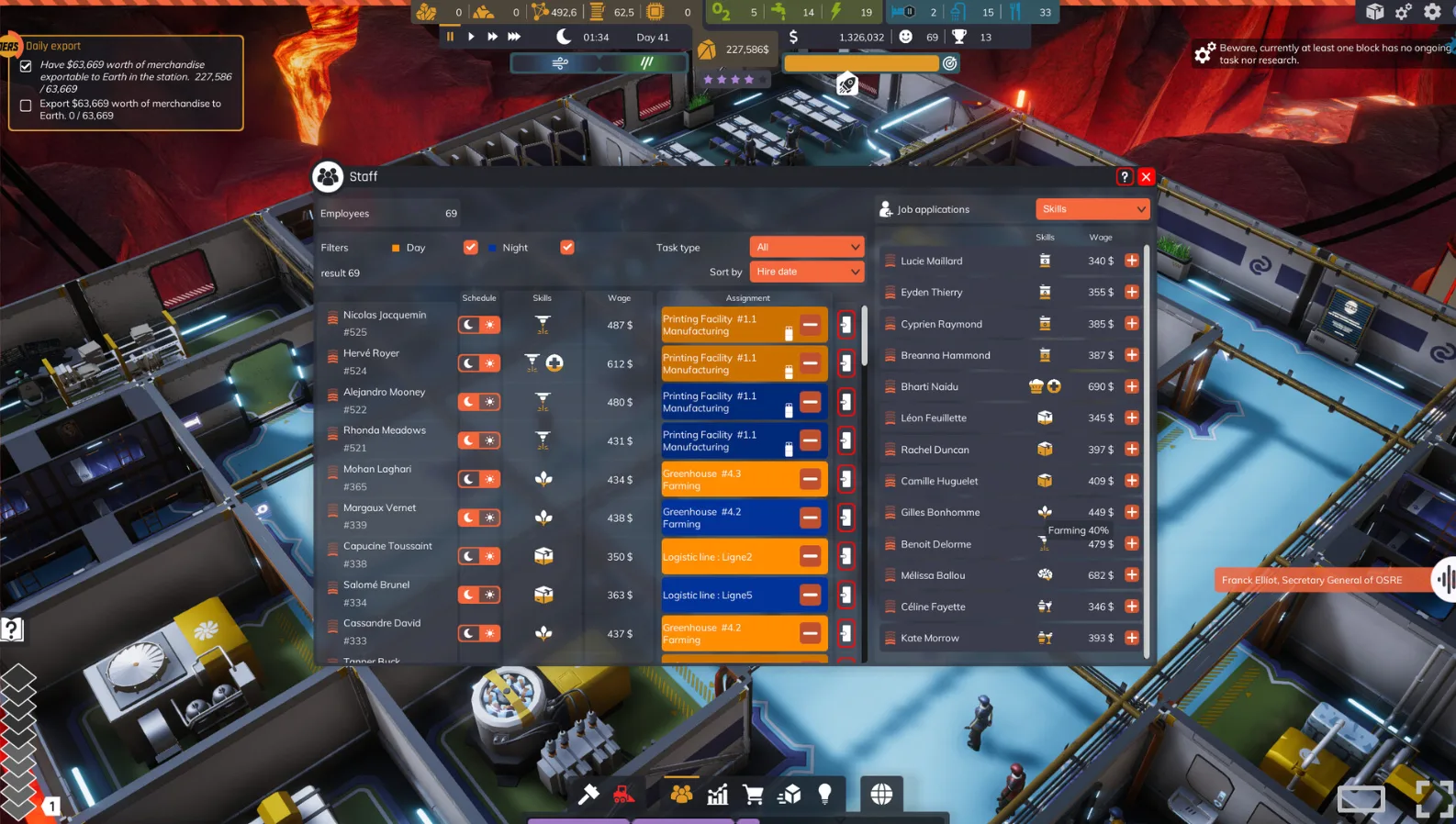
Space Drilling Station has a pacing problem over the long run.
The core loop is solid in the first five hours. It becomes predictable over the next ten. Past a certain depth threshold, new hazards start looking too much like old ones, new ores have different names but similar functions, and the research tree begins offering percentage upgrades where you were hoping for genuine surprises. The game doesn't collapse, it just repeats itself.
The interface is also a recurring point of friction. Station management menus are functional but poorly readable: too much information at the same level of visual priority, icons that resemble each other, an information hierarchy that takes too long to become instinctive. Not a dealbreaker, but in a game where you spend as much time in menus as in tunnels, it's a cumulative frustration.
The sound design, finally, is the weakest part of the production. Drilling sounds are fine, the surface space ambience too. But the music loops are short and repeat quickly, to the point where you often end up muting the game after an hour to put something else on. For a game designed for long, repetitive sessions, that's a gap that weighs more than it should.
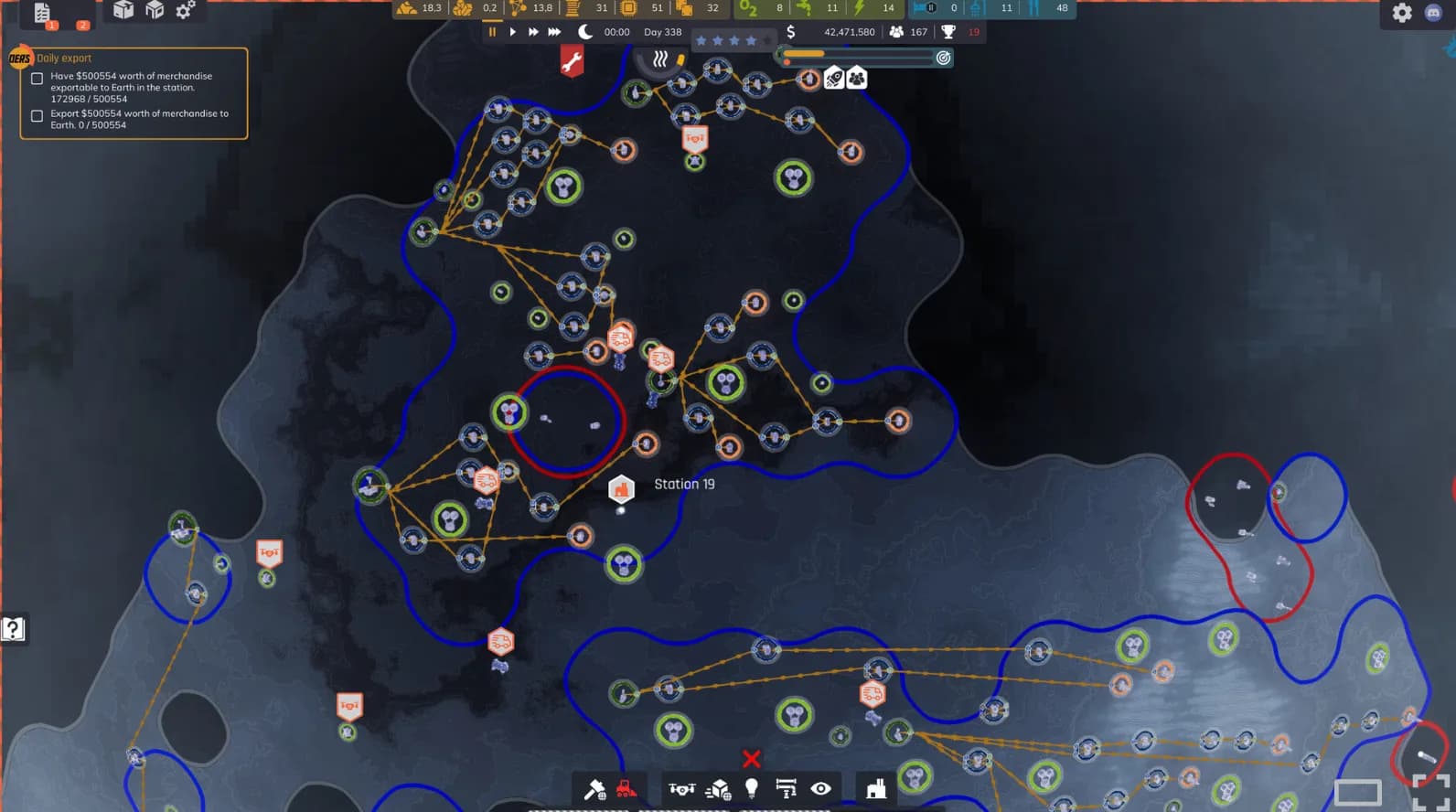
Space Drilling Station offers a survival mode alongside the main campaign, where resources are scarce, equipment failures are permanent, and random events hit harder. That's where the game finds a second life.
The constraint changes everything. When a drill breaks down 800 metres deep and you don't have the materials to fix it on site, decisions suddenly matter. Head back up and lose the session's progress, or improvise with what you have? Survival mode asks questions the main campaign carefully avoids, and it's hard not to wonder why that tension wasn't built into the base experience from the start.
Space Drilling Station is a good management and exploration game that contains an excellent game it hasn't quite decided to become yet.
The foundations are there: a satisfying progression loop, well-constructed verticality, a module system that adds texture to the management layer. Survival mode proves the engine can generate tension and urgency when given the chance. What the game lacks is the willingness to follow its own mechanics all the way through. The second half of the progression runs out of breath exactly where it should be accelerating. The interface penalises without reason an experience that deserves better. And the sound design abandons the player precisely at the moments it should be carrying them.
These are fixable problems. And they don't erase what works. Space Drilling Station deserves its audience, and that audience will almost certainly spend far more hours in it than they planned. But it also deserves updates that take seriously what survival mode demonstrates: this game is capable of being demanding. It should remember that more often.
Strengths:
Weaknesses:
Tested on PC.
The discussion carries on over on our Discord, where we relitigate scores for far longer than is reasonable.
Community
Your rating
Advertisement
Loading comments...
You might also like
You struck a deal with a dragon. All that is left is serving both sides without either finding out. The 1.0 lands on 23 October.
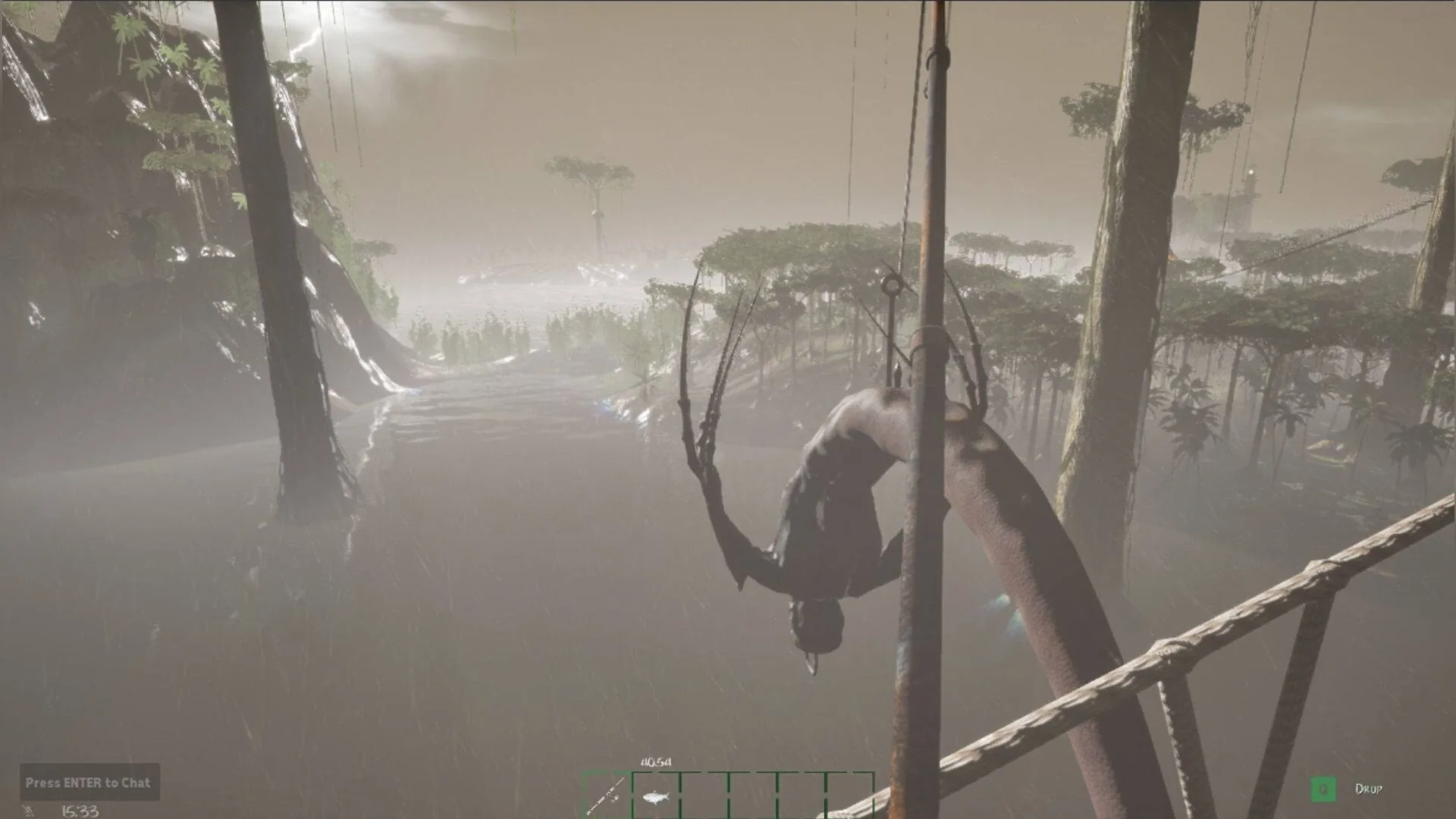
A co-op horror fishing game at nine euros. You must sacrifice fish every day, and the beast is not the worst thing out there.
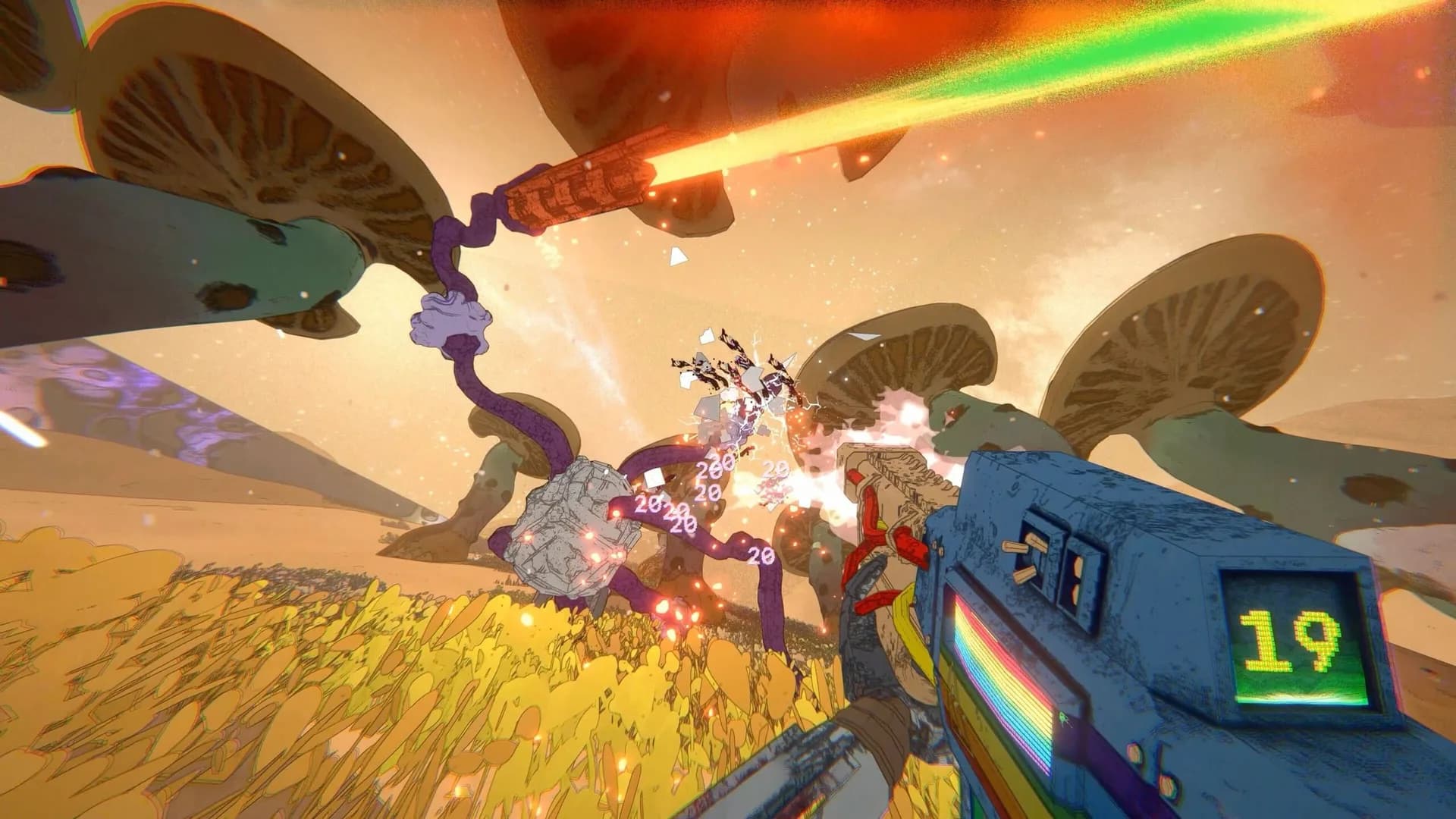
Scrapheap robots sent to exterminate a planetary fungus. The 1.0 lands tomorrow, and the upgrade grid is the genre's best idea.