7
Test
Barfender: my idiotic friend drank all the beers
A co-op bar that collapses while you serve. 98 per cent positive, and one of the rare times chaos is the actual subject.
Alexandrosse
7 min
A space agency simulator where the numbers do not match the descriptions, and where one loan is enough to dead-end your save.
Alexandrosse
InsertCoins.press Score
4/10
Verdict
Disappointing
Three positive reviews out of twelve. Twenty-five per cent.
That is rare, and it is not deserved. Not entirely, at any rate, and that is what makes this case interesting.
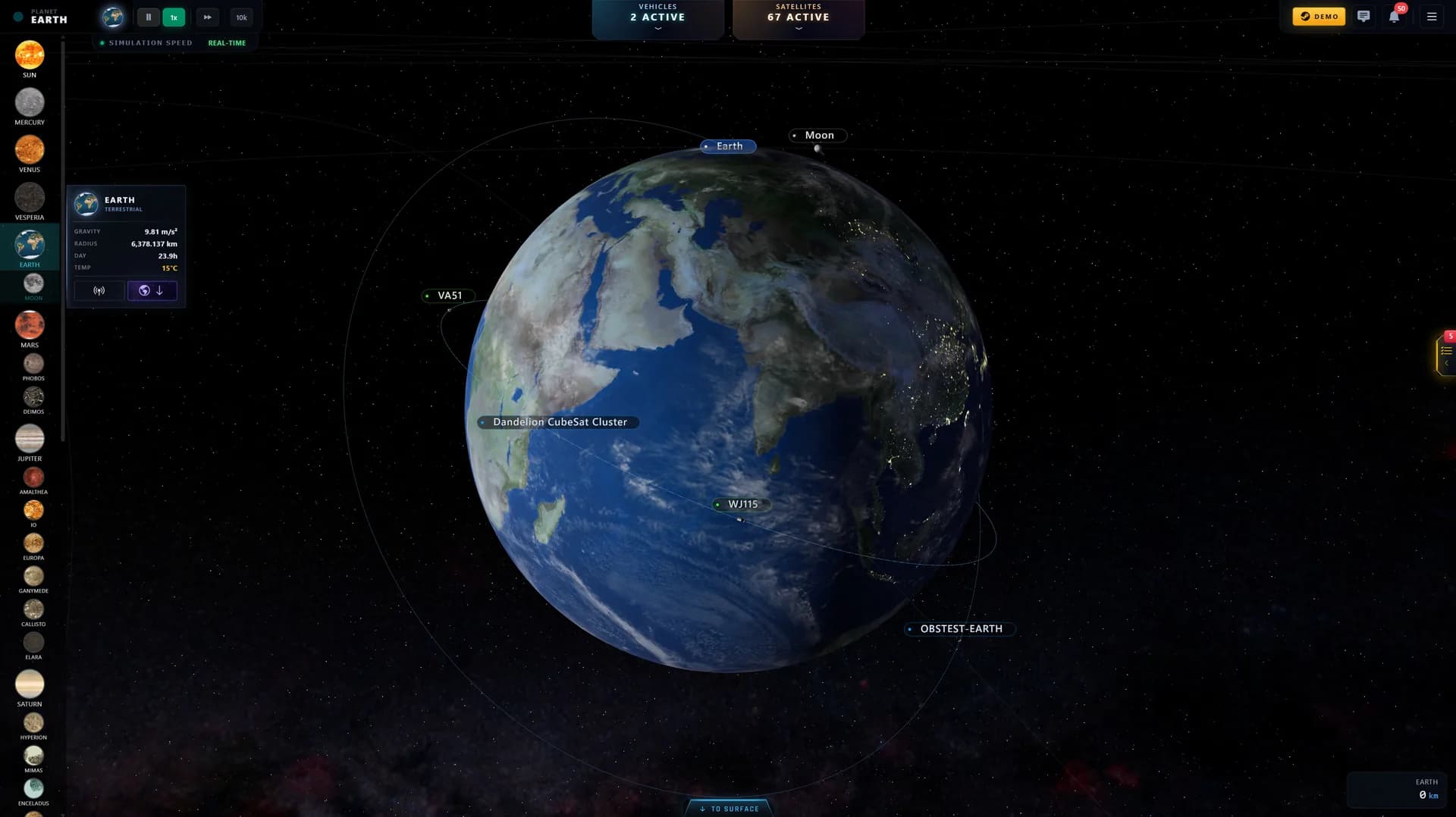
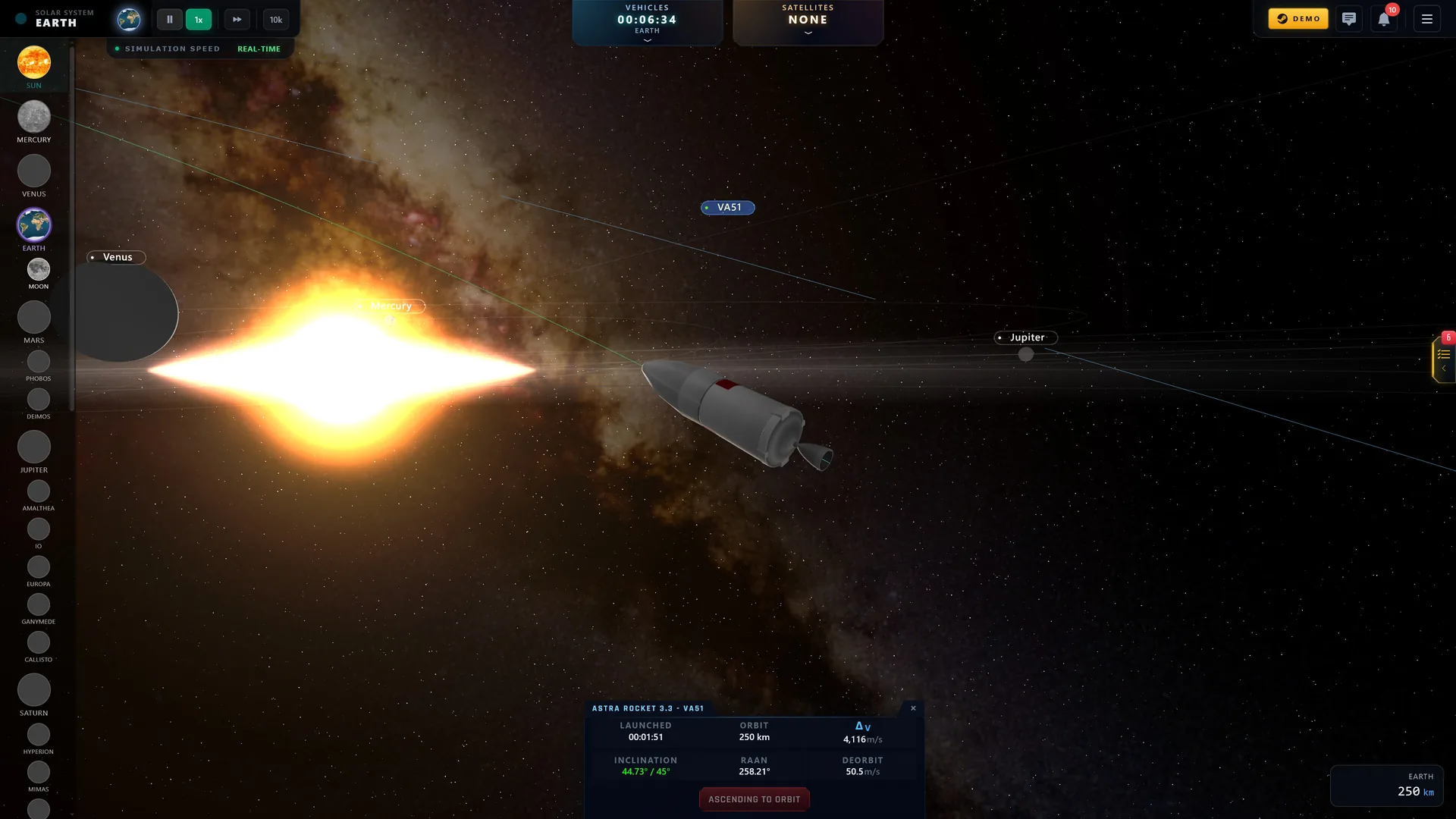
Space Manager is a sandbox simulation where you run an aerospace empire.
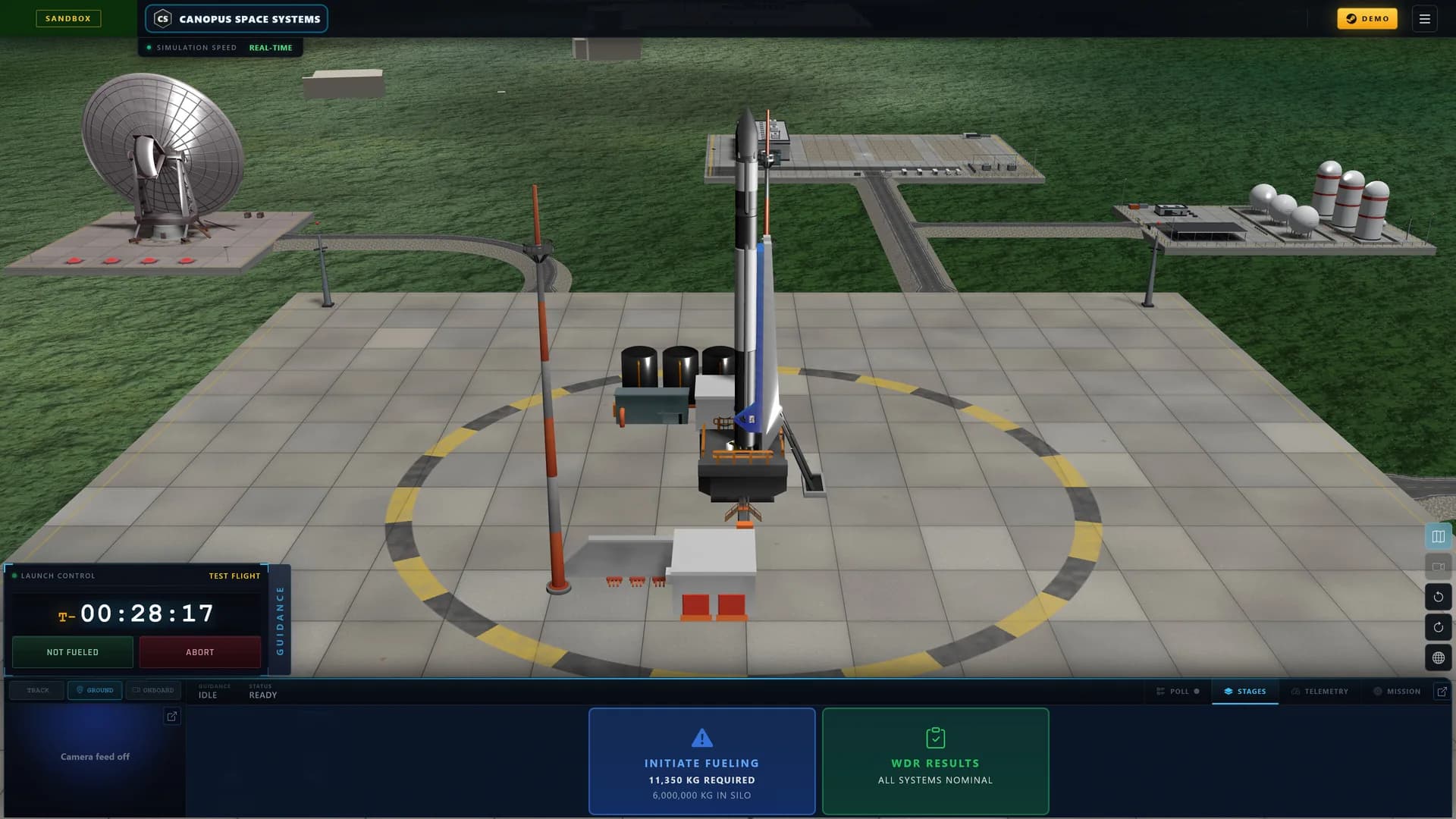
You first choose your launch centre on Earth, and each site has its advantages: geography, weather and regional bonuses change the cost and efficiency of your launches. A fair detail, which raises a smile from anyone who knows why launchers go up near the equator.
Then you take contracts, because launching rockets is expensive. You send satellites into Earth, lunar or planetary orbit to earn money, reputation and experience. You scan planets for data. You design your own missions, with trajectory and ascent details. And you climb a research and development tree.
The players who like it describe it well. One talks about a dense game, full of detail, that does not hold your hand and lets you work things out, and presents that as a quality. Another, at ten hours, describes jumping aboard his own satellites to see worlds up close, and exploring the far reaches with telescope arrays.
There is a game in here for people who loved Kerbal Space Program without wanting to fly the thing themselves. That is a real niche, and a thinly occupied one.
Here is the central complaint, and it is technical, specific, and repeated by several independent players.
The rockets do not do what their descriptions say.
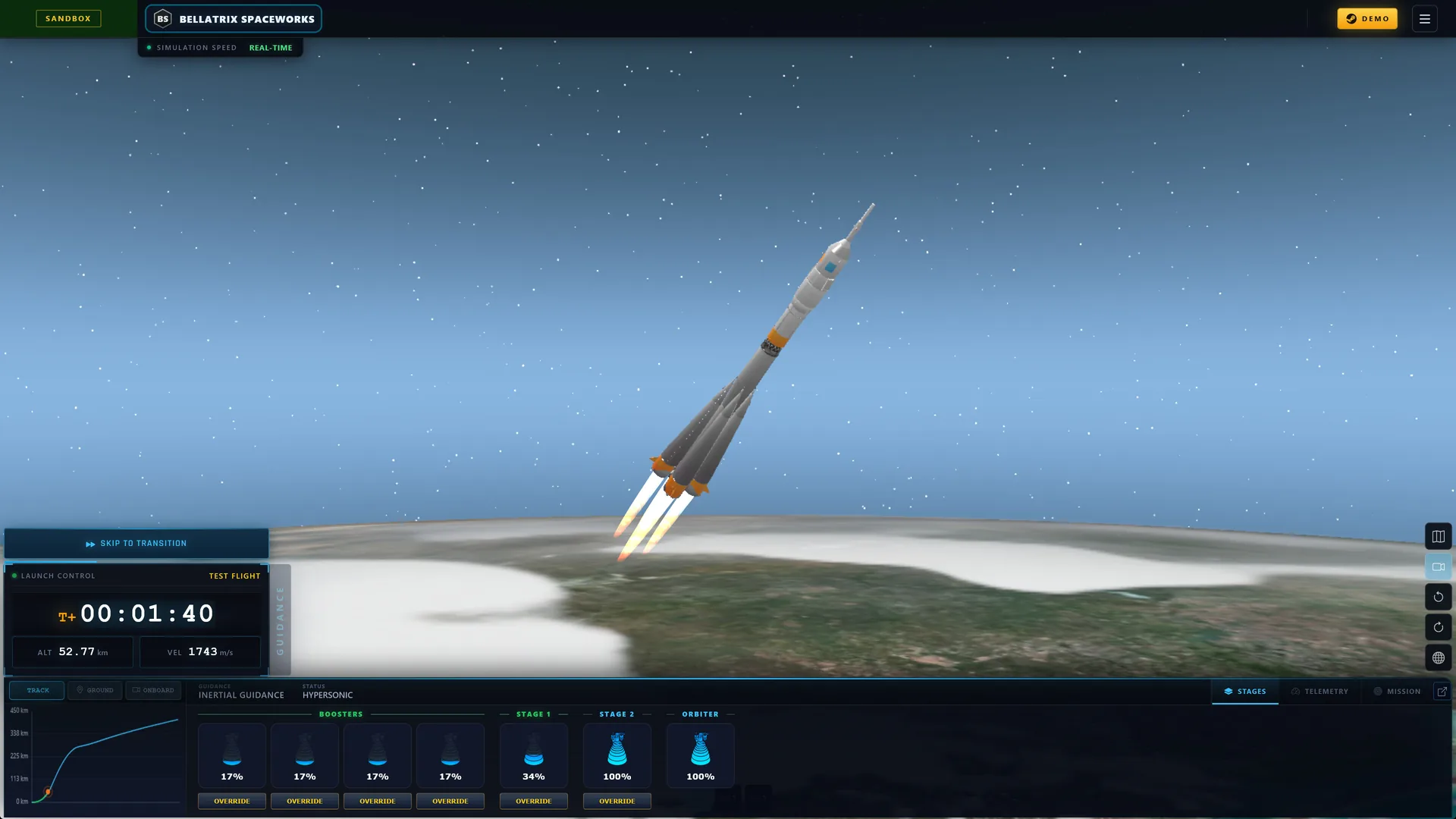
One player spells it out: he owns launchers whose description states they reach Venus and Mercury, and those launchers cannot get to the Moon. Because, he says, every lunar transfer demands fifteen thousand metres per second of delta-v, a figure you do not come close to for a very long time.
Another says the same thing with less composure: a rocket that should make Jupiter cannot even make the Moon, and a launcher's rating has zero correlation with what it actually does.
For anyone who does not follow this: delta-v is astronautics' reference measure, the one that says how much change in velocity a vehicle can produce. An Earth-to-Moon transfer in reality sits around a few thousand metres per second from low orbit, not fifteen thousand.
I am not going to assert the game has a bug, because I do not know its internal model and it may be counting something else. But when several players, some visibly knowledgeable, describe the same gap between a launcher's description and its result, there is at minimum a legibility problem.
And in a game whose entire subject is planning missions with numbers, a number that does not mean what it says is not a detail. It is the game.
The second complaint is simpler and perhaps more serious.
A player with eight hours explains that the game is quite fun at first, then that the interesting contracts become far more expensive. And there the mechanism closes: when you are in debt and have already taken one loan, you cannot take a second.
So you cannot buy a rocket. So you cannot fulfil a contract. So you earn no money.
That is not difficulty, it is a dead end. A management game must always leave a way out, however humiliating: sell an asset, take a miserable contract, lay people off. Closing the last door turns a bad save into a dead save, and the player's only option is starting over.
Another player confirms the wall elsewhere: past level 20, when you need high delta-v, it becomes unplayable.
The tutorial has thirty steps. One player asks the killer question: how do you play a game that has thirty steps in its tutorial? He advises the developer to look at Mars Horizon, which managed to simplify without losing its grip on reality. It is good advice.
Sandbox mode is unusable as it stands, according to one player: you can launch a rocket and that is it, with no way to plan a mission.
And there are bugs that force a restart.
One thing, and it recurs in positive and negative reviews alike: the developer is present.
One player describes a lunar orbit issue uncovered by the community on day one and fixed on day two. Another talks about a very responsive developer and a helpful community.
That is the kind of detail that completely changes the prognosis. A game with a good idea, maths needing another pass, and an author who answers within twenty-four hours is a game with every chance in six months.
So let us be clear about what this score means.
It does not say Space Manager is a bad project. It says that today, at 13.45 euros, you are buying a game whose central mechanic does not communicate properly with you, and which can lock you into a save with no way out.
If you are the sort who enjoys deciphering an uncooperative system and talking to the developer on their server, go ahead, you will have a good time and you will be useful.
If you simply want to run a space agency without doing reverse engineering, wait. There is a genuine chance this game is much better by spring.
Worked out how to escape the debt spiral? Come and say so on the InsertCoins Discord, there are people stuck.
Community
Your rating
Advertisement
Loading comments...
You might also like
A co-op bar that collapses while you serve. 98 per cent positive, and one of the rare times chaos is the actual subject.
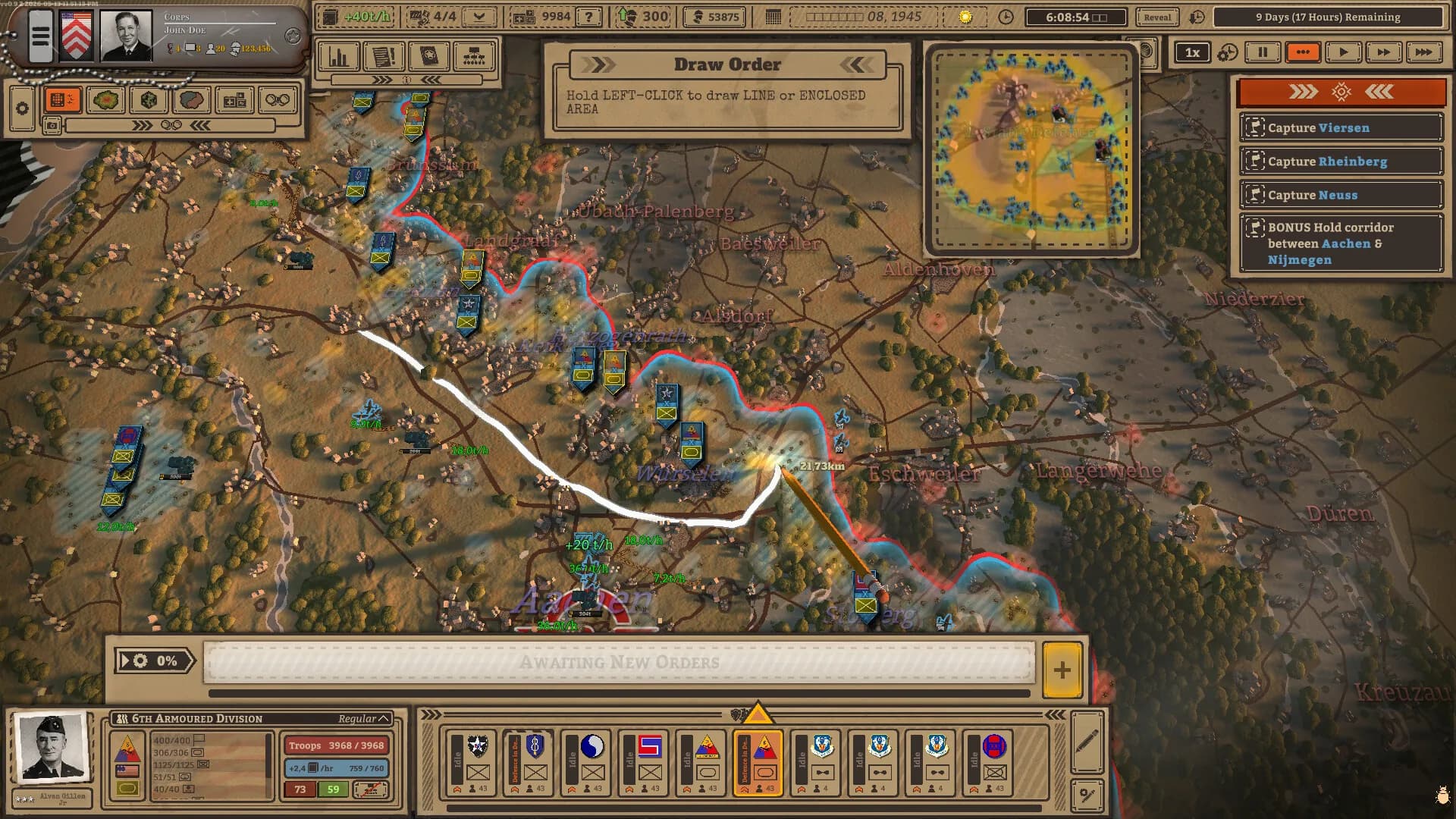
You draw a plan on the map and officers execute it alone. Except the game crashes every other planning phase.
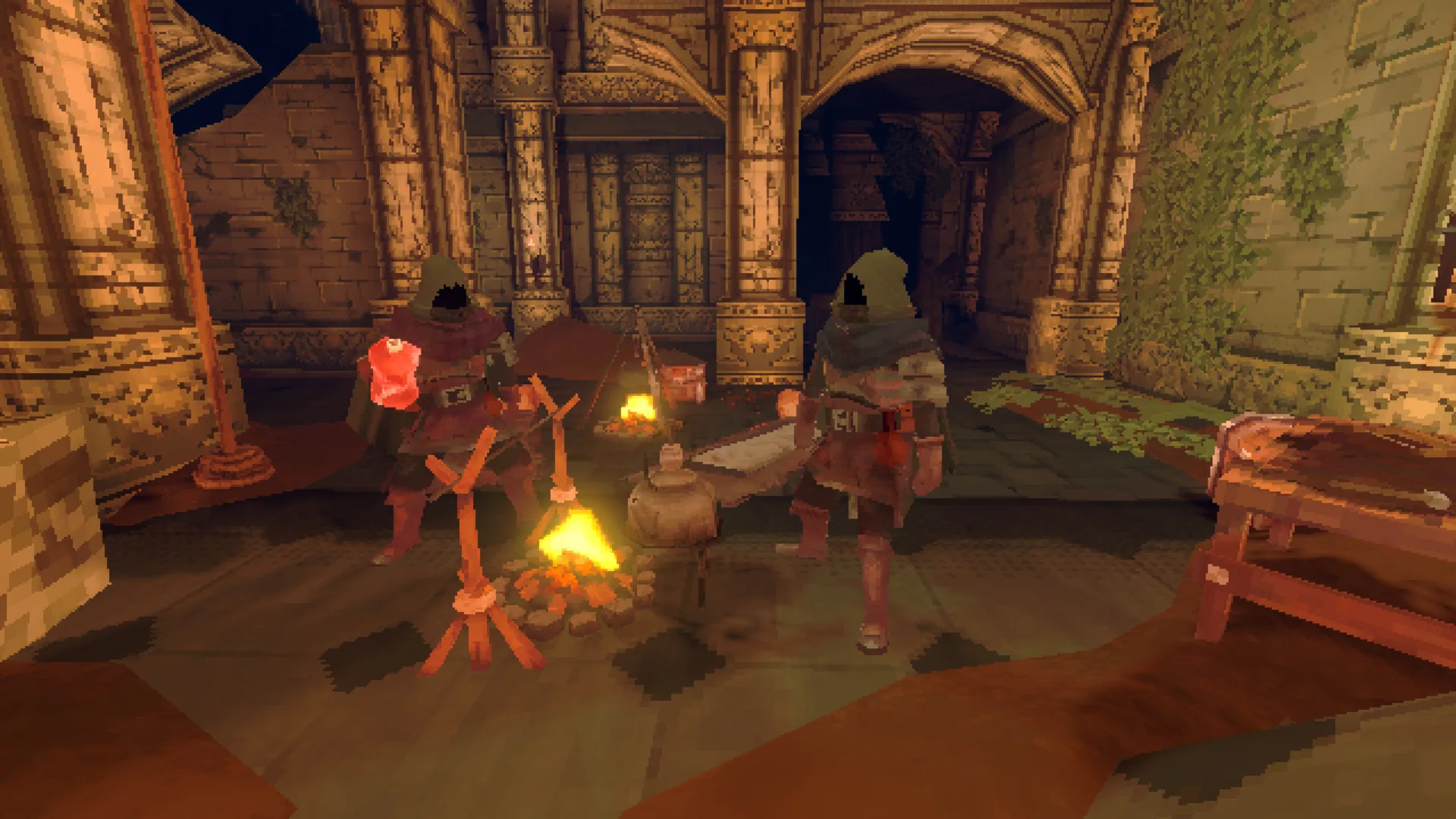
The Knights of Pen & Paper team return with a dungeon where you come back to camp, cook, and unlock recipes that change your stats.