Preview
Ace Combat 8: seven years of waiting and, for the first time, an online lobby
Thirty years of the series, seven without a numbered entry, and an air base where you meet other pilots as an avatar before taking off.
Alexandrosse
7 min

Arenas reconstructed with Rome, Capua and Pompeii, and a pre-alpha that says so itself on its store page. Rare, and worth noting.
Alexandrosse
Let us start with what made me write this, and it is not the gladiator.
It is that on its own store page, the studio writes "Pre-Alpha Stage" in bold, and then lists exactly what exists and what does not.
In a sector where early access too often serves as a screen, somebody detailing the real state of their game before taking your money deserves credit before any criticism.
Early access entry announced for 31 October. No score today.
I am copying it out, because it is the most useful information in this article.
Local and multiplayer modes are functional. Story mode is planned for the future. The game has five characters with partial customisation, still in development, and six environments. Many aspects will be reworked in the next phase, and regular patches are announced.
There. You know what you are buying on 31 October, and that is more than most Steam pages tell you.
This is the part that gives the project its identity, and it is unusual.
Independent studio Survival Player announces that it worked in partnership with the archaeology departments and reenactors of Rome, Capua and Pompeii.
Those three cities are not chosen at random. Capua is where Spartacus was a gladiator slave and where the revolt began, and its amphitheatre is one of the largest still standing. Pompeii has its amphitheatre, the oldest known stone one, preserved because the town was buried. Rome needs no introduction.
So arenas inspired by real locations, characters and combat designed from historical research. The reenactors are the most interesting part of the arrangement: they are the people who know what a shield weighs, how a gladius is held, and how fast you tire under a helmet.
If that collaboration translates into combat mechanics rather than documentation, it could produce something genuinely distinct. If it only translates into scenery, it will be one more marketing line.
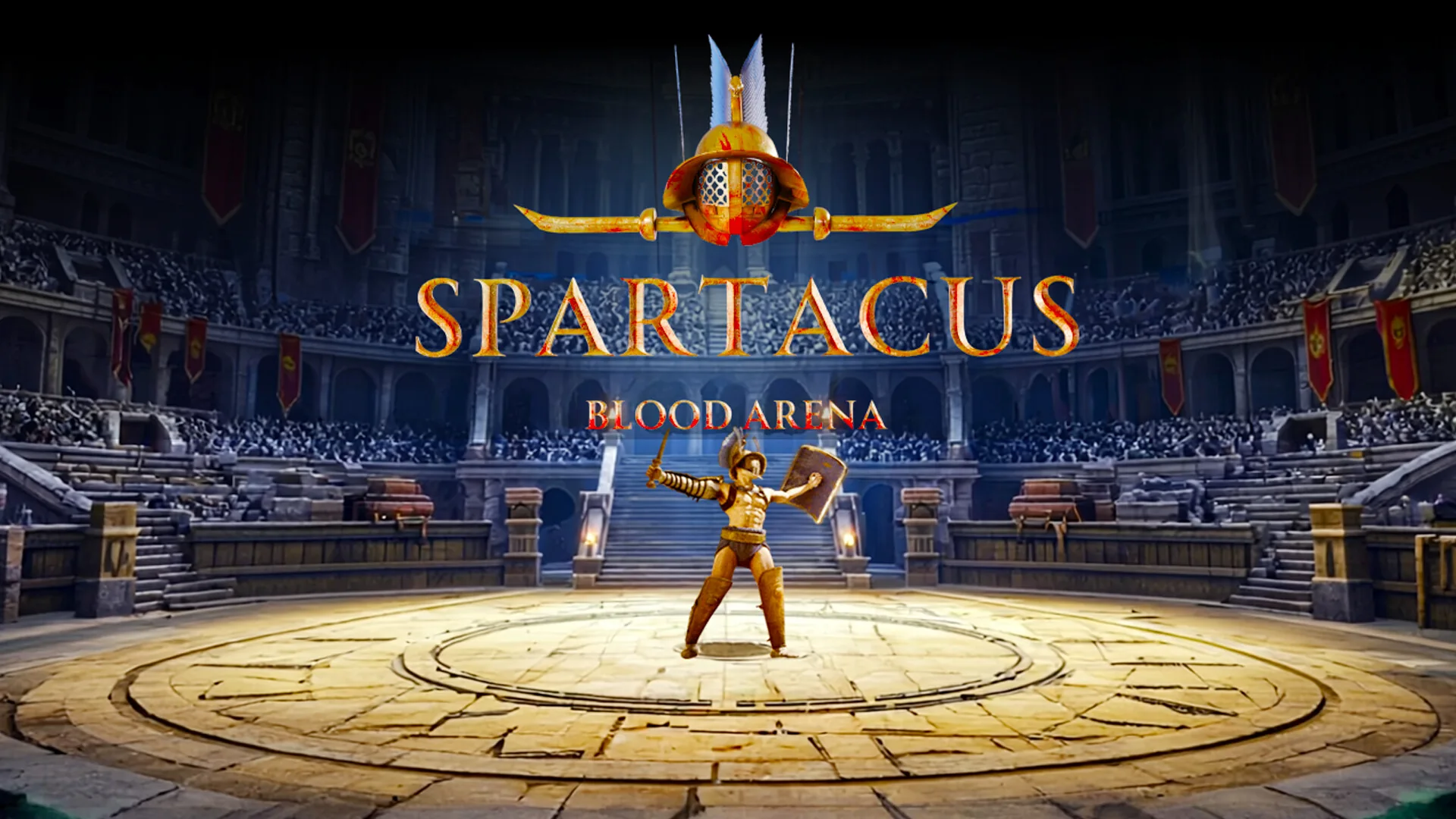
A real-time system, described as brutal and dynamic, with weapon and armour customisation, and several fighting styles to master, those also still in development.
That is very little information, and that is normal at this stage.
The phrase that interests me is fighting styles. The gladiator world rested on highly codified weapon types, pitted against each other by rule: the retiarius with his net and trident against the secutor with his big shield and smooth helmet, for instance. Every pairing was a different tactical problem, with an advantage and a weakness.
A game that built its balancing on that, rather than on invented classes, would have something nobody else has. It is exactly the kind of thing a partnership with reenactors is supposed to deliver.
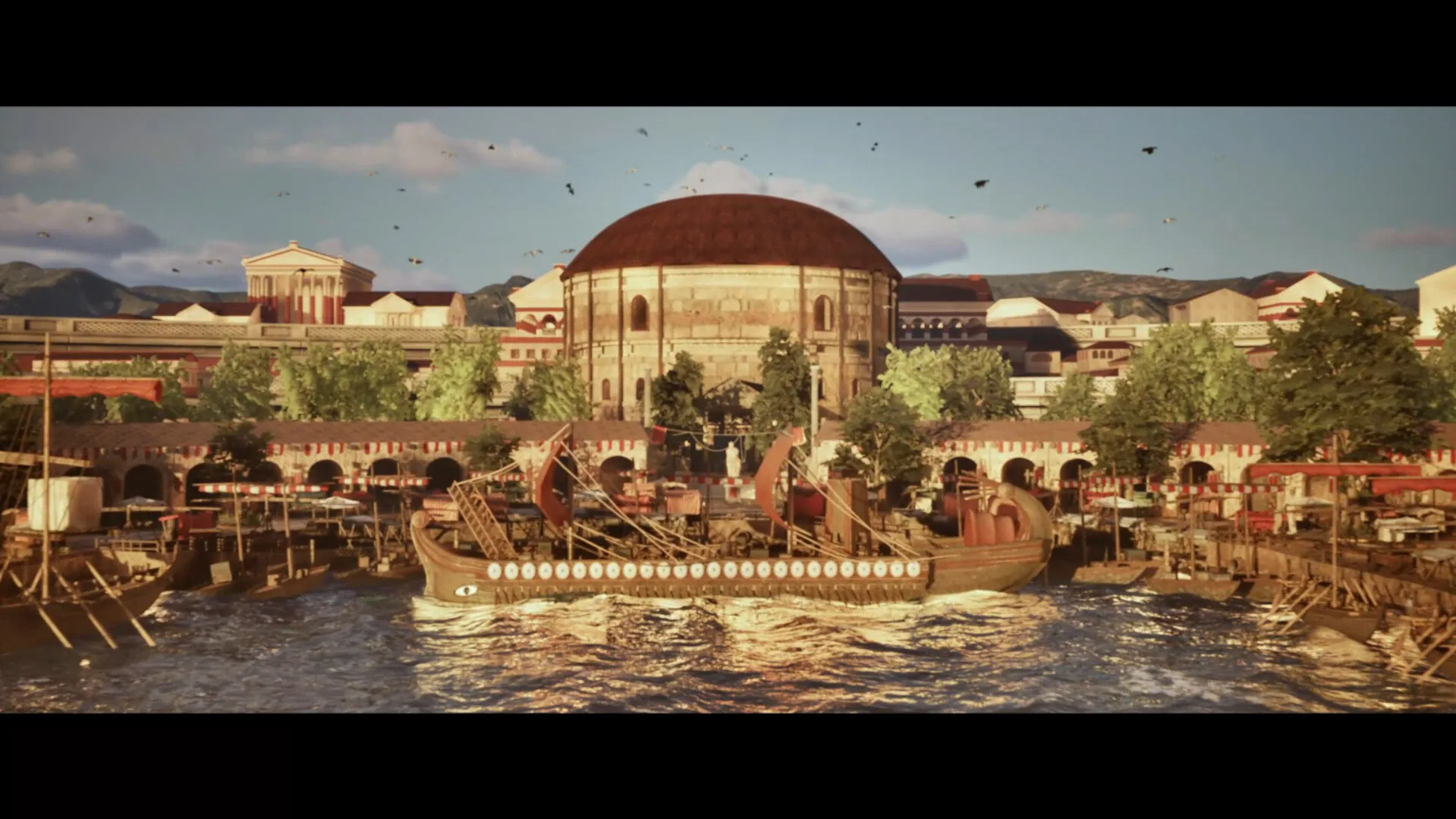
Five characters and six environments is very little. It is honestly announced, but announcing it does not change the quantity of content. If you buy on 31 October, you are buying a promise and access to the next phase, not a game.
The absence of a story mode is structural. For a game called Spartacus selling a historical reconstruction, the campaign is not an option, it is the reason for existing. As things stand, this is a combat arena with a famous name on it.
And a fighting game lives on its population. Multiplayer is functional, says the store page. There still has to be somebody in it, and that is the problem facing every small arena game regardless of quality.
I am keeping an eye on this for one simple reason: the gladiator world is a setting everybody knows and almost nobody has treated seriously. We have had arena games, Roman hack and slash, and very little that asked how people actually fought in those amphitheatres.
A small studio knocking on archaeologists' doors to find out is the right method. Turning documentation into a game is by far the harder part.
Know a game that did gladiators well? We are still looking, tell us on the InsertCoins Discord.
Community
Your rating
Loading comments...
You might also like
Thirty years of the series, seven without a numbered entry, and an air base where you meet other pilots as an avatar before taking off.
A global maritime logistics simulator, with real ports, automated routing rules, and 162 shipping licences to collect.

Weigh-ins, meal planning, a day job between fights, accumulating injuries and a bareknuckle circuit. Halfbrick is not joking at all.