Preview
Hubert: a tale of friendship, bravery, and barking at sheep
You are a shepherd dog in the northern wilderness. You see the world through movement, scent and instinct, and you gather a flock.
Alexandrosse
6 min
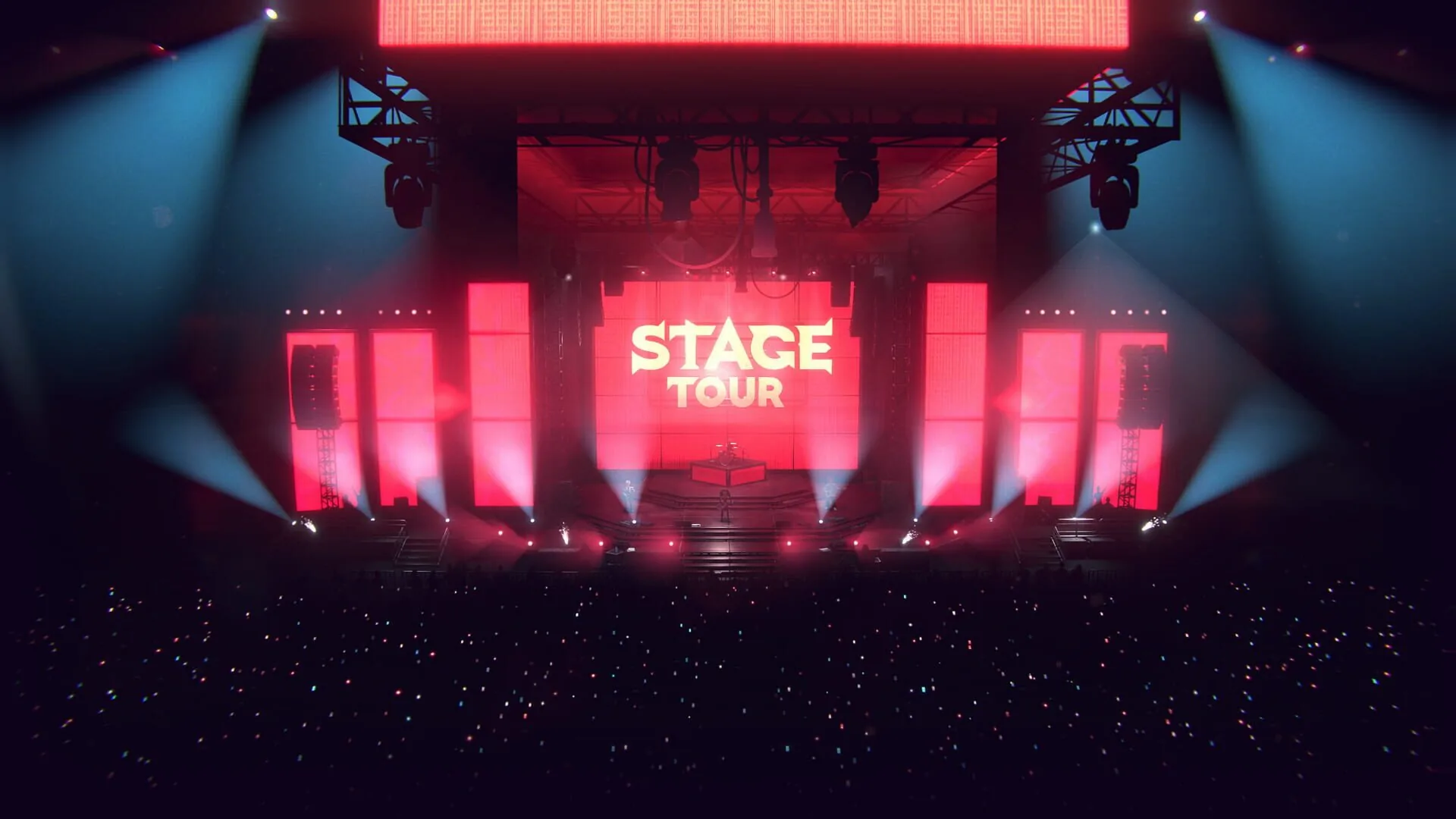
RedOctane, the studio behind Guitar Hero, is resurrected to deliver Stage Tour. Controller or plastic guitar, a band to build, live service: the nostalgic dream is here, but the genre died once.
Alexandrosse
Some genres don't die of old age, but of excess. The plastic-instrument rhythm game was one of them: adored, omnipresent at the turn of the 2010s, then killed outright by an avalanche of annual releases and fake guitars that ended up cluttering every closet in the world. Guitar Hero left too soon, in full glory, victim of its own gluttony. And now Stage Tour arrives with a promise that strums the nostalgic string: bringing it back to life. Better still, it's its original creators holding the pick.
Stage Tour is a rhythm game developed and published by RedOctane Games, expected on PC and consoles in fall 2026, currently in closed alpha playtest. And that name, RedOctane, is no trivial thing: it's the historic studio that launched Guitar Hero, now resurrected by veterans of the genre, hardware innovators and figures from the music-gaming community. In other words, we're not talking about an opportunistic imitator, but the people who literally invented this fake-guitar madness. For a player who wore out their fingers on the colored frets, it's the return of the king, and the anticipation is immense.
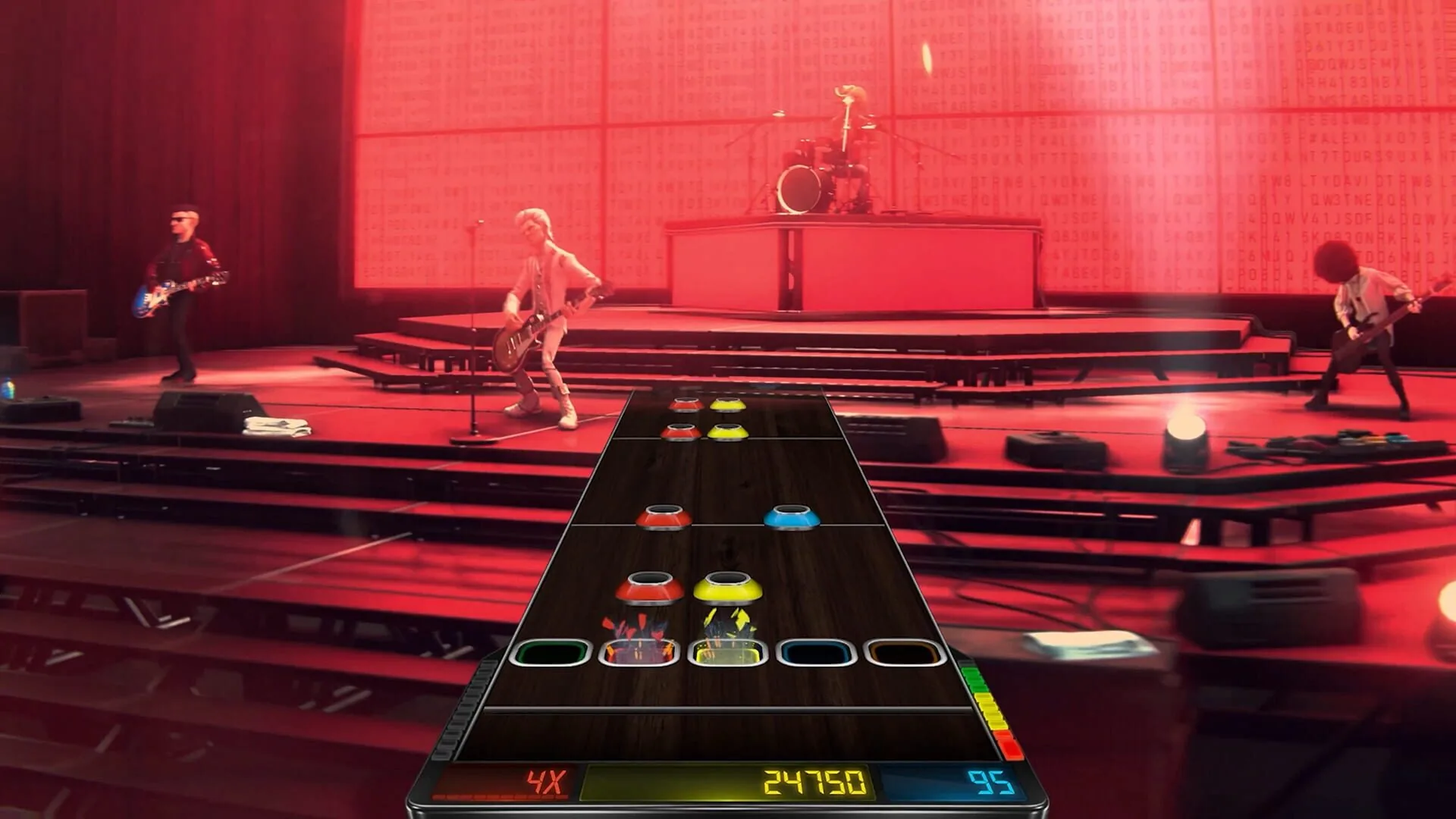
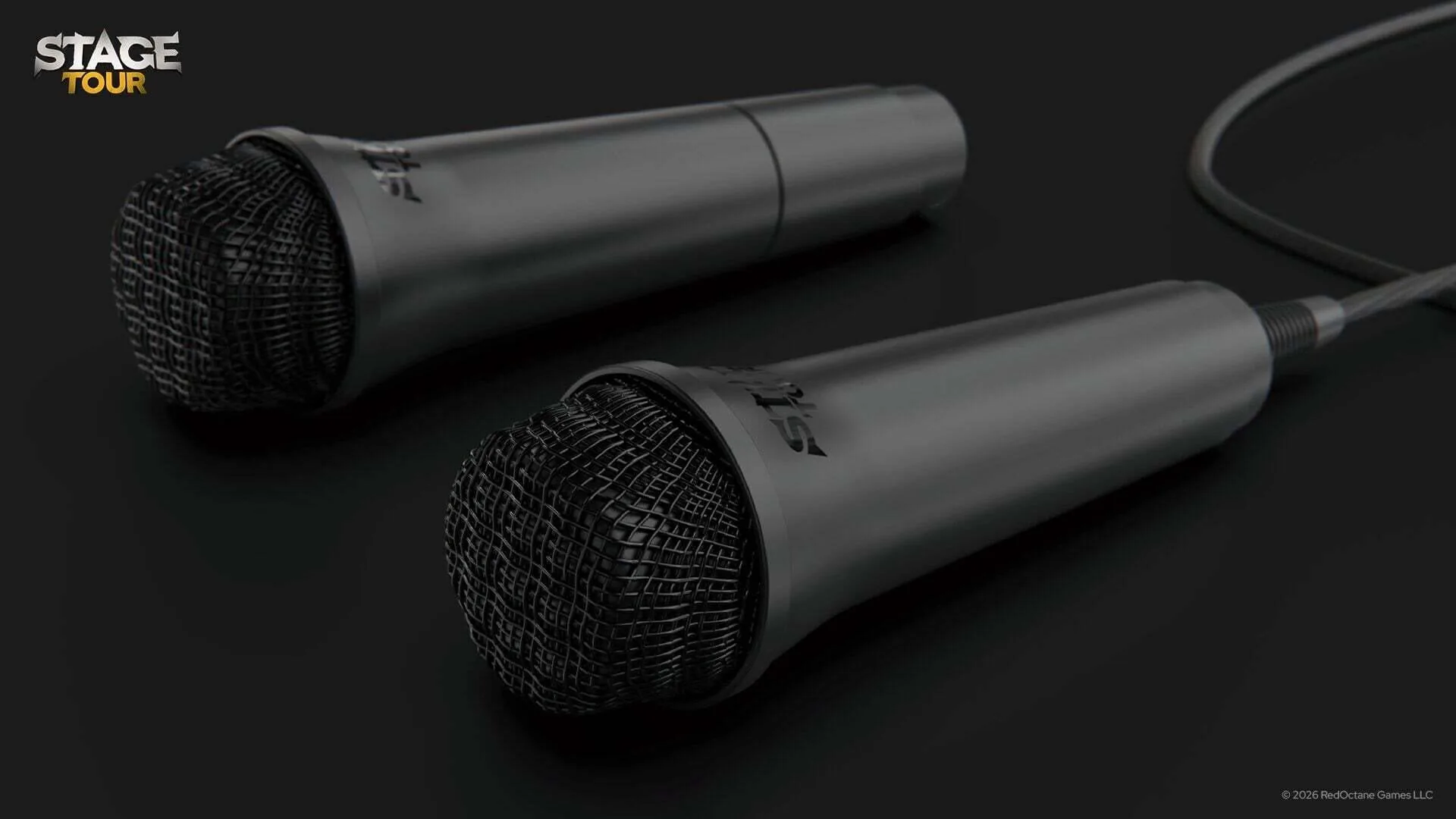
Stage Tour takes up the sacred formula, the note highway, that ribbon of scrolling notes you have to play in rhythm, accessible in a second and masterable in a thousand hours. Up to four players, local and online, split the mics, the drums and the five-fret guitars to chain a repertoire oriented toward rock and metal. But the main twist is the place given to the band. You don't play a lone hero, you build your band: you unlock members with their own personality, look and stage presence, and assign them to the roles of lead, groove, drums or vocals. The game sells the full fantasy, that of being a band, not just an isolated virtuoso.
The other big difference from the games of old is the live-service approach, and that's where Stage Tour tries to correct the mistake that killed its ancestors. Gone is the model of the fixed tracklist sold every year in a box, topped with overpriced DLC. Here, the game aims to be a living, evolving platform, with a roadmap of seasonal content, regular in-game events and ranked competitive progression. A clever detail that directly answers the plastic trauma: the charts adapt not only to the difficulty you choose, but also to the controller you use. So it seems you'll be able to play with a standard controller as well as with the fake guitar, which considerably lowers the entry barrier of a genre once held hostage by its peripherals.
The hope is immense, but lucidity is a must, because the instrument rhythm game didn't die by chance. Its fall owes to structural reasons that haven't disappeared. First, the cost and clutter of the peripherals: asking players again to buy and store a plastic guitar, in a living room already saturated with devices, remains a risky bet, even if controller support softens it. Then the question of music licensing, a financial pit that weighed down the genre's business model at its peak. A rhythm game is only worth its tracklist, and for now, we know nothing of the artists present. Everything, absolutely everything, will play out there.
The live-service model itself is a double-edged sword. While it theoretically avoids the annual saturation that killed Guitar Hero, it also opens the door to modern excesses we know all too well: aggressive monetization, seasonal content cut to create scarcity, a store lurking in an already paid game. The promise of an evolving platform can be a paradise for the player or a wallet trap, and we won't know which way Stage Tour leans until the model is revealed. Add that the niche is no longer empty, with a Fortnite Festival already occupying the space of the modern, free band game, and you understand the road back is strewn with obstacles.
Hard not to be excited, let's be honest. Stage Tour ticks every box of the nostalgic dream: the intact note-highway formula, the fantasy of the full band to build, official Gibson guitars, and above all the absolute legitimacy of RedOctane, the people who birthed the genre. On paper, it's exactly the return we hoped for, with the intelligence of having learned the lessons of the past, notably on the fixed-tracklist model and the opening to the controller. There's enough here to rekindle a flame we thought extinguished for good, and that prospect alone is enough to put a smile on our face.
But hope doesn't make a great game, and Stage Tour will have to answer the questions that buried its elders: a tracklist up to par, an honest business model, and a reason to stay beyond the nostalgia of the first evenings. The alpha playtest will tell us whether the magic still works controller in hand, but the real verdict will play out on the songs and on respect for the player. We await Stage Tour with the fan's enthusiasm and the burned man's caution. If RedOctane succeeds, we'll finally have the legitimate heir to Guitar Hero. If it falls back into the pitfalls of live service, it'll be one more reminder that legends sometimes gain from not coming back.
Preview based on studio information and the playtest.
We watch the release calendar together on our Discord, come and watch with us.
Community
Your rating
Loading comments...
You might also like
You are a shepherd dog in the northern wilderness. You see the world through movement, scent and instinct, and you gather a flock.
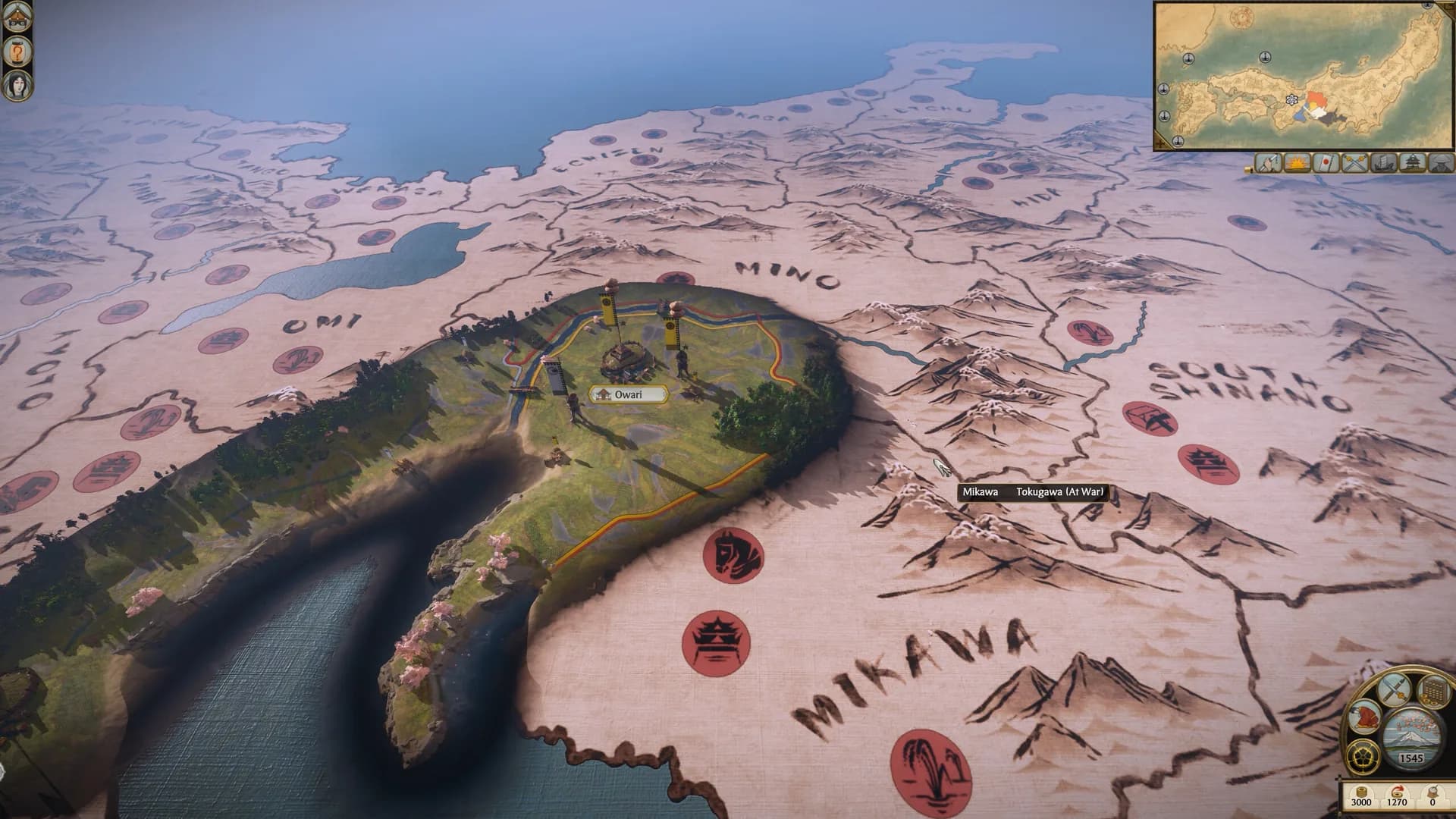
A 64-bit upgrade, built-in mod support, full Japanese voice acting, and over fifty minor factions made playable.
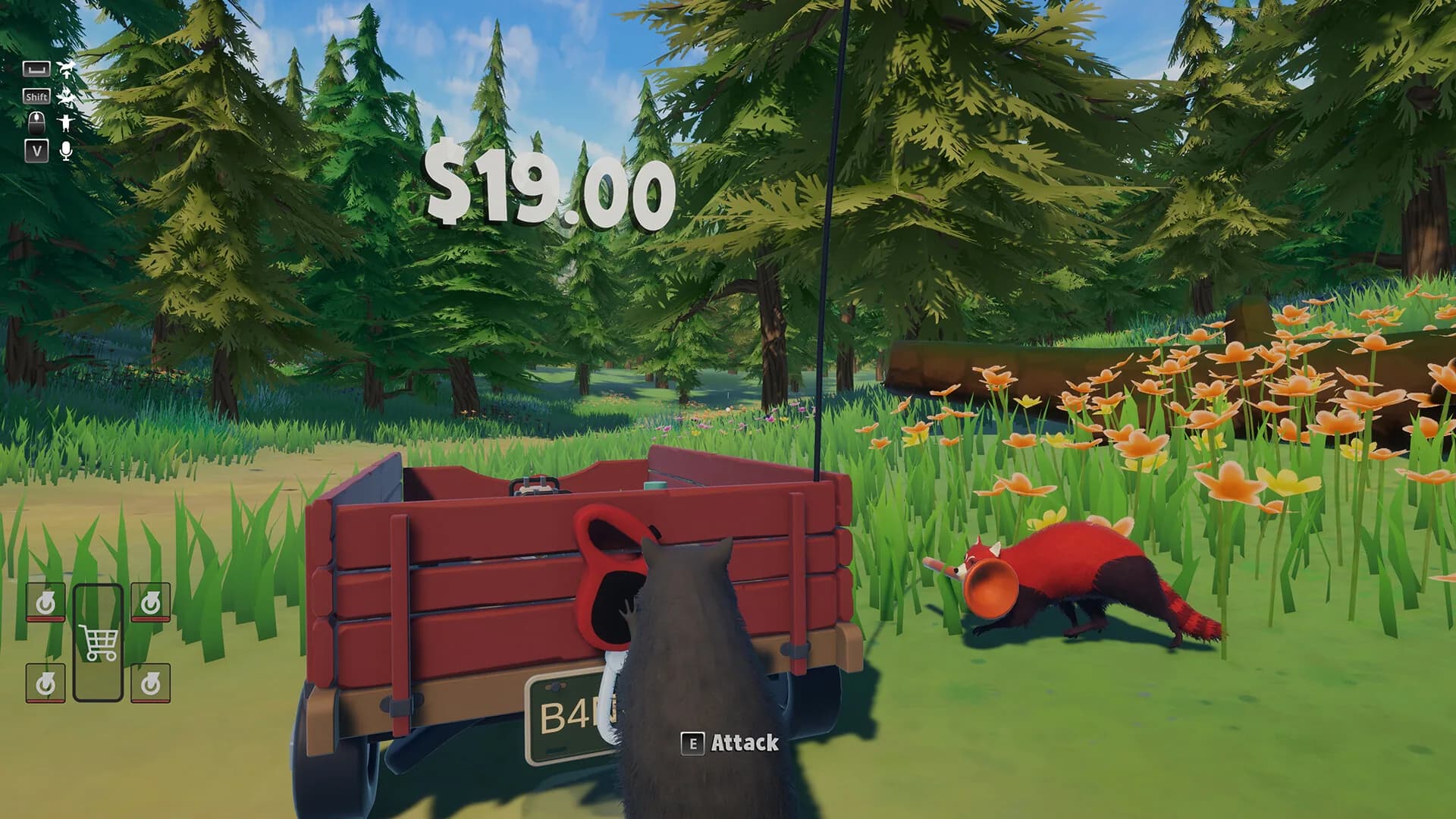
You can technically play solo, says the studio, but the wagon is a lot for one raccoon.