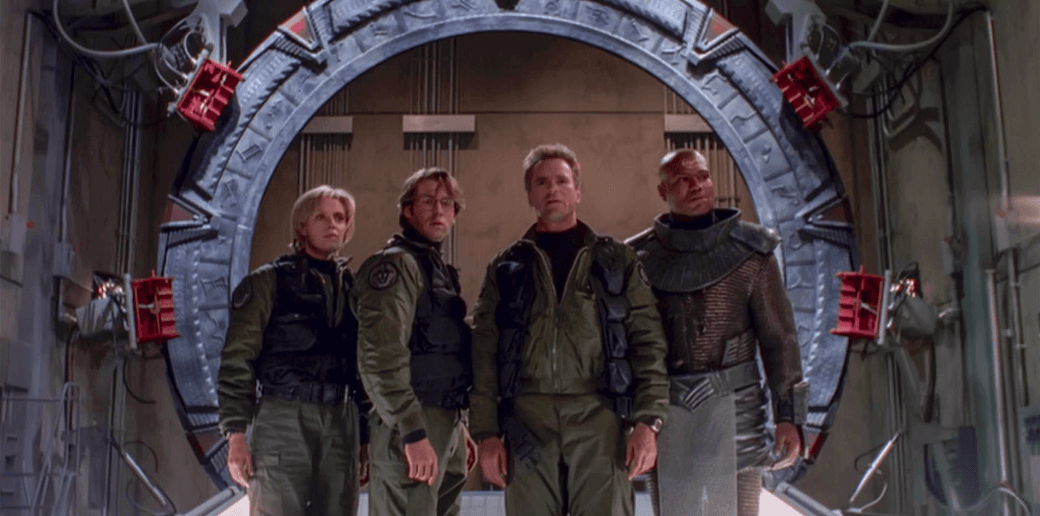
We knew the tune. We swore we wouldn't fall for it again. And yet, when Amazon hinted that a real Stargate series was finally coming back, made by people who actually loved the franchise, we believed it. Again. Amazon MGM has just cancelled the series developed by Martin Gero. The comeback we'd been waiting for since 2011 won't happen, and we really should start learning the lesson.
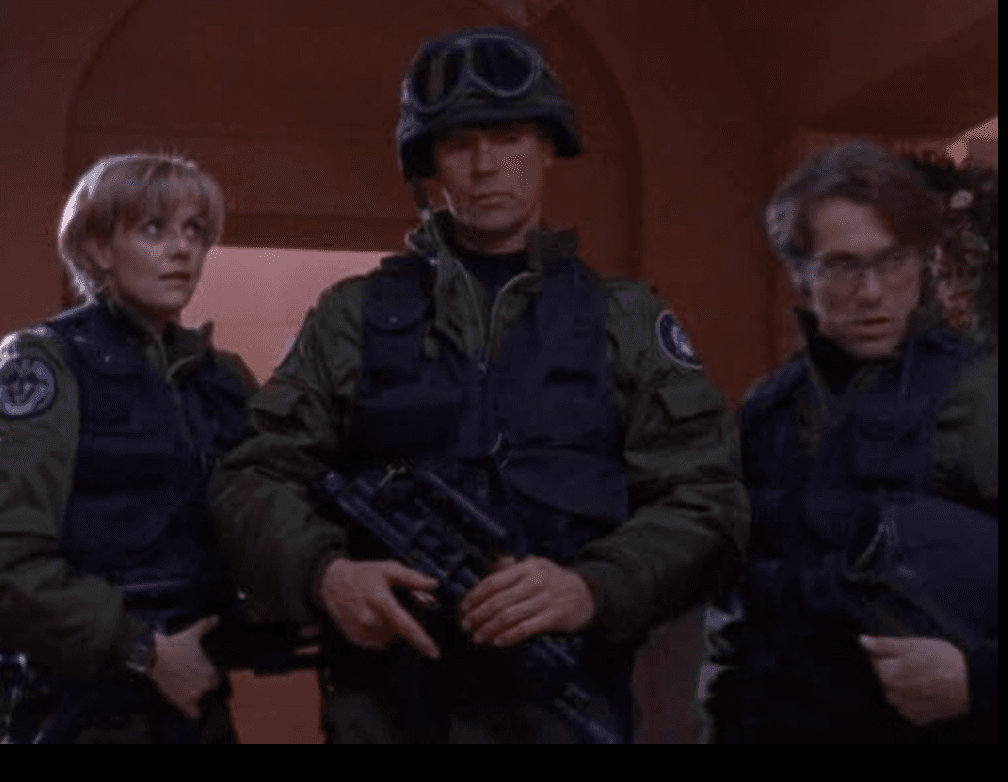
Stargate ended in 2011 with the cancellation of Universe. Since then, the franchise has sat in a drawer. When Amazon bought MGM, it inherited the rights, and with them the never-quite-extinguished hope, among fans, of seeing the gate light up again.
A new series was eventually announced, handed to Martin Gero, a longtime Atlantis writer. It was the right profile: someone who knew the universe from the inside, capable of rebooting Stargate without betraying it. The old shows climbed back up Netflix, new viewers started discovering SG-1 and Atlantis, and the community let itself hope.
Amazon just cancelled all of it. Officially, the studio wants a fresh start with a new creative team, a new showrunner and a new idea. Unofficially, according to a person familiar with the matter, executives feared Gero's vision wouldn't appeal far enough beyond the already-devoted fanbase. The phrase that set Reddit on fire, "the show appealed too much to core fans", is a simplification: the real concern was the lack of appeal to new viewers. Veteran producer Joseph Mallozzi has disputed that version. The outcome, however, is not up for debate: there is no series.

What makes the whole thing grotesque is that Gero isn't the first casualty. Before him, Amazon turned down Brad Wright, co-creator of SG-1, Atlantis and Universe, the man who literally built the TV franchise. He had a proposal. Rejected.
Then Dean Devlin and Roland Emmerich, the creators of the 1994 film, pitched a semi-reboot linking the movie and the TV series through a multiverse, with the possibility of bringing back Kurt Russell and James Spader in their roles. On paper, every fan's dream. Rejected.
Then the showrunners of The Expanse, one of the best science fiction series of the decade, offered their own reboot. Rejected.
Do the math. Four projects, three of them led by people who proved they could write science fiction or knew Stargate by heart. Four rejections. Amazon owns one of the most beloved sci-fi licenses there is, and spends its time saying no to everyone who wants to do something with it. That's not selectivity, that's indecision dressed up as strategy.
The context: the hope-breaking machine
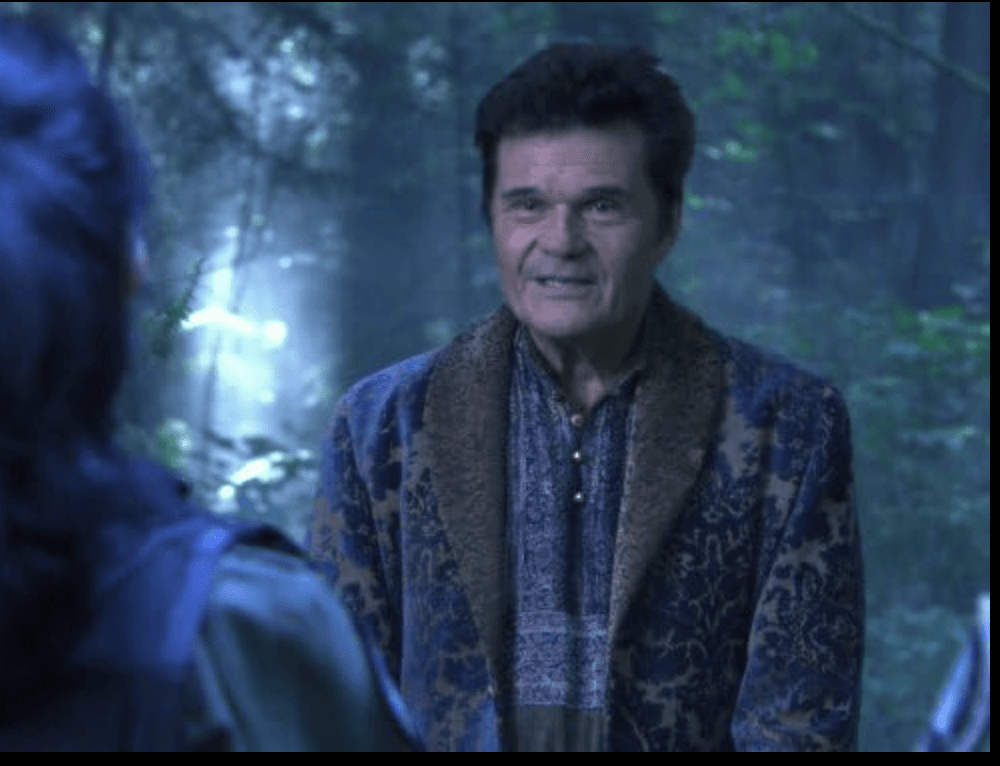
For the player, the reader, the viewer, this story echoes others. Too many others. The Rings of Power: hundreds of millions spent on a show that split even the most forgiving. The Wheel of Time: three seasons, then cancellation, fans left stranded midstream. Stargate joins a list that increasingly looks like a graveyard of beloved franchises Amazon picks up, shakes, then drops.
The mechanism is always the same. A platform buys a license for the name, for the free attention it generates, then tries to turn it into something smooth enough to draw hundreds of millions of brand-new viewers worldwide. The problem is that streaming logic changed the rules. Views no longer pay, only new subscriptions count. And existing fans are already subscribed, or will click without bringing in a single extra cent. In that math, taking care of your base became, on paper, a cost with no return. It's absurd, and it's the very logic that just killed Stargate.
The cherry on top: Amazon recently signaled its intent to lean on generative AI to produce content. Hard not to connect the dots when you cancel an expensive series, with actors, sets and royalties to pay on canonical characters, in favor of a hypothetical "new idea" that's still undefined.
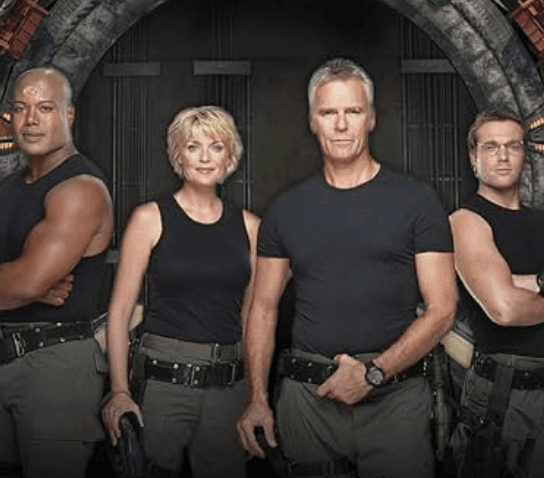
Let's be clear about what happened. Amazon didn't cancel a bad show. Amazon cancelled the one version that had a chance of being good, because it appealed to people who love Stargate. That's exactly the reasoning that already undermined Universe back in 2009: courting a new audience while neglecting the one already there. We know how that story ends.
The worst part is that a franchise with a solid base is a gift, not a burden. The Expanse was saved precisely because its fans fought for it. A show with a built-in audience is a foundation of guaranteed viewers to build on, not a ceiling. Refusing that in the name of chasing viewers who might, someday, show up means trading a sure thing for a promise. Trying at all costs to avoid risk is itself the biggest risk.
And the harder truth is that we should have seen it coming. Nothing in Amazon's recent track record justified believing. We hoped anyway, because the demand is real: there's a modern Stargate that has never been made, worthy of the universe, with today's means. The hope that Amazon would be the one to make it was irrational. The hope that this series will exist someday is not.
Fans are signing petitions, cancelling their Prime, jamming support lines. It's understandable, it's even healthy. But if Amazon should take away one lesson, it isn't that a niche license has a loud base. It's that a company capable of saying no four times in a row to Brad Wright, to Emmerich, to The Expanse writers and to Martin Gero may simply not deserve to hold that gate. Let them sell it. To Apple, to Netflix, to anyone willing to make a series out of it rather than a line in a spreadsheet.
In the meantime, the old seasons are still there. Go rewatch SG-1. It's the only Stargate we're sure Amazon can't take back from us.
We want to hear your take: the InsertCoins Discord is waiting.