7
Test
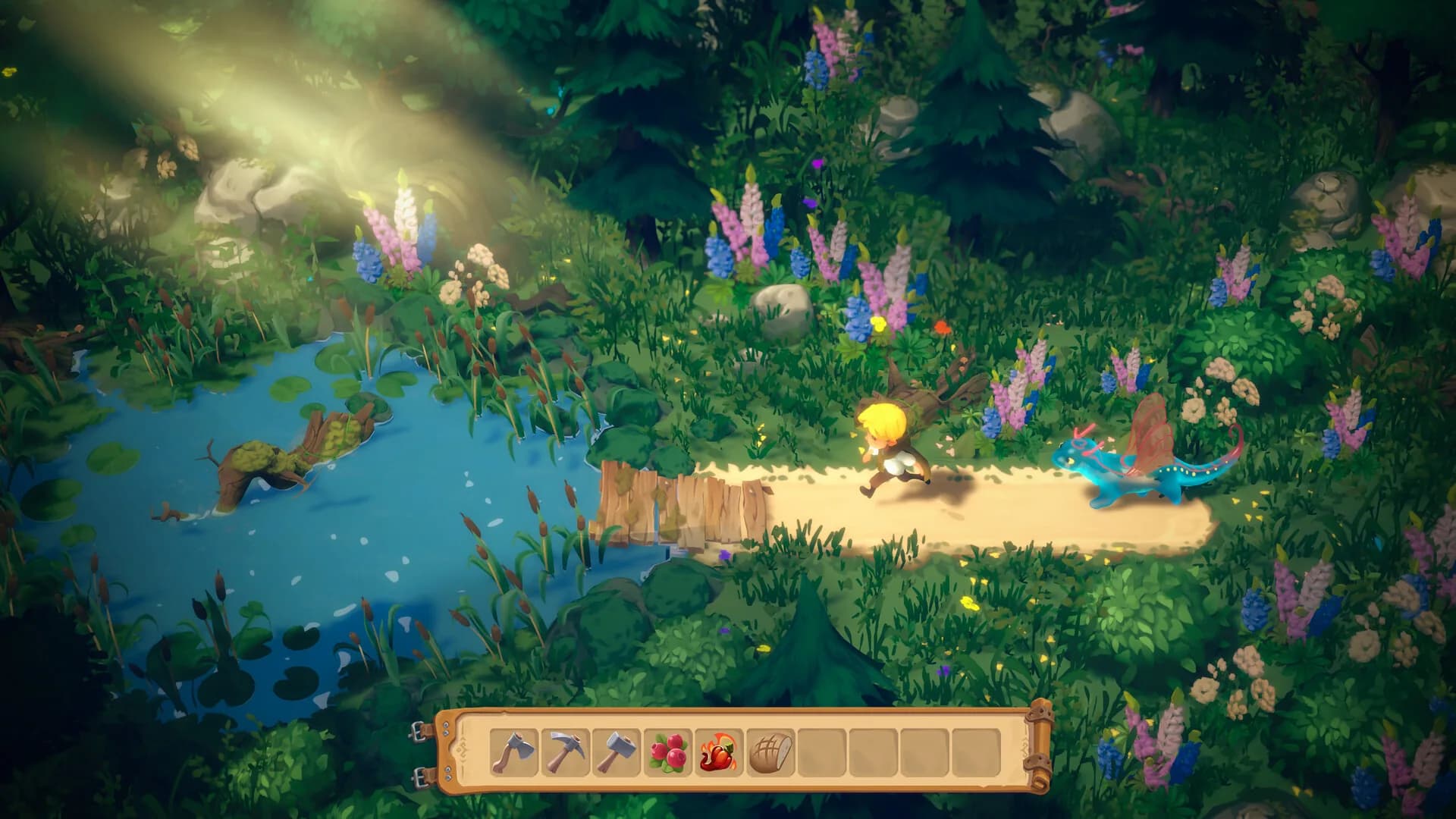
Dragon Shelter: grandpa's farm, dragons to raise, and a town that lost its spirits
A farming game where cooking is the heart of crafting and your dragons sense what people need. Published by Curve Games.
Alexandrosse
8 min
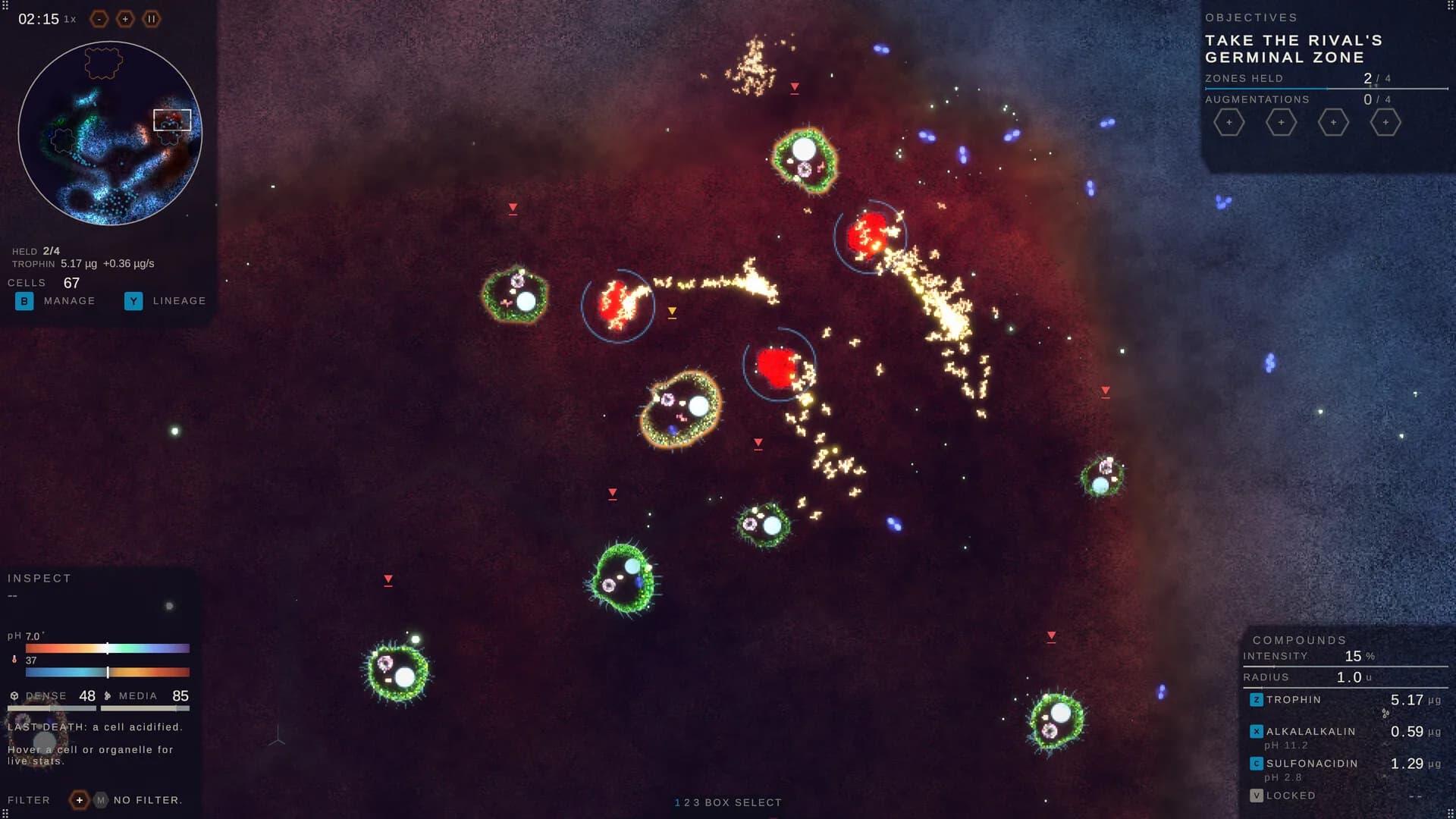
Every cell has its genome, its behaviour driven by a neural network, and the right to vanish. A genuine artificial life simulation.
Alexandrosse
InsertCoins.press Score
7/10
Verdict
Recommended
There is a line on Substrate's store page worth more than a sales pitch: some hunt, some cooperate, many go extinct.
Here is a simulation that owns the fact that most of what you create will not survive.
You cultivate evolution, guiding your cells to outgrow your rivals, experimenting with mutations to find genetic advantages.
Every cell has a unique genome shaping its behaviour and appearance. Cells have functional organelles defined by their genes, and those genes pass down through generations, accumulating tiny mutations until they evolve into new strains.
And the studio stresses a point that matters: nothing is scripted. Every cell's behaviour is driven by a miniature neural network and by genetic algorithms.
Resources drive behaviour, interactions create emergent effects you did not predict, and simple organic systems combine into a living simulation.
That is the real problem with this kind of game, and the studio's answer is elegant.
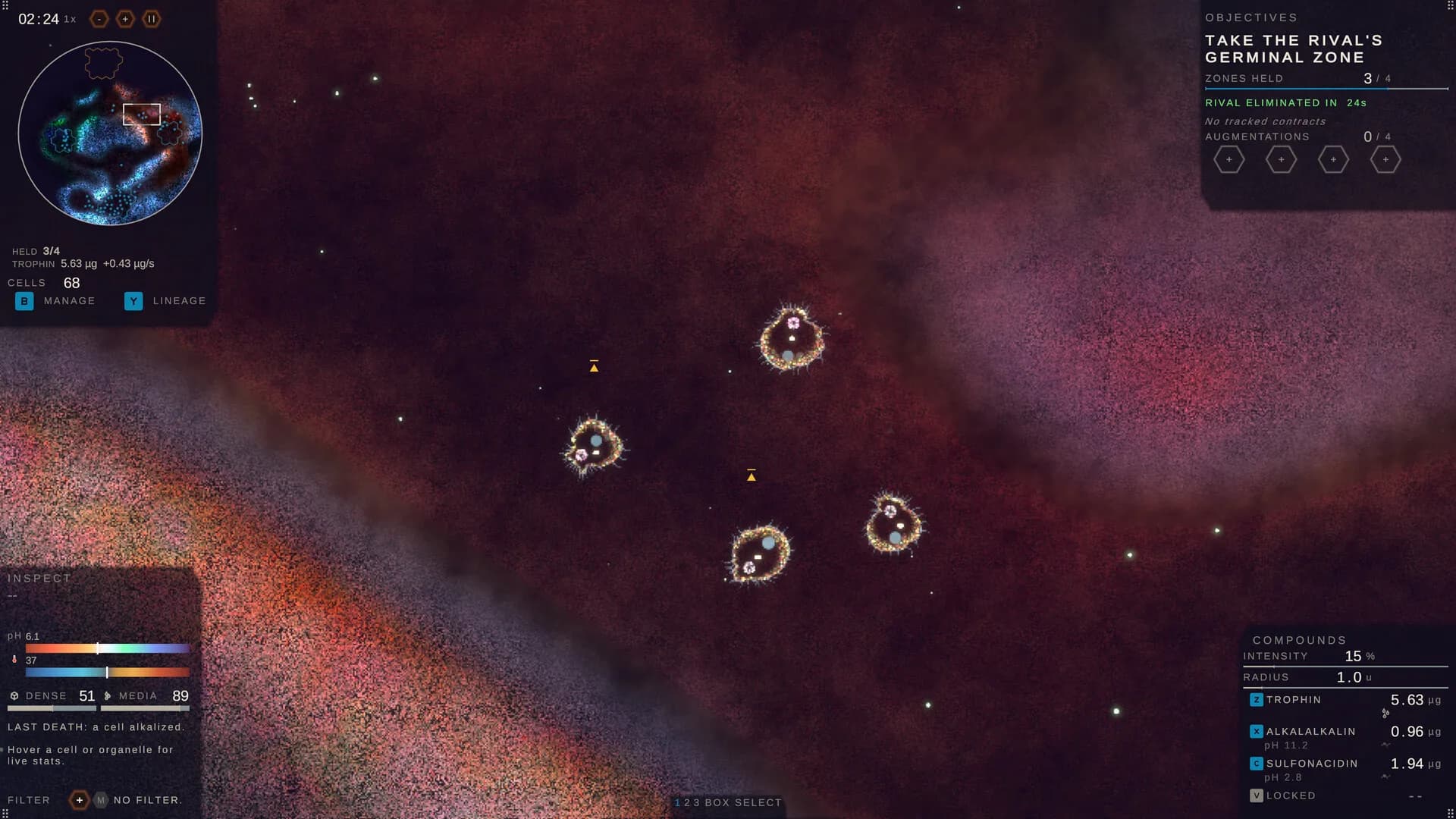
Every mutation is visible. Cells fluoresce as they consume resources, replicate and compete, and each colour reflects their genetic code.
In other words you do not need to open a spreadsheet to know what is happening: the colony's colour tells you. That is exactly what separates a contemplative simulation from an illegible one.
Every gene mutates independently, and any cell can carry any number of any gene. The only limit is natural selection.
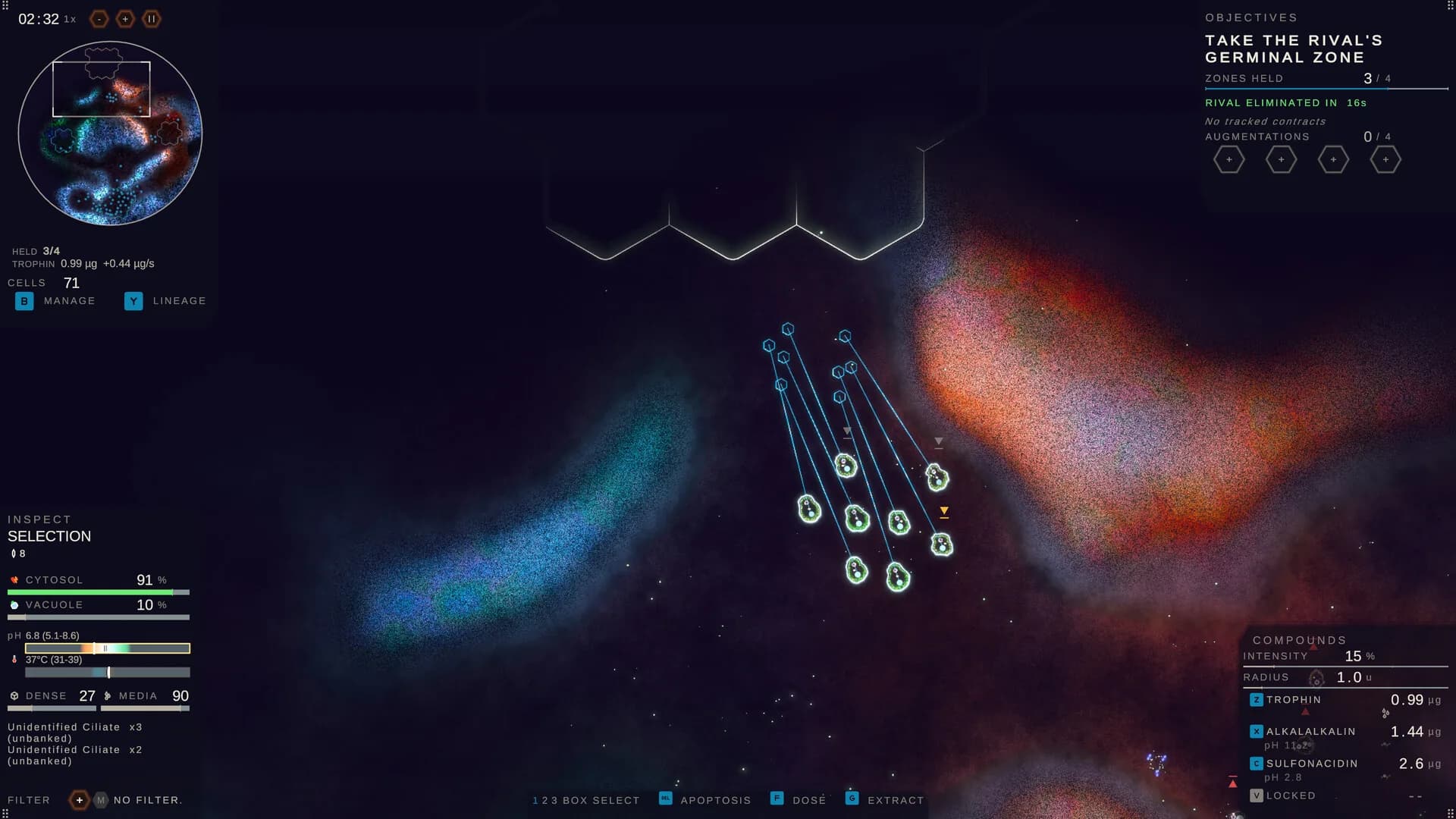
Because this is not only a contemplative sandbox.
You intervene with direct cellular controls and engineer the chemistry of the environment. You use chemistry as a weapon. You claim zones to control the resources your rivals depend on, and you annihilate them.
And you catalogue your unique strains, documenting their lineages. They become more valuable as they dominate the substrate, creating an economic engine.
That last point seems the cleverest to me: turning a lineage's success into value gives you a reason to become attached to a strain rather than starting over after every failure.
The developer says it himself on the store page: he works solo, with a background in cellular neuroscience and experience as a musician.
That is rare, and it shows in the vocabulary used: organelles, lineages, natural selection, genetic algorithms. This is not a scientific coat of paint over a strategy game, it is somebody simulating what they know.
The game launches today in early access, developed and published by Petri Dish Games, with no price displayed and no reviews as I write. It is single-player.
My reservation belongs to every emergence game: when nothing is scripted, the player needs enough grip for their decisions to count, or the simulation becomes a fascinating screensaver.
The direct cellular controls, the chemistry and the zone control are there for that, and it is the point I would watch in early feedback.
The accessibility options deserve flagging for a solo developer: adjustable text size, colour alternatives, contrast settings, which is particularly relevant in a game where information travels through colour.
How many generations did your strain last? We compare lineages on the InsertCoins Discord.
Community
Your rating
Advertisement
Loading comments...
You might also like
A farming game where cooking is the heart of crafting and your dragons sense what people need. Published by Curve Games.
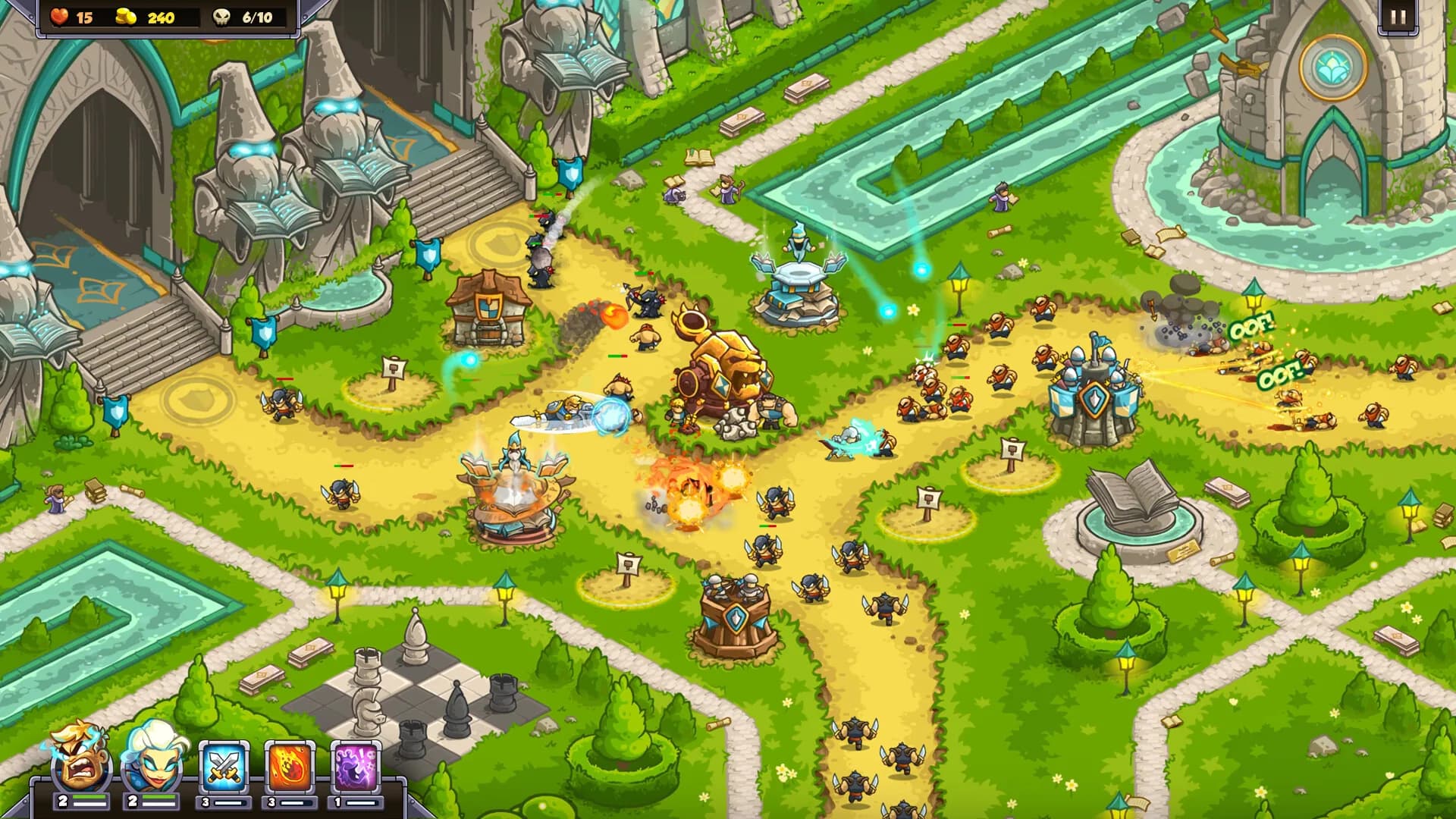
Two heroes per level, fifteen towers, eighteen missions and six bosses. Ironhide returns to Linirea's origins with its best idea in years.
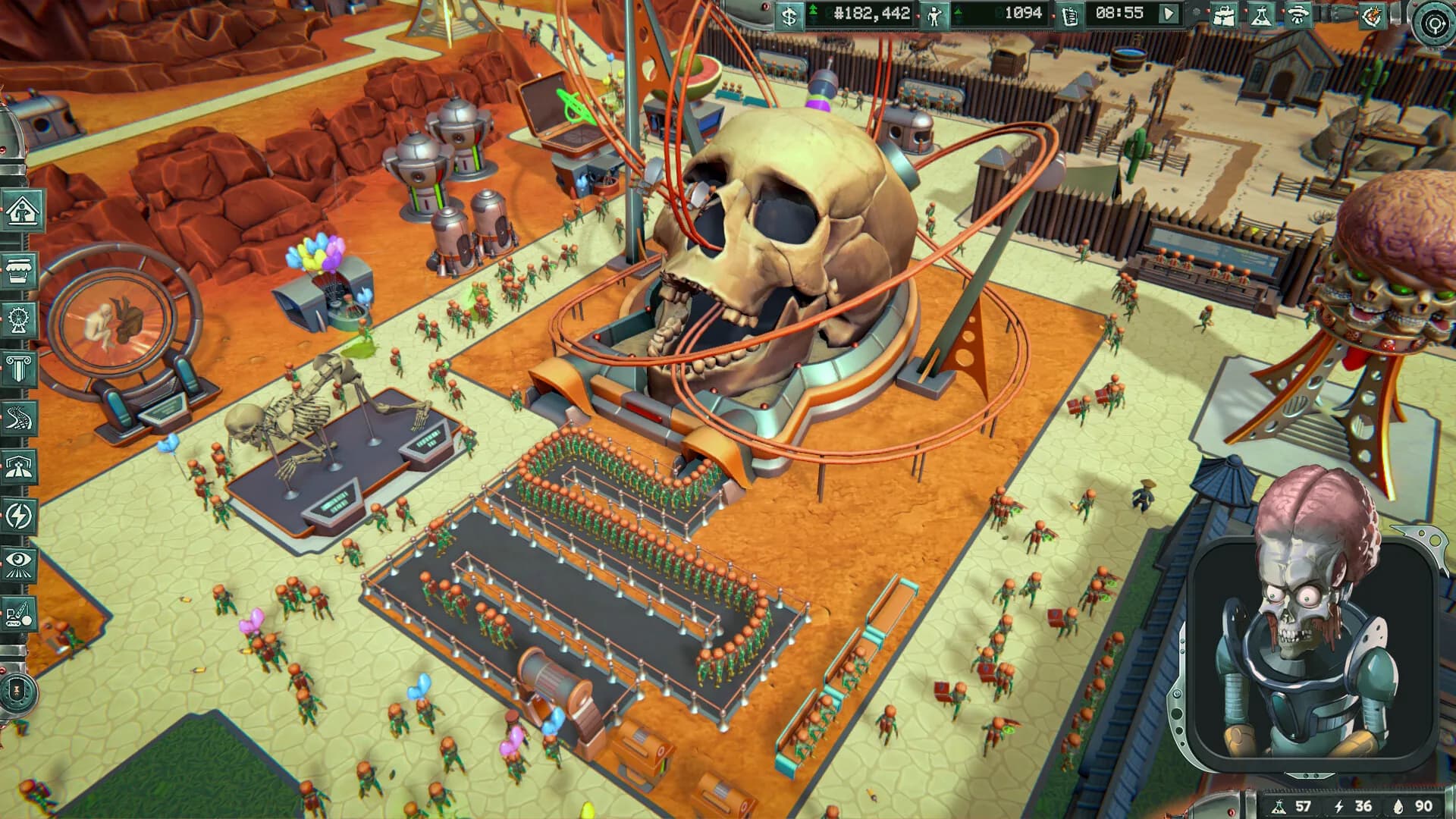
You play the Martians, abduct humans from across history, and display them in enclosures. A year of early access and 92 per cent positive.