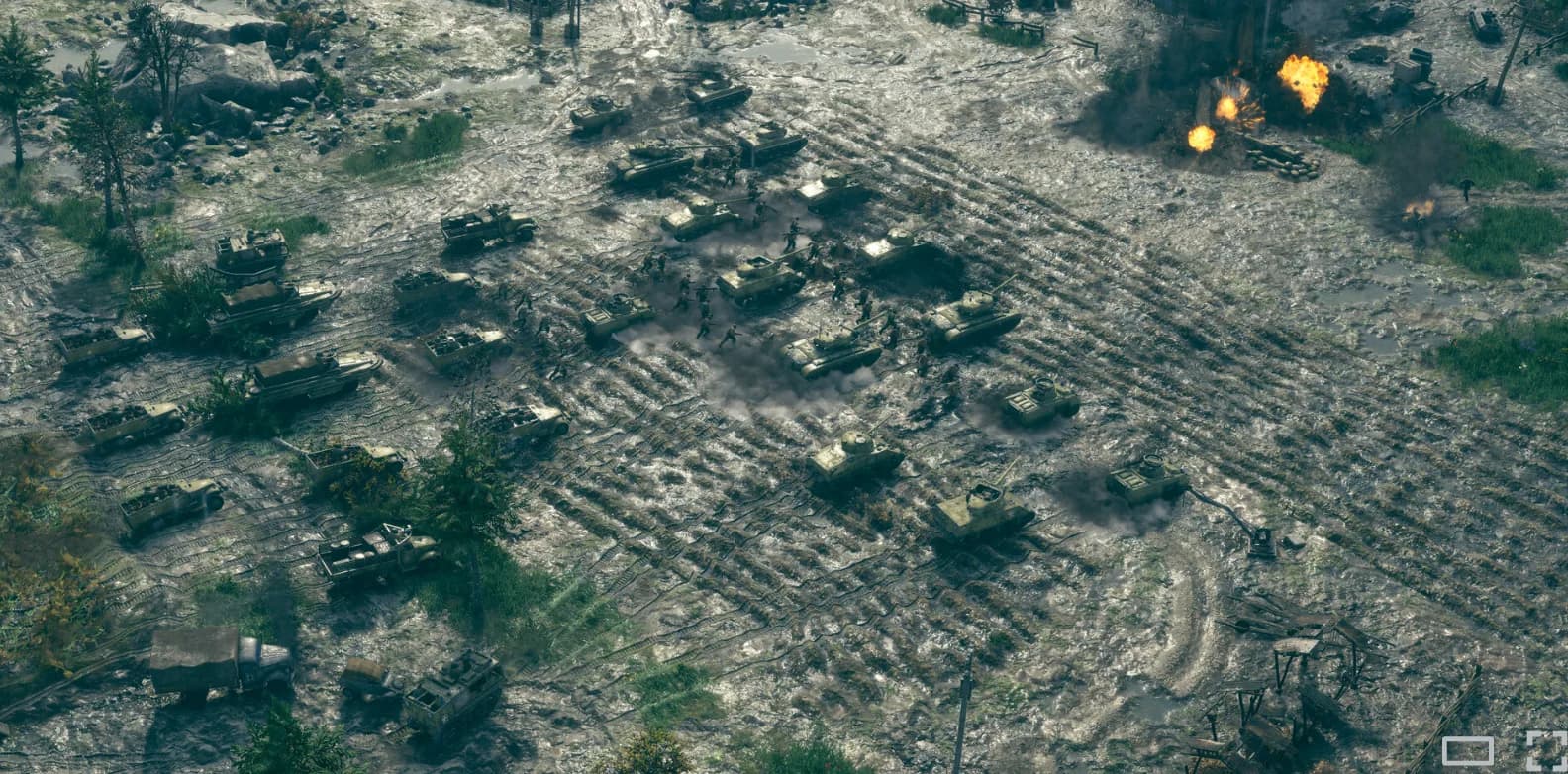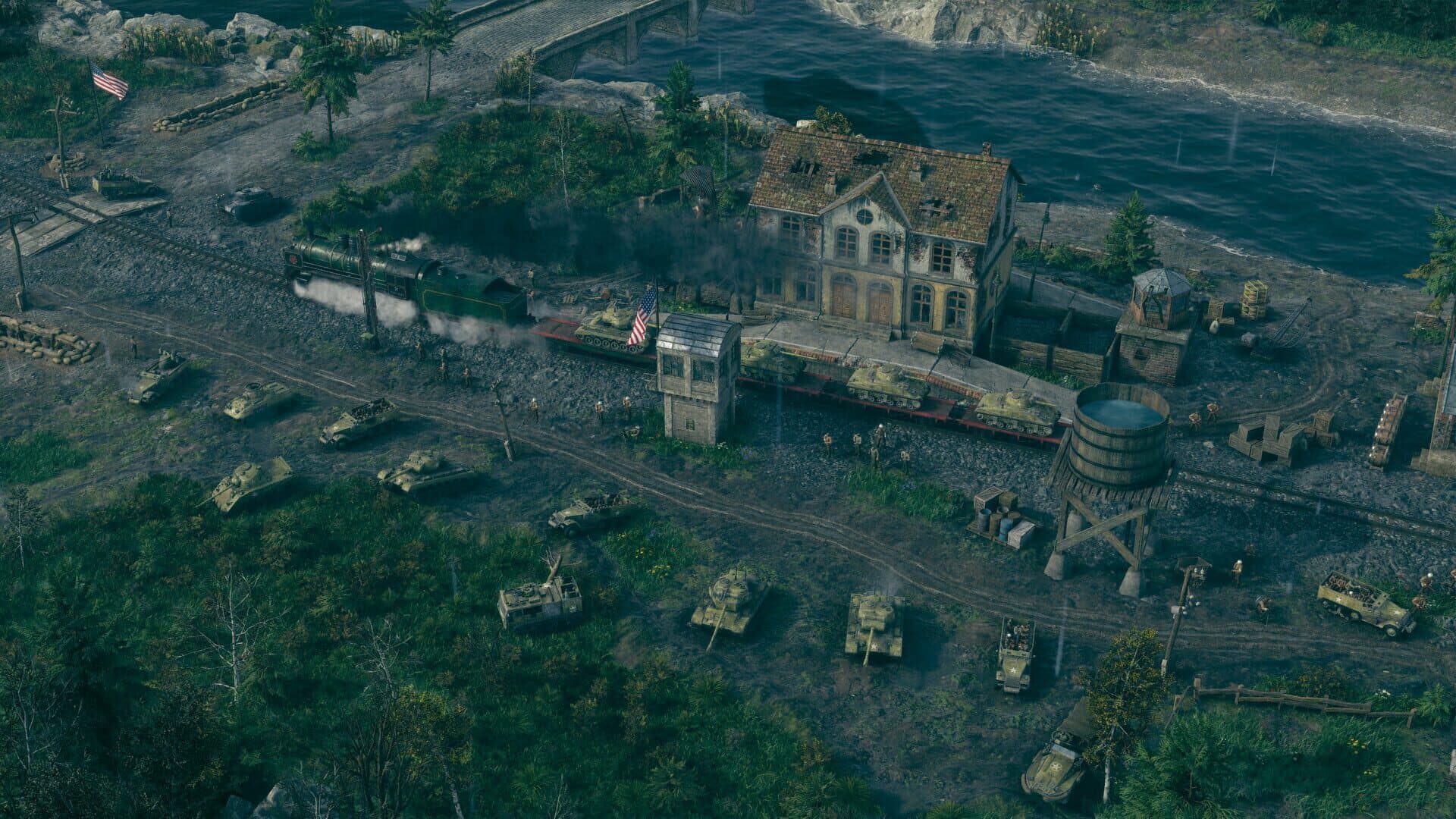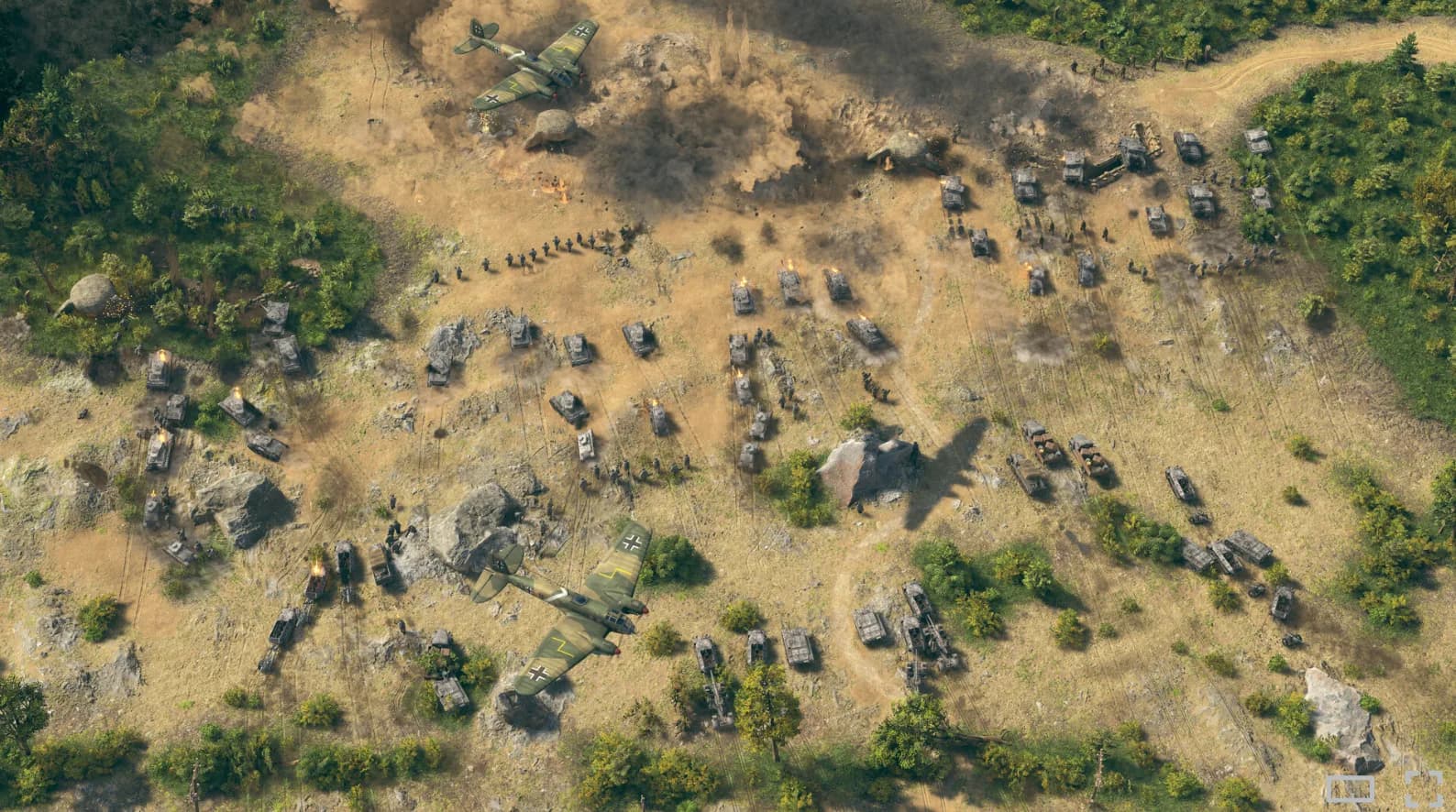
Some memories resist explanation. Not cinema memories or concert memories, not precise dates. Sensory memories. The smell of a basement, the sound of a PC fan running hot, a map of Normandy at 1:1 scale on a 17-inch monitor. Tanks burning. Low-flying aircraft. An enemy general you spent twenty minutes encircling who just surrendered.
That's Sudden Strike. And we were sixteen.
We're not going to pretend this review is neutral. It isn't. How could it be? Sudden Strike is part of our school years, our endless afternoons on the same machine, arguing over who was in command, refighting the operations of the Second World War as if we'd read every history book in the world when in reality we'd read none. It was big. It was serious. It was completely addictive in a way we didn't yet have words for.
And then time passed. Strategy series grew rarer, the genre shifted, Sudden Strike 4 arrived in 2017 with its qualities and its stumbles, and we kept moving forward without looking back too often.
Until Sudden Strike 5.
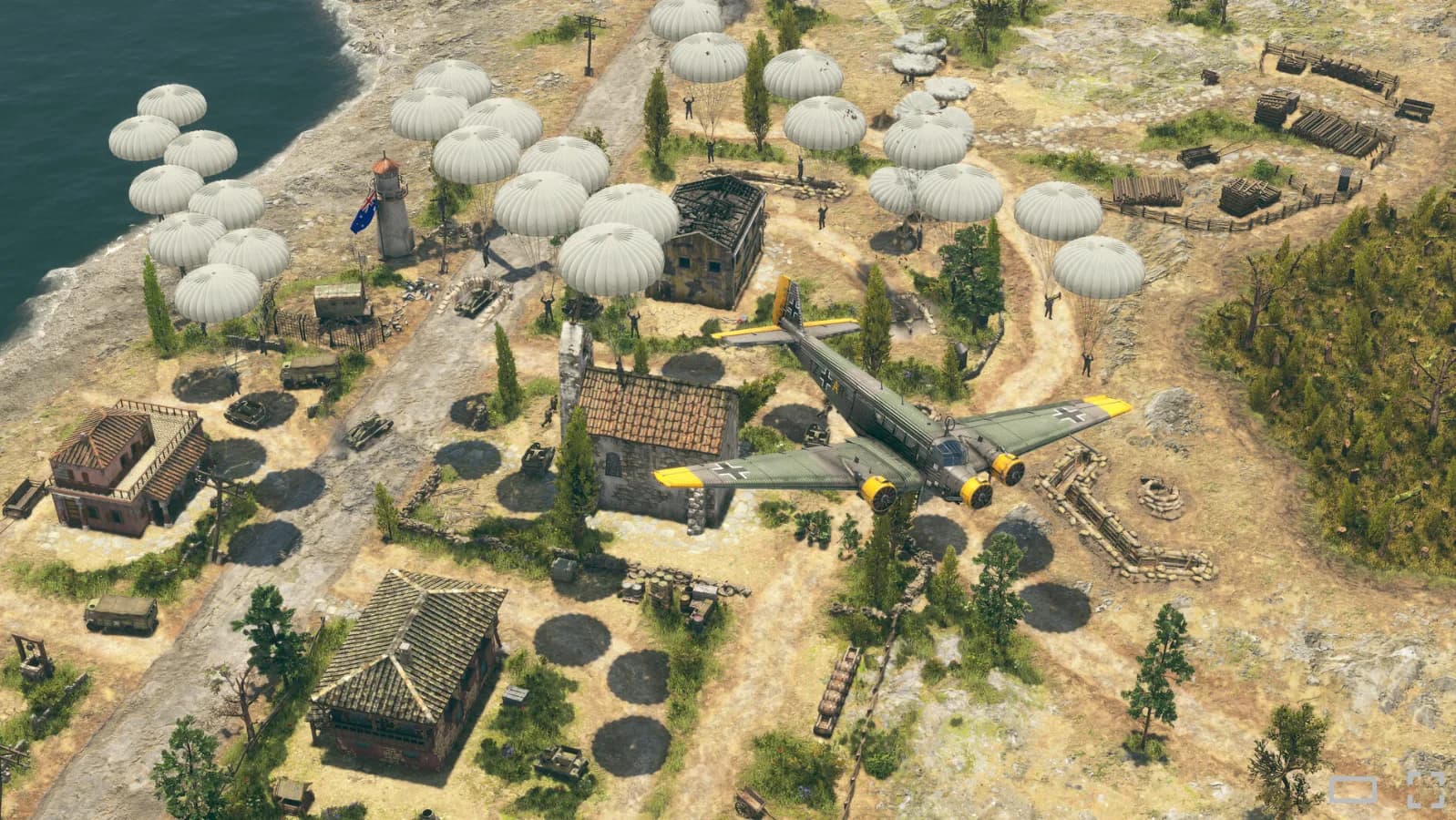
The first hour of Sudden Strike 5 is a quiet shock. Not spectacular, not thunderous. Quiet. The interface opens, the map loads, units take position, and something in the gut remembers before the brain has had time to process. That relief, those terrain tiles, those infantry columns advancing carefully along the treeline: it's familiar in a way that goes beyond "I've seen this somewhere before."
It's a physical recognition. Like finding someone after twenty years and realising the voice hasn't changed.
Kite Games made a choice others might have hesitated over: don't reinvent everything. Sudden Strike 5 is clearly a 2026 game in its technique, its readability, its quality-of-life options. But it's equally clearly a direct descendant of the earliest entries. The core philosophy is identical: no base-building, no resource gathering. Just units, terrain, and a mission to complete with what you have. Nothing more. Nothing less.
In a landscape of strategy games that tend to pile on systems, this austerity is almost provocative. And it works exactly as it worked in 2000.
What stays is what matters.
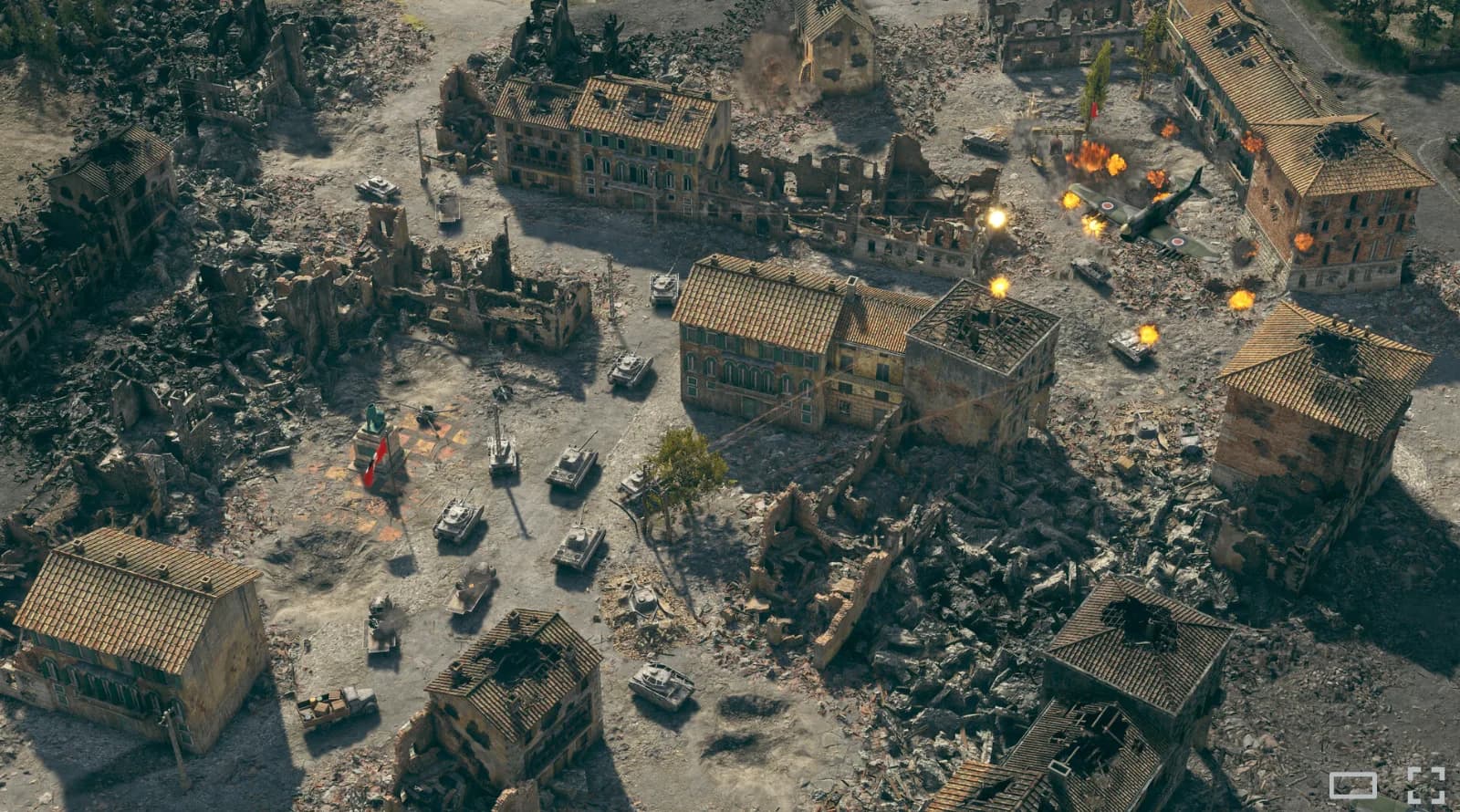
Unit management in contact is as precise as ever. Each unit type has its strengths, its blind spots, the situations where it excels and those where it dies in thirty seconds if you don't anticipate. Infantry in the woods against armour in open ground: massacre. Heavy tanks facing well-positioned artillery without air cover: same. Reading terrain isn't optional, it's the central skill of the game, and Sudden Strike 5 keeps it at the heart of everything without drowning it under layers of abstraction.
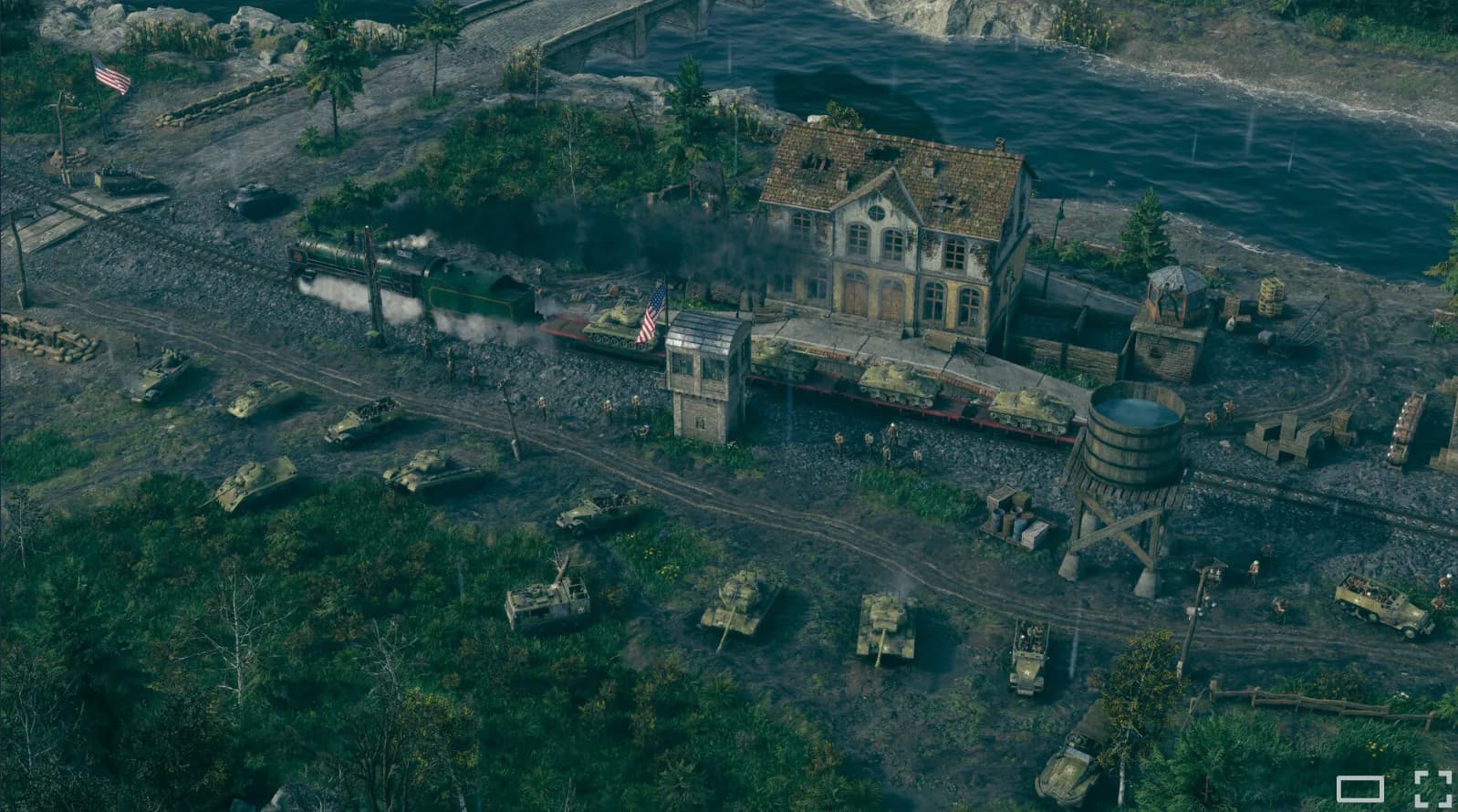
The three playable factions (Allies, Axis, Soviet Union) remain convincingly asymmetric. Americans with their logistics and air power, Germans with their Blitzkrieg doctrine and elite units, Soviets with their mass and endurance: playing one or another fundamentally changes your approach. It's not cosmetic.
What changes is the depth of command.
Sudden Strike 5 introduces a far more developed general system than previous entries. Each general has a skill tree that shapes their playstyle: defensive doctrine, mobility, firepower, logistical support. Not revolutionary in isolation, other strategy games have done this, but the integration is clean, the choices are readable, and crucially they have a real impact on how you approach missions. You play differently with a general specialised in attrition warfare than one who bets everything on rapid breakthrough.
The other major addition concerns the supply system. In the early Sudden Strike games, logistics were present but relatively simple. Here, they become a tactical priority of their own. Supply lines break, logistics trucks must use secured roads, and an armoured unit that runs out of fuel at the wrong moment can tip an entire battle. A mechanic that could have been frustrating, and instead adds a welcome layer of tension across longer missions.
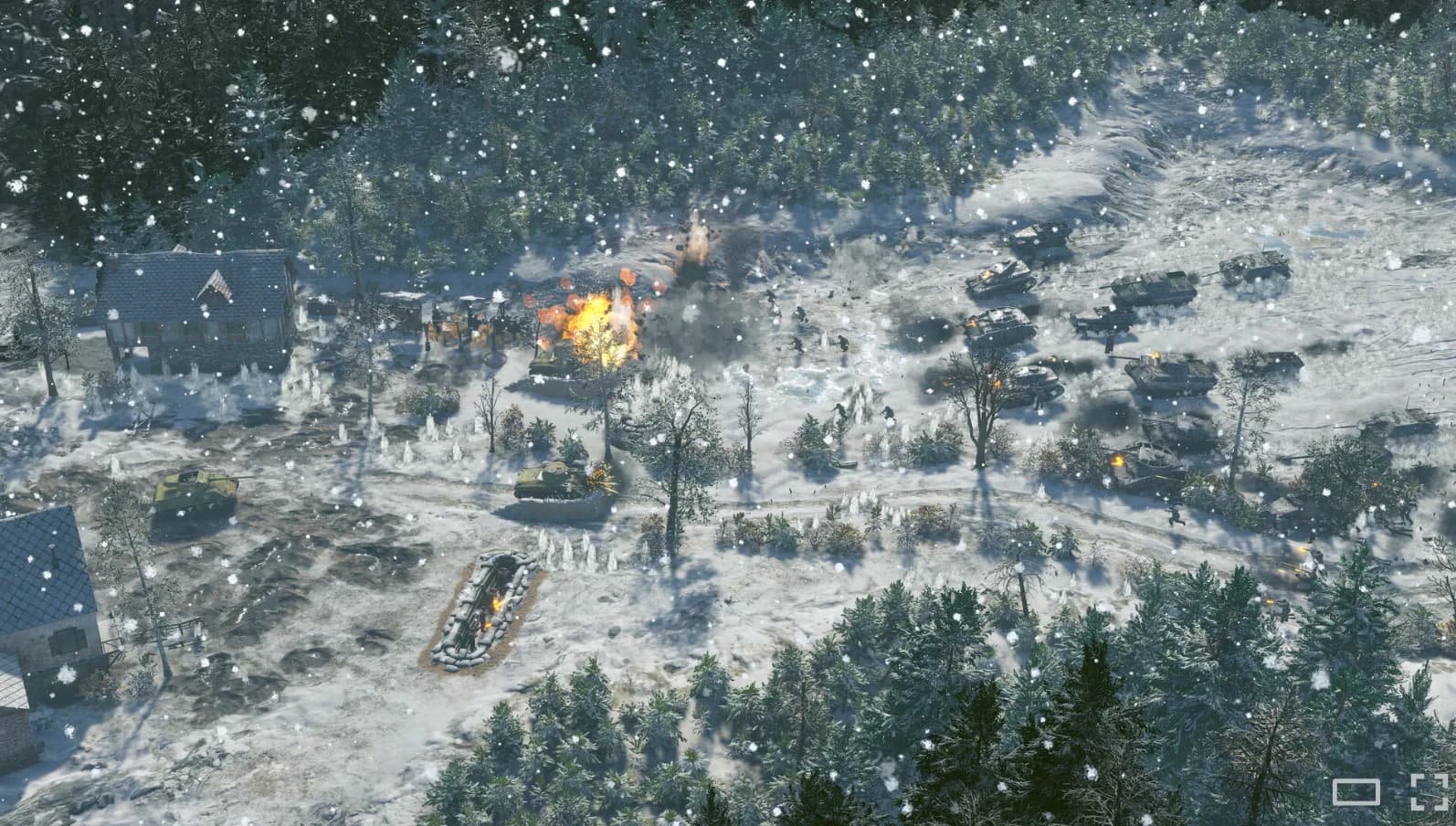
Sudden Strike 5 offers four main campaigns, one per faction plus a crossover campaign that blends perspectives. Each covers a different theatre of operations: the Eastern Front, Normandy, North Africa, the Pacific for the Allies in the late war.
Narrative quality is solid without being exceptional. Briefings are well-written, historical atmosphere is carefully maintained, and missions avoid repetition through constantly varied objectives and conditions. But nobody plays Sudden Strike for the story. You play for the maps, the tactical situations, that precise moment when a plan that seemed doomed finds a gap and executes cleanly.
Those moments happen constantly in Sudden Strike 5. And that's all that matters.
Difficulty is well calibrated. Normal offers a genuine challenge without being punishing. Veteran is a different matter: the AI is more aggressive, enemy reinforcements more frequent, the margin for error almost nonexistent. We spent two hours on a Soviet campaign mission on veteran and didn't lose interest once, even resetting for the fourth time.
Multiplayer we're saving for later. That's the part of the game we're genuinely waiting to put to the test.
Honesty required.
The solo campaign, despite its qualities, occasionally lacks a certain madness. The early Sudden Strike games had missions that felt almost impossible, demanding completely counterintuitive approaches, forcing you to think outside the manual. Sudden Strike 5 is wiser, more balanced, and sometimes loses along the way that sensation of total unpredictability.
The map editor, anticipated by a community that has survived for twenty years on player-created content, is present but limited in this launch version. Substantial updates here are necessary, because without an active creator community, the game's longevity depends entirely on official content.
The art direction, finally, plays it safe with sober realism. It's clean, readable, functional. But the early Sudden Strike games had an immediately recognisable visual identity, almost expressionist in how they stylised units and explosions. That personality has been smoothed over in favour of a more contemporary and less distinctive render.
What we're counting on now is updates filling in the gaps. The map editor above all: it's what kept the Sudden Strike community alive for two decades, and it needs to be open, complete, and properly documented. We're also hoping for additional campaigns, more theatres of operations, possibly a more developed Pacific front or a DLC centred on lesser-known battles. The foundation is solid, the base holds. Now it needs to be built on. And with a community that has been waiting for this game for years, the raw material for something long-lasting is already there.
And if we had to name the next DLC: Asia. The Sino-Japanese theatre, Burma, Manchuria, the land battles of the Pacific War: tactically fascinating ground the series has never fully explored. Radically different military doctrines, extreme terrain conditions, faction asymmetry that could be among the most striking in the series. A Japanese island campaign, a Soviet operation in Manchuria in 1945, a Chinese army with its own mechanics: that's where Sudden Strike 5 could go somewhere genuinely new. We want it. Badly.
No point pretending otherwise. We're going to spend hundreds of hours on Sudden Strike 5. Possibly more. The kind of game you return to naturally, without thinking about it, because you have an idea to test, a strategy to refine, a map you want to replay differently.
That's not just nostalgia talking. Nostalgia can push you to install a game. It can't keep you there for hours if the game doesn't genuinely deserve it. And Sudden Strike 5 deserves it. It's solid, deep, honest in what it is and what it offers. It doesn't try to be anything else, and that's precisely why it succeeds.
Twenty years after the first entry, the series hasn't lost its bearings. That's rare. That's valuable. And somewhere, it's also a little moving to acknowledge.
We were sixteen. We're here. The game goes on.
Strengths:
- absolute fidelity to the philosophy of the earliest entries: units, terrain, mission
- general system well integrated, genuinely changing your approach
- supply lines as a central tactical priority, a genuinely good addition
- convincing and authentic faction asymmetry
- veteran difficulty that respects the player
Weaknesses:
- solo campaign sometimes too conservative, lacks truly unpredictable missions
- map editor limited at launch
- art direction functional but less distinctive than the early entries
Tested on PC.
Disagree with the score? Come and tell us on the InsertCoins Discord, where we defend our verdicts live.