Preview
Hubert: a tale of friendship, bravery, and barking at sheep
You are a shepherd dog in the northern wilderness. You see the world through movement, scent and instinct, and you gather a flock.
Alexandrosse
6 min
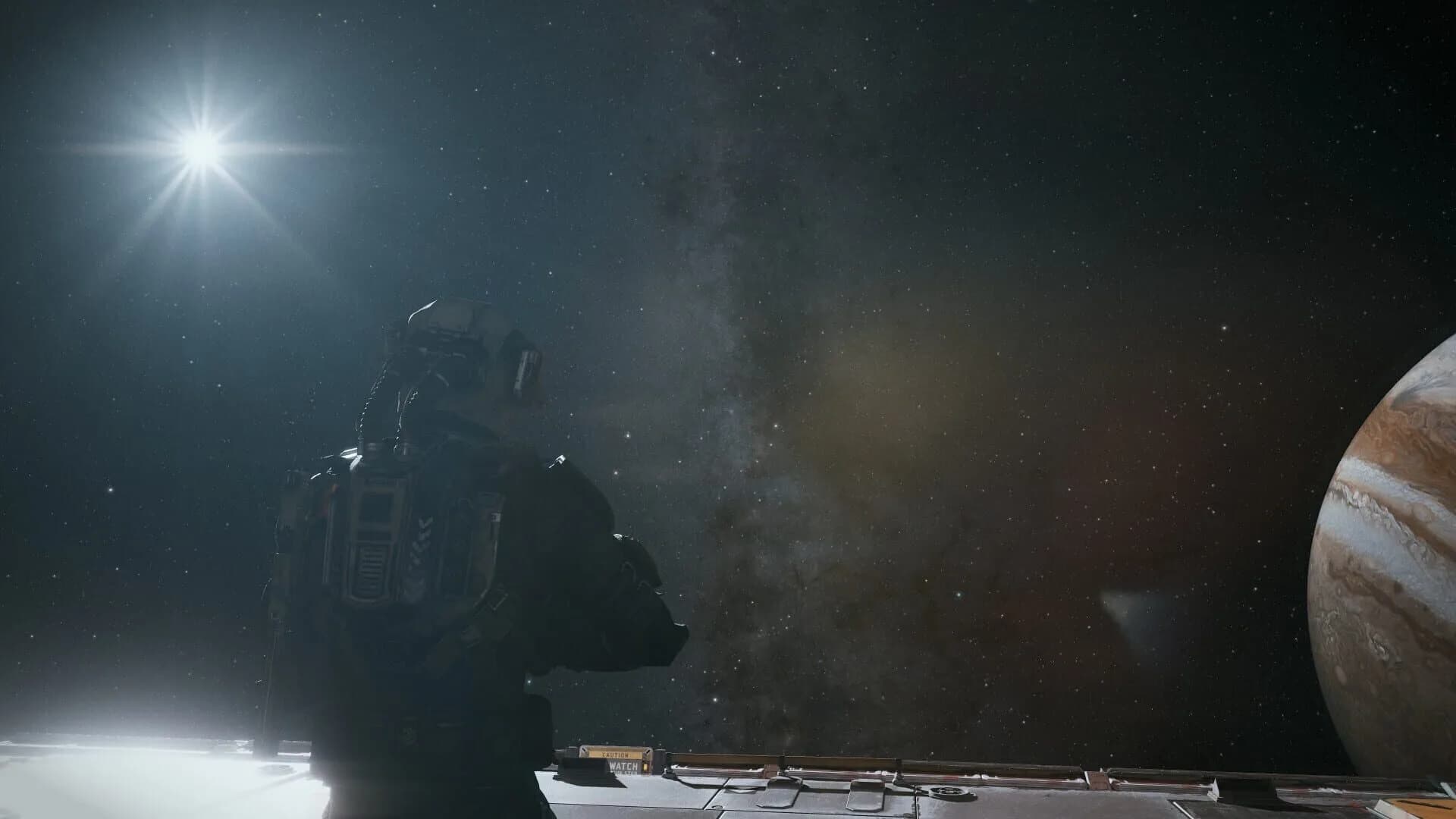
Owlcat Games (Rogue Trader, Pathfinder) takes on The Expanse. Eros, the protomolecule, the Belters, Protogen, a Mass Effect-style companion system and deeper RPG mechanics. The closed beta is promising.
Alexandrosse
The Expanse is the best science fiction series of the last fifteen years. Not an opinion: a statement. Realistic physics, rare geopolitical depth, characters who have an existence of their own beyond the main plot. The tensions between Earth, Mars and the Belt aren't a backdrop: they're the engine of every season, every decision the characters make.
A video game in this universe could be an opportunity or a disaster. It's Owlcat Games who takes the challenge. The studio behind Pathfinder: Wrath of the Righteous and Warhammer 40,000: Rogue Trader. People who know how to write systems, build universes, and manage teams of characters with narrative arcs that matter.
The closed beta for The Expanse: Osiris Reborn was available from April 22 on PC, PS5 and Xbox Series X. Here's what we know.
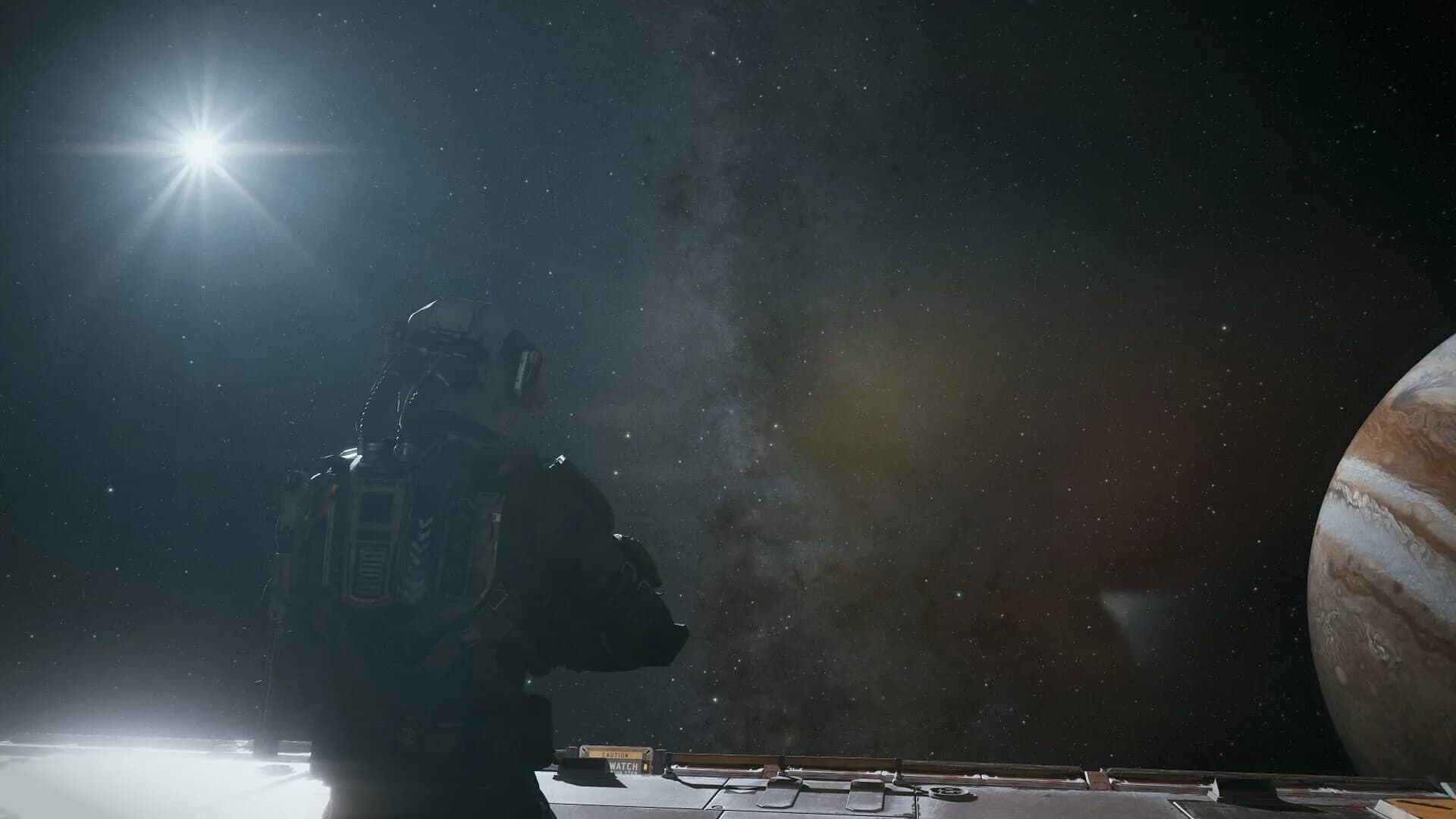
You play a Pinkwater Security mercenary, stuck on Eros with your twin J during a lockdown that escalates. The protomolecule is doing its work. Protogen is involved. What you thought was an ordinary leave becomes the beginning of a conspiracy on a solar-system scale.
It's a starting point faithful to the spirit of the series: no predestined hero, no Chosen One, just someone competent in the wrong place at the wrong time. James S.A. Corey's series worked because its characters endured events as much as they influenced them. If Osiris Reborn maintains this logic throughout, the tone will be right.
You create your captain by choosing your origin: Earther, Martian or Belter. Each origin changes your dialogue options, how you're perceived, and potentially your reading of events. The beta was too short to measure the real depth of this system, but the foundations are there.
The comparison that comes up in all beta feedback is Mass Effect. Third-person shooter with cover, companion system, cinematic multiple-choice dialogues, squad commands in active pause. It's not an imitation: it's clearly the assumed reference.
What distinguishes Osiris Reborn from Mass Effect mechanically is the source of abilities. At Bioware, your capabilities come from your class and skill points. At Owlcat, they come from your equipment. Your armor and weapons define available powers. Changing equipment changes your playstyle, independent of your base build.
That's the type of system that can create real customization depth if the combinations are well designed. Owlcat proved with Rogue Trader they can build systems that hold for a hundred hours. The question is whether this mechanism works as well in third person as in isometric.
Two companions accompany you in the field. Others stay on the ship and can intervene remotely: hacking systems, diverting enemies, creating distractions. Early feedback on team dynamics is positive. J, your twin, is presented as a central presence in the narrative.
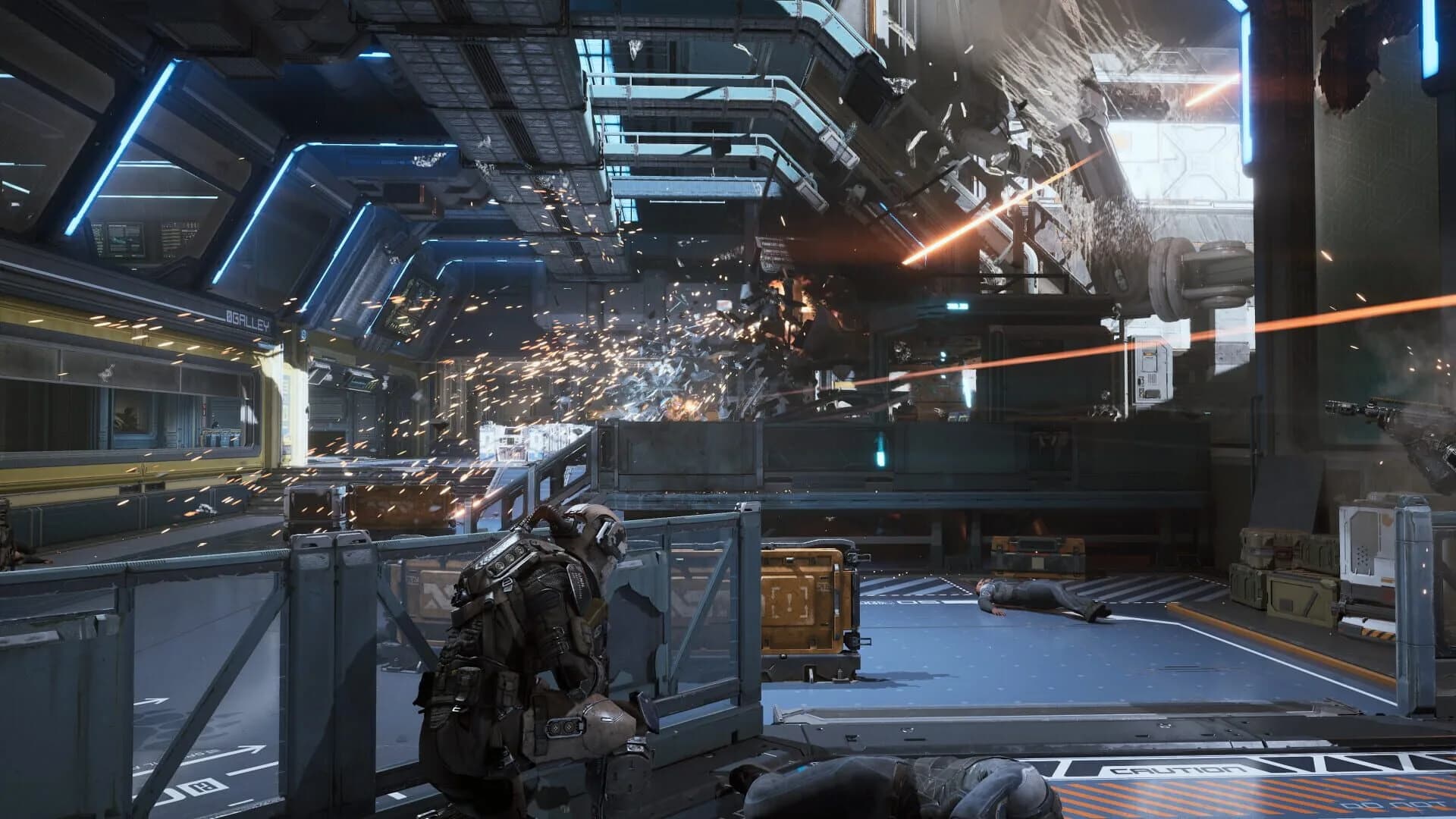
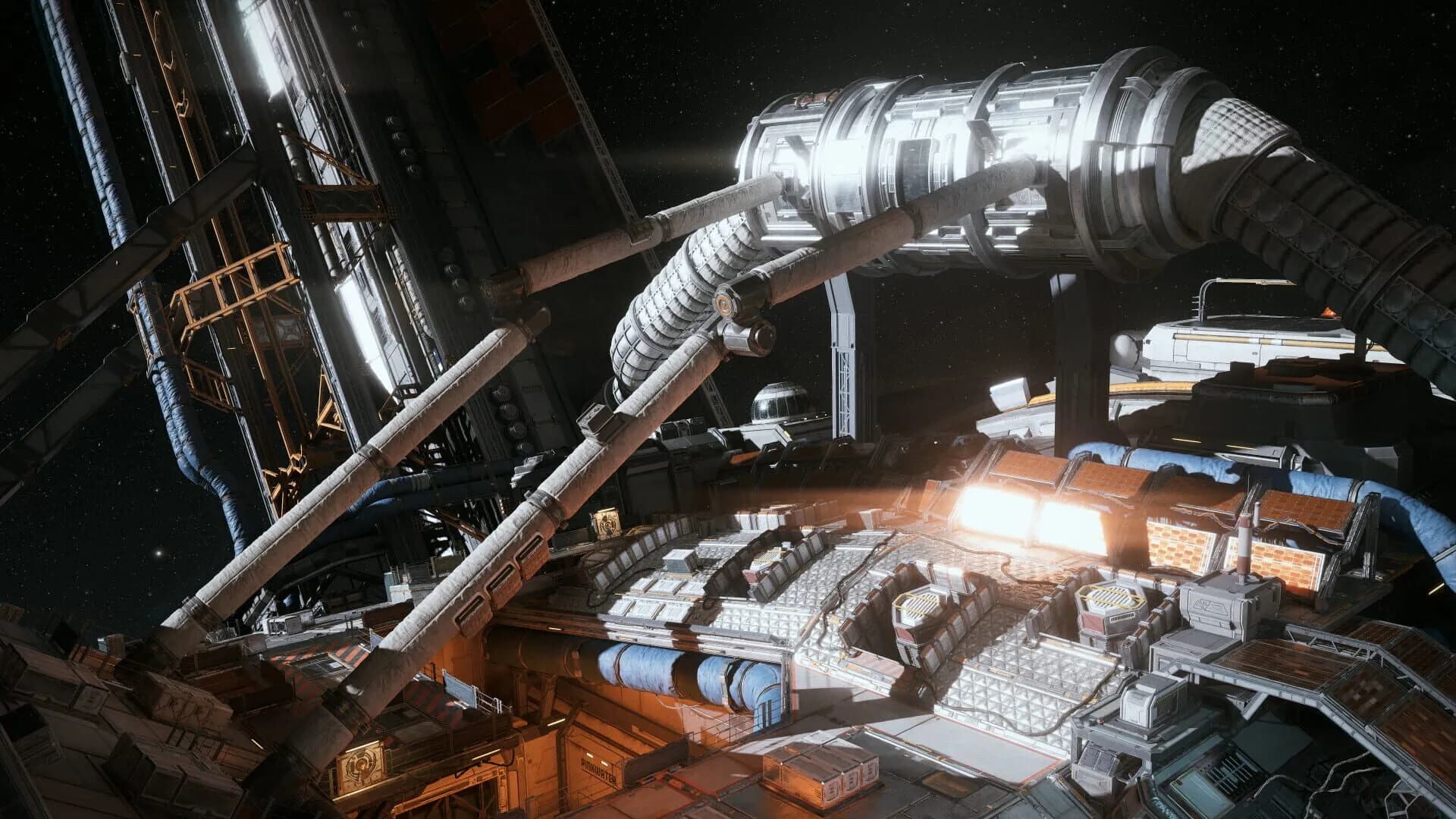
Belters are tall and slender, a physiological consequence of their life in microgravity. That's a detail the series took seriously and the game reproduces. The protomolecule is there, Protogen is there, Eros is there. Locations traversed include Ganymede, Ceres, Mars and Luna.
These aren't just names on a map for authenticity: every station, every planet in The Expanse has a precise economic and political identity. Ganymede is the solar system's breadbasket. Ceres is the Belt's commercial hub. Mars is a military power whose reason for being collapses with the protomolecule's arrival. What the game will do with these identities in its narrative, we don't know yet.
The combat sequences in the void are particularly well-handled according to beta feedback: sound disappears in the vacuum, producing immediate claustrophobic atmosphere. That's exactly the kind of attention to detail that separates a game in a franchise from a game that understands that franchise.
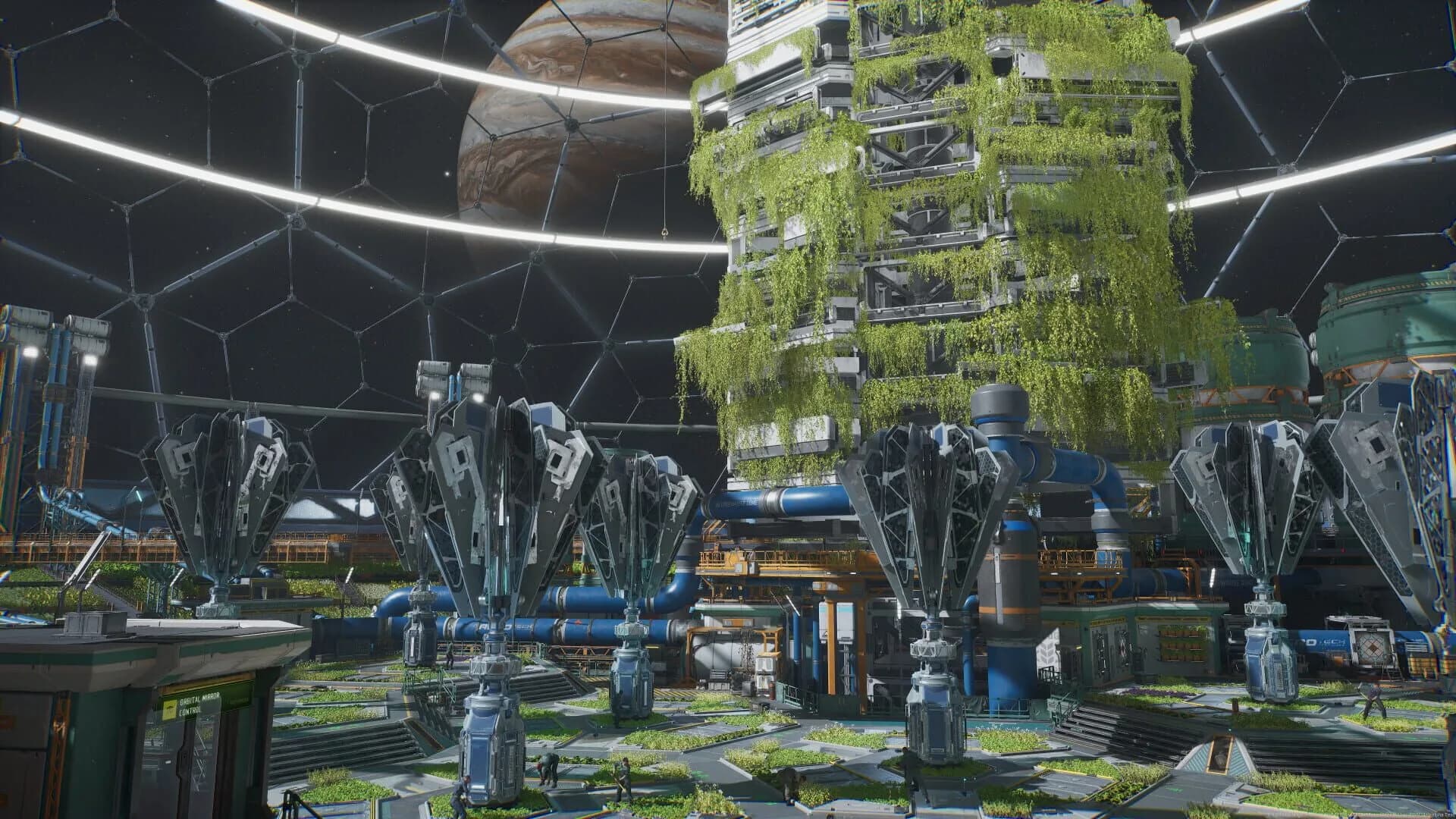
The Expanse owes much of its power to politics. The tension between Earth, Mars and the Belt isn't backdrop: it's the central subject of the series. The fact that Belters are exploited, that their lives matter less than an Earther's in the eyes of governments, that Mars sacrifices entire generations to terraform a planet that won't be habitable until their great-grandchildren: these are stakes that give events their real weight.
An RPG in this universe that treats this geopolitics as backdrop misses its target. The beta was too limited to know whether Osiris Reborn truly engages with it. The origin dialogues (Earther, Martian, Belter) can remain superficial, or they can structure the entire reading your character makes of events. That's the most important question we have, and the answer will only come with the full game.
We hope that's where the game takes its best risks. Because that's where the series took its.
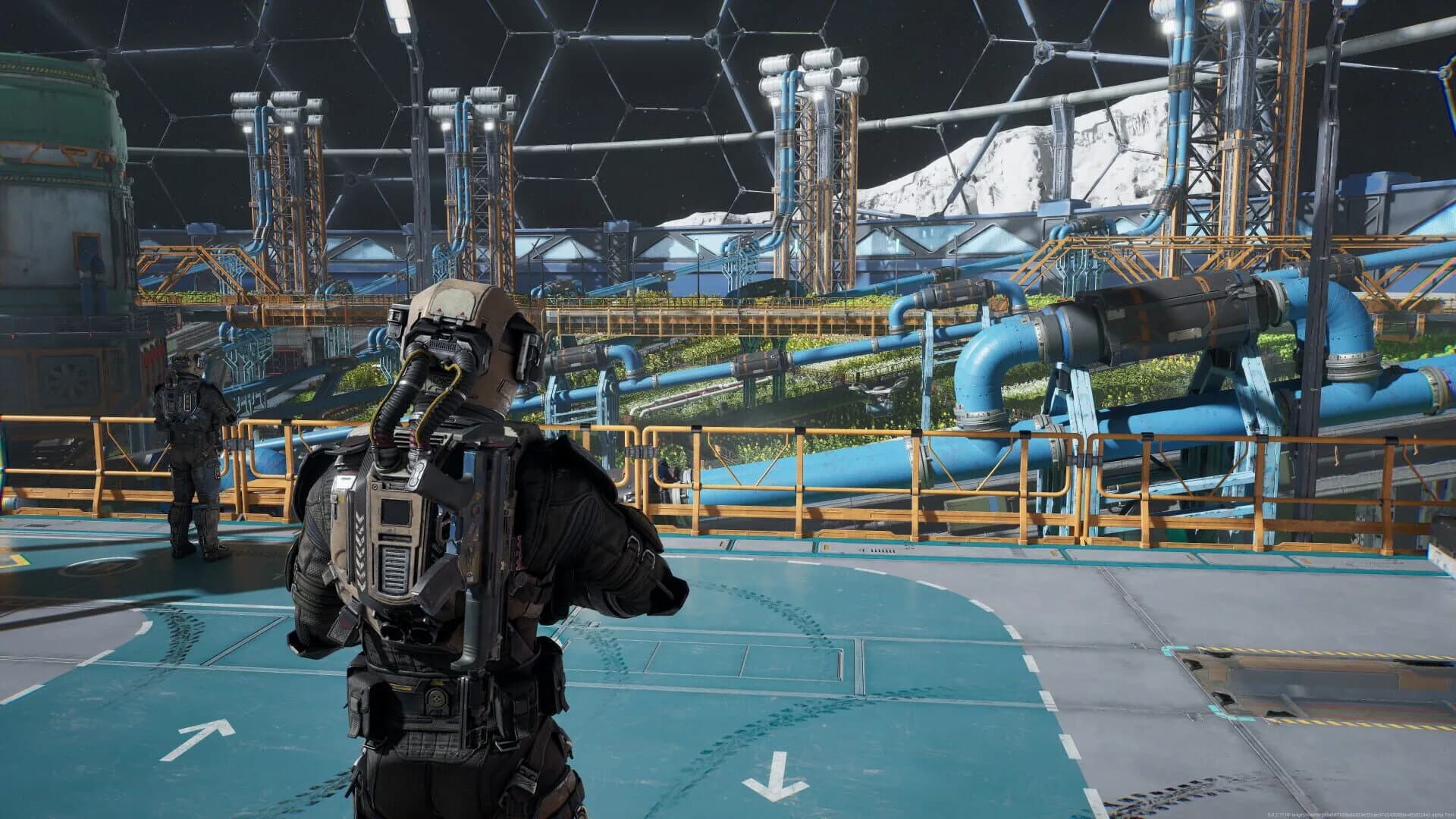
Owlcat is changing registers with Osiris Reborn. Their previous games are isometric, turn-based or real-time with pause. Moving to real-time third person with a closed beta in 2026 for a 2027 release is a genuine bet on their ability to master a new type of gameplay.
Beta feedback is encouraging on combat, without being enthusiastic. The slow-motion for squad orders works. Cover construction is readable. Social skills (Persuasion, Engineering, Athletics, Perception) seem to be integrated into dialogues and exploration coherently. What we don't know: how it all holds over twenty hours of gameplay.
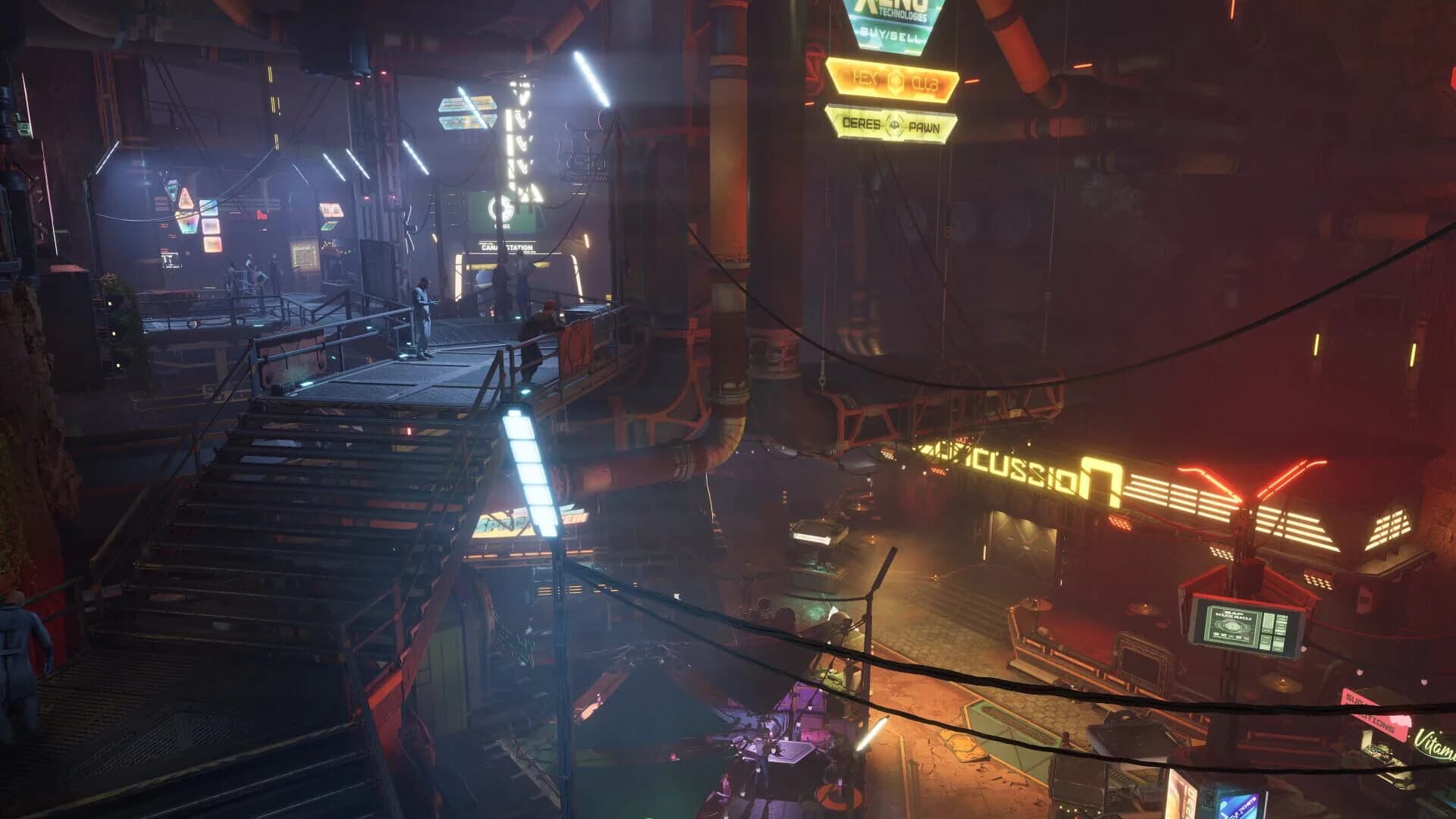
The Expanse: Osiris Reborn releases spring 2027 on PC (Steam, Epic, GOG), PS5 and Xbox Series X. A year remains. The closed beta did its job: convincing that the project is serious, that the franchise is respected, and that the ambition is real.
Owlcat doesn't make superficial games. Their RPGs have execution flaws but never a lack of vision. For the first time since Mass Effect 2, there's a sci-fi RPG with companions, factions, and galactic politics that looks like something.
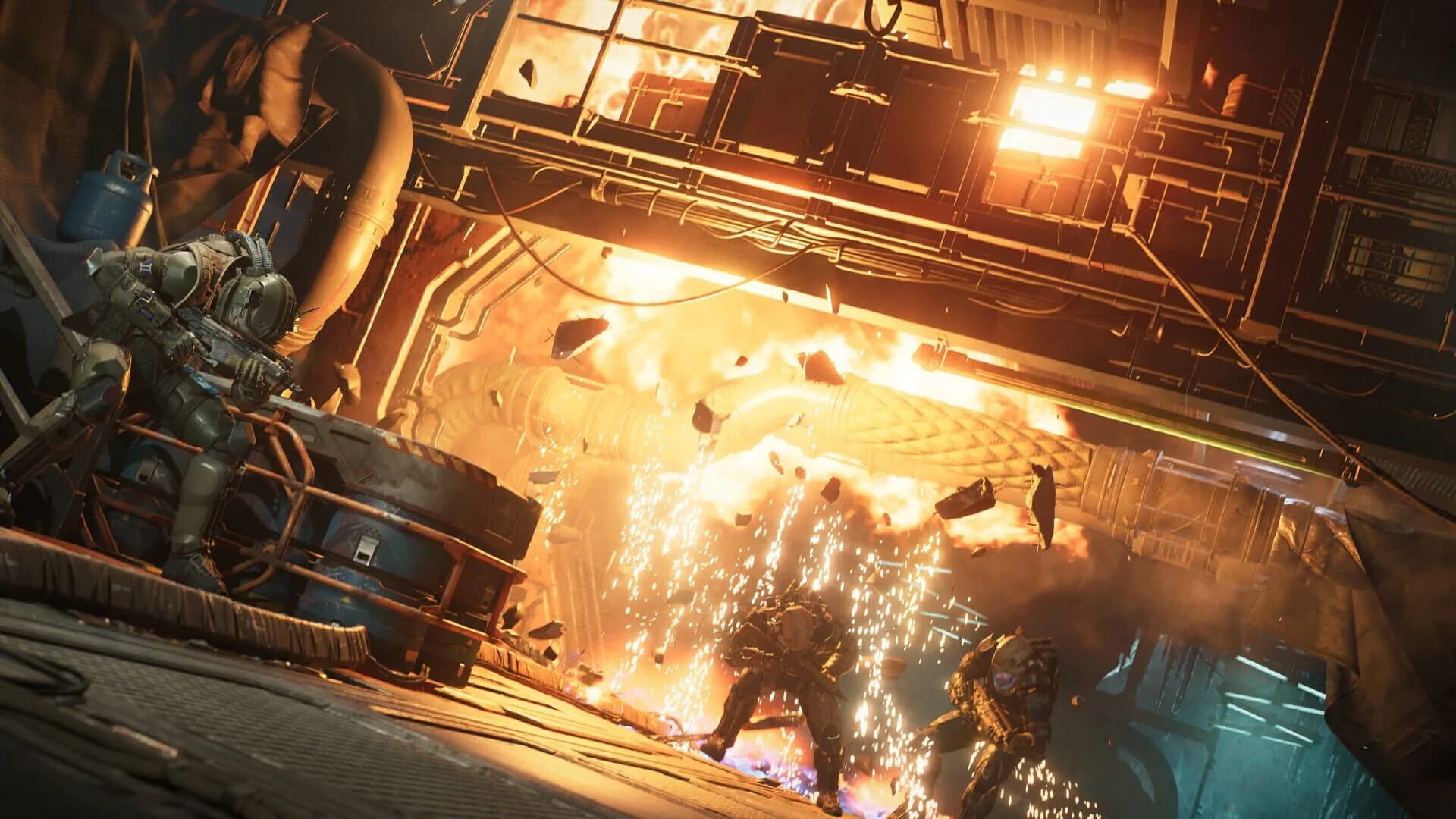
Let the Belters have a real place in this story, and the rest will follow.
We watch the release calendar together on our Discord, come and watch with us.
Community
Your rating
Loading comments...
You might also like
You are a shepherd dog in the northern wilderness. You see the world through movement, scent and instinct, and you gather a flock.
A 64-bit upgrade, built-in mod support, full Japanese voice acting, and over fifty minor factions made playable.
You can technically play solo, says the studio, but the wagon is a lot for one raccoon.