Preview
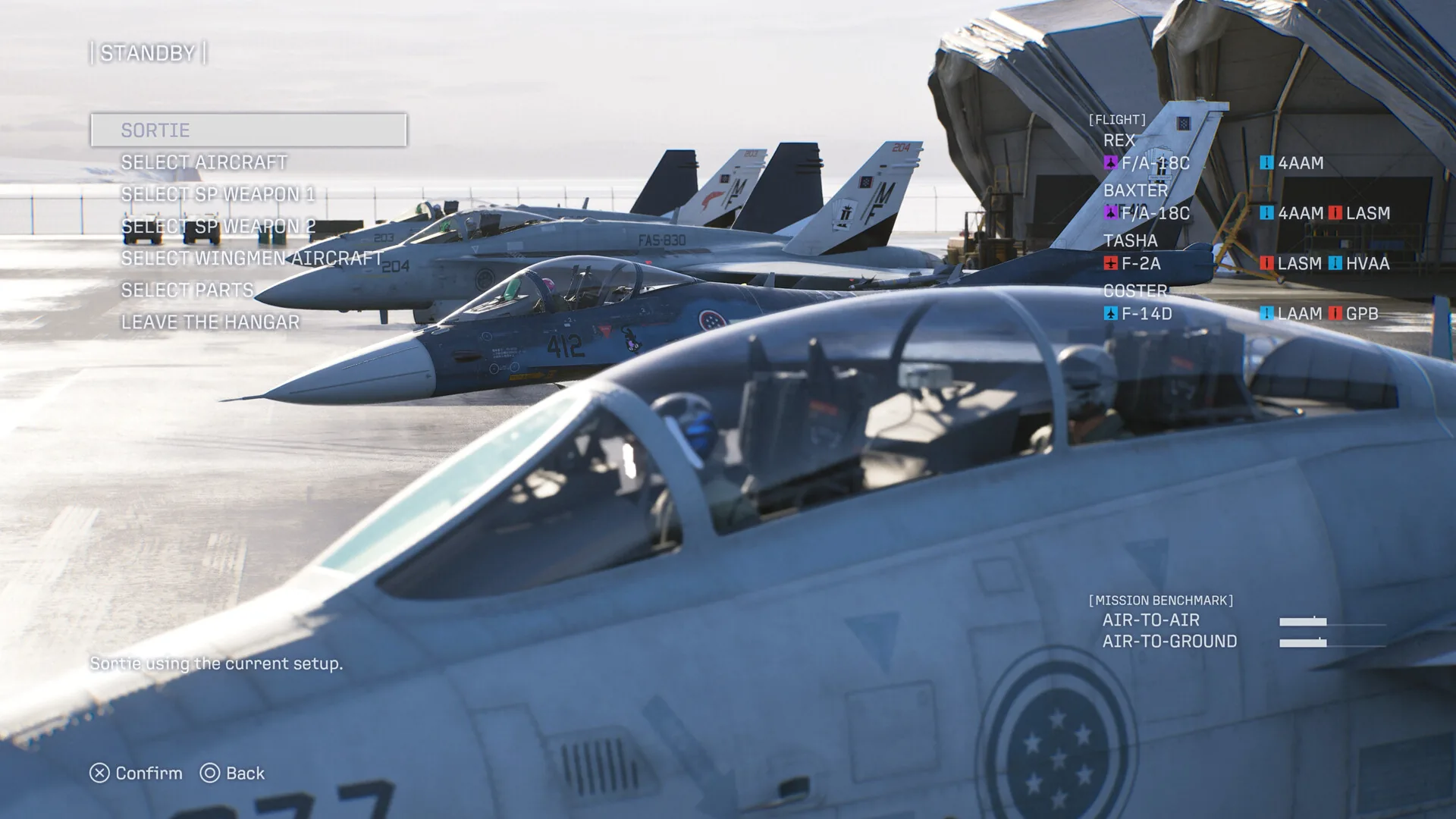
Ace Combat 8: seven years of waiting and, for the first time, an online lobby
Thirty years of the series, seven without a numbered entry, and an air base where you meet other pilots as an avatar before taking off.
Alexandrosse
7 min
An open world RPG that invokes Morrowind in its very trailer. The playtesters, for their part, do not all agree.
Alexandrosse
May 2002. We were there. We spent nights in Balmora, we jumped with agility potions stacked until the map lay flat below us, we got lost in the Molag Amur with no quest and no marker because there were none.
So when a studio announces a game inspired by Morrowind, it triggers an immediate reflex here, and it should know which one: not enthusiasm, but vigilance. Invoking that name is claiming an inheritance, and inheritances have to be proved.
Let us start with what NerveLabs put forward itself. Its trailer is literally titled "F you Todd" and opens with a jab at Todd Howard: Elder Scrolls 6 is taking so long that we are just making our own. Then comes a list of arguments borrowed from Morrowind folklore, absurd jumping spells, fungus wizards, vulture gorillas.
It works, the press picked it up, and it is also exactly the problem.
Because that marketing addresses a nostalgia rather than a game. It ticks the images everyone knows about Morrowind, the ones that circulate as memes: the ludicrous jump, the strangeness, the owned weirdness. But that is not what Morrowind is. Morrowind is a world that refused to hold your hand, dialogue written like a hostile encyclopedia, a geography you had to learn by walking because nothing helped you, and an invented culture dense enough to genuinely lose yourself in.
A forum player put it better than I would: people are tired of "Morrowind-like" games that fail to understand what makes Morrowind what it is, because it always stays surface level.
There is the dig. It is gentle, it is friendly, and it is earned.
This is where it gets interesting, because the playtest happened and the feedback does not point one way.
The sceptical camp is clear. One tester sums it up: other than an acrobatics stat, there was not much overlap with an Elder Scrolls game. The world felt empty and barren to him, clutter items included, and the topography boxed him into paths dictated by mountains rather than opening up. His conclusion is honest: it may be too early to judge, it was rough overall.
The favourable camp is just as present. Another tester says he crossed the Elder Scrolls feeling several times, accepts that the emptiness comes from the development stage, and notes above all that the odd charm that drew him to Morrowind back then is there. A third insists on systems conducive to role playing, on technical smoothness remarkable for an indie game, and on a world with no loading screens at all, which several people raise independently.
And the developer replied, which is worth flagging. He explained that the alpha playtest had most points of interest disabled, along with nearly all quests and lore content, that only the starting area was filled out, and that the goal was finding multiplayer and combat bugs. Another tester confirms every reported bug got a response and was generally fixed by the next build.
Two things stay with me. First, a world judged empty in a test whose points of interest are switched off is not very solid evidence. Second, the studio talks straight to its community, which is the best signal available at this stage.
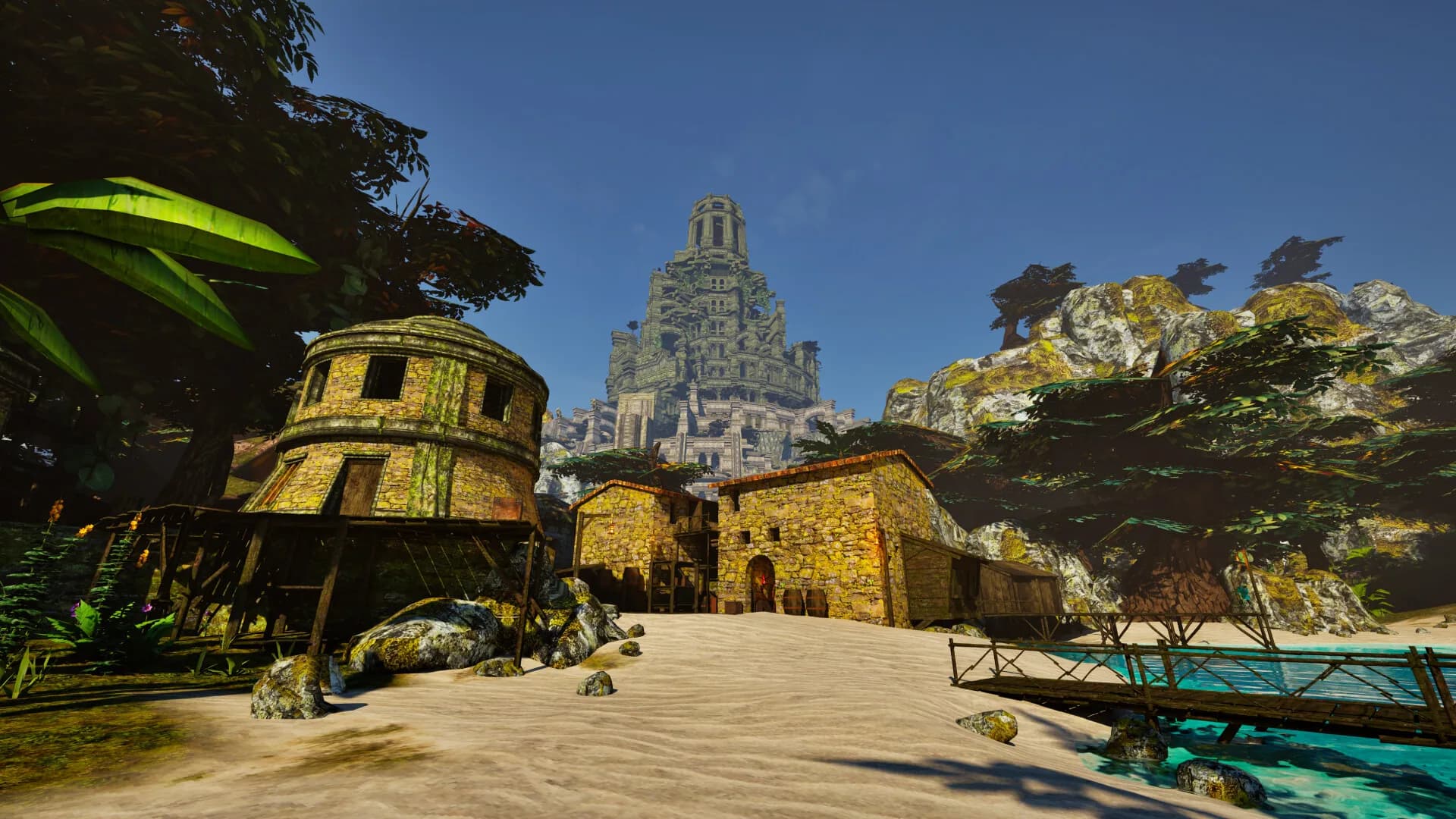
And this is where the marketing does the game a disservice, because its own ideas are more interesting than its claimed lineage.
The story: men lured by shared nightmares converge on a remote island crowned by a silent Tower. Nobody remembers the journey. All chase the same feverish dream of a light buried beneath the Tower.
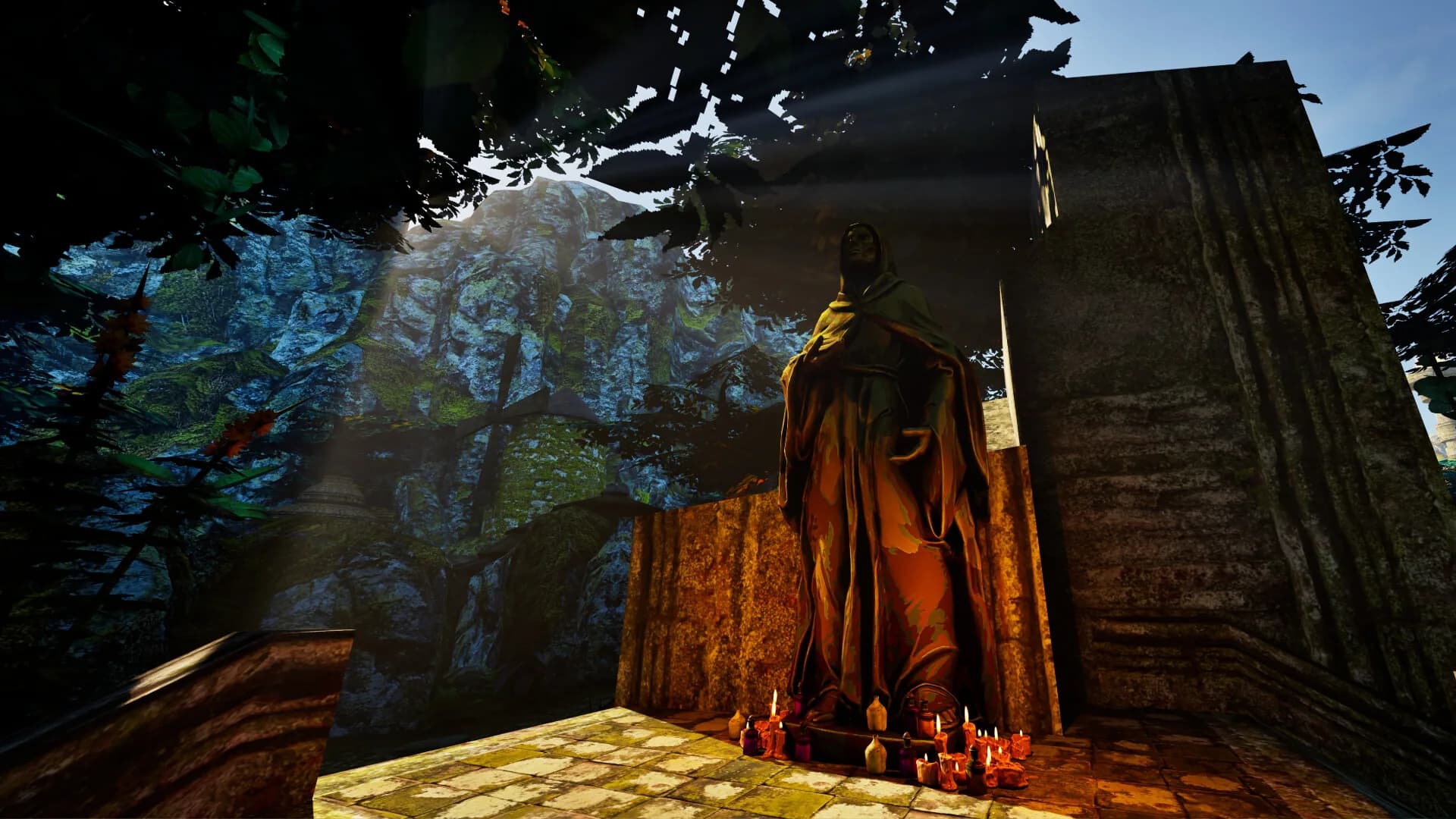
The Amphitheater is the game's find. In the depths sits a theatre with an empty stage, waiting for an audience. As you repair or ruin the lives of the island's inhabitants, the phantoms they leave behind take the seats. The more seats you fill, the more the island listens, and the louder the applause for your final act. Treat people with kindness and generosity and a trusted friend sits down; fail or abuse them and something darker takes the place. The House fills either way.
That is an idea I have not seen elsewhere in this form: a consequence system that does not merely tally morality points but literally builds you an audience.
The rest holds up. Most quests accept multiple resolutions, through mercy, violence, compromise or deceit. The cast is deliberately bizarre, with a giant toad learning to read and an ancient skeleton who just wants to swim. And the whole game is playable in co-op, online and in split screen, which is far from common for an open world RPG.
The game launches today, 17 August 2026, in early access, developed by NerveLabs.
Two useful notes. Steam flags mild nudity, namely exposed breasts if the player steals outfits from an NPC, with no genitalia, which is the sort of detail one prefers to be warned about. And early access means precisely what it says: testers described a playable but rough game, complete with falling through floors.
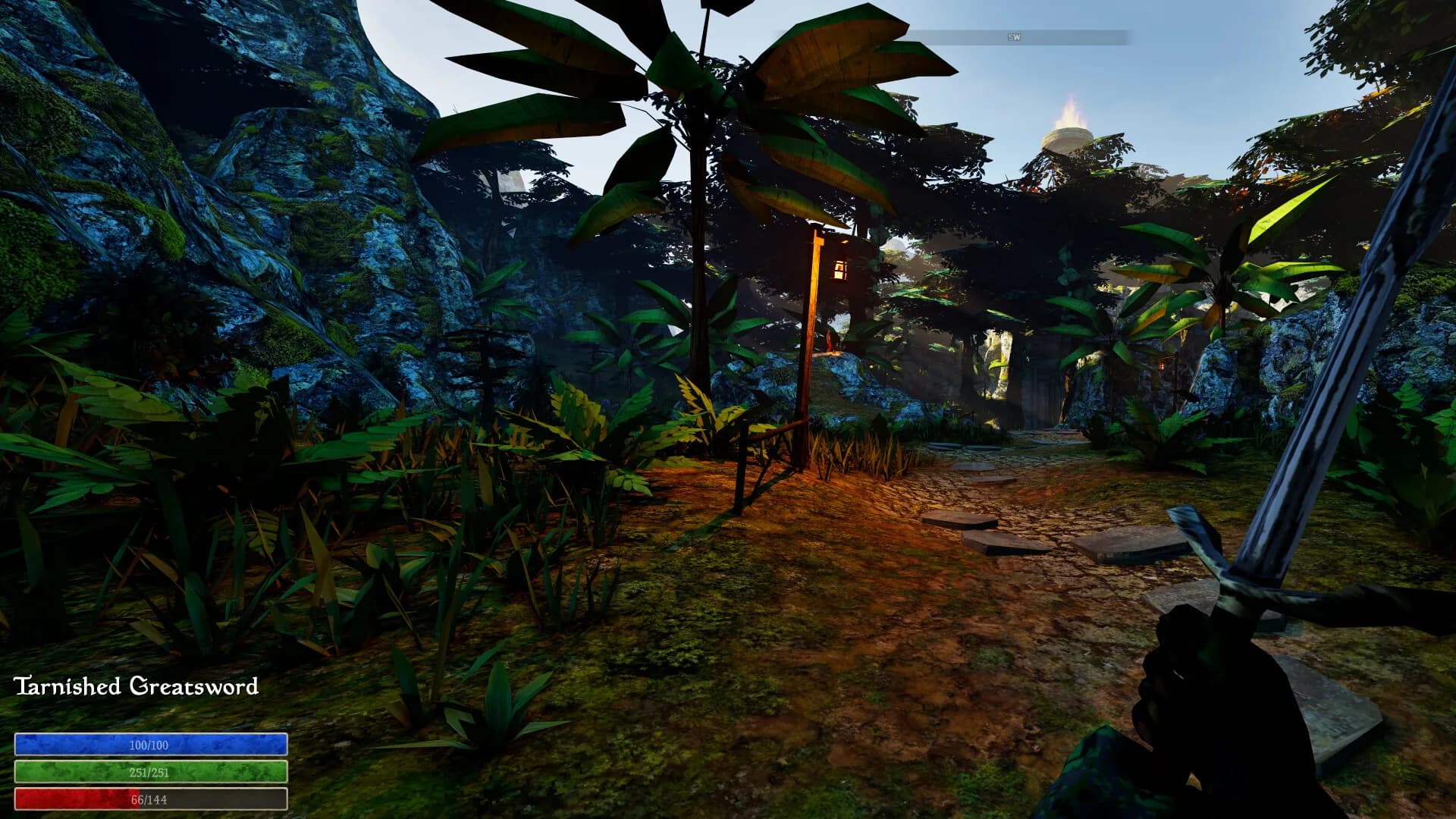
We are not going to tear down a game on the strength of a provocative trailer, that would be falling into the opposite trap.
But we will say this, with the relative authority of people who watched Morrowind arrive: the comparison does this game no favours. It sets the bar at a height no independent team can clear in early access, and it distracts from the one thing that makes this project singular, that Amphitheater turning your choices into an audience.
The real test will be density. Morrowind is not remembered for its deranged jumping, it is remembered because every corner had a reason to exist. If NerveLabs fills its island that way, we will gladly come back to it. If the island stays beautiful and empty, the trailer will have been the best part of the game.
Were you there in 2002 as well? Come to the InsertCoins Discord and tell us what, in your view, actually makes a Morrowind.
Community
Your rating
Loading comments...
You might also like
Thirty years of the series, seven without a numbered entry, and an air base where you meet other pilots as an avatar before taking off.
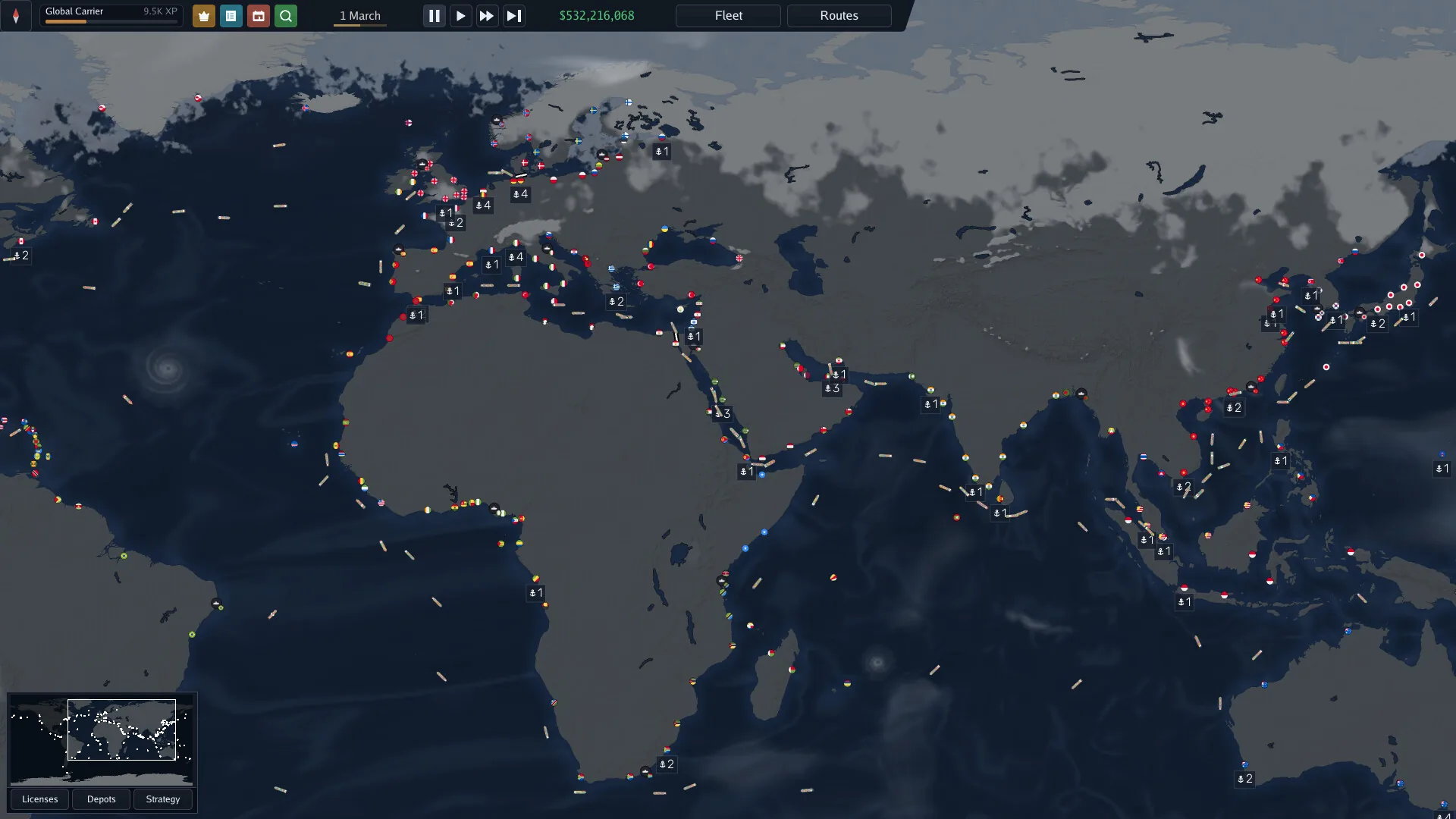
A global maritime logistics simulator, with real ports, automated routing rules, and 162 shipping licences to collect.
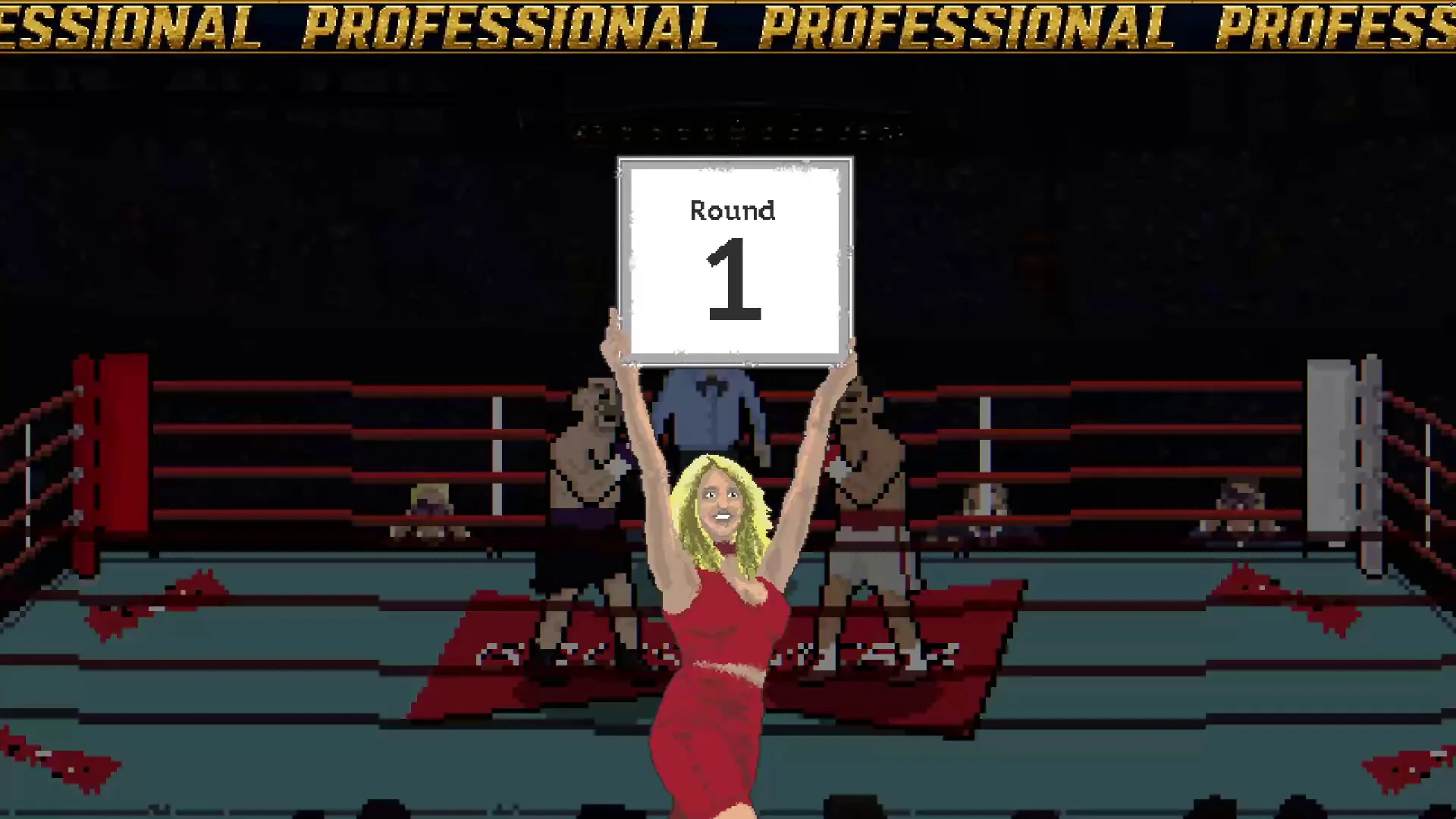
Weigh-ins, meal planning, a day job between fights, accumulating injuries and a bareknuckle circuit. Halfbrick is not joking at all.