6
Test
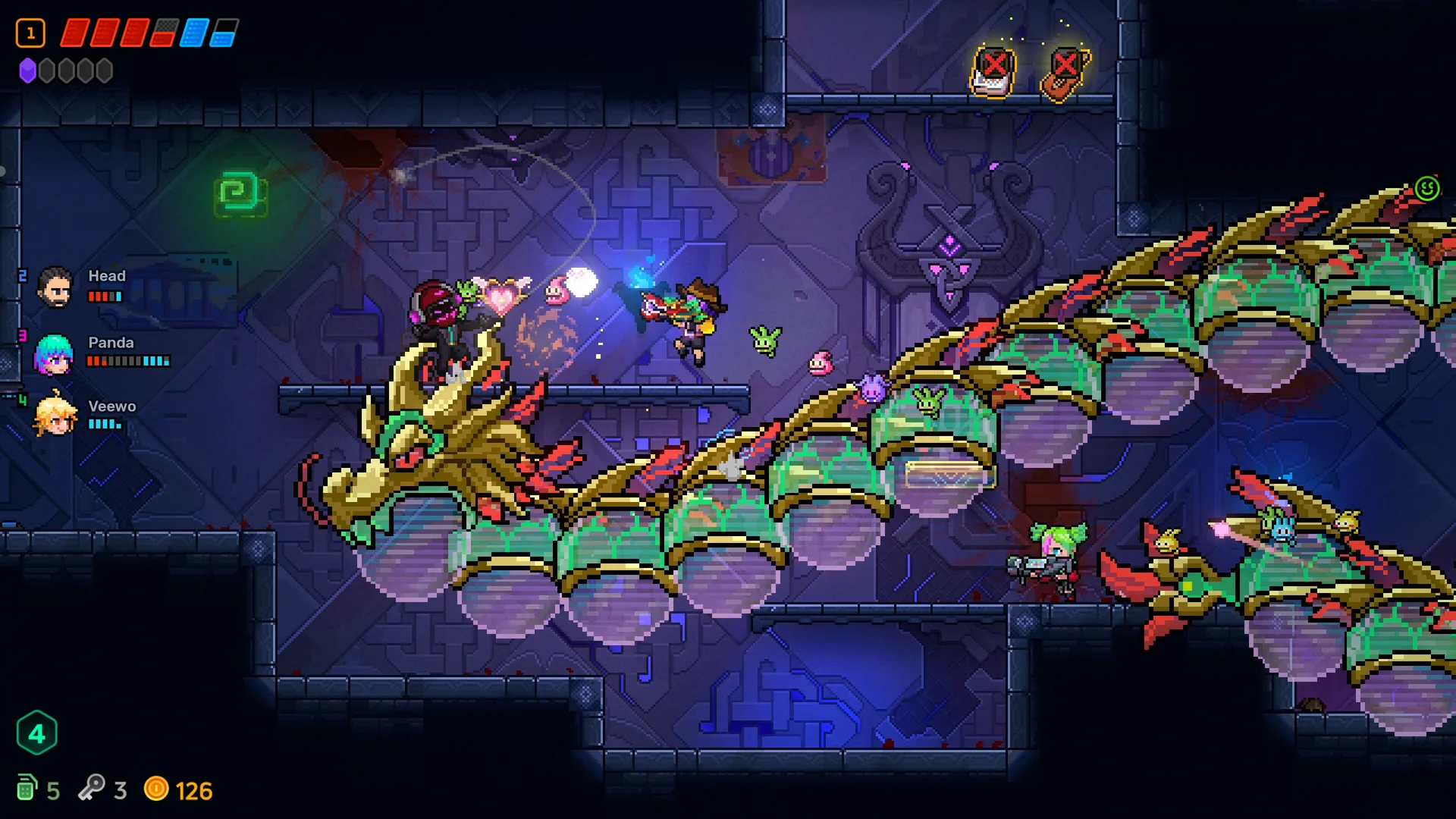
Neon Abyss 2: four-player co-op, where only the host unlocks anything
The 1.0 lands today. The game is as twitchy as ever, but one design decision undercuts its entire selling point.
Alexandrosse
9 min
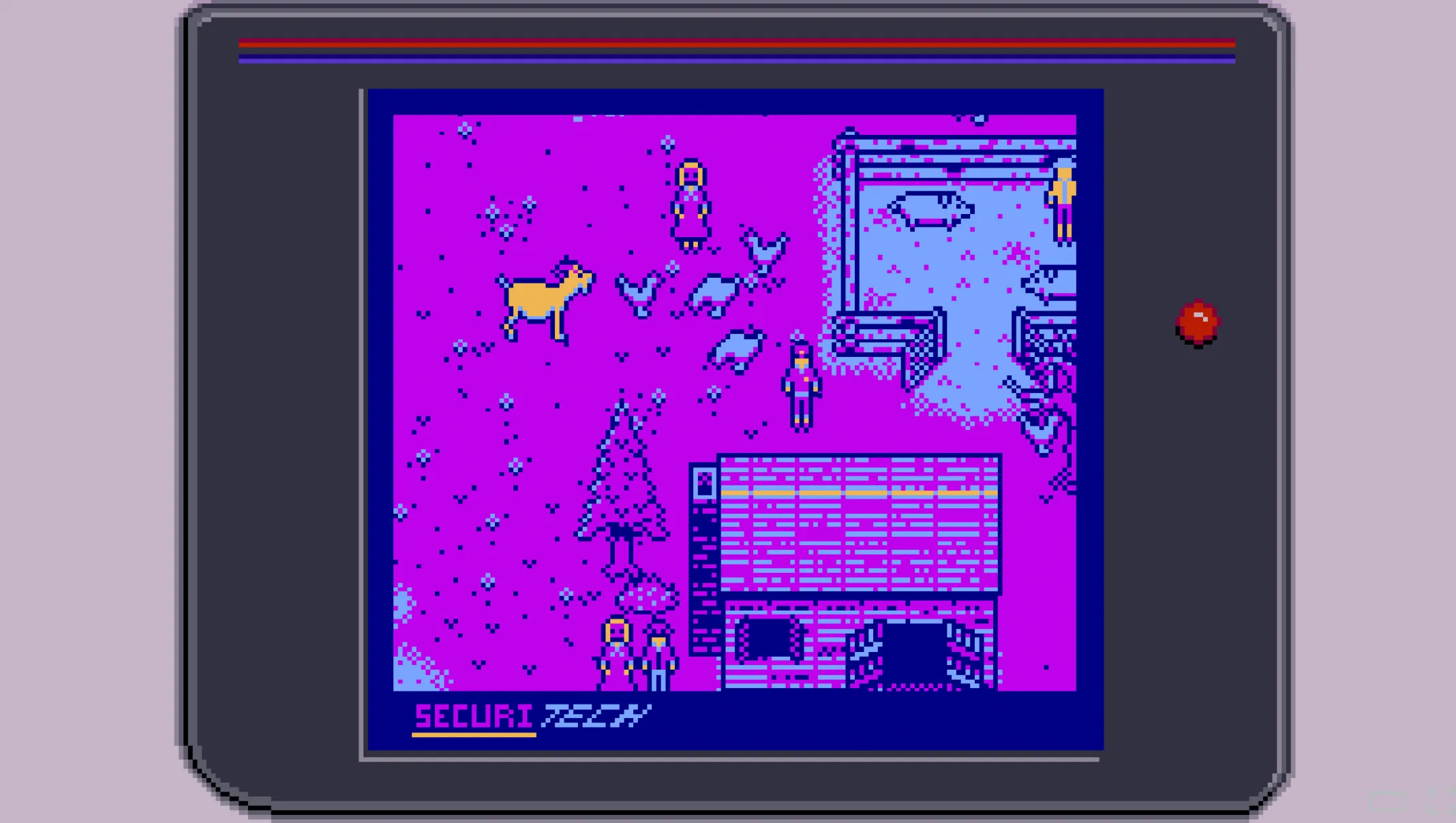
A pixel art survival horror where you do night rounds in a museum full of anomalies. Short, tense, well made.
Alexandrosse
InsertCoins.press Score
7/10
Verdict
Recommended
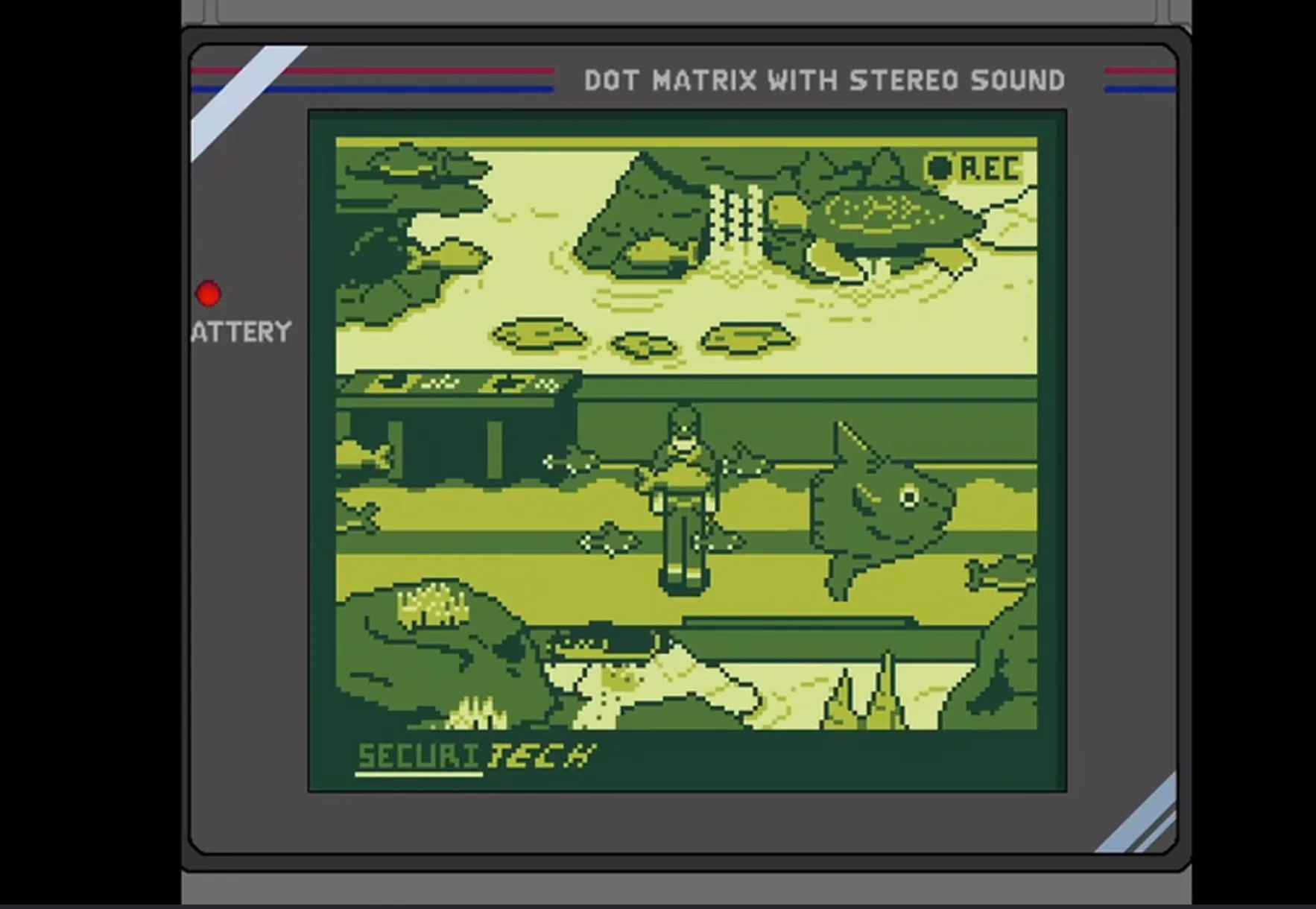
The trailer has that VHS look that catches the eye. Noted. Moving on. Let's talk about the game.
You're a night shift security guard at the Roanoke Museum of History and Wonder. In theory: patrols, an end-of-shift report, cold coffee. In practice: managing stamina, watching mental health, navigating exhibits that no longer behave the way they should. The human body section. The terrors of the deep. The mystery of Roanoke.
Gameplay mixes survival, exploration, and puzzles in a clean loop. Resource management is present without crushing everything else, and the space itself starts to weigh on you. Every room you've already crossed, every corridor you thought you knew. This is economical survival horror: no jump scare every thirty seconds, just a tension that builds because you never quite know what changed since your last round.
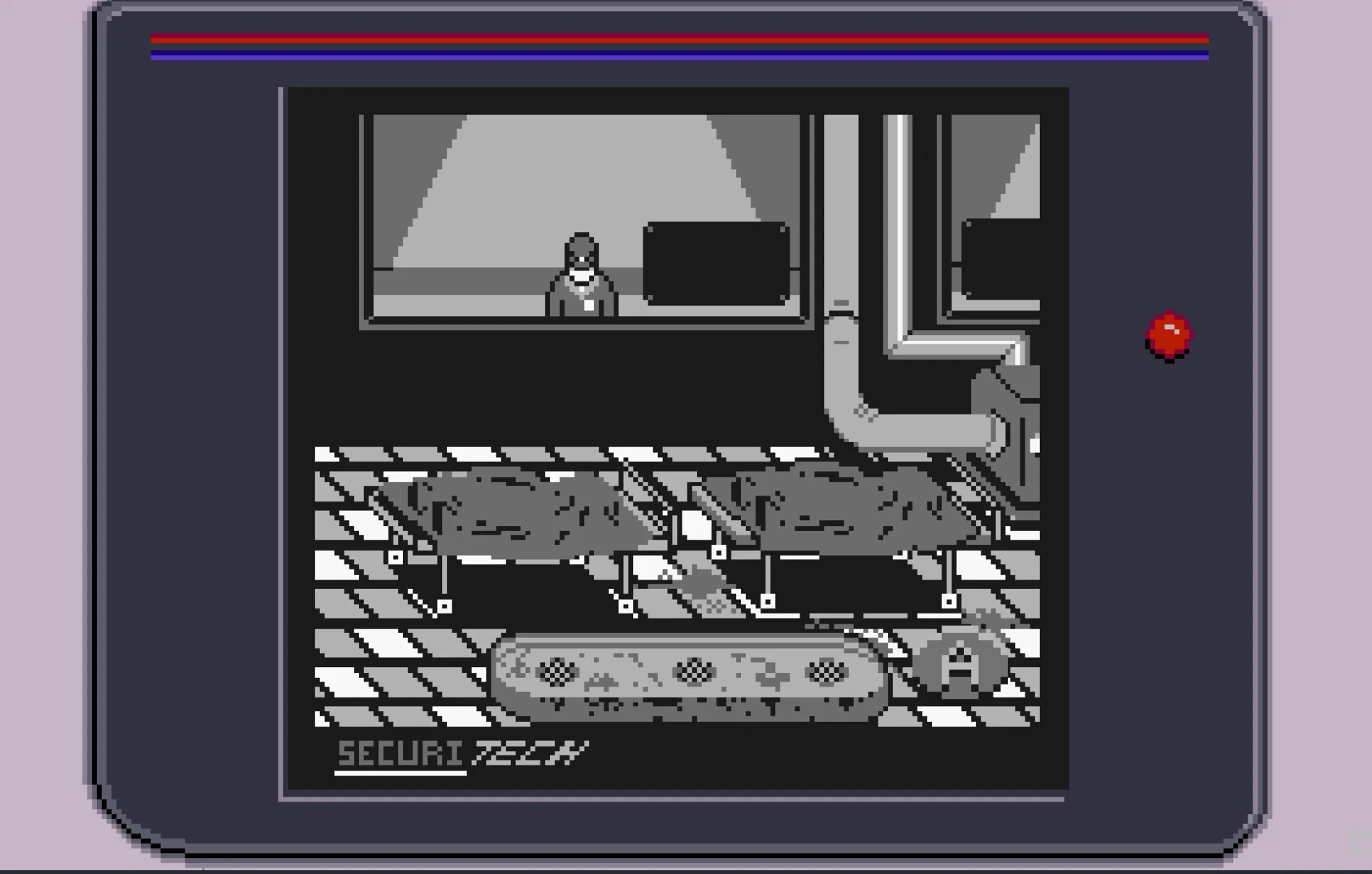
What really sets The Third Shift apart is its perspective-switching system. First person, second, third: the game shifts depending on the situation, and it doesn't feel like a gimmick. It genuinely changes how you read a room, how you anticipate anomalies, how you position yourself in the more charged spaces.
For a small studio, it's a technical gamble that could easily have destabilised the whole thing. It doesn't.
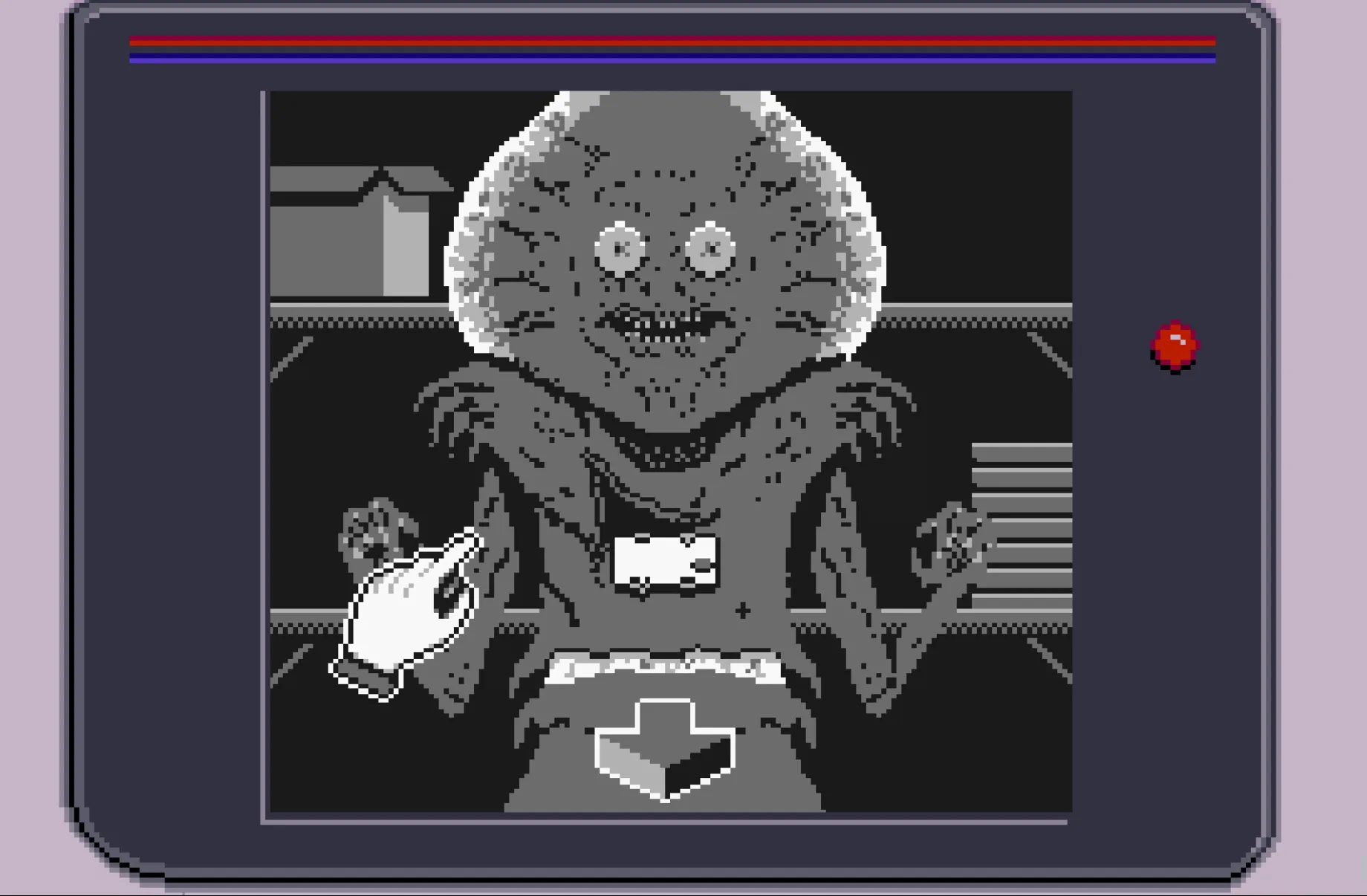
Short, dense, nothing wasted. The Third Shift knows what it is and doesn't try to be anything else. A well-built space, mechanics that hold up, honest tension. For a small indie that delivers on what it promises, that's exactly what you ask for.
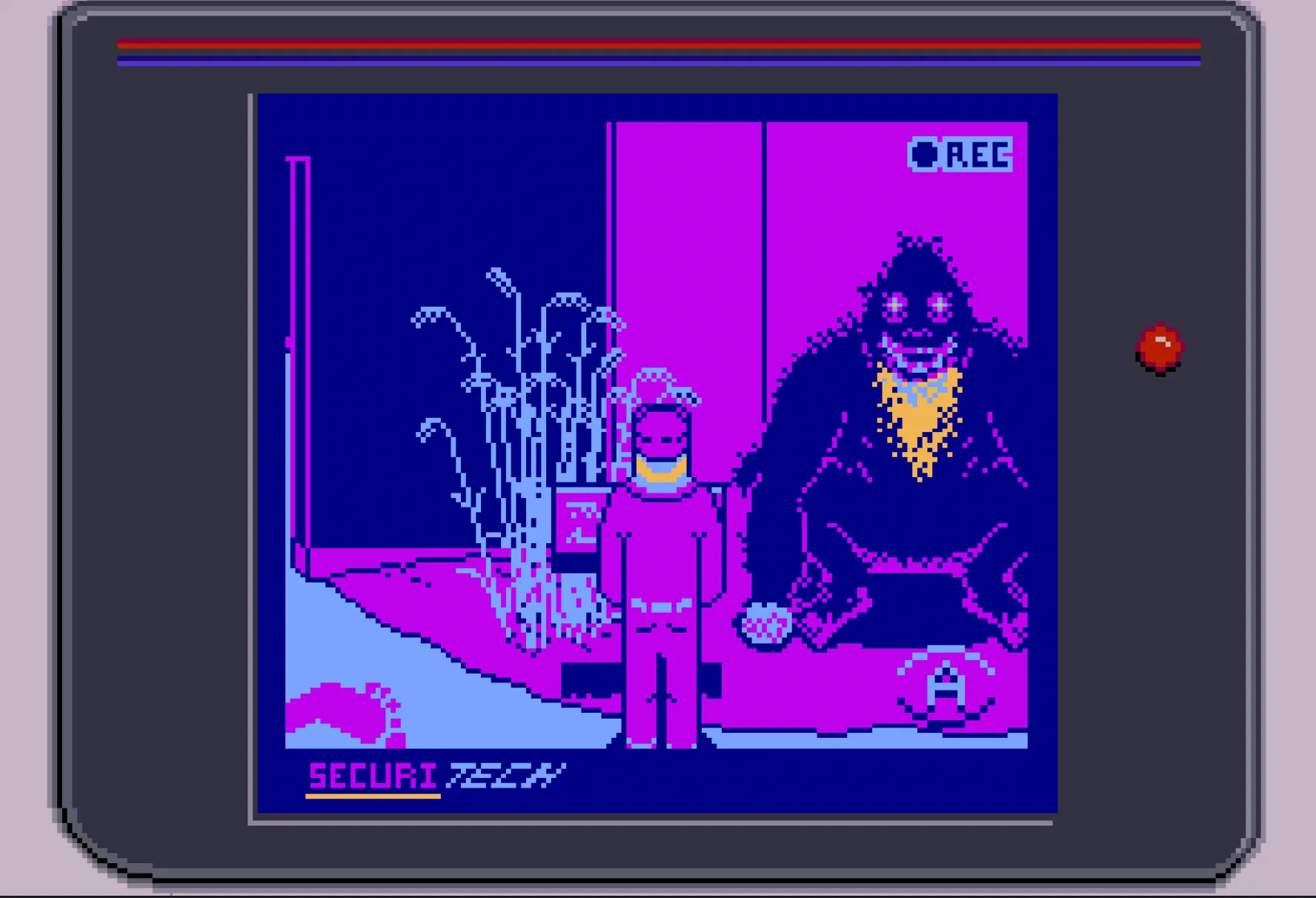
Strengths:
Weaknesses:
Tested on PC.
The discussion carries on over on our Discord, where we relitigate scores for far longer than is reasonable.
Community
Your rating
Advertisement
Loading comments...
You might also like
The 1.0 lands today. The game is as twitchy as ever, but one design decision undercuts its entire selling point.
Jonathan Blow's third game after Braid and The Witness. It took ten years, a home-made language, and ideas he did not invent.
The movement has never been better and Unreal Engine 5 delivers. But Horde lost its 50 waves and there are only six maps.