Preview
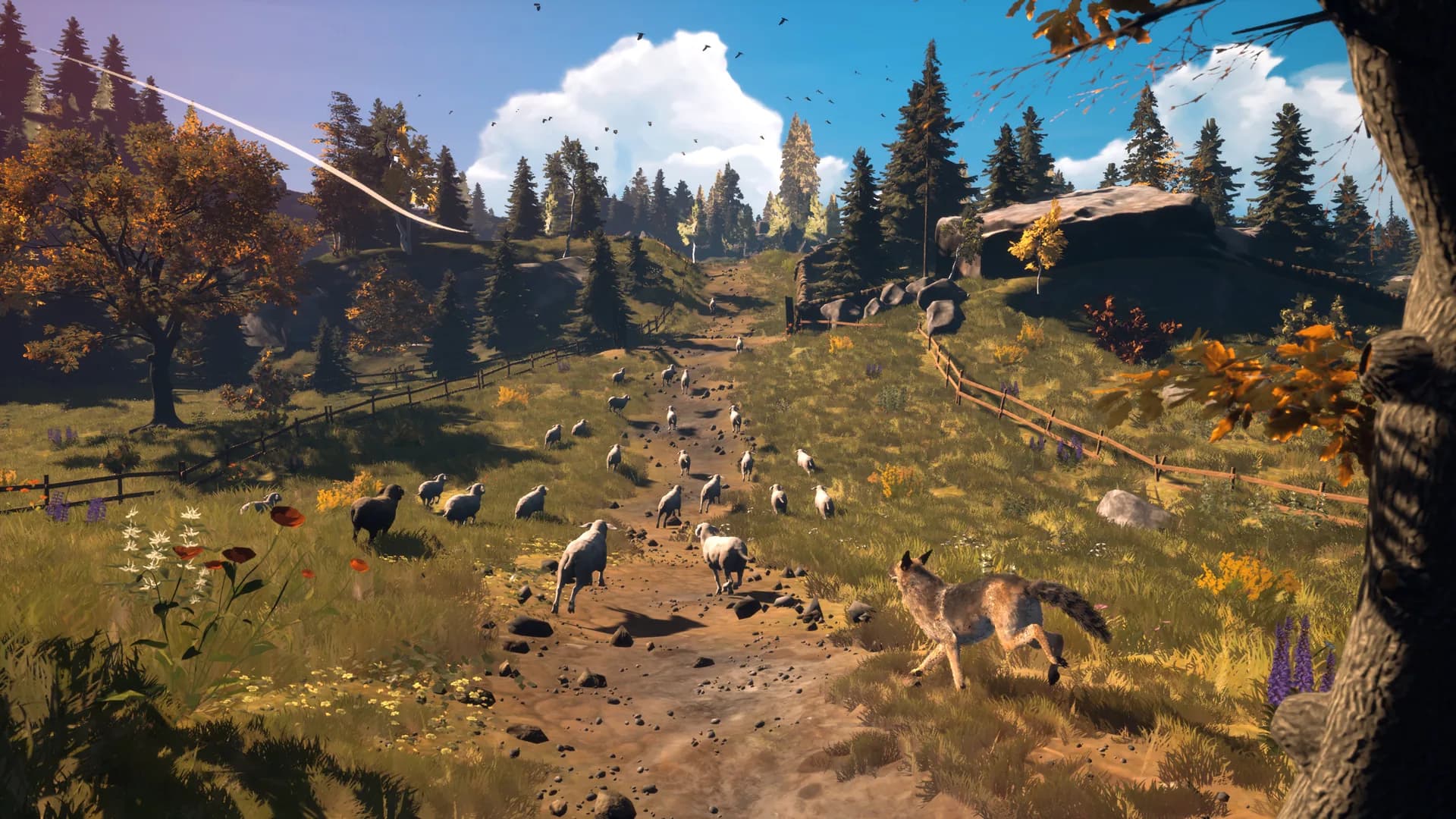
Hubert: a tale of friendship, bravery, and barking at sheep
You are a shepherd dog in the northern wilderness. You see the world through movement, scent and instinct, and you gather a flock.
Alexandrosse
6 min
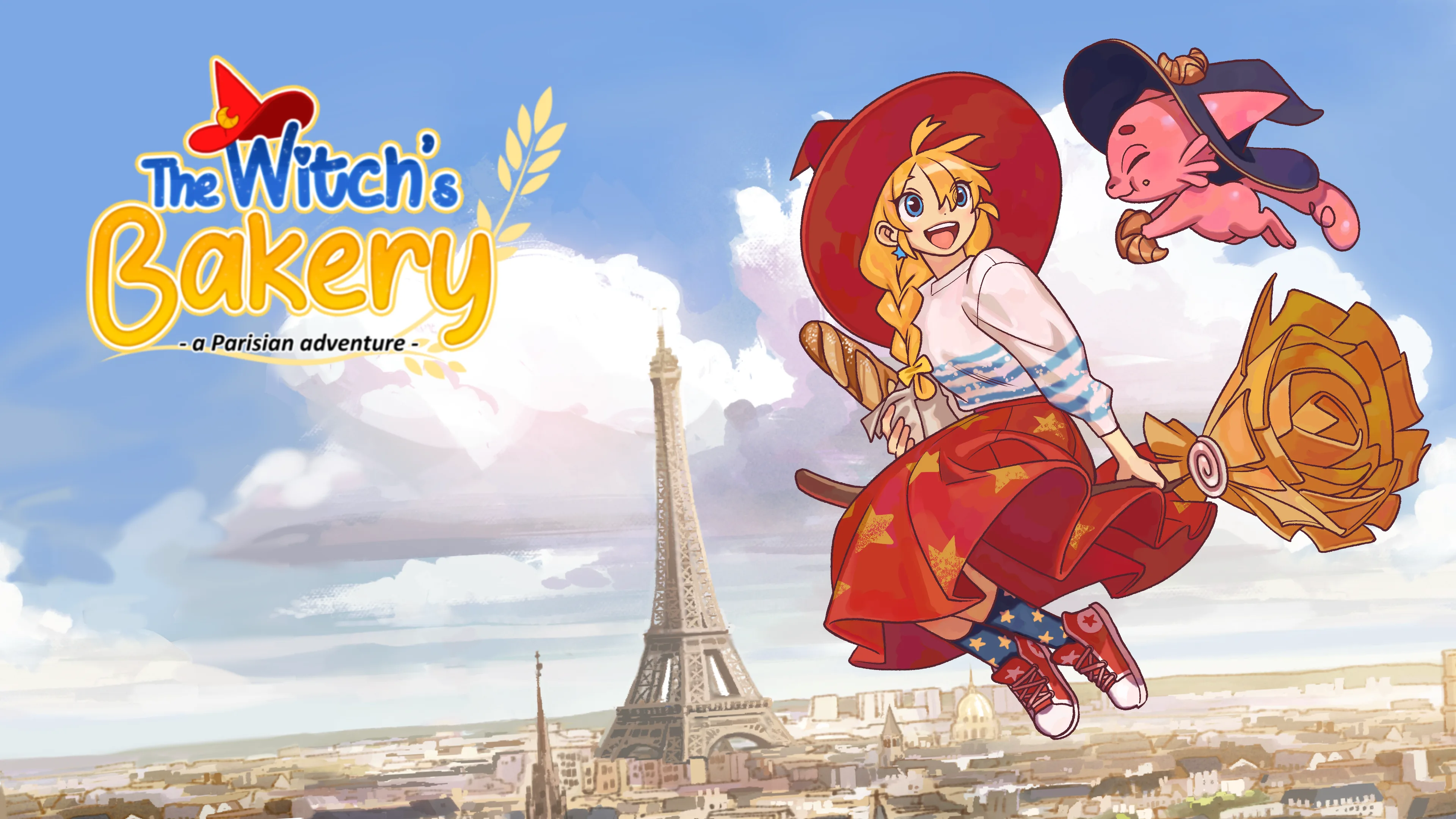
Sunny Lab makes a cosy RPG about a witch running a bakery in 1990s Paris. It's more ambitious than it looks, and much more personal.
Alexandrosse
Sunny Lab is an eleven-person studio. Their first game is called The Witch's Bakery. You play a witch running a bakery in Paris in 1994. The game will release in the second quarter of 2026 on PS5, Xbox Series X, Nintendo Switch 1 and Switch 2.
On paper, it sounds like another cosy game in a market producing hundreds since Stardew Valley. It isn't.
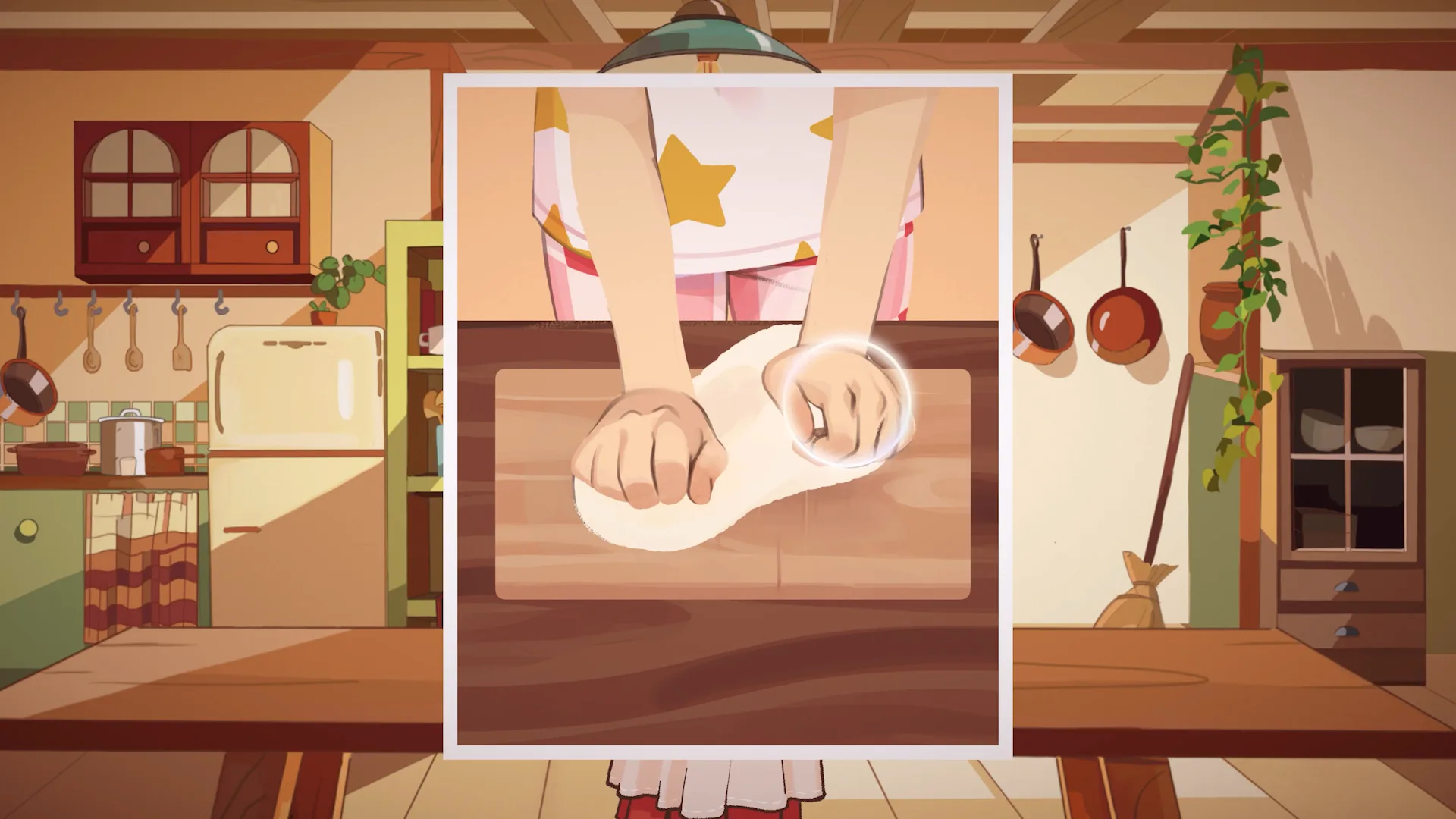
The Witch's Bakery is structured in three distinct phases corresponding to the times of day. Daytime in the bakery: management, preparing orders, cooking mechanic. Evening in Paris: free exploration, encounters, social links in the Persona style. Night in "La Cote": a parallel dimension accessible only to witches, with adventure gameplay in the spirit of Gris, traversals of magical landscapes, puzzle solving.
These three layers aren't independent. What you do in the evening with your customers influences what happens in your bakery. What happens at night in La Cote has consequences on how Paris feels the next day. The witch you play isn't a village heroine solving delivery quests: she's between two worlds, literally, and both demand her attention.
The announced duration is 10 to 15 hours for a complete playthrough. The game is linear, not a free-completion open world. That's a deliberate choice allowing the studio to control the narrative rather than diluting the experience over a hundred hours of optional content.
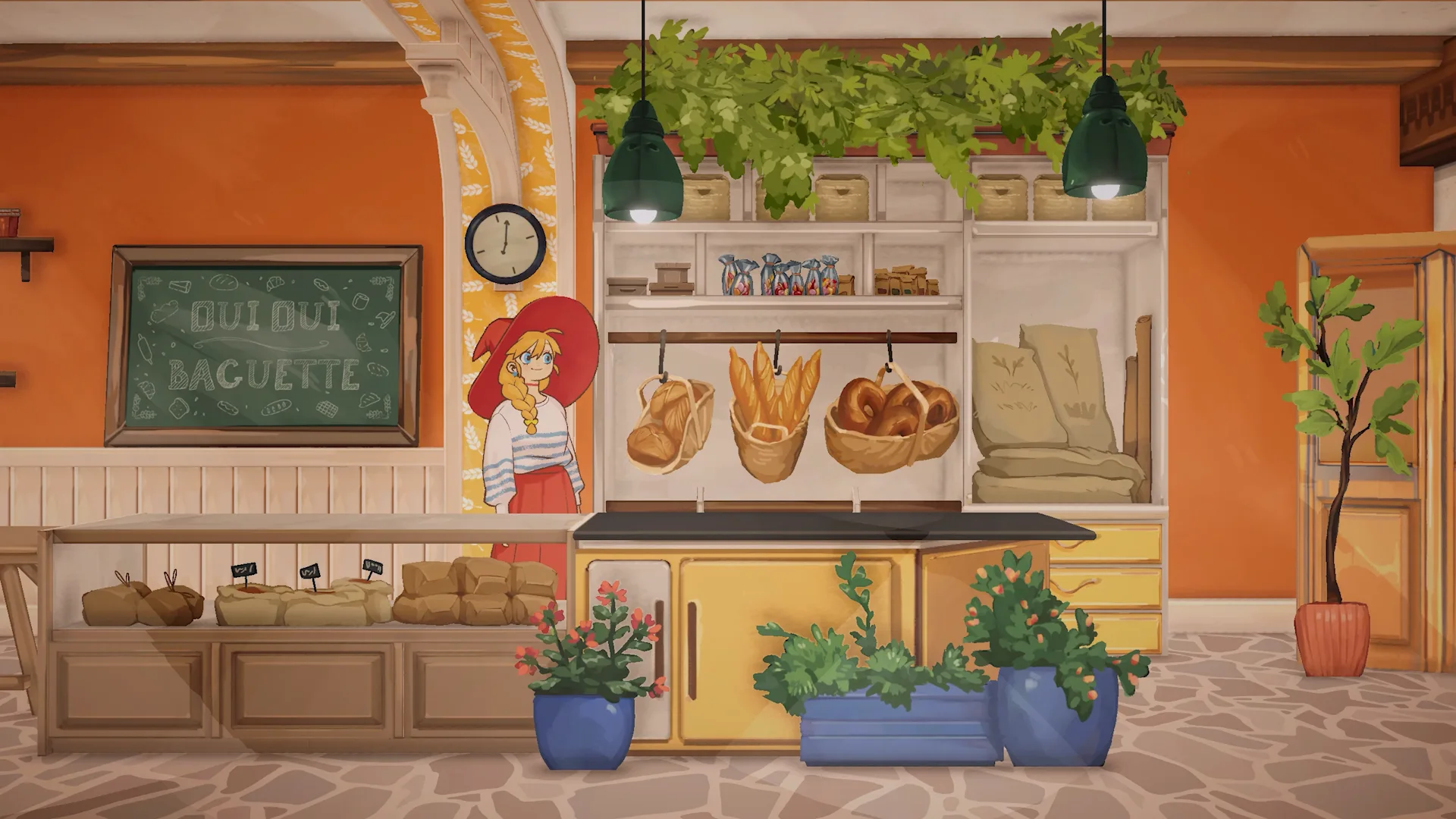
The choice of 1990s Paris isn't decorative. Sunny, co-founder of the studio and narrative director, arrived in Paris at 18 and found a community, a substitute family, a way of belonging somewhere. That's the experience the game seeks to capture.
Paris in The Witch's Bakery has bouquinistes, cafes, streets with neighborhood identities. It's not a postcard. It's the city as social space, as a place where you can choose to settle and build something. Charlotte's art direction, co-founder, translates that intention: warm colors, illustrated aesthetic, a visual coherence reminiscent of both Nomada Studio's Gris and certain 2000s Japanese RPGs without directly imitating either.
The Persona-style social link mechanic is there to embody that. Every character encountered in the evening has a story, a presence in the city, a reason for being in your witch's circle. Mr. Galgari, a spider-humanoid who accompanies you, is one of the central characters in this network. Estelle is presented as a romance option, in a relationship clearly identified as lesbian.
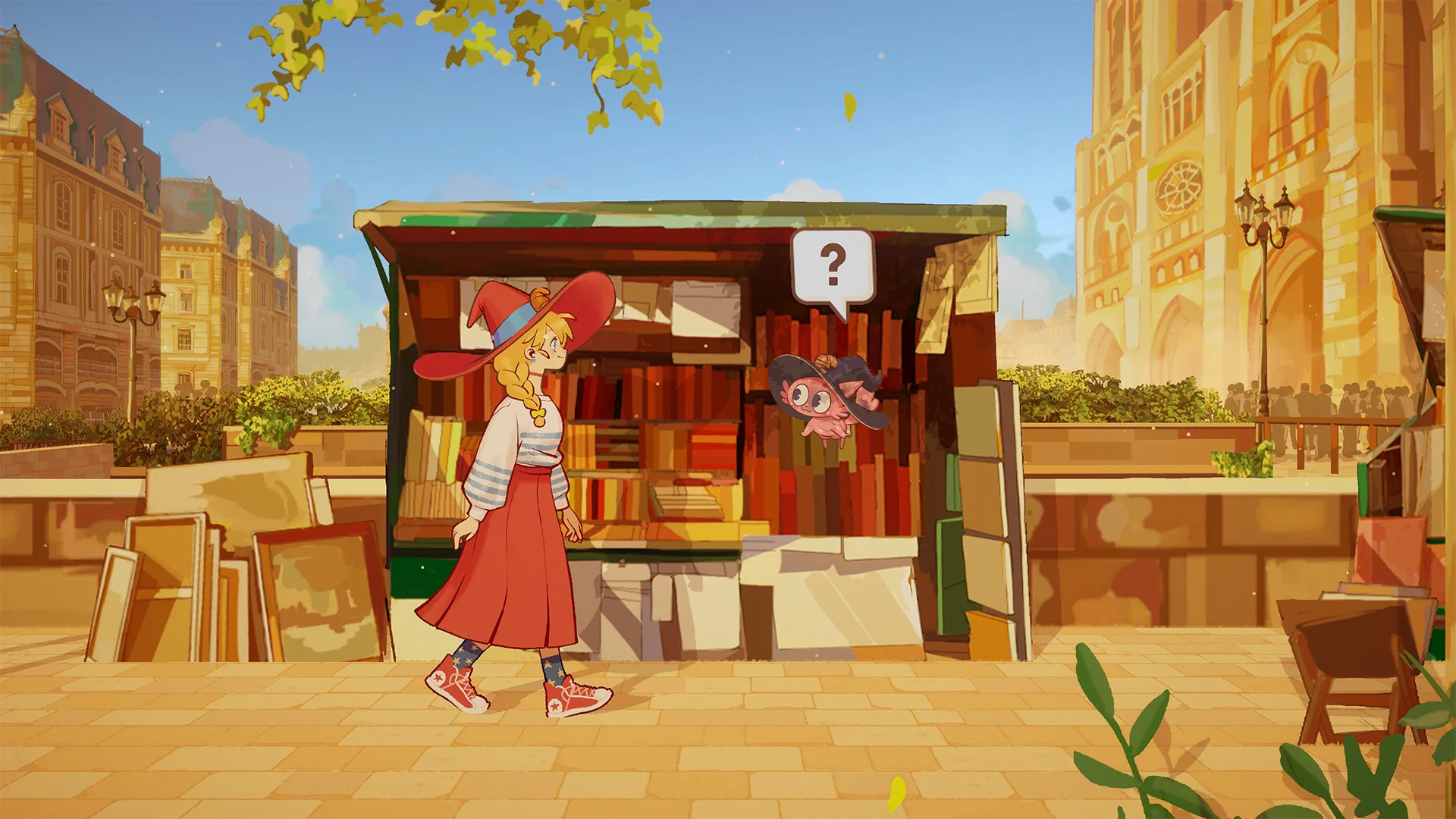
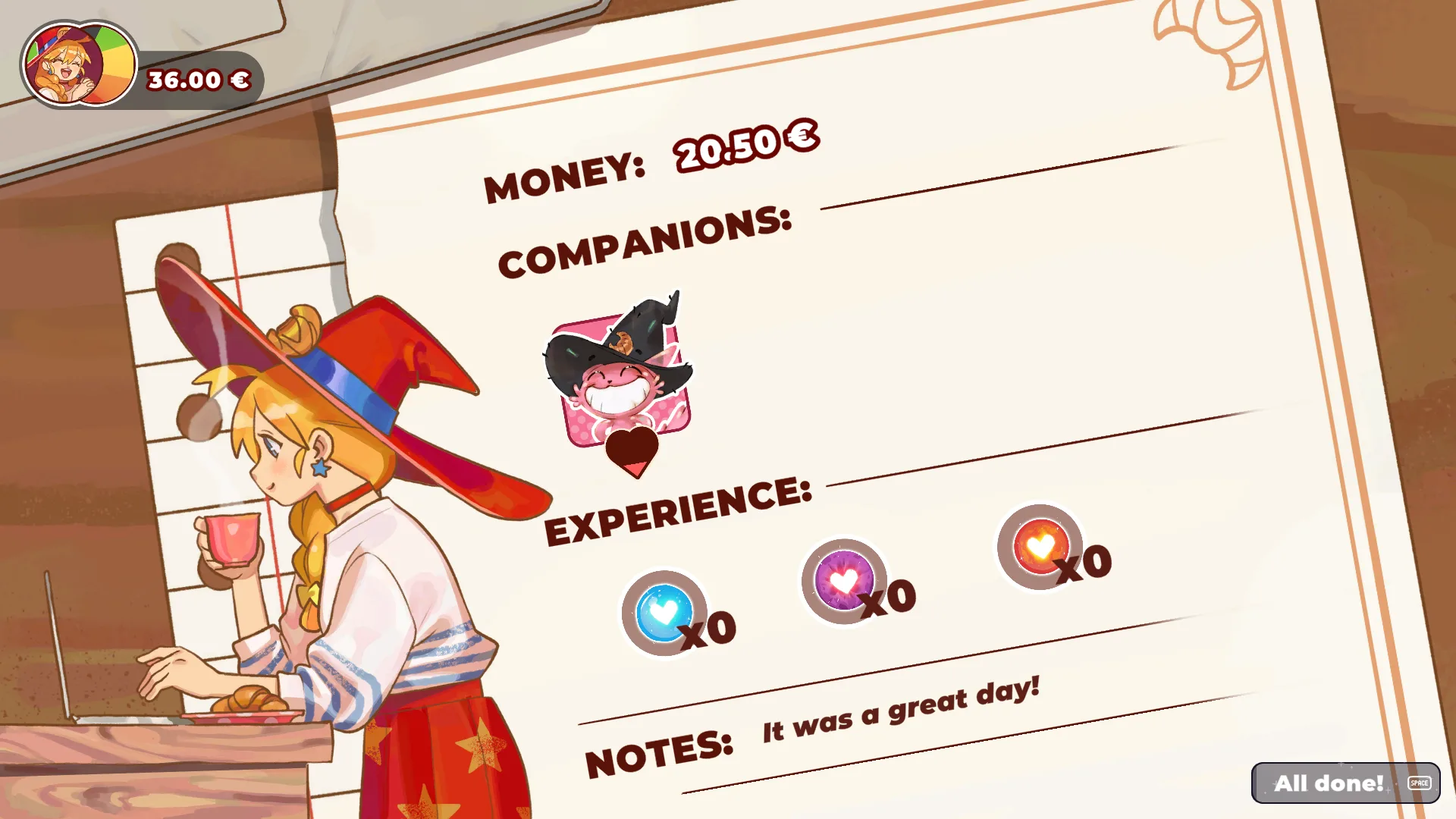
The bakery sequences have their own rhythm: preparing the day's orders, managing priorities, mastering recipes with a timing mechanic. It's not a farming loop, it's an activity that makes sense in the game's context. Your bakery is the anchor point of your life in Paris. The customers who come in the morning are often those you cross paths with in the evening.
The nighttime phase in La Cote is where the game shifts register. The landscapes are different from what you see the rest of the time, the logic too. Witches traverse La Cote to solve problems that have causes in both worlds. It's the most mysterious part of the game and the one the studio has been most discreet about.
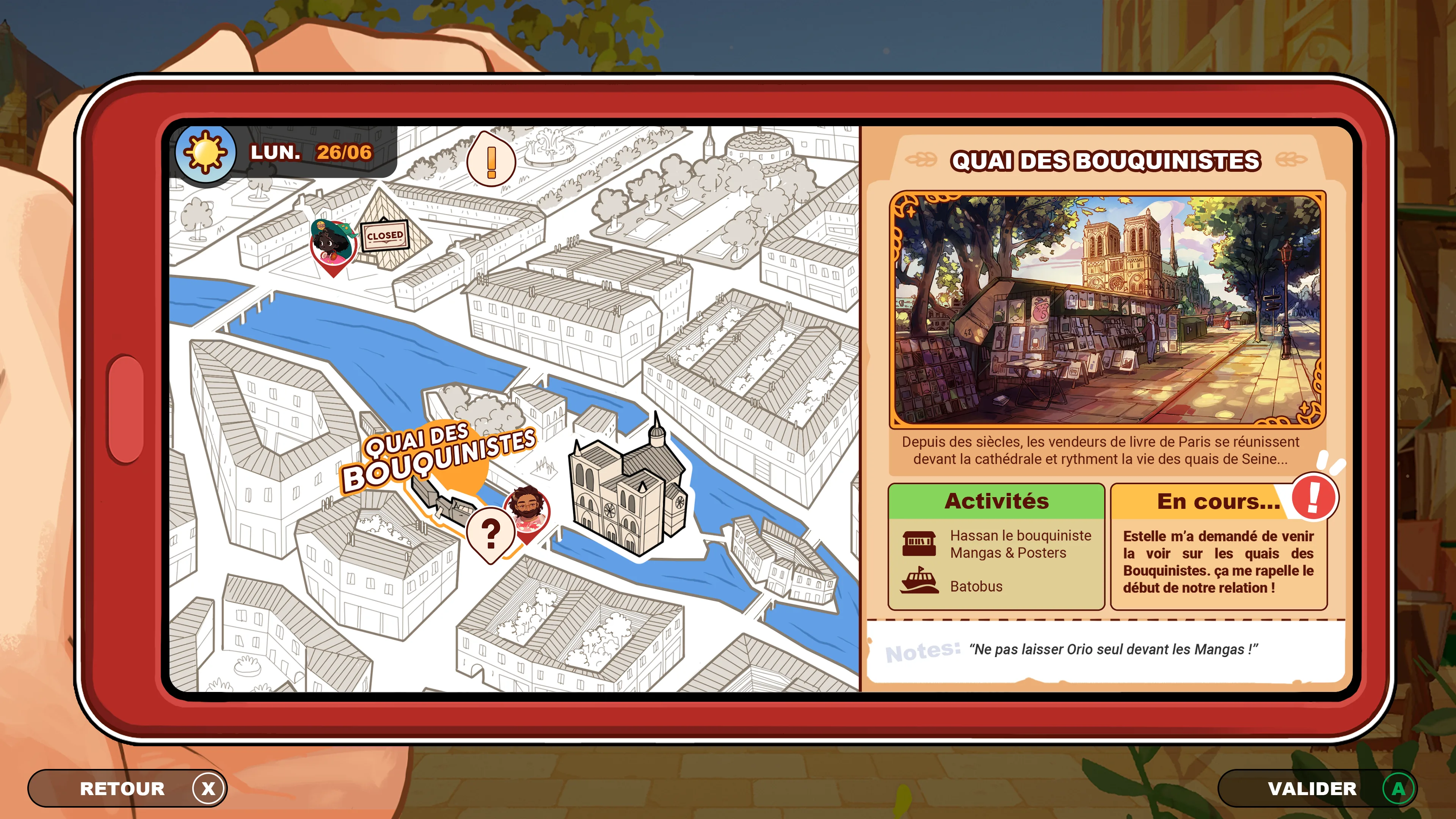
The phone-card interface to navigate Paris during the evening phase looks functional: a stylized map with accessible neighborhoods, present characters, available events. The decision to keep a UI in the 1990s aesthetic without making it a readability constraint seems well executed.
Sunny Lab funded the game in three phases: family and friends for the start, Kickstarter to validate demand, then an agreement with Silver Lining Interactive as publisher. The project obtained the maximum score at CIGIV (the French video game creation support label). No generative AI was used in production.
The demand numbers are real: 150,000 wishlists on Steam, 30,000 Twitter followers in two weeks after the announcement. For an eleven-person studio on their first game, that's traction you don't improvise. The game touched something.
What probably explains these numbers is that The Witch's Bakery doesn't look like a cosy game pitch. The framework is familiar (bakery, Paris, warm atmosphere) but the narrative project is denser, more personal, more attentive to human dynamics than what the genre typically accustoms its audience to.
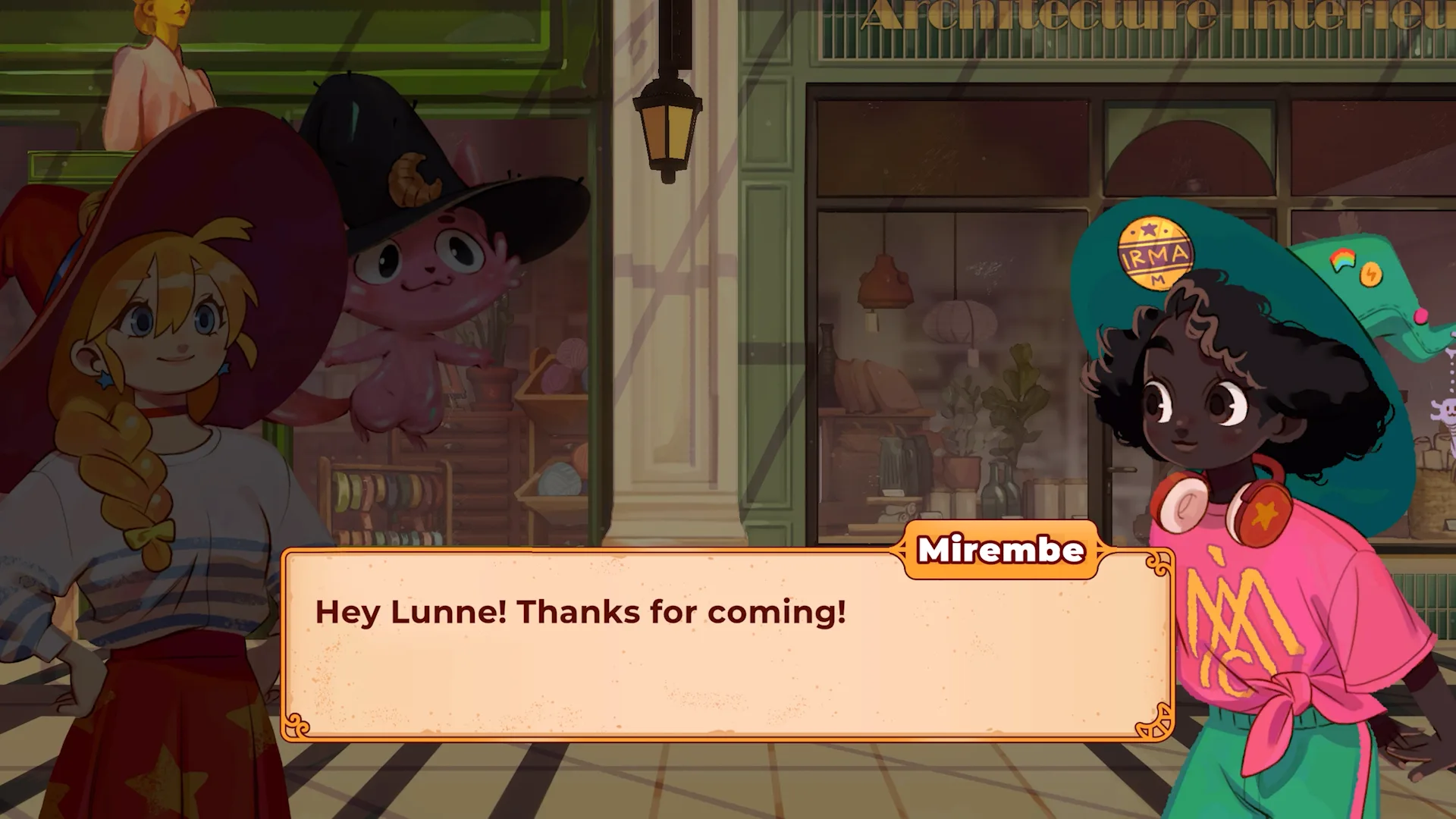
The question three hours of preview can't answer: does the writing hold for 12 hours? The game rests on its characters. If Mr. Galgari and Estelle and the other inhabitants of this 1990s Paris are as well built throughout the game as in what we've seen, The Witch's Bakery will be one of 2026's surprises. If the Persona-style social links turn out shallow over time, the rest won't be enough.
The second unknown: coherence between the three game phases. Bakery, exploration, La Cote: three distinct gameplays. Each taken separately has consistency. The question is whether the transitions and articulation between them work across the full game without one of the three registers undermining the other two.
These are good questions to ask. Not a way of signaling a problem. This is what you expect from an ambitious first game: that the remaining doubts concern depth, not direction.
The release date is planned for the second quarter of 2026. We don't know yet whether Sunny Lab delivers everything the project promises. We already know the project promises something.
Impatient, sceptical, or both? The InsertCoins Discord exists for exactly that.
Community
Your rating
Loading comments...
You might also like
You are a shepherd dog in the northern wilderness. You see the world through movement, scent and instinct, and you gather a flock.
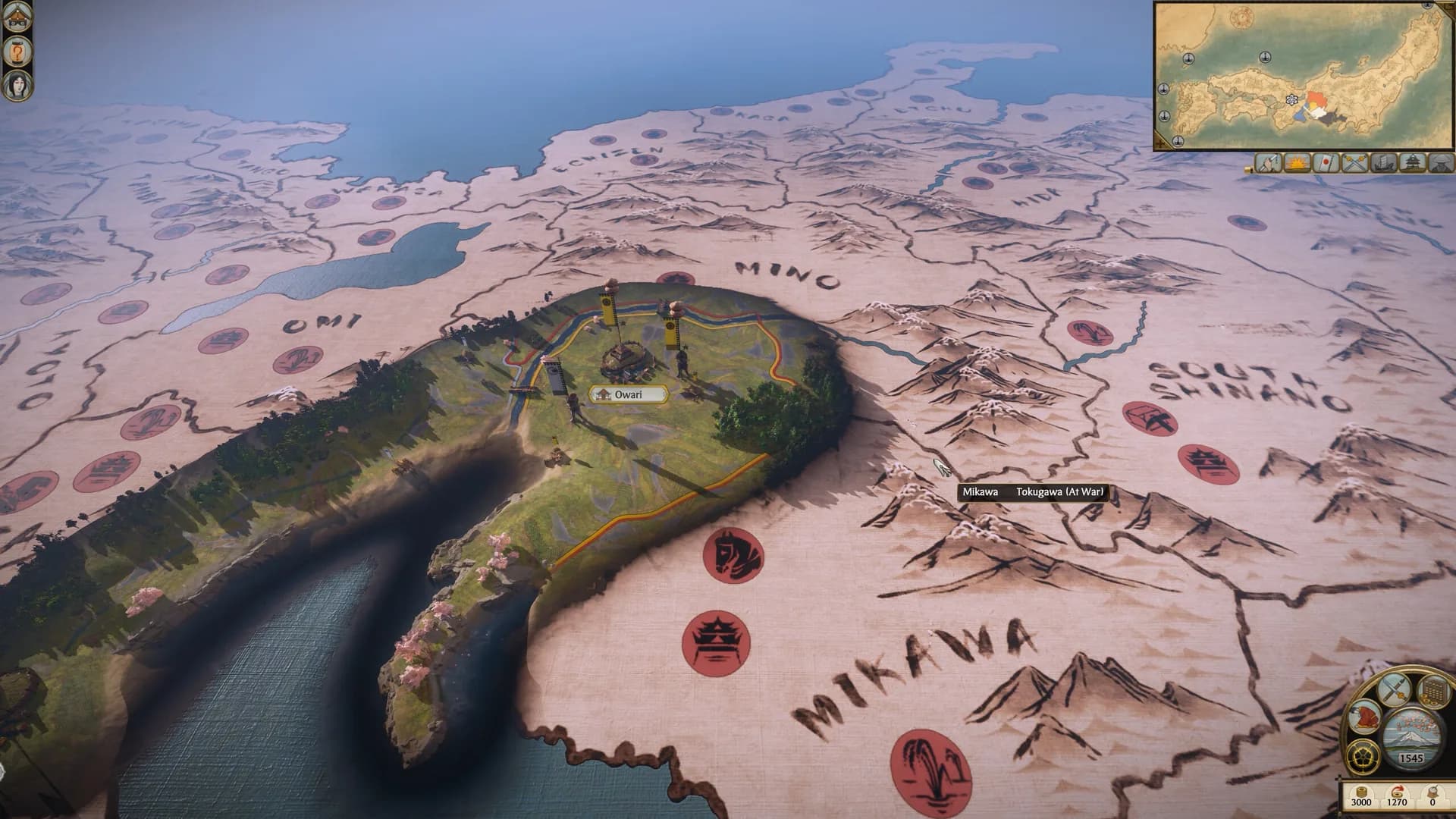
A 64-bit upgrade, built-in mod support, full Japanese voice acting, and over fifty minor factions made playable.
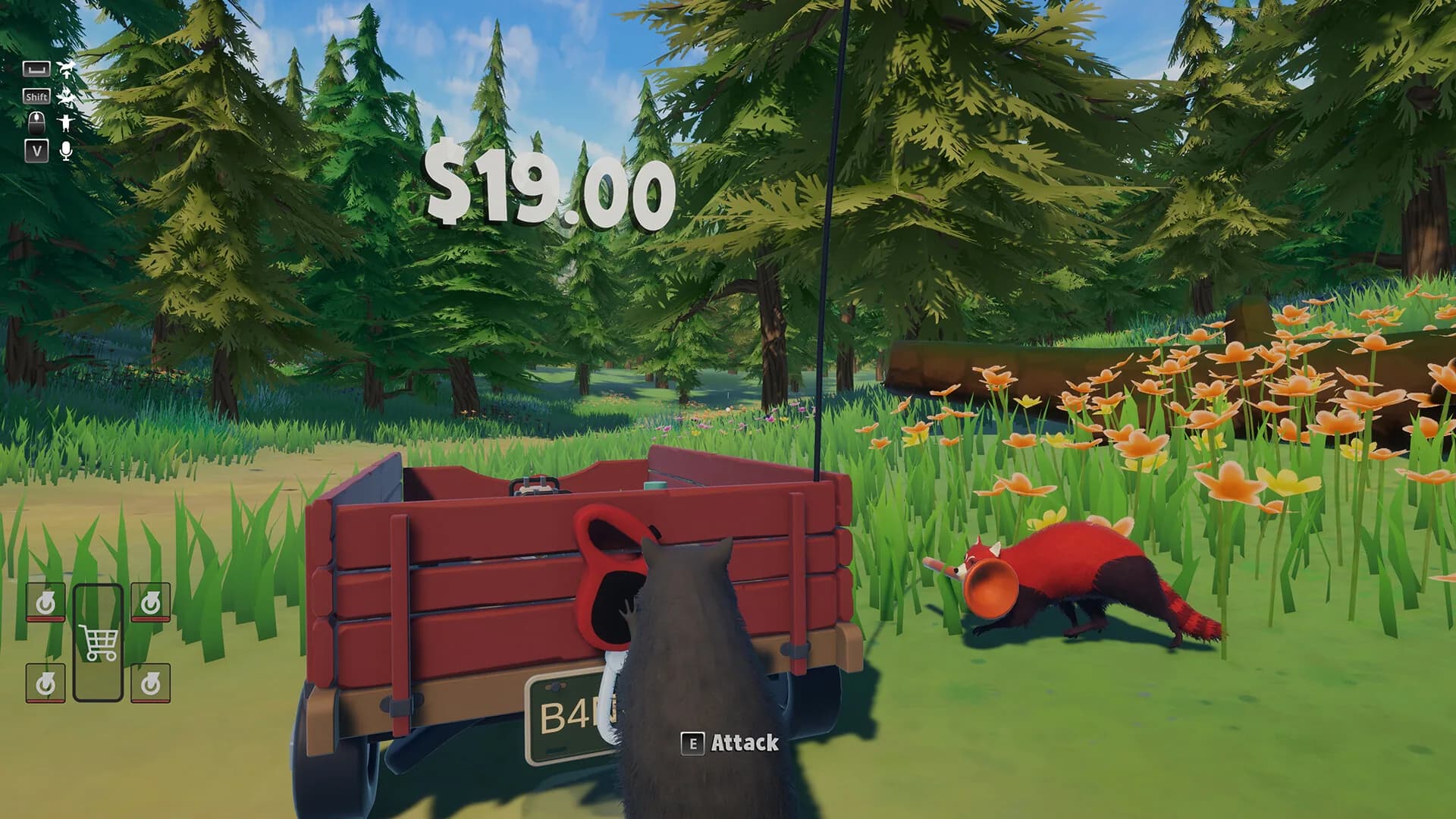
You can technically play solo, says the studio, but the wagon is a lot for one raccoon.