7
Test
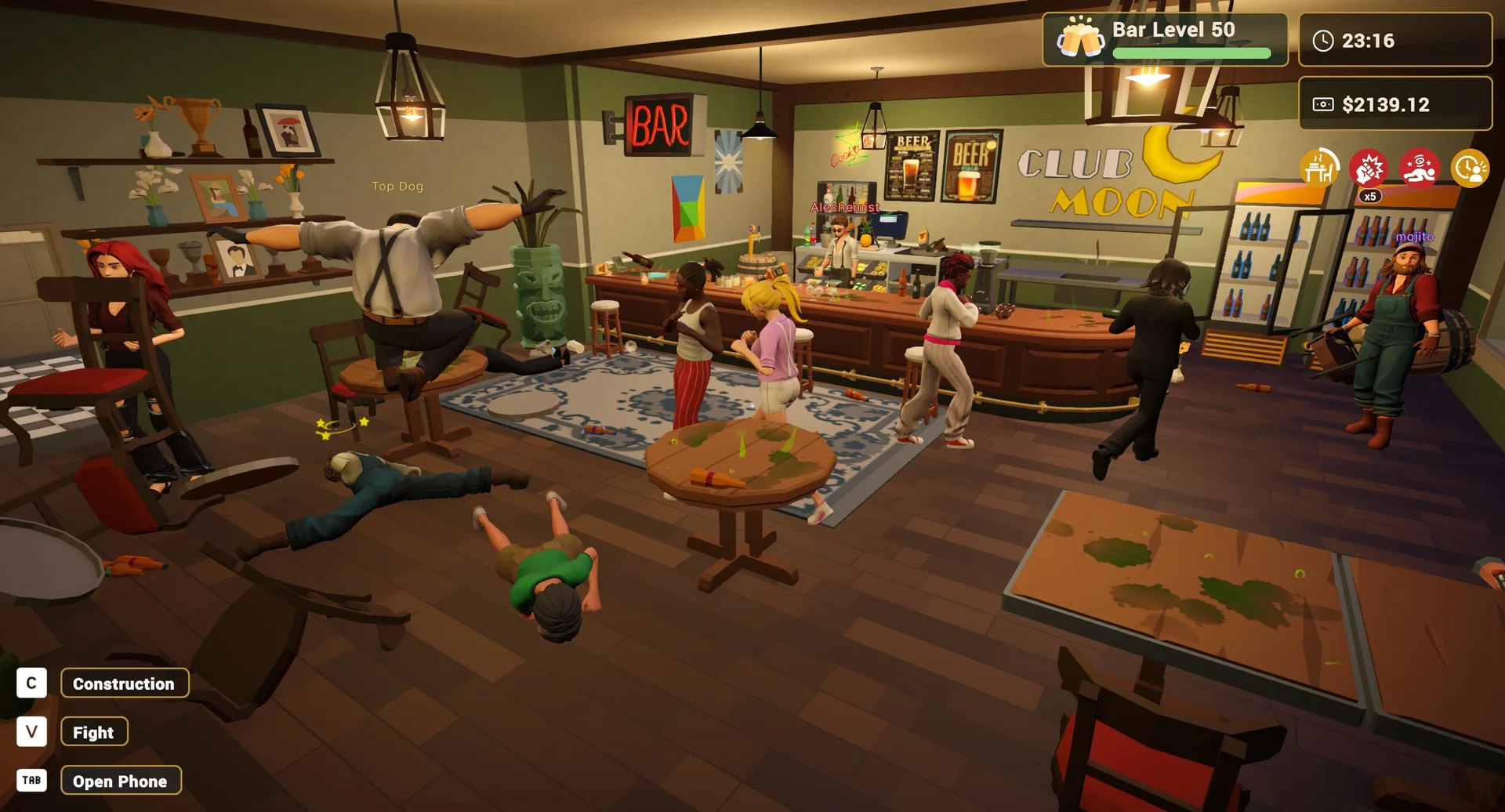
Barfender: my idiotic friend drank all the beers
A co-op bar that collapses while you serve. 98 per cent positive, and one of the rare times chaos is the actual subject.
Alexandrosse
7 min
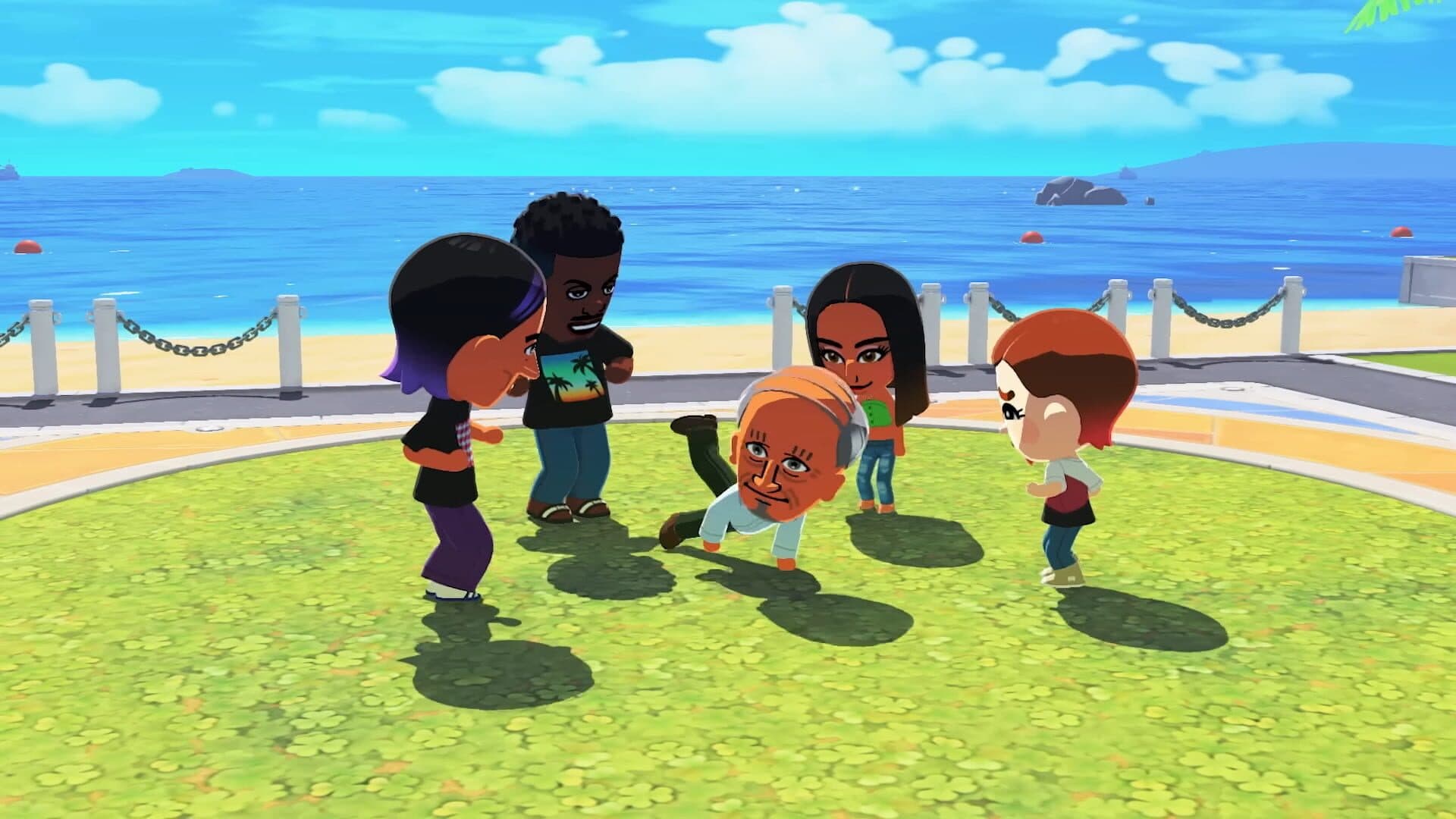
After years of absence, Nintendo relaunches a cult licence, strange, sometimes misunderstood, but deeply unique in the gaming landscape. A long-awaited return, but also a dreaded one. Because reviving a memory is never a trivial thing.
Alexandrosse
InsertCoins.press Score
7/10
Verdict
Recommended
Some games you wait for because of their ambition. Others for their technical prowess. And then there are those you wait for without really knowing why, other than for what they make you feel.
At InsertCoins, let's be honest: there was a genuine dose of nostalgia in this particular wait. Because Tomodachi Life: A Dream Life is the return of a somewhat singular game. A game that resembled nothing else at the time of its original release, and that, even today, remains difficult to compare to anything else.
After years of absence, Nintendo relaunches a cult licence, strange, sometimes misunderstood, but deeply unique in the gaming landscape. A long-awaited return, but also a dreaded one. Because reviving a memory is never a trivial thing.
So: does it hold up?
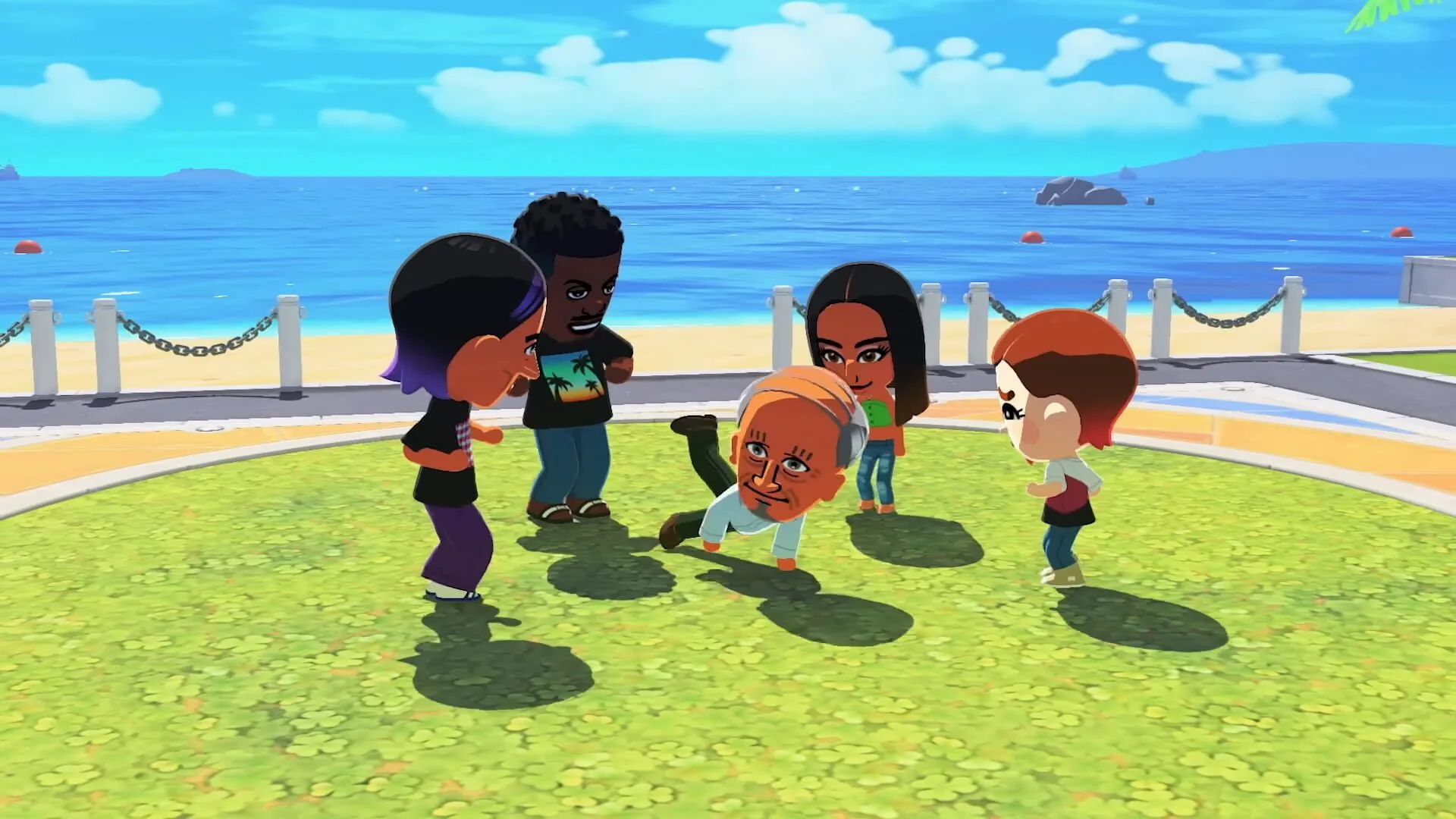
From the very first minutes, one thing becomes obvious with an almost unsettling clarity: the game has barely changed.
You create Miis. You settle them on an island. And you watch.
They eat, chat, argue, fall in love, sometimes sing for no apparent reason. This deliberately simple gameplay loop remains the absolute core of the experience. No specific objective, no structured narrative progression, no clear reward loop. You're there, you watch, you step in occasionally, and you laugh or shrug depending on what the game decides to offer you.
And that's where everything plays out. Where the game immediately and clearly divides its audience.
Some players will instantly rediscover that singular charm that nothing else quite replicates. That feeling of holding a small miniature life in your hands, with its own rules, its own logic, its own absurdities. Others, on the other hand, will feel like they're playing the exact same game they played ten years ago, without anything having genuinely evolved. Both reactions are equally valid, equally honest, and that's precisely what makes Tomodachi Life so complex to evaluate.
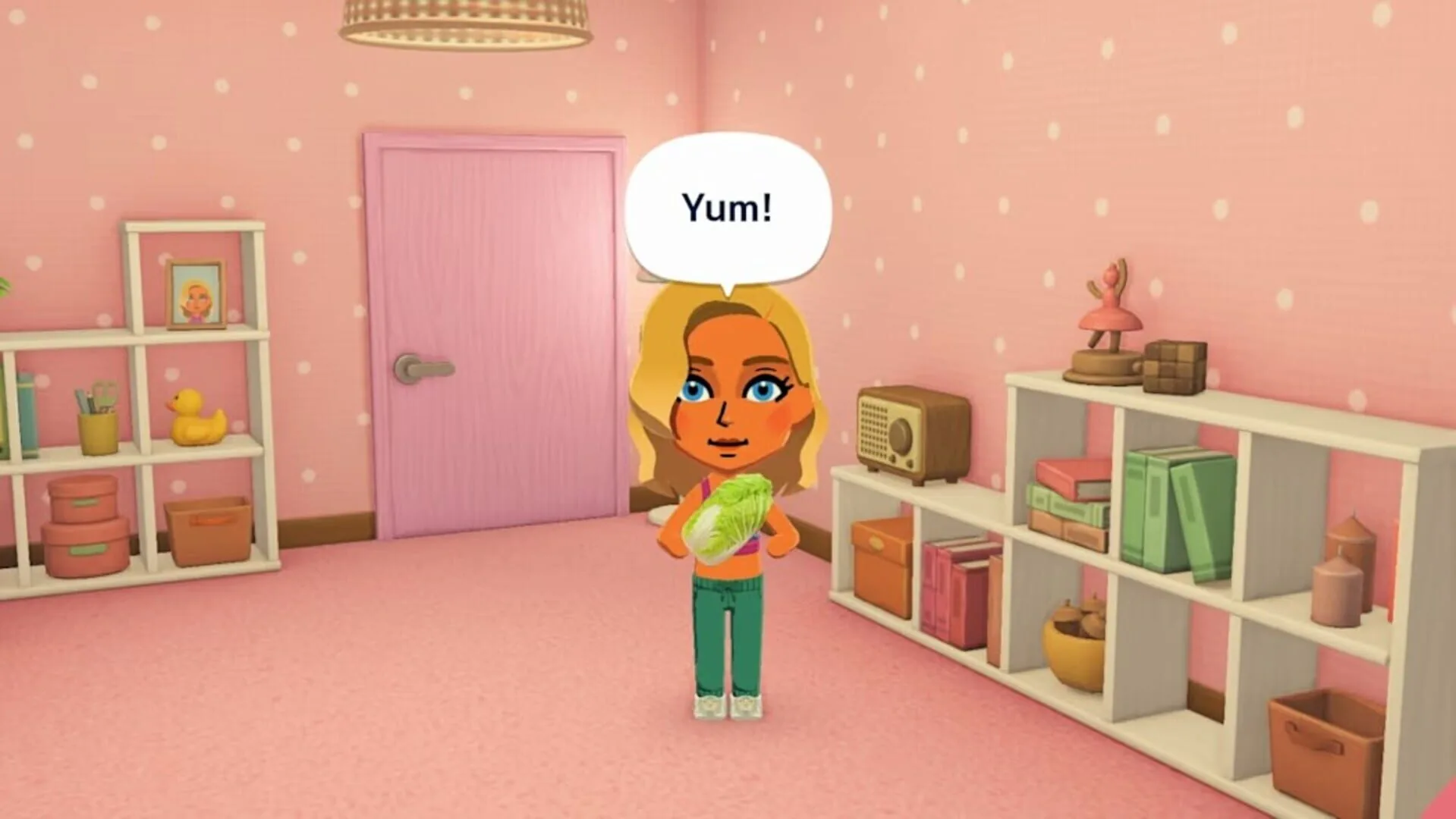
Tomodachi Life doesn't work like a conventional simulation. It doesn't try to be realistic. It doesn't try to be coherent. It tries, above all else, to be unpredictable.
And in that unpredictability, the game still shines today in a rather particular way.
A Mii who triggers an argument for a completely absurd reason. A love confession that goes sideways in the worst possible way. A ridiculous song that emerges from nowhere in the middle of a quiet afternoon. A neighbourhood brawl over a rejected meal. The game strings together improbable situations with a disarming naturalness, and it's often in these moments that it becomes most endearing.
What makes these situations work is that they always feel slightly personalised. Because the Miis are yours. They're your friends, your family, your colleagues, the celebrities you decided to have coexist on this improbable island. And when your virtual best friend decides to fall in love with your virtual mother, there's something unique in that moment. Something no other game can quite replicate.
But this strength, as real as it is, can also become a limitation over time.
The humour relies heavily on the element of surprise. Once that effect has passed, once you've understood the patterns, certain situations start to repeat with a slightly mechanical regularity. What made you laugh without restraint yesterday can feel more calculated today. It's not that the game loses its charm, it's more that it reveals its inner workings, and once visible, the mechanism no longer has quite the same effect.
This is probably the game's most significant weak point, and the one that hasn't evolved one bit.
Interactions between characters remain fundamentally basic. Relationships sometimes evolve in ways that seem incoherent, without clear logic. Behaviours repeat. The depth of the social systems stays very superficial for anyone trying to understand the underlying rules.
You don't control much in Tomodachi Life. You observe, you step in occasionally by offering food, resolving a conflict, joining in an activity. But you never really direct anything. The game lives by its own rules, and you're a spectator more than an actor.
For some players, this is a genuine strength: the game creates the illusion of an autonomous life unfolding even when you're not there. There's something almost magical in that idea.
For others, and it's an equally legitimate criticism, this passivity eventually frustrates. You'd like more grip on events, more ability to steer relationships, more control over the direction the island takes. You watch, you smile, and then you close the console with that small, persistent feeling that something is missing. Something more substantial.
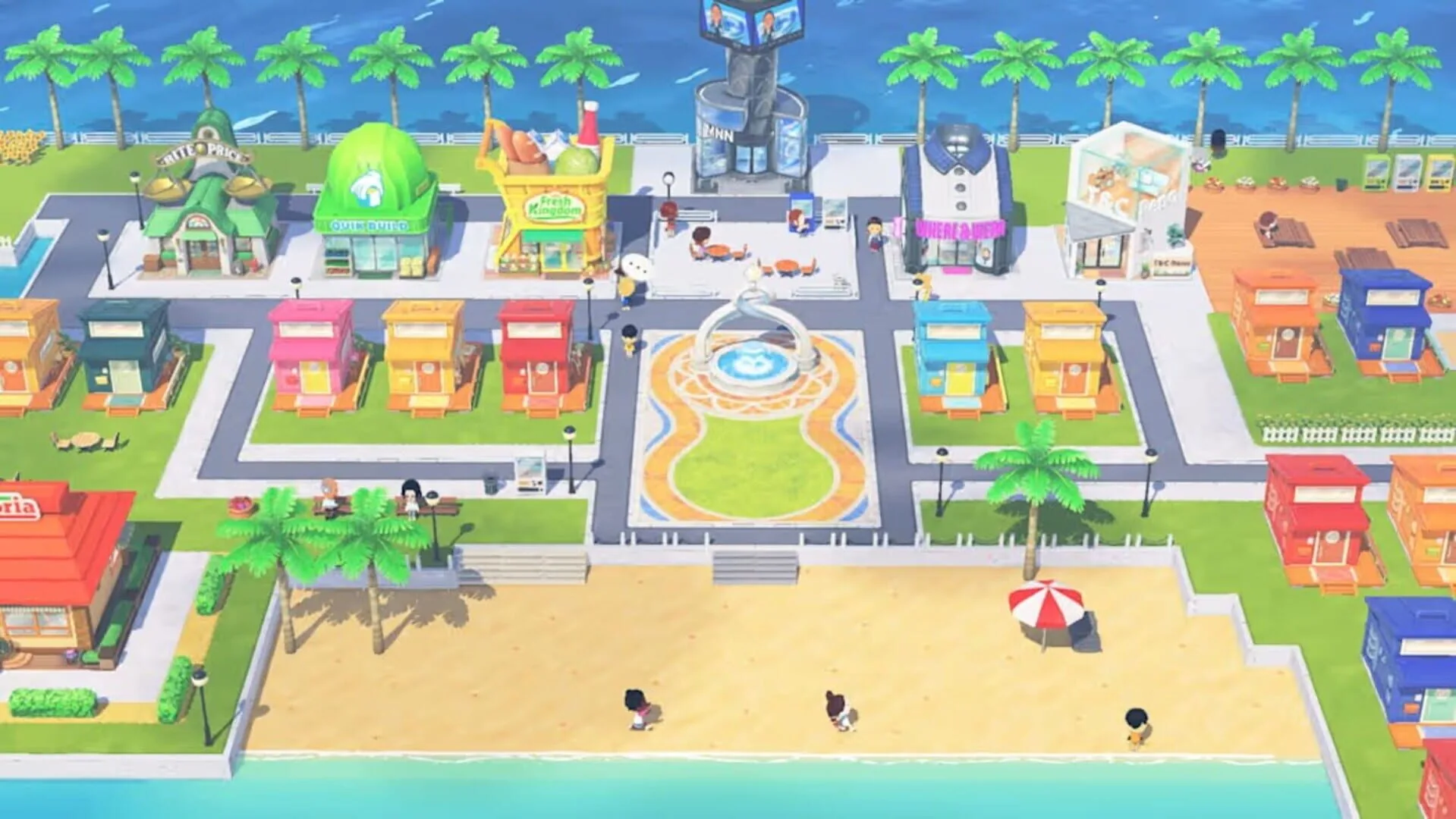
Tomodachi Life is fundamentally a daily game. It's designed to be played for a few minutes, several times a day, with no specific objective to tick off a list.
That's not a criticism. It's simply a reality that entirely defines how the experience works, and who it's made for.
Some sessions are rich in events: a confession, a dispute, a song, a problem to resolve, a new relationship forming. You come away satisfied, with the feeling of having witnessed something. Other sessions, by contrast, are almost empty. Nothing particularly notable happens. The Miis go about their business without generating anything worth stopping for.
The game depends enormously on what it generates itself. And sometimes, it generates nothing. Nothing funny, nothing unexpected, nothing that makes you want to stay five more minutes.
This isn't a game that rewards long sessions. It's a game that demands patience, indulgence, and a certain ability to appreciate emptiness as much as fullness. For many players accustomed to clearer progression structures, this rhythm can seem frustrating, even inexplicable.
And yet, when it works, when the game decides to produce something unexpected at exactly the right moment, the effect is immediate. You smile, you take a screenshot, you send it to a friend. And you come back the next day, to see what happened.
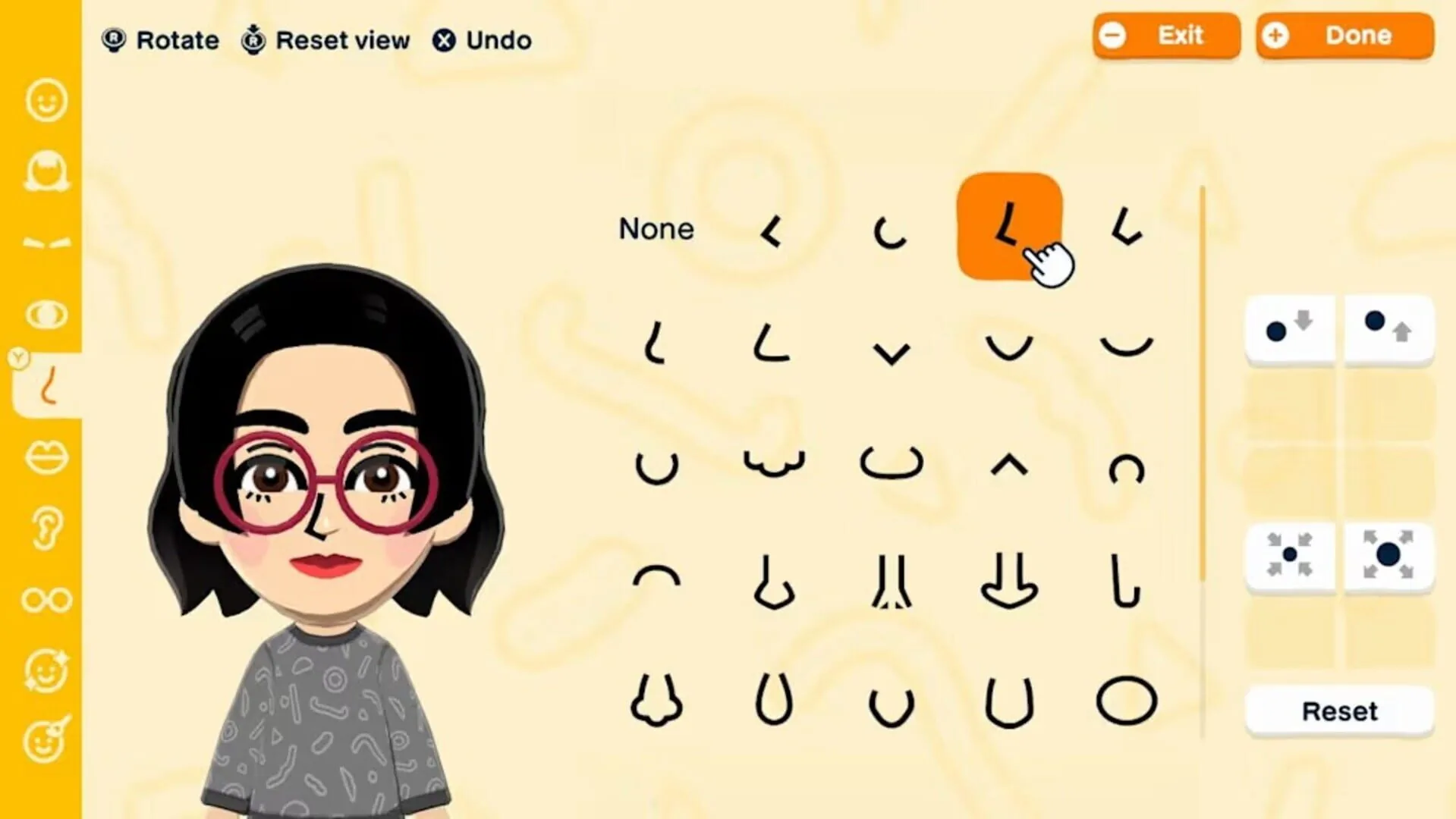
This new version brings a few concrete improvements. The interface is cleaner, more readable, more pleasant to navigate. Certain animations have been slightly reworked. The overall presentation obviously benefits from the move to a more recent platform, and it shows.
But it's hard to talk about genuine evolution.
The characters remain rigid in their movements. Facial expressions remain limited to a fairly restricted catalogue. The staging sometimes lacks life, particularly during interactions meant to carry emotional weight. You get the feeling the game is doing what it can with what it has always done, without truly questioning itself.
And that's where the contrast becomes striking, especially in 2026. The game is charming, there's real care in the small details, in the Miis' personalities, in the generated situations. But it's also visibly dated in its approach, in its animations, in its way of telling a story.
Other social simulation games have come out in recent years. Some have taken risks, integrated new ideas, rethought their relationship with the player. Tomodachi Life, meanwhile, has stayed exactly where we left it. That's not a disaster. It's simply a choice, assumed but not without consequences.
This is perhaps the hardest point to articulate, and yet the most important for understanding what Tomodachi Life actually is.
This game doesn't work in a universal way. It only truly works when the player projects something into it. When they take the time to recreate their real friends, their real family, their real acquaintances. When they watch with a genuine smile the absurd interactions that arise between people they know in real life. When they create unique, shareable memories, screenshots of situations that exist only for them.
Without that personal investment, the game can seem empty. Hollow, even. A collection of randomly generated situations, without real coherence, without real depth.
With that investment, it becomes endearing in a way that's hard to explain to someone who's never played it. Because every island is unique. Every Mii carries a story the game doesn't know but the player knows perfectly. And it's that friction between the player's reality and the game's absurdity that creates something genuinely singular.
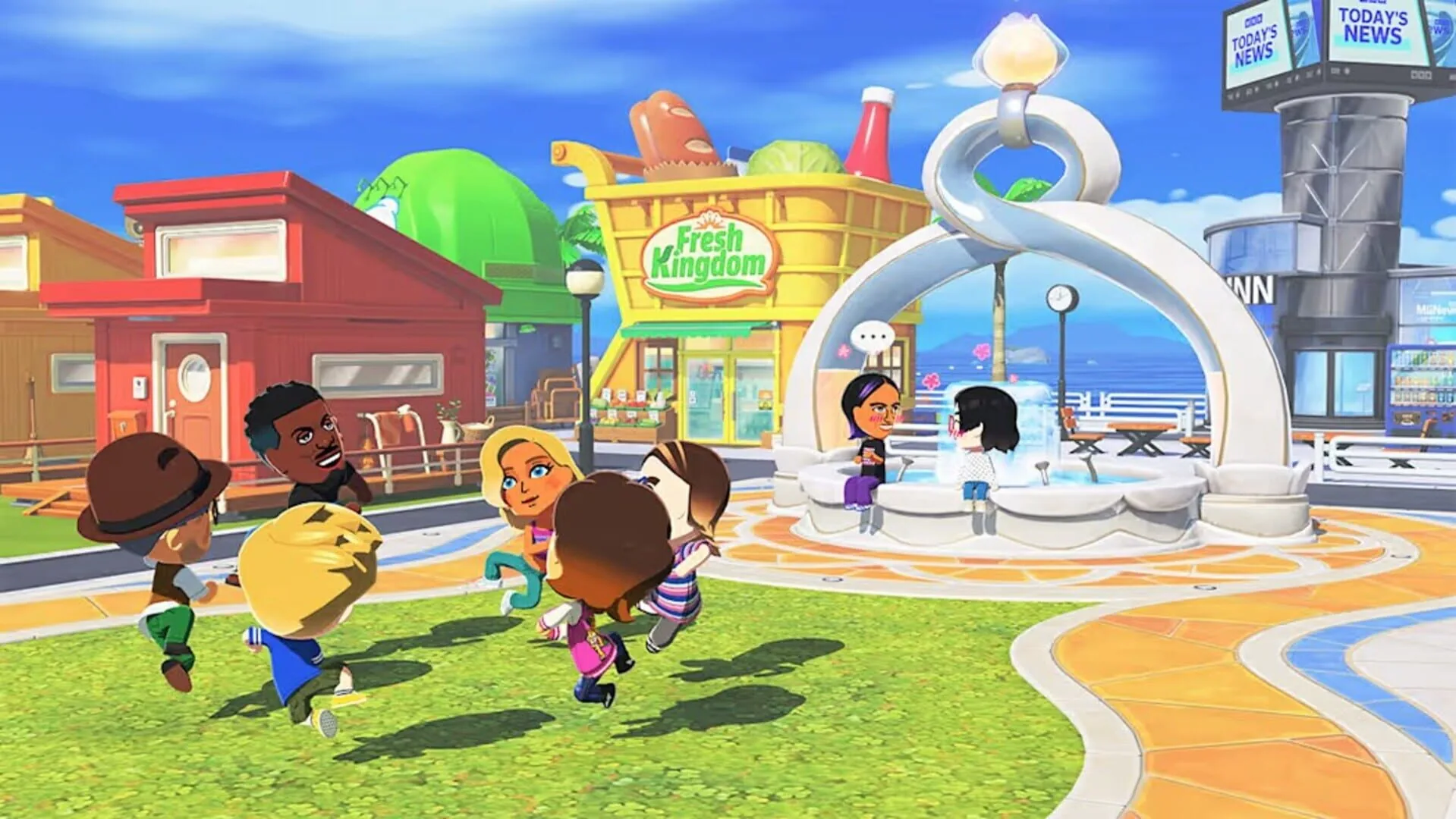
Nintendo made a very clear choice with this new version: don't disrupt the formula. Preserve what gave the original game its identity, refine it slightly, and offer it to a new generation while satisfying the nostalgic crowd.
That's both reassuring and frustrating.
Reassuring, because the original charm is intact. The loop still works. The Miis still have that slightly incongruous personality that makes them endearing. The island still has that strange, gentle atmosphere, that blend of calm and absurdity that defines the experience.
Frustrating, because the limitations are intact too. Every problem identified at the time, insufficient depth, repetitiveness, lack of control, somewhat superficial simulation, is still there. Not worsened, but not resolved either.
You'd have liked more depth in the social systems. More variety in the generated situations. More control to guide relationships without predetermining everything. More reasons to come back after the first few weeks.
The game sometimes gives the impression of having been carefully updated without ever having been truly reimagined. And in 2026, with everything that has evolved in gaming broadly, in social simulation specifically, that caution leaves a slightly bitter aftertaste.
Strengths:
Weaknesses:
Tomodachi Life: A Dream Life is a game that rests entirely on what you expect from it, and on what you're willing to put into it.
It's not a revolution. It's not even really an evolution. It's a time capsule. An invitation to revisit something you thought you knew, only to realise it's both exactly as you remembered, and slightly different now that you've changed.
At InsertCoins, it's hard not to feel that nostalgia while playing. Hard also to look away from what's missing, from what could have been done and wasn't.
The game succeeds where it already succeeded: surprising you, making you smile, creating absurd and memorable moments. But it fails to clear a new bar. To become something other than what it was. To answer the legitimate expectations of an audience that grew up with it, and that was perhaps waiting, without quite admitting it, for something a little more.
And deep down, that may be what defines it best: an endearing, sincere game, frozen in time.
Tested on Nintendo Switch 2, full version provided by the publisher
Your verdict differs from ours? The Discord is the place to make your case.
Community
Your rating
Advertisement
Loading comments...
You might also like
A co-op bar that collapses while you serve. 98 per cent positive, and one of the rare times chaos is the actual subject.
You draw a plan on the map and officers execute it alone. Except the game crashes every other planning phase.
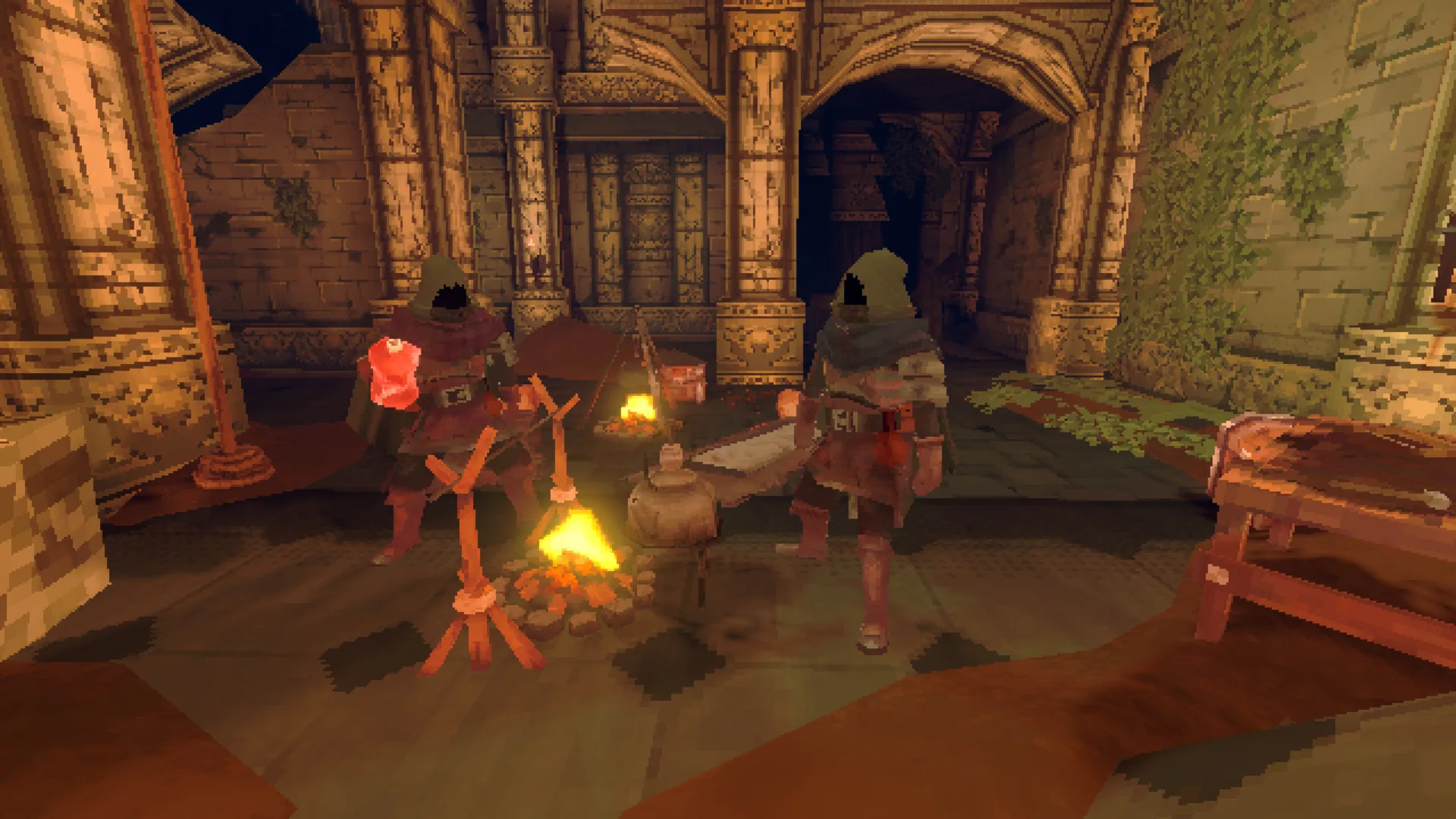
The Knights of Pen & Paper team return with a dungeon where you come back to camp, cook, and unlock recipes that change your stats.