7
Test
Barfender: my idiotic friend drank all the beers
A co-op bar that collapses while you serve. 98 per cent positive, and one of the rare times chaos is the actual subject.
Alexandrosse
7 min
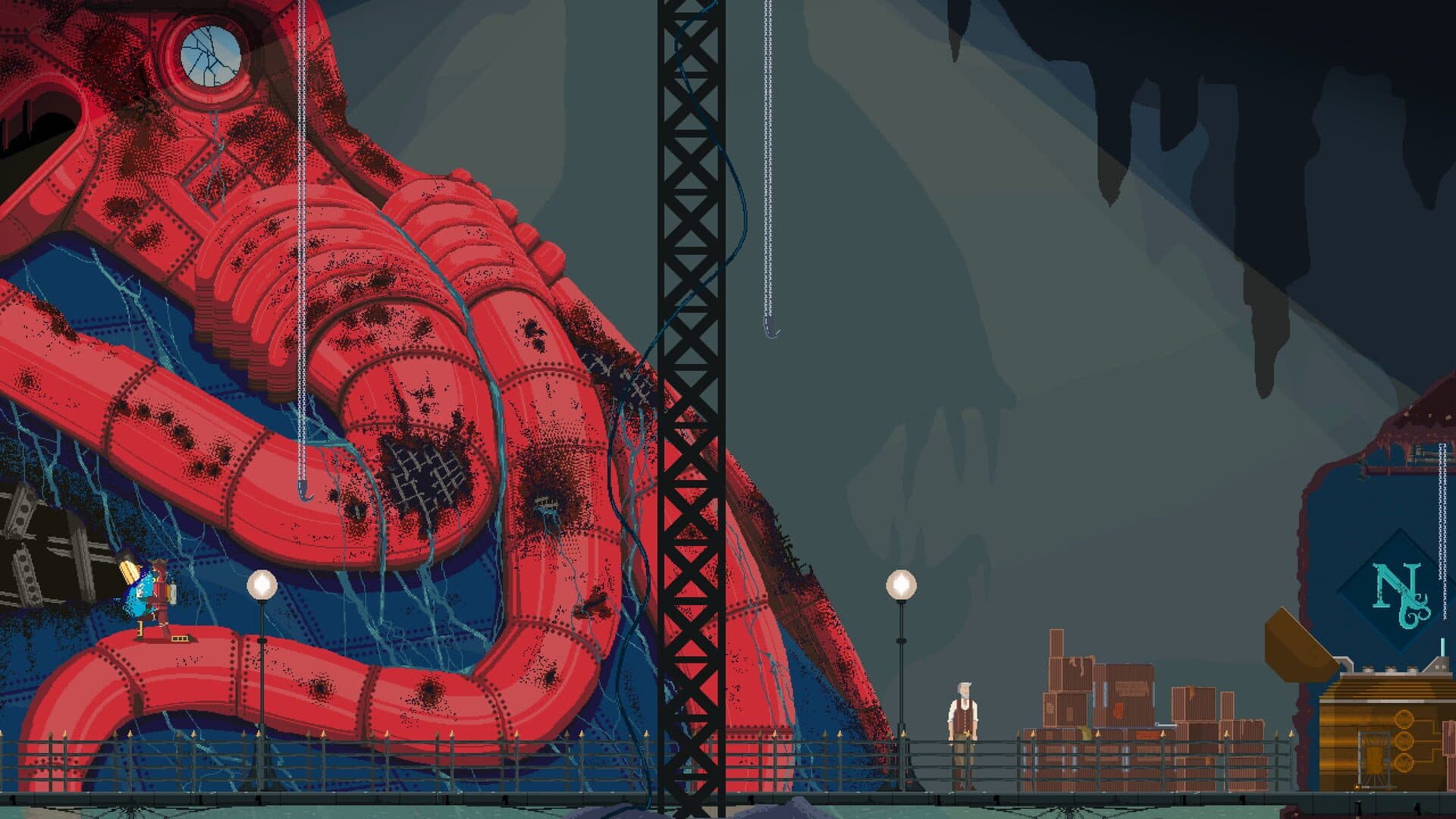
Jules Verne, the Nautilus, Atlantis, a fantasy world born from the imagination of an author who died in 1905. Gametopia turned all of that into a pixel art point-and-click. And it's exactly as good as it sounds.
Alexandrosse
InsertCoins.press Score
7/10
Verdict
Recommended
Some games arrive whispering. No colossal marketing budget, no E3 showcase, no leak to get excited about for six months. Just a Steam page one day, and a pixel art game looking you in the eye saying: "Would you give me a try?"
Verne: The Shape of Fantasy is exactly that kind of game. Developed by Gametopia, a Spanish studio led by Daniel Gonzalez who designed and drew the game almost entirely alone, released in 2023 on PC and macOS then in 2024 on Nintendo Switch. Available on Steam, GOG and the eShop. Not on PS5. Not on Xbox. Not because those are bad platforms, but because small studios make choices, and this one chose where its audience lives.
A narrative point-and-click in which you play as Jules Verne himself, lost in Hemera, a fantasy world built from his own imagination. The concept is as seductive as it is well executed.
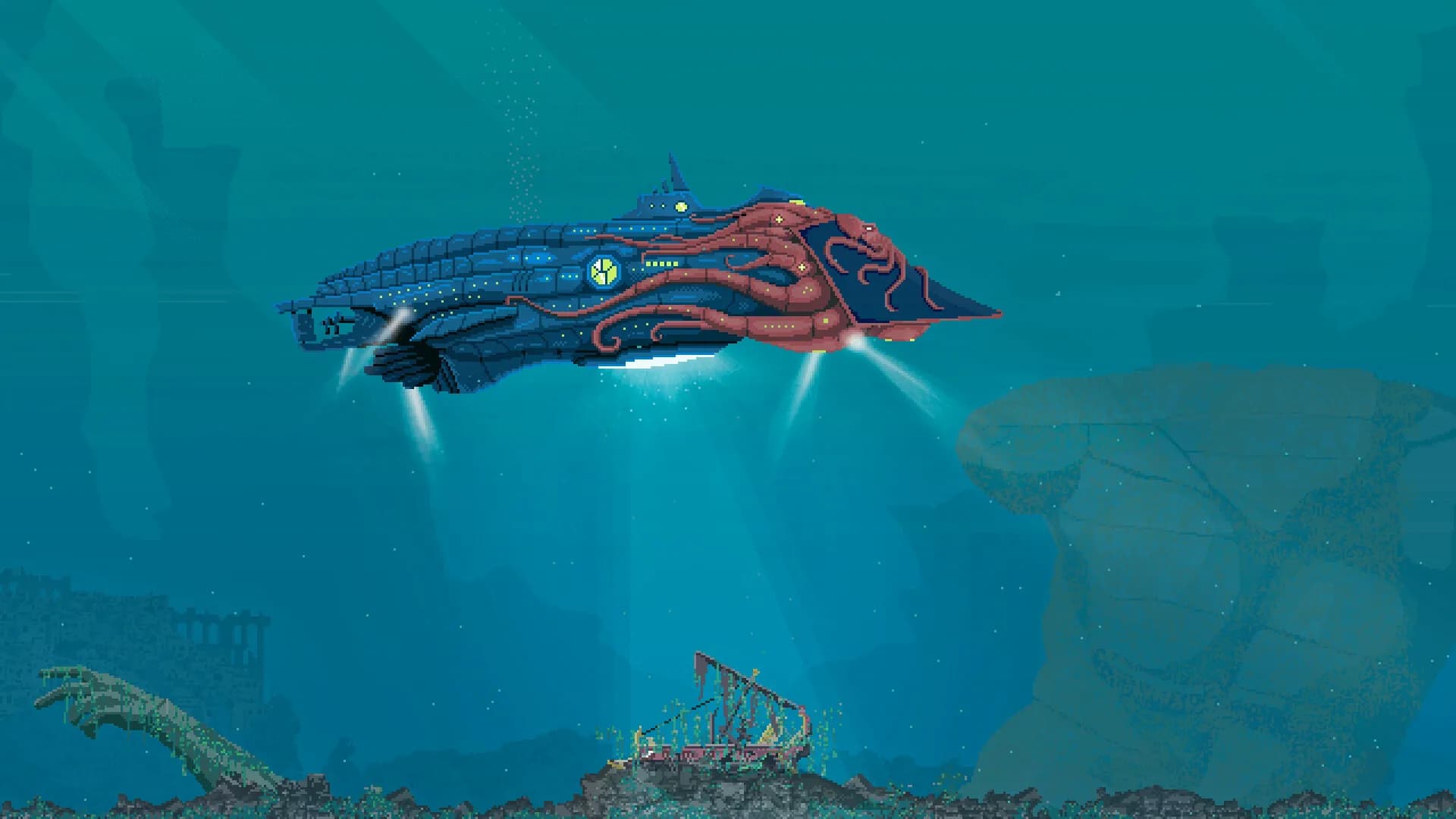
Verne: The Shape of Fantasy is a classic point-and-click in structure. You explore, talk to characters, solve puzzles, advance the story. If you've played adventure games from the 90s, the framework is familiar.
But the game has one idea that belongs to it alone: the IMAG.
The IMAG is an ancient Atlantean device that lets you rewrite small things that happened. Concretely: certain situations play out differently if you use the device to alter a key moment. It's a mechanic that serves as a metaphor for how imagination works, which is entirely coherent with what the game is about.
It's not a genre revolution. But it's a personal enough idea to give the game its own identity, where many other point-and-clicks settle for applying known recipes without enriching them.
The puzzles are accessible. Perhaps too accessible for players used to Monkey Island and adventure games that hold you stuck for hours at a stretch. That's not an absolute criticism: Verne targets a broad audience including players new to the genre, and in that context accessibility is a deliberate choice. But players looking for resistance will be slightly left wanting.
The variety of situations fortunately compensates for the lack of difficulty. The game doesn't repeat itself, regularly refreshes its contexts, and the five to six hours the adventure lasts never really feel like they're going in circles.
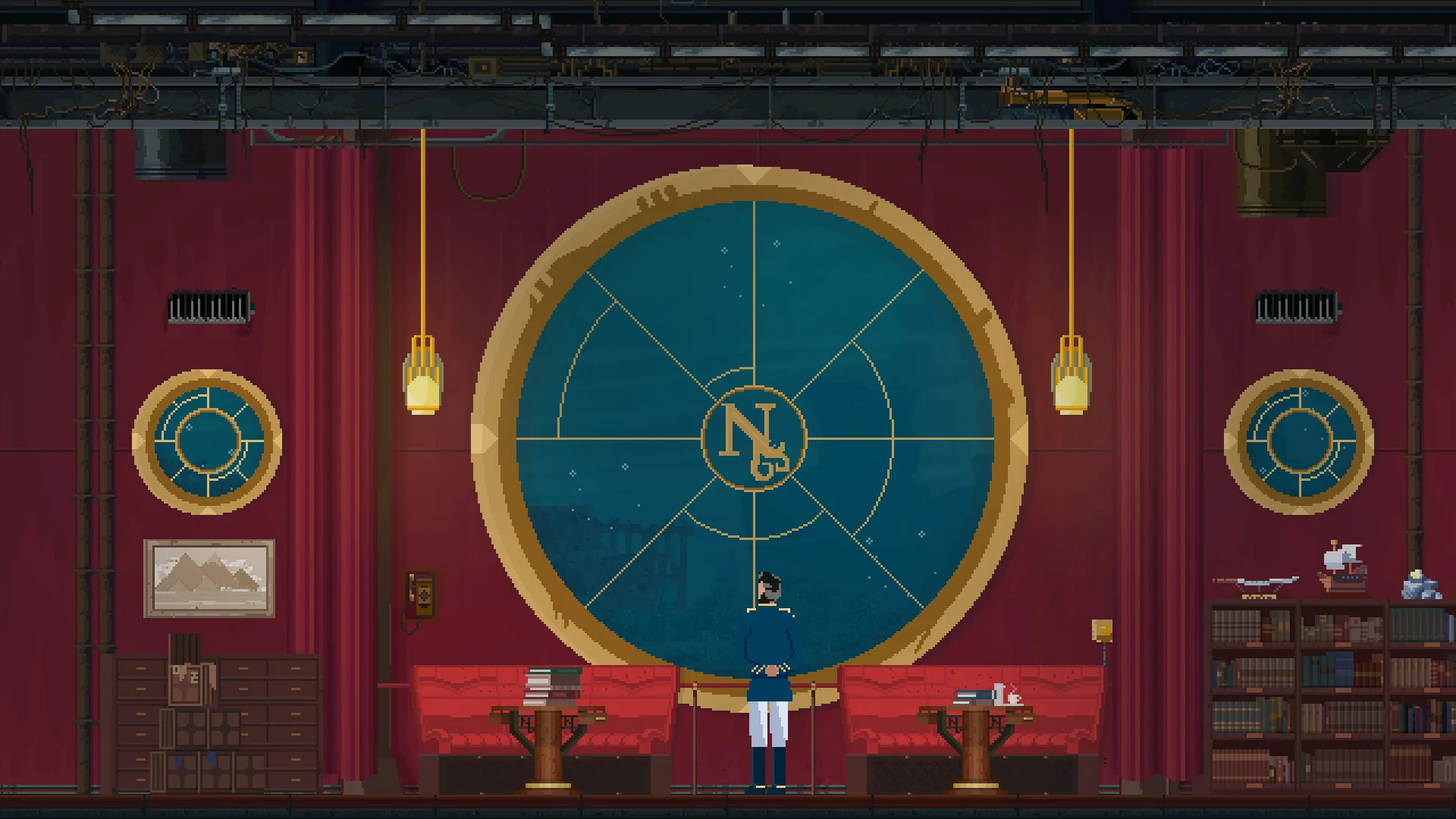
It's 1888. Jules Verne finds himself swept into Hemera, a fantasy world that is literally the materialisation of his imagination. His most famous creations have come to life there, as have his fears, his desires. Alongside Captain Nemo aboard the Nautilus, he must find the Flame of Hephaestus and uncover the secret of Atlantis's power.
The concept is brilliant because it offers something rare in a game: narrative legitimacy. Placing Jules Verne inside a fantasy world from his own imagination is almost too obvious not to have been done before. And yet it took Gametopia to do it.
References to Verne's works are plentiful, carefully scattered throughout, and reward players who know them without penalising those discovering the author. The game blends historical facts and fiction with a balance that works. And above all, it treats its subject with respect, never tipping into heavy biopic territory or a literature lesson disguised as a video game.
It's not the most complex story in the world. But it's a story that has something to say about imagination, about the relationship between an author and their creations, about what it means to give life to worlds. For a short point-and-click, that's more than you had any right to expect.
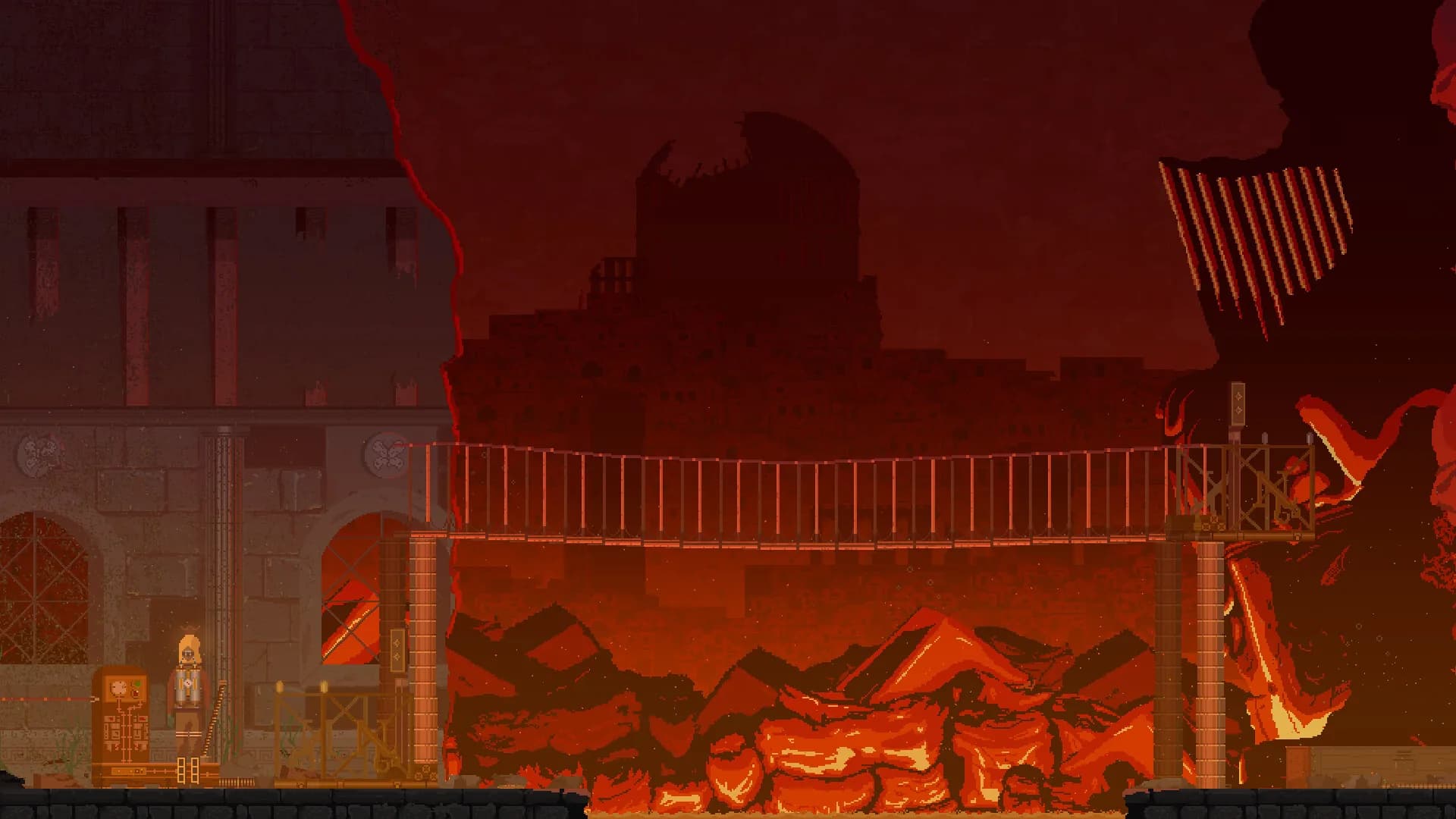
Daniel Gonzalez drew everything himself. Every environment, every character, every animation. And it shows, in the best possible sense.
Verne's pixel art has a rare stylistic coherence. The environments combine a steampunk aesthetic with Atlantean ruins for a visually distinctive result you'd recognise at first glance. The dark corridors of the Nautilus exude a quiet oppression. The underwater ruins are bathed in a cold, mysterious light. The work is meticulous, and it betrays months of care brought to every screen.
Gonzalez has explained that pixel art "conveys nostalgia but also elegance", and that it lets the player's imagination complete the visual experience. That's a way of talking about his own medium that says a great deal about the coherence between form and content.
The soundtrack by composer Eloi Caballé is a very pleasant surprise. It blends classical works, Bach, Wagner, Debussy, with original compositions, guided by a clear philosophy: when music plays, it's because it's telling a story. The result is a dense sonic atmosphere that doesn't try to be spectacular but reinforces immersion at every moment. The English voice acting is of good quality and helps bring the characters to life.
One minor technical note: the absence of manual saving. The game saves automatically, which is generally sufficient, but remains a minor irritant for players who like to control that parameter.
Strengths:
Weaknesses:
Verne: The Shape of Fantasy is a game made with love by someone who had a genuine vision and the means to realise it. It's not a masterpiece. It's better: it's a sincere, original and well-executed game that makes you want to know more about Jules Verne when you turn off your console.
Tested on PC, full version
Disagree with the score? Come and tell us on the InsertCoins Discord, where we defend our verdicts live.
Community
Your rating
Advertisement
Loading comments...
You might also like
A co-op bar that collapses while you serve. 98 per cent positive, and one of the rare times chaos is the actual subject.
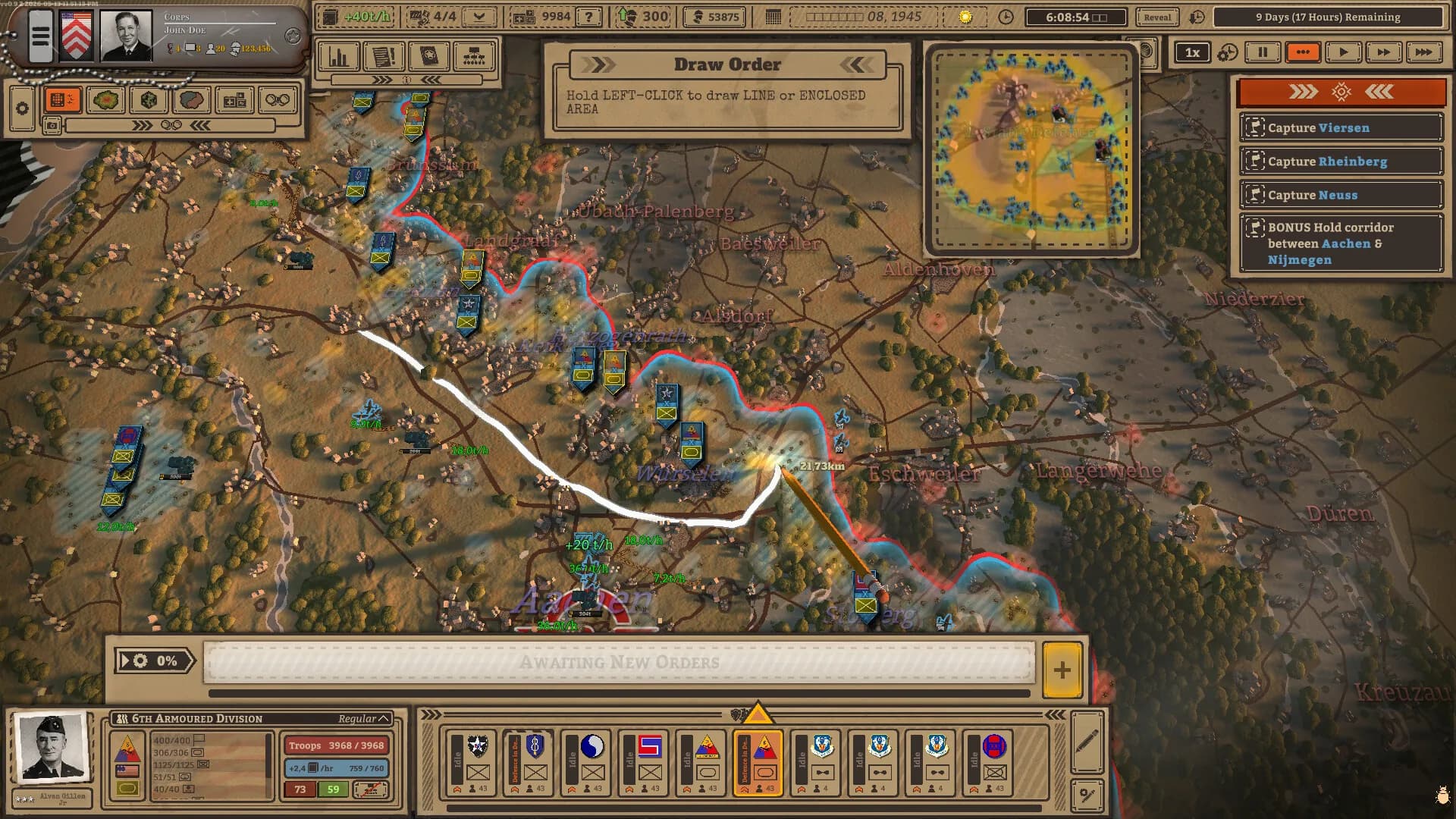
You draw a plan on the map and officers execute it alone. Except the game crashes every other planning phase.
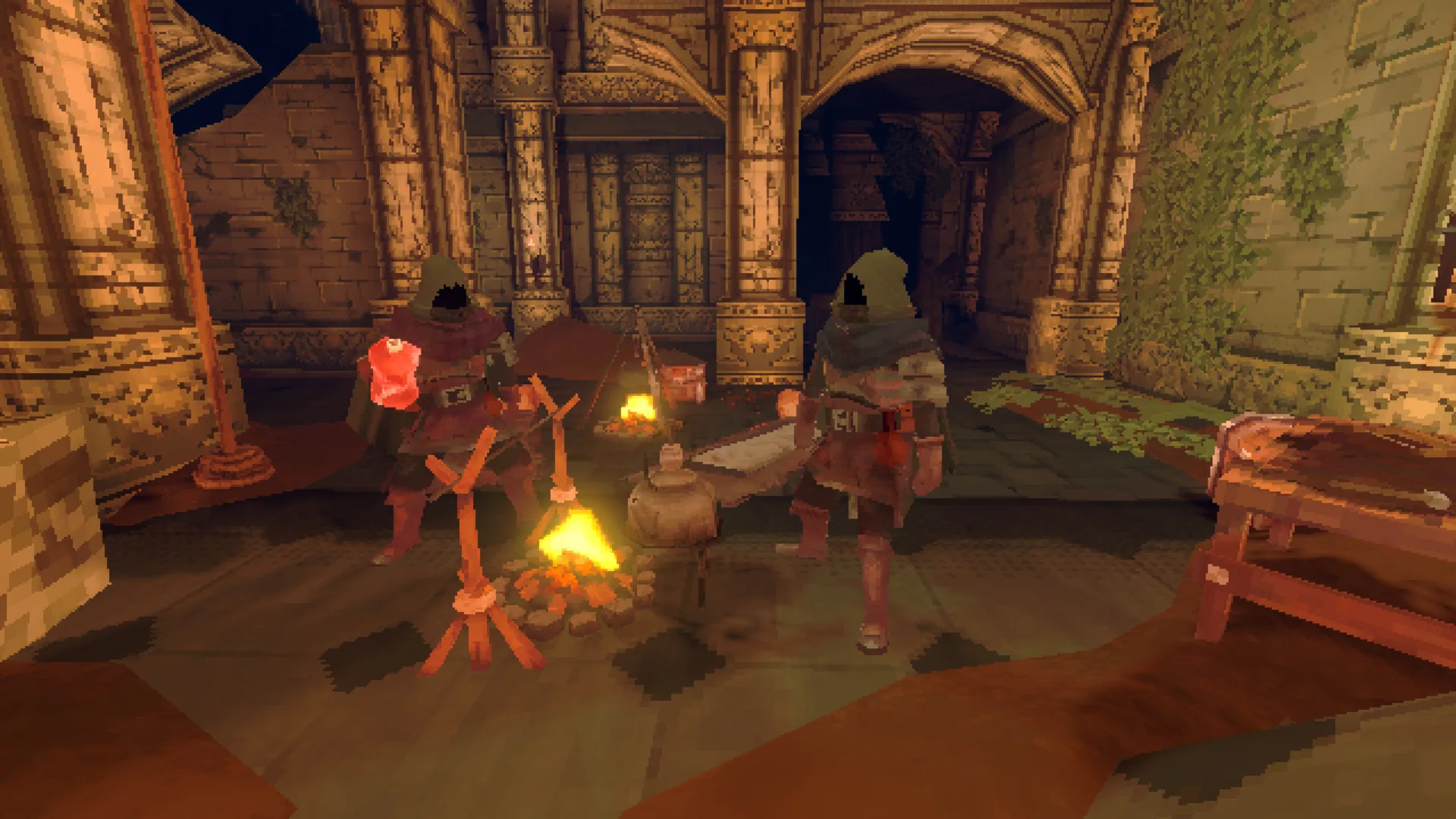
The Knights of Pen & Paper team return with a dungeon where you come back to camp, cook, and unlock recipes that change your stats.