Guide
Warhounds guide: understanding the five classes, the no-RNG shooting and base management
The five classes and their real roles, how to exploit ballistics without dice, and where to start with management between missions.
Alexandrosse
8 min
Honest turn-based tactics with no spark. Above all, it is the international version of Sparta 2035, funded by a Russian state body.
Alexandrosse
InsertCoins.press Score
7/10
Verdict
Recommended
The calendar owes nothing to chance. Warhounds is out today, two and a half weeks before Star Wars Zero Company, the turn-based tactics game from Bit Reactor that every XCOM orphan is waiting for. Slotting in just ahead of the big release to catch the impatient is fair commercial practice.
The game itself? Decent. Enjoyable, even, but no more than that, and we will explain why. Then there is a second subject, which has nothing to do with game design and which we could not leave unsaid.
Warhounds fully owns its lineage: turn-based tactics inspired by XCOM and Jagged Alliance, a mercenary squad, an eighties action-movie vibe, in a near-future Africa. You lead distinctive operators, choose your contracts, and decide the outcome of the war mission by mission.
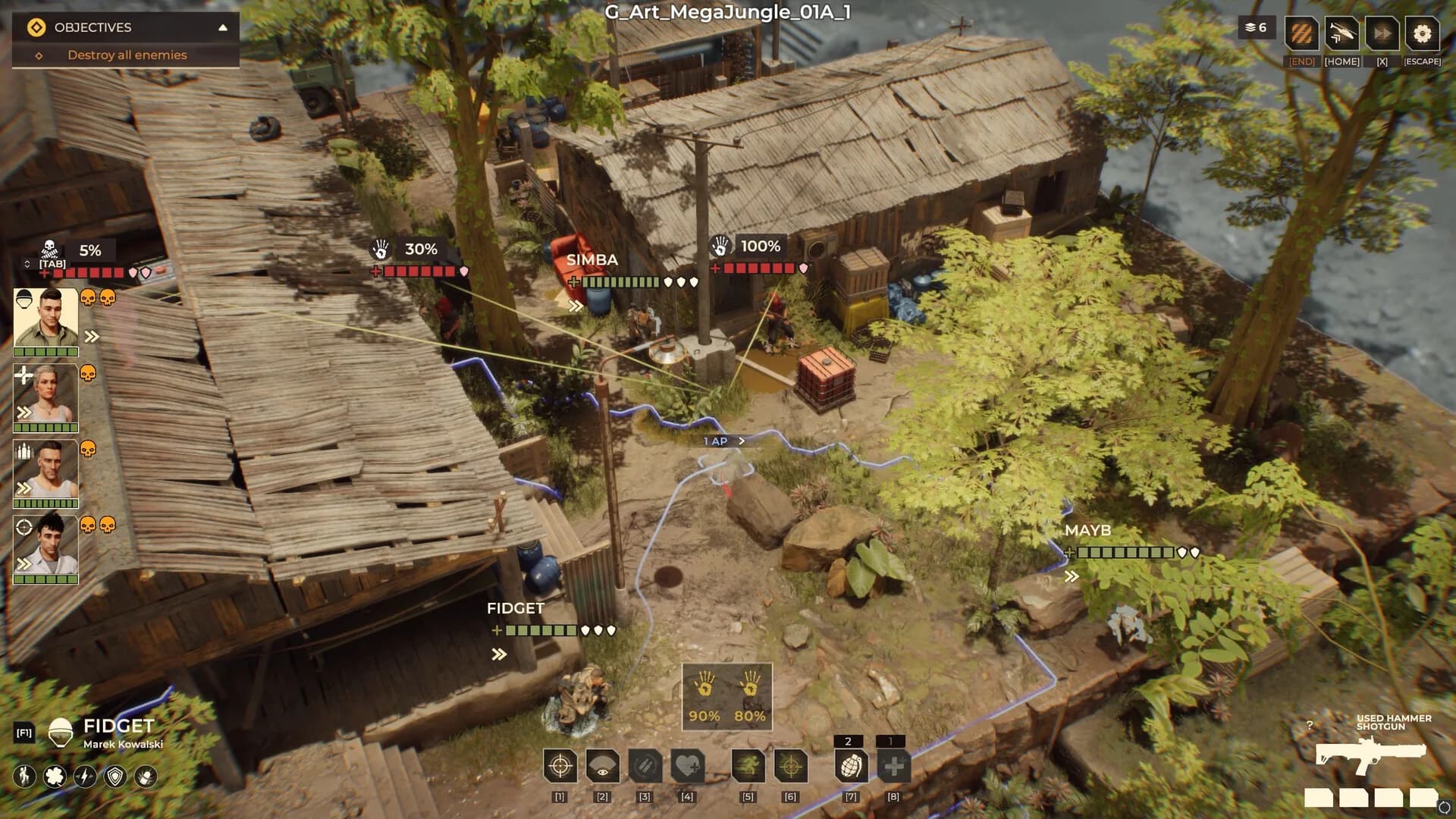
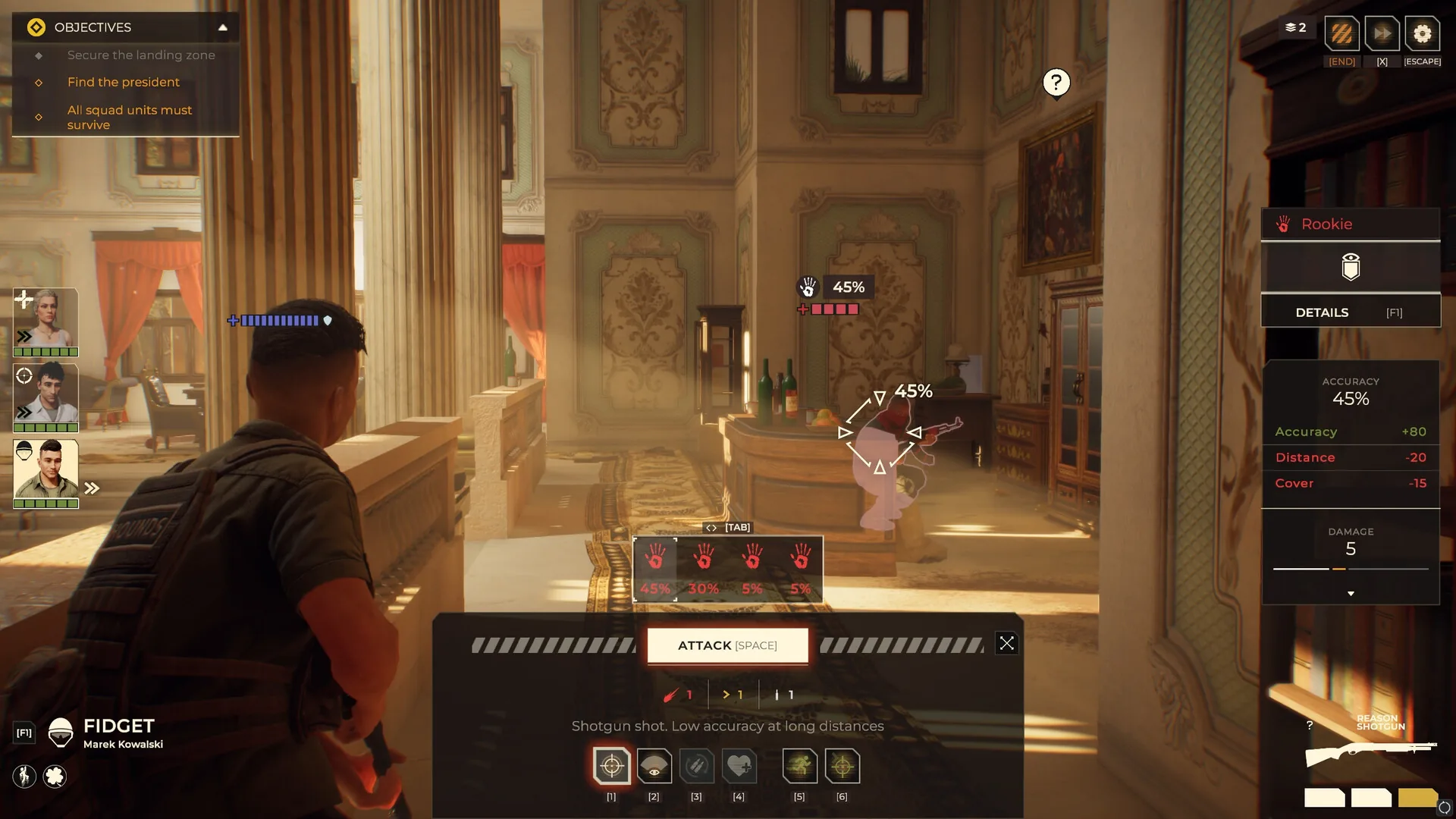
The most interesting mechanical proposition is a direct jab at its model. Where XCOM is famous for 95 percent shots that sail into the scenery, Warhounds announces the opposite: no point-blank misses, no bogus randomness, calculated trajectories, real ballistics, destructible cover, verticality and cone overwatch. Every turn is decided by your plan, not by a dice roll. For players burned by the genre, that is a serious argument.
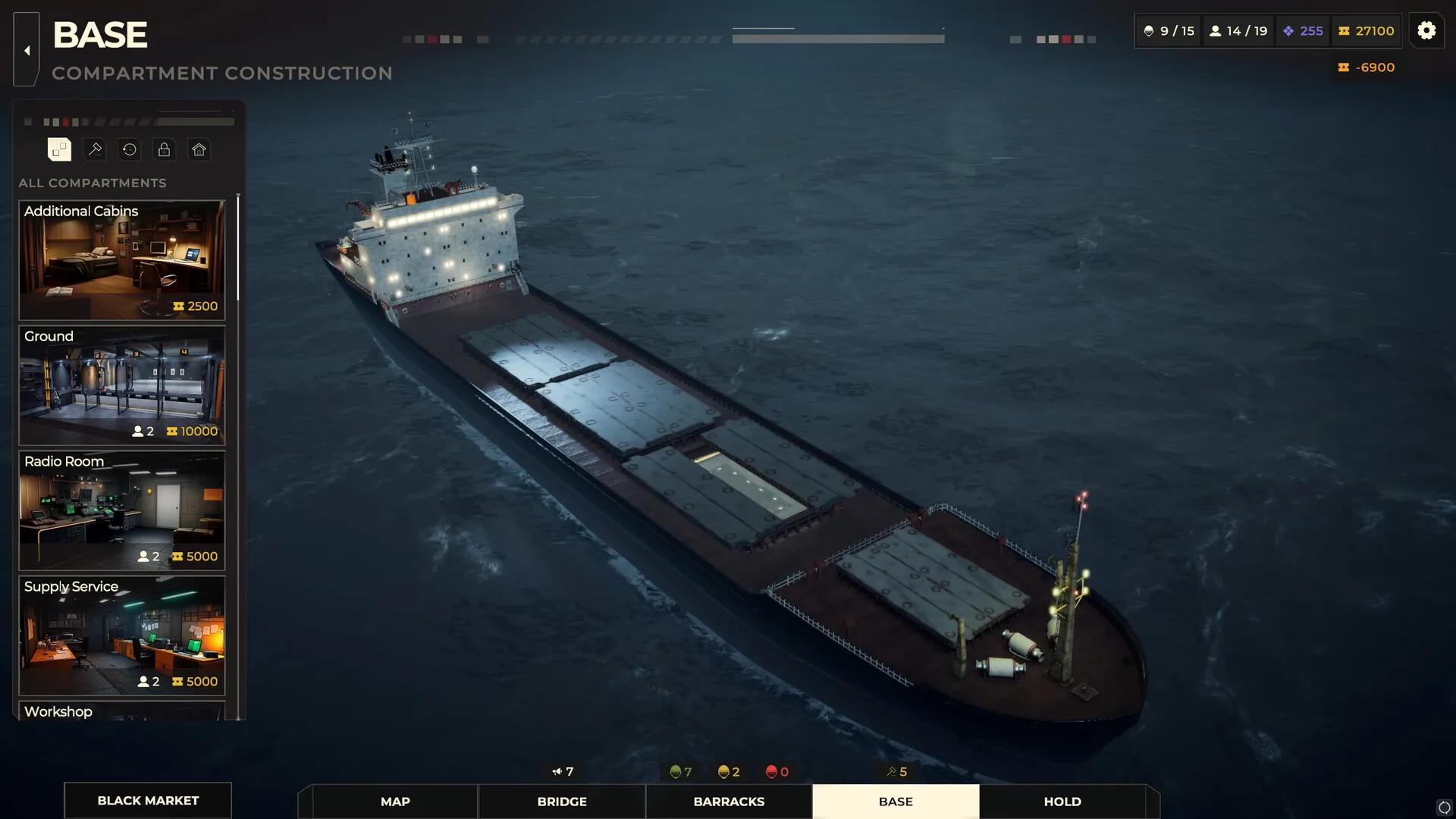
Around it sits the expected structure, competently filled in: five classes (Assault, Specialist, Sniper, Machine Gunner, Grenadier), base management between missions with recruitment, equipment, logistics, finances and medical, allied factions to cultivate, intelligence gathering, and covert operations whose consequences open or close missions. On gadgets, drones, combat scanners, smoke and optical camo. Missions run twenty-five to forty minutes, and difficulty scales from relaxed sandbox to tactical hell.
It is solid on paper, and that is exactly the trouble: everything is solid, nothing is memorable. The game applies the formula conscientiously without ever offering the idea that would make it stick. It does the job, you spend some decent hours with it, and you forget it. One more honest XCOM, while waiting for the real one in a fortnight.
Now the other subject, because it is documented and a reader is entitled to decide with full knowledge.
Warhounds is not a new game. It is the international version of Sparta 2035, a Russian tactics game released previously, as reported by several specialist outlets including the Russian site ixbt.games. The studio separated the Russian and international releases, with redesigned characters, full English voice acting, rebalancing and notable changes to the story. Sparta 2035 had been made unavailable for purchase on Steam outside Russia and the CIS, and Warhounds is the alternative offered to other markets.
The central point is the funding. Sparta 2035 was developed by Lipsar Studio with the support of the Institute for Internet Development, which allocated it ninety million roubles. That institute was created in 2015 with the backing of the Russian presidential administration and receives several billion roubles from the state every year. It appears in international sanctions databases.
Add to that the current structure: the game is developed by Everplay DMCC and published by Brightika, Inc., a company based in Dubai. Players on Reddit and the Steam forums argue that this change of name and publisher mainly allows a fresh start with an empty review counter, leaving behind the mixed reception of the original. That is an interpretation, not an established fact, but the chronology gives it weight, and several contributors say their questions on the matter were deleted from official forums.
Two points of accuracy, because inaccurate claims are circulating. First, Sparta 2035 did not receive an overwhelmingly negative reception: it sits at Mixed on Steam, with 68 percent positive across more than a thousand reviews. Second, no artificial intelligence disclosure appears on the Steam pages of either Warhounds or Sparta 2035, contrary to some comments; players judge the portraits typical of automatic generation, but that remains their assessment.
We will go no further into questions of intent, and we will not say where the money goes today, since we cannot verify it. The established facts are enough: a game originally funded by a body attached to the Russian state, re-released under another name through a Dubai-based publisher after being restricted in Western markets. Some will not care, others will refuse to pay for it. That is a personal choice, and it deserves to be made knowingly rather than in ignorance.
The score above concerns the game alone. The rest is yours to weigh.
Worth noting, the reception is better than our first impression suggested: Steam reviews are Very Positive at 82 percent across more than 110 reviews. The game does its job for tactics fans, which the score reflects.
We debrief every release on our Discord. The door is open, and so is the argument.
Community
Your rating
Advertisement
Loading comments...
You might also like
The five classes and their real roles, how to exploit ballistics without dice, and where to start with management between missions.
A procedural Anno where haulage is the real game. Every badly assigned freighter takes its revenge forty minutes later.
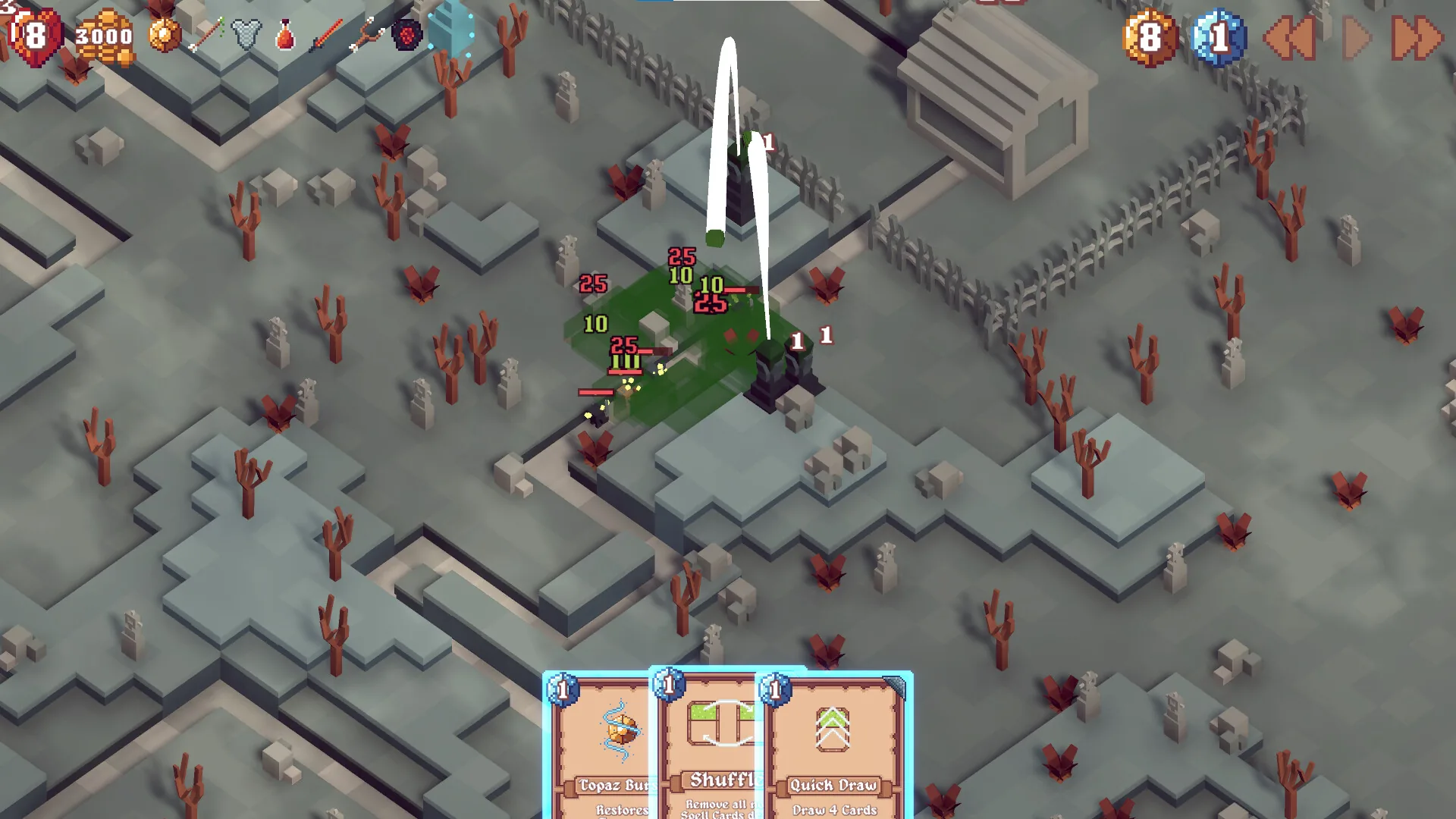
Towers, troops, a single pool for both. Every coin spent on defence is a coin you will not be sending the other way.

Crossing finally matters and defending responds. Then the screen goes black. 57 per cent positive on Steam, at 69.99 euros.