Warhounds has only just launched, and precise stat tables, optimal compositions and equipment lists will settle with the community. So this guide focuses on what will not move: the logic of its shooting system, the real role of each class, and management priorities between contracts. That is what separates a player who endures missions from one who folds them.
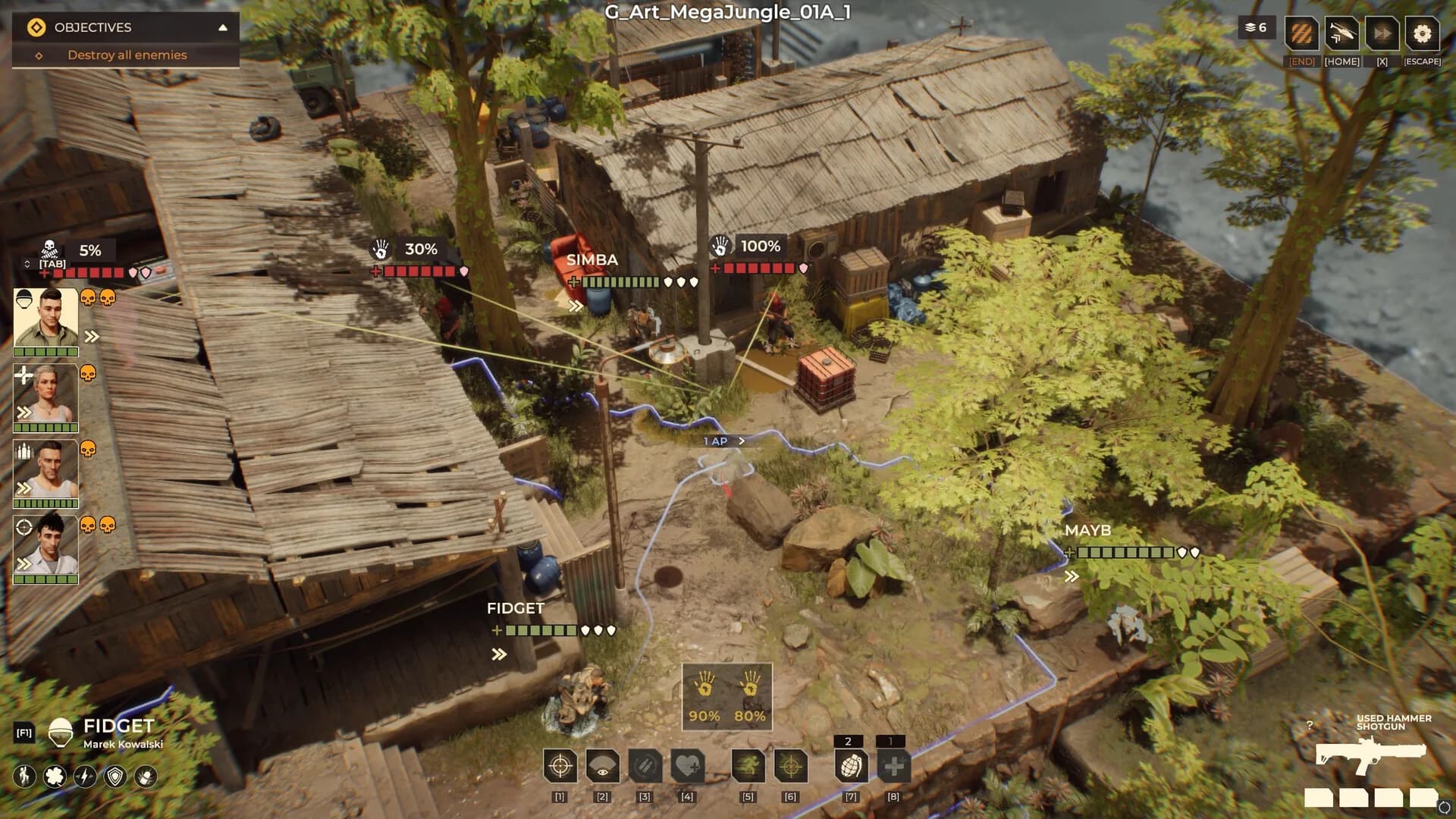
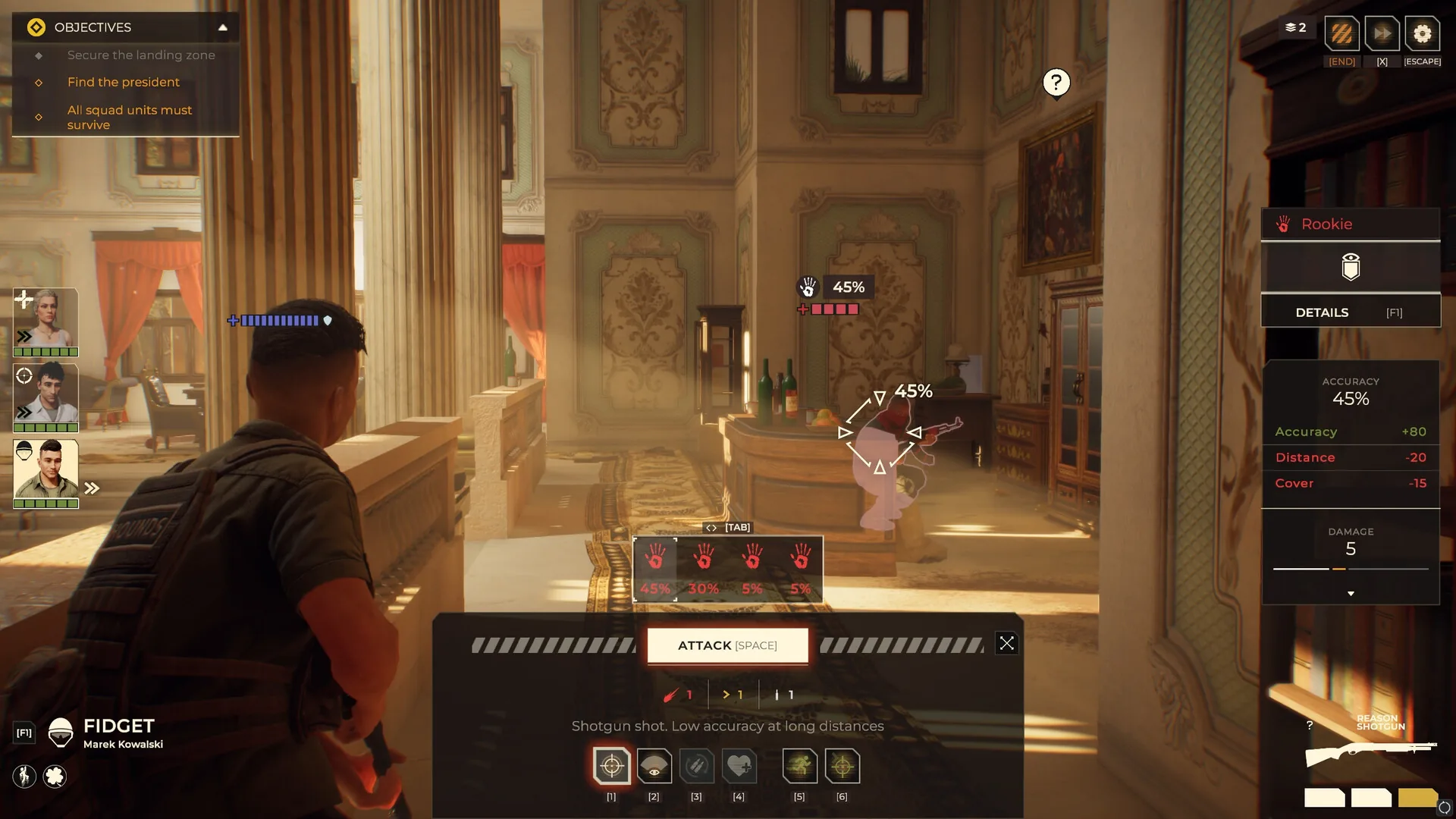
This is the game's advertised distinction and it must be understood before anything else. Where XCOM rests on hit probabilities, Warhounds announces real ballistics, with no point-blank misses and no bogus randomness, where every turn is decided by your planning.
The direct consequence: your failures belong to you. If the shot does not land, it is not the dice, it is that the line of sight was poor, that intervening cover was not accounted for, or that the angle was wrong. So get into the habit of checking the actual trajectory rather than trusting instincts inherited from other tactics games.
Three elements follow and deserve constant attention. Destructible cover first: if a wall is in your way, removing it is often more profitable than going around it. Verticality next: taking the high ground is explicitly highlighted by the game, and in a real-trajectory system, height opens firing lines the ground does not. Cone overwatch finally: unlike 360-degree overwatch, it covers an oriented area, which means badly aimed covering fire is worthless. Set your angles according to the routes the enemy can actually take.
The game offers Assault, Specialist, Sniper, Machine Gunner and Grenadier, and good composition means covering functions rather than stacking damage.
Assault is your mobile element, the one who takes or retakes ground, dislodges a dug-in enemy and creates pressure. It is also the most exposed, never to be sent without covering fire ready to react.
The Sniper is your long-range control tool. In a game with real ballistics, it makes particularly good use of height: place it early on a dominating position, before the action starts, rather than trying to reposition under fire.
The Machine Gunner serves suppression and area denial. Its function is not to eliminate but to stop the enemy moving freely, which lets the others manoeuvre.
The Grenadier is your answer to cover and to groups. In a system where protection is destructible, this is the one who turns a solid enemy position into an exposed one. Do not save them for last, use them to open the situation.
The Specialist is the utility role, handling tools, support and technical equipment. It is often the class you neglect early and regret later.
Around them the game provides drones, combat scanners, smoke and optical camo. Smoke is especially valuable in a real line-of-sight system: cutting vision is often better than absorbing fire.
The game announces high combat lethality, and that is the parameter that should govern your caution. Concretely, a mercenary exposed at the wrong moment may not recover, and the game does include treating and extracting, as well as protecting your key operatives.
The good habit is therefore always to end a turn in a defensible position rather than scraping one extra tile. An overly greedy advance costs more than a lost turn.
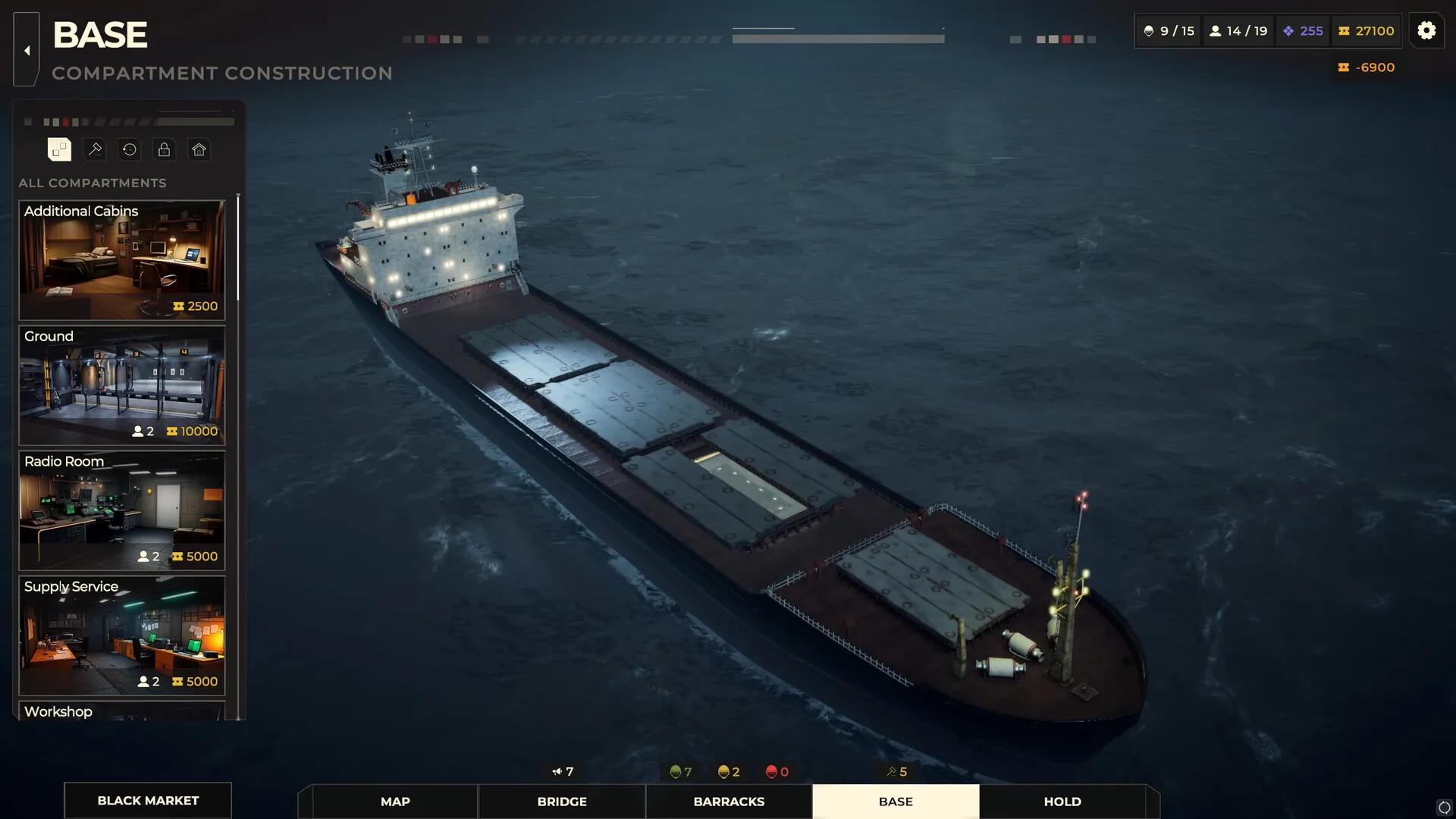
Between contracts you handle recruitment, upgrades, equipment purchases, logistics, finances, medical and downtime. Added to that are choosing allied factions, building relationships, gathering intelligence and running covert operations.
Two principles to avoid spreading yourself thin early. First, squad depth before individual power: with high lethality and wounded to treat, a bench of competent replacements beats a trio of unavailable stars. Second, relationships before luxury: the game states that your choices change access to missions, gear and allies. Investing in a faction opens lasting doors, where a weapon purchase improves only one mission.
Note finally that missions run twenty-five to forty minutes and that difficulty scales both ways. If you are new to the genre, start low: a shooting system without randomness is much easier to understand when you are allowed to make mistakes.
A question, a tip to share? The InsertCoins Discord is the place for it.