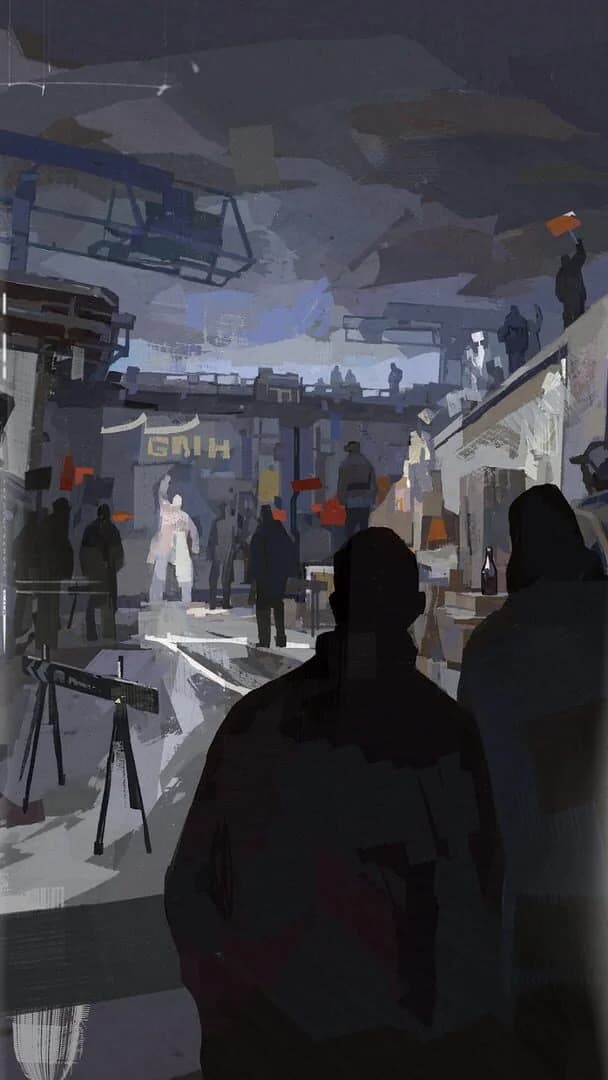
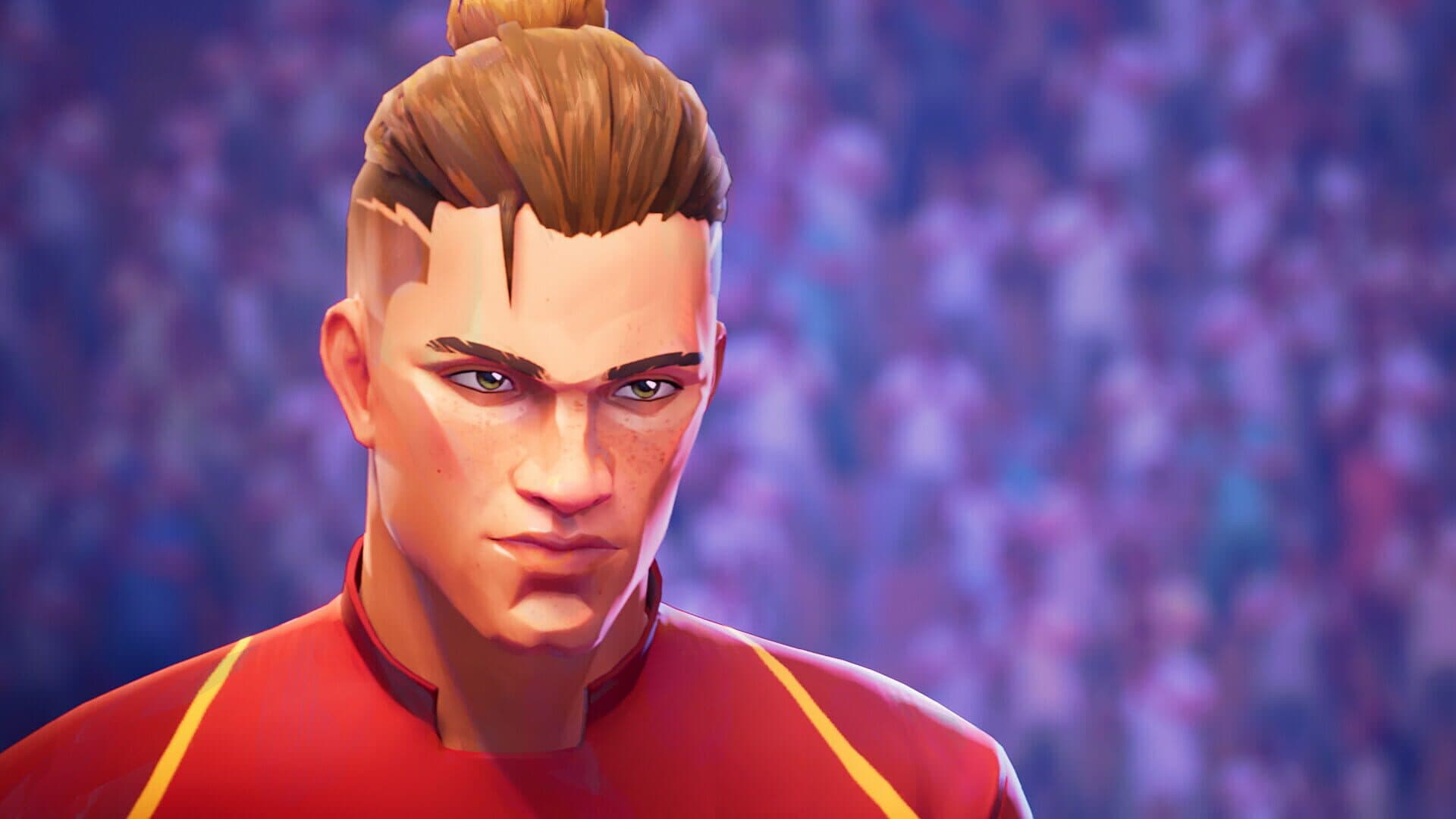
A few days ago, Steam ran a rather particular event: a showcase called Upcoming GOTYs from Croatia, an avalanche of upcoming games, all signed by a single small country. Nearly one hundred and fifty titles in total, including a sizeable handful of new releases. For a nation of under four million people, that is a number that commands respect, and it raises a simple question: how did Croatia become, almost without anyone noticing, one of the most fertile scenes in European gaming ?
The most striking thing is the speed. In 2019, the Croatian video game industry employed around 230 people. Two years later, in 2021, that number had already passed 500. The sector now counts over 180 officially registered studios, for an estimated total revenue of nearly 60 million euros. These are not figures that make Electronic Arts tremble, but measured against the size of the country, they tell of growth few nations can claim.
More telling still: according to analyses from the Croatian developers' association, Croatian games are three times more likely to be played on Steam than the average from other countries. In other words, Croatia does not just produce a lot, it produces things people actually launch. And the state has caught the scent: since 2022, a campus dedicated to gaming has been under construction in Novska, a 50-million-euro investment designed to train and retain the region's talent.
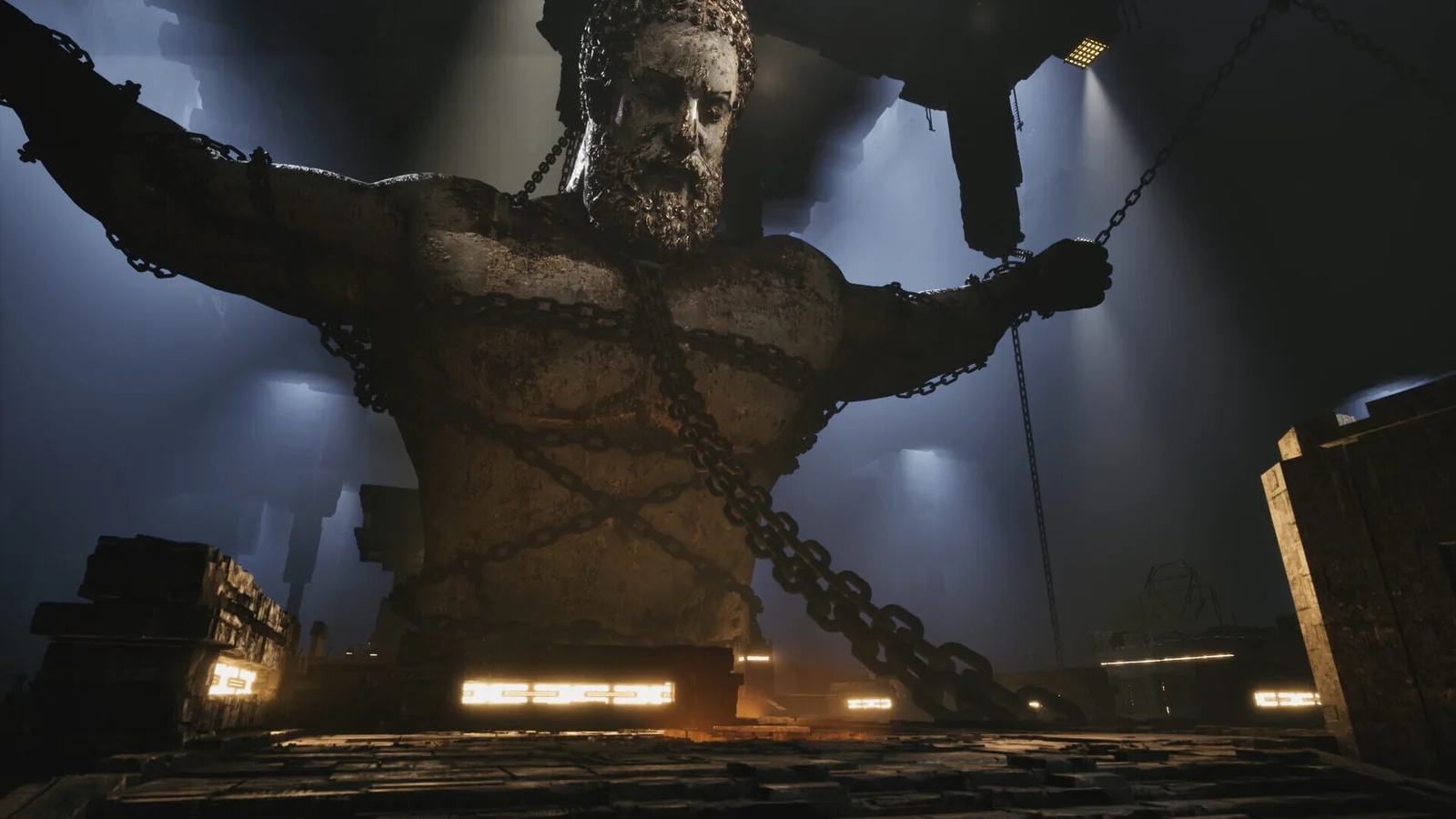
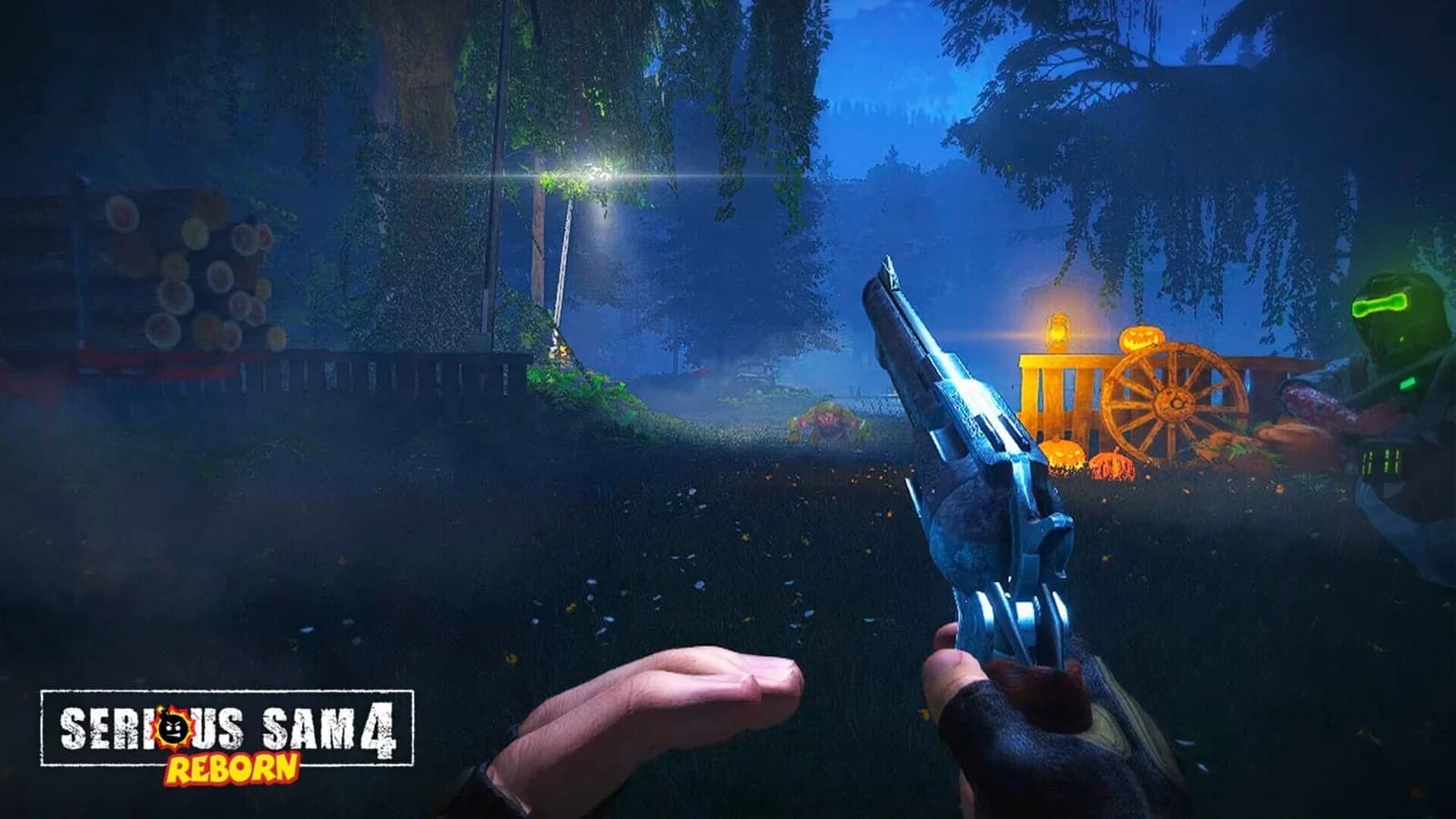
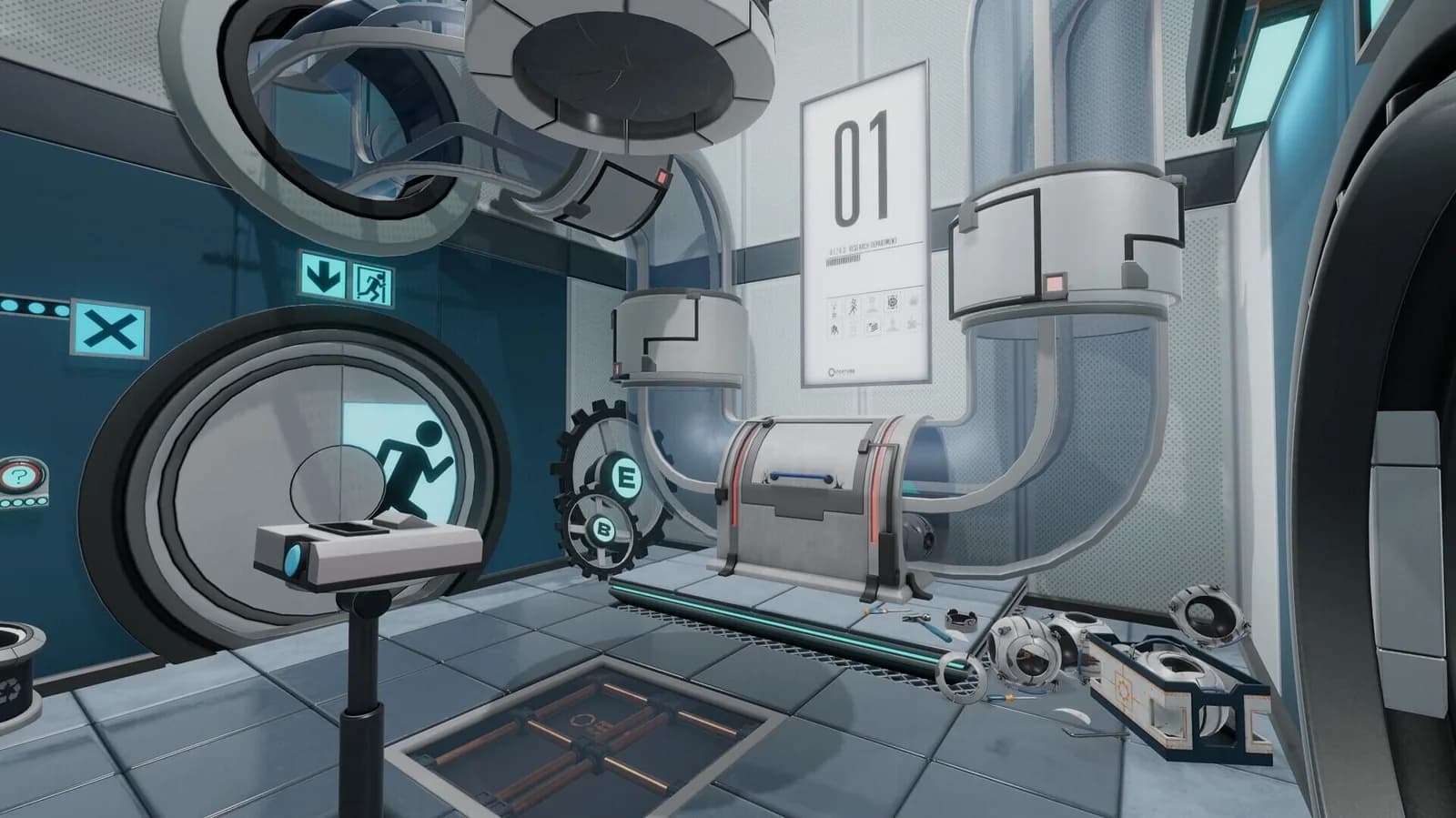
No scene grows without a few trees to cast shade, and Croatia has its own. The oldest and most respected is called Croteam. Based in Zagreb, the studio blew up screens back in 2001 with Serious Sam, that old-school FPS where hordes of enemies rush at you without the slightest subtlety, which is exactly the point. But Croteam above all proved it had two brains by releasing The Talos Principle in 2014, a philosophical puzzle game at the opposite end of Serious Sam, then its sequel in 2023, one of the finest gut-punches the puzzle genre has delivered in years.
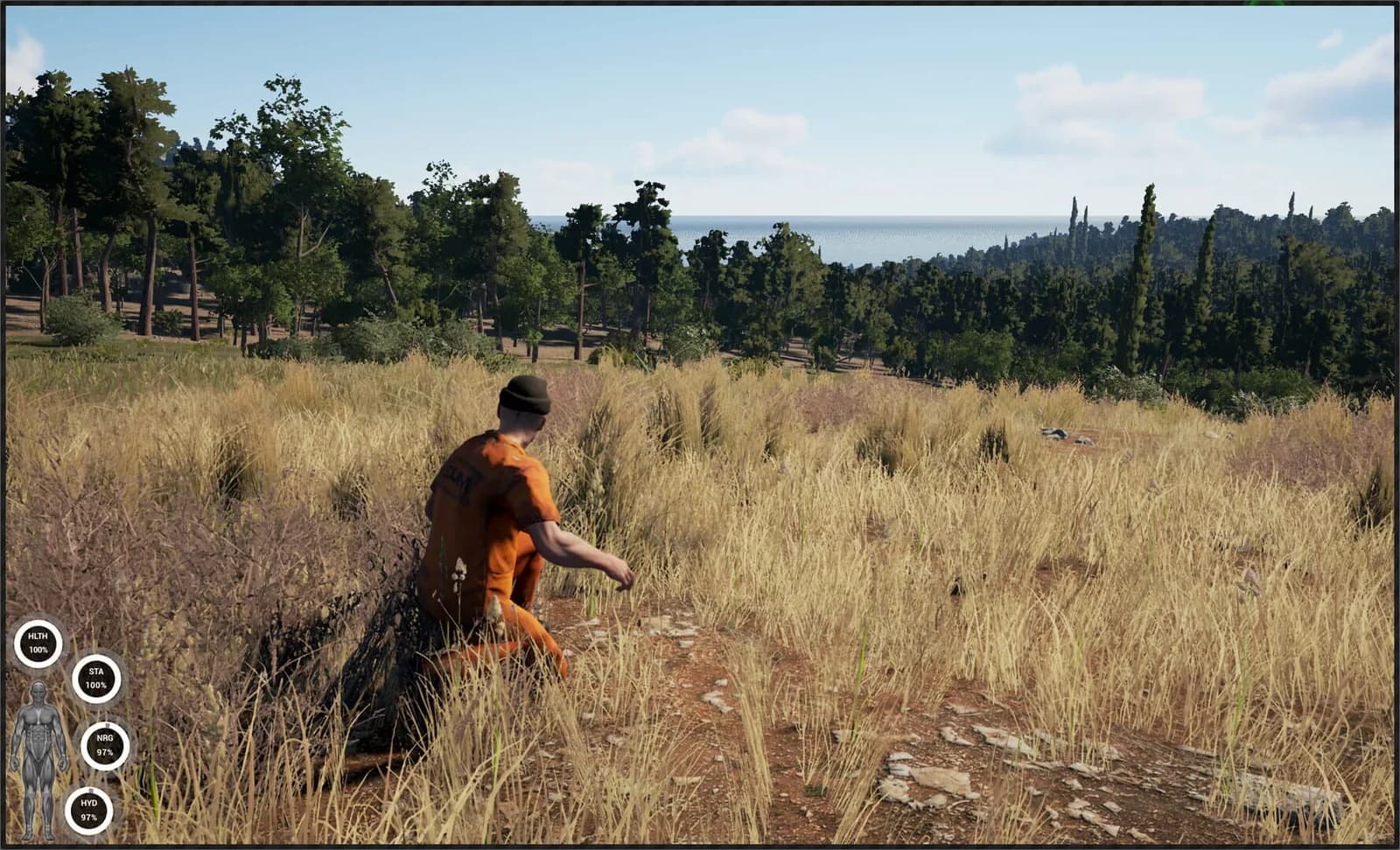
The other thunderclap is Gamepires and its SCUM. Released in early access in August 2018, this rarely deep multiplayer survival game took the top spot on Steam sales the day it launched, shifted a million copies in a week and crossed ten million dollars in revenue within three weeks. A success so loud that British studio Jagex bought Gamepires in 2022. Looking at Twitch viewership peaks, SCUM in fact leads Croatian productions with over 217,000 concurrent viewers, ahead of The Talos Principle and its 140,000.
Alongside these two giants, other studios have built solid, quiet models. Pine Studio specialized in the clever, accessible puzzle, with Escape Simulator, Cats in Time and Faraway, games that run as well on mobile as on PC and hit the mark every time. Overseer Games, based in Zagreb and founded as far back as 2006 under the name Little Green Men, first delighted space-sim fans with the Starpoint Gemini series and its 2.5 million downloads, before pivoting to the city-builder with Patron in 2021, Aquatico in 2023, then Kaiserpunk in 2025. A longevity and a capacity to reinvent that say a great deal about this scene's maturity.
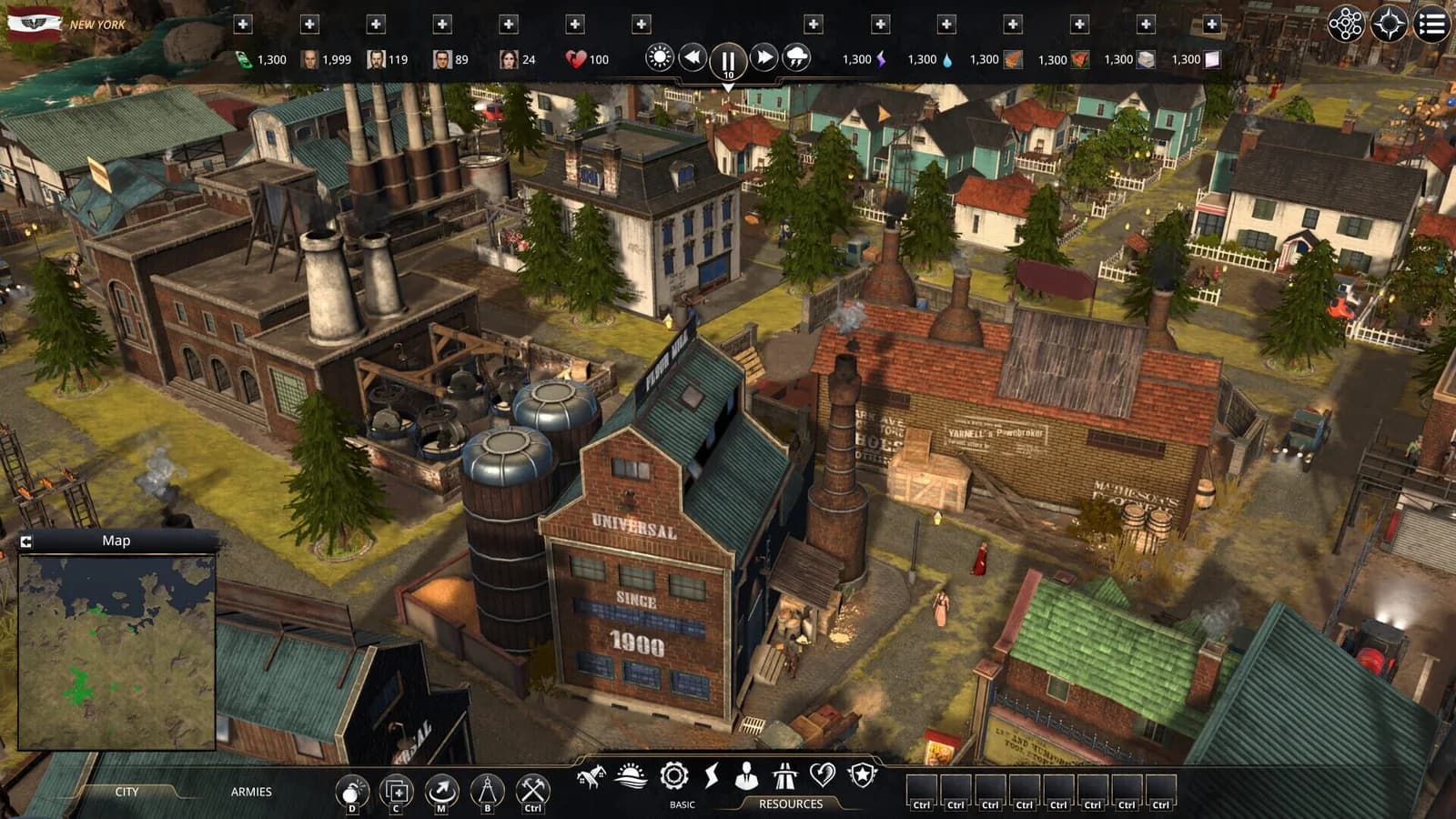
What strikes you in 2026 is no longer just the top of the pyramid, it is its base. The Steam showcase brims with fresh projects carried by young studios: Atre: Dominance Wars, Pompeii: The Legacy, Arrowman, or the much-anticipated sequel to Escape Simulator. Seventeen upcoming titles in this event alone, and an impressive diversity of genres, from RTS to point-and-click by way of tower defense and hidden object.
The smartest part is that this wave does not just exist, it organizes itself. The showcase itself was put together by a trio of local studios, Pine Studio for the graphics, Gamechuck for the Steam communication and Croteam for the technical expertise. In other words, the veterans extend a hand to the newcomers, and the ecosystem works on solidarity rather than pure competition. That is rare, and it is probably Croatia's secret weapon: a community that sticks together around an active association and a real sense of belonging.
It would be dishonest to paint only the postcard. Because behind the showcase successes, the Croatian economic model remains fragile. More than half of an average studio's revenue still comes from contract work, that is to say outsourcing for foreign publishers. In 2024, less than a quarter of the sector's revenue actually came from the sale of in-house games. Translation: a large part of the Croatian industry pays its bills by working on other people's games, and is not yet strong enough to live solely off its own creations.
That is the paradox of this scene. It produces enormously, it is played three times more than the average, 86% of studios are working on their own intellectual property, and yet the bulk of the money comes in through the service door. Half the surveyed studios hope for a rise in revenue, but between hope and dependence on outsourcing lies a gap that only a few SCUMs or Talos Principles truly manage to bridge.
Croatia is one of the finest stories in European gaming, and the most underrated. In a decade, a tiny country has birthed two global franchises, a survival smash bought by an English mage, a reference city-builder scene and a new generation spilling out of Steam. All of it without a national giant, without a thousand-person studio, just with nimble teams, ideas and a tight-knit community. It is exactly the kind of model we would like to see cited more often when people talk about the future of gaming.
What remains is the Achilles heel, that dependence on outsourcing that keeps part of the sector on life support. The Novska campus, the developers' association and the new wave of studios can reverse the trend, provided the next in-house hits multiply instead of staying exceptions. If Croatia pulls it off, it will no longer be a curiosity on a Steam page, but a genuine power. And at the rate it is moving, we would not bet against it.
Does the subject speak to you? We go into it at length on the InsertCoins Discord.