7
Test
Dungeon Rampage Remastered: a ten-year-old refused to let his game die, and he won
The source code was sitting on a laptop a former programmer had handed down to his kid. Eight years later, the game is on Steam.
Alexandrosse
9 min

You fill in death certificates in an English manor in 1959. The idea is excellent. The interface gets in the way.
Alexandrosse
InsertCoins.press Score
6/10
Verdict
Mixed
"Your job is to write the death certificate."
That is the first line on the store page, and it is the best idea of the week. Not investigate, not solve, not accuse. Complete an administrative document correctly.
In a genre that always ends with you naming a culprit over triumphant music, replacing the revelation with a form to fill in is an act of writing. The coroner does not have to be satisfied, he has to be accurate.
England, 1959. A manor. A suspicious death.
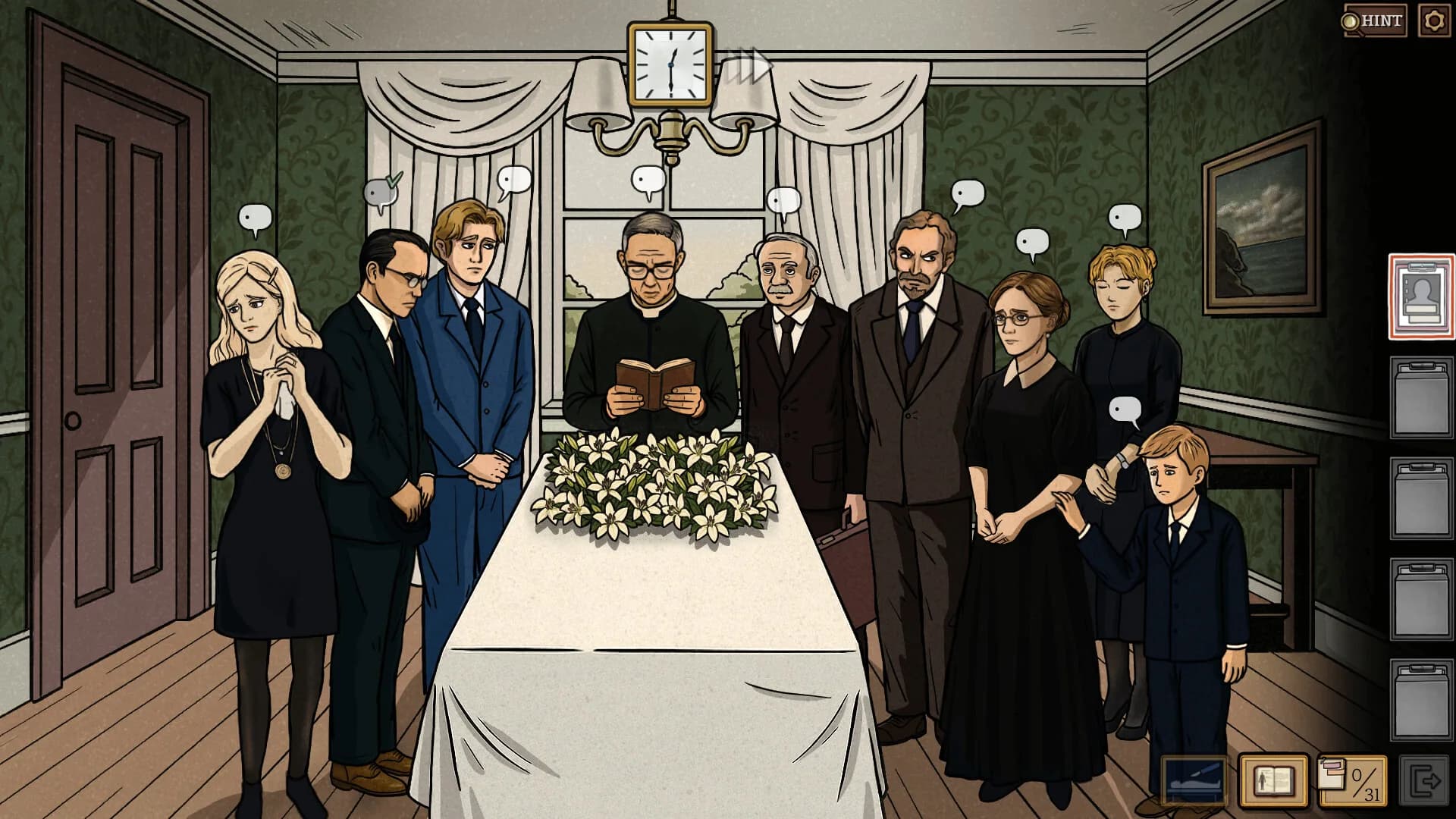
The art direction draws on 1960s European detective comics, and the result is genuinely handsome: muted flats, faces drawn rather than modelled, a layout borrowing as much from magazines as from games. Even the players hardest on Fleming Manor concede this point, sometimes by presenting it as the only thing worth saving.
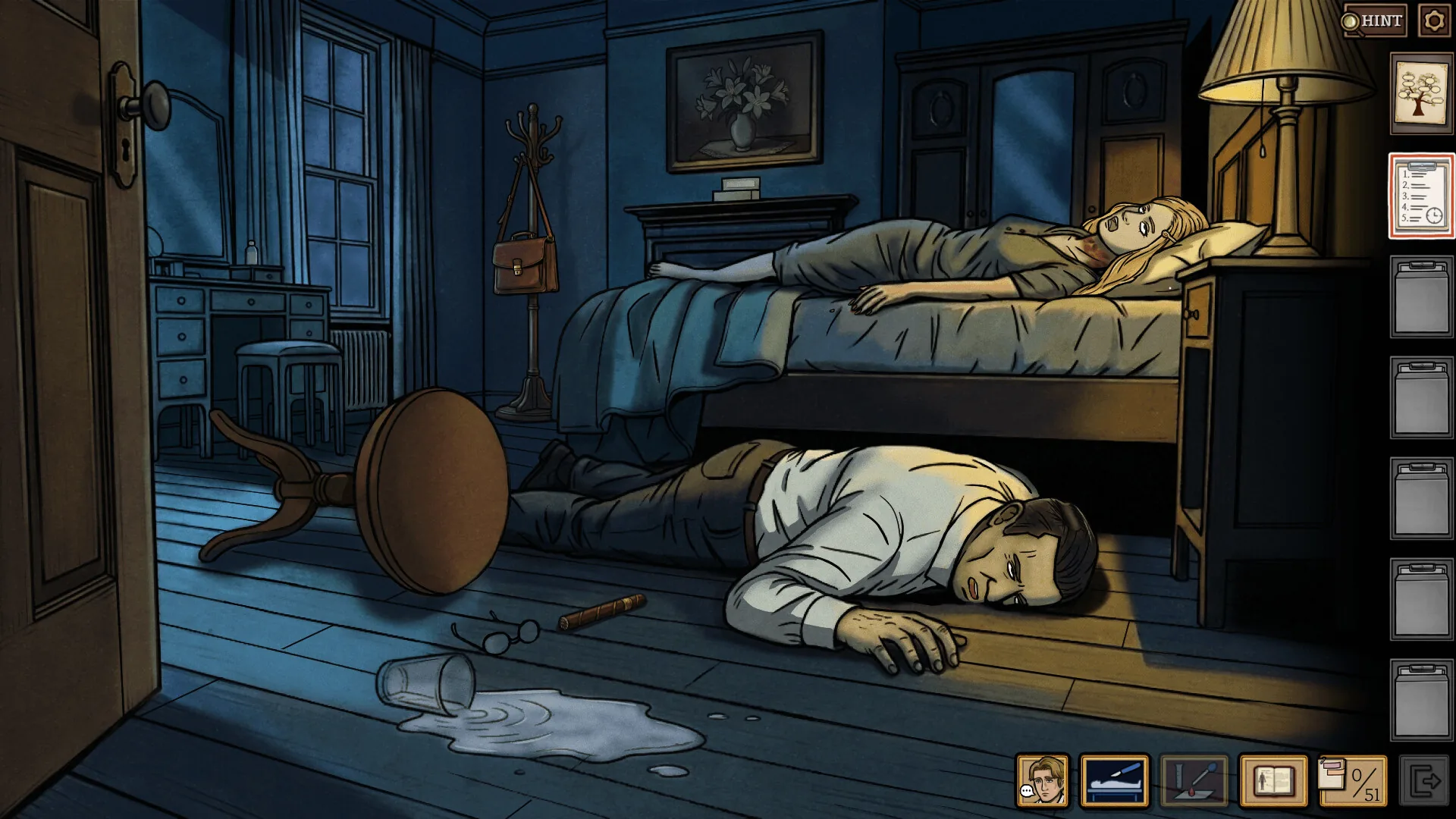
You examine scenes, analyse evidence, fill in death certificates and emergency reports. Each episode introduces its own puzzle mechanics, which avoids the genre's structural fatigue: you do not spend six hours performing exactly the same operation. At one point you reorder medicine bottles in a first aid kit, at another you determine where somebody died from the position of the body.
And there are multiple endings. In a deduction game that is rare to the point of being almost paradoxical, since the genre's whole premise is that one truth exists. Fleming Manor accepts that your certificate may be wrong and lets the story continue anyway, which is an idea I would like to see borrowed elsewhere.
62 per cent positive. For a well-written mystery with praised art direction, that is a figure demanding an explanation, and the explanation is remarkably consistent.
It is not the puzzle that blocks you, it is the data entry.
One player captures the feeling exactly: he never felt he was investigating, he felt he was fighting the game's mechanics to make progress. Instead of connecting clues and ruling out possibilities, he found himself repeatedly clicking on items scattered across the screen.
Another, arriving from The Case of the Golden Idol and Return of the Obra Dinn, details the technical point: you cannot sort your own notes, so you keep returning to the places where you found the information. Add long loading times for a game of this size, and a five-minute puzzle becomes a fifteen-minute round trip.
The third complaint is the most troubling because it touches the design itself. A player describes having to work out the location of a crash while standing on it. Being unable to ask a conscious survivor his name and having to go through his pockets instead. Somebody calling out a victim's name, and the game refusing the information because it had to come from another source.
A deduction game signs an implicit contract with you: if you understood, you advance.
When the game knows the answer, you know the answer, and it still refuses because you learned it through the wrong channel, the contract breaks. You are no longer hunting the truth, you are hunting the source the designer approved.
Obra Dinn handled this with a lock of three: you could deduce in any order, and the game confirmed whenever three answers were correct. Golden Idol let you fill the text with any word picked up anywhere. Both games solved data entry before polishing their puzzles, which is precisely why we remember them.
Fleming Manor has better per-episode mechanics than I expected and an entry layer below the genre's standard. In a genre that is almost entirely data entry, that is a poor allocation of effort.
It would be dishonest to stop there, because the half that likes it does not like it mildly.
A player at four and a half hours says he had been waiting for it since the demo and did not want to stop. He adds a useful detail: his mistakes mostly came from reading too fast or forgetting information, not from unfairness. Another praises the freshness of the mechanics introduced in each episode. A third describes genuine head-scratchers, occasionally a little too subtle, and a crime story that holds up even when you can see where it is heading.
The portrait is clear. If you read slowly and take notes by hand, this game is waiting for you. If you skim, the absence of note sorting will crush you, because the game will not help you recover what you failed to retain.
It is not a question of skill, it is a question of method. And a game tolerating only one method forfeits half its audience, which is roughly what the 62 per cent measures.
17.99 euros, 16.19 at launch. That is not nothing for a puzzle game, and the genre is crowded with excellent competition.
Take it if you have finished Golden Idol and The Rootrees Are Dead and feel the absence, if 1960s detective comic aesthetics appeal to you, and above all if you are the sort to open a notebook beside the keyboard. The game rewards exactly that behaviour.
Walk past if your tolerance for interface friction is low. No fix has been announced on that front, and it is structural rather than accidental.
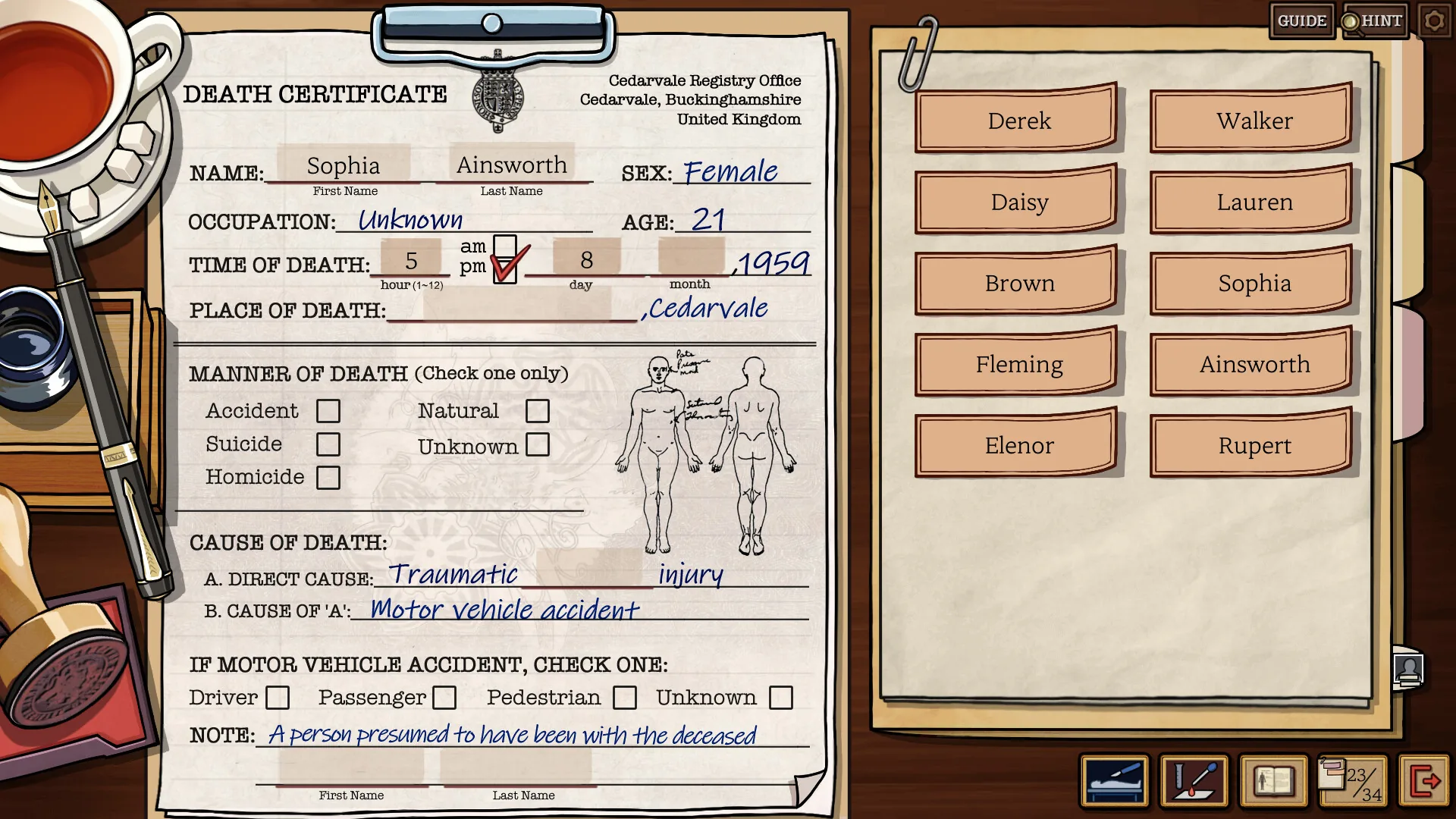
What bothers me, closing it, is that the good idea is intact. Writing a cause of death rather than naming a murderer is an angle nobody had taken, and SUPERTHUMb had the clarity to go for it. All that remains is letting the player sort their own notes.
Have you filed a completely wrong certificate with total confidence? That is the best moment the game offers, come and confess on the InsertCoins Discord.
Community
Your rating
Advertisement
Loading comments...
You might also like
The source code was sitting on a laptop a former programmer had handed down to his kid. Eight years later, the game is on Steam.
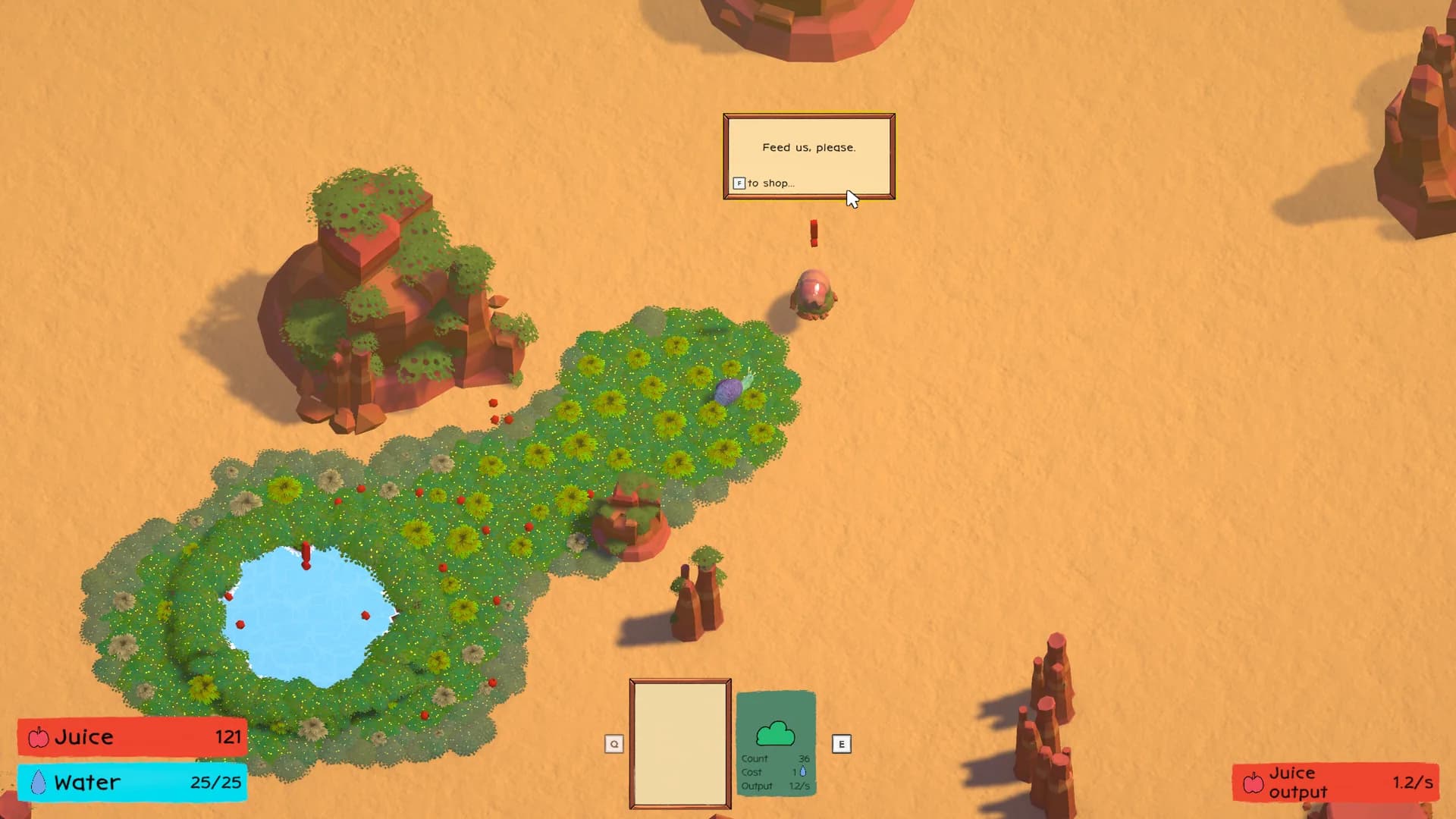
Four hours, six euros, one snail and a remarkably quick moral descent. Blood is a type of juice.

Twenty-four years after the GameCube, Pipeworks adds one genuinely new thing. It happens to be the right one.