Some games explain their loop across three pages of tutorial. This one puts a pickaxe in your hands and lets you look at the ground.
And for twenty minutes, that is entirely sufficient.
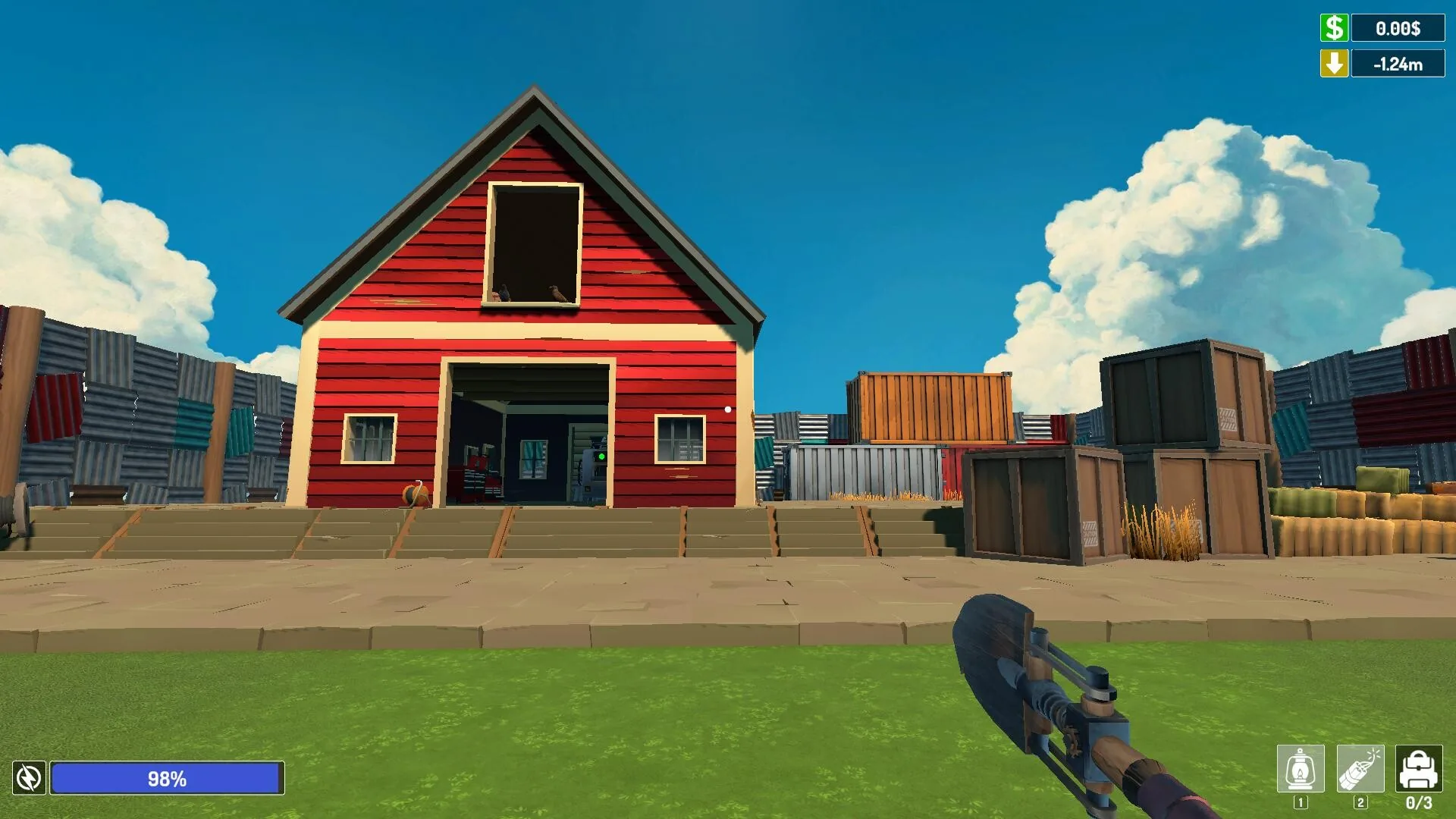
You dig. Every layer of earth removed brings you closer to a find, from ordinary resource to legendary artefact, and the studio sums the idea up in a line I think is accurate: the deeper you go, the more the world opens up.
It is filed under cosy and relaxing, and that is genuinely the register. No monster at the bottom of the hole, no threatening countdown. The pleasure is the very old one of removing material and watching something appear.
Where many games of this kind stop, this one adds two layers that give it a spine.
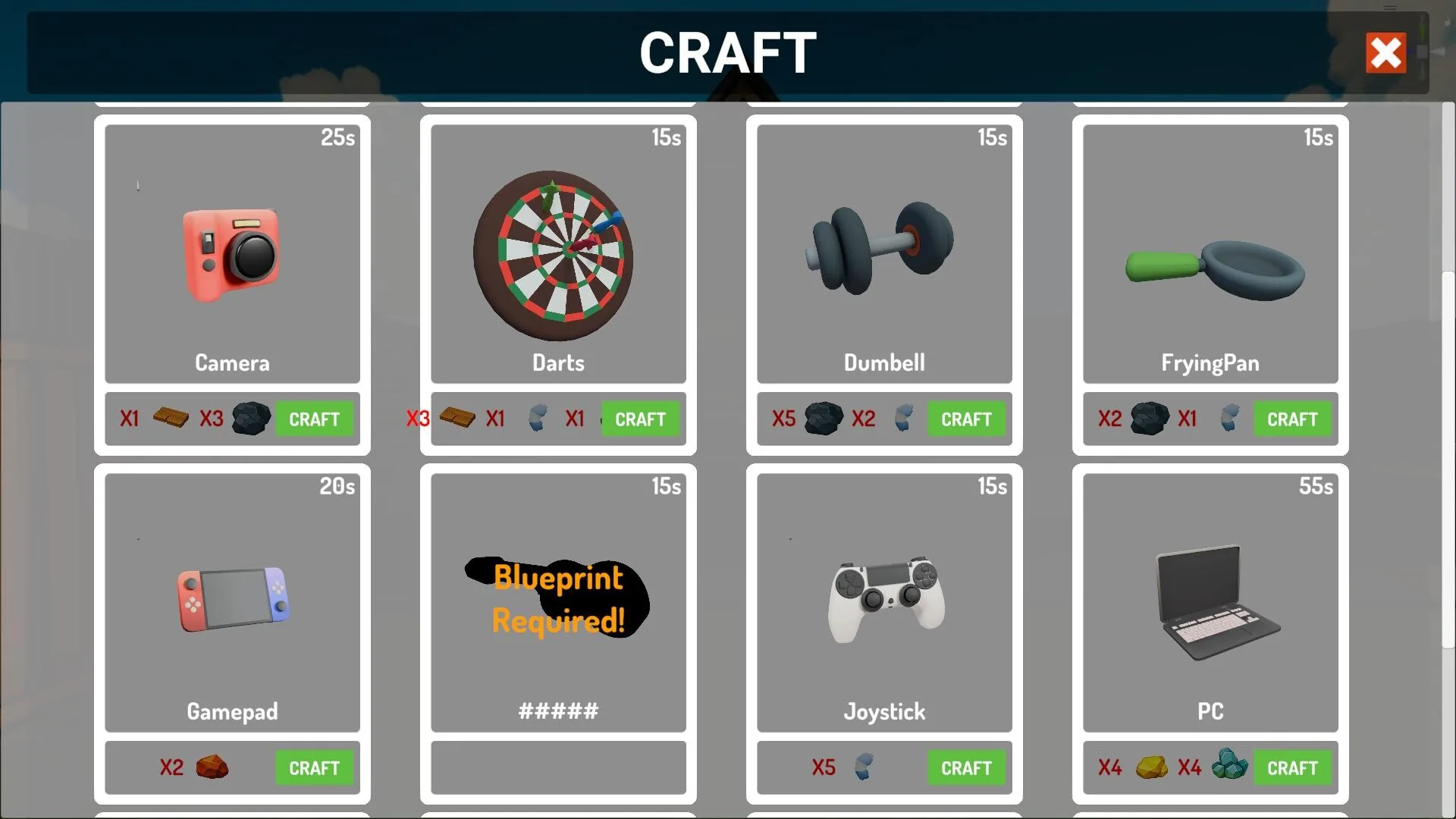
While digging, you turn up ancient blueprints. They are what unlock advanced technology and items buried for centuries.
The crafting system rests on them: you do not merely find objects, you produce them, and the gear you build exists to dig better. It is a closed loop where every descent funds the next.
That structure changes the nature of exploration entirely. Without blueprints, digging would be collection. With them, every descent becomes a lottery where the main prize is not treasure but a new capability. And a capability is something you keep.
Here is the detail it took me a while to grasp, and it structures everything.
Upgrades cover three things: the shovel, storage capacity, and the battery.
The first two are obvious. The third is the game's real constraint. A battery is a duration. It tells you how long you can stay down before having to climb back up, and therefore turns a risk-free activity into a sequence of decisions.
Because the question on every descent becomes this: do I go up now with what I have, or dig one more layer knowing I may not be able to carry out what I find?
It is the same dilemma as a dungeon-looting game, transposed into something calm. There is no death, there is wasted time, and for a game that wants to be relaxing that is exactly the right level of pressure.
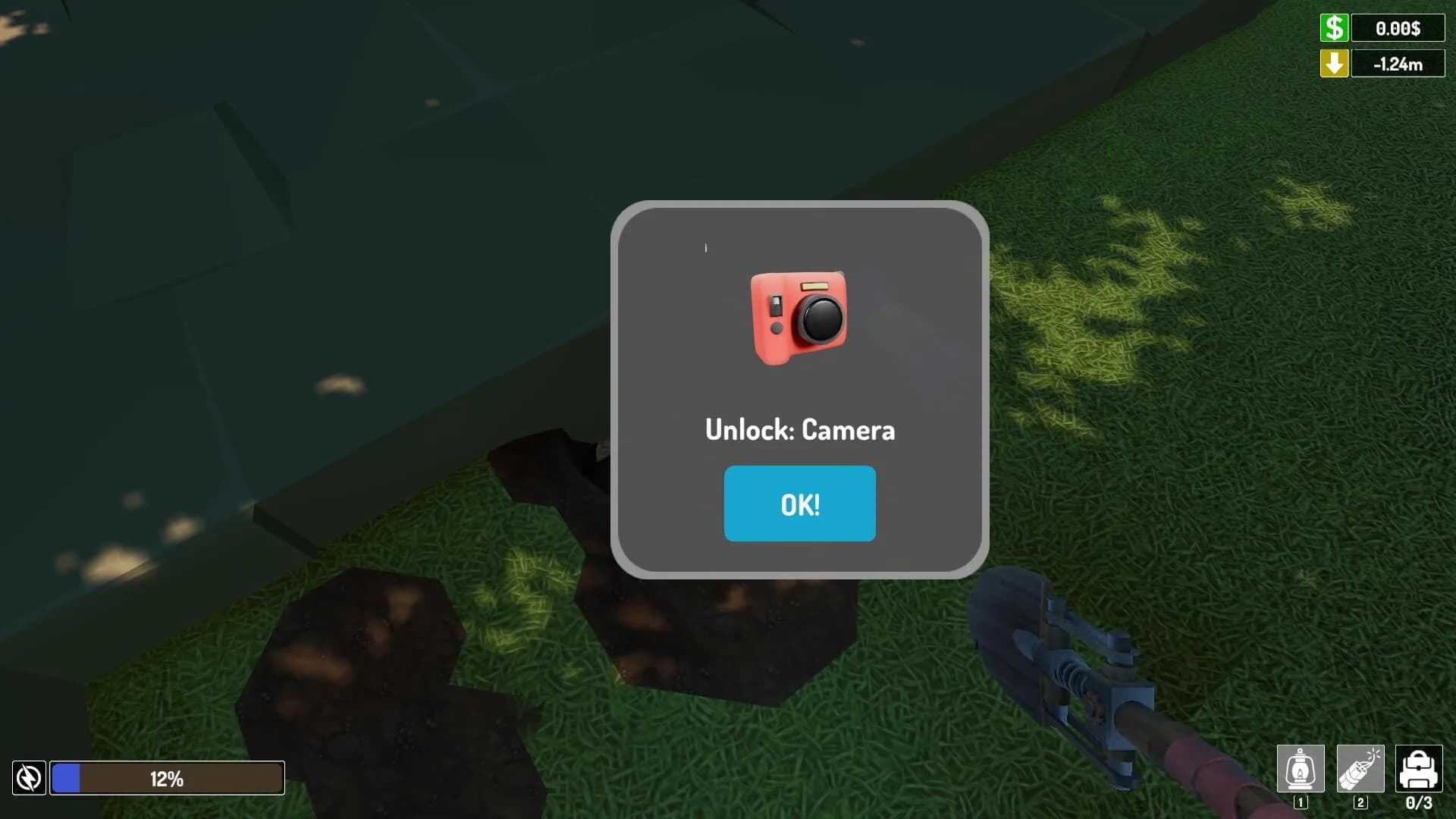
The game advertises varied obstacles and terrain, with rocky caves and sandy depths that do not dig the same way.
That is the part to watch, because longevity lives there. A digging game holds up as long as the ground keeps posing different problems. If rock simply takes more swings than sand, the variety is cosmetic. If it demands a different tool, route or energy plan, then the game has somewhere to go.
Across the early hours, the promise holds well enough to make you want to see the next layer, which is the only verdict that counts for this sort of production.
This is early access, made by Alkame Games, and it launches today. The content will move.
It is single-player only. In a game this contemplative that is defensible, but it is easy to imagine what two people digging the same hole would have produced.
And it is a single-loop game. No story, no characters, no twist. You dig, you climb out, you upgrade, you dig again. If that sentence bores you to read, it will bore you to play.
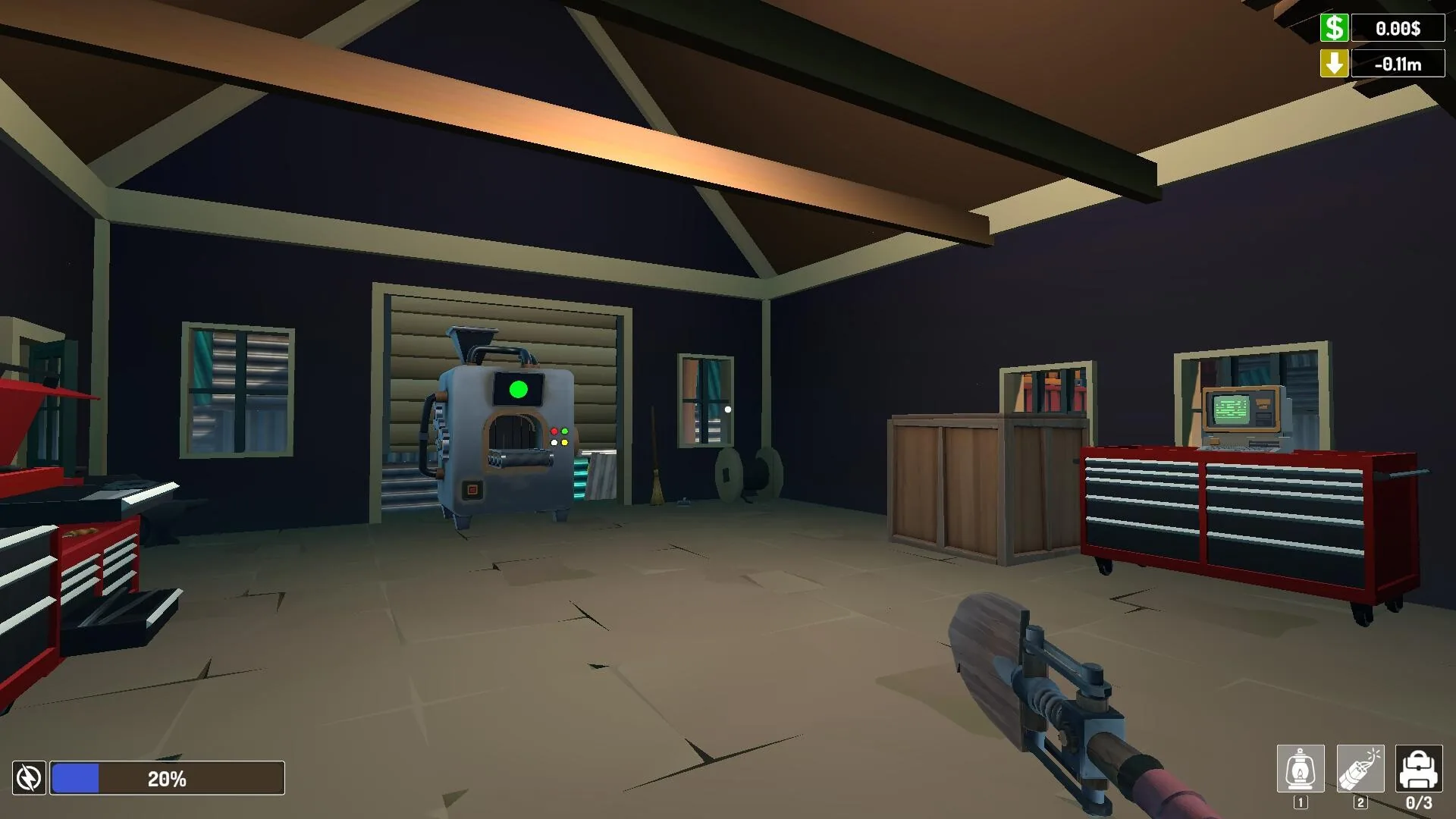
This game belongs to an underrated family: the ones that do not want your attention, only your presence.
Its success will not rest on its visuals or its ambition, but on how well its energy gauge is tuned. Too generous and there is no decision left, too short and the whole thing becomes a tiresome commute. From what I have seen, the dial sits in the right place, the one where you catch yourself attempting one layer too many.
There is something slightly daft and very effective about watching a storage bar fill while an energy bar empties. It is as old as video games, it still works, and sometimes that is all you want from the end of a day.
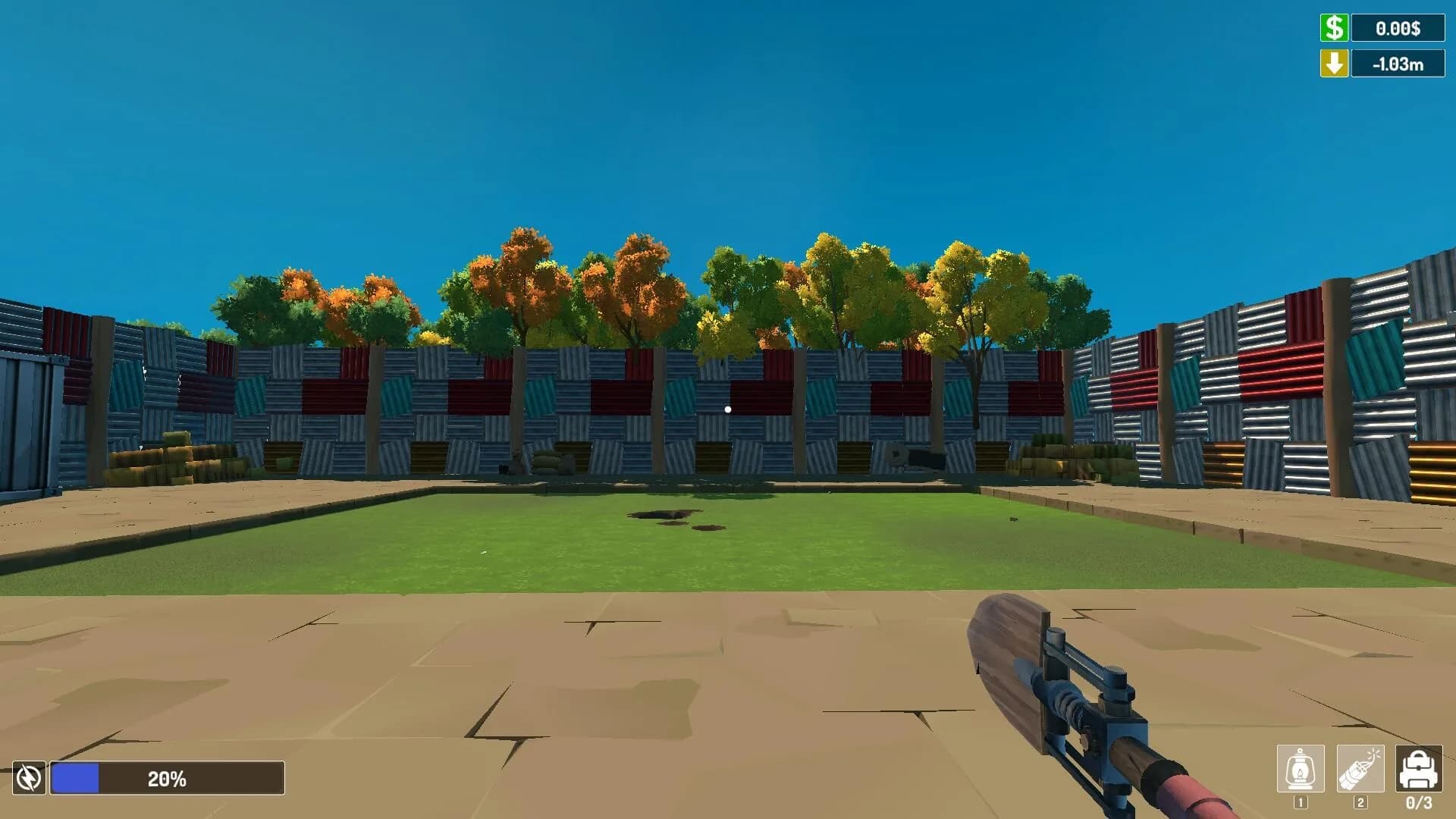
Do you climb out cautiously or always try the next layer? Confess on the InsertCoins Discord.