Guide
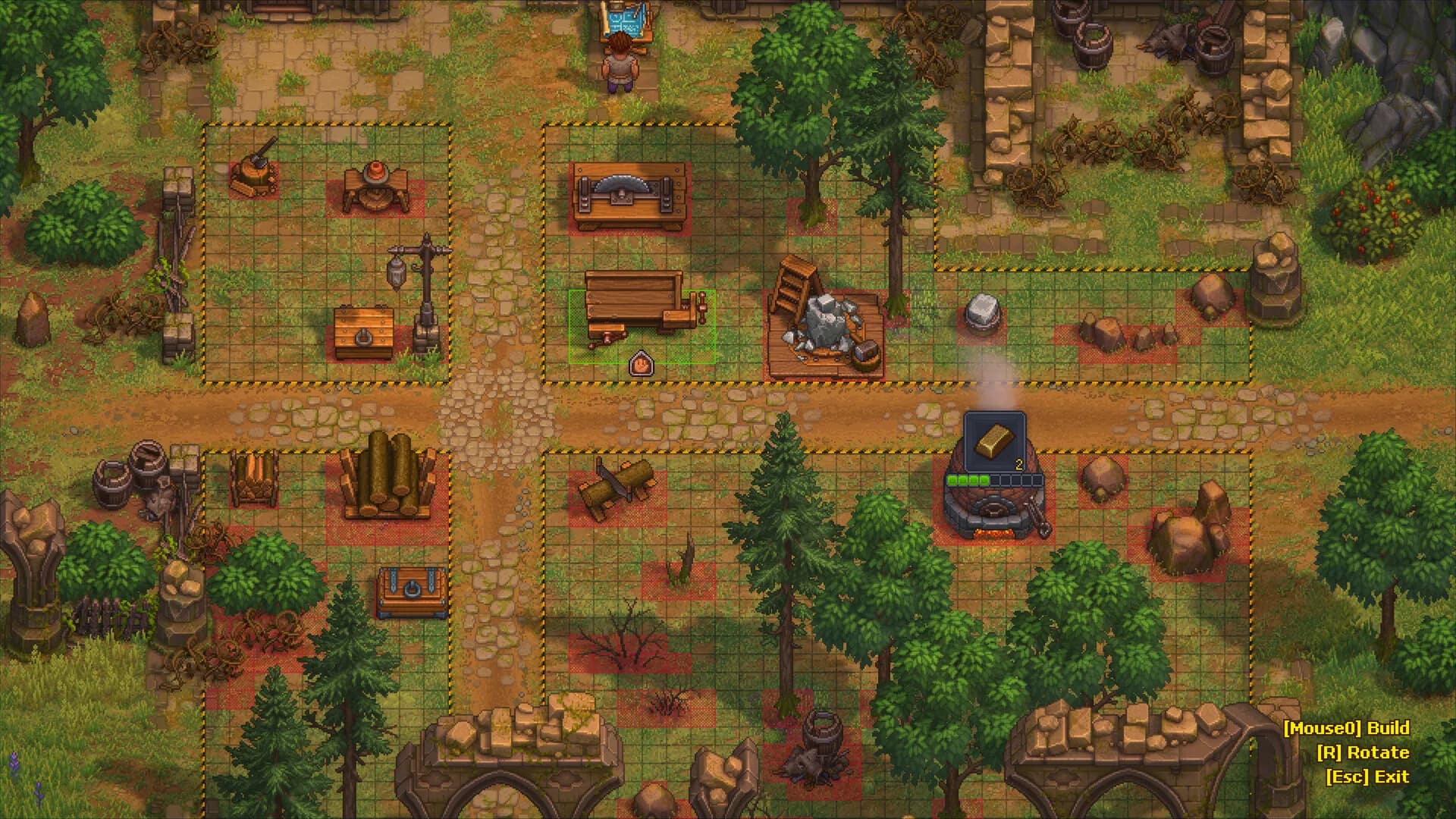
Graveyard Keeper 2 guide: what to automate first, and what to build before the first wave
Graveyard before town, zombies before machines, and the rule that stops you losing three hours to a useless production chain.
Alexandrosse
12 min
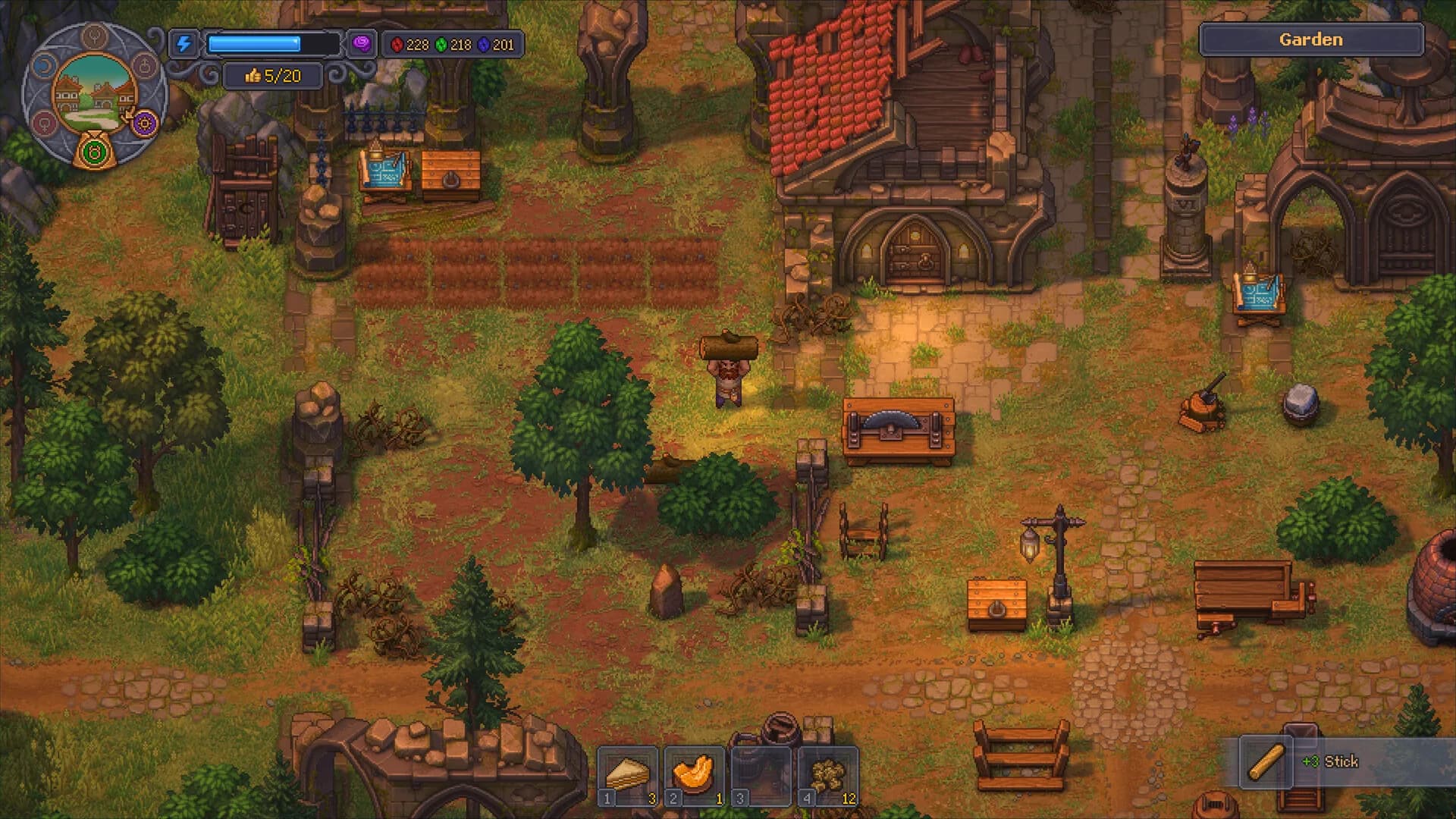
Eight years on, Lazy Bear makes its graveyard bigger, more automated and considerably better armed. And 91 per cent of players approve.
Alexandrosse
InsertCoins.press Score
8/10
Verdict
Recommended
The first Graveyard Keeper had a simple and perfectly repellent idea: what if you applied management game logic to a trade nobody wants to optimise.
You ran a medieval graveyard, you received corpses, and the game let you calculate coldly what was best done with them. Burying properly earns reputation. Removing certain parts before burial earns materials.
The second goes further, and the novelty is in the title: you are the Grand Inquisitor.
The foundation is still there, and that is reassuring.
You build and manage your medieval graveyard. You harvest whatever the land will give, flora, fauna and human remains, to build extraordinary machinery, automate production and expand the graveyard for one openly stated purpose: profit.
The humour is unchanged, that of a game describing grave robbery in the vocabulary of a corporate dashboard. The studio promises a world full of unhinged humour, grotesque characters and a twisted story, which is exactly what the series has done since 2018.
Three additions, and the first matters most.
Zombie-based automation. Your undead workers handle the heavy lifting behind the scenes while you do something else. The studio talks about transforming local efforts into a scalable and profitable operation, which is the finest press release sentence ever written to describe unpaid labour.
Substantively, it fixes the first game's main flaw: you spent a great deal of time doing the back and forth yourself. Here, the back and forth is delegated.
The army and the war. You lead your undead army into battle to save the kingdom from a zombie apocalypse. You build towers and fortifications, forge weapons and armour, arm and train troops the studio itself calls not-so-smart.
That is a genre graft, and it is the game's bet: attaching defence and combat to a morbid management sim.
And rebuilding the town. You help residents restore their homes and, I quote, turn their problems into revenue. You complete quests across the city while the zombies carry the load.
The game launched yesterday at 24.99 euros, developed by Lazy Bear Games and published by tinyBuild, and already shows 645 positive reviews out of 706, roughly 91 per cent.
For a heavily anticipated sequel that is an excellent start, and it matches what I see: the formula is intact, automation fixes the original's main chore, and the tone has lost nothing.
Two honest reservations.
The military graft needs judging over time. Adding base defence to a management game is a classic gamble, and it fails as often as it works. Across the first hours it works because the fiction motivates it. Whether it holds up twenty hours later remains to be seen.
And it is a dense game that explains little. Like the first, it leaves you to discover its production chains by trial and error, which is a pleasure for some and a wall for others.
We have written a guide to getting started, particularly on the order in which to automate and on what to build before the first wave.
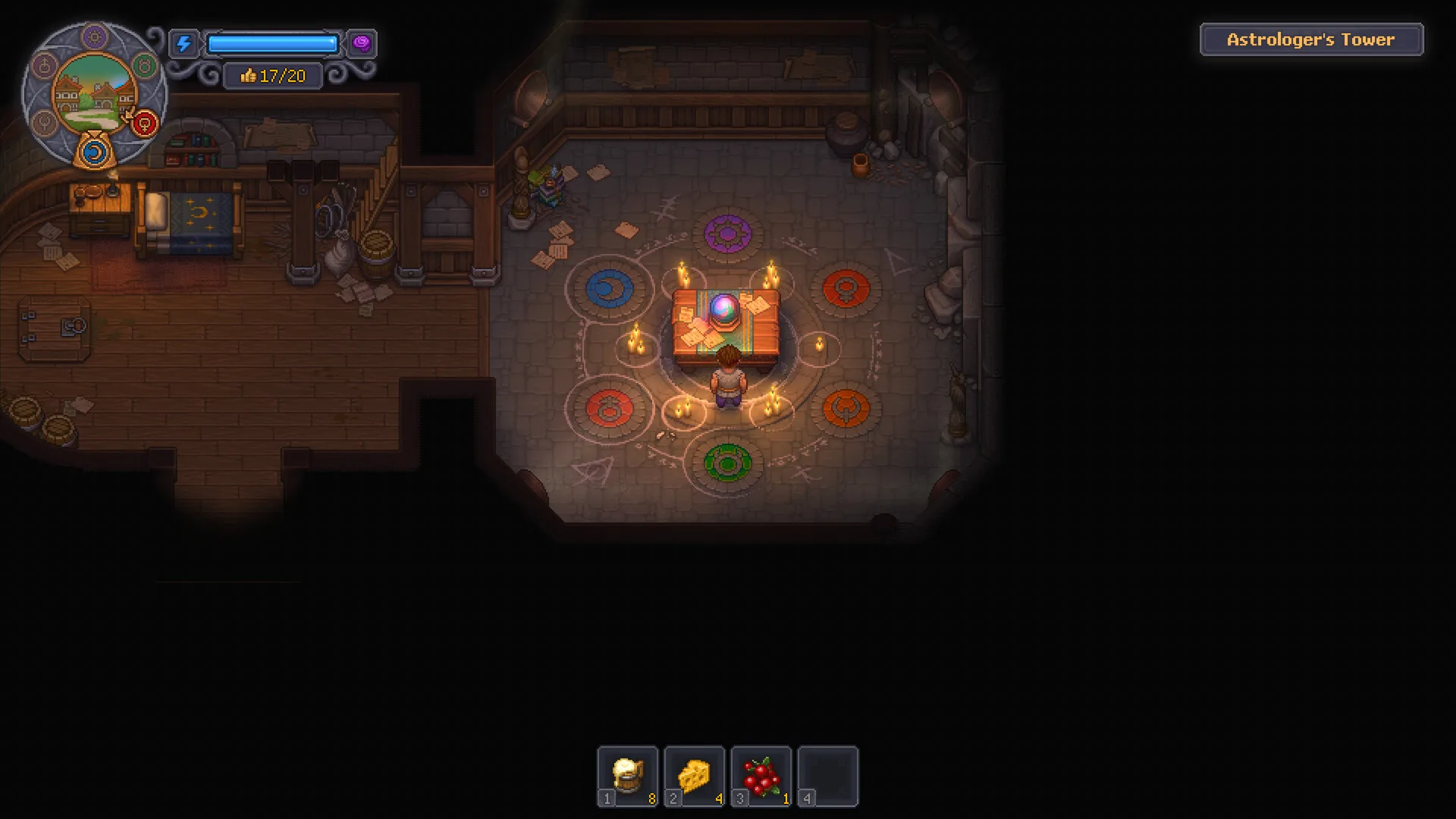
How many clients did you bury properly before cracking? We judge nobody on the InsertCoins Discord.
Community
Your rating
Advertisement
Loading comments...
You might also like
Graveyard before town, zombies before machines, and the rule that stops you losing three hours to a useless production chain.
A 3D air traffic control simulator with real procedures, varied pilot accents and a price that raises questions.
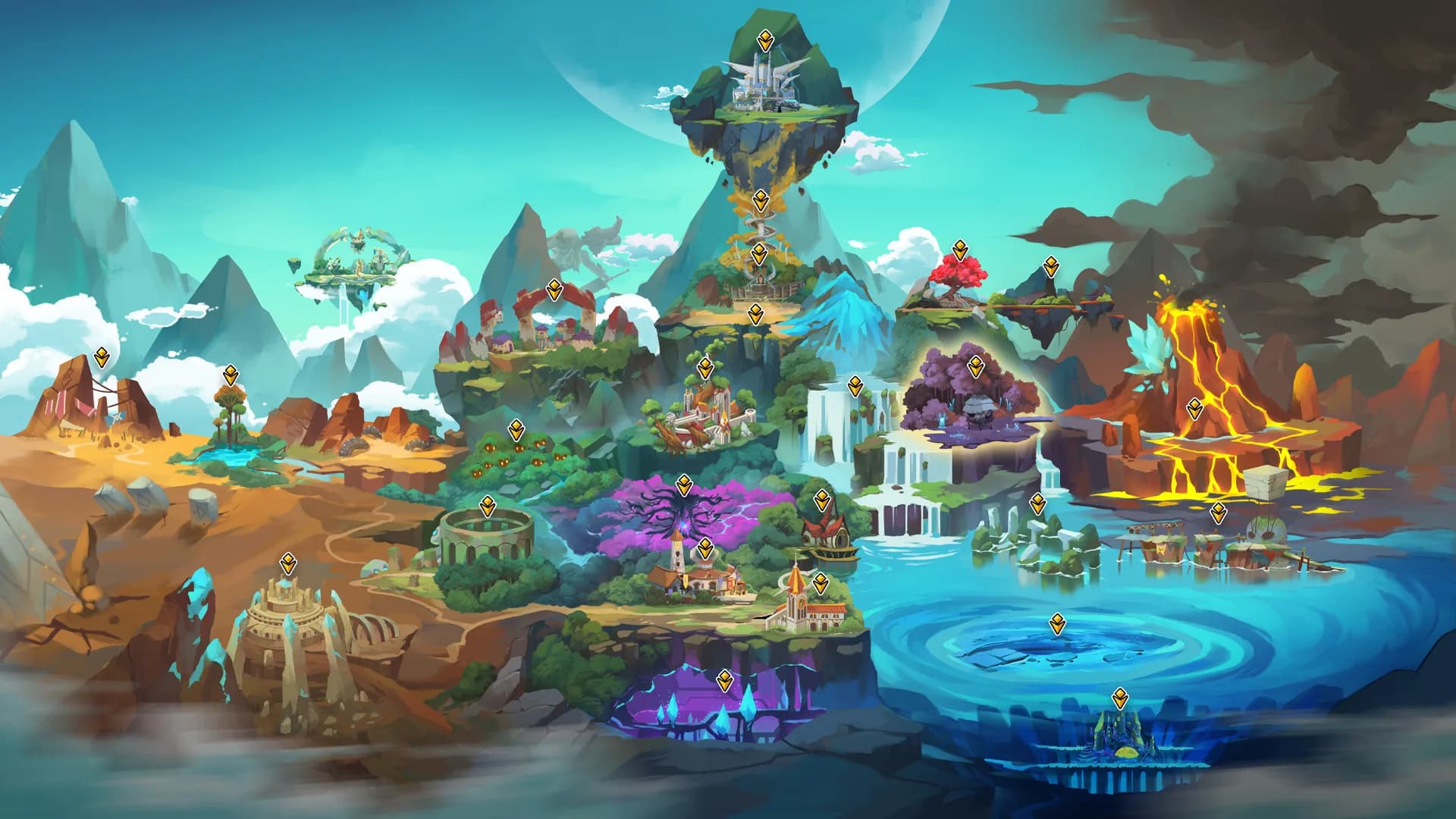
The hand-drawn metroidvania keeps its pushed-back date. And the optimisation that caused the delay went to a known specialist.
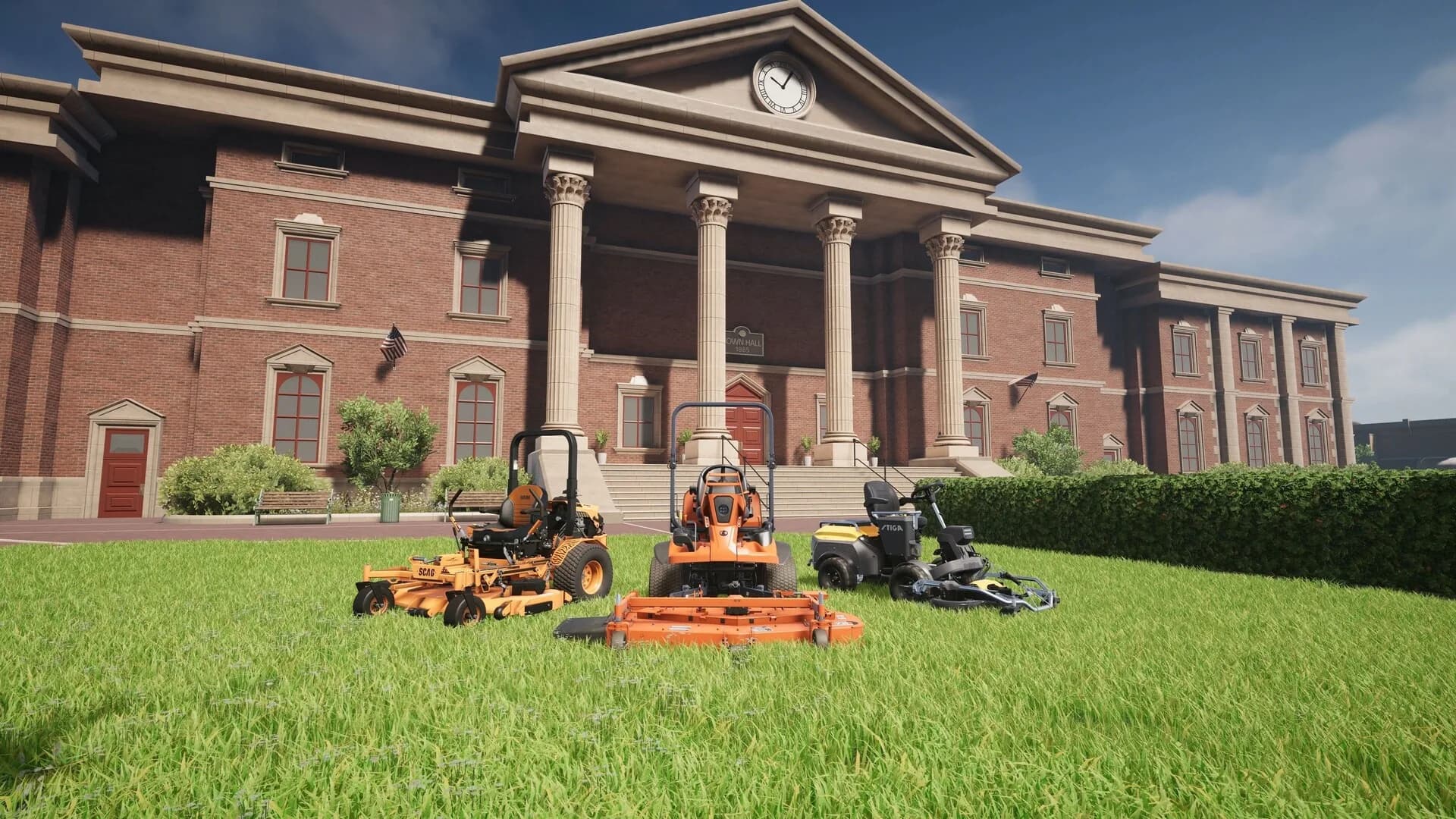
Off to the USA, with eleven locations, licensed equipment and a 3D headquarters. Some people put a thousand hours into the first one.