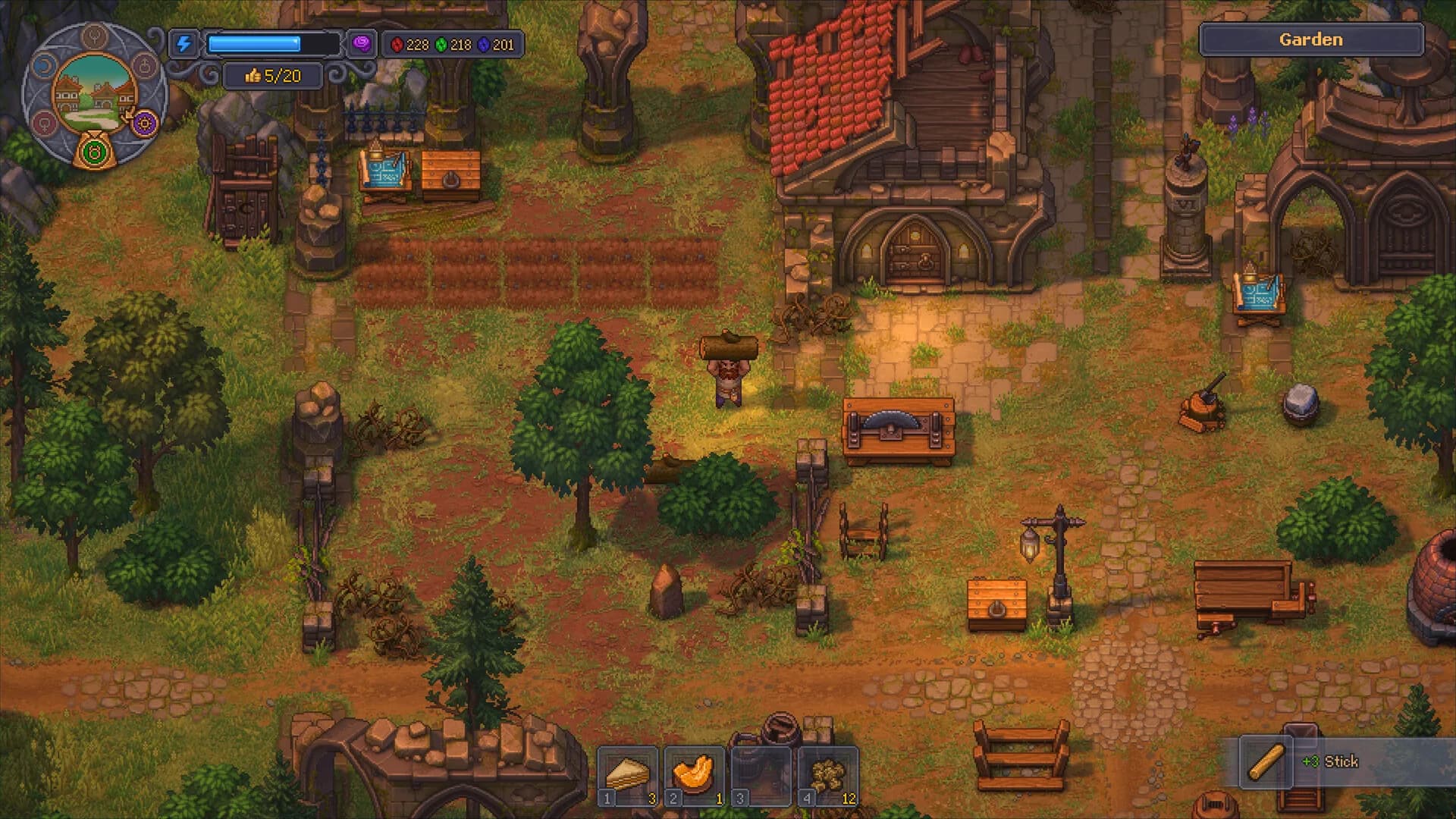
Graveyard Keeper 2 inherits a flaw from its elder: it does not tell you what matters. It hands you a graveyard, a town, an army, and leaves you to work out the order.
Here is the order that works. Our full review is here.
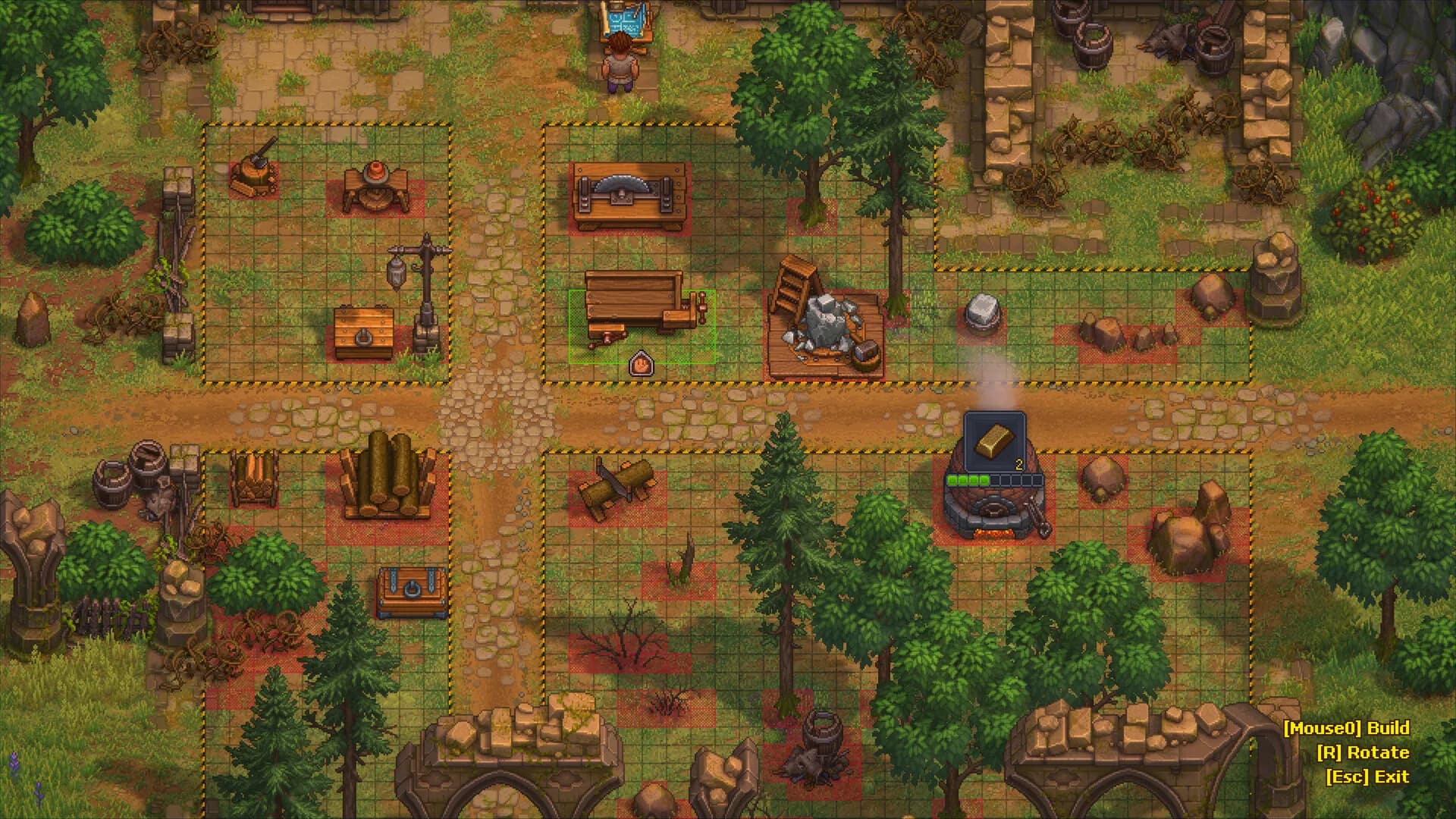
In this series, your scarce resource is not money, it is your travel time.
The first game got lost there: you spent whole days walking between the chapel, the workshop and the forest, and ended up building nothing.
The second provides the answer, and it is called zombies. Anything you can delegate must be delegated, as early as possible.
Hence this guide's governing principle: whenever you hesitate between unlocking a new production and automating an existing one, automate.
Do not touch the town, do not think about the army. The graveyard is your economic engine and it funds everything else.
Three priorities, in this order.
Stable burial quality. Your graves have a value, and that value drives your regular income. A graveyard filled carelessly plateaus very quickly.
A basic materials chain that runs without you. Wood and stone above all. They are the two resources you will consume permanently, so they are the first two to hand to the undead.
And storage. Automated production without storage stops on its own. It is the most frequent and most invisible mistake.
The natural reflex is to invest in extraordinary machinery as soon as you can. That is a scheduling error.
A machine with nobody to feed it forces you to make the trip yourself. A worker without a machine still makes the trip. Recruit the labour first, the equipment second.
And once your undead are working, resist spreading them everywhere. One zombie on a complete chain produces more than three zombies on three half-chains.
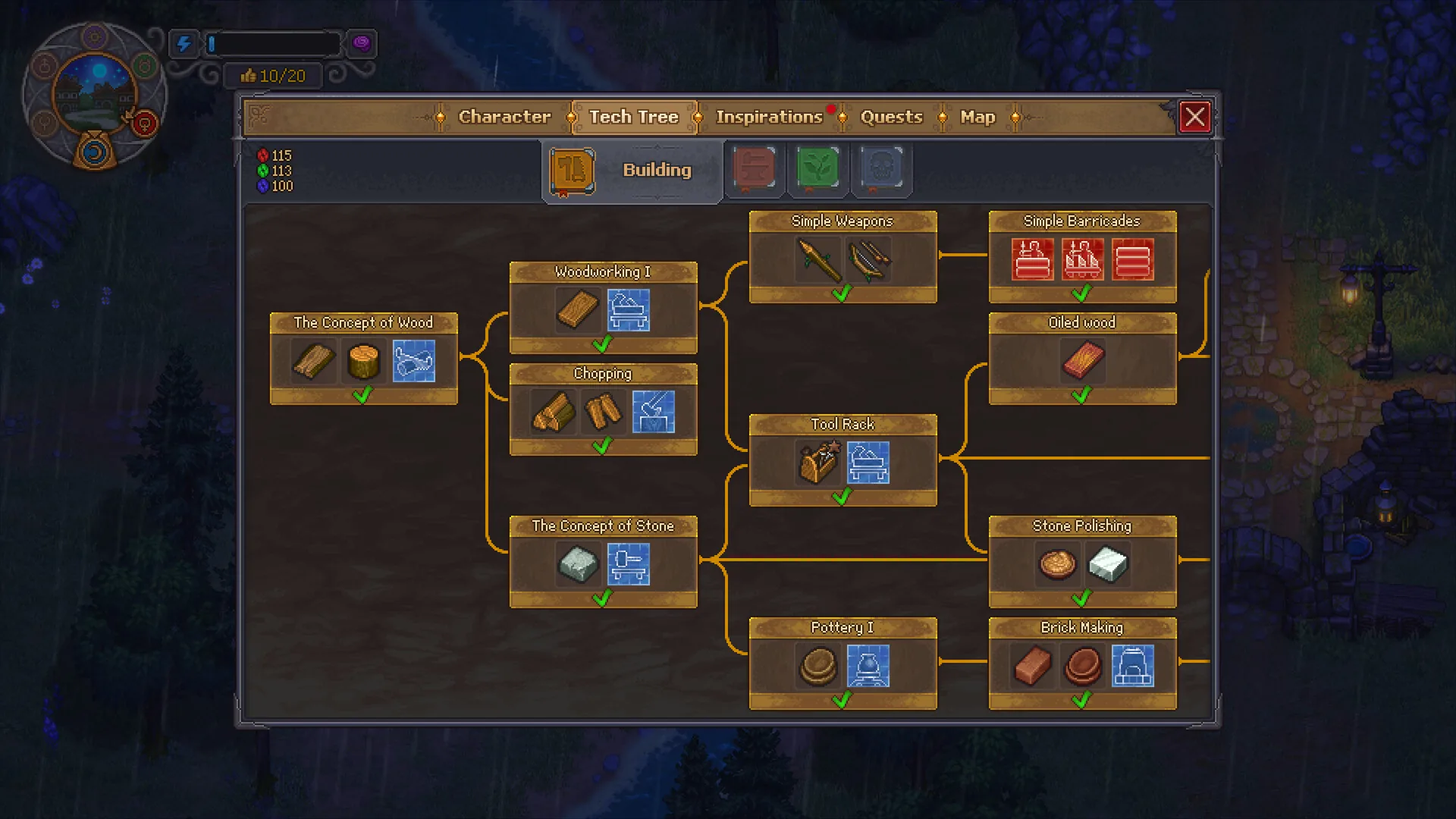
The residents have problems, and the game openly invites you to turn them into revenue.
Two tips.
Take the quests that point at resources you already produce. Accepting an order requiring a chain you do not have means committing to build a factory for a single delivery.
And restore first whatever unlocks services. A resident whose house is repaired is not merely a closed quest line, it is often a shop, an artisan or an option you were missing.
This is the game's real novelty, and it arrives sooner than you would think.
Before your first serious defence, make sure you have three things.
Fortifications on one axis. Do not fortify the whole perimeter, you cannot afford it early. Pick a chokepoint and make it solid.
Equipment on your troops, not numbers. The studio itself warns that your soldiers are not very smart. A small, well-armed group holds better than a disarmed crowd that gets lost.
And production that continues while you fight. That is where automation genuinely pays: a battle during which your economy stops is a battle you win at a loss.
Burying fast to clear the queue. A rushed burial lowers your graveyard's value lastingly. Better to keep a client waiting than to drag the average down.
Opening three worksites at once. One finished chain beats three half-built ones, because an incomplete chain produces nothing at all.
Forgetting storage. Again.
And going to war before your economy runs itself. The army consumes, it does not produce.
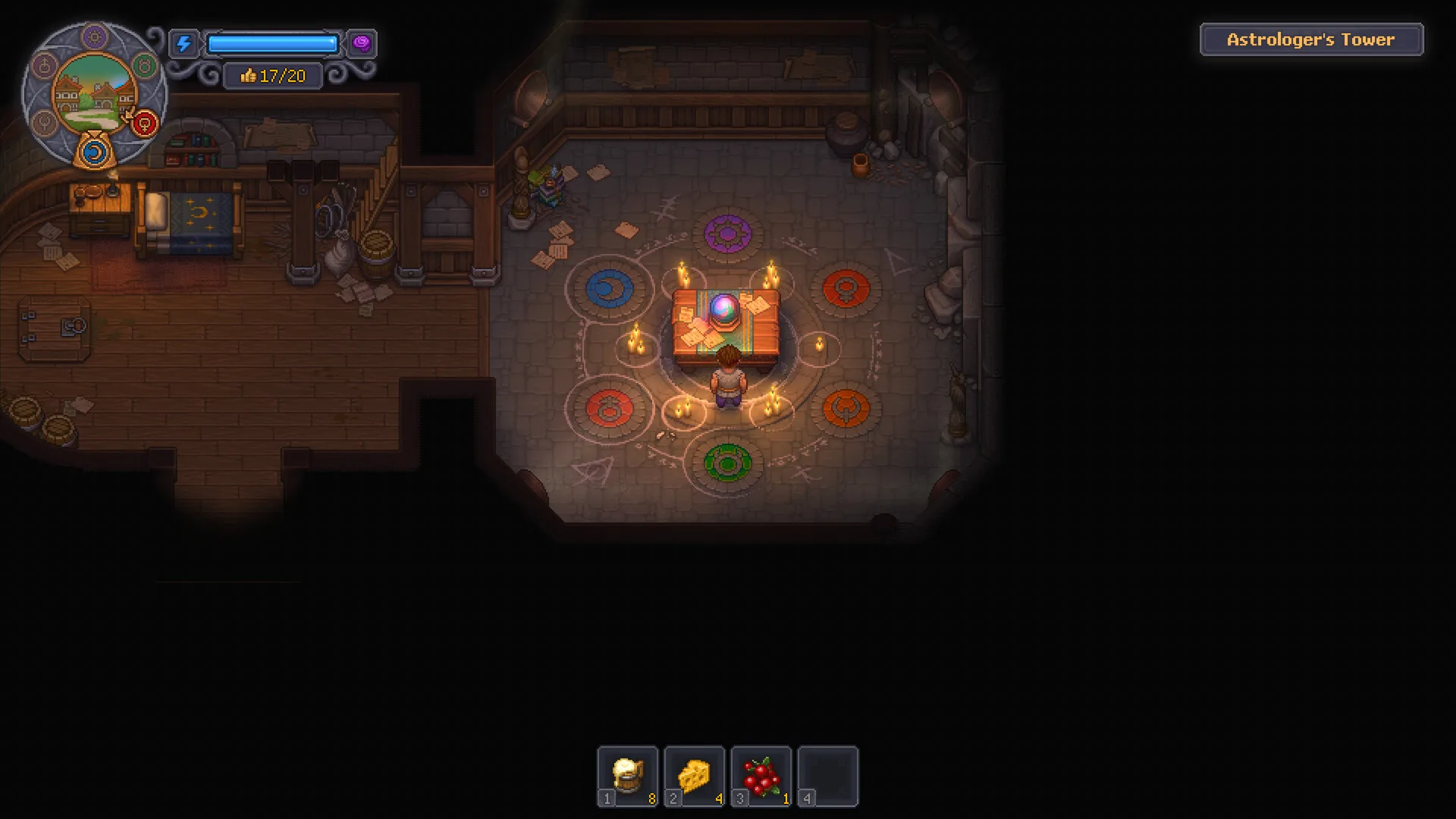
Graveyard first, zombies next, town after, army last. Automate before expanding. Store before producing. Fortify one axis rather than a whole perimeter.
And keep in mind what the game will not tell you: here, every minute spent carrying something yourself is a minute stolen from your empire.
Your most absurd production chain? We want to see it on the InsertCoins Discord.