Dossier
Paris Games Week 2026: who is coming, what you can play, and the evening not to miss
22 to 25 October, fifteen years of the show, Game of Roles at the Dome de Paris, and 300 square metres for French studios.
Alexandrosse
10 min

When a new Grand Theft Auto is announced, it isn't just another release on the calendar. It's a cultural event, a tipping point where video games stop being merely entertainment and become a social phenomenon once again.
Alexandrosse
When Grand Theft Auto VI is announced, it isn't just another release on the calendar. It's a cultural event, a tipping point where video games stop being merely entertainment and become a social phenomenon once again.
With GTA VI, Rockstar Games isn't just promising a game. The studio is already orchestrating something far larger: a worldwide anticipation, almost irrational, nourished by ten years of silence, rumours, and fantasies.

Since the release of Grand Theft Auto V, the industry has changed. Business models have evolved, technologies have advanced, but Rockstar has taken its time.
That silence didn't slow the anticipation, it amplified it.
Every leak, every image, every second of trailer is dissected, analysed, over-interpreted. GTA VI is no longer anticipated just for what it is, but for what it represents:
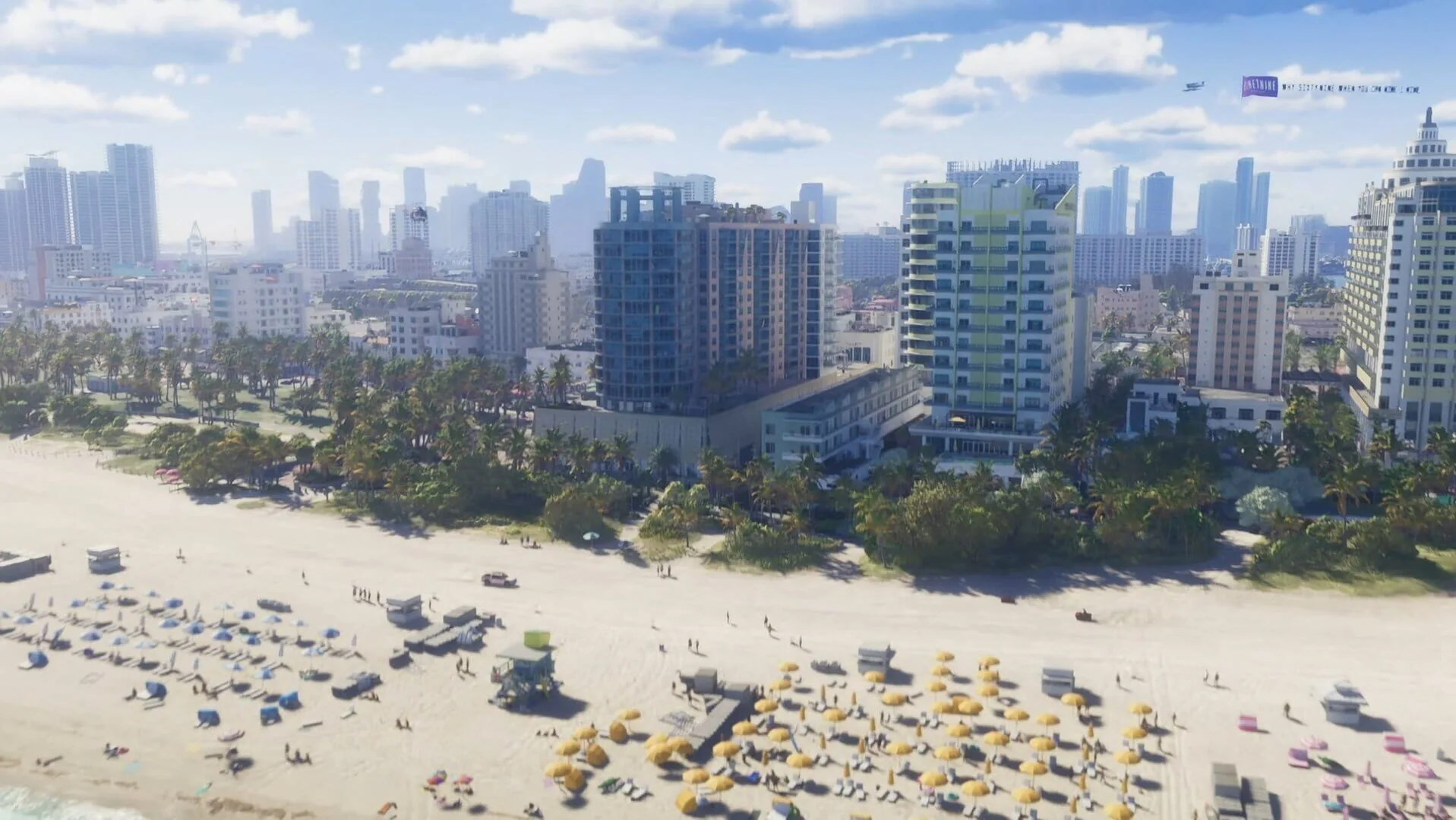
The choice to revisit Vice City is no accident. This fictional city, inspired by Miami, already carries a powerful imaginary: neon lights, excess, sunshine, and violence.
But GTA VI isn't content to recycle a backdrop. It seems to want to reinterpret it for the modern era:
This is no longer just an open world. It's an observed world.
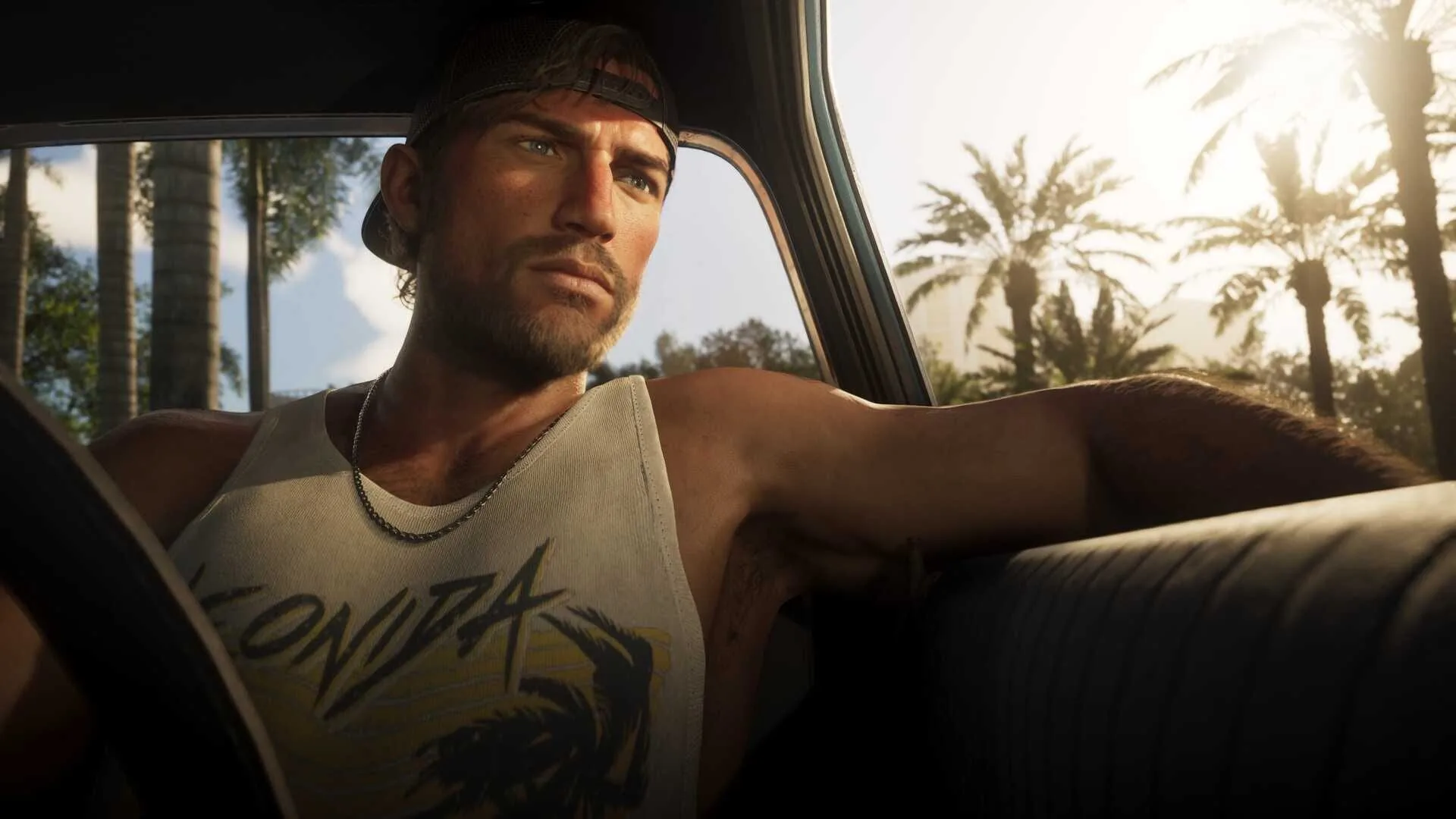
One of the major breaks comes from its protagonists, Lucia and Jason. Where the series has often put solitary male figures at the centre, GTA VI introduces a duo dynamic.
This choice is no accident. It opens the door to:
Rockstar seems to want to tell something other than the classic anti-hero rise. Perhaps a fall. Perhaps a mutual dependency. Perhaps a more frontal critique of the American illusion.
But behind the excitement, there is a more fragile reality.
GTA VI must be:
And at the same time, it must surprise.
That is the whole paradox: meeting expectations that have become almost impossible. Because GTA V isn't just a success, it's a monument. And surpassing a monument means risking disappointment, even in succeeding.
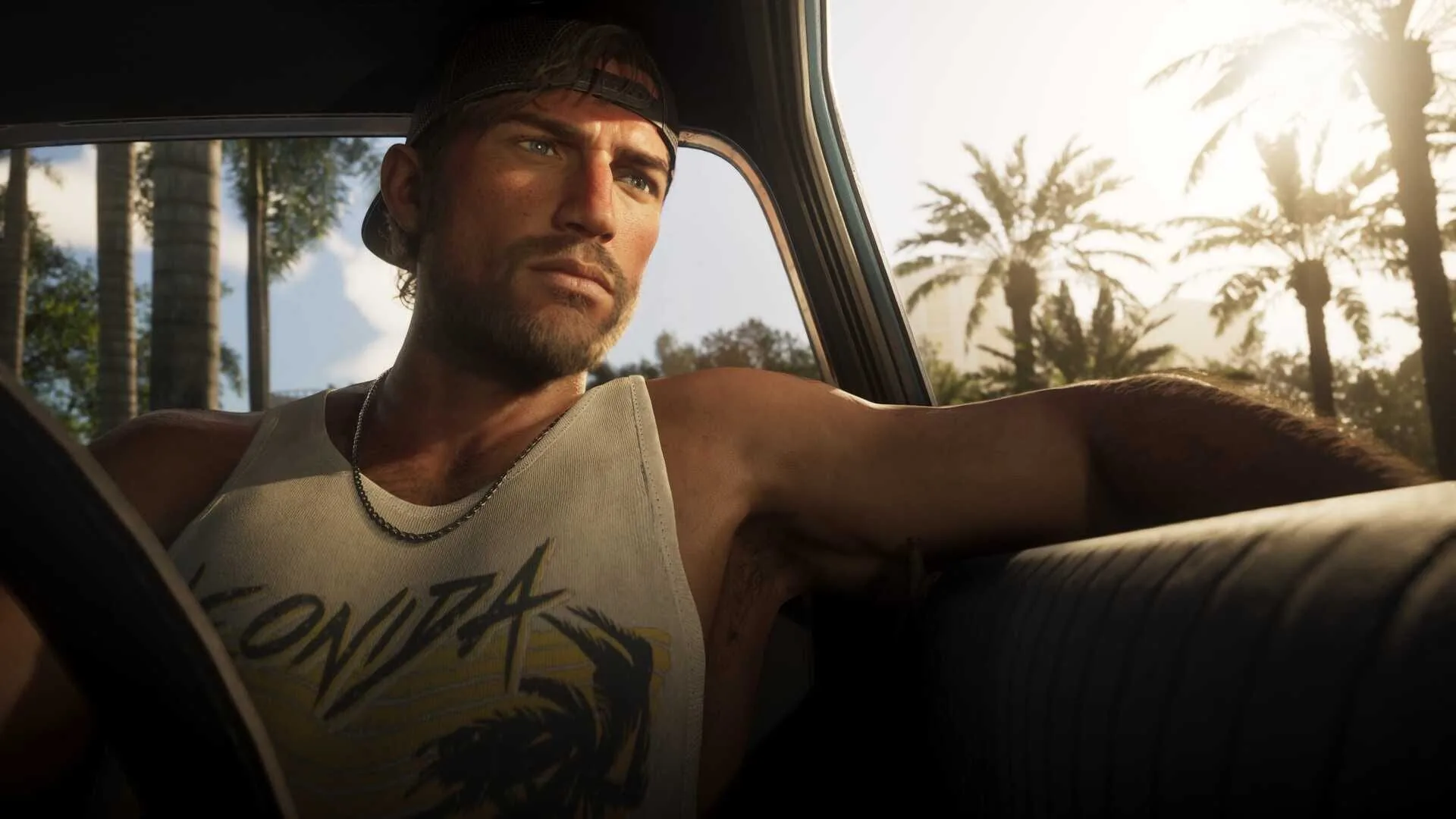
Few games have this power, but GTA VI is already influencing the entire industry:
Some studios are watching. Others are waiting. All of them know something is about to happen.
What makes GTA VI fascinating isn't only what it will be at launch. It's what it has already become.
A symbol.
Of an industry capable of producing gigantic works, but also a prisoner of its own expectations. Of a public that hopes to be surprised, while wanting to rediscover what it already knows.
When GTA VI releases, it will be judged, compared, dissected. Some will be disappointed, others amazed.
But one thing is certain: for a few weeks, or a few months, the video game world will revolve around it.
And deep down, perhaps that is the true power of Grand Theft Auto.
Does the subject speak to you? We go into it at length on the InsertCoins Discord.
Community
Your rating
Loading comments...
You might also like
22 to 25 October, fifteen years of the show, Game of Roles at the Dome de Paris, and 300 square metres for French studios.
Six sales running, over 700 games, and only one that expires tomorrow morning. Our sort, with the prices worth taking and the ones that are not.
Eight months, 288 reviews, an average of 7.03. Here is what that says, and voting is open in four categories including the hall of shame.