Guide
Inferno Protocol guide: marking, reading the walls, and knowing when to inject anything you find
Marking discipline, maps that lie, unlabelled syringes and looting after dark. Everything to know before your first descent.
Alexandrosse
14 min
A maze that moves, syringes with no label, and messages left by people who are not around to answer. Up to six players.
Alexandrosse
InsertCoins.press Score
7.5/10
Verdict
Recommended
There is one thing we have done without thinking in every game for forty years: we learn the level. We memorise the corridor, we know the room on the right holds healing, we find our way back.
Inferno Protocol takes that away in the first hour, and it never gives it back.
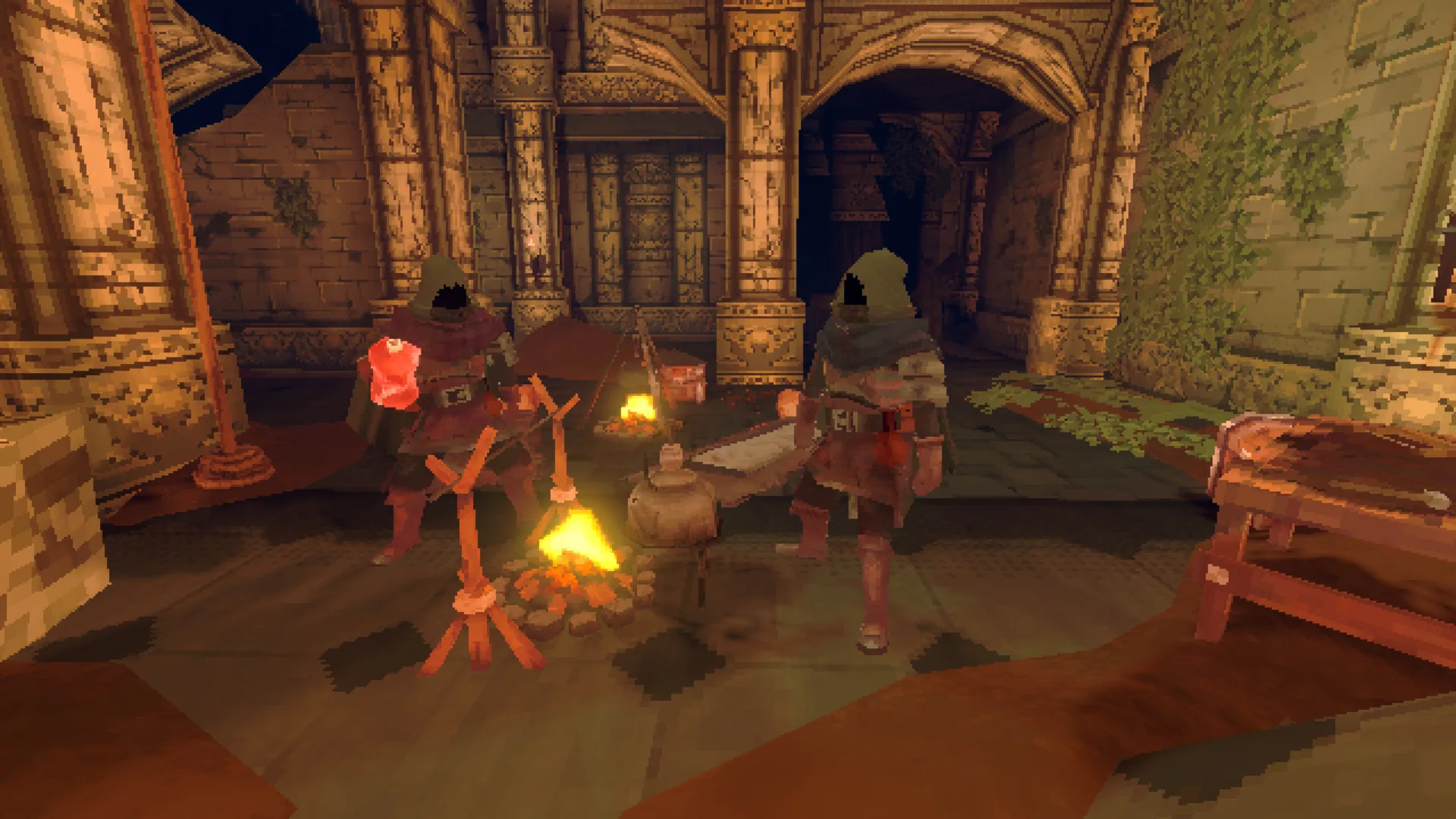
The maze does not stay still. This is not a map generated once at launch, it is a place that reorganises itself while you are inside it. The corridor you came from will not be the one you leave by.
So you do what any sensible person would. You mark it. You spray the walls, you chalk the floor, you abandon objects at junctions so you can recognise them later. The studio sums it up in a line I think is exactly right: your memory is your map, your marks are your guide.
The first time you come back to a mark you left yourself and find it no longer leads anywhere, something happens. It is not fear in the jump-scare sense. It is duller, closer to vertigo: the certainty that you cannot trust your own method.
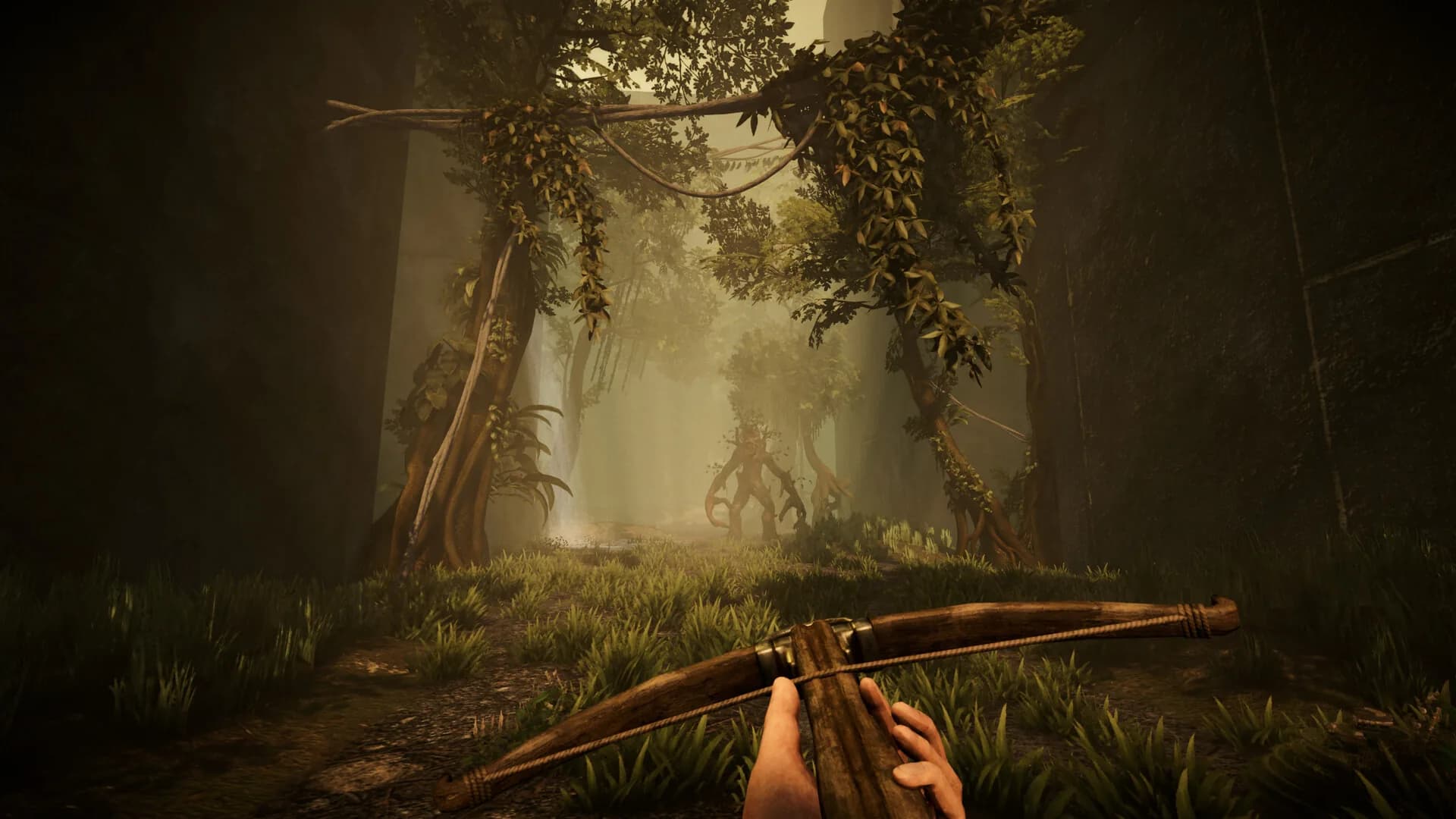
And it is not only corridors. The maze gives way to forests, deserts, frozen halls, places that have no business being underground. You end up unsure whether you are descending or crossing.
Here is the idea I find most vicious, and most intelligent.
You find old hand-drawn maps in the maze. They are precious. Except the game warns you up front that some of them lie, and that you have to work out which.
Take the measure of what that does. In any other game, finding a map is a relief. Here it is a decision. You do not know whether the document in your hands is a gift or a trap set by somebody who is no longer around.
There is a compass, too. It helps, the studio says, until it does not.
This is the layer that moved me most, and it costs almost nothing to produce.
You are not the first one down here. On the walls there are notes, scratched-out warnings, sketches. Most of it is scrawled panic. Some of it is useful. A few point to syringes, a few point to exits, a few mark things to stay away from.
And the studio adds the line that gives all of it weight: whoever left them is not around to ask.
That is precisely what you are doing when you chalk a wall. You are writing for your future self, and there is a decent chance somebody else will be the one reading.
There are inhabitants. Not many.
A settlement at the centre lets you farm, build walls and craft. Around it, smaller camps survive in the corridors. Some will talk. Some will trade. And the studio warns that some will not wait for you to draw first, which is enough to make every encounter uncomfortable.
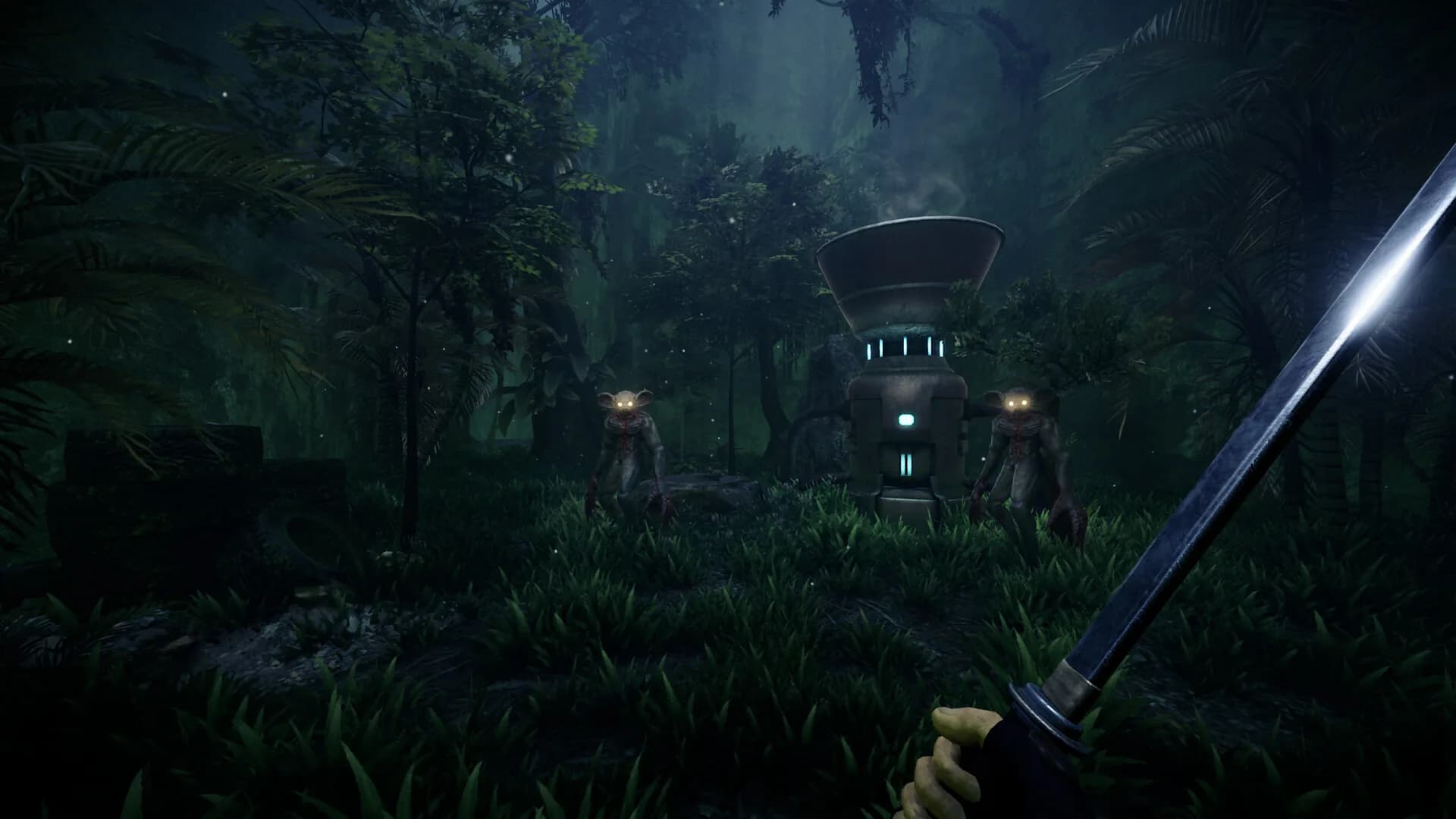
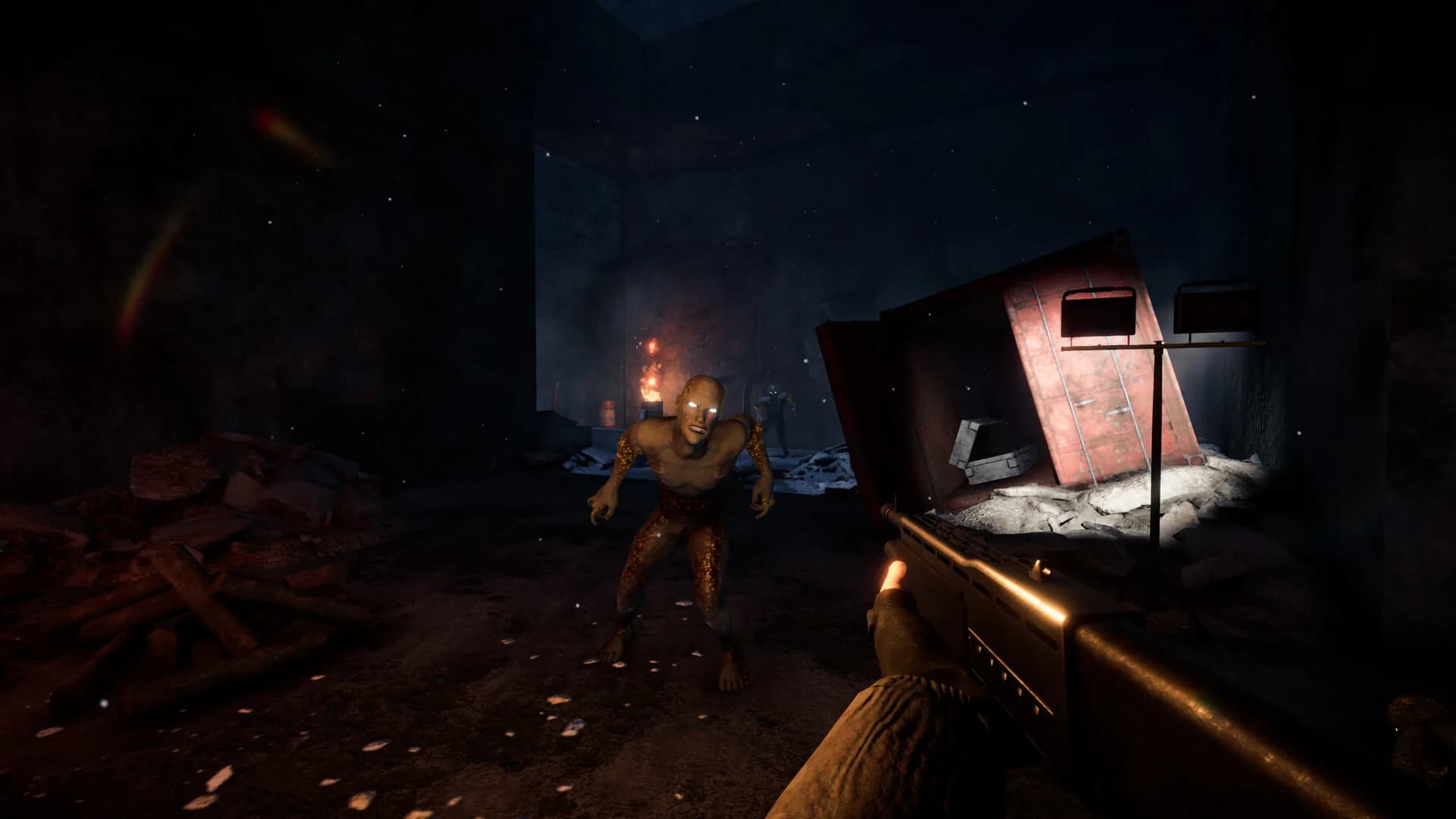
On the creature side, the bestiary filled out over the summer. There are the undead, a trash eater with crocodile manners and a wonderful quirk, since it explodes if you feed it dynamite or a grenade. And there is the giant rat, which stalks, attacks, and above all grabs: it seizes you and holds on, and you have to break free.
Melee combat received a full overhaul in July, and you feel it. Blows produce a camera kick, a split-second freeze on impact, a trail on the blade. Enemies react to where you hit them, flinch when you interrupt their attack, and fall in the direction of the killing blow. These are not cosmetic details: they are what separates swinging into thin air from feeling that you landed something.
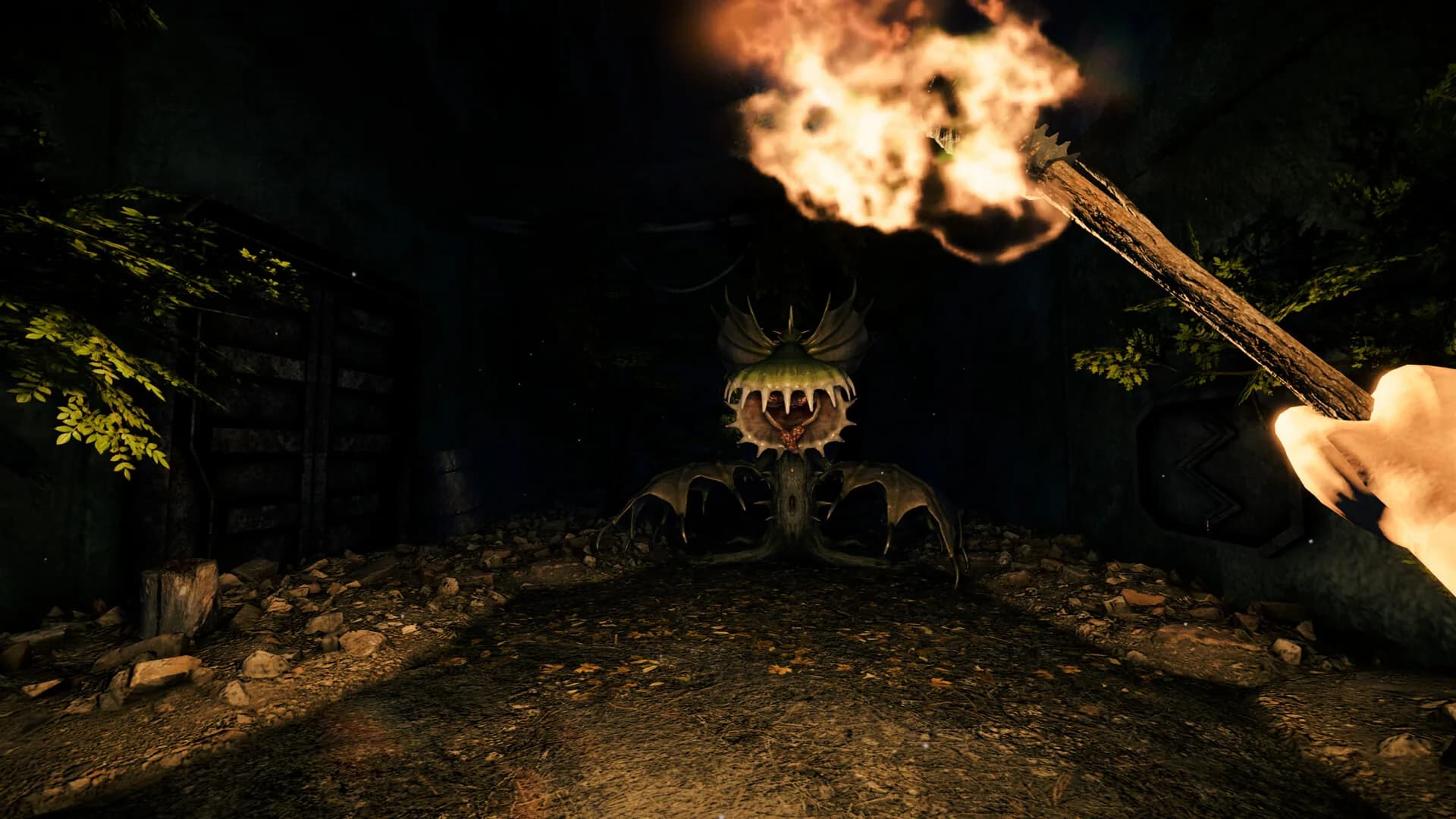
Resources are scarce. Scrap metal and frayed wires will not carry you far.
So you harvest what you kill. Bones, armour, flesh, organs. The studio does not dress it up: it is grim work, and the maze does not care.
There is something honest in that phrasing. Plenty of games have you butcher creatures and call it crafting. This one names the thing and leaves you with it.
The gameplay consequence is good too: because ammunition is short, the best weapon is not a weapon. It is traps, found or crafted, planted in a corridor before you back off and let the maze do the work. A horror game where the answer is often to walk away and wait is rarer than you would think.
We arrive at the heart of it.
You find injectors. The deeper you go, the more you need them. Some carry a label: dash, rage, night vision, double jump, extra health. Useful, legible things.
Others have no label at all.
And the studio writes this, which is the best line on its page and probably the game's entire thesis: those ones, you will use too, sooner or later.
It is a mechanic that encodes desperation. Nobody injects an unknown substance at the start of a run. You do it in hour four, when you are lost, wounded, out of everything, and a nameless vial is the only thing you have found in twenty minutes. The game does not need to force you: it only has to leave you in the dark long enough.
Add the opening line, which says you inject yourself with things that may save you or rewrite you, and you have the game's moral contract in one sentence.
This is the detail the store page does not lead with, and it transforms the experience.
The game supports up to six players, and it handles proximity chat as well as walkie-talkies.
You need to have played this kind of thing to understand what that produces. Proximity chat means your teammate's voice fades as they move away. In a maze that reorganises itself, it means you can hear somebody become inaudible without having moved, because the corridor between you shifted.
And the walkie-talkie becomes the last rope. A voice reaching you by radio when it no longer reaches you through the air is the kind of moment this type of game can only manufacture through its systems, never through a cutscene.
Three reservations, and they matter.
This is early access, starting today. The studio, Tektonic Interactive, is a small team, and it spent the summer folding in feedback from the Next Fest demo. That is a good sign for what follows, not a guarantee.
The demo came down on 27 August, so trying before buying is no longer an option. You will have to decide without hands-on.
And solo exists but is not the point. A game built on voice, shared disorientation and group panic gives far less alone. The studio puts it well in its demo announcement: the maze is survivable, but not alone.
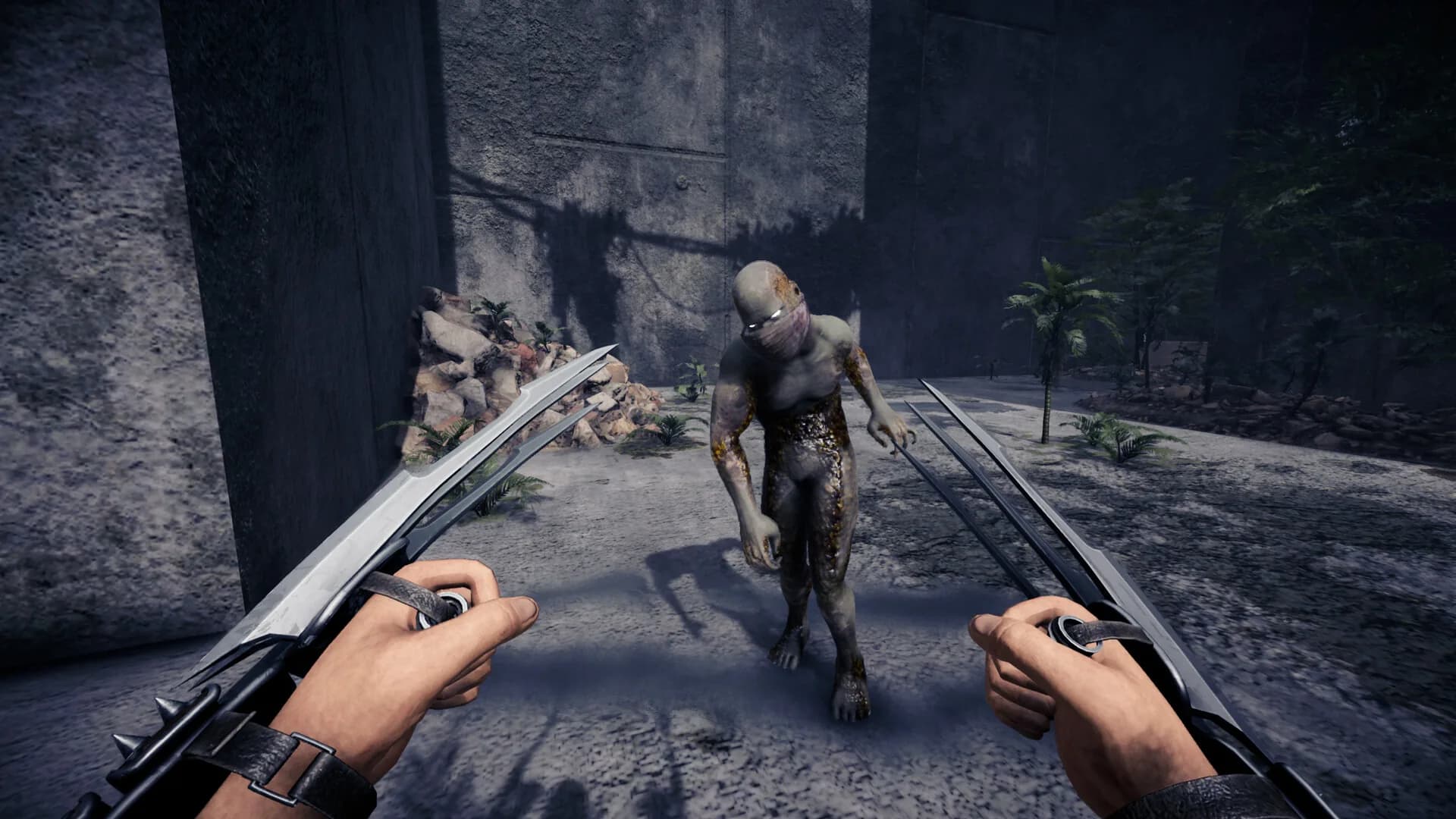
The best horror game is not the one that makes you jump, it is the one that makes you doubt your own methods.
What Inferno Protocol does is very simple to state and very hard to bear: it removes your ability to go back. All the skill accumulated across thirty years of video games, the memorising, the landmarking, the mental construction of a plan, becomes unusable. You are left with chalk marks and the word of the dead.
There is a moment, somewhere in the third or fourth hour, when you catch yourself checking a mark you have just left, purely to be sure it is still there. That is the precise moment the game has won.
And there is the other moment, when you look at an unlabelled syringe in your inventory and realise you have nothing else. The studio knew exactly what it was doing when it wrote that you would end up using it.
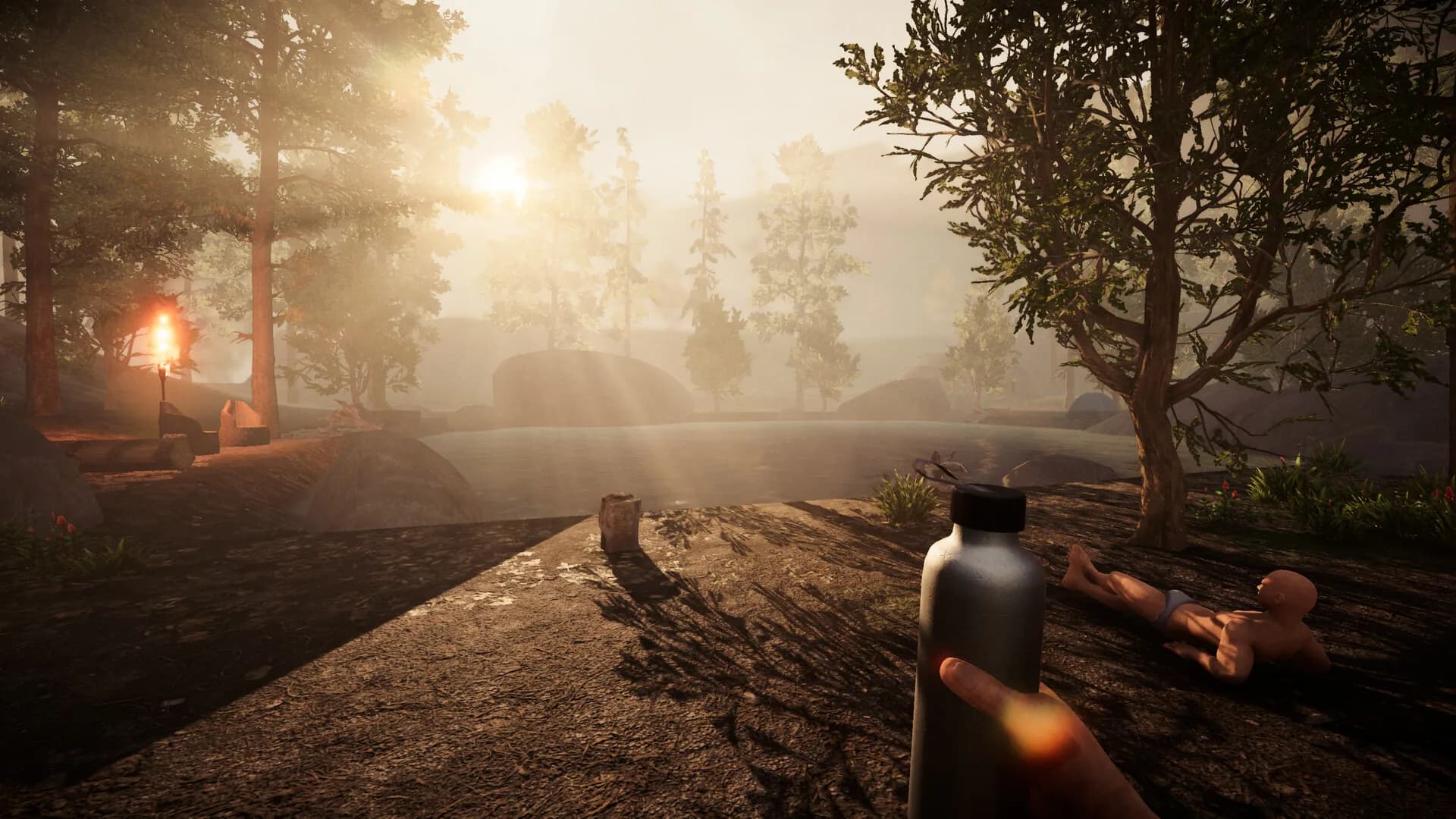
Do you chalk the walls or trust your memory? Come and compare methods on the InsertCoins Discord, while you still can.
Community
Your rating
Advertisement
Loading comments...
You might also like
Marking discipline, maps that lie, unlabelled syringes and looting after dark. Everything to know before your first descent.
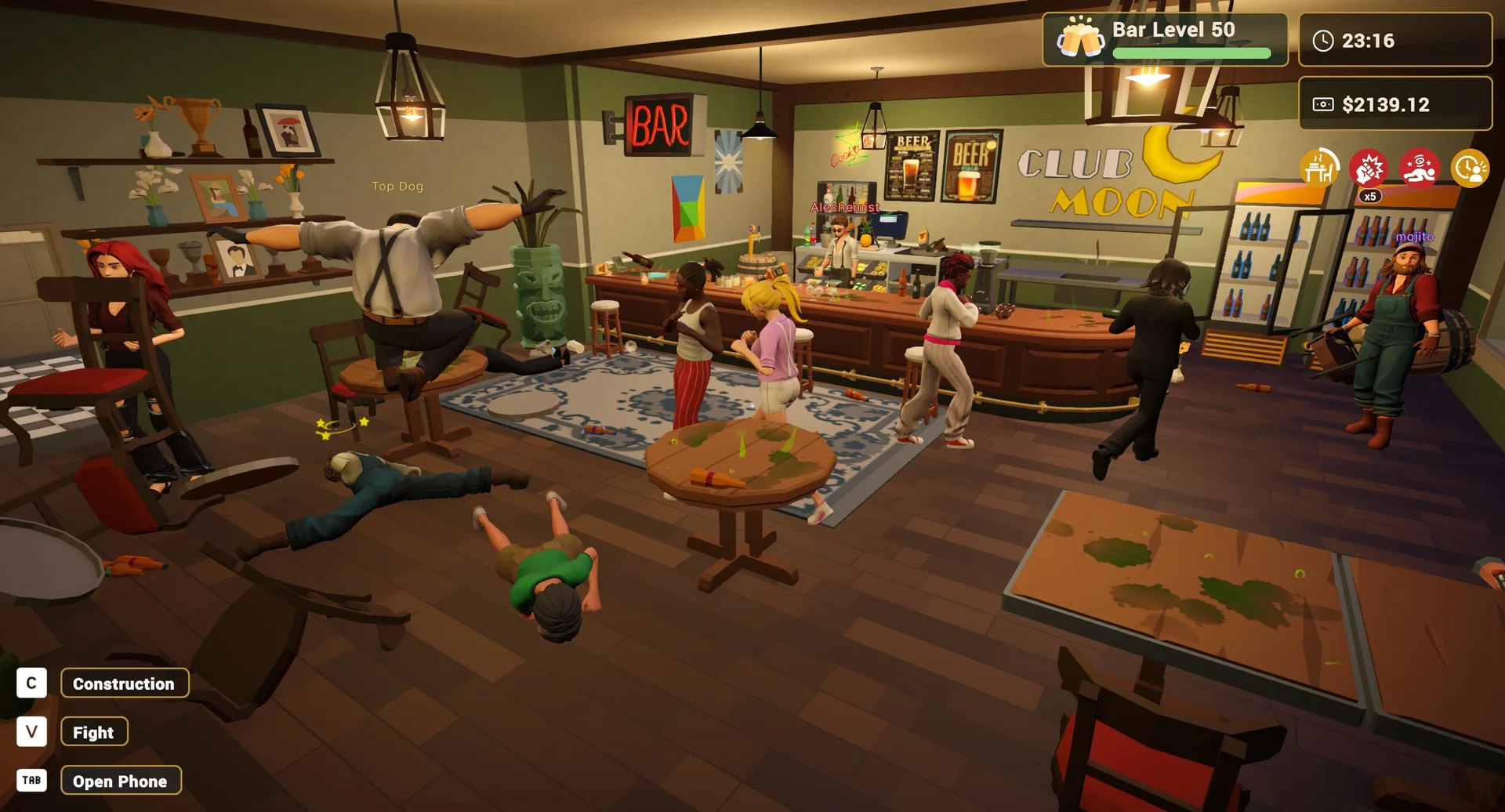
A co-op bar that collapses while you serve. 98 per cent positive, and one of the rare times chaos is the actual subject.
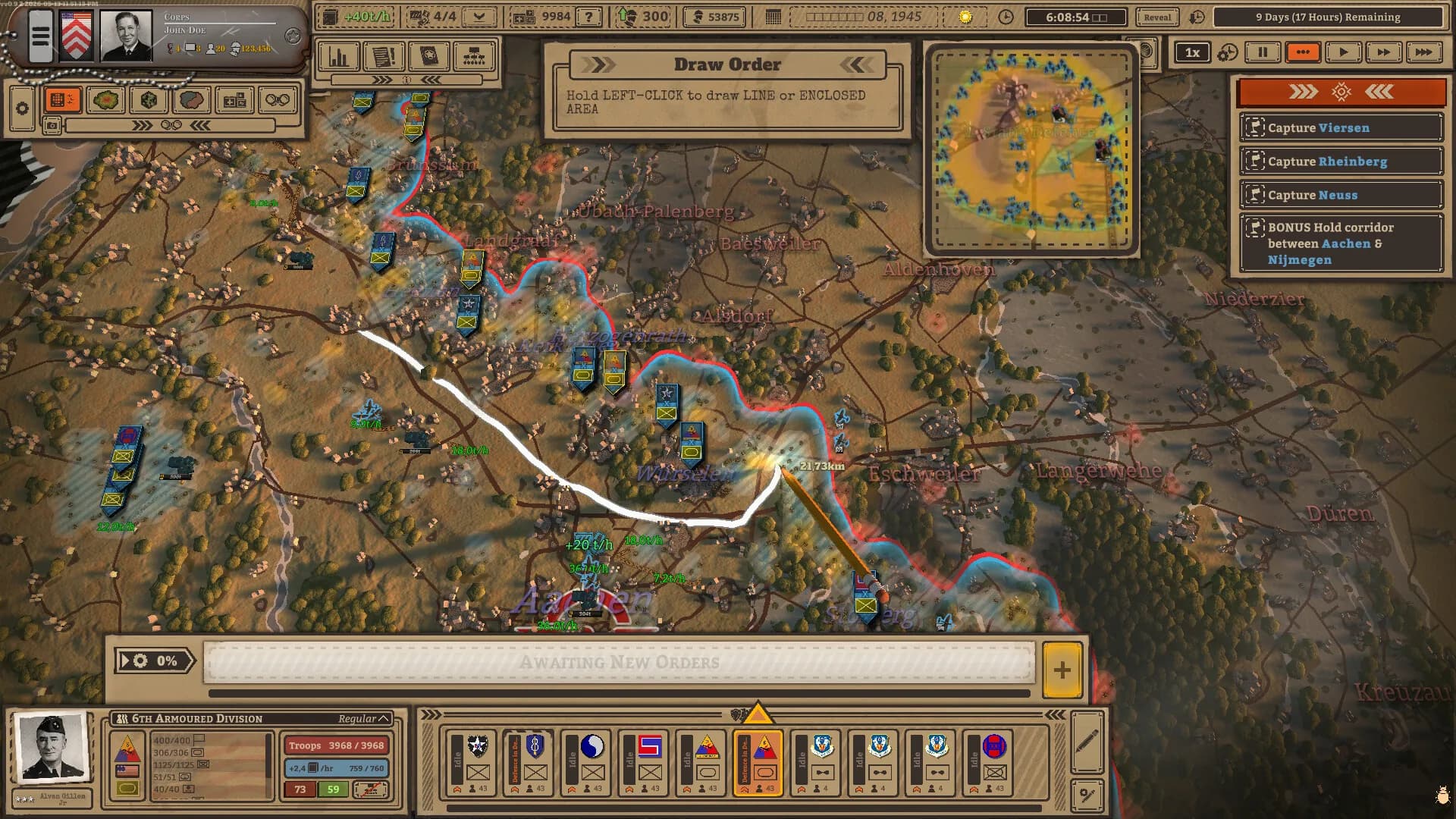
You draw a plan on the map and officers execute it alone. Except the game crashes every other planning phase.
The Knights of Pen & Paper team return with a dungeon where you come back to camp, cook, and unlock recipes that change your stats.