7.5
Test
Inferno Protocol: the corridor you came in through is not the one you will leave by
A maze that moves, syringes with no label, and messages left by people who are not around to answer. Up to six players.
Alexandrosse
12 min
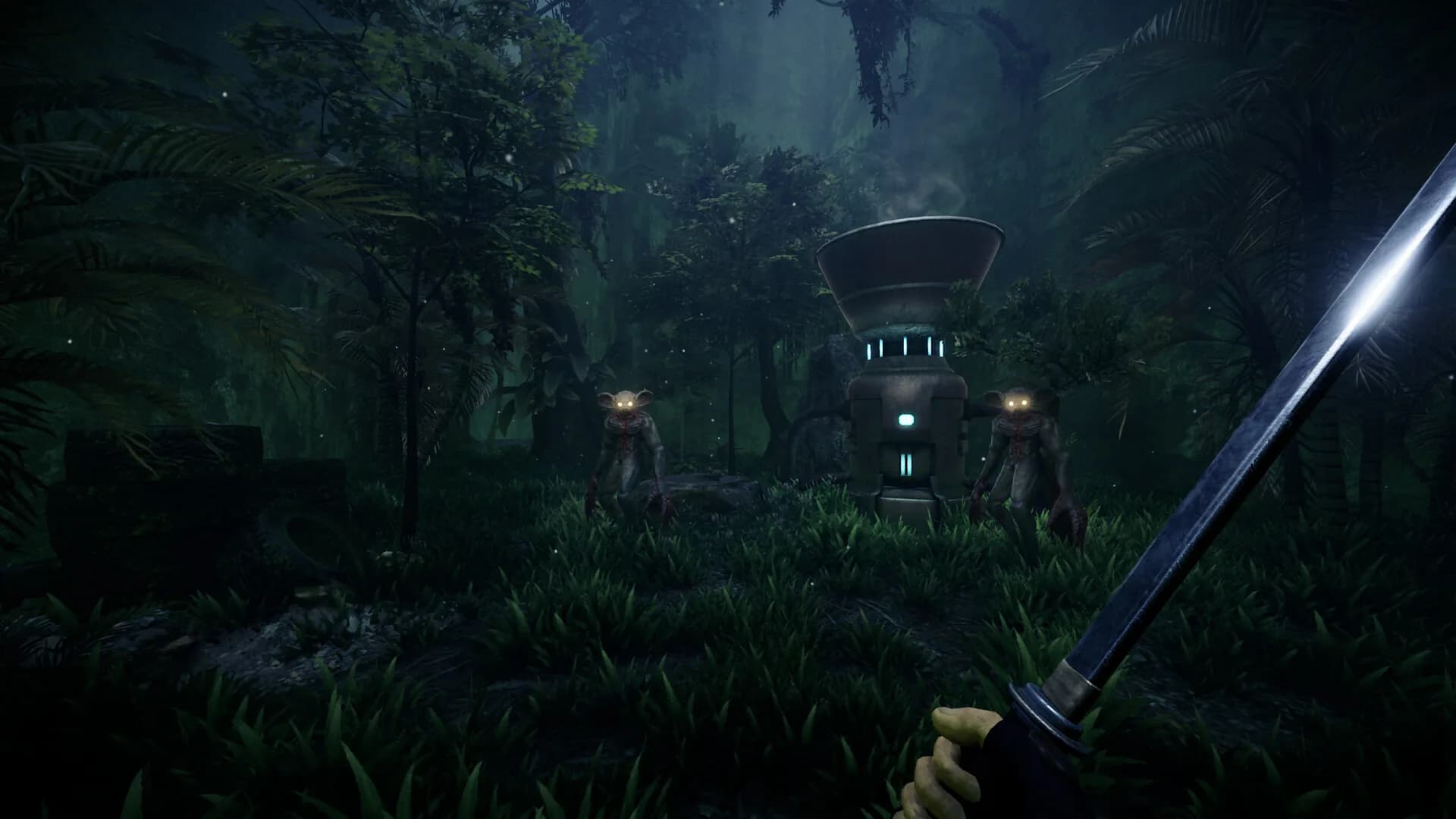
Marking discipline, maps that lie, unlabelled syringes and looting after dark. Everything to know before your first descent.
Alexandrosse
One clarification first: the game launches today in early access. So there is no community meta and no reference map, and for good reason, reference maps do not exist in this game.
This guide covers what will not change: the methods that stop you dying stupidly, and the decisions the maze will force on you regardless.
This is the mistake everyone makes on their first run. You explore for twenty minutes assuming you will find your way back, then you understand all at once that you will not.
Mark from the first corridor. Not when you are lost. Before.
You have three tools, and they do not do the same job.
Spray paint is your permanent marking. Reserve it for information that matters: a direction towards the settlement, an important junction, a danger. It reads from a distance and it lasts.
Chalk is your working marking. It records the route you are on right now, for this expedition. Quicker, more discreet, and you can leave a lot of it.
Dropped objects are your emergency marking. An item on the floor in an empty corridor is visible even when you are not looking at walls, and that is what saves you when you are running.
The single most valuable habit: adopt a code and stick to it. An arrow towards the settlement, a cross for a dead end, an agreed symbol for danger. A mark you can no longer interpret is worth no more than a bare wall, and in a group that goes double.
And remember the corridor can move. A mark that leads nowhere is not necessarily your mistake, sometimes it is simply the maze changing its mind.
You will find old hand-drawn maps. Some are false.
There is no way to authenticate one at a glance, so the only method is empirical.
Test a map on a short trip before trusting your life to it. If it correctly describes the two or three junctions nearest you, it has earned some credit. If it is wrong at the first, discard it, it will not improve with distance.
Never follow an unknown map on a long crossing, especially with a loaded inventory. The moment to discover a document lies is not when you are forty minutes from the settlement.
And cross-reference. Two maps agreeing about a sector are worth far more than one.
The compass helps, but the game warns it stops helping at times. Treat it as an indication, not a truth. When it starts talking nonsense, that is not a fault, it is information about where you are.
Advertisement
The notes left by others are not set dressing.
Most are scrawled panic, and you have to learn to skim past them fast. But some point to syringes, some point to exits, and some mark things to stay away from.
Take every warning seriously the first time. You have no way of knowing whether the person who wrote it was exaggerating or died thirty seconds later. The cost of ignoring a founded warning is infinitely higher than the cost of an unnecessary detour.
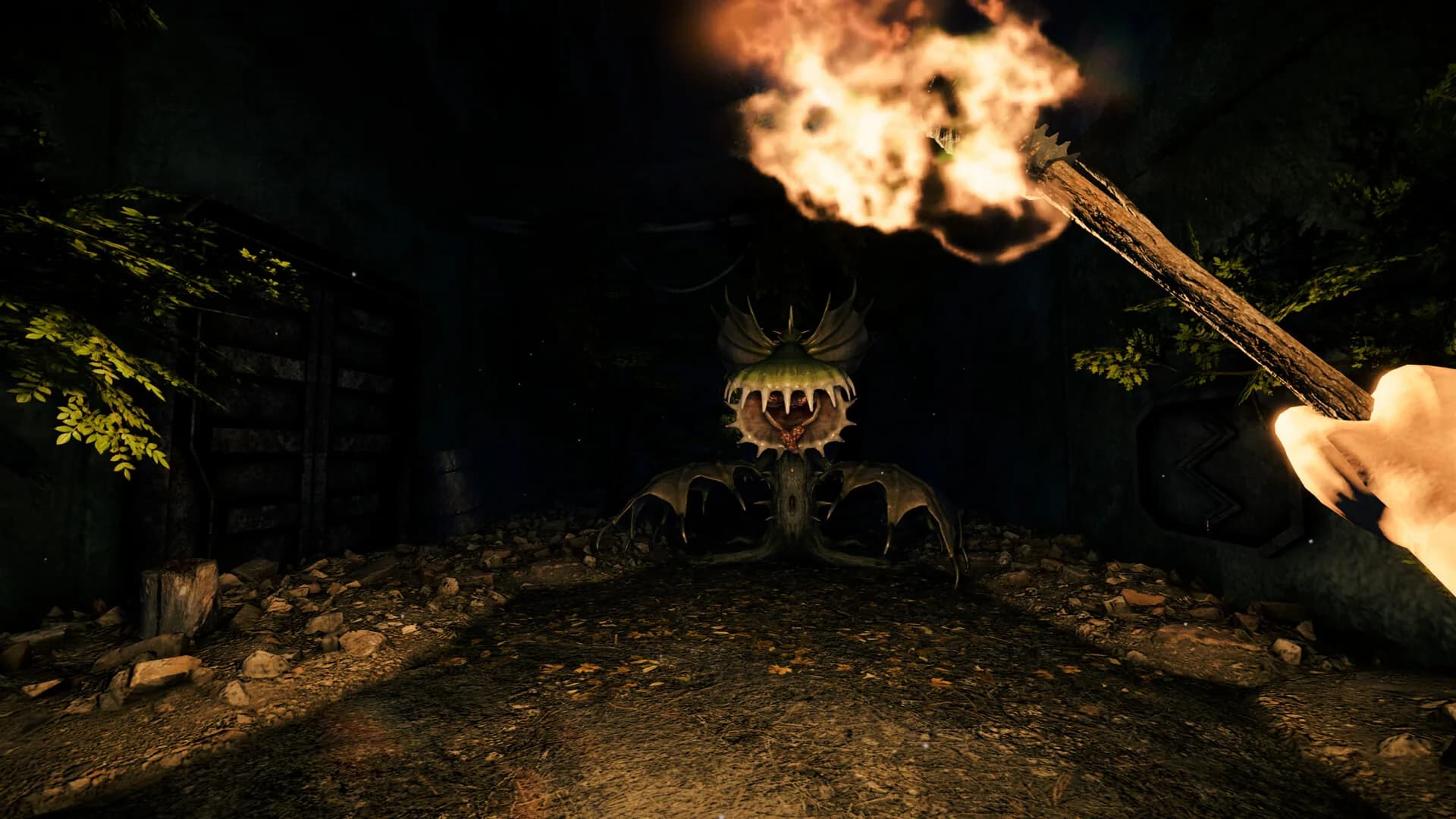
Here is the game's least intuitive trick, and probably its most profitable.
Certain interiors hold creatures during the day. Those creatures leave at night.
Which means the natural reflex is wrong. You want to explore in daylight and hole up after dark, as in almost every survival game. Here, night is when the buildings empty out.
The corollary is that night becomes dangerous outdoors for the same reason. You are trading one risk for another, and the right call depends on what you came for. To clear an interior you scouted the previous day, night is your window.
Ammunition is short and scrap metal disappears quickly. So abandon the idea of shooting everything that moves.
Traps are your best answer. You find them or craft them, plant them in a corridor, back off, and let it happen. In a game where running is often the correct decision, a trap converts a retreat into a gain.
Two techniques worth keeping:
The prepared corridor. Before entering a dangerous area, place your traps along your retreat route. You may never use them, and the day you need them you will not have time to set them.
The trash eater and explosives. This crocodile-mannered creature has an exploitable weakness: it explodes if you feed it dynamite or a grenade. It costs resources, considerably fewer than a straight fight.
Against the giant rat, prepare mentally for something else: it grabs and it holds. The useful reflex is not to hit harder, it is knowing you have to break free, and having a teammate close enough to intervene.
In melee, exploit what the July overhaul added: enemies flinch when you interrupt their attack. Striking at the right moment beats striking more often.
This is the game's most interesting system, and the easiest to play badly.
Labelled injectors are legible: dash, rage, night vision, double jump, extra health. You know what you are taking.
Unlabelled injectors are a gamble. The studio states you will end up using them, and it is right, but nothing obliges you to do it in the worst possible conditions.
My rule: test the unknown when you are safe, never when you are desperate.
That sounds counterintuitive, because instinct says to save the unknown for an emergency. That is exactly the wrong calculation. If the effect is good, you will have identified it and you will know that vial is worth hunting. If it is bad, you take the hit at the settlement rather than deep in a corridor with something approaching.
In other words, treat identification as a comfort expense, not a survival gamble.
The other principles:
Do not go deep without a reserve of labelled ones. The further you go, the more you will need them, and a descent without a safety net is a short descent.
Distribute across the group. Six players each carrying the same type of syringe is a team with five spares of one thing and none of another.
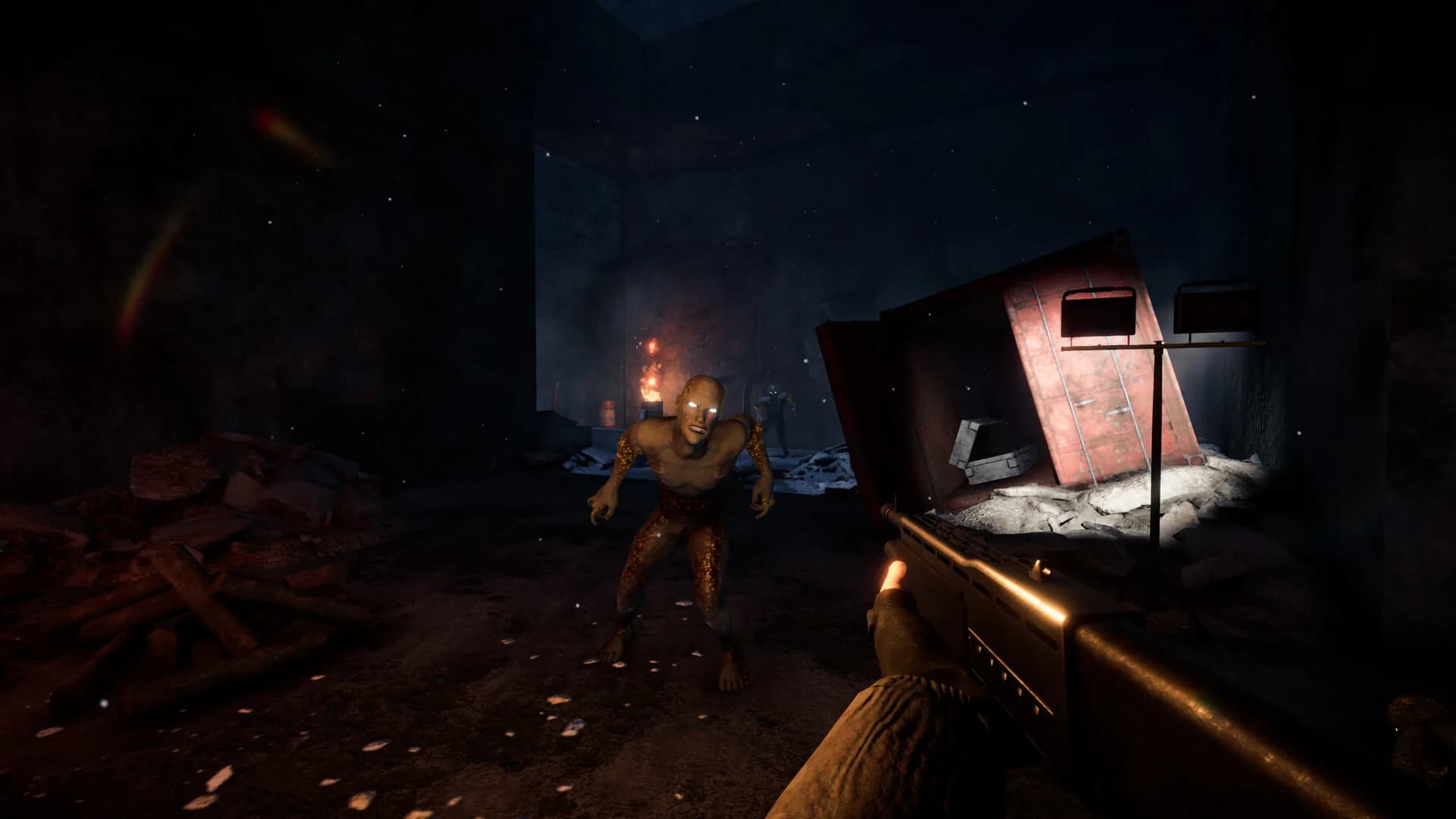
This is where the game gives its best, and where it turns chaotic if nobody organises.
Understand your two channels first. Proximity chat carries a short distance and fades as you separate. The walkie-talkie carries when your voice no longer does. The second is not a gadget, it is your safety line, and the habit of using it has to exist before you need it.
Do not split six ways. Two pairs and a trio work better than a swarm. Somebody must always be able to pick you up.
Appoint one marker. If everybody chalks walls in their own code, you get an illegible wall. One person marks, the others follow and confirm.
Announce your directions out loud. In a maze that moves, saying "I am going right at the chalked junction" beats any map, because it is the only information that is current.
And keep somebody near the settlement on deep runs. One player at the centre is a reliable rendezvous and somebody to prepare the gear for your return.
The central settlement lets you farm, build walls and craft. It is your only stable ground, and it deserves investment early rather than late: every descent improves if you have cooking and crafting waiting when you get back.
Around it, smaller camps survive in the corridors. Some talk, some trade. And the studio warns that some will not wait for you to draw first.
Approach any unknown camp as an encounter, not a point of interest. Put away what you can put away, move slowly, and do not arrive six-strong at a run. You do not have the resources to make enemies.
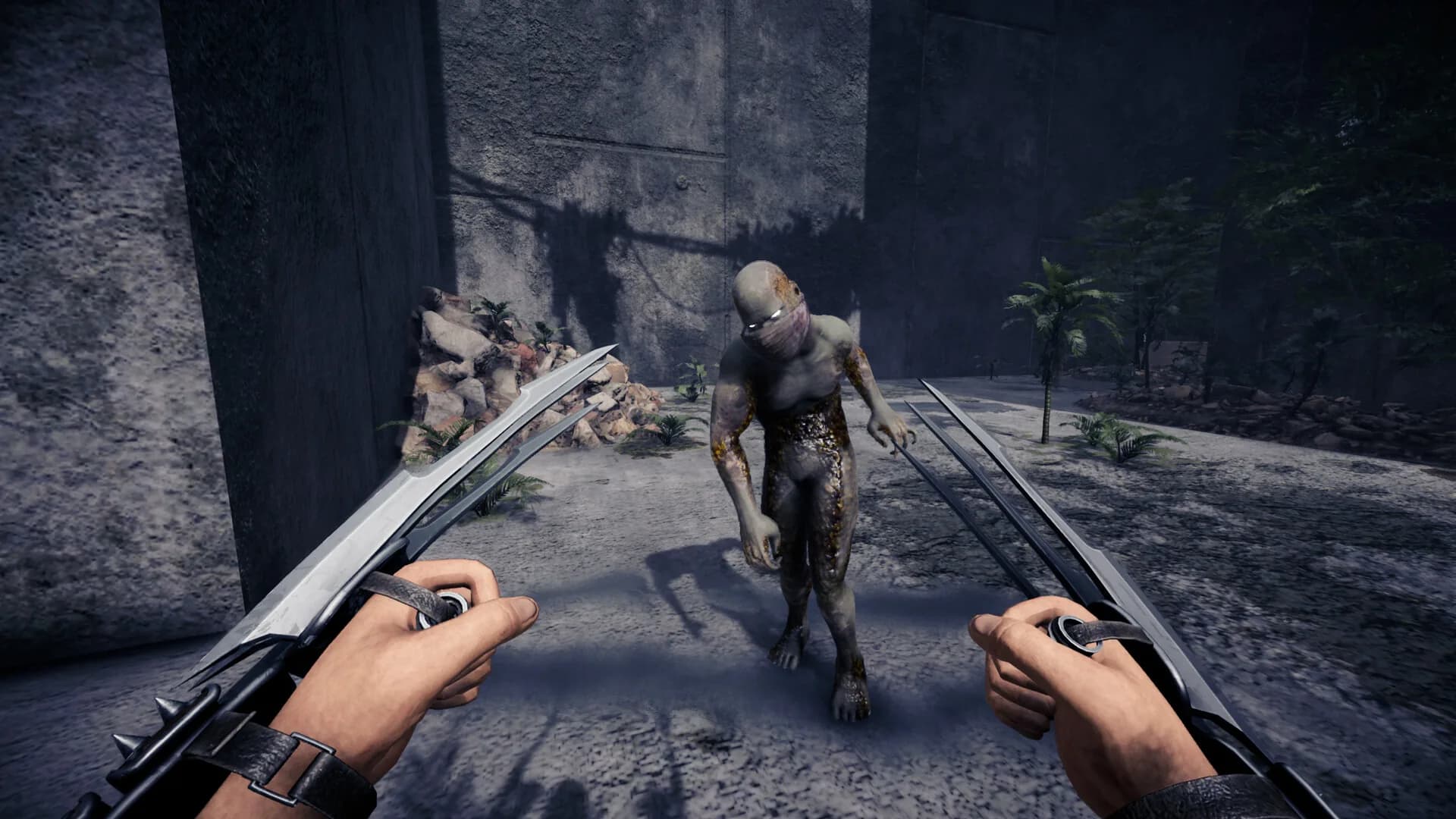
Exploring before marking. You will not find your way back. It is not a question of skill.
Trusting a map you have not tested. The game warns you they lie, and it is not joking.
Looting by day because it feels safer. You are entering precisely when the interiors are occupied.
Saving unknown syringes for emergencies. That is the worst possible moment to discover an effect.
And pushing on because you are nearly there. You are never nearly there in a maze that reconfigures. The point of no return is not a distance, it is an inventory state: when you have nothing left to mark with, nothing to heal with and nothing to trap with, you are already too far.
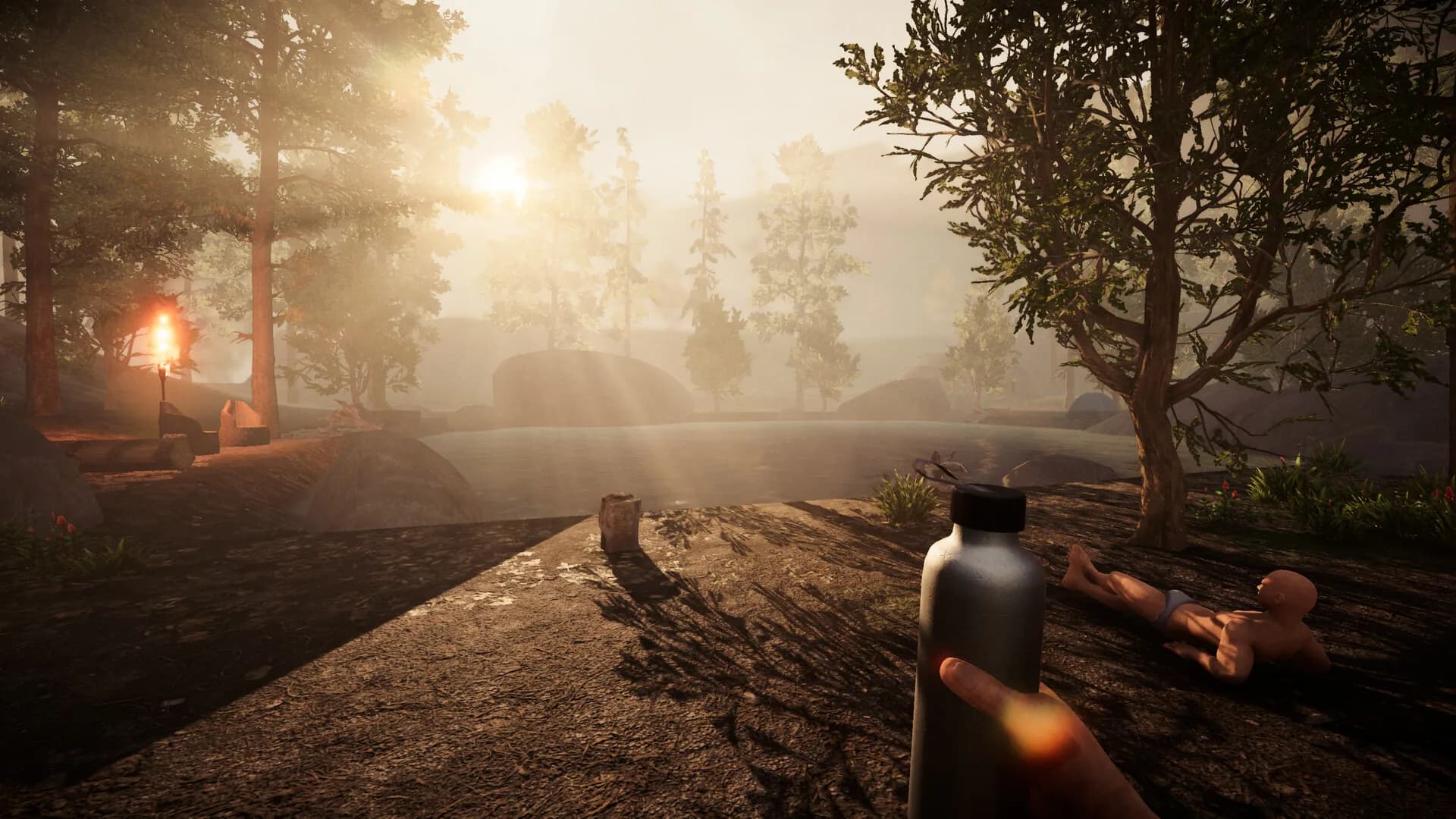
Until the community has mapped the behaviours, nobody can give rates, loot tables or a complete list of syringe effects. Which is fairly appropriate for a game whose subject is that nothing can be mapped.
What precedes covers the methods, and methods are more than enough to survive the early hours.
One last piece of advice that is not technical: record your own findings outside the game. A notebook beside the keyboard, the way we did for old role-playing games. This game rewards exactly that kind of memory, and there is something fitting about keeping the notebook yourself when everybody else left theirs on the walls.
Found a map that told the truth? Come and describe it on the InsertCoins Discord, we are cross-referencing.
Community
Your rating
Advertisement
Loading comments...
You might also like
A maze that moves, syringes with no label, and messages left by people who are not around to answer. Up to six players.
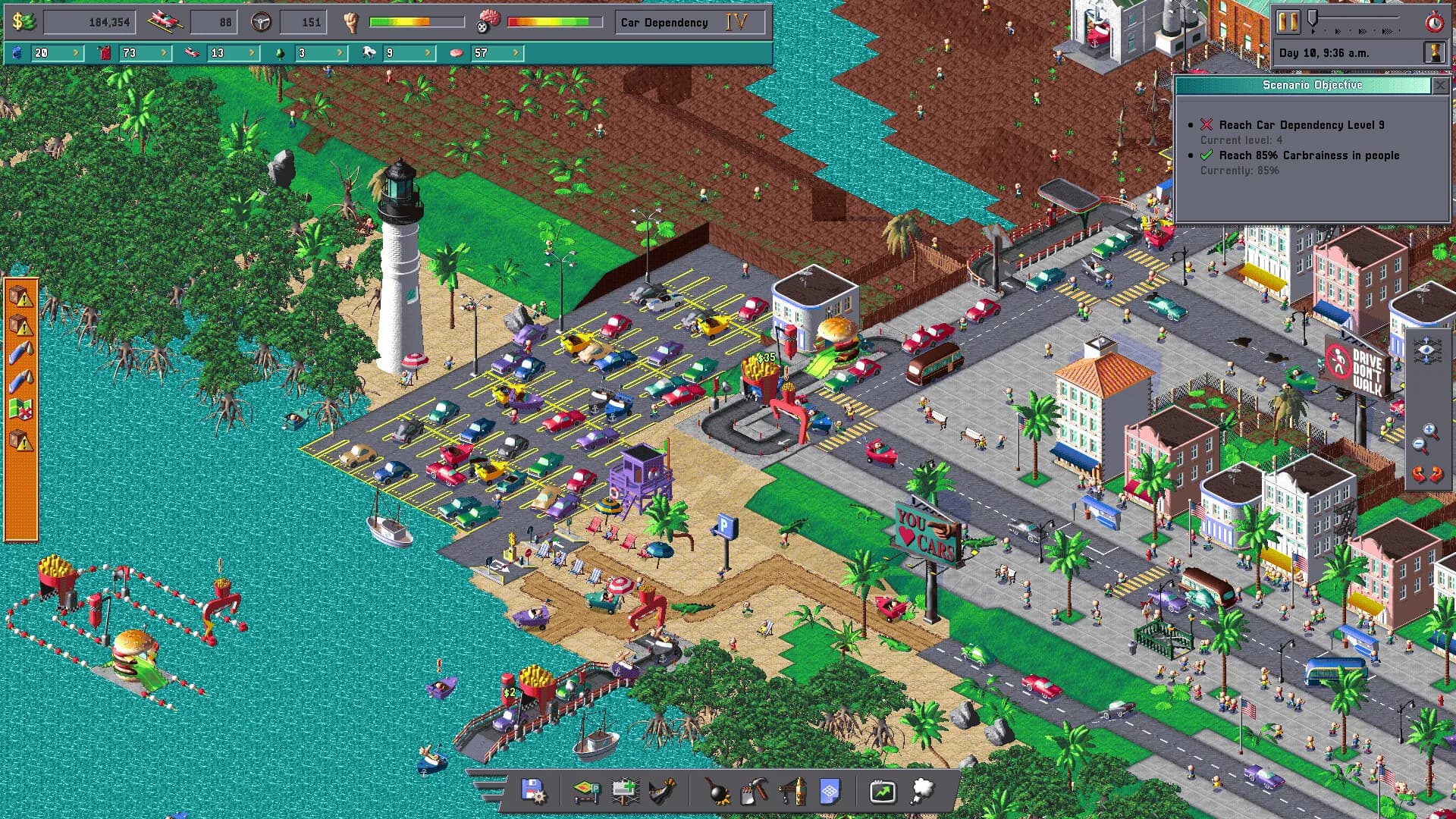
Your car park is not your income, it is your conversion tool. Until you grasp that, you stall in scenario one.
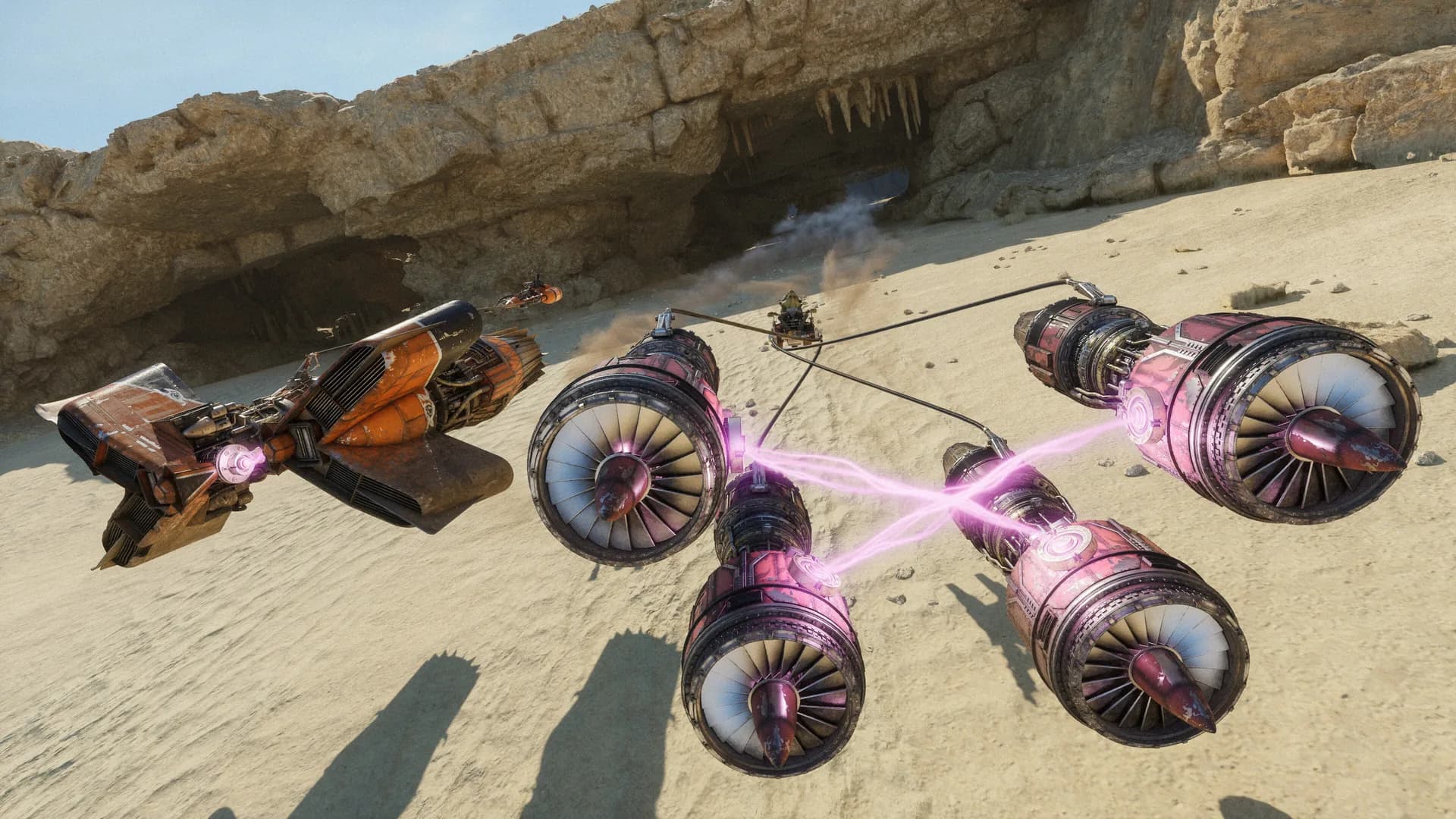
The ramjet, the heat, the planets that change your thermals, and the golden rule of parts: never build wide.
100 echo shards maximum, 10,000 emeralds maximum, enchantment books reusable forever. All of it hidden.