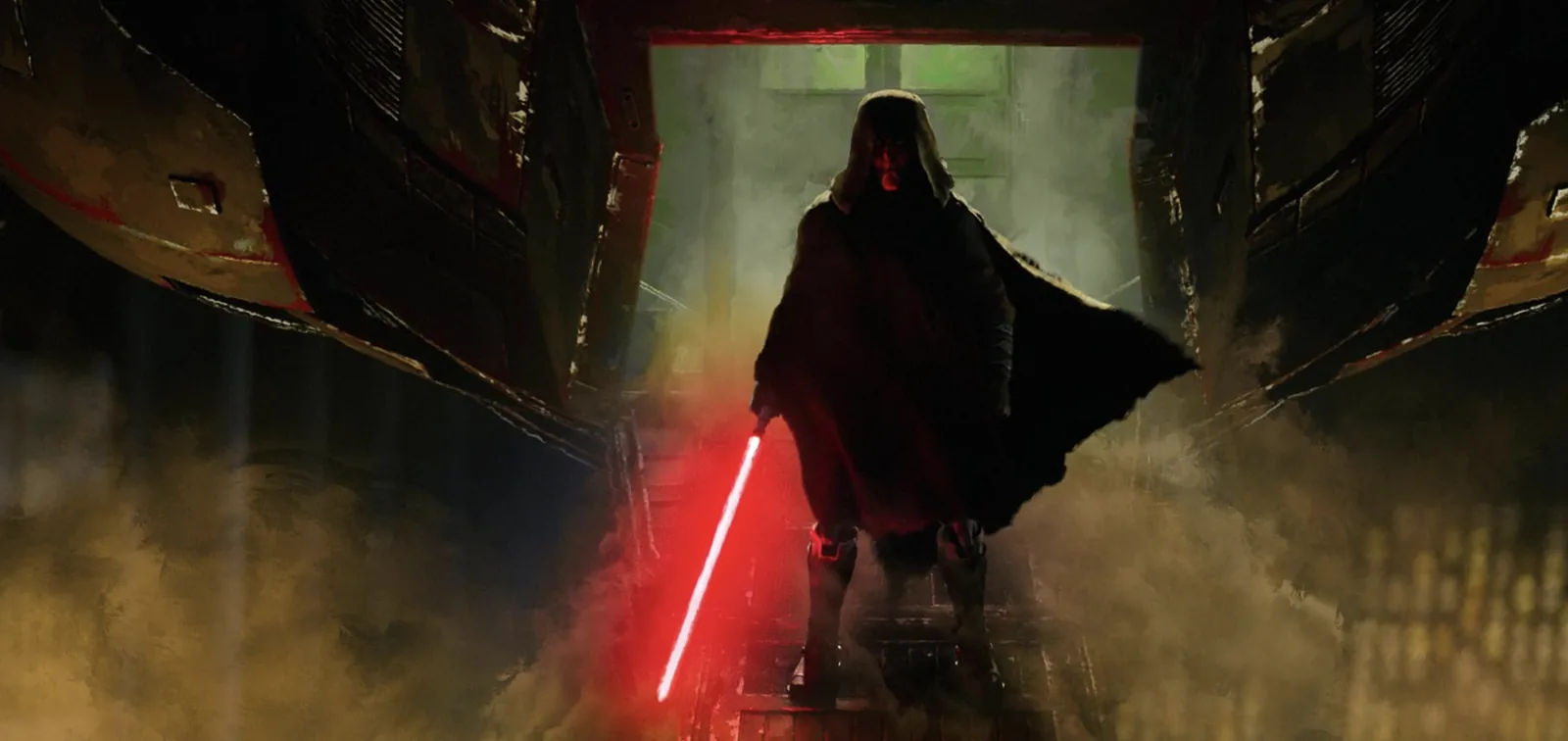
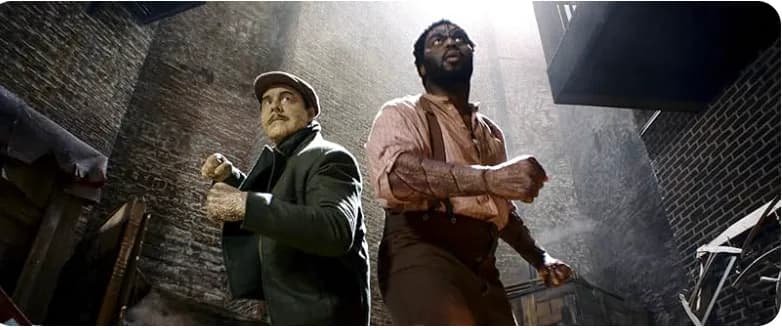
There is a casting question to settle first, because it decides everything in a superhero adaptation. And on that point, the series has already won.
Lanterns launched on 16 August 2026 on HBO Max, one episode a week on Sundays, for a first season of eight episodes. Only one is available as I write, which means this article is a first impression rather than a verdict. So there is no score attached: judging eight hours of television on one is exactly the shortcut we criticise in others.
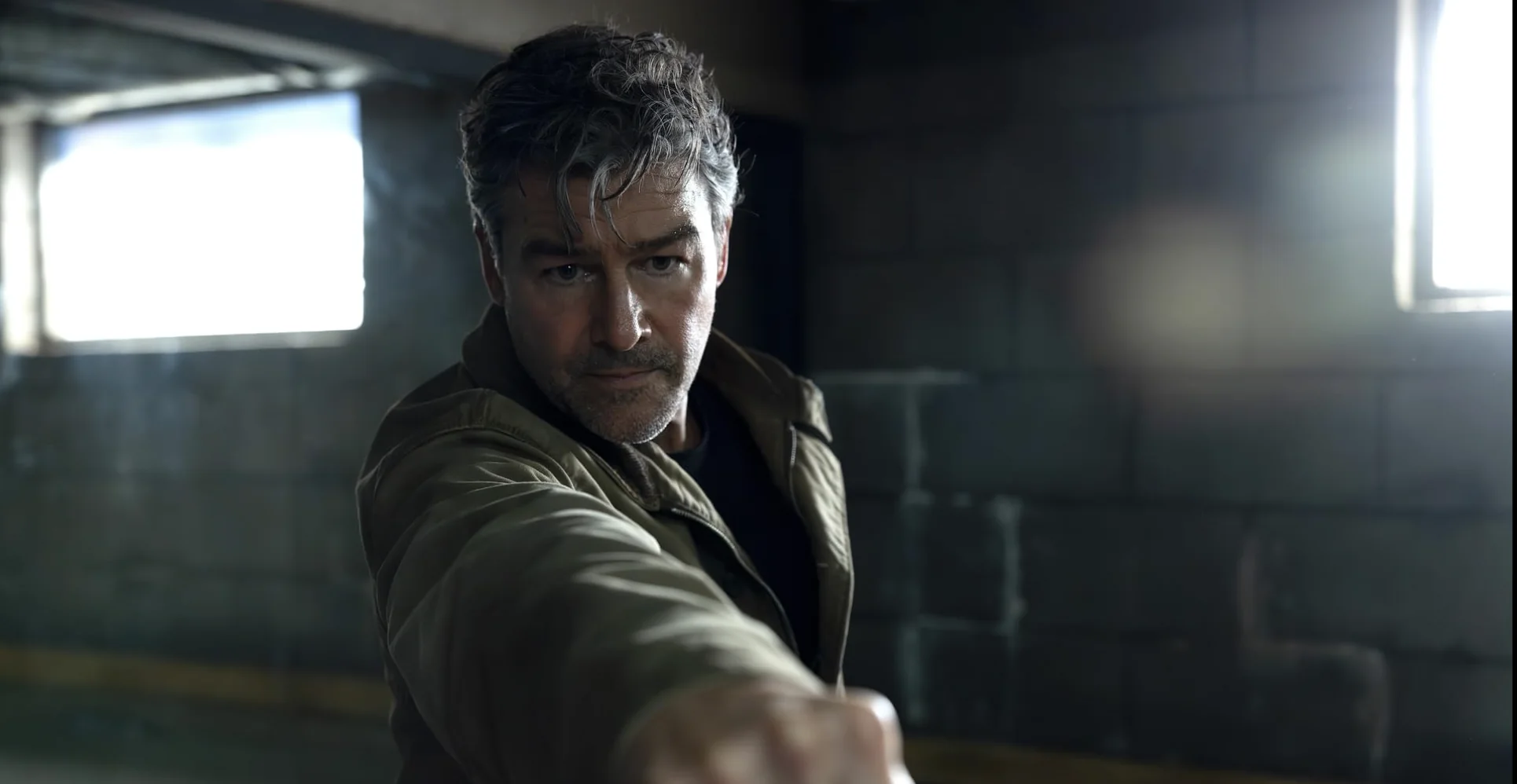
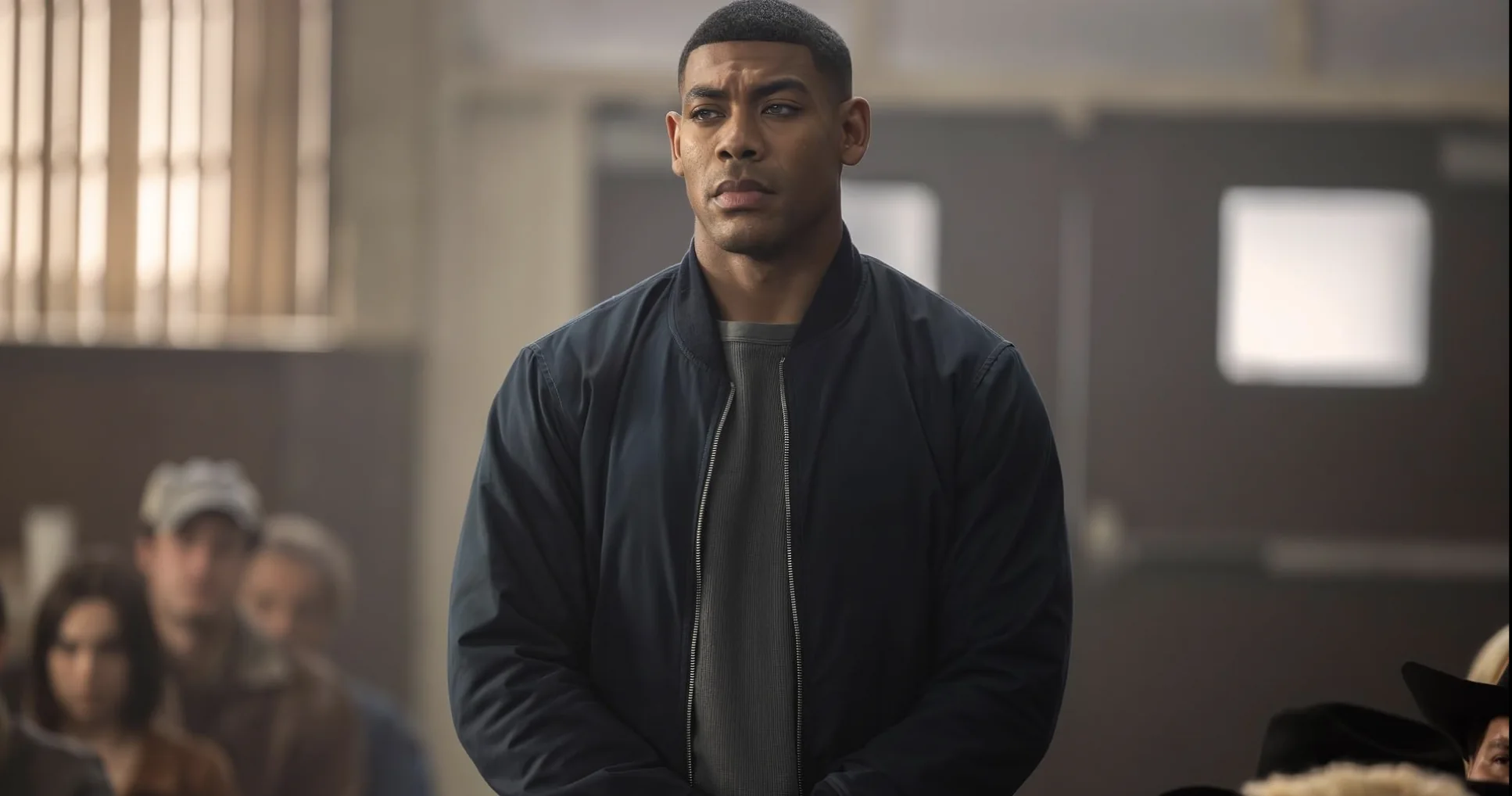
I had seen him before, and not in the most glorious way. Netflix had been pushing Rebel Ridge at me for weeks, the thumbnail did nothing for me, and I eventually gave in out of weariness rather than curiosity. Released on 6 September 2024, written and directed by Jeremy Saulnier. Aaron Pierre plays Terry Richmond, a former Marine who comes to post his cousin's bail and has the money seized by a small town's corrupt police under civil forfeiture.
What floored me was the fighting. And I have since learned a detail that makes it far more interesting: Saulnier spent the shoot fighting against choreography. He has explained that he studied a great many real fights and pushed his stunt team to keep it sloppy, to refuse the stylish move, to capture the awkwardness of real combat. Pierre trained hard and performed much of his own fight work.
So what I took for exceptional choreography was precisely the opposite: it was the absence of visible choreography that made those scenes so physical. It is a lesson in staging action that plenty of blockbusters would do well to study.
The script, on the other hand, struck me as ordinary. I was evidently in the minority: the film holds 95 percent on Rotten Tomatoes, making it one of the best received thrillers of its year. Its deliberate slowness spoke to me less than to others, but critics followed Saulnier without reservation.
What matters for Lanterns is that the role had already demonstrated what the series now exploits: Pierre holds the screen without forcing, with a physical presence that needs no noise. For John Stewart, himself a former Marine in the comics, it was casting almost by deduction.
I keep thinking of the scene in The Lord of the Rings where Aragorn releases the Army of the Dead from their oath. And it is not just a gag.
Because the 2011 Green Lantern did not merely fail, it haunted everybody for fifteen years. Ryan Reynolds himself turned it into a running joke, up to mocking it head-on in Deadpool. That film became the proof by absurdity that nobody knew how to adapt this character, and it weighed on every subsequent attempt.
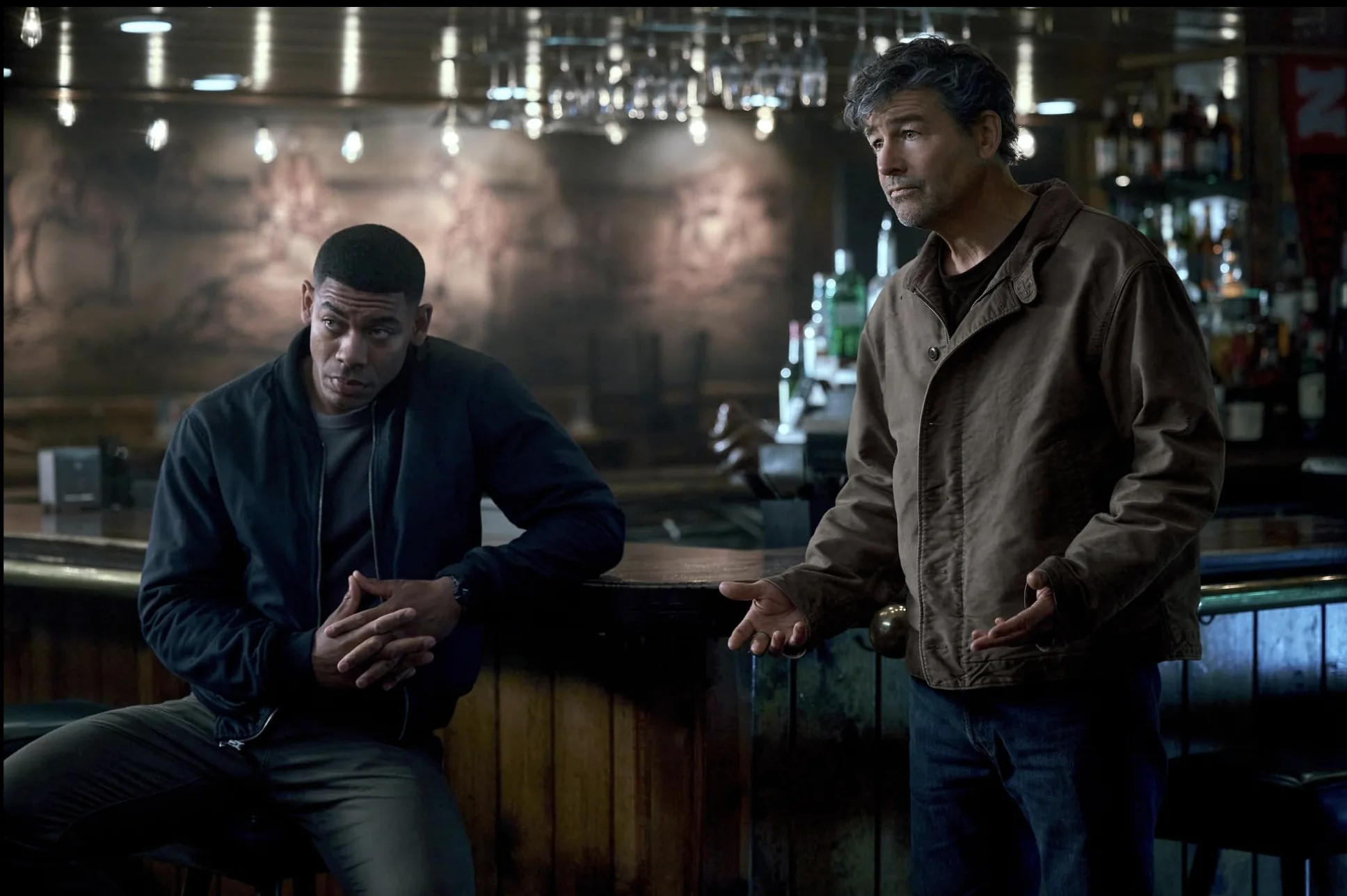
Kyle Chandler solves the problem quite simply: he does not play a superhero. He plays a tired man who has done this job too long. That is exactly the register where Chandler has been unbeatable since Friday Night Lights, that quiet authority of a man with nothing left to prove, made credible by weariness. A fifty-something Hal Jordan rather than a young lead in a green suit is the choice that unlocks the whole character.
So yes: you are released, Ryan. Go in peace.
The official pitch fits on one line: two intergalactic cops are drawn into an earthbound mystery while investigating a murder in the American heartland. The murder happens in Rushville, Nebraska, and it turns out to carry cosmic implications.
In other words, this is not a superhero series. It is a rural crime drama with rings.
The structure points the same way, and this is where the writing shows. The season runs on two timelines: a 2016 thread where Hal trains John, and the present-day 2026 investigation, roughly a year after the events of Superman and the second season of Peacemaker. A veteran and a rookie, a fraught relationship unfolding across two eras: the True Detective comparison makes itself, and critics reached for it immediately.
The creative trio explains a lot. Chris Mundy, serving as showrunner, comes from Ozark, so from provincial American darkness. Damon Lindelof comes from Lost and above all from Watchmen, the best thing ever done with superheroes on television. And Tom King is a comics writer whose obsession is precisely the psychological wear on heroes. Those three were never going to produce entertainment in tights.
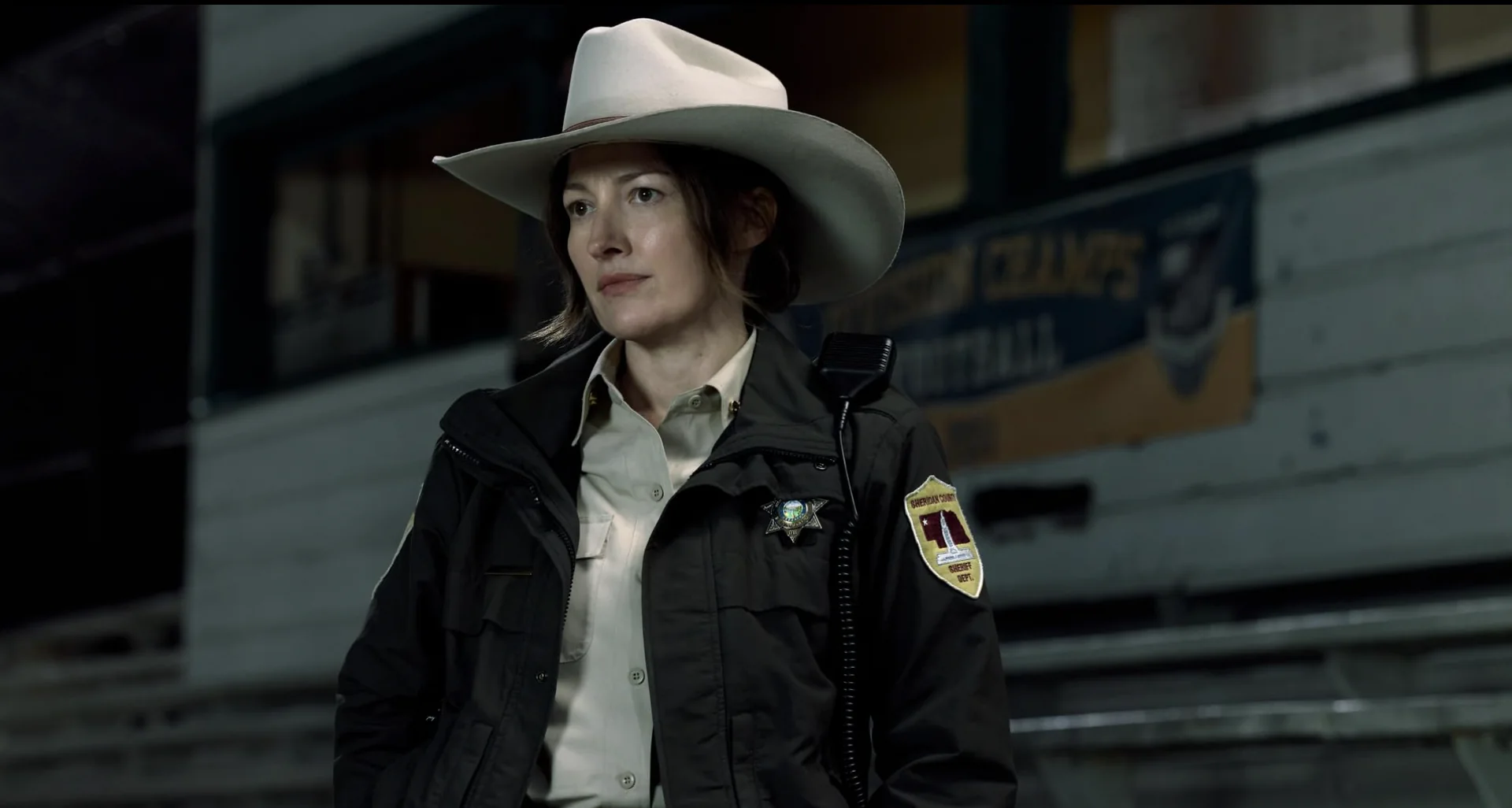
The pilot lays out its plot methodically rather than spectacularly, and the Hal Jordan interrogation scene is the best moment of the hour. It works because it rests on no power at all. Two men, a table, and a balance of force that reverses through speech. A superhero series capable of putting its best scene on screen without a single special effect usually signals something solid.
There are writing conveniences here, and I will put them without giving anything away.
There are one or two moments in this first episode where the machinery of the story becomes visible. A character appears, the staging lingers a second too long, the music leans in slightly, and the seasoned viewer understands immediately that this person will not stay decorative. It is not a serious fault, it is a visible seam.
And it is all the more a shame because the rest of the episode does the exact opposite: it lets details lie without underlining them, it trusts the viewer, it builds its atmosphere through silence and landscape rather than explanation. When a series can do that, those little spotlight moments stand out.
They are rare cases. But across eight episodes they will quickly show whether the writing holds its line or gives in to genre reflexes whenever the plot has to move.
The numbers confirm the general impression: the series holds 90 percent on Rotten Tomatoes across around forty critics, with the Certified Fresh label, making it one of the best received projects in the new DC universe.
The praise centres on two things: the writing by Mundy, Lindelof and King, and the performances. One formulation recurs and sums it up well: the grounded and gritty approach pays dividends, and it hands the DC universe a win it needed.
That is important context. The new DC universe needs to demonstrate it can produce something other than launch films, and an adult eight-episode series that works on its writing rather than its effects is probably the best possible proof.
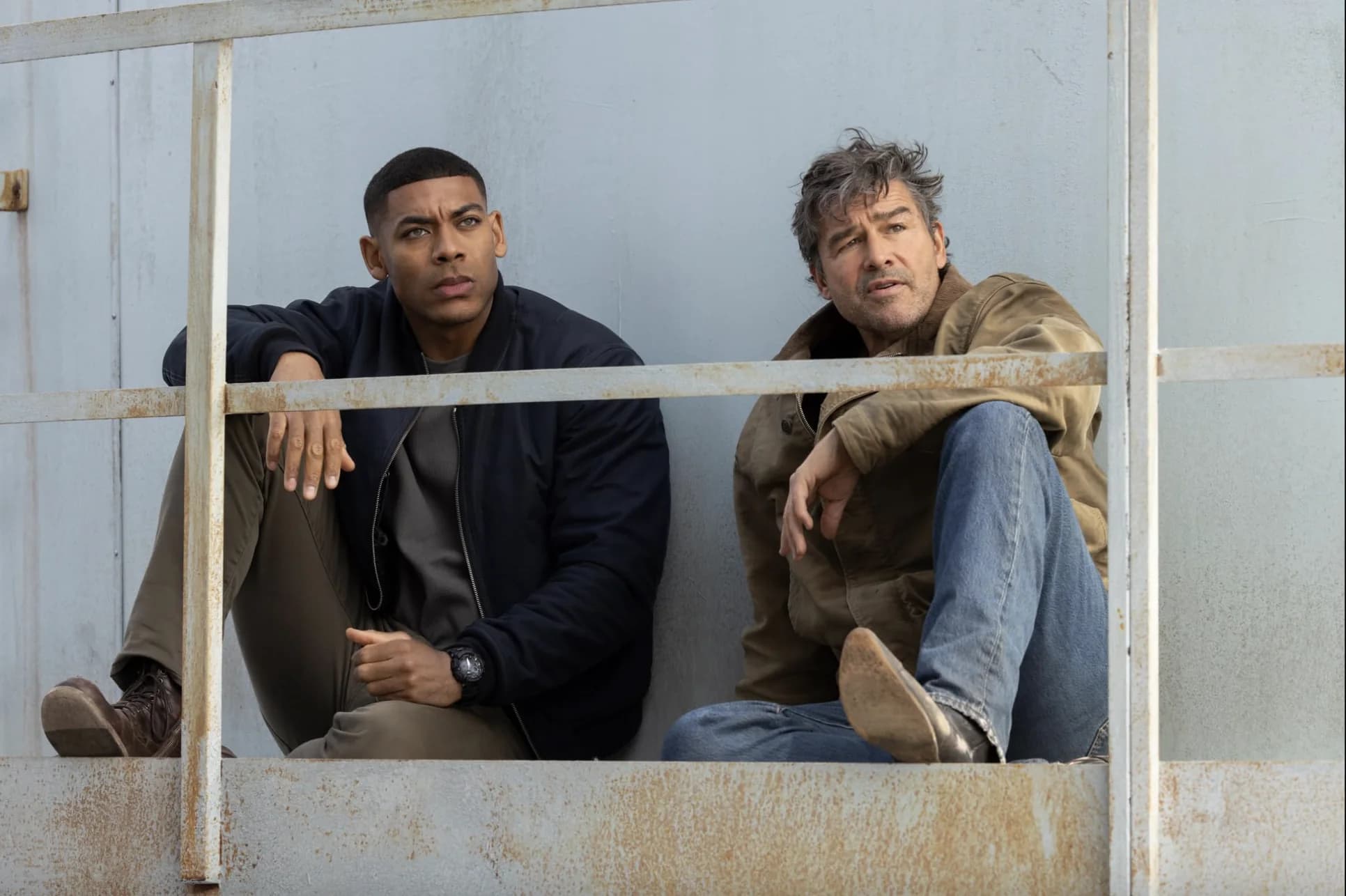
The casting is settled, and that is already enormous. Chandler brings a gravity this character has never had on screen, Pierre confirms what Rebel Ridge suggested, and the pairing works on exactly the imbalance it needs.
The premise is intelligent: pulling Green Lantern out of space to trap him in a Midwestern crime story is the best way to make the cosmic interesting. Infinity becomes gripping when it intrudes on a small town, not when it fills the whole screen.
It remains to be seen whether the series holds the distance, whether the two timelines converge elegantly, and whether those small conveniences stay the exception. We will come back to it at the end of the season, with a score that time.
In the meantime, a question for you: does an ageing, weary Green Lantern strike you as a better idea than a fearless young pilot, or does that betray something about the character?
We put the world of adaptations to rights on the InsertCoins Discord, and opinions on DC are rarely lukewarm there.