7
Test
Dungeon Inn: running an inn while keeping two rival guilds from meeting
You struck a deal with a dragon. All that is left is serving both sides without either finding out. The 1.0 lands on 23 October.
Alexandrosse
7 min
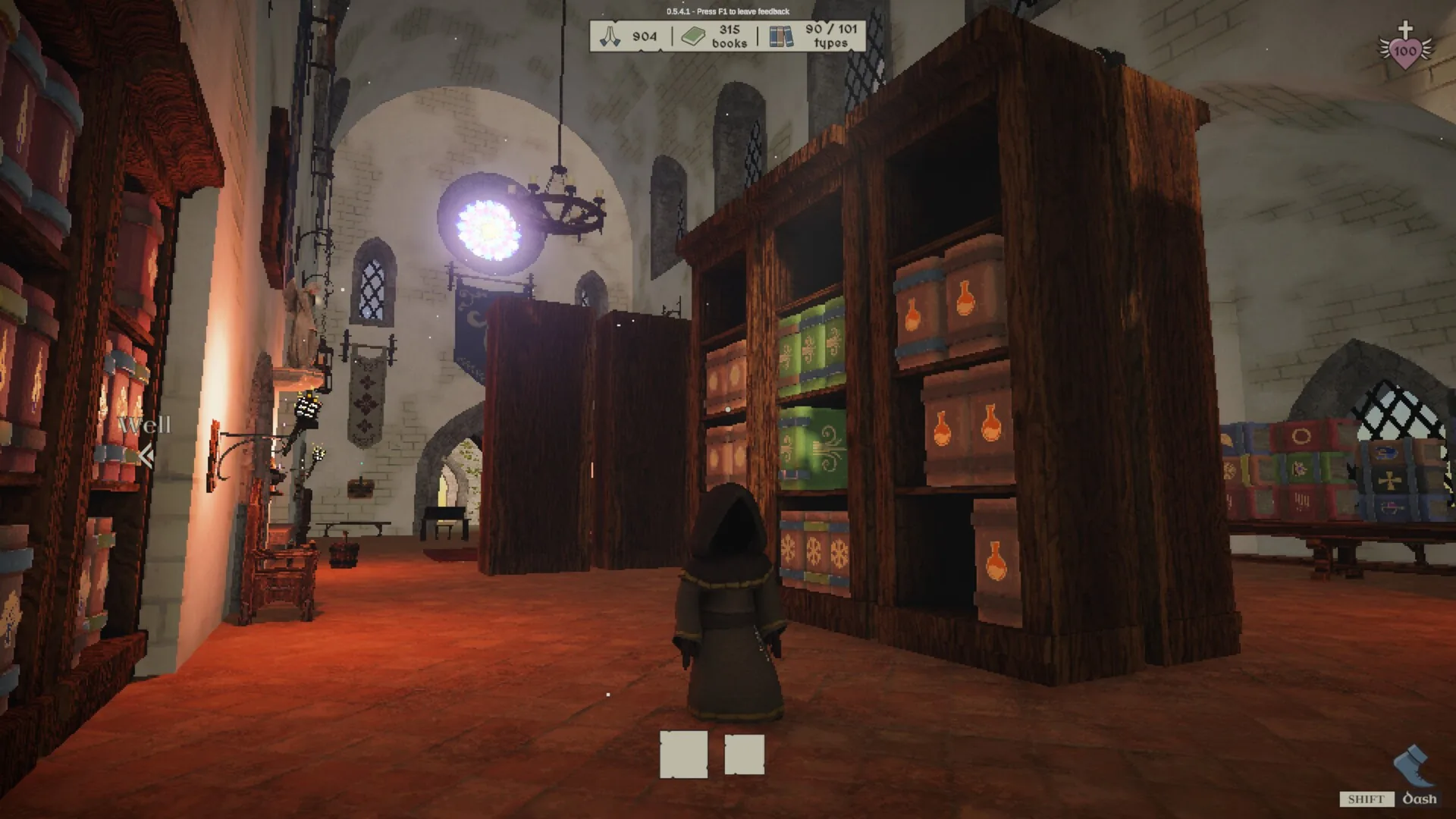
Shelving is not the goal, it is the exam. You file hundreds of books your own way, then have to remember where you put them.
Alexandrosse
InsertCoins.press Score
8/10
Verdict
Recommended
Tidying has become a genre in its own right, and I could not tell you when that happened.
We have reviewed a shop where you line up books to relax, a second one the following week with a considerably less gentle secret, and a whole game devoted to cleaning. Something about the times makes us want to put order somewhere, having failed to manage it elsewhere.
So Monk Took Book arrives in an aisle that is already well stocked. Except it does something the others do not: it does not check your filing, it examines you on it.
You are a novice on Holy Island, in the greatest monastic library of the Dark Ages, and the Abbot entrusts you with the Collection.
In the morning, the books arrive. Each carries a distinct symbol on its cover. You carry them up, you stack them, you place them on the shelves according to whatever system you like. The game imposes no classification. By symbol, by size, by chamber, by pure laziness: it is your library.
At night, the Scribes ask. They request a particular volume, and you have to go and get it. No index, no search function, no arrow on screen. Just your memory and the mental map you built during the day.
That is where the game is clever. A conventional tidying game compares your work to a hidden rule and awards points. This one lets you invent the rule, then checks that you remember it. Shelving stops being an occupation and becomes an investment.
And believe me, you discover very quickly that the brilliant system you devised at nine in the morning is illegible by midnight.
Here is why this works better than it sounds.
Filing by symbol makes retrieval fast but wastes space, because you have to reserve areas for symbols that may never arrive.
Filing by order of arrival packs the shelves perfectly and condemns you to searching.
Filing by size looks superb, and is completely useless when a Scribe asks for a specific volume.
The studio reworked the range of book sizes during testing, precisely so a shelf can be filled without gaps while keeping thick and thin volumes. That may sound like a detail. It is the heart of the trade-off between space and memory.
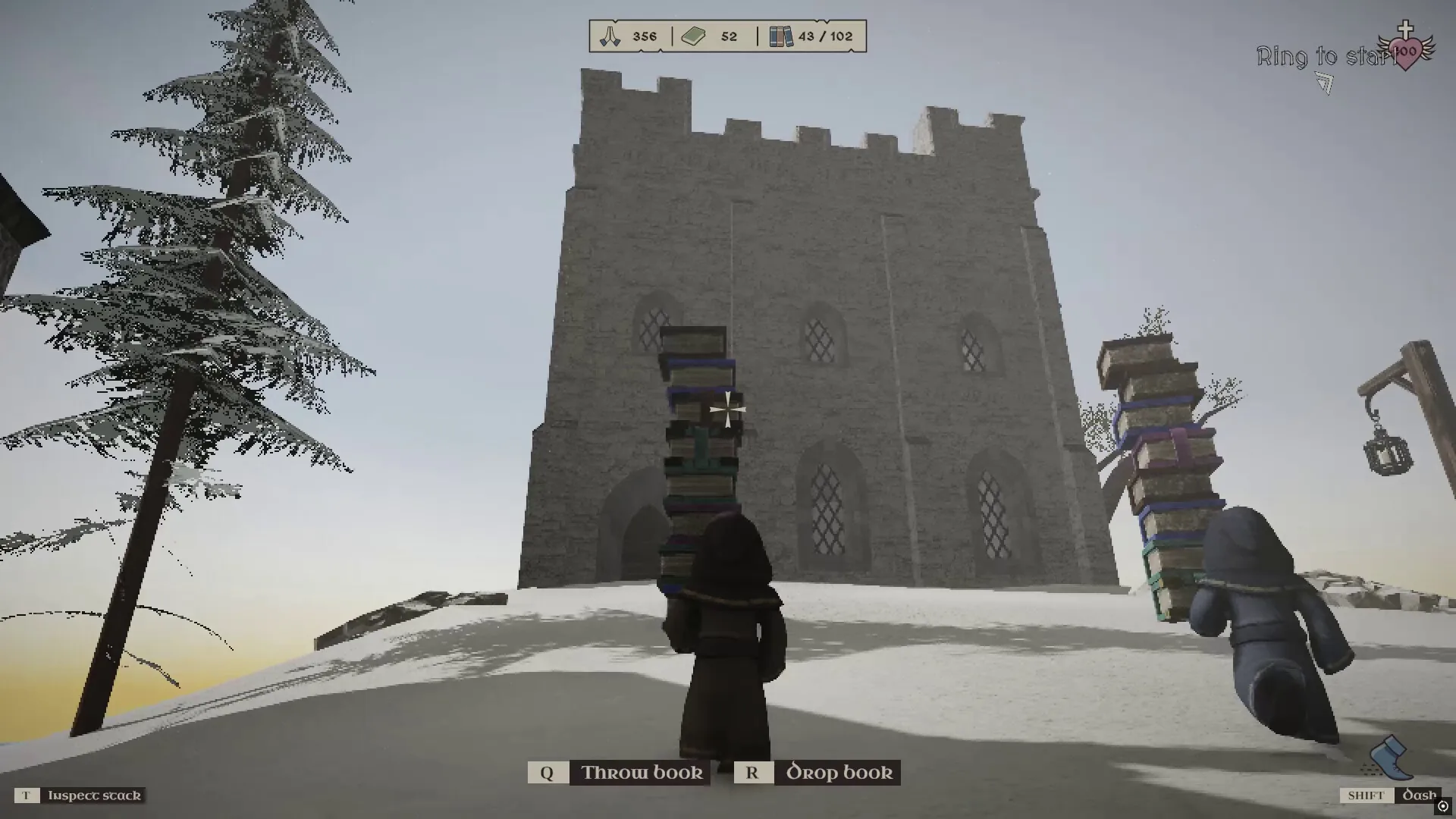
The Abbot rewards your work with Blessings, the game's currency, and you choose what to do with them.
You can raise your attributes: strength to carry taller stacks, speed to cross the library faster, carpentry to build better.
Or you can expand: raise new and loftier shelves, unlock new chambers, and extend the Collection towards the Legendary Collection that serves as the end goal.
The choice genuinely shapes the run, because enlarging the library makes your memory less reliable. Every room you open is one more room to hold in your head. You progress by making your own task harder, which is a rather beautiful way to write a difficulty curve.
Because this is not a peaceful game, or rather, not only.
After dark, vermin, spirits and assorted beasts assail your Collection. You defend yourself with a dagger, a crossbow or a holy cross, and afterwards you repair damaged volumes with a quill.
Testing has featured rats that bite bindings, spiders that climb the shelves and web them up, and a small book thief who pilfers from your collection while your back is turned. That last one is my favourite threat, because it destroys nothing: it moves things. In other words it attacks exactly what the game asks you to protect, your mental map.
All of it rests on interacting systems rather than scripts: simulated flame and combustion, buckets of water for dousing, the physics of books tumbling and being thrown, a day-night cycle, ballistic weapons and melee. A medieval library where fire genuinely spreads is a frightening idea in the best way.
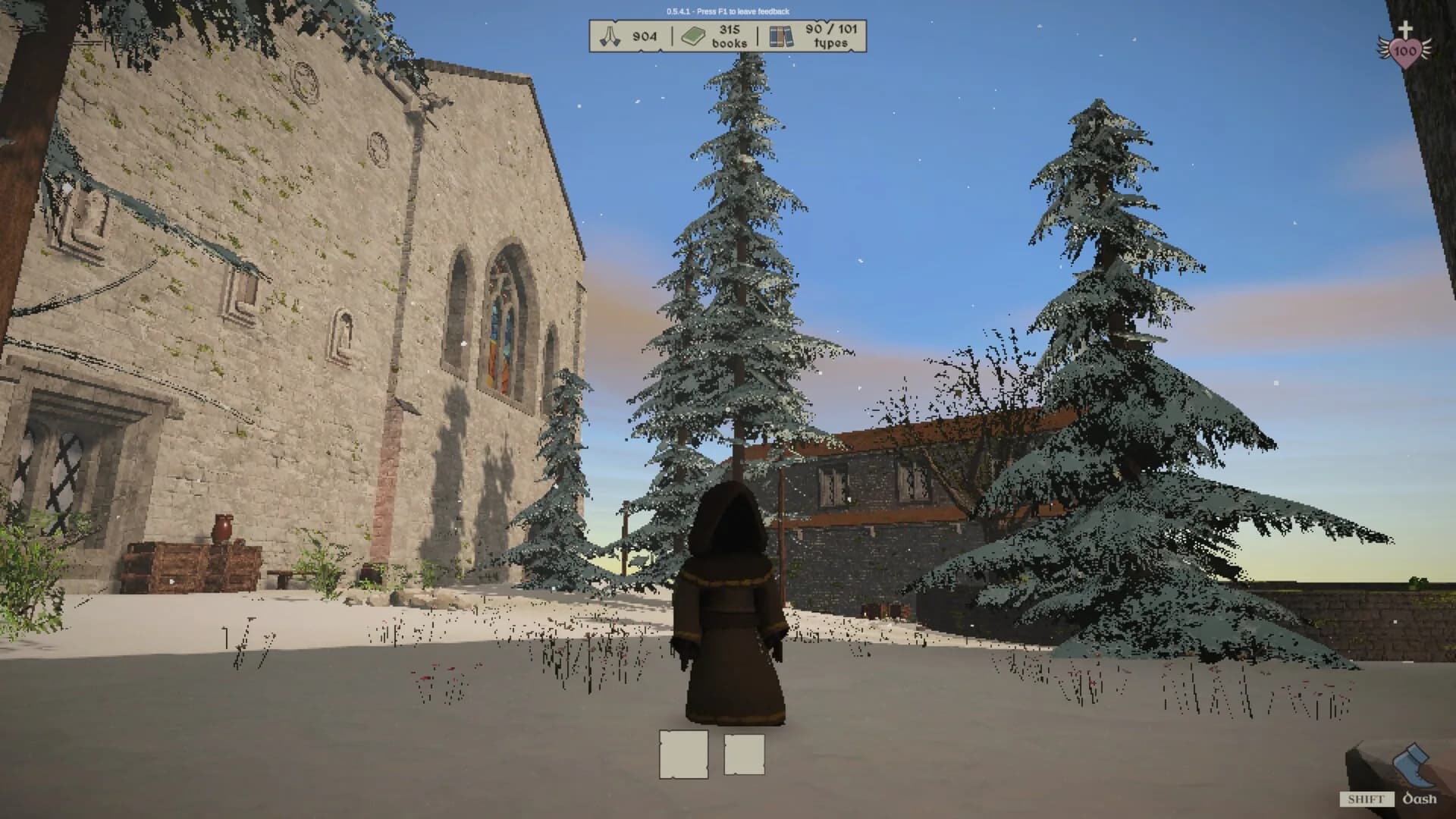
And here is the detail that, in my view, will decide the game's fate.
You can reduce the enemies, or switch them off entirely. You can also control the rate at which books arrive for a calmer run.
In practice that means Monk Took Book is two games in one box. Without the monsters it is a pure filing and memory game, contemplative, with the rustle of parchment and nothing else. With the monsters at full strength it is an objective defence where you run from a fire to a rat while trying not to forget where the requested tome is.
Few games in this genre leave the slider that open, and it settles in advance the usual argument between people who want to relax and people who want tension.
You can play alone, or with up to four monks.
Voice chat is proximity-based, which is the right call: you hear each other in the same room, and lose each other across floors. So you can divide the chambers between you, provided you agreed on a shared filing scheme, and that is where it gets funny. Nothing ruins a friendship like a monk filing by size while you file by symbol.
During testing the studio fixed the case of two players grabbing the same book at once, and reconnection correctly restoring the stacks other players were carrying. Those are unglamorous fixes, and they are exactly the ones that hold a co-op evening together.
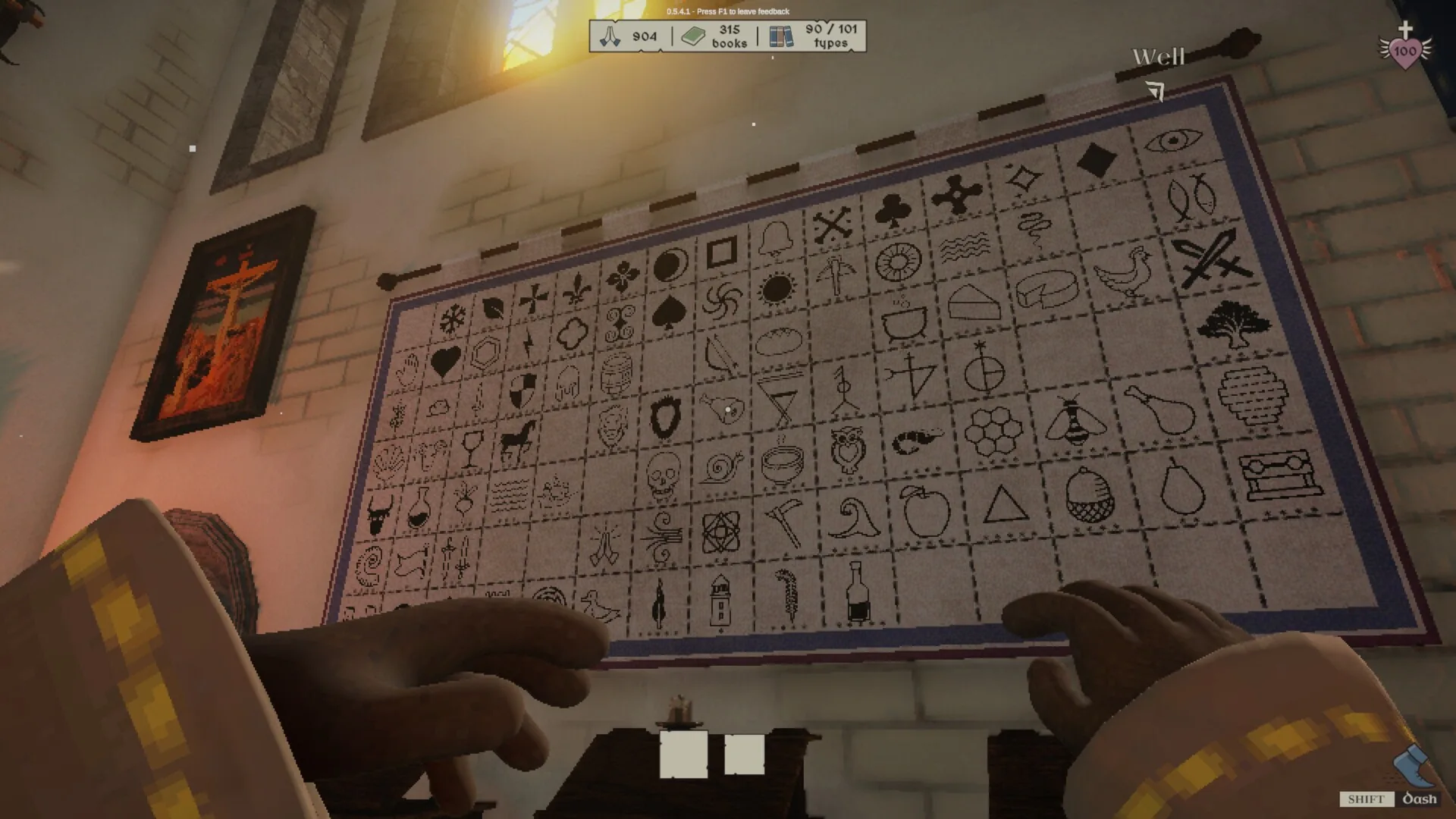
It comes from SquarePlay Games, a very small team that followed its demo feedback month after month, with patch notes written in the same mock Middle English as the game, which is either charming or exhausting depending on your mood.
The game plays in first or third person, offers an arachnophobia mode, full key rebinding, manual and automatic saves, and sliders for field of view, gamma and camera shake. It is a boring list to read and a reassuring one to find.
It launches today, late afternoon in the UK, and the demo stays online after release, which I find honest: the studio invites you to check for yourself whether order gives you pleasure before paying.
The price had not been posted at the time of writing, and you will need a GTX 1050 with 4 GB, integrated graphics not being supported.
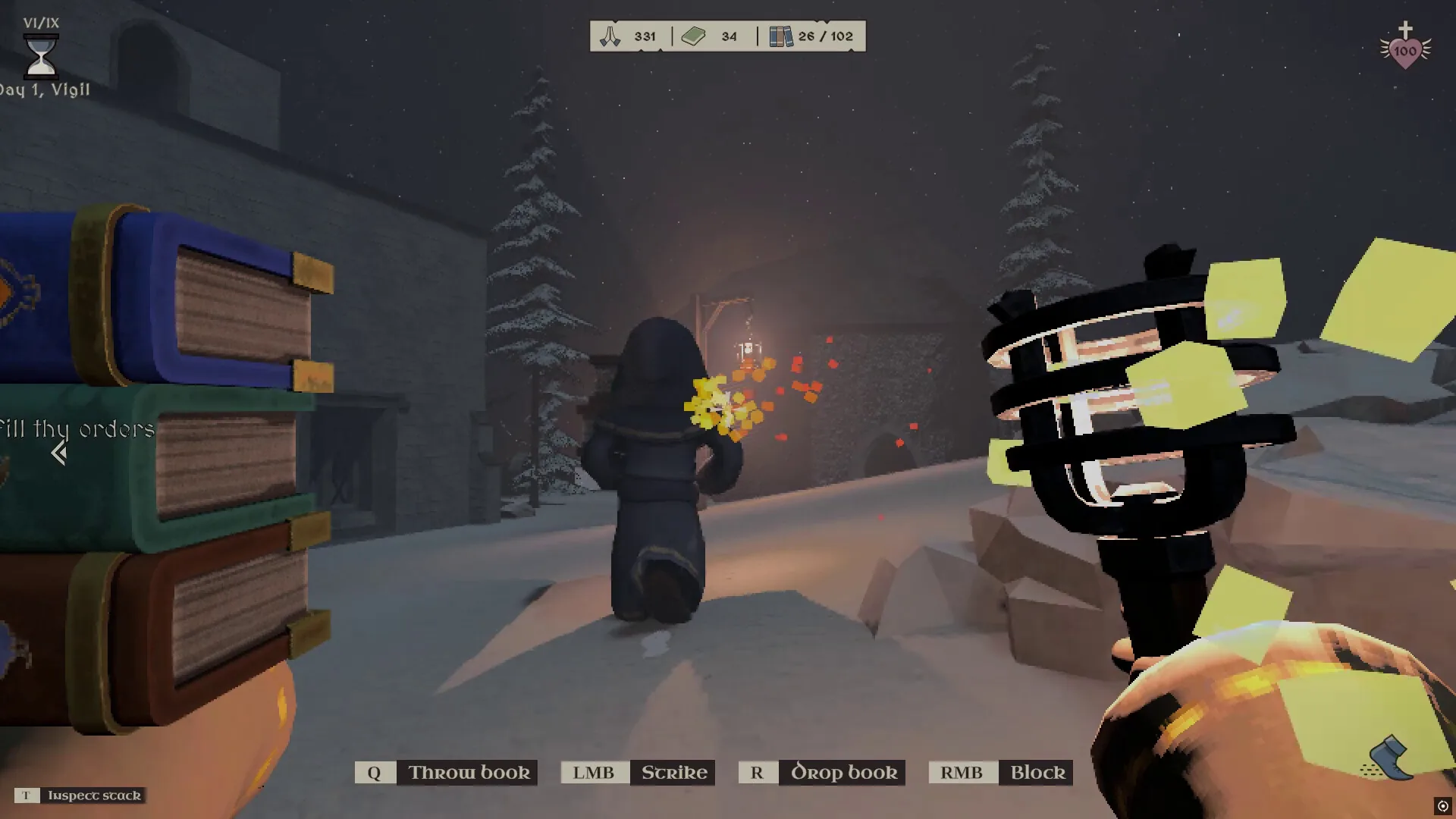
I have a theory about the wave of tidying games: they work because they offer a task with an end, which has become rare.
Monk Took Book goes a step further by making filing a skill rather than an occupation. You are not ticking boxes, you are building a system and then living with the consequences of your choices, including the bad ones. Add a thief who moves your books and a fire that genuinely spreads, and you get a calm game you come away from frowning.
My only real doubt concerns length. A finished library is a tidy library, and I do not yet know how long the urge to start another collection will hold. But the idea itself is excellent.
Is your filing system better than ours? Defend it on the InsertCoins Discord, we are listening until the Scribes arrive.
Community
Your rating
Advertisement
Loading comments...
You might also like
You struck a deal with a dragon. All that is left is serving both sides without either finding out. The 1.0 lands on 23 October.
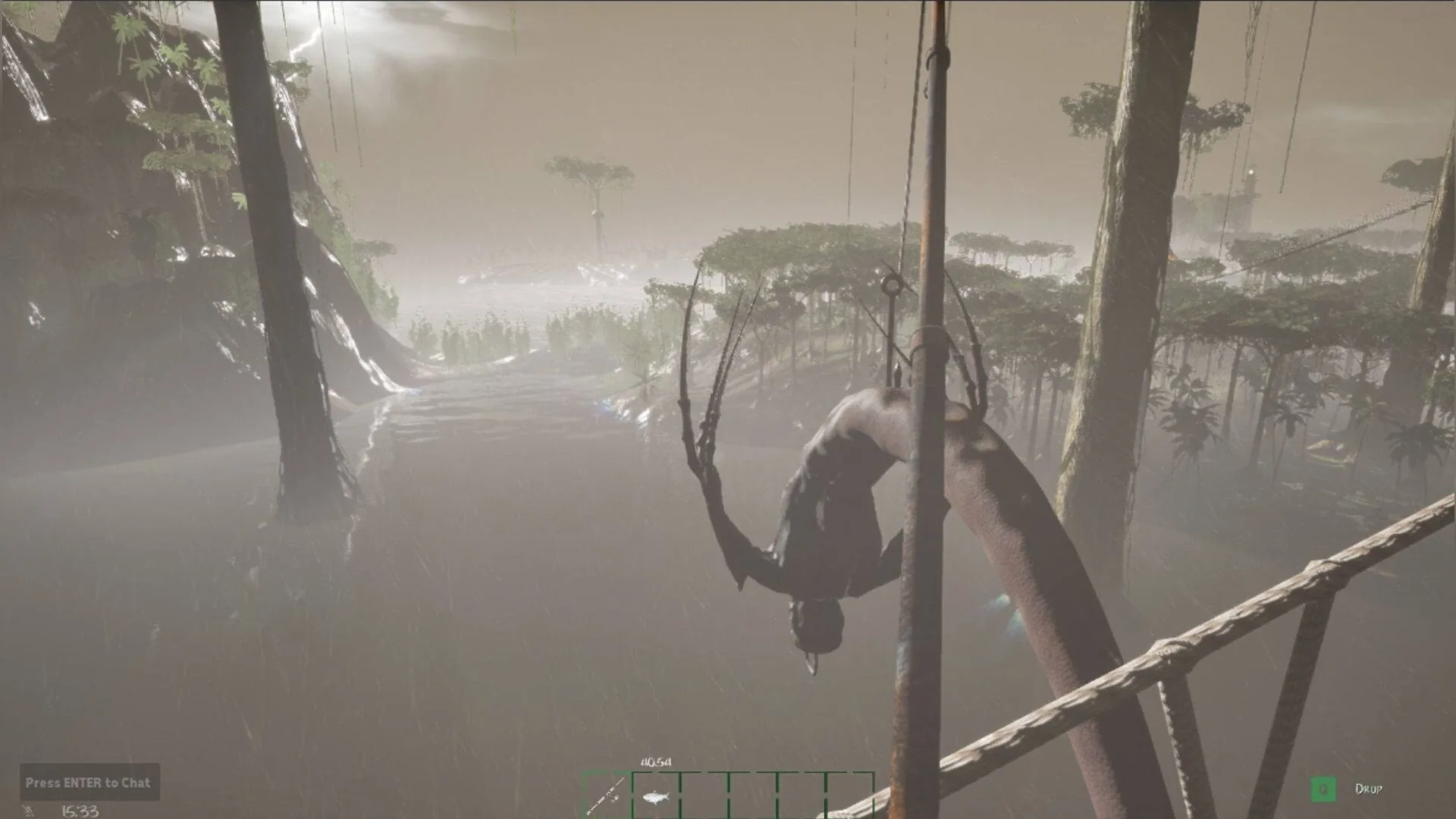
A co-op horror fishing game at nine euros. You must sacrifice fish every day, and the beast is not the worst thing out there.
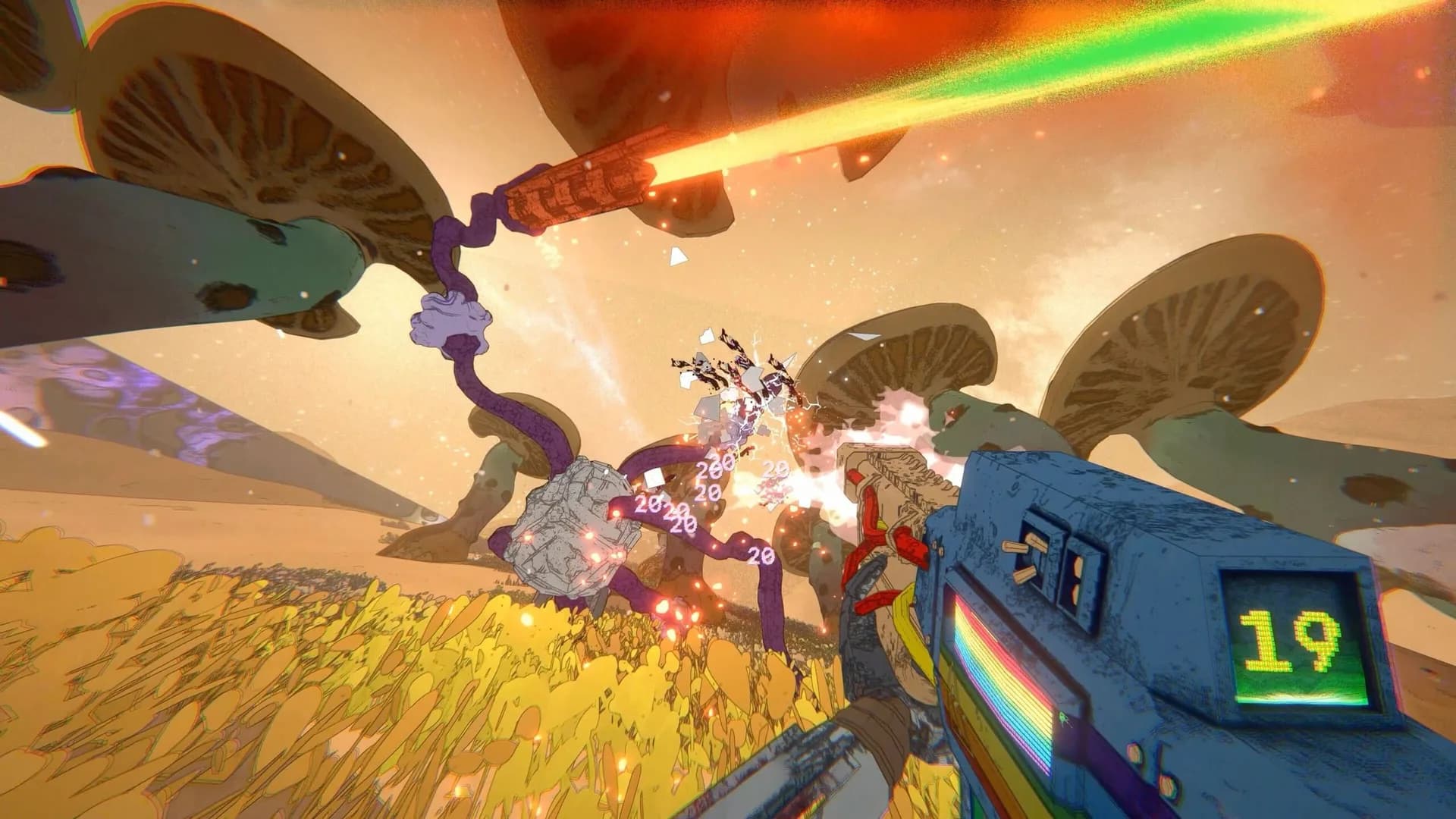
Scrapheap robots sent to exterminate a planetary fungus. The 1.0 lands tomorrow, and the upgrade grid is the genre's best idea.